
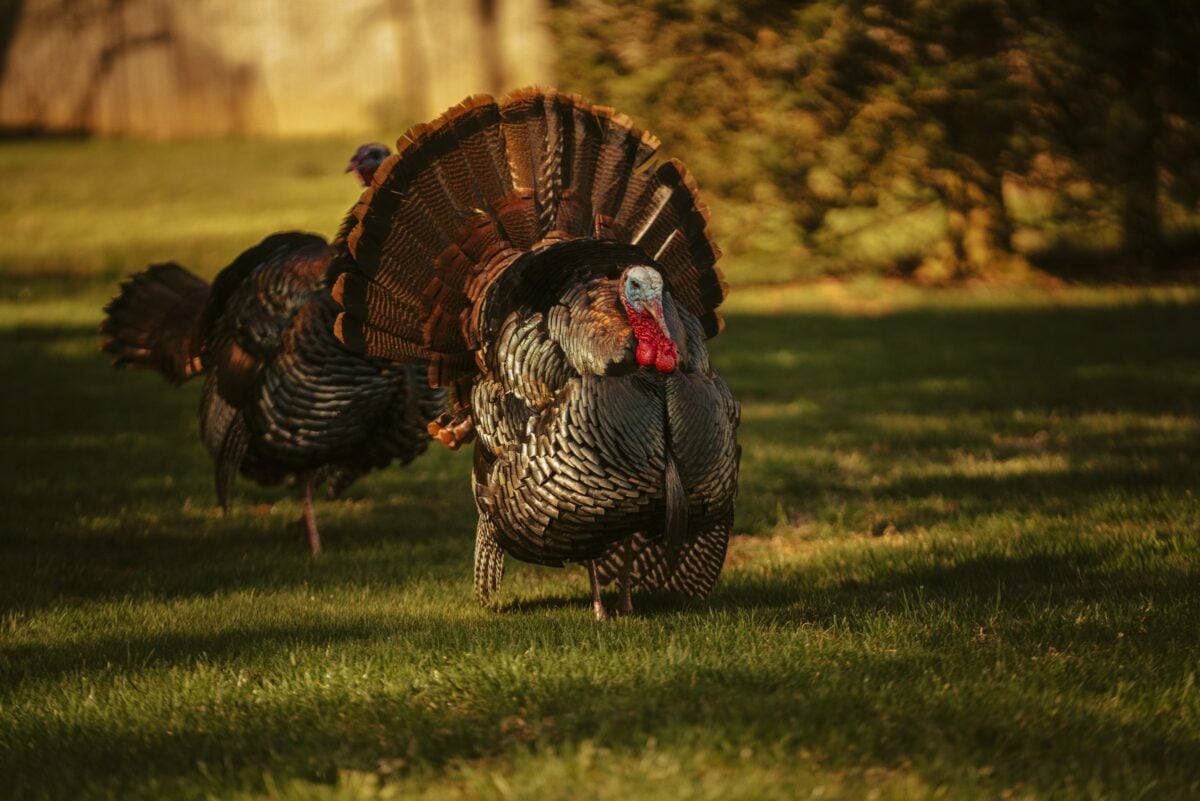


Most people picture a turkey as a slow, round bird that shuffles around a farmyard or sits on a holiday platter. Spend a little time near a wild one, though, and that picture falls apart quickly. The bird that’s watching you from the edge of the woods is lean, alert, and ready to leave.
The headline numbers are the kind that make you do a double take. Wildlife biologists and state agencies have long described wild turkeys as fast on foot and surprisingly quick in the air. What’s behind those speeds is more interesting than the figures themselves.
A Bird Built Nothing Like Its Barnyard Cousin
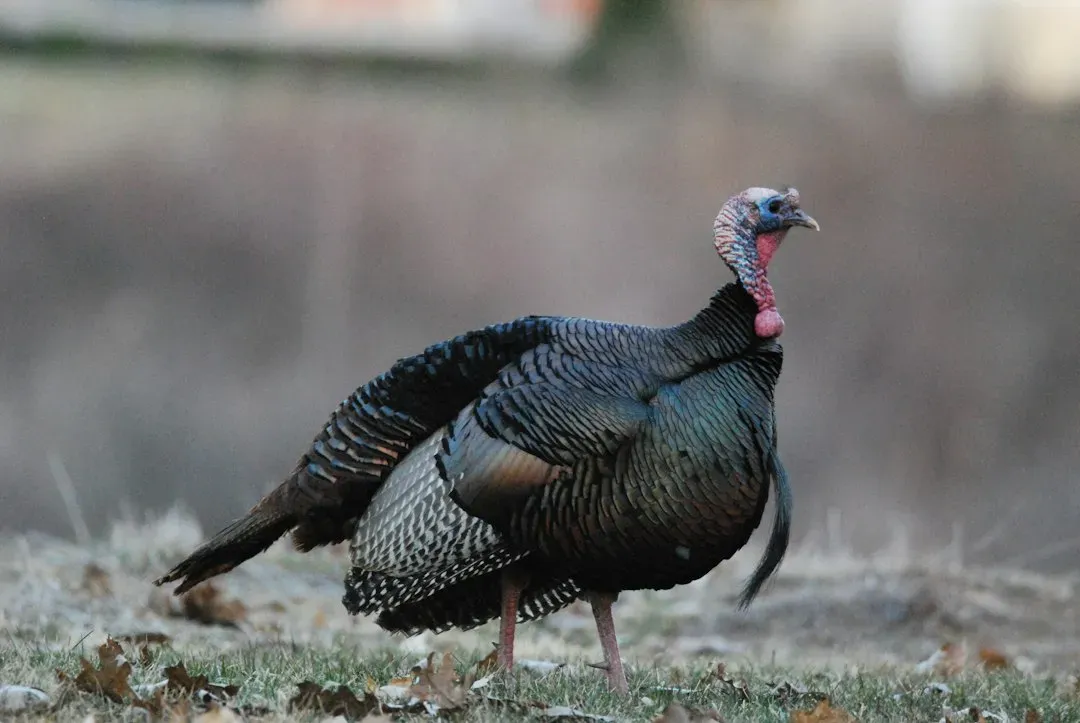
The wild turkey of North America, Meleagris gallopavo, isn’t the same animal most of us know from grocery stores. Domestic turkeys have been bred for heavy breast meat, and many are too big to fly at all. Their wild ancestors are slimmer, with longer legs and a body shaped for moving through forests and fields.
That difference matters when you hear the speed claims. The numbers apply to wild birds, not the farm-raised kind. Conflating the two is probably why so many people underestimate what a turkey can do.
Why Twenty Five Miles Per Hour on the Ground Is Believable
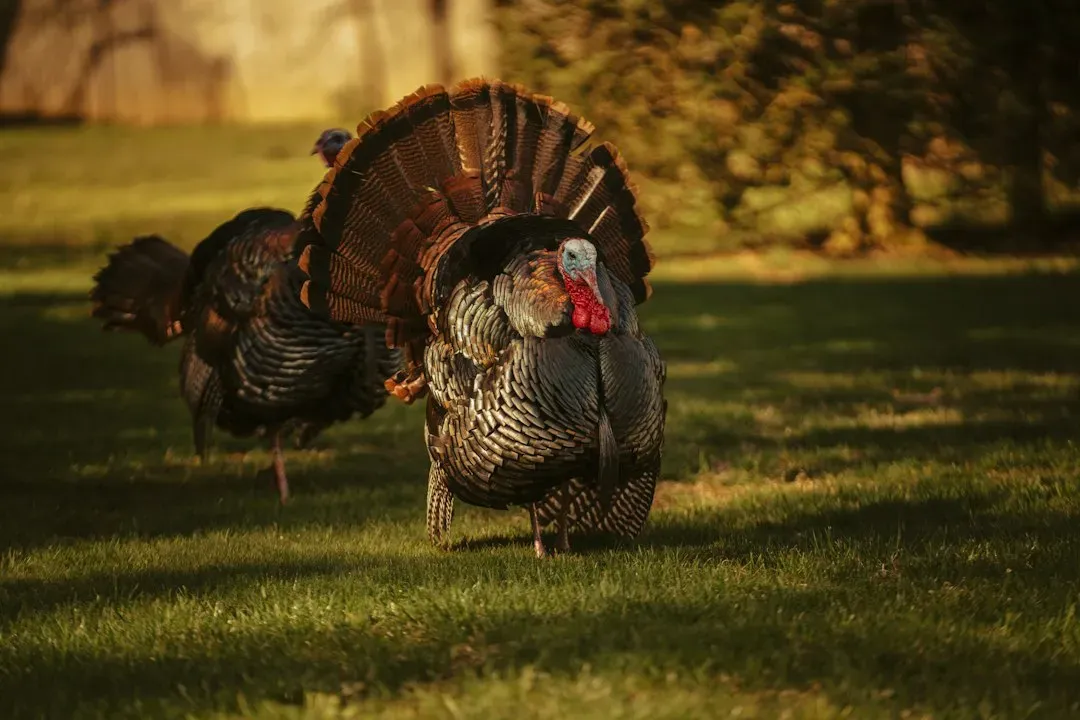
Wildlife agencies commonly cite a running speed of around twenty five miles per hour for wild turkeys. That’s an upper figure, not a casual jog, and it’s usually described as a burst used when a bird is pushed to flee. Their legs are long, strong, and built for covering ground fast.
For a bird weighing in the range of ten to twenty pounds, that’s impressive. It helps explain why a turkey often chooses to sprint into cover rather than take off. Think of it as a first option, with flight held in reserve.

Professional 7 in 1 Dog Paw Cleaner for Dogs & Cats - Includes 1 Portable Paw Washer, 1 Bath Brush
Check Price on AmazonAs an Amazon Associate, we earn from qualifying purchases.
10/7/2026 1:26 pm GMTi

Earth Rated XL Dog & Puppy Pee Pads, Discreet Top, Max Absorbency
Check Price on AmazonAs an Amazon Associate, we earn from qualifying purchases.
10/7/2026 1:28 pm GMTi

Orthopedic Extra Large Dog Bed, Waterproof Washable XL Pet Bed 44"
Check Price on AmazonAs an Amazon Associate, we earn from qualifying purchases.
10/7/2026 1:32 pm GMTi

Smart Bird Feeder with Camera Solar Powered, 2K HD Live Video, 10,000+ Bird Species AI Identification
Check Price on AmazonAs an Amazon Associate, we earn from qualifying purchases.
10/7/2026 1:22 pm GMTi

2 Pcs Halloween Pet Hat Bandana Set, Witch Pumpkin Costumes for Dogs
Check Price on AmazonAs an Amazon Associate, we earn from qualifying purchases.
10/9/2026 2:45 pm GMTi
The Surprise of Flight at Up to Fifty Five
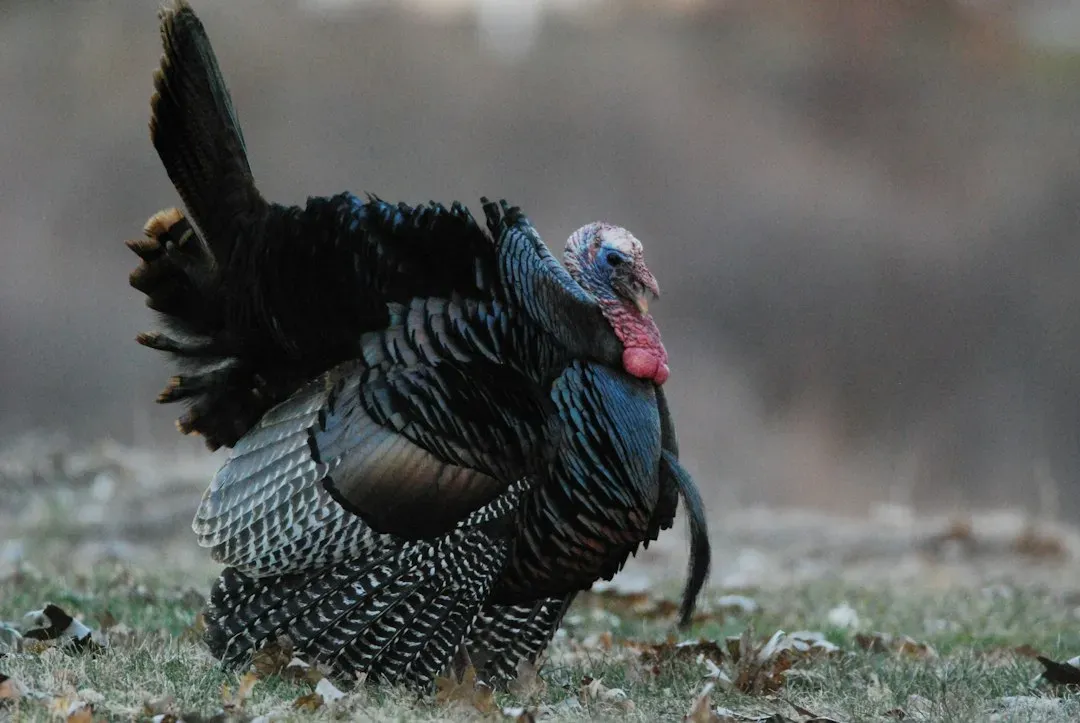
Here’s the part that catches people off guard. Wild turkeys can fly, and published estimates put short bursts at up to about fifty five miles per hour. They don’t take off gracefully, but they do it with a loud, explosive flap that can startle anyone standing nearby.
These flights aren’t long. A turkey typically flies a short distance, perhaps across a field, over a creek, or up into a tree. Speed figures for flight vary by source and conditions, so it’s best to treat fifty five as a peak rather than a cruising pace.
How They Take Off Without a Runway
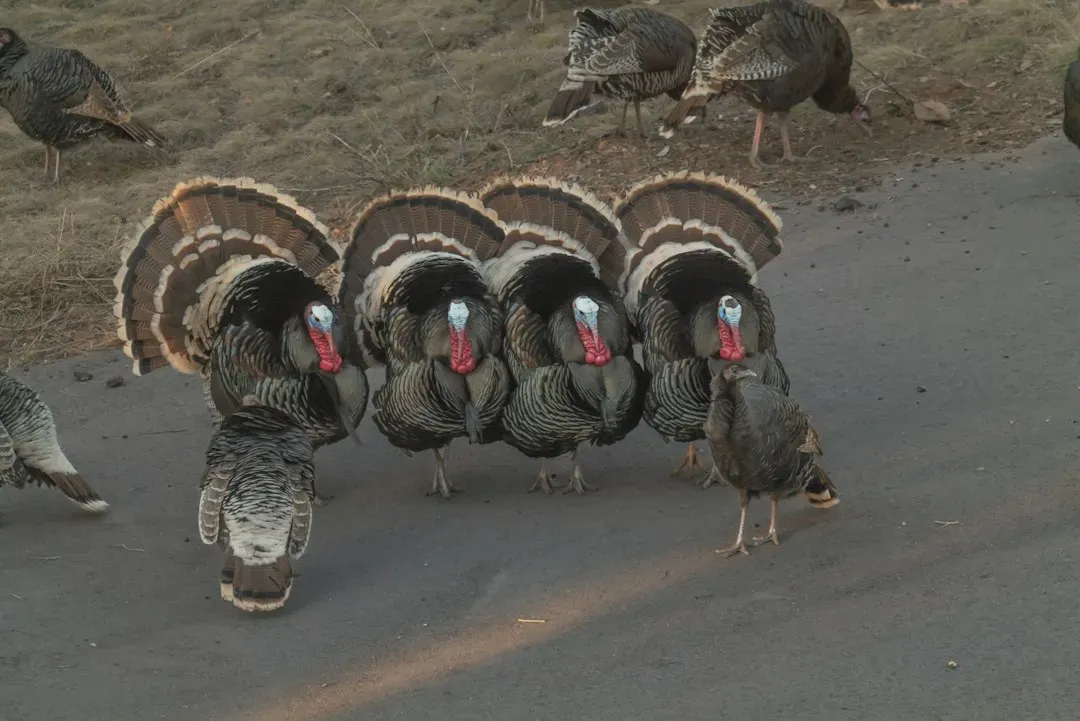
Turkeys launch almost straight up using powerful leg muscles and big, broad wings. That vertical start lets them clear brush and low branches quickly, which is handy in the woods. Once they’re above the obstacles, they level out and glide or flap onward.
The effort is heavy, and these birds aren’t built for distance. Their flight muscles tire fast, so they use the skill in short, decisive moments. When a predator shows up, those few seconds can make all the difference.

PetSafe Oasys Pet Fountain, 1/2 Gallon (64 oz), Small Dogs & Cats
Check Price on AmazonAs an Amazon Associate, we earn from qualifying purchases.
10/8/2026 8:14 am GMTi

Glass Hummingbird Feeder for Outdoors Hanging
Check Price on AmazonAs an Amazon Associate, we earn from qualifying purchases.
10/7/2026 1:21 pm GMTi

Air Purifiers for Home Pets Large Room Up to 3000 Ft²,HEPA Air Cleaner with Washable Double-Side Filter, PM2.5 Air Quality Monitor,15dB Sleep Mode for Bedroom Odor Dust Pollen,White
Check Price on AmazonAs an Amazon Associate, we earn from qualifying purchases.
10/8/2026 8:23 am GMTi

Portable Dog Water Bottle Foldable Dog Travel Water Bottle
Check Price on AmazonAs an Amazon Associate, we earn from qualifying purchases.
10/7/2026 1:29 pm GMTi

Dog Stairs for Bed 18" H, 4-Step Dog Steps for High Bed
Check Price on AmazonAs an Amazon Associate, we earn from qualifying purchases.
10/9/2026 2:42 pm GMTi
Roosting, Predators, and the Logic of Speed
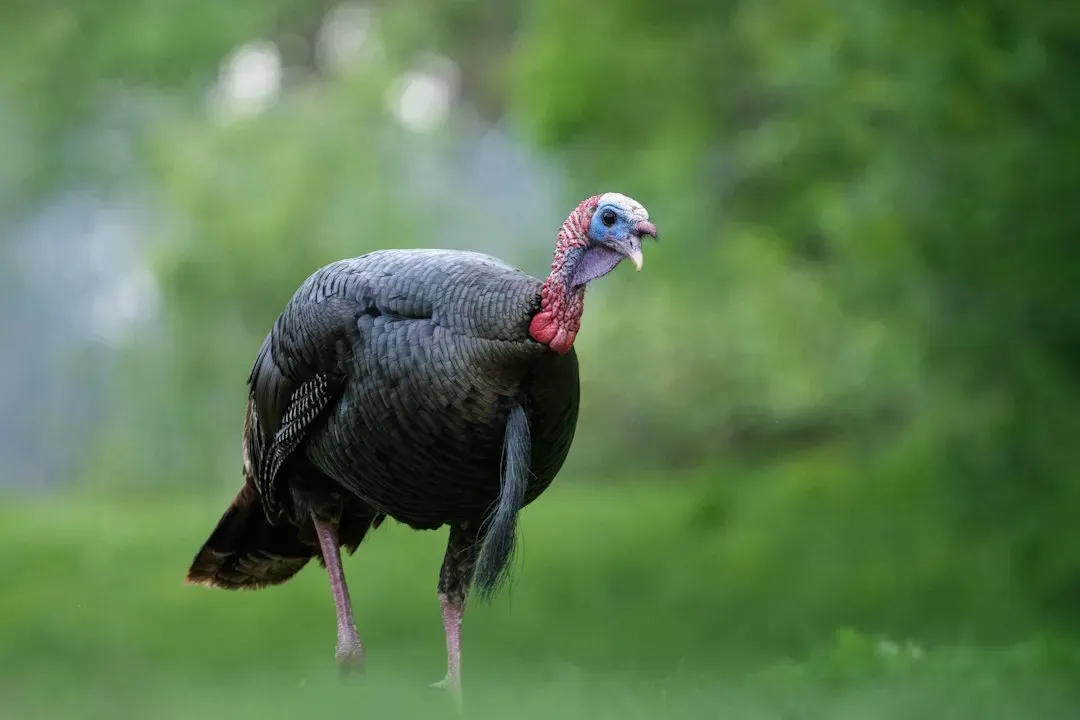
Speed makes sense when you look at what hunts turkeys. Coyotes, bobcats, foxes, and large owls all see them as potential meals, particularly young birds. Running and flying give turkeys two separate ways to escape, and they pick whichever suits the situation.
At night, wild turkeys fly up to roost in trees, which puts them out of reach of most ground predators. It’s a daily habit that depends on that same powerful launch. In a sense, flight is what lets them sleep reasonably safe.

Halloween Dog Collar with Bow, Orange Cute Ghost Collar,
Check Price on AmazonAs an Amazon Associate, we earn from qualifying purchases.
10/9/2026 2:43 pm GMTi

Glass Hummingbird Feeder for Outdoors Hanging, 16 oz Leak-Proof Nectar Feeder with Bee Guards & Ant Moat
Check Price on AmazonAs an Amazon Associate, we earn from qualifying purchases.
10/7/2026 1:22 pm GMTi

Halloween Cat Costume Cloak Witch Hat Pet Accessories
Check Price on AmazonAs an Amazon Associate, we earn from qualifying purchases.
10/9/2026 2:44 pm GMTi

Hand Blown Glass Hummingbird Feeders for Outdoors Hanging, 24oz Wild Bird Nectar Feeder
Check Price on AmazonAs an Amazon Associate, we earn from qualifying purchases.
10/7/2026 1:23 pm GMTi
Final Thoughts
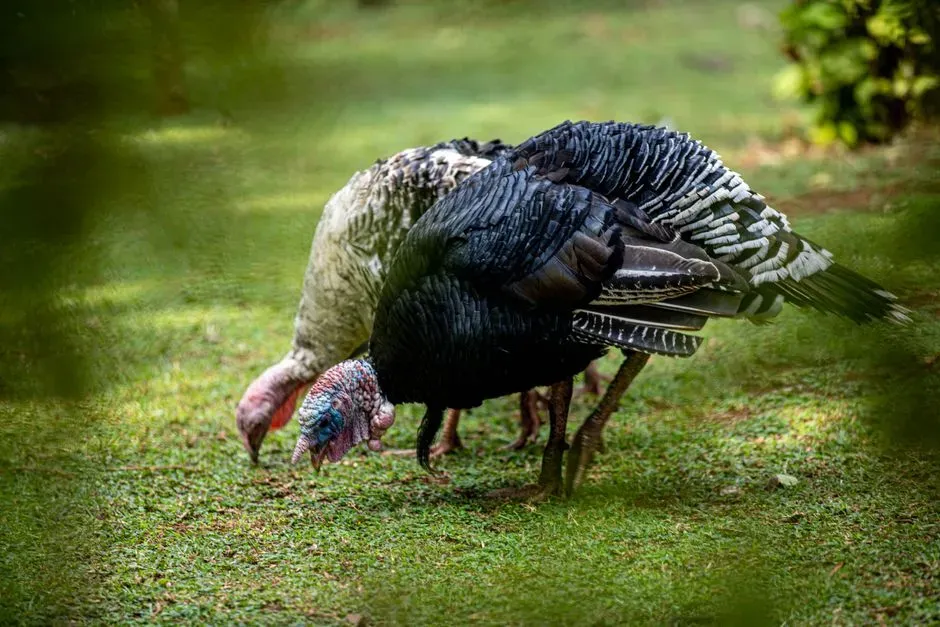
I think the wild turkey deserves a reputation upgrade. We’ve turned it into a punchline, yet it’s a fast, sharp, resourceful bird that has thrived across much of North America. Calling it clumsy says more about our assumptions than about the animal.
Next time you spot one crossing a country road, give it some credit. It probably knows exactly how quickly it can leave, and it isn’t in any hurry to prove it.

From exploring the marine wonders in the Azores and witnessing the vast savannas of Kenya, to delving deep into the rich biodiversity of South Africa and traversing iconic landscapes in Australia and the US like Yellowstone, Chris's experiences are vast.
With a penchant for diving alongside sharks, the ocean holds a special place in his heart.
Through his academic insights, he champions wildlife conservation, striving with 'Animals Around The Globe' to cultivate a profound connection between humans and animals, enhancing our mutual appreciation.
Connect with him at Feedback@animalsaroundtheglobe.com.
- Wildlife Biology Says Wild Turkeys Can Run About 25 Miles Per Hour and Burst Into Flight at Up to 55 - November 12, 2026
- Wildlife Biology Says Wild Jaguars Still Wander Into Arizona – Trail Cameras Have Recorded Several Males Since 1996 - November 10, 2026
- 13 Popular Dog Breeds Vets Secretly Wish You’d Stop Choosing - November 9, 2026