

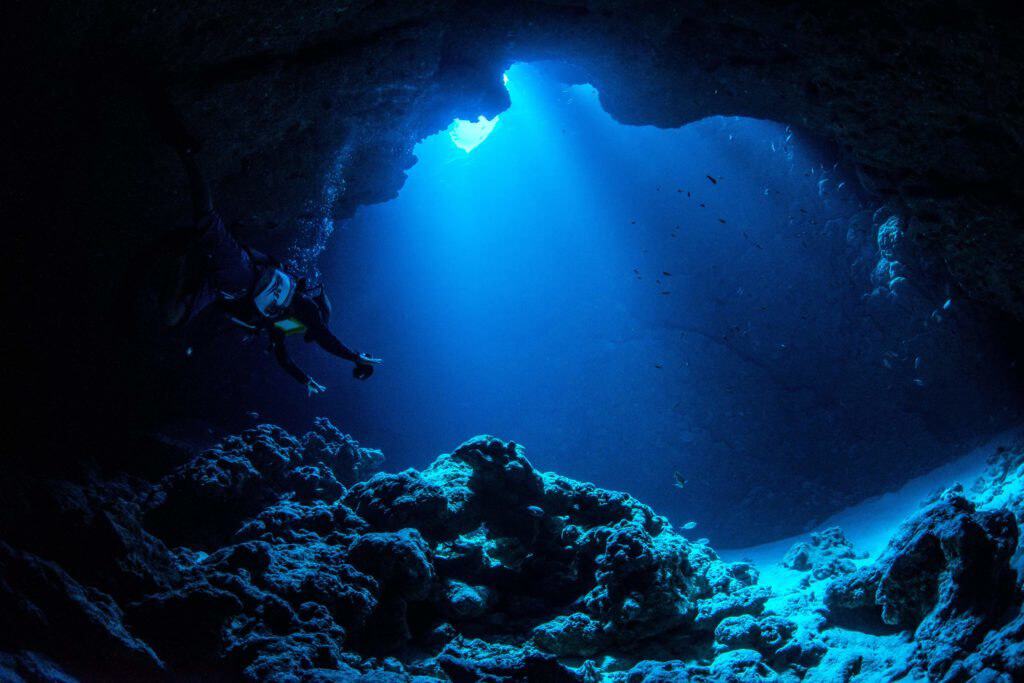
In a groundbreaking discovery that has sent ripples through the scientific community, researchers have identified a previously unknown species dwelling in the mysterious depths of the Mariana Trench, Earth’s deepest oceanic trench. This remarkable finding not only expands our understanding of deep-sea biodiversity but also highlights how much remains unexplored in our planet’s most extreme environments. The discovery came during a recent expedition that employed cutting-edge technology to venture into depths where crushing pressure, near-freezing temperatures, and complete darkness create one of the most hostile habitats on Earth. Despite these challenges, life finds a way to thrive, as evidenced by this fascinating new addition to our planet’s biological inventory.
The Expedition That Changed Deep-Sea Science

The discovery emerged from an international collaborative expedition called the “Mariana Abyssal Research Initiative” (MARI), which brought together marine biologists, oceanographers, and deep-sea experts from twelve countries. Utilizing the research vessel Falkor II and its advanced remotely operated vehicle (ROV) SuBastian, the team conducted a series of dives to depths exceeding 10,900 meters.
The expedition, funded by a consortium of scientific institutions and private donors, represented one of the most technologically sophisticated ventures into the hadal zone—the ocean’s deepest region, extending from 6,000 to 11,000 meters below sea level. What makes this discovery particularly significant is that it occurred in an area previously surveyed, suggesting that even in areas we’ve explored, countless species remain undocumented.
Meet Abyssus luminosa: The Trench’s Newest Resident
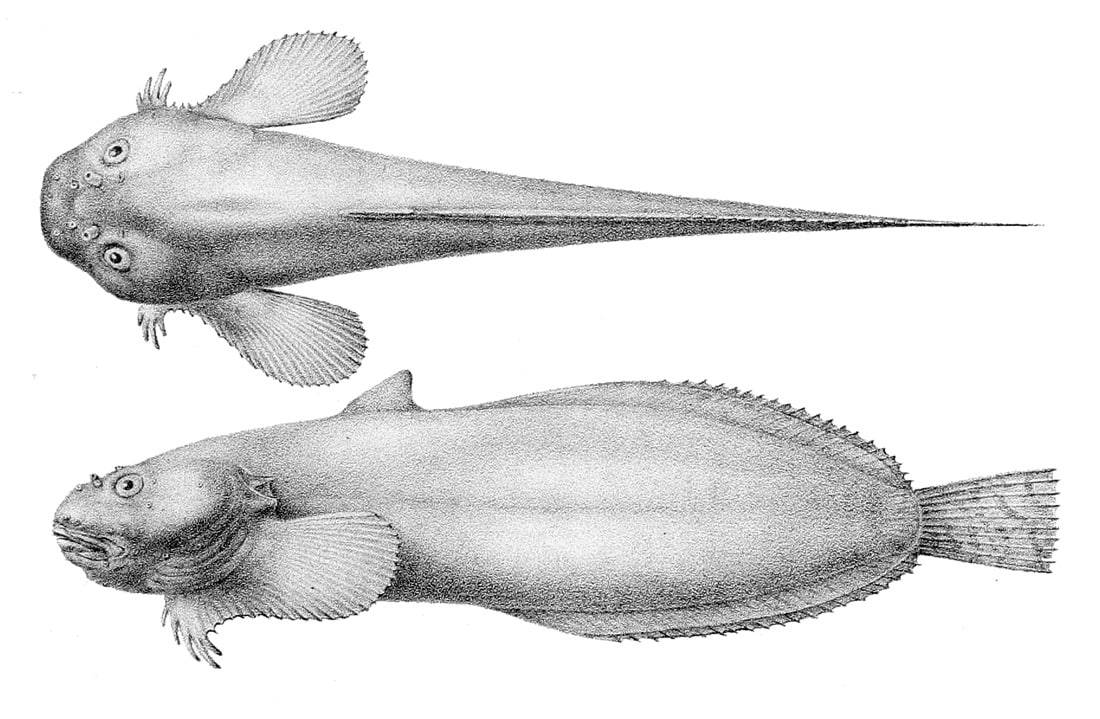
The newly discovered species, scientifically named Abyssus luminosa (meaning “luminous abyss”), represents a previously unknown genus of fish within the Liparidae family, commonly known as snailfish. Unlike its relatives found at shallower depths, A. luminosa has evolved extraordinary adaptations to survive in the trench’s extreme environment.
Measuring approximately 20 centimeters in length, this translucent fish possesses a gelatinous body structure that withstands the immense pressure of the deep sea—approximately 16,000 pounds per square inch, or over 1,000 times the atmospheric pressure at sea level. Perhaps its most striking feature is its bioluminescent tissue, which emits a soft blue glow along its lateral line and fins, likely used for communication and attracting prey in the pitch-black environment where sunlight never penetrates.
Evolutionary Marvels: Adapting to Extreme Pressure

Scientists are particularly fascinated by A. luminosa’s pressure-adaptation mechanisms, which may revolutionize our understanding of how cellular structures can function under extreme conditions. Unlike most vertebrates whose cells would collapse under such pressure, this species possesses unique cellular membranes rich in unsaturated fatty acids that maintain fluidity even at crushing depths. Additionally, its tissues contain high concentrations of TMAO (trimethylamine N-oxide), a compound that prevents proteins from folding under pressure.
Dr. Helena Miyamoto, the expedition’s lead biologist, explained: “What we’re seeing is a masterclass in evolutionary adaptation. The fish’s proteins and cell membranes have been modified through millions of years of evolution to not only tolerate but thrive under pressures that would instantly crush most organisms. Understanding these mechanisms could have profound implications for everything from materials science to medicine.”
Biological Insights: Diet and Behavior

Initial observations and stomach content analysis reveal that A. luminosa primarily feeds on small crustaceans and marine snow—organic debris that drifts down from upper ocean layers. Its highly specialized sensory organs, including enlarged olfactory bulbs and pressure-sensitive pores across its skin, allow it to detect food in the darkness. Perhaps most surprisingly, video footage captured by the ROV shows these fish exhibiting complex social behaviors, traveling in loose groups of three to five individuals—behavior previously unobserved in hadal fish species.
This social structure suggests a level of community interaction previously thought impossible in the energy-scarce, sparsely populated abyssal environment. Researchers hypothesize that this social behavior may be related to feeding efficiency, predator avoidance, or potentially even cooperative hunting strategies that maximize survival in this extreme habitat.
Technological Breakthroughs Enabling the Discovery

The discovery of A. luminosa would have been impossible without recent technological innovations in deep-sea exploration. The ROV SuBastian, equipped with specialized pressure-resistant cameras and sampling tools, represents a new generation of deep-sea research technology. Its advanced imaging systems, including 8K ultra-high-definition cameras and specialized lighting that minimizes disruption to light-sensitive creatures, captured the first detailed footage of the species in its natural habitat.
Additionally, the expedition employed novel “soft robotics” sampling mechanisms that can gently collect specimens without damage—crucial when studying gelatinous organisms that are easily destroyed by traditional collection methods. Dr. Marcus Chen, the expedition’s technology director, noted: “We’re finally developing tools that match the delicacy of the creatures we’re studying. The marriage of soft robotics with traditional deep-sea technology has opened a new chapter in marine exploration, allowing us to document life as it actually exists, not just what survives the collection process.”
The Genetic Puzzle: DNA Analysis Reveals Evolutionary History

Preliminary genetic analysis of tissue samples has yielded fascinating insights into A. luminosa’s evolutionary history. DNA sequencing reveals that this species diverged from other snailfish lineages approximately 20 million years ago, during a period when global oceanic circulation patterns were dramatically changing. This timing coincides with the formation of the deep-water connection between the Pacific and Atlantic oceans, suggesting that major geological events played a role in driving the evolution of deep-sea species.
The genome also shows evidence of extensive adaptation to high-pressure environments, with multiple genes involved in membrane fluidity and protein stability showing signs of positive selection. Perhaps most intriguingly, A. luminosa shares genetic markers with certain Antarctic fish species, suggesting a common ancestor that adapted to both cold and high-pressure environments. Dr. Sophia Williams, the expedition’s geneticist, explained: “The genetic story of this fish takes us back through Earth’s history, showing how geology, oceanography, and biology are interconnected in the evolution of life in our planet’s most extreme environments.”
Ecological Significance in the Abyssal Ecosystem

Beyond its biological uniqueness, A. luminosa appears to play an important ecological role in the Mariana Trench ecosystem. As a midlevel predator, it helps regulate populations of smaller crustaceans while serving as prey for larger trench dwellers like certain amphipod species. Its feeding habits also contribute to the cycling of organic carbon in the deep sea, a process critical to global carbon sequestration.
The species’ discovery has forced scientists to reconsider biomass estimates for the hadal zone, suggesting these deep trenches may support more complex and abundant life than previously thought. This has implications for understanding global nutrient cycling and deep-sea food webs. “Each new species we discover is another piece in the puzzle of how these deep ecosystems function,” noted Dr. Jamal Haddad, the expedition’s ecosystem specialist. “A. luminosa shows us that the abyssal food web is more intricate than our models have accounted for, which has implications for everything from fisheries management to climate science.”
Conservation Concerns: Protecting What We’ve Just Discovered

The discovery of A. luminosa comes at a critical time when deep-sea environments face increasing threats from human activities. Though the Mariana Trench lies within a U.S. National Monument offering some protection, deep-sea ecosystems globally are vulnerable to impacts from climate change, pollution, and emerging interests in deep-sea mining. Scientists have detected microplastics and persistent organic pollutants even in trench sediments, demonstrating that human influence reaches Earth’s most remote environments.
Conservation biologists emphasize that species like A. luminosa, with their highly specialized adaptations and restricted habitats, may be particularly vulnerable to environmental changes. The scientific team has called for expanded protections for deep-sea environments and increased funding for research before industrial activities potentially impact ecosystems we’ve barely begun to understand. “We can’t protect what we don’t know exists,” said Dr. Elena Fernandez, a conservation biologist associated with the project. “Each discovery like A. luminosa strengthens the case for precautionary management of deep-ocean resources.”
Pharmaceutical Potential: Compounds Under Pressure

The extreme adaptations of A. luminosa have caught the attention of biotechnology researchers, who see potential applications in medicine and materials science. Preliminary analysis has identified several novel compounds in the fish’s tissues, including pressure-stable enzymes and unique anti-freeze proteins that function at high pressures. These molecules could have applications ranging from food preservation to pharmaceutical development.
Of particular interest is a class of compounds that appears to stabilize cellular structures under stress—potentially offering insights for treatments of human conditions involving cellular degradation. While emphasizing that research is in its earliest stages, biochemist Dr. Nathan Rivera explained: “Nature has already solved many of the problems we’re struggling with in science and medicine. This fish survives conditions that would destroy most living cells, and understanding how it does this could lead to breakthroughs in everything from extending the shelf life of vaccines to developing new approaches to treating neurodegenerative diseases.”
Future Research: Questions Opened by the Discovery
The discovery of A. luminosa has generated as many questions as answers, setting research agendas for years to come. Scientists are particularly interested in studying the species’ reproductive biology, longevity, and population structure—all mysteries that remain unsolved. Plans are already underway for follow-up expeditions focused specifically on documenting the full life cycle of this remarkable fish. Additionally, researchers hope to conduct longer-term observational studies using deep-sea landers—autonomous observation platforms that can remain on the seafloor for months, recording data and images.
Such extended observation periods could reveal seasonal patterns in behavior and abundance previously impossible to detect during brief expeditions. The research team has also developed a comprehensive sampling protocol designed to minimize impact on what may be a relatively small population, emphasizing non-invasive techniques like environmental DNA sampling and video documentation over specimen collection whenever possible.
Public Fascination: Capturing Imagination Beyond Science
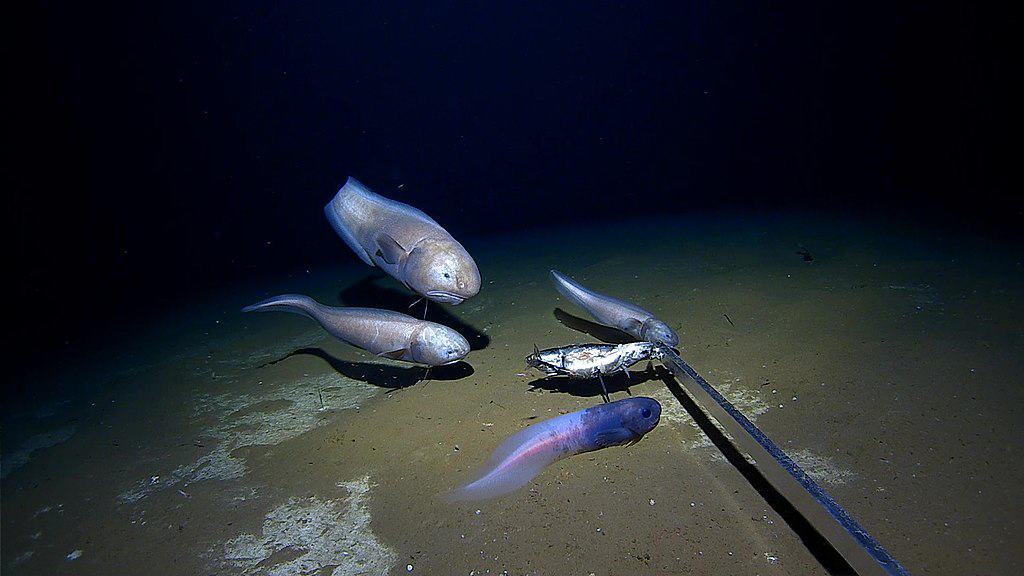
The discovery of A. luminosa has captured public imagination far beyond scientific circles, trending on social media and featured in mainstream news outlets worldwide. The ghostly, luminous fish has become something of an ambassador for deep-sea exploration, with educators reporting increased student interest in marine biology and oceanography. Documentary filmmakers have already begun incorporating footage of the species into upcoming productions about ocean exploration.
Dr. Miyamoto reflected on this public response: “There’s something about creatures from the deep that connects with people’s sense of wonder. In an age when we sometimes feel we’ve discovered everything, finding an entirely new species in one of Earth’s most extreme environments reminds us how much remains unknown. This fish exists in a world of darkness under crushing pressure, yet it has evolved elegant solutions for survival. That resonates with people—it’s a powerful metaphor for resilience and adaptation.”
Methodological Breakthroughs in Deep-Sea Research

Beyond the biological significance of A. luminosa, the methods used in its discovery represent important advances in deep-sea research techniques. The expedition pioneered new approaches to in-situ observation and non-destructive sampling that preserve the integrity of both specimens and their habitat. These include the development of pressure-maintaining collection chambers that allow researchers to study deep-sea organisms at their native pressure rather than bringing them to surface conditions that typically damage or kill them.
Additionally, the research team employed environmental DNA (eDNA) analysis—sequencing genetic material filtered from seawater to detect species presence without direct observation. This technique revealed traces of several other unknown species that may await discovery in future expeditions. The methodological advances demonstrated during this expedition are already being adopted by other deep-sea research programs worldwide, potentially accelerating the pace of discovery in Earth’s final frontier.
Conclusion: Depths of Discovery Still Awaiting Humanity
The discovery of Abyssus luminosa stands as a powerful reminder that our planet still holds magnificent secrets, even in the 21st century. In an environment once thought too extreme for complex life, this remarkable fish not only survives but has evolved sophisticated adaptations that may ultimately benefit human society through biomimetic applications. The finding underscores how little we know about Earth’s deepest ocean regions—environments that cover vast areas of our planet yet remain less explored than the surface of Mars.
As technology advances and more expeditions venture into the hadal depths, we can expect many more discoveries that will continue to reshape our understanding of life’s adaptability and diversity. The story of A. luminosa is not just about one new species, but about humanity’s continuing journey of exploration and the humbling recognition that, even on our home planet, we remain surrounded by undiscovered wonders.

From exploring the marine wonders in the Azores and witnessing the vast savannas of Kenya, to delving deep into the rich biodiversity of South Africa and traversing iconic landscapes in Australia and the US like Yellowstone, Chris's experiences are vast.
With a penchant for diving alongside sharks, the ocean holds a special place in his heart.
Through his academic insights, he champions wildlife conservation, striving with 'Animals Around The Globe' to cultivate a profound connection between humans and animals, enhancing our mutual appreciation.
Connect with him at Feedback@animalsaroundtheglobe.com.
- How Tigers Mark Their Territory Using Scent and Scratches - July 29, 2026
- The Deadly Volcano That Erased a Town Is Now Active Again - July 29, 2026
- 12 Deep Sea Animals With Terrifying Adaptations - July 29, 2026