


It sounds like something out of a horror movie, but the New World screwworm is a real and deadly insect. These parasitic flies lay their eggs in open wounds of animals, and occasionally humans. Once hatched, the larvae burrow into living flesh, feeding on tissue and causing severe pain, infections, and even death if not treated in time.
The U.S. successfully eradicated screwworms back in the 1960s using a method called the Sterile Insect Technique. But now, with new infestations reported in Mexico and just miles from the southern border, the USDA isn’t taking any chances.
Meet the Fly Factory Fighting Back
To prevent a U.S. comeback, the U.S. Department of Agriculture is investing $8.5 million into building a new sterile fly production facility in Moore, Texas. Think of it as a mass breeding ground—but with a twist. These flies can’t reproduce.
Here’s how it works:
- Scientists raise male screwworm flies in a controlled facility.
- These males are sterilized using radiation, making them incapable of fathering larvae.
- Millions of sterile males are then released into the wild.
- When wild females mate with them, no offspring are produced.
- Over time, this breaks the reproductive cycle and reduces the screwworm population naturally—without the need for pesticides.
This same method helped wipe out screwworms in the U.S. before, and officials believe it can do it again.
Why the Screwworm Threat Is Serious
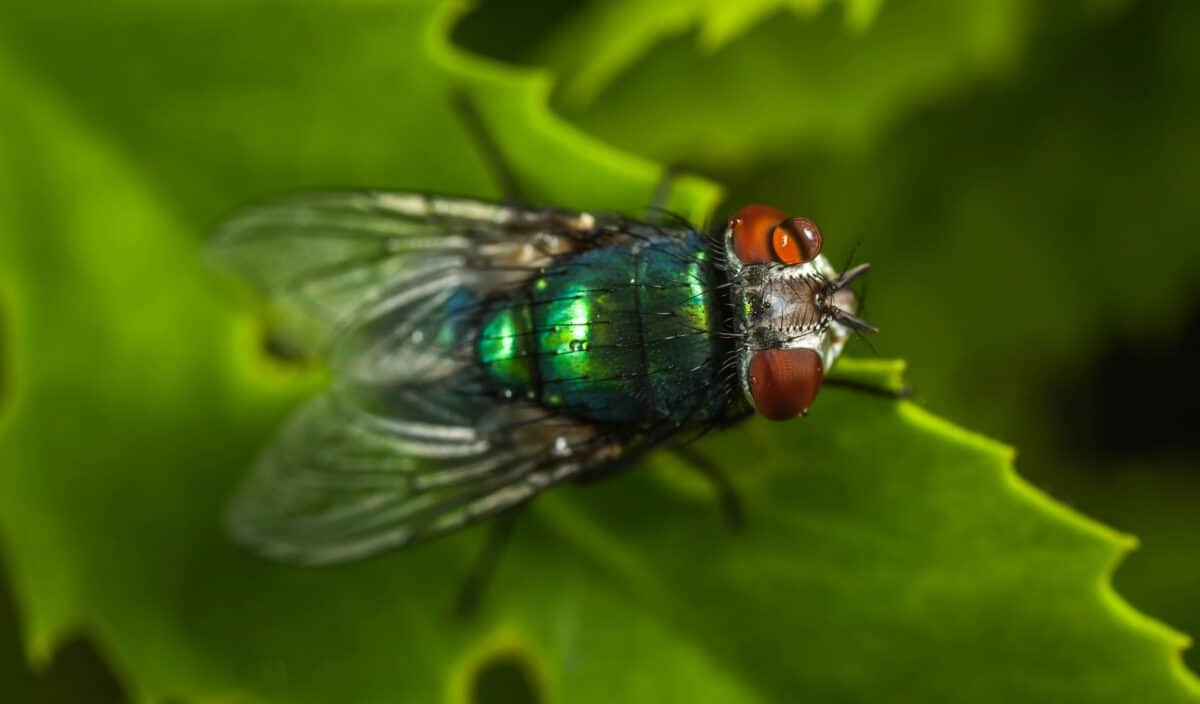
The stakes are high. A single screwworm outbreak could cost the U.S. livestock industry hundreds of millions of dollars. The parasites are especially dangerous to:
- Cattle, pigs, sheep, and goats – Open wounds during tagging, birthing, or injuries are prime targets.
- Pets and wildlife – Screwworms don’t discriminate. Any mammal with a wound is at risk.
- Humans – Though less common, screwworm infestations in people have occurred and often require surgical removal of the larvae.
If screwworms take hold again in the U.S., it wouldn’t just be a farming problem—it would be a national emergency.
What Livestock Owners and Citizens Should Watch For
People living near the southern U.S. border, especially ranchers and veterinarians, are encouraged to stay alert. Signs of screwworm infestation include:
- Animals showing signs of distress or refusing to eat
- Wounds that look unusually wet, smell foul, or appear to be moving
- Clusters of flies hovering around a wound
Prompt treatment is key. In animals, untreated screwworm infestations can lead to tissue death and a quick decline in health. In humans, it’s painful, dangerous, and requires medical removal of the larvae.
If you suspect screwworm activity, contact your local animal health authority immediately.
Fighting Bugs with Bugs
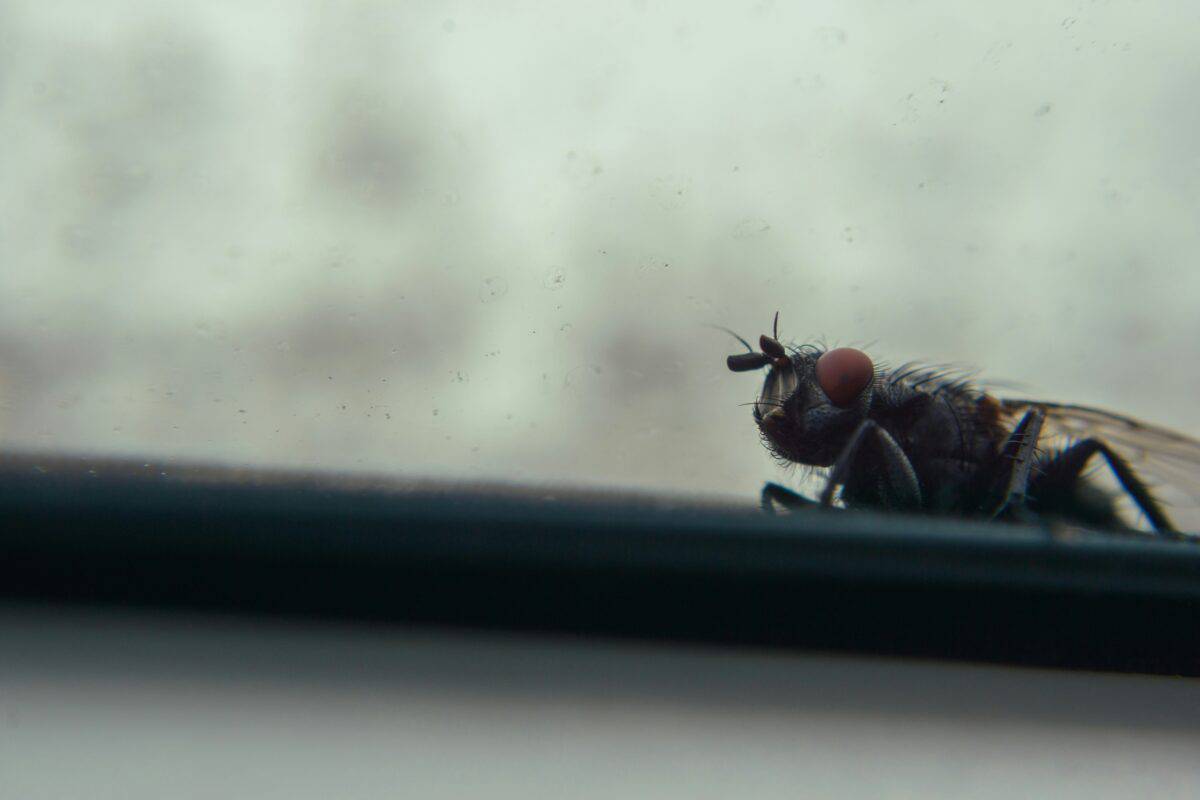
The sterile insect method isn’t new, but it is one of the few eco-friendly tools that work against parasites like screwworms. Instead of spraying chemicals or deploying traps, scientists utilize nature’s own mating system to control the pest population. It’s science, but it’s also a smart strategy.
As climate conditions change and insects migrate northward, efforts like this become even more critical. The USDA’s facility in Texas represents not just a defense against a specific bug—it’s a model for stopping future infestations before they start.
Final Word
Screwworms are among the most dangerous parasites to ever threaten U.S. agriculture. Thanks to modern science and fast planning, the USDA’s sterile fly factory may keep these flesh-eating insects from crossing back into the country. But prevention only works if everyone—from farmers to pet owners—knows what to look for and acts quickly.
Sometimes, the smallest enemies require the biggest responses. And in this case, fighting flies with flies might be just the solution we need.

- Coatimundi Attacks Arizona Hiker in Rare Desert Confrontation - July 17, 2026
- Rabid Bat Bites Texas Man—Fourth Kerr County Case This Year - July 17, 2026
- Colorado’s Rattlesnake Den Livestreams 2,000 Snakes - July 15, 2026