


The Siberian tiger (Panthera tigris altaica), also known as the Amur tiger, stands as nature’s testament to power, beauty, and resilience. Native to Russia’s Far East, northeastern China, and possibly North Korea, these majestic big cats rule as the largest felines on Earth. With their striking orange coats adorned with dark stripes, massive paws capable of silently stalking through snow, and piercing amber eyes, Siberian tigers embody the raw essence of wilderness. Despite their fearsome reputation and impressive physical attributes, these apex predators face significant conservation challenges, with only approximately 500-550 individuals remaining in the wild. This critically endangered status makes understanding and protecting these magnificent creatures all the more urgent.
Throughout history, Siberian tigers have captivated human imagination, featuring prominently in Eastern folklore, art, and cultural symbolism. They represent strength, courage, and the untamed spirit of nature. This article explores the fascinating world of these incredible big cats—from their evolutionary history and unique adaptations to their complex behaviors and the conservation efforts dedicated to ensuring their survival for generations to come. Join us as we venture into the snow-covered forests of the Russian taiga to discover what makes the Siberian tiger truly the king among cats.
Record-Breaking Size and Physical Characteristics

Siberian tigers hold the title of the largest living cats in the world, with adult males typically weighing between 400-675 pounds (180-306 kg) and measuring up to 10-12 feet (3-3.7 meters) from nose to tail tip. The largest reliably recorded wild male weighed an astonishing 845 pounds (383 kg). Females are considerably smaller but still impressive, weighing 200-370 pounds (90-167 kg). This sexual dimorphism is among the most pronounced in the cat family. Their massive size is not just for show—it serves as a crucial adaptation for surviving in the harsh northern climate, where larger bodies conserve heat more efficiently and provide the strength needed to take down large prey animals.
Physically, Siberian tigers are distinguished by their thick, reddish-orange to rusty-red fur with characteristic black stripes that act as perfect camouflage in their forest environment. Their winter coat grows significantly longer and denser than that of other tiger subspecies, with an additional layer of fat beneath the skin for insulation against temperatures that can plummet to -50°F (-45°C). Their large, padded paws—measuring up to 8 inches (20 cm) in diameter—act like natural snowshoes, distributing their weight when traversing deep snow. Additionally, they possess longer limbs and broader skulls than their southern counterparts, with males developing particularly robust neck and shoulder muscles that enhance their hunting capabilities.
Evolutionary History and Subspecies Classification
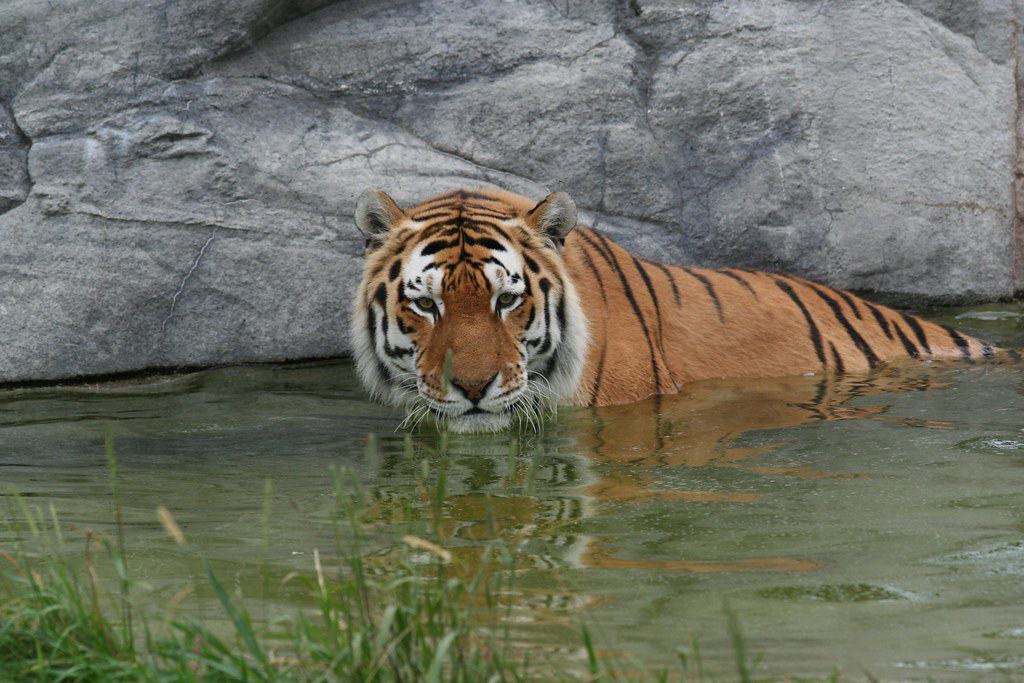
The evolutionary journey of Siberian tigers began approximately 2 million years ago when the first ancestral tigers emerged in eastern Asia. The Amur tiger diverged from other tiger populations around 15,000-10,000 years ago, during the late Pleistocene era, as glacial periods forced populations to adapt to different environments. This northern subspecies evolved specific adaptations for cold weather, developing larger bodies, thicker fur, and other specializations that distinguish them from their tropical cousins. Genetic studies suggest that Siberian tigers maintain relatively high genetic diversity despite their limited population, indicating they may have avoided the severe bottlenecks experienced by other tiger subspecies.
For decades, scientists recognized nine tiger subspecies, with three (Bali, Javan, and Caspian tigers) having gone extinct in the 20th century. However, modern genetic research has revised this classification to recognize only six subspecies: Siberian (Amur), Bengal, South China, Sumatran, Indochinese, and Malayan tigers. The Siberian tiger remains the largest and northernmost subspecies. Interestingly, studies have revealed that the extinct Caspian tiger was genetically almost identical to the Siberian tiger, suggesting they were once part of a continuous population that became geographically separated. This genetic connection has important implications for potential restoration programs and underscores how political boundaries often artificially separate what are essentially the same animal populations.
Habitat and Geographic Distribution

Siberian tigers inhabit some of the most remote and harsh environments on Earth, primarily the birch forests, rocky woodlands, and taiga ecosystems of Russia’s Far East. Their current range is centered in the Sikhote-Alin mountain region in Primorsky Krai and southern Khabarovsk Krai, with smaller populations in the border areas of China and possibly North Korea. Historically, their distribution extended throughout northeastern China, the Korean Peninsula, and eastern Russia, covering over one million square kilometers. Today, their range has contracted dramatically to approximately 180,000 square kilometers—less than 20% of their historical territory. These tigers require vast territories, with individual males claiming up to 1,000 square kilometers (386 square miles) and females needing around 400 square kilometers (154 square miles).
Siberian tigers show remarkable adaptability to seasonal changes in their harsh environment. During winter, they often follow ungulate prey to lower elevations and valleys where snow is less deep. They prefer dense forest cover with access to water sources and sufficient prey. Unlike most other tiger subspecies, Amur tigers can thrive in deep snow and freezing temperatures, making them uniquely adapted among big cats. The Russian taiga provides critical landscape features for hunting, denning, and raising cubs, including rocky outcroppings, dense underbrush, and fallen logs. Conservation efforts focus on maintaining habitat connectivity, as fragmentation represents one of the most significant threats to their long-term survival.
Diet and Hunting Strategies

As apex predators, Siberian tigers maintain a primarily carnivorous diet dominated by large ungulates. Their preferred prey includes wild boar, different deer species (Manchurian sika deer, Manchurian wapiti, and roe deer), and occasionally moose and musk deer. A single tiger typically requires 20-30 large ungulates annually to sustain itself. When primary prey becomes scarce, these adaptable hunters will target smaller animals like badgers, hares, pikas, salmon, and even bears—both black and brown bears may become prey, particularly when they’re hibernating. This dietary flexibility has proven crucial for their survival in regions where human activity has reduced primary prey populations.
Their hunting strategy exemplifies both power and patience. Despite their large size, Siberian tigers move with remarkable stealth, approaching prey from downwind and utilizing available cover. They can silently stalk for hours, closing to within 10-30 meters before launching their attack. A tiger’s powerful hind legs enable explosive bursts of speed—up to 50-65 km/h (31-40 mph)—though they can maintain this pace only over short distances. The killing bite typically targets the throat or nape, and larger prey may be dragged to a secluded location where the tiger can feed undisturbed for several days. A successful adult can consume up to 60 pounds (27 kg) of meat in one feeding, though they normally eat 11-15 pounds (5-7 kg) daily and may go days between meals.
Reproductive Biology and Family Structure

Siberian tigers reach sexual maturity at 3-5 years for females and 4-5 years for males, though males often cannot compete for territory and mating rights until they’re older and larger. Unlike many cats, tigers don’t have a specific breeding season, though mating tends to occur more frequently from November to April. Female tigers experience estrus for 4-5 days within a 3-week cycle and communicate their receptivity through vocalizations and scent marking. The courtship period involves extensive vocalization, scent marking, and physical interaction, with mating pairs staying together for 5-7 days and copulating frequently—sometimes up to 100 times. Males play no role in rearing offspring and may sometimes kill cubs that aren’t their own.
After a gestation period of approximately 100-108 days, females give birth to 2-4 cubs (occasionally up to 6) in a secluded den, often located in a cave, rock crevice, or hollow tree. Cubs weigh only 1.5-2 pounds (0.7-0.9 kg) at birth, are blind for their first week, and depend entirely on their mother for the first three months. The mortality rate is high, with about half of all cubs not surviving their first year. The mother teaches her cubs hunting skills through demonstration and supervised practice starting at 5-6 months, though they remain with her for up to 2-3 years before establishing their own territories. This long dependency period allows for the transmission of complex hunting strategies and survival skills necessary for their challenging environment.
Remarkable Adaptations to the Siberian Climate

Siberian tigers have evolved exceptional physiological adaptations to survive in one of the harshest environments inhabited by any big cat. Their winter coat grows to nearly twice the length of other tiger subspecies, reaching up to 2 inches (5 cm) on the back and 4 inches (10 cm) on the belly, providing crucial insulation. This dense fur is complemented by a layer of fat up to 2 inches thick that develops before winter. Their coat coloration also differs from other tigers, appearing more golden-orange than the vivid orange of tropical subspecies—a camouflage adaptation better suited to the muted tones of the northern forests. Additionally, they possess specialized sebaceous glands that secrete oils to waterproof their fur, preventing ice formation during winter swims.
Beyond their insulation, Siberian tigers show behavioral adaptations that conserve energy in their resource-limited environment. They adjust their activity patterns seasonally, becoming more nocturnal during summer and more active during daylight hours in winter when temperatures are relatively warmer. Their massive paws function effectively as snowshoes, with fur between the pads preventing ice accumulation. They’ve also developed remarkable cold tolerance in their extremities through specialized circulation that keeps just enough warm blood flowing to prevent tissue damage while minimizing heat loss. Unlike many large mammals in cold regions, Siberian tigers don’t migrate seasonally, instead adapting their hunting techniques to follow prey that moves to areas with less snow accumulation.
Communication and Social Behavior
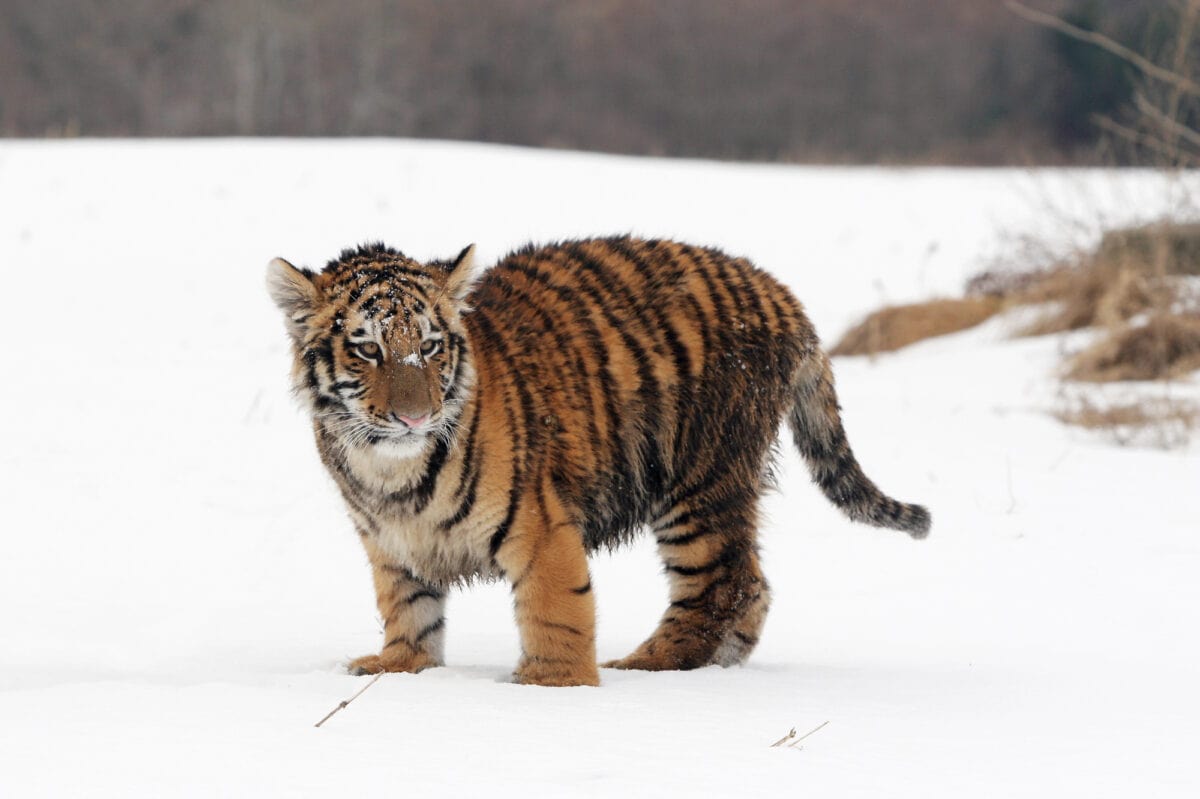
Despite their reputation as solitary animals, Siberian tigers maintain a complex social structure through sophisticated communication systems. Their territories overlap, requiring clear boundaries and signals to avoid potentially fatal conflicts. Scent marking serves as their primary communication method, with adults depositing urine, feces, secretions from anal glands, and marking fluid from their facial glands on prominent landscape features. These chemical messages convey crucial information about identity, reproductive status, territory boundaries, and when they last passed through an area. A tiger’s sense of smell is so acute they can determine another tiger’s sex, age, and reproductive condition from these scent markers alone.
Vocal communication also plays a vital role in their social interactions. Siberian tigers possess a diverse repertoire of vocalizations including roars, grunts, moans, hisses, and the distinctive “prusten” or chuffing sound—a non-threatening greeting exchanged between familiar tigers. Their roar, which can be heard up to 3 miles (5 km) away, serves multiple functions including territorial advertisement and mate attraction. Visual signals through body posture, facial expressions, and ear positions communicate immediate intentions during rare direct encounters. While primarily solitary, research has documented occasional amicable interactions between unrelated adults sharing kills, suggesting their social structure may be more flexible than previously thought, particularly in areas with abundant prey and limited human disturbance.
Threats and Conservation Status
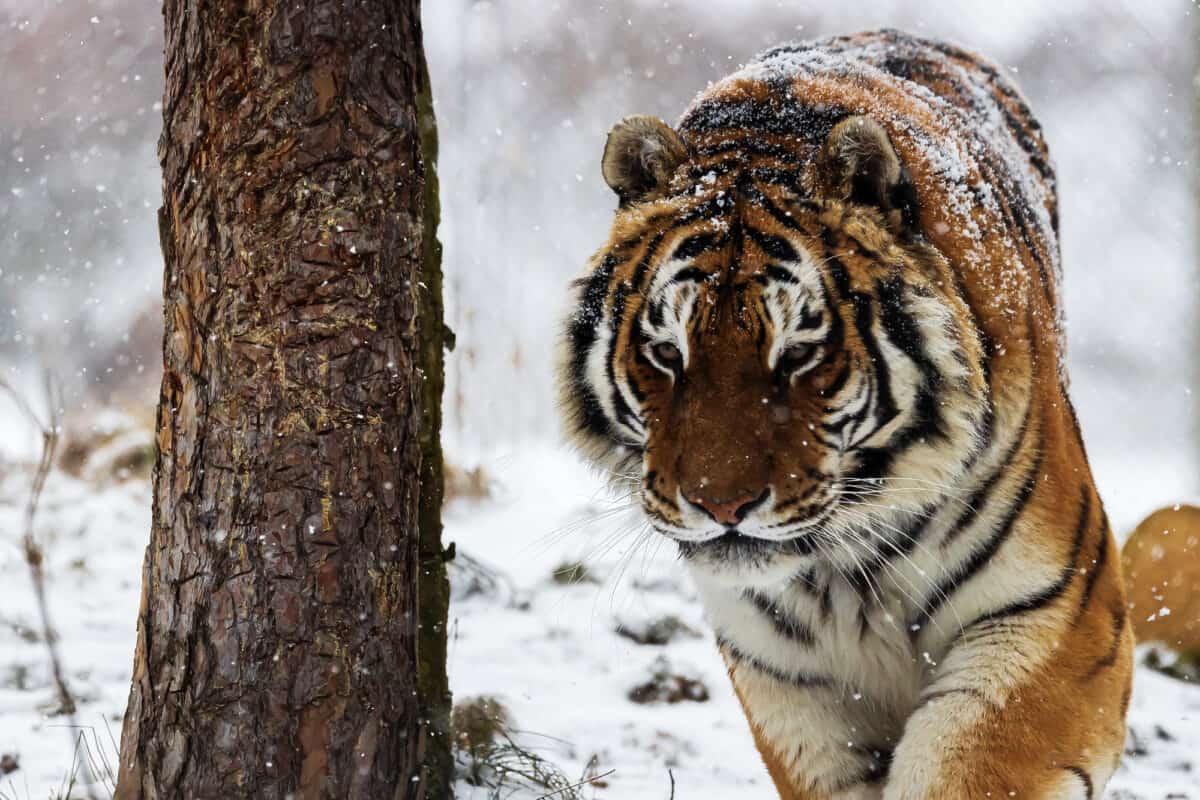
Siberian tigers face numerous anthropogenic threats that have driven them to endangered status. Poaching remains the most immediate danger, with tigers killed for traditional Chinese medicine where their bones, whiskers, teeth, and other body parts fetch high prices on black markets—a single tiger can be worth up to $50,000 to poachers. Habitat loss and fragmentation from logging, mining, road construction, and agricultural expansion further threaten their survival by isolating populations and reducing prey availability. Human-tiger conflict occasionally occurs when tigers prey on domestic livestock or, very rarely, attack people, usually resulting in retaliatory killings. Additionally, climate change threatens to alter the taiga ecosystem upon which these specialized predators depend.
Conservation efforts have shown promising results, with the wild population increasing from fewer than 40 individuals in the 1940s to around 500-550 today. In 2010, thirteen tiger range countries committed to TX2—an ambitious global initiative aiming to double wild tiger numbers by 2022. While this target wasn’t fully achieved, significant progress occurred. Russia has established several protected areas, including Sikhote-Alin Biosphere Reserve and Land of the Leopard National Park, covering approximately 36% of current tiger habitat. Advanced conservation techniques include camera trap monitoring, satellite tracking, and genetic analysis to assess population health. International cooperation between Russia, China, and conservation organizations has strengthened anti-poaching efforts and wildlife trafficking enforcement. Despite these successes, the Siberian tiger remains classified as endangered on the IUCN Red List, requiring continued vigilance and expanded conservation measures.
The Tiger’s Role in Ecosystem Balance

As apex predators, Siberian tigers fulfill a critical ecological function within the Russian taiga and temperate forests of the Far East. Their presence creates a trophic cascade that shapes entire ecosystems through direct and indirect interactions. By controlling ungulate populations such as deer and wild boar, tigers prevent overgrazing and overbrowsing, which in turn promotes healthier forest regeneration and greater plant diversity. Studies in areas with healthy tiger populations show more diverse vegetation structure and composition compared to regions where tigers have been extirpated. This vegetation management indirectly benefits countless other species, from insects and small mammals to birds and other predators, creating a more resilient ecosystem.
Additionally, Siberian tigers serve as nature’s cleanup crew, as their predation on sick or weak animals helps prevent the spread of wildlife diseases among prey populations. Their kills provide food for numerous scavenger species including wolverines, bears, wolves, and various birds and smaller mammals. Tigers also regulate mesopredator populations—medium-sized predators like foxes and smaller cats—preventing these species from becoming overabundant and disrupting smaller prey populations. As an umbrella species, conservation efforts protecting tigers and their vast territorial requirements simultaneously safeguard habitat for countless other species that share their ecosystem. This keystone role makes Siberian tiger conservation not merely about saving a magnificent animal, but about preserving the ecological integrity of one of the world’s last great wilderness areas.
Cultural Significance and Human Relations
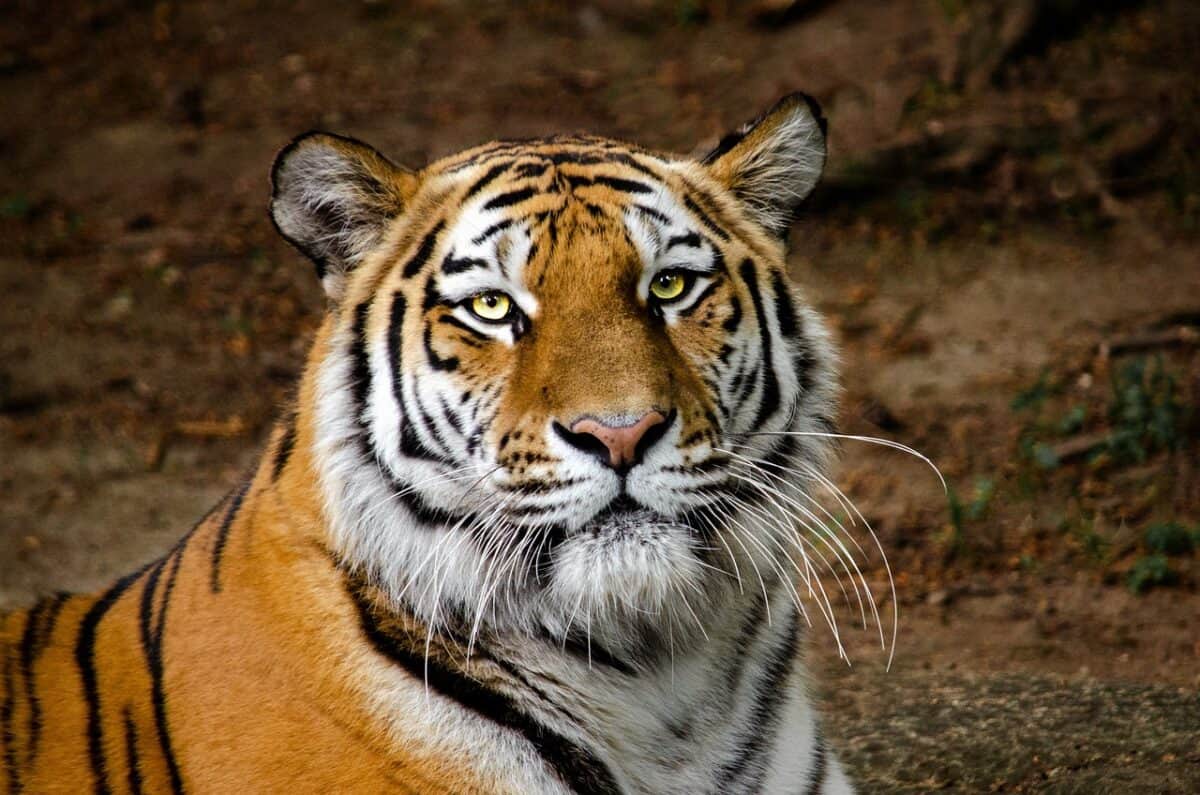
Throughout history, Siberian tigers have occupied a prominent place in the cultural identity and spiritual beliefs of indigenous peoples across their range. The Udege and Nanai peoples of the Russian Far East traditionally revered the tiger as a deity and ancestor, calling it “Amba”—the master of the mountain. In their shamanic practices, the tiger served as a spiritual guide between worlds. Similar reverence exists in Chinese culture, where the tiger represents power, courage, and protection against evil spirits. The tiger features prominently in Korean mythology as a mountain spirit and guardian. This cultural significance has both helped and hindered conservation efforts—while traditional respect fostered protection, the belief in tigers’ magical properties also fueled demand for their body parts in traditional medicine.
Modern relationships between humans and Siberian tigers remain complex. Ecotourism centered around tiger habitat provides economic incentives for conservation, with tiger reserves generating revenue for local communities through guided tours, photography expeditions, and educational programs. Conservation organizations work with communities to implement conflict mitigation strategies, including predator-proof enclosures for livestock, compensation programs for tiger-caused losses, and educational initiatives that foster pride in local wildlife. Despite occasional conflicts, surveys show generally positive attitudes toward tigers among local residents in the Russian Far East, with many seeing them as a symbol of regional identity. Successful coexistence ultimately depends on balancing human needs with tiger conservation through sustainable development practices, effective protected area management, and community involvement in conservation planning.
Fascinating Facts and Remarkable Abilities
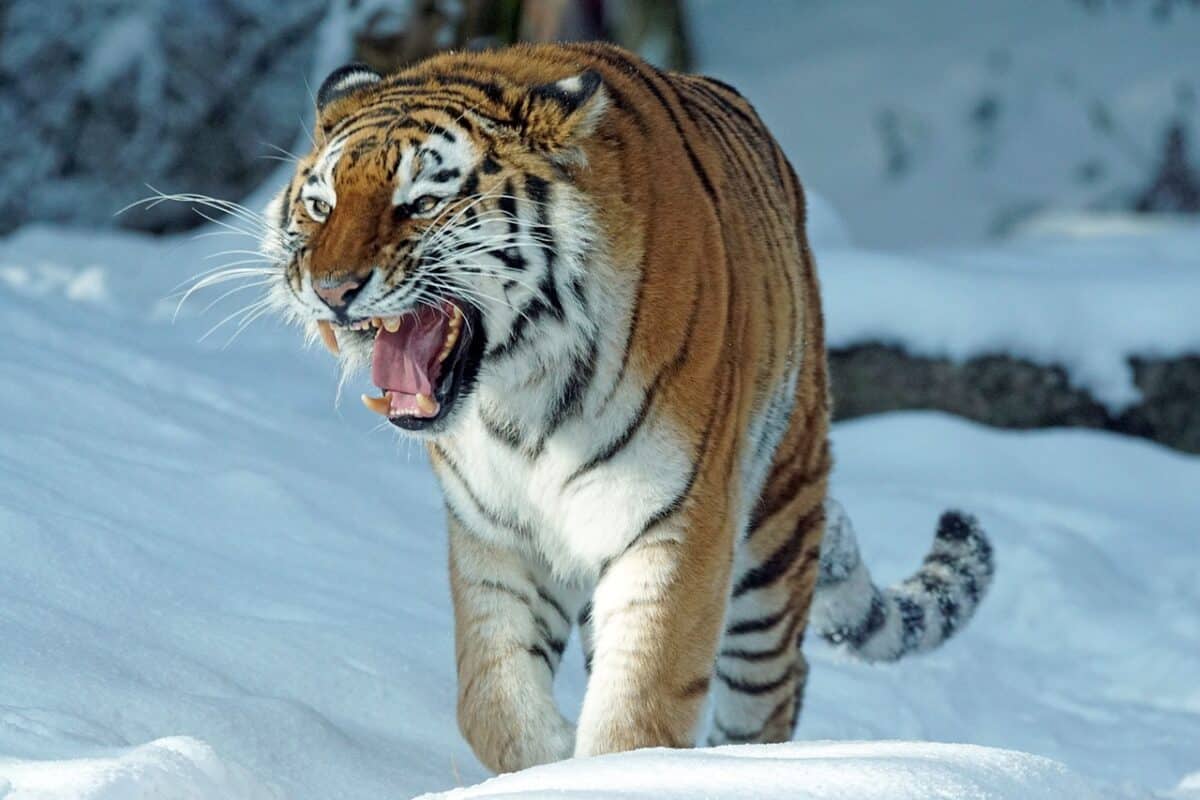
Siberian tigers possess extraordinary physical capabilities that highlight their evolutionary perfection as predators. Their night vision is six times better than a human’s, allowing them to hunt effectively in near-total darkness. Their sensitive whiskers can detect the slightest air movements, helping them navigate dense vegetation and position their bite precisely on prey animals. A tiger’s roar is produced by a specialized ligament in the throat that creates a sound so low in frequency that parts of it are inaudible to the human ear but can travel over vast distances through dense forests and mountainous terrain. This deep, resonating roar not only serves to establish territory but also to communicate with other tigers across great distances.
Additionally, Siberian tigers are equipped with powerful limbs that enable them to leap distances of up to 10 meters (over 30 feet) in a single bound, making them formidable ambush predators. Their thick, layered fur and a dense layer of fat insulate them against the harsh Siberian winters, while their massive paws act like snowshoes, allowing them to move quietly and efficiently over snowy landscapes. Together, these remarkable adaptations make the Siberian tiger one of nature’s most perfectly engineered solitary hunters, capable of thriving in one of the planet’s most extreme environments.
Conclusion: Guardians of the Frozen Wilds
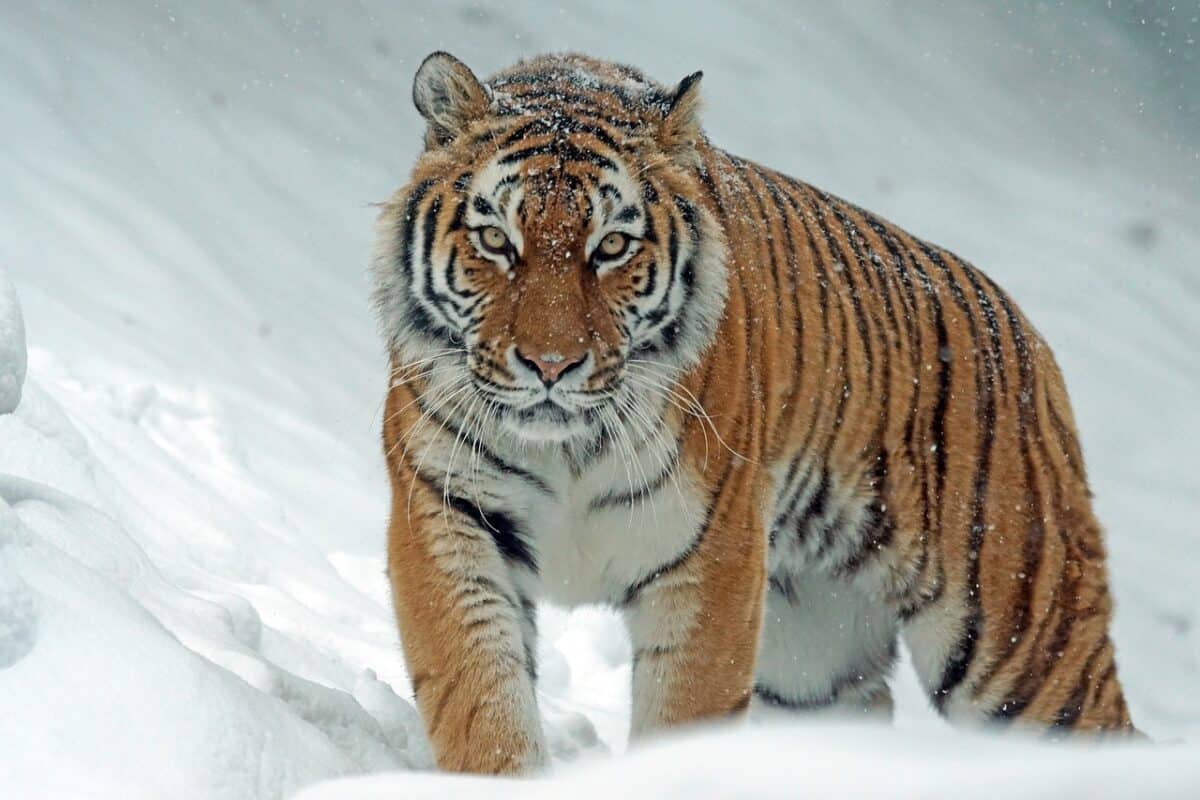
Siberian tigers, the largest of all big cats, stand as powerful symbols of strength, resilience, and wild beauty. Adapted to survive the harsh landscapes of the Russian Far East, these majestic predators are perfectly engineered for life in the snow-covered forests, with thick fur, muscular bodies, and unmatched stealth. Yet despite their formidable presence, they face relentless challenges from habitat loss, poaching, and dwindling prey populations.
The fate of the Siberian tiger is closely tied to the health of its fragile ecosystem. Conservation efforts have made remarkable strides in recent decades, but the survival of this species ultimately depends on continued protection and global awareness. By safeguarding the Siberian tiger, we preserve not only an iconic predator but also the integrity of one of the planet’s last great wildernesses. In protecting them, we protect a piece of wild Earth that still dares to exist beyond human reach.

From exploring the marine wonders in the Azores and witnessing the vast savannas of Kenya, to delving deep into the rich biodiversity of South Africa and traversing iconic landscapes in Australia and the US like Yellowstone, Chris's experiences are vast.
With a penchant for diving alongside sharks, the ocean holds a special place in his heart.
Through his academic insights, he champions wildlife conservation, striving with 'Animals Around The Globe' to cultivate a profound connection between humans and animals, enhancing our mutual appreciation.
Connect with him at Feedback@animalsaroundtheglobe.com.
- Top 10 Baby Animals That Will Make You Go Aww - August 18, 2026
- The Best Places to See the Big 5 - August 18, 2026
- Best Places to Swim with Dolphins - August 18, 2026