
Have you ever wondered why your pet suddenly gets restless before a storm, or how ancient people survived earthquakes without modern warning systems? It turns out animals have been tuned into nature’s subtle signals for millions of years, making them incredible early warning systems for natural disasters.
From elephants fleeing to higher ground hours before tsunamis to snakes abandoning hibernation weeks before earthquakes, animals possess extraordinary sensory abilities that often surpass our most sophisticated technology. Their nervous systems detect vibrations, electromagnetic shifts, changes in atmospheric pressure, and alterations in the chemical composition of the air that remain nearly imperceptible to us. Let’s dive into the fascinating world of animal disaster detection to discover how these creatures can literally sense danger coming.
Elephants Can Detect Earthquake Vibrations Through Their Feet
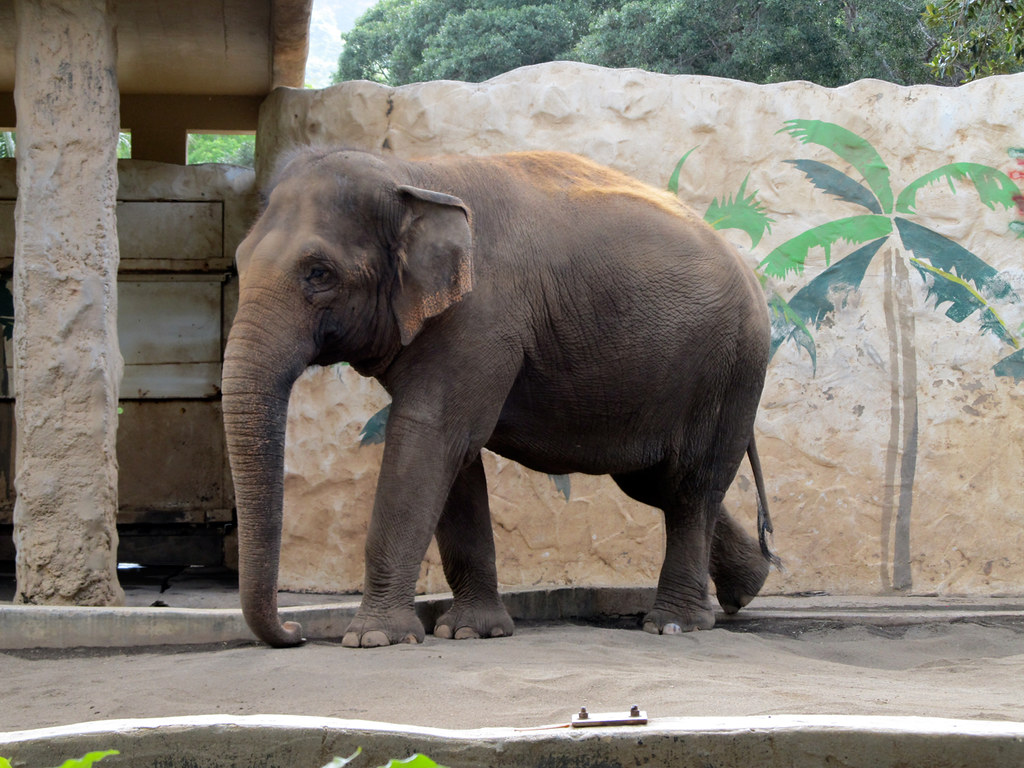
Elephants possess one of nature’s most remarkable early warning systems, thanks to their ability to perceive infrasound through their massive feet and trunks. Elephants are known for their unique ability to perceive infrasound (frequency up to 10 Hz) and communicate in this range with their relatives. As is known, infrasound is generated in the Earth’s crust during earthquakes, hurricanes and lightning strikes. These low frequency sound waves travel much faster through the ground than the actual earthquake waves themselves.
During the devastating 2004 Indian Ocean tsunami, shortly before the earthquake and tsunami in Sri Lanka, elephants mass broke their chains and headed towards the mountains. The local people noticed the strange behavior of the animals and decided to follow them. This helped them save lives when an earthquake of magnitude 9.1 occurred in the Indian Ocean, and then a tsunami wave more than 15 meters high reached the coast. Similar behavior was observed in Thailand, where according to eyewitnesses on the island of Phuket in Thailand, elephants massively climbed the mountain and reached its top a few minutes before the tsunami hit the shore.
These gentle giants essentially use their entire bodies as seismic detectors. Their feet contain special sensory cells that can pick up ground vibrations from miles away, while their trunks act like sophisticated listening devices for airborne infrasound waves.
Snakes Abandon Hibernation Despite Freezing Temperatures
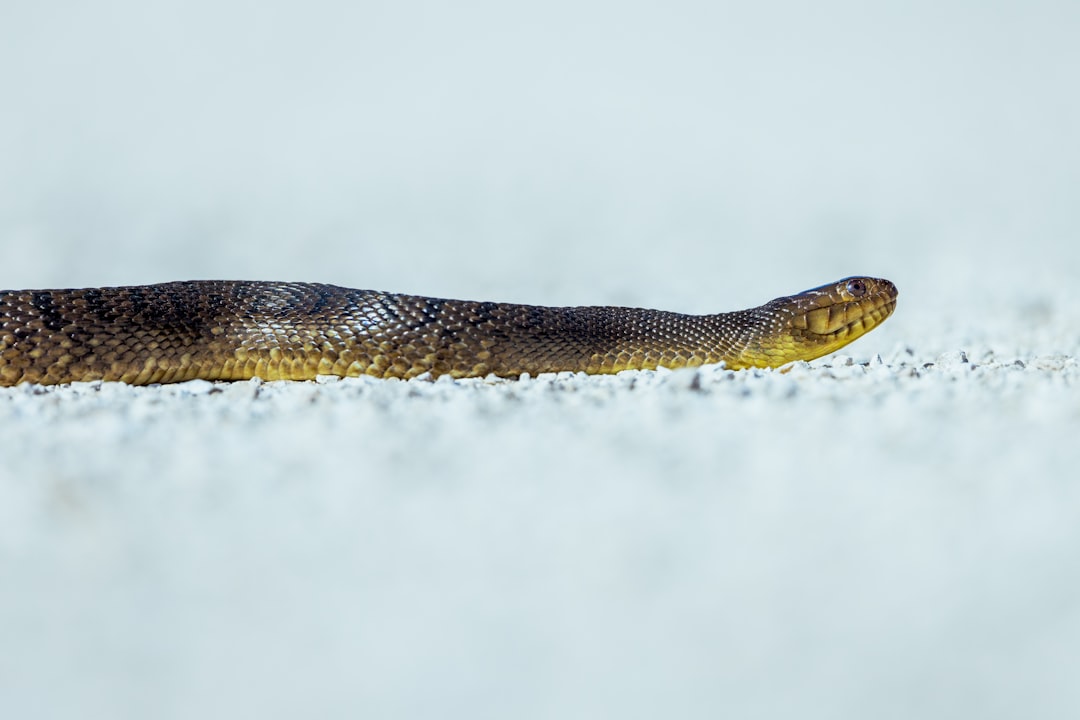
Perhaps no animals are more sensitive to earthquakes than snakes. “Of all the creatures on Earth, snakes are perhaps the most sensitive to earthquakes,” bureau director Jiang Weisong was quoted as saying according to Reuters. “When an earthquake is about to occur, snakes will move out of their nests, even in the cold of winter.” Their unique anatomy gives them an incredible advantage in detecting seismic activity.
Despite freezing temperatures, scores of snakes slithered out of their hibernation dens in the weeks before a magnitude 7.3 earthquake struck the Chinese city of Haicheng on February 4, 1975. The reptiles’ behavior, along with other incidents, helped persuade authorities to evacuate the city hours before the massive quake. This successful prediction saved an estimated 150,000 lives and demonstrates how powerful animal early warning systems can be.
What makes snakes so uniquely qualified as earthquake detectors? Snakes rely on their jawbones, which directly contact the ground, to detect vibrations. This unique adaptation allows them to perceive minute ground movements days before major earthquakes occur. They can also detect electromagnetic field changes, which some scientists believe precede earthquakes. Their unusual behaviors before seismic events – including abandoning hibernation, unusual movement patterns, or agitation – have been observed across multiple continents.
Birds Detect Electromagnetic Field Changes Through Special Cells
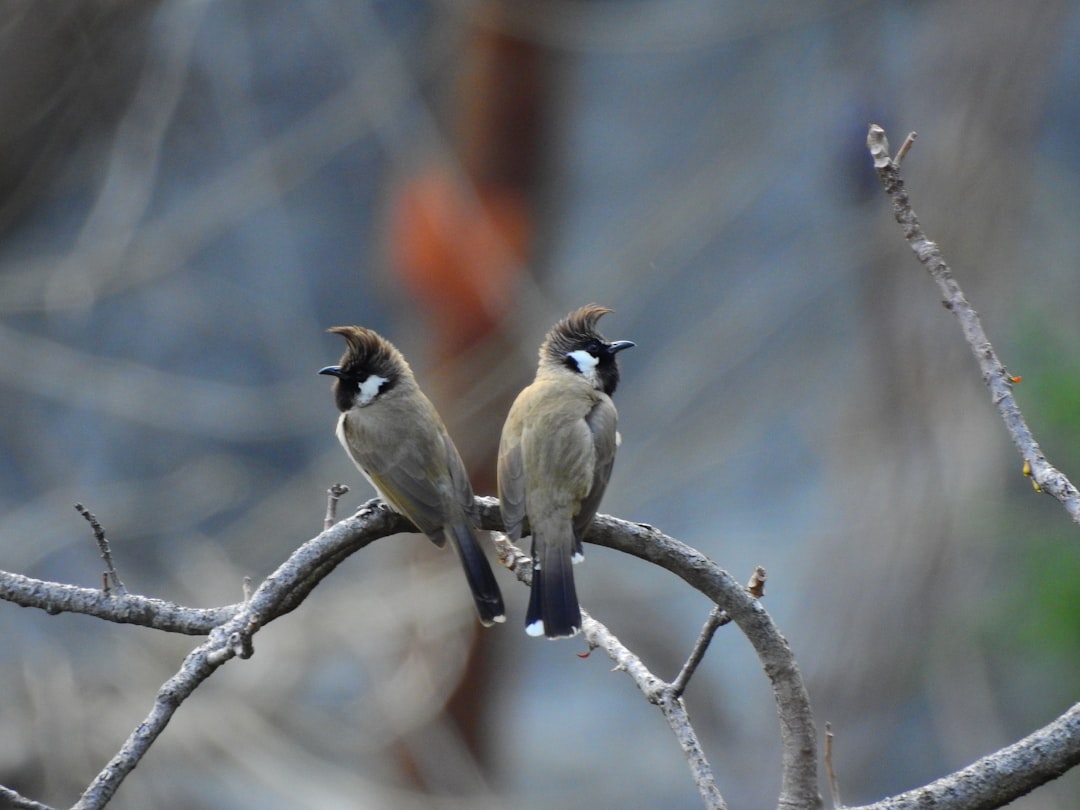
Birds have developed one of nature’s most sophisticated navigation systems, which also makes them exceptional at sensing impending disasters. Scientists believe birds may detect changes in the Earth’s magnetic field that occur before seismic events, thanks to magnetoreceptor cells containing magnetite in their upper beaks. These cells, which help birds navigate during migration, may also alert them to the magnetic anomalies that often precede earthquakes.
The Oklahoma earthquake of 2016 provided fascinating evidence of birds’ predictive abilities. The quake struck at 7:02 am on September 3. Following the earthquake, researchers discovered that radar images showed a huge increase in the number of birds taking off 15 minutes ahead of the event. This suggests that the birds could have known that a quake was coming. Their timing was remarkably precise, suggesting they detected something specific rather than just responding to general environmental stress.
Birds such as pigeons can perceive infrasound as low as 0.5 Hz, with a sensitivity far beyond human capability. Before major volcanic eruptions, birds often abandon their usual flight paths and nesting areas. Their ability to detect both magnetic field changes and infrasound gives them a dual early warning system that humans are only beginning to understand.
Dogs Use Their Superior Senses to Detect Chemical and Pressure Changes

Dogs possess an extraordinary combination of sensory abilities that make them incredibly sensitive to environmental changes preceding natural disasters. Their olfactory system, with up to 300 million scent receptors (compared to humans’ 6 million), may detect gases released from the earth before quakes. Additionally, their sensitive paws might feel subtle ground vibrations imperceptible to humans.
The Japanese tsunami research provided compelling evidence of dogs’ predictive abilities. In Japan, after the devastating 2011 earthquake, researchers conducted a large-scale survey: 1,259 dog owners and 703 cat owners reported unusual pet behavior (anxiety, trembling, hiding) the day before the disaster. In addition, dairy farms located up to 340 km from the epicenter recorded a significant drop in milk yields in the week leading up to the event. This widespread behavioral change suggests dogs were responding to environmental cues rather than just local disturbances.
Beyond earthquakes, dogs have demonstrated sensitivity to impending weather disasters. Their ability to detect drops in barometric pressure and changes in static electrical fields helps them sense approaching tornados and hurricanes. Many pet owners report their dogs becoming restless or hiding hours before severe storms hit, often seeking shelter in basements or interior rooms.
Marine Animals Feel Underwater Pressure Waves From Distant Events

Ocean creatures have developed remarkable abilities to detect seismic activity through water, which transmits vibrations much more efficiently than air. Some marine species, like dolphins and whales, have been seen swimming to deeper waters before tsunamis hit. These animals seem to instinctively understand that deeper waters provide safety from the massive waves that follow underwater earthquakes.
Aquatic environments can amplify certain seismic precursors, making fish particularly responsive to pre-earthquake signals. Before the 2011 Tohoku earthquake in Japan, fishermen reported catches with unusually high numbers of deep-sea fish like oarfish, which rarely approach the surface. These mysterious fish, sometimes called “doomsday fish” in folklore, may be responding to pressure changes or other underwater phenomena that precede major seismic events.
Even smaller marine creatures show predictive behaviors. Dolphins among many marine mammals like wheals, shark and oar fish can predicts the earthquakes days before it happens, they run opposite direction some washed-up on shores. Their echolocation abilities may allow them to detect subtle changes in underwater topography or water density that signal impending tectonic activity.
Reptiles and Amphibians Respond to Chemical Changes in Groundwater
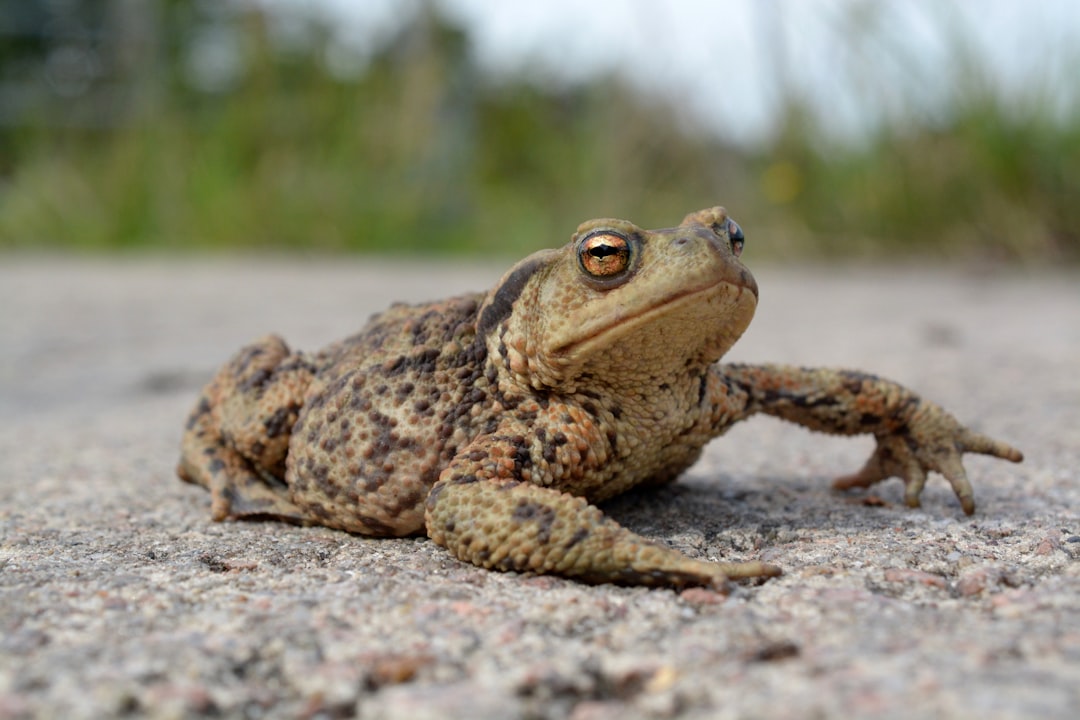
Reptiles and amphibians have unique relationships with their environment that make them exceptionally sensitive to the chemical precursors of natural disasters. One of the most documented cases of animal earthquake prediction involves common toads (Bufo bufo) before the 2009 L’Aquila earthquake in Italy. Researchers observed that 96% of male toads abandoned their breeding site five days before the 6.3 magnitude quake – extraordinary behavior during peak breeding season. Even more remarkably, the toads only returned after the last significant aftershock.
Biologist Dr. Rachel Grant, who documented this behavior, suggested the amphibians might be detecting chemical changes in groundwater or released charged particles (ions) that precede seismic activity. Toads, with their permeable skin and dual-habitat lifestyle, may be particularly sensitive to subtle environmental changes that humans cannot perceive. Their skin essentially acts as a living chemical detector, absorbing changes in water chemistry that might indicate geological instability.
Lizards and other reptiles show similar sensitivities. Snakes and some insects can detect thermal variations based on their infrared vision. The physicist Friedemann T. Freund demonstrated in 1993 that rocks under tension emit infrared radiation and infrared anomalies were also recorded by the NASA Terra satellite before the magnitude 7.7 Bhuj earthquake (India) January 26, 2001. This heat signature detection gives reptiles another early warning system that scientists are only now beginning to understand.
Farm Animals Display Group Behavioral Changes Before Disasters
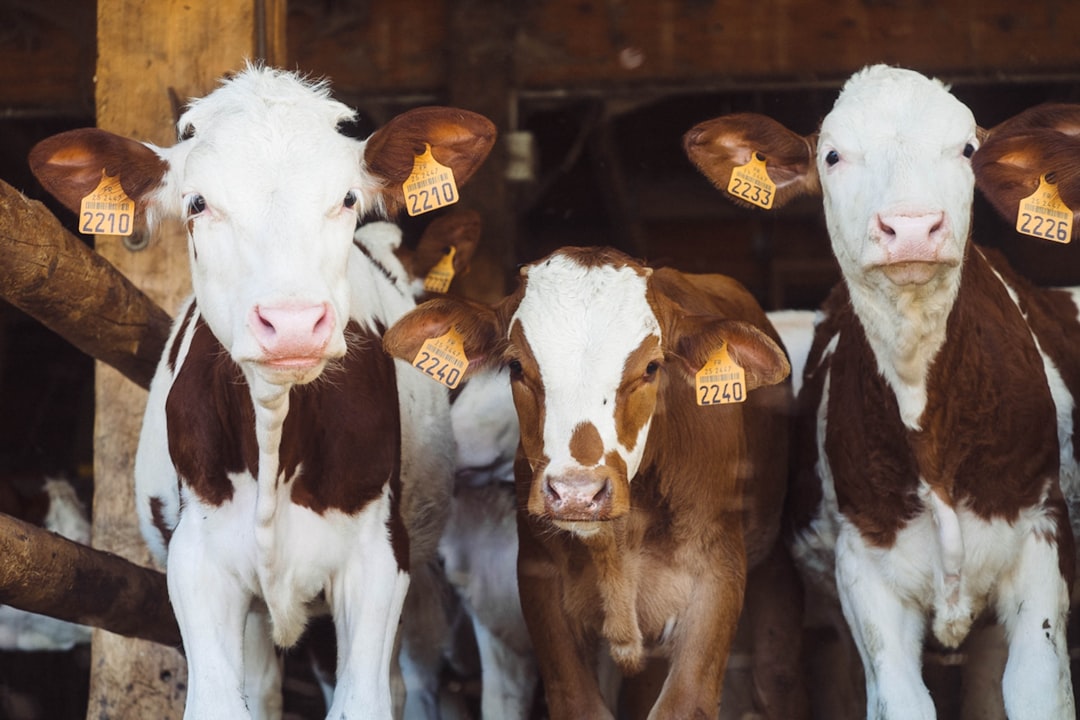
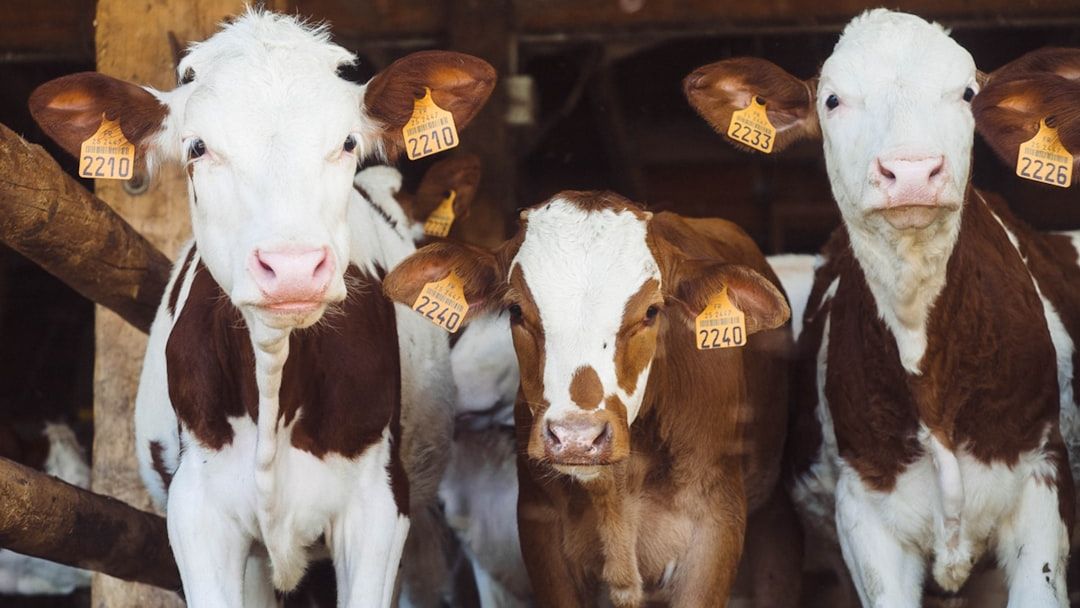
Domestic animals on farms often exhibit collective behavioral changes that can serve as reliable disaster indicators. The paper’s statistical analysis took the animals’ normal daily movements and interactions into account. It showed their activity significantly increased before magnitude 3.8 or greater earthquakes when they were housed together in a stable – but not when they were out to pasture. Wikelski says this difference could be linked to the increased stress some animals feel in confined spaces. Analyzing the increased movements as a whole, the researchers claim, showed a clear signal of anticipatory behavior hours ahead of tremors.
The group dynamics among farm animals create a fascinating amplification effect. “It’s sort of a system of mutual influence,” Wikelski says. “Initially, the cows kind of freeze in place – until the dogs go crazy. And then the cows actually go even crazier. And then that amplifies the sheep’s behavior, and so on.” This social contagion means that the behavioral changes become more noticeable and consistent when animals are grouped together.
Chinese authorities have long recognized the value of monitoring farm animals for earthquake prediction. Chinese authorities considered 58 species of animals to be useful for earthquake prediction, especially snakes, rodents and bats, and distributed booklets with depictions and descriptions of unusual animal behaviour worth to be reported. Modern technology now allows continuous monitoring of livestock movement patterns through GPS collars and automated behavioral analysis systems.
Insects Detect Electromagnetic and Chemical Changes Through Specialized Organs
Small creatures like insects have developed incredibly sophisticated sensory systems that allow them to detect minute environmental changes. In 2012, German scientists from the University of Duisburg-Essen published a report on long-term observations of the behavior of European ant colonies, which deliberately chose habitats near faults and potential earthquake zones. Insects left anthills and spent the night in open space several hours or days before the main tremors. Such changes in behavior were observed only during earthquakes with a magnitude greater than 2.0. Scientists believe that changes in the behavior of ants before an earthquake can be explained by two abilities that insects have: ability to sense changes in gas composition due to sensitive chemical receptors; sensitivity to fluctuations in the Earth’s magnetic field.
Honey bees and other insects possess extraordinary sensitivity to environmental changes that often precede natural disasters. Bees can detect minute variations in air ionization, electromagnetic fields, and vibrations through specialized receptors on their antennae and legs. Their entire bodies function as living sensors, picking up signals that our instruments often miss.
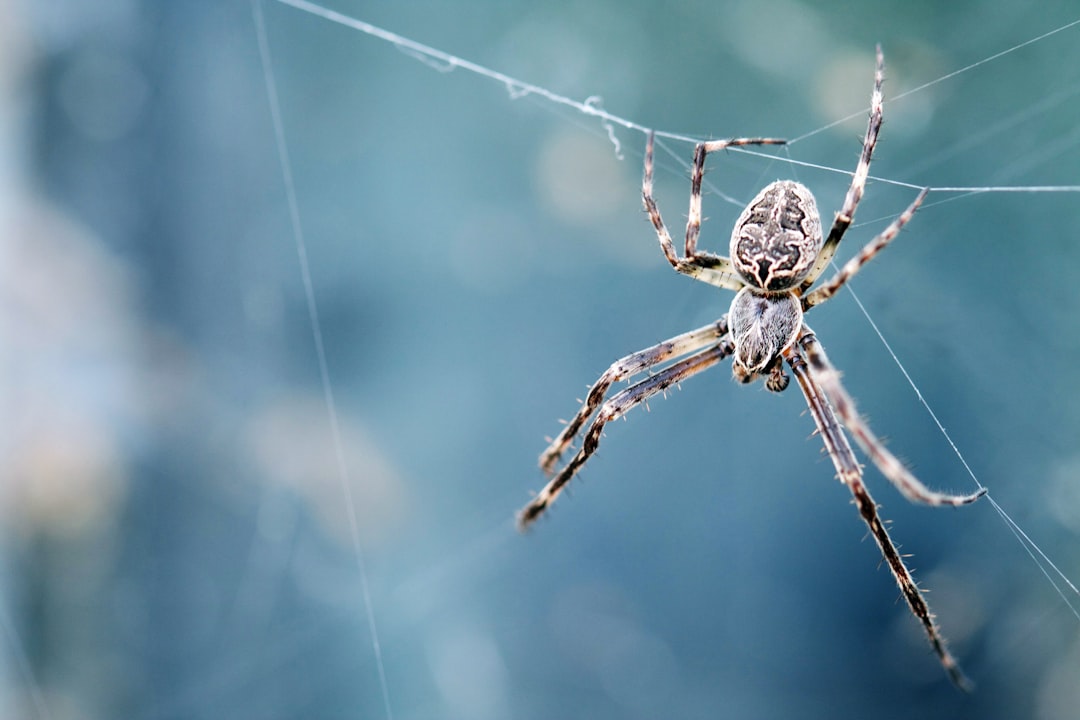
Perhaps most remarkably, spiders show some of the most dramatic predictive behaviors. SPIDERS are the most amazing when it comes to an early warning system, they run away directly opposite the earthquakes 2 days prior to natural disasters, clime-up the trees and days before earthquakes the silkweb patron changes. Their web patterns actually change before seismic events, suggesting they’re responding to vibrations or other environmental cues that affect their construction behavior.
The Science Behind Animal Disaster Detection Abilities

The mechanisms behind animal disaster prediction involve complex interactions between geology, physics, and biology. Using the results of our research, we describe a logical but complex sequence of geophysical events triggered by precursor earthquake crustal movements that ultimately result in a sound signal detectable by animals. The sound heard by animals occurs only when metal or other surfaces (glass) respond to vibrations produced by electric currents induced by distortions of the earth’s electric fields caused by the crustal movements.
Animals detect infrasound vibrations, gas changes, electromagnetic shifts, and pressure drops through evolved sensory abilities that humans lack or have in weaker form. These multiple detection methods work together to create a comprehensive early warning system that has evolved over millions of years. What seems like a supernatural ability is actually the result of highly specialized biological sensors that are perfectly adapted to detect environmental threats.
The truth is likely nuanced: animals probably arent predicting earthquakes in any mystical sense, but they may be detecting real physical precursors that our instruments haven’t been designed to measure. Their heightened senses make them organic sensors tuned by evolution to notice what we cannot. Modern science is finally beginning to understand and document these remarkable abilities, potentially leading to new approaches in disaster prediction and early warning systems.
While scientists continue to study the remarkable abilities of animals to sense natural disasters, one thing remains clear: these creatures possess sensory capabilities that far exceed our own. Their behaviors before earthquakes, tsunamis, and severe storms aren’t supernatural predictions but rather sophisticated biological responses to environmental changes we’re only beginning to understand. As technology advances, perhaps we’ll learn to combine animal observations with modern instruments to create even more effective early warning systems. What do you think about it? Could your pet be sensing disasters before you even know they’re coming?

- People Who Prefer Cats Over Dogs Often Carry This One Childhood Experience, According to Psychology - June 12, 2026
- 13 Dog Breeds That Flood Rescue Centers After the Holidays Every Single Year Without Exception - June 12, 2026
- The Great Migration: Why Millions of Monarchs Choose These US States - June 11, 2026