
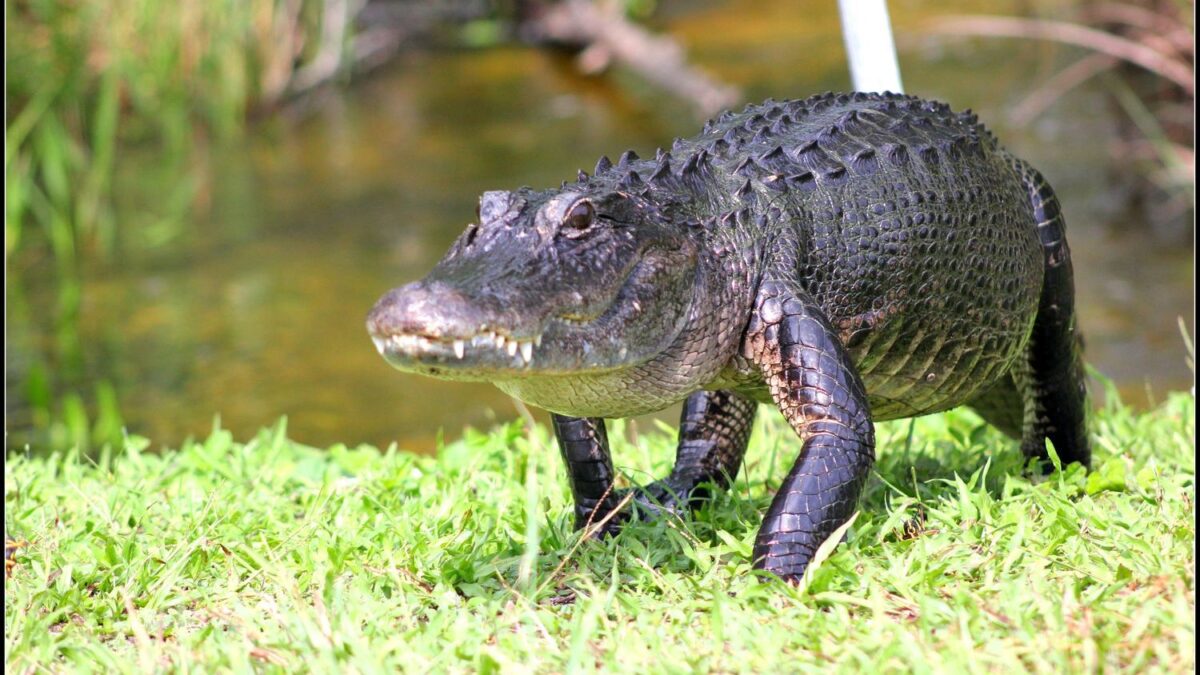
Picture this: murky water ripples, ancient eyes break the surface, and suddenly you’re face to face with one of nature’s most successful predators. For decades, American alligators were vanishing from our lakes and waterways, teetering on the edge of extinction. However, these prehistoric survivors have staged one of conservation’s most remarkable comebacks, reclaiming territories they once called home.
The story of alligator recovery is nothing short of extraordinary. Thirty years ago many people believed this unique reptile would never recover. The Endangered Species Act prohibited alligator hunting, allowing the species to rebound in numbers in many areas where it had been depleted. In 1987, the Fish and Wildlife Service pronounced the American alligator fully recovered and consequently removed the animal from the list of endangered species. Today, these ancient reptiles are thriving in lakes across the southeastern United States, with populations so robust that several states now allow regulated hunting. Let’s dive in to discover where these magnificent predators are making their most impressive return.
Lake Okeechobee, Florida
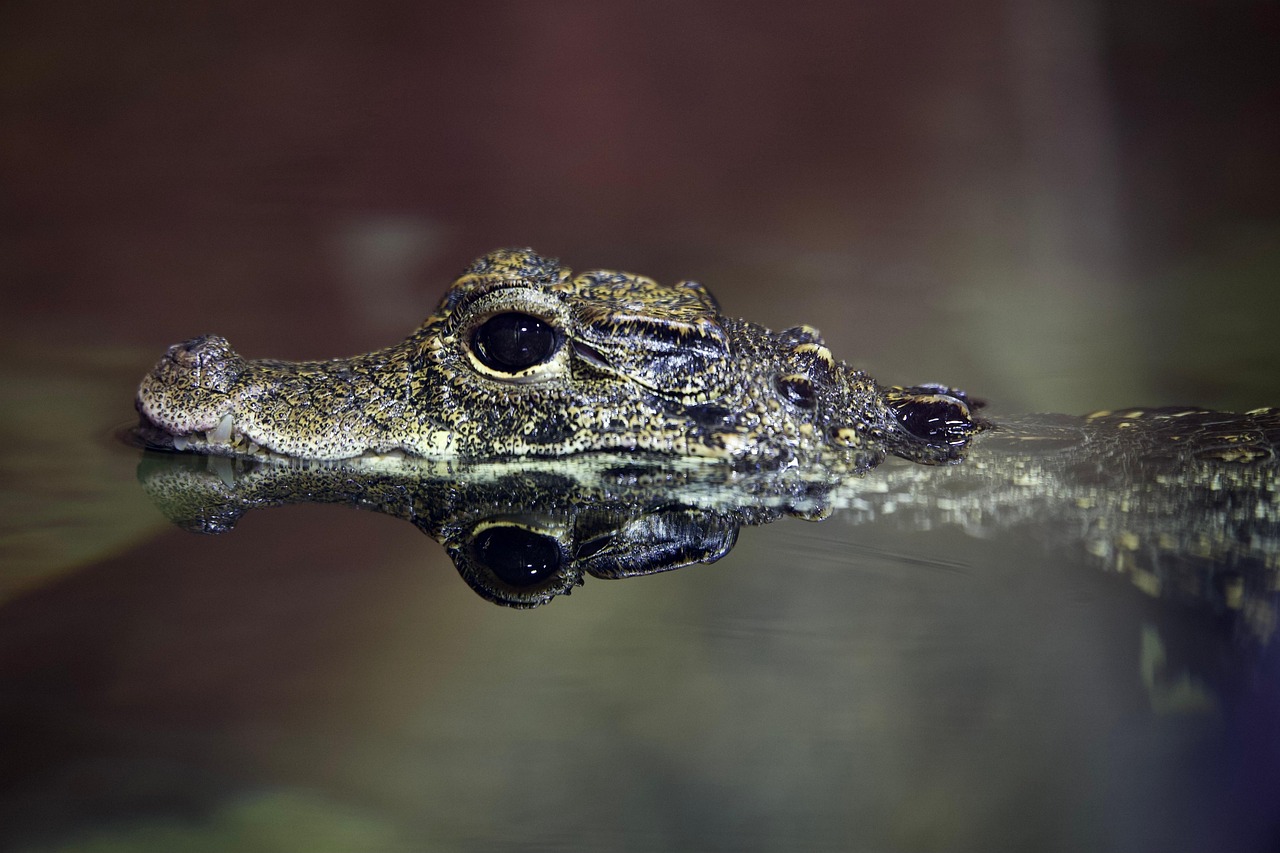
Known as Florida’s Inland Sea, Lake Okeechobee stands as the crown jewel of alligator recovery stories. Lake Okeechobee, often known as Florida’s Inland Sea, is the state’s largest freshwater lake. It is the tenth-largest natural freshwater lake in the United States and the second-largest natural freshwater lake entirely within the contiguous 48 states. The massive 467,000-acre lake now hosts an estimated population that stretches into the tens of thousands.
The lake’s marshy shoreline makes it the perfect home to an estimated population of around 30,000 alligators, although less than 10,000 have been counted. This difference between estimated and counted populations highlights just how abundant these reptiles have become. The lake’s vast expanses of shallow water, abundant fish populations, and protective vegetation create ideal conditions for both juvenile and adult alligators to flourish.
Lake Griffin, Florida
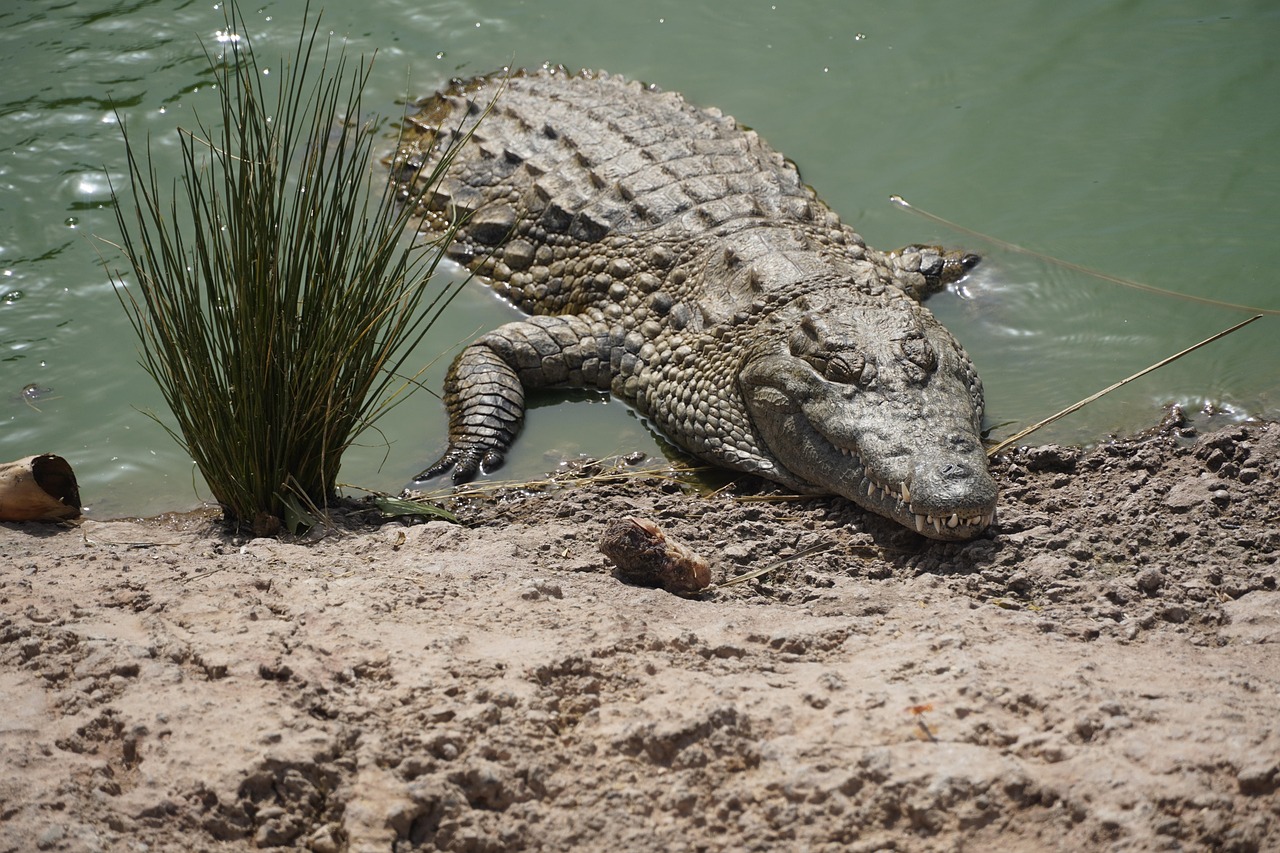
Lake Griffin represents perhaps the most dramatic alligator density success story in Florida. Biologist Arnold Brunell, of the North Florida Alligator field office, a department of the Florida Game and Fresh Water Fish Commission, says that surveys indicate Lake Griffin has about 34 gators per mile of shoreline. Lake Griffin, one of the chain’s largest lakes, has about 1,400 large gators, and if you include the smaller ones (under four feet), that estimate would come between 3,000 and 4,000, Brunell said. These numbers are staggering when you consider the lake’s relatively modest size compared to other Florida waters.
What makes Lake Griffin particularly fascinating is its consistent breeding success. For the past five years, the population seems to be holding its own in Lake Griffin, and indications are that the larger gators are even on a slight increase. We also do nest surveys during the summer, and Griffin’s alligators have been averaging 162 nests per season since 1991. This reproductive stability indicates a healthy, self-sustaining population that has fully recovered from historical declines.
Lake Jesup, Florida
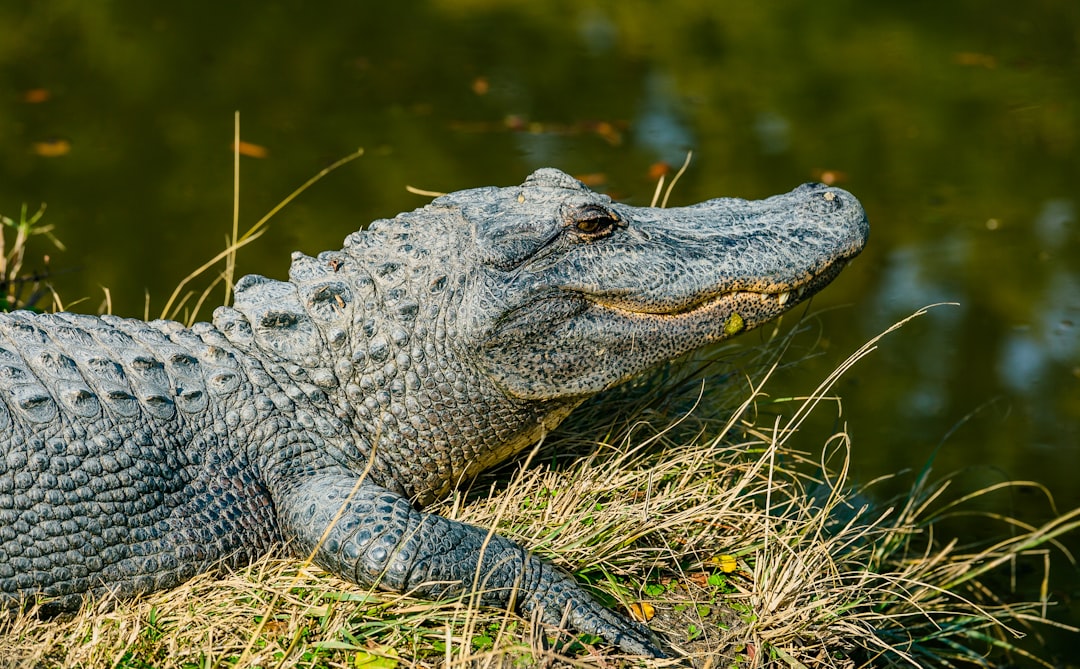
Located in Seminole County and one of the region’s largest lakes, over 13,000 gators call this place home. Lake Jesup is home to more alligators per square mile of shoreline than almost any other lake in Florida, making it the most densely infested lake in the state. This central Florida lake has become legendary among wildlife enthusiasts and researchers alike for its incredible alligator density.
The lake’s success story isn’t without its challenges, though. The high concentration of alligators sometimes leads to human-wildlife encounters, reminding us that successful conservation comes with responsibility. Despite these occasional conflicts, Lake Jesup continues to serve as a testament to what proper habitat protection and species management can achieve for recovering wildlife populations.
Caddo Lake, Texas-Louisiana Border
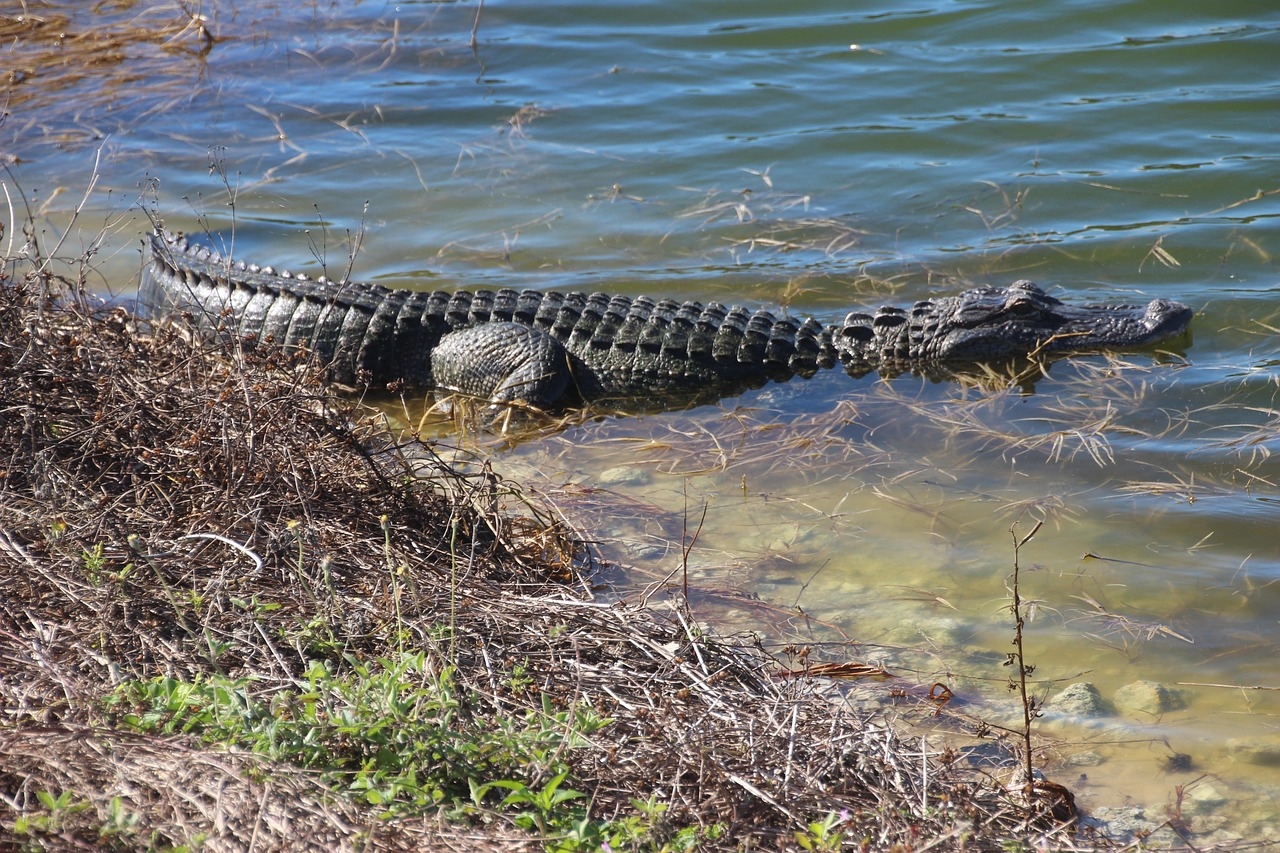
Caddo Lake is a 25,400-acre (10,300-hectare) lake and bayou (wetland) on the Texas-Louisiana border, located in Harrison and Marion counties in Texas and Caddo Parish in Louisiana. Caddo Lake is home to owls, snakes, frogs, waterfowl, bobcats, river otters, beavers, eagles, and alligators. This mysterious waterway, with its ancient cypress trees draped in Spanish moss, provides perfect alligator habitat across two states.
What sets Caddo Lake apart is its pristine ecosystem that has remained largely unchanged for centuries. The lake’s complex network of channels, backwaters, and wetlands offers alligators everything they need: hunting grounds, nesting sites, and protection from human disturbance. It is not the kind of lake where you swim – because of the risk of alligators. It’s a sight to behold, a location where you should sit silently and listen for little, watery sounds, imagining what might be making them.
Millwood Lake, Arkansas
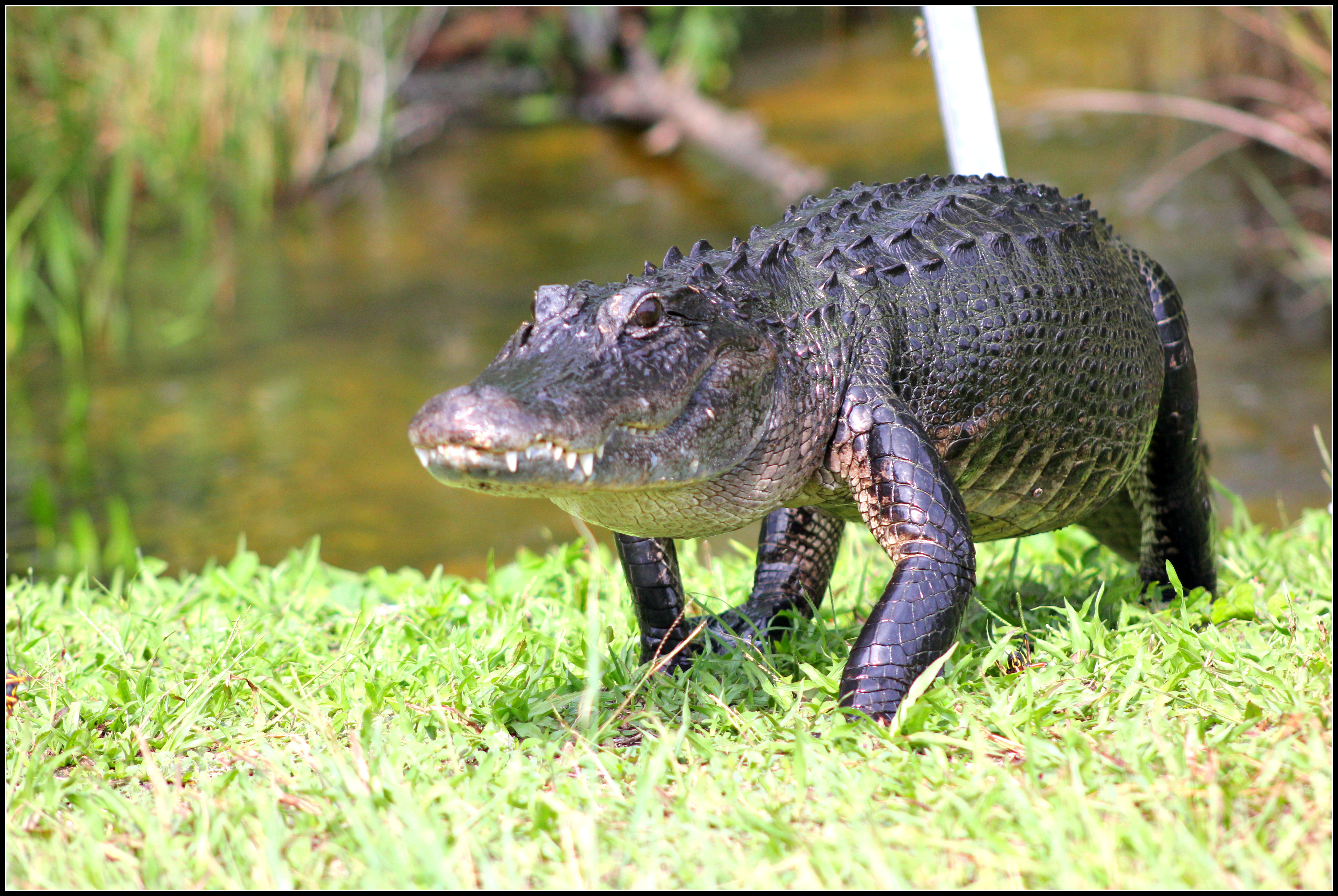
Located in southwest Arkansas, the 29,500-acre Millwood Lake is one of the largest lakes in the state and a hotspot for alligators. It also has one of the largest alligator populations in Arkansas, with estimates suggesting that Millwood Lake has 3.2 alligators per mile. This represents a remarkable recovery for a species that was once completely absent from many Arkansas waters.
Millwood Lake was home to the largest alligator taken in the 2024 alligator season – a 12-foot, 6-inch-long beast. The presence of such large specimens indicates not just population recovery, but also the restoration of age structure within the population. Today, the alligator population has sufficiently recovered, so much so that several states, including Louisiana, Georgia, Texas, and others, allow hunting. In Arkansas, alligator hunting is open from 30 minutes after sunset until 30 minutes before sunrise during the last two weekends each September.
Conclusion
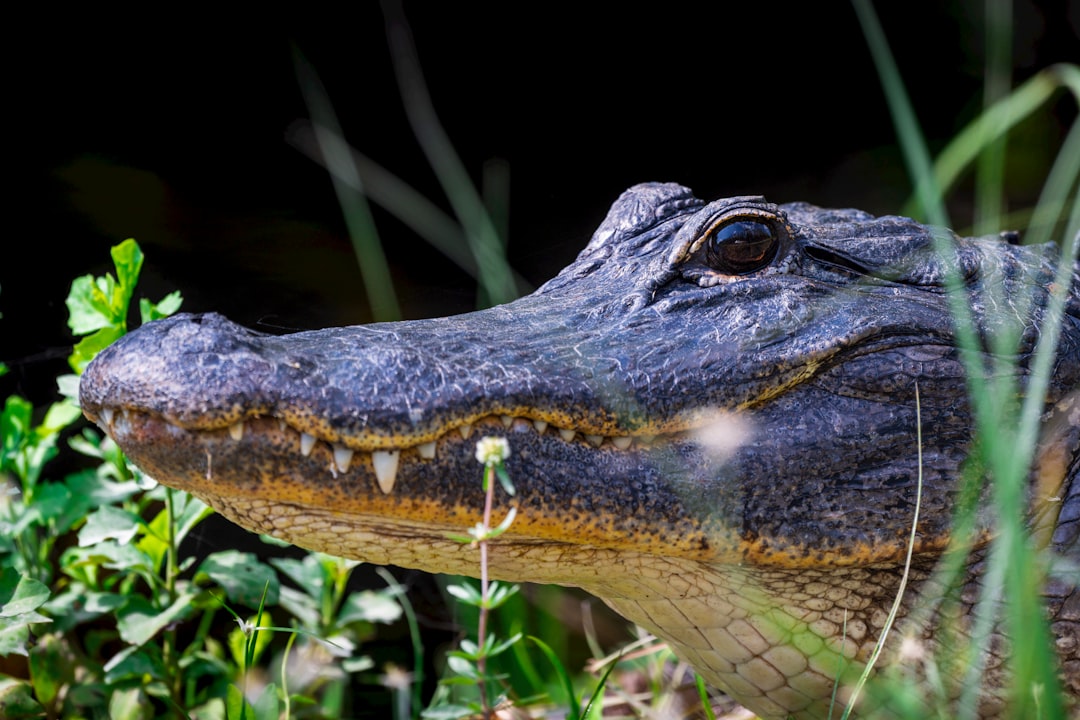
The remarkable return of alligators to these five lakes tells a story that goes far beyond just one species recovery. The story of the American alligator is one of both drastic decline and successful recovery, a story of state and federal cooperation, and truly one of the prominent success stories of the nation’s endangered species program. These lakes now serve as living laboratories, demonstrating how proper conservation efforts, habitat protection, and wildlife management can bring a species back from the brink of extinction.
Today’s thriving alligator populations remind us that with dedication and science-based approaches, we can reverse even the most dire conservation situations. These ancient predators have reclaimed their rightful place in America’s waterways, proving that sometimes the most fearsome creatures are also the most resilient. What do you think about this incredible conservation success story? Have you ever encountered alligators in their natural habitat?
