


In the age of rapid urban expansion, the balance between development and preservation has become increasingly delicate. For many endangered species, the encroachment of urbanization onto natural habitats presents a dire threat to their survival. This article explores the ongoing struggle between living organisms trying to persist and human societies pushing the boundaries of urban landscapes. By examining various facets of this complex issue, we aim to shed light on a modern battleground where stakes are high for both biodiversity and human prosperity.
The Growth of Urbanization

The 21st century has witnessed an unprecedented rate of urban growth. According to the United Nations, more than half of the world’s population now resides in urban areas, a figure projected to reach 68% by 2050. This expansion includes the creation of cities and towns and the continuous sprawl of infrastructure such as roads, railways, and industries. Urbanization, though a symbol of progress and economic development, comes with significant environmental costs, foremost among them habitat destruction.
The Impact on Habitat and Biodiversity
Endangered species often find themselves on the frontlines of urban expansion. The conversion of land for human use leads to the fragmentation and loss of habitats that many species depend on for survival. As habitats shrink, so does the population size of these species, pushing them closer to extinction. Additionally, urbanization introduces pollutants and disturbances that can hinder the ability of wildlife to thrive in their natural settings.
Case Studies: Species at Risk
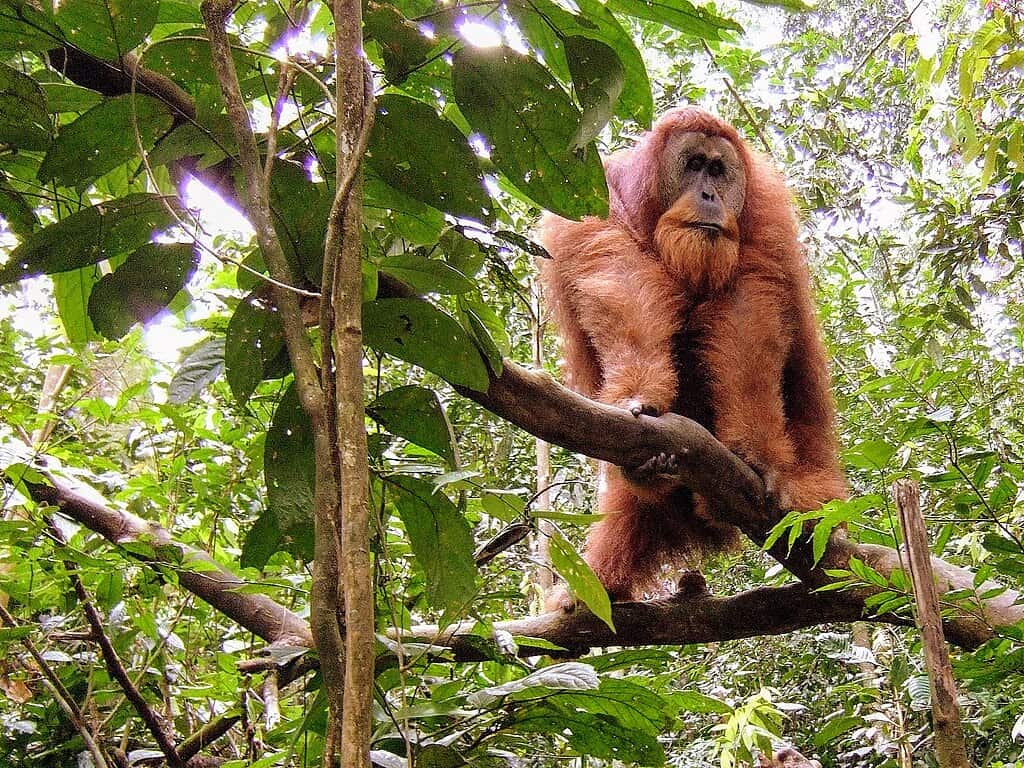
Consider the plight of the Sumatran orangutan, whose habitats in Indonesia are being razed for palm oil plantations, a form of urbanization driven by industrial agriculture. Similarly, in North America, the Florida panther struggles to survive as highways and housing developments encroach on its territory. Each of these cases underscores a broader pattern where urbanization directly contributes to the endangerment of species worldwide.
Finding a Balance: Conservation Efforts
Despite the grim outlook, numerous conservation initiatives aim to reconcile urban growth with biodiversity preservation. Wildlife corridors, for example, are designed to provide safe passage for animals between fragmented habitats. Cities worldwide are also adopting green infrastructure, such as green roofs and urban parks, to mitigate the environmental impact of urban areas and support urban wildlife.
The Role of Technology and Innovation

Technology plays a crucial role in preserving endangered species amidst urbanization. Advances in geographic information systems (GIS) and remote sensing allow for better monitoring of wildlife populations and habitats. Moreover, community-driven technologies such as mobile apps enable citizens to participate in conservation efforts by reporting wildlife sightings and threats. Novel innovations like artificial reefs and nest boxes provide urban wildlife with alternative habitats to offset losses.
The Importance of Public Awareness and Policy
Raising public awareness about the impact of urbanization on biodiversity is essential for generating support for conservation policies. Education initiatives can empower citizens to advocate for sustainable urban planning practices that consider the needs of endangered species. Policy frameworks at local, national, and international levels can enforce regulations that limit the environmental impact of urban expansion and promote land-use strategies that benefit both humans and wildlife.
Conclusion: A Path Forward
The battle of survival between endangered species and urbanization is complex, necessitating multifaceted solutions. While the challenges are immense, the opportunity for positive action exists. By integrating nature-friendly practices into urban development, leveraging technology, and fostering a culture of awareness and responsibility, society can work to ensure that urban growth and biodiversity conservation go hand in hand. The future of many species depends on our ability to chart a course that embraces both progress and preservation.
Is our convenience and luxury really more important than the survival of various species? Do we really need to constantly encroach on wild habitats to survive? What do you think we need to do in order to ensure that we and nature live in harmony? Comment your thoughts below!

From exploring the marine wonders in the Azores and witnessing the vast savannas of Kenya, to delving deep into the rich biodiversity of South Africa and traversing iconic landscapes in Australia and the US like Yellowstone, Chris's experiences are vast.
With a penchant for diving alongside sharks, the ocean holds a special place in his heart.
Through his academic insights, he champions wildlife conservation, striving with 'Animals Around The Globe' to cultivate a profound connection between humans and animals, enhancing our mutual appreciation.
Connect with him at Feedback@animalsaroundtheglobe.com.
- Frozen Fish from the Ice Age Still Has Scales - July 18, 2026
- This Sea Creature Can Regenerate Its Entire Body Multiple Times - July 18, 2026
- The Most Fascinating Natural History Museums in the World - July 18, 2026