
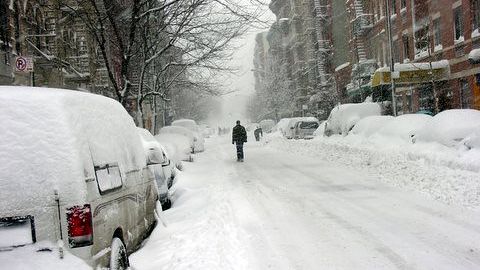
Winter in New York City has always been a tale of extremes, but nothing quite compares to the sheer magnitude of what meteorologists now consider the single most devastating snowstorm in the city’s recorded history. While the Big Apple has weathered countless blizzards over the decades, one storm stands above all others, rewriting the record books and paralyzing the city like never before.
Imagine waking up to a world buried under nearly three feet of snow, where even the most familiar landmarks disappear beneath an endless white blanket. This is precisely what New Yorkers experienced during a storm so unprecedented that it forced the entire metropolitan area to a complete standstill. Let’s dive into the incredible story of nature’s most powerful display of winter fury.
The Record-Breaking Storm of January 2016
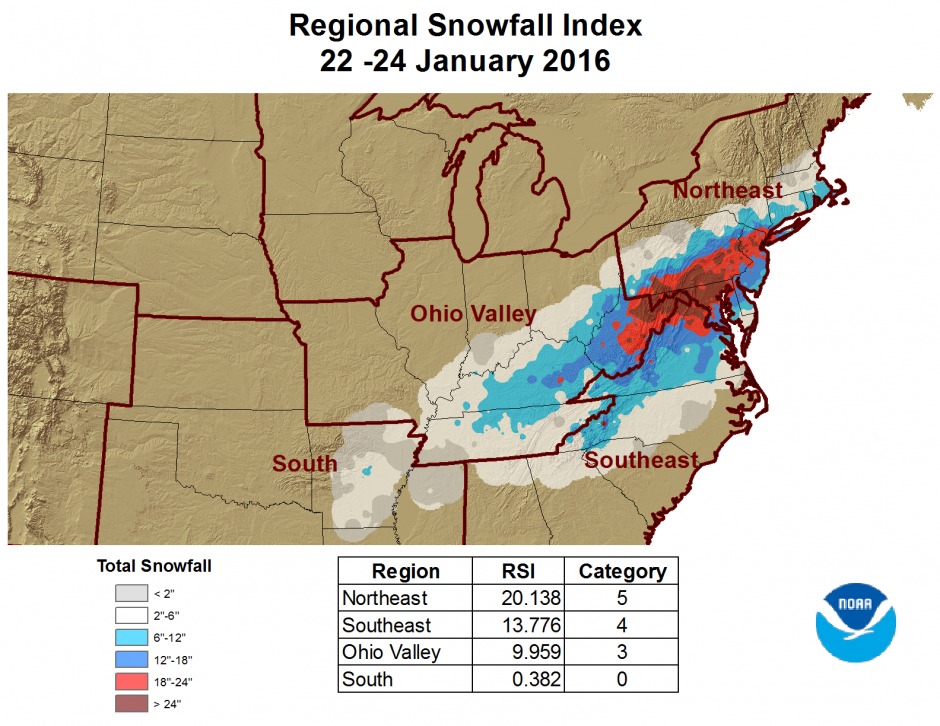
The all-time snowfall record in New York City was set on January 22-23 in 2016, when Central Park was buried in 27.5 inches of snow, according to the National Weather Service. This wasn’t just another winter storm; it was a meteorological monster that produced up to 3 feet of snow in parts of the Mid-Atlantic and Northeastern United States.
The storm completely obliterated the previous record, surpassing the previous record of 26.9 inches from February 2006 by nearly a full inch. What made this particular blizzard so extraordinary wasn’t just the sheer volume of snow, but the intensity at which it fell. Snowfall across New York City fell at rates of 3 inches per hour at times, creating conditions that even seasoned meteorologists found remarkable.
The Great White Hurricane of 1888: A Historical Benchmark
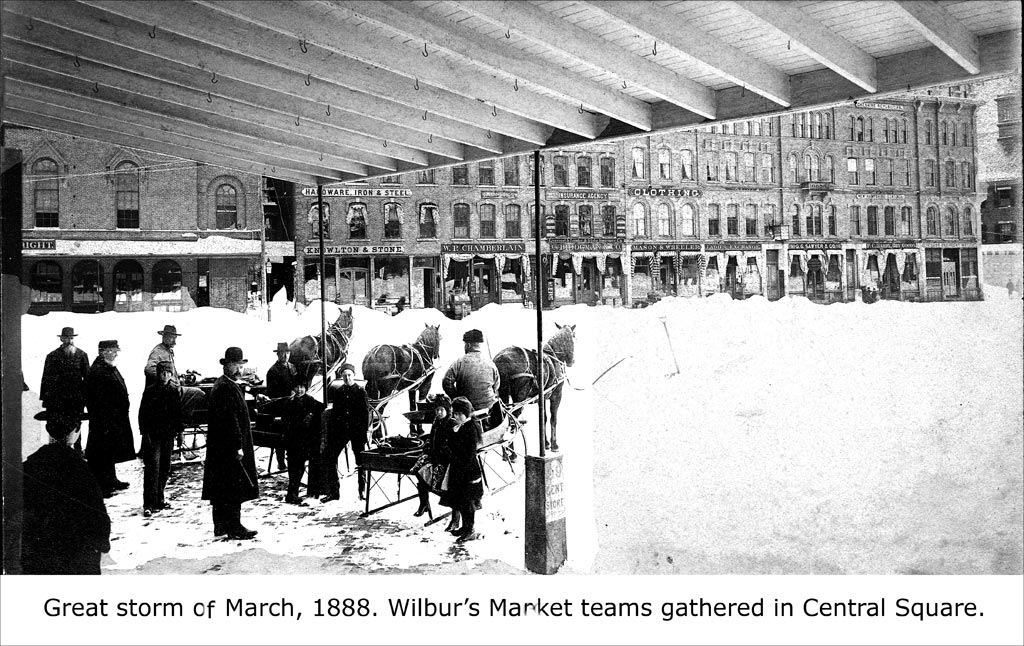
Before 2016 claimed the title, the legendary Great Blizzard of 1888, also known as the Great White Hurricane (March 11–14, 1888), was one of the most severe recorded blizzards in American history. This storm carved its place in New York lore not just through snowfall totals, but through its devastating impact on the city’s infrastructure and daily life.
21 inches of snow fell in New York City during this historic event, while sustained winds of more than 45 miles per hour produced snowdrifts in excess of 50 feet. The storm was so severe that railroads were shut down and people were confined to their homes for up to a week. Though it ranks lower in total snowfall compared to modern storms, its lasting impact on the city’s development cannot be overstated.
Meteorological Conditions That Created the Perfect Storm
The 2016 blizzard wasn’t just a random weather event; it was the result of a perfect alignment of atmospheric conditions. A weather system, evolving from a shortwave trough that formed in the Pacific Northwest on January 19, consolidated into a defined low-pressure area on January 21 over Texas. Meteorologists indicated that a resultant storm could produce more than 2 feet of snow across a wide swath of the Mid-Atlantic region.
The storm’s development followed what meteorologists call a “textbook” pattern. Low pressure at the surface formed over the Deep South and moved across the Gulf Coast states on January 22, 2016. Late on Friday, January 22 into the morning of Saturday, January 23, the low pressure center reformed off the Carolina coast and the storm rapidly strengthened as it moved northward along the coast.
Human Toll and Emergency Response Challenges
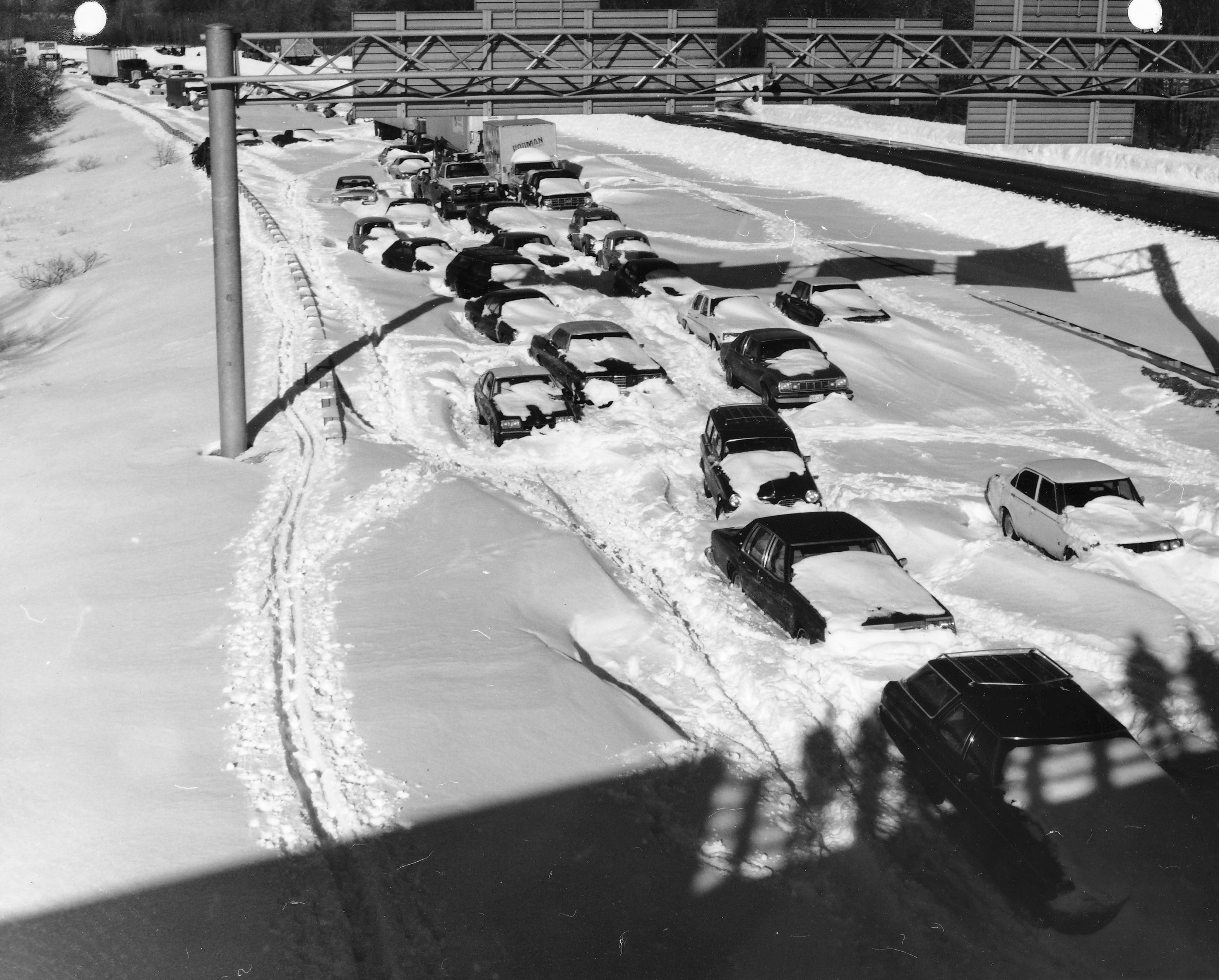
The storm’s impact on human life was both tragic and significant. The blizzard caused deaths in the city, with two people in Queens and one person in Staten Island dying while shoveling snow. Across the broader region, from New York to Washington to Virginia, the snowstorm is blamed directly or indirectly for at least 38 deaths.
Emergency services faced unprecedented challenges during the storm. Police across New York City responded to more than 200 accidents and 300 disabled vehicles, while emergency personnel responded to about 3,000 9-1-1 calls across the city. The city’s emergency infrastructure was pushed to its absolute limits as ambulances became stranded and hospitals struggled to maintain normal operations.
Transportation Shutdown and Travel Bans
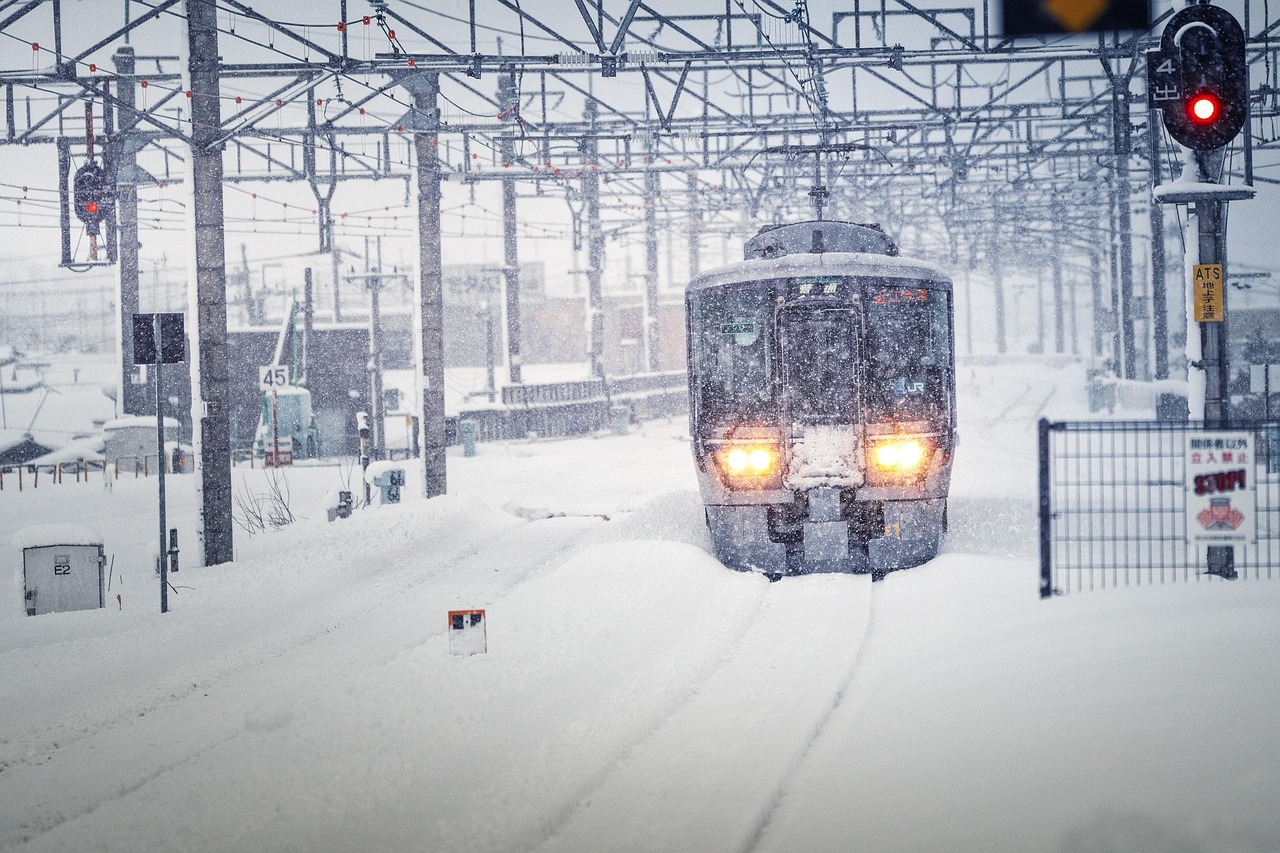
The 2016 blizzard marked an extraordinary moment in New York City history when officials took the unprecedented step of implementing a complete travel ban. Before the travel ban was implemented, buses struggled to make their routes and long delays were common. The decision to shut down all non-essential travel represented one of the most dramatic emergency measures ever taken in the city.
Travel was banned in New York and New Jersey for two days, affecting millions of residents and bringing the region’s normally bustling transportation network to a complete halt. The storm’s impact on air travel was equally severe, with airports across the region closing and thousands of flights canceled. This wasn’t just an inconvenience; it was a complete reimagining of how the city operates during extreme weather events.
Infrastructure Impact and Long-Term Consequences
The storm’s effects extended far beyond the immediate snowfall, creating ripple effects throughout the city’s infrastructure systems. Power outages impacting more than 50,000 customers were reported in southern New Jersey, especially Ocean County. The electrical grid, already strained by winter conditions, faced additional pressure from the weight of accumulated snow and ice.
Interestingly, the 1888 blizzard had far more dramatic long-term infrastructure consequences. Transportation gridlock as a result of the storm was partially responsible for the creation of the first underground subway system in the United States, which opened nine years later in Boston, as well as the opening of New York’s first underground subway line in 1904. That historic storm essentially forced the city to rethink its entire approach to urban transportation.
Economic Impact and Recovery Efforts
The economic consequences of the 2016 storm were staggering, with economic damages from lost economic activity and wages estimated to cost between $500 million and $3 billion. These figures represent not just the immediate costs of snow removal and emergency response, but the broader economic impact of a major metropolitan area grinding to a complete halt for multiple days.
The city’s response demonstrated both the evolution of modern snow management and its limitations. Thousands of sanitation workers, salt spreaders, and snow plows worked around the clock to restore normalcy. However, the sheer volume of snow meant that some areas remained impassable for days after the storm passed. The recovery effort became a testament to both human resilience and the awesome power of nature when conditions align perfectly.
Conclusion
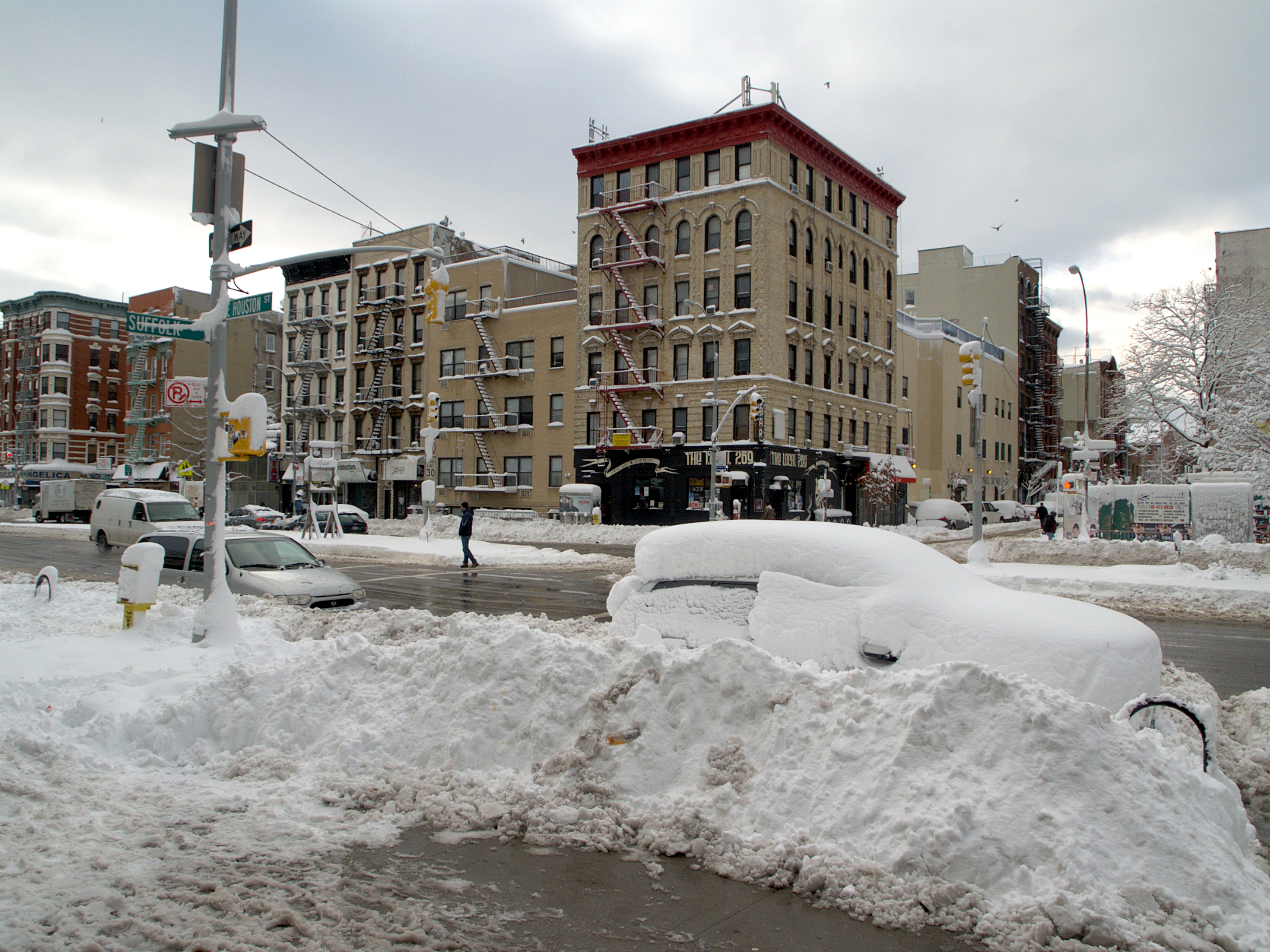
The January 2016 blizzard stands as an undeniable testament to nature’s raw power and New York City’s remarkable ability to endure and recover from extreme challenges. With its record-breaking snowfall of 27.5 inches, this storm didn’t just make headlines; it rewrote the meteorological history books and created a new benchmark for what defines a truly catastrophic winter event in America’s largest city.
From the tragic loss of life to the unprecedented travel bans, from stranded emergency vehicles to billions in economic losses, this storm touched every aspect of life in the metropolitan area. Yet perhaps most remarkably, it showcased the resilience of New Yorkers who faced down nature’s fury with characteristic determination and community spirit. What do you think about the city’s response to such an extreme weather event?
