
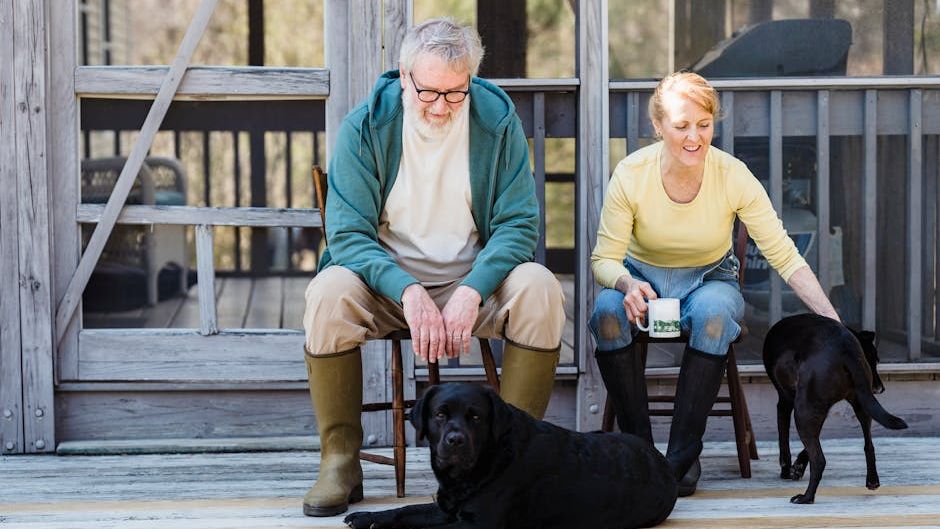
There’s something quietly profound about the way an older adult’s face changes the moment a dog trots into the room or a cat curls up beside them on the couch. It’s not just warmth or nostalgia at work. The connection that forms between grandparents and animals runs deeper than most of us think to examine, touching on health, identity, family, and the simple human need to feel needed.
The bond between older adults and their children’s pets has become a recognized source of joy, purpose, and genuine health benefits, but it stretches beyond grand-pets alone. Whether a grandparent owns their own companion animal or simply shares in a grandchild’s beloved dog, the relationship has its own distinctive texture. It’s worth understanding why.
A Companion That Asks Nothing in Return
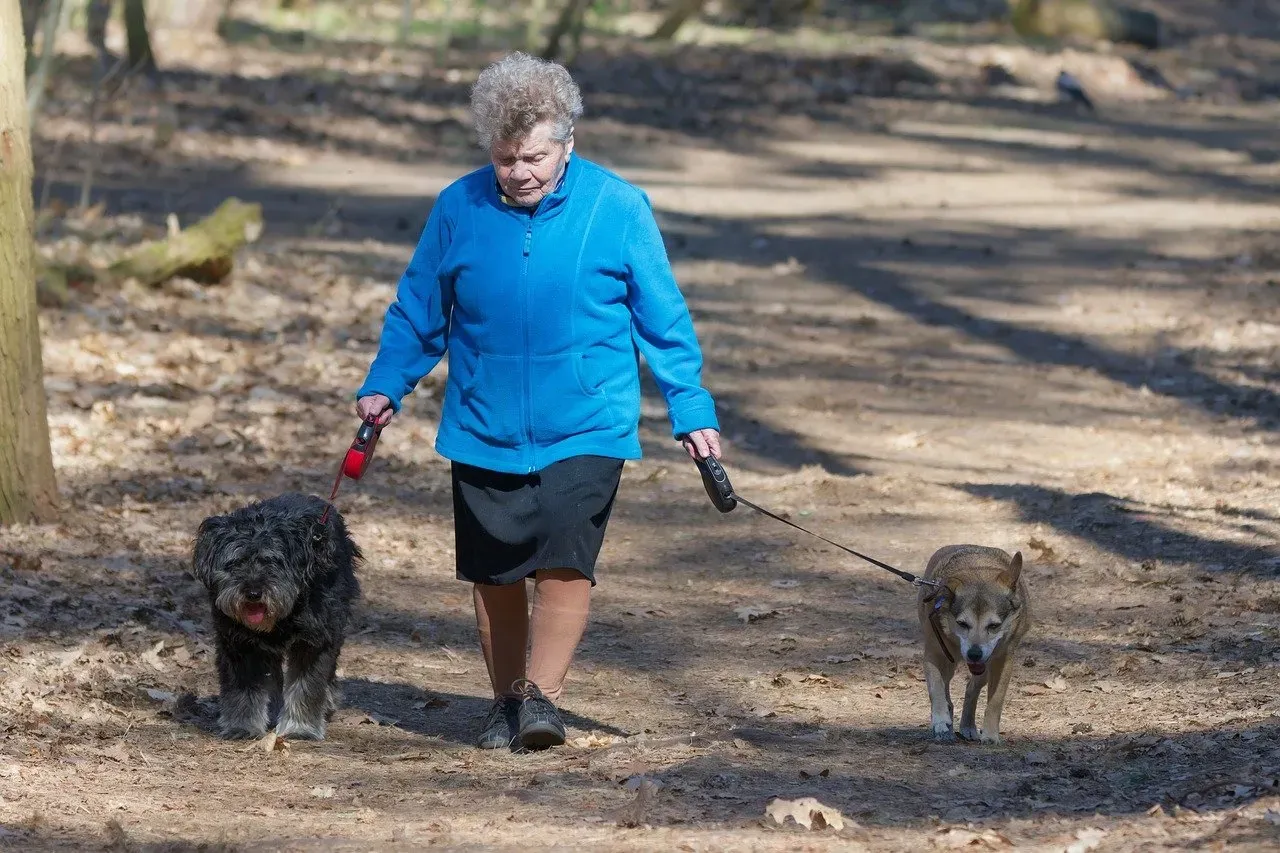
Pets offer something that most human relationships, however loving, can’t quite replicate: total, unconditional presence. Many seniors don’t view their pets simply as animals but as cherished companions who offer unconditional love and a sense of purpose. Whether it’s a playful dog, a cuddly cat, or a chirping bird, the bond can run deep and bring real meaning to an older person’s daily routine.
For grandparents, this presence carries particular weight. Later life often brings changes that quietly chip away at a person’s sense of relevance: retirement, children living far away, the gradual narrowing of a social circle. A pet doesn’t register any of that.
Pets don’t ruminate on the past or worry about the future. They’re fully in the present, and one of the benefits of spending time with a pet is learning to be more mindful about the present moment, just like our pets are. For someone navigating the emotional terrain of aging, that’s no small thing.
The Health Benefits Are More Tangible Than People Expect
Studies have shown that the bond between people and their pets can increase fitness, lower stress, and bring happiness to their owners. Specific health benefits include decreased blood pressure, decreased cholesterol and triglyceride levels, decreased feelings of loneliness, and increased opportunities for socialization.
A twelve-year study involving more than 3.4 million adults aged 40 to 80 found that dog owners had a lower risk of death due to heart disease. That’s a meaningful number, not a feel-good footnote.
Caring for pets has been shown to promote a sense of calmness, reductions in anxiety, and lower blood pressure levels, and for some older adults, pets provide a sense of purpose. That sense of purpose matters more than we give it credit for, especially for retirees adjusting to life without a structured workday. Routine, it turns out, is its own form of medicine.
Interacting with a pet can help keep the brain engaged and may slow the progression of cognitive decline in older adults, with research published in Frontiers in Aging pointing to an association between pet ownership and greater cognitive and brain health. The mental engagement of caring for another living creature seems to keep the mind quietly active in ways that matter long term.
Pets as a Bridge Between Generations
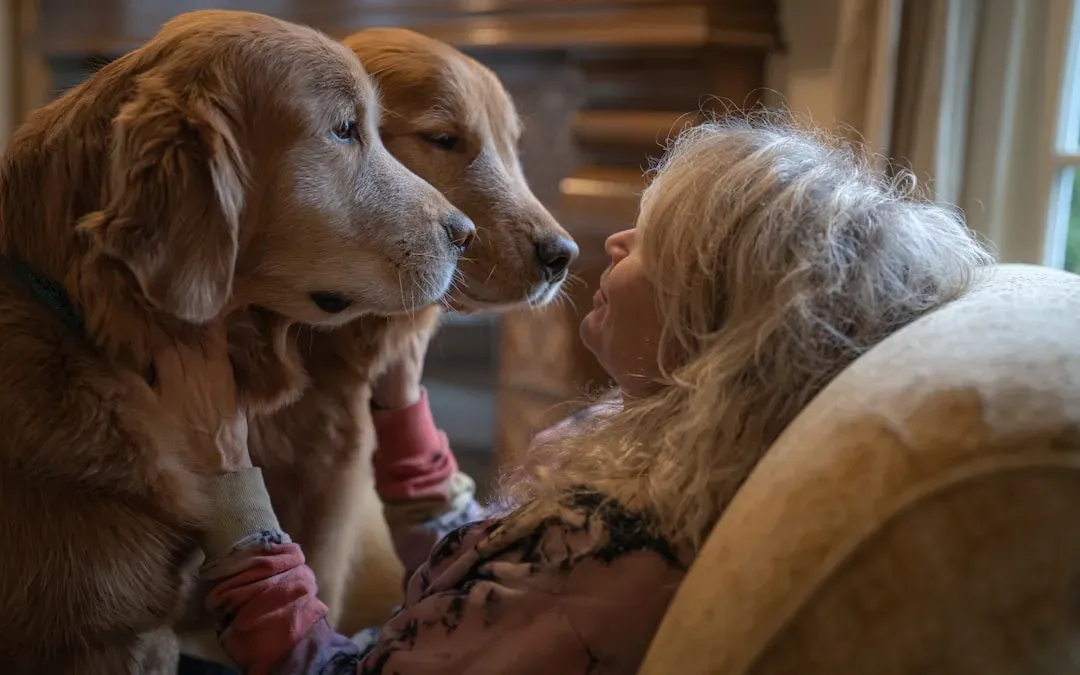
One of the less obvious gifts a pet brings to a grandparent’s life is the way it draws family closer. If pets are in the house, grandchildren might be more likely to visit and spend time with their grandparents, creating opportunities for bonding and shared experiences. The pet becomes an excuse, a conversation starter, and a living reminder that someone needs visiting.
Grandparents get to feel useful by sharing their wisdom about pet care, while grandchildren see their elders as active participants in something they care about. That shift in dynamic is subtle but significant.
Seniors with pets are more able to bridge generational gaps and strengthen intergenerational bonds, particularly in families where grandchildren are involved. A shared affection for an animal gives grandparents and grandchildren a natural common language, one that doesn’t require negotiating age gaps or differing interests.
Kids watch how grandparents gently handle animals, and they absorb lessons about patience, kindness, and unconditional love without anyone needing to spell it out. It’s a kind of teaching that slips under the radar, which might be why it sticks.
Loneliness, Isolation, and the Quiet Power of Animal Company
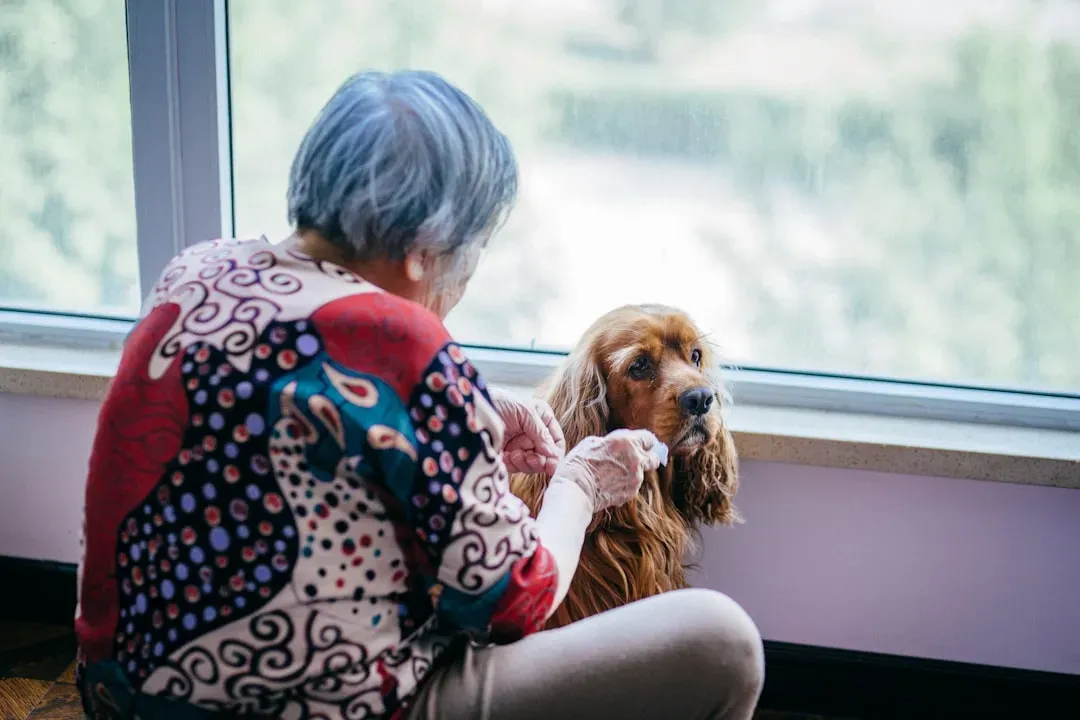
Loneliness among older adults is a genuine public health concern. Loneliness is a prevalent concern at all ages, but for older adults especially, feelings of isolation can lead to anxiety, depression, and chronic physical ailments.
Research shows that the vast majority of pet owners say their pet makes them feel less lonely. Among both pet owners and non-pet owners, an overwhelming share of respondents believe that interaction with a companion animal can help reduce loneliness and address social isolation.
For those living alone, pets may provide companionship and a sense of purpose, thereby mitigating feelings of loneliness. Conversely, for individuals living with others, the additional companionship of a pet may be less impactful on their loneliness levels. Context matters, and for a grandparent living alone, a pet’s presence can genuinely fill a gap that little else reaches.
Still, research is careful to note the balance needed here. While pets can provide comfort and companionship, they may not fully replicate the depth and reciprocity inherent in human interactions. For individuals with high tendencies to substitute pets for people, fostering human relationships alongside a healthy bond with their pets may be critical for improving overall well-being. Pets complement human connection; they don’t replace it.
Real Considerations for Grandparents Thinking About Pet Ownership
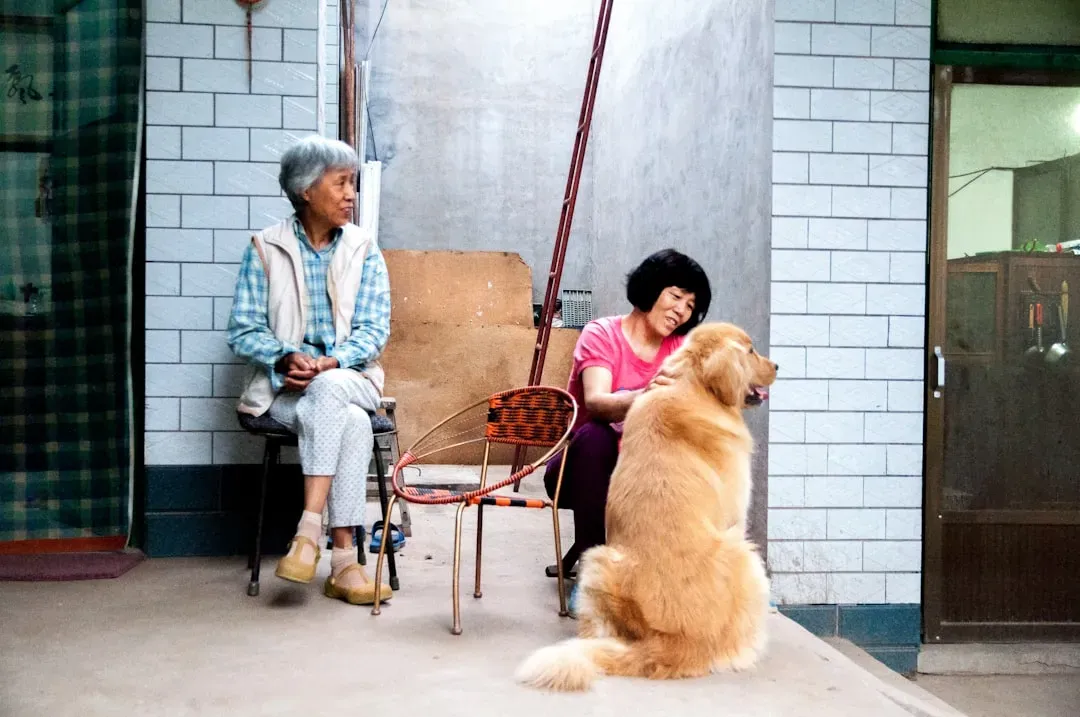
The benefits are real, but they’re best realized when the decision to bring a pet into one’s life is made thoughtfully. While the emotional benefits are significant, it’s important to choose a pet carefully. Temperament, size, and energy level all matter, especially in later years. Calm, well-socialized animals and breeds known for adaptability often make wonderful companions.
Senior humans and pets alike can face similar challenges, such as health concerns, mobility limitations, and the need for routine. Yet when the match is right, the result is often a deeply fulfilling bond.
Many animal welfare organizations recognize the value of senior-to-senior adoptions and have created initiatives to encourage them. Some shelters offer “Seniors for Seniors” programs that often waive or reduce adoption fees for senior citizens adopting older pets. These programs lower the barrier meaningfully for grandparents on a fixed income.
For those who can’t commit to full ownership, the connection doesn’t have to end there. If an older adult is in a hospital or an assisted living facility, it’s worth asking whether the facility has a therapy dog on staff. Alternatively, if a family member has a pet that already has a connection with the older adult, bringing that animal around as much as possible can still provide meaningful benefit.
Conclusion
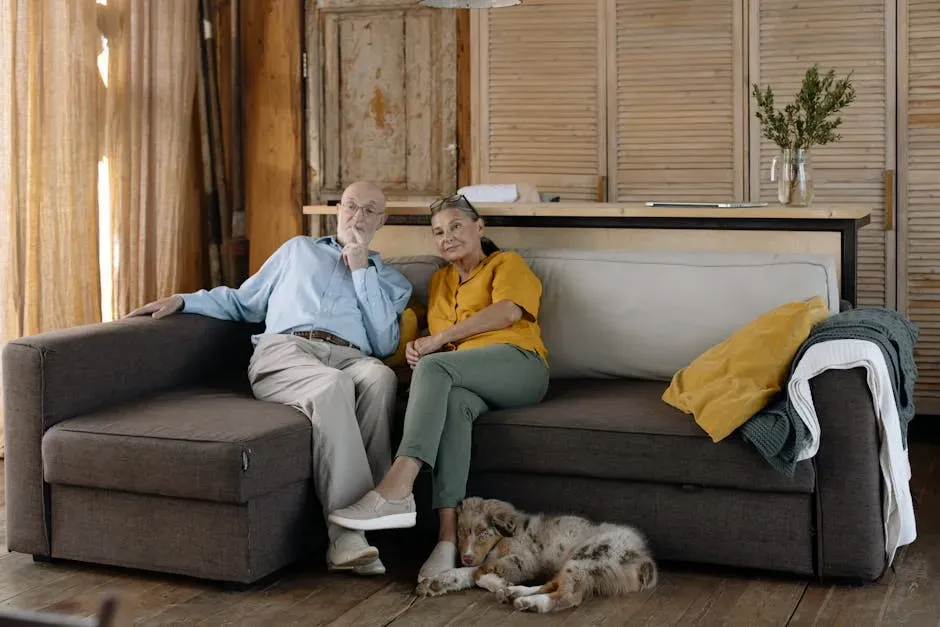
The bond between grandparents and pets isn’t something that needs to be explained to anyone who has witnessed it firsthand. It’s visible in the way a grandparent’s shoulders relax when a dog rests its head on their knee, or the gentle routine that builds between an older woman and her cat over months and years.
Research continues to confirm what many families already sense: this connection is good for the body, the mind, and the ties that hold a family together across generations. It isn’t a cure-all, and it works best when it’s paired with human connection rather than substituted for it. Seniors and pets have a beautiful commitment to one another to keep each other happy, healthy, and safe, and this bond is proven to improve the physical and mental health of both.
There’s something worth honoring in that. An older person who cares for an animal with steady, patient hands is doing something quietly remarkable: staying present, staying needed, staying alive to the small daily rhythms that make a life feel full.
