
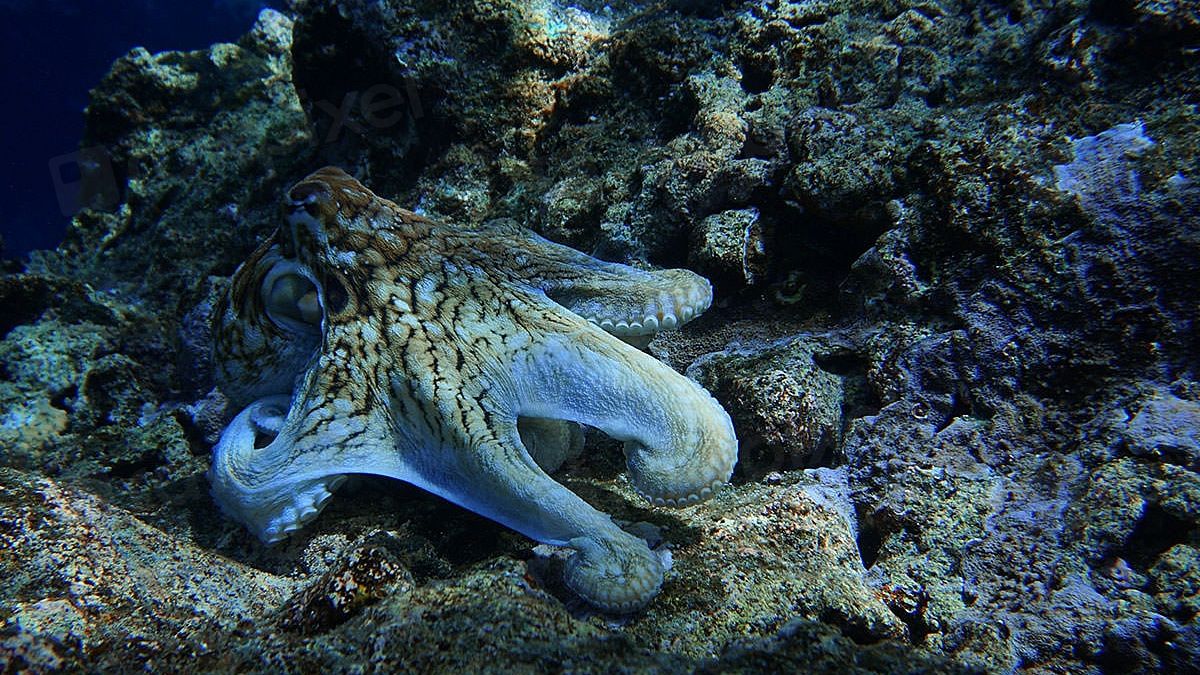
More than half of Earth’s surface lies under water, yet the deep ocean remains among the least understood places on the planet. We’ve sent humans to the Moon, mapped the surface of Mars in extraordinary detail, and sequenced the human genome, yet vast stretches of the seafloor below a few thousand meters remain largely unseen and unstudied.
That gap is closing, slowly but unmistakably. A surge of expeditions, robotic exploration, and collaborative science in recent years has produced discoveries that are, by any fair measure, extraordinary. Some of them are rewriting biology. Others are raising entirely new questions about where life can exist and what it actually needs to survive.
A World of New Species Still Being Named
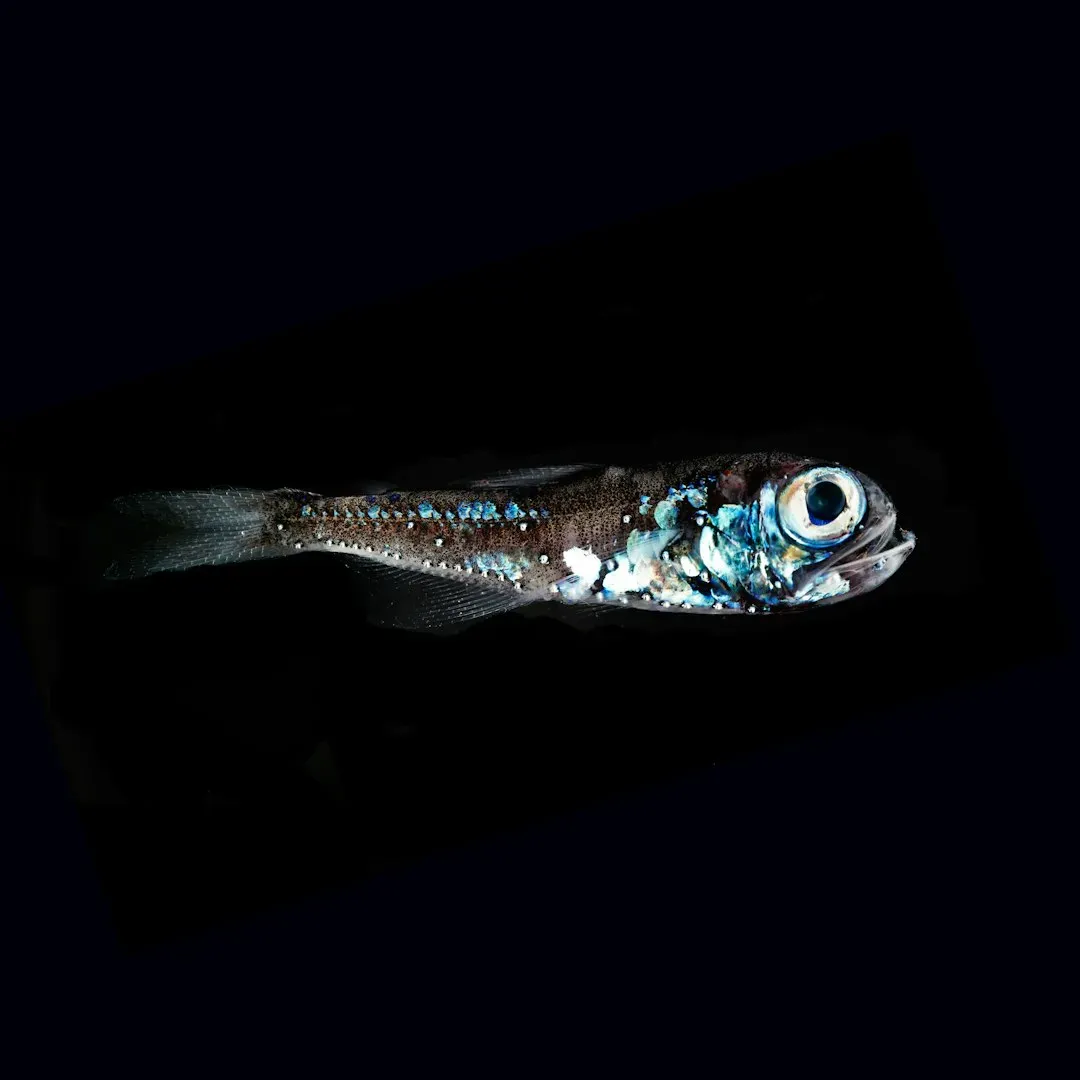
The sheer scale of undiscovered deep-sea life is hard to overstate. The Nippon Foundation-Nekton Ocean Census, described as the world’s largest collaborative effort to accelerate the discovery of marine life, recently announced the discovery of 866 new marine species. That figure comes from just a fraction of the ocean’s unexplored depths.
This work contributes to the International Seabed Authority’s Sustainable Seabed Knowledge Initiative, as part of a project that aims to formally describe 1,000 new species by the end of the decade. The research has already revealed several major scientific milestones, including 24 new species across 10 amphipod families, as well as a newly identified family and superfamily representing entirely new branches on the evolutionary tree.
Using advanced laboratory techniques, researchers recently unveiled 14 new species from ocean depths exceeding 6,000 meters, including a record-setting mollusk, a carnivorous bivalve, and a popcorn-like parasitic isopod. These aren’t marginal additions to a known list. They represent life forms operating under extreme pressure and near-total darkness, solving survival in ways that have no parallel on land.
Speed matters here. Many marine species face extinction due to human-driven biodiversity loss before scientists even learn they exist. The race to formally document what lives in the deep sea is, in a real sense, a race against time.
Hydrothermal Vents and Life Without Sunlight
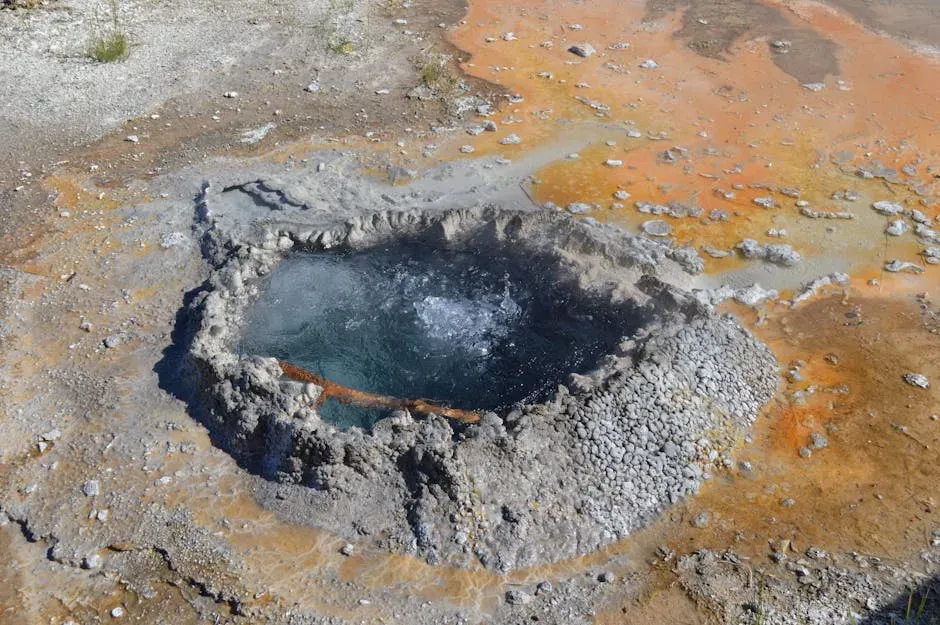
Perhaps no discovery reshaped biology quite like hydrothermal vents. In 1977, scientists exploring the Galápagos Rift noticed a series of temperature spikes in their data, puzzled by how deep-ocean temperatures could change so drastically. They had made a fascinating discovery: deep-sea hydrothermal vents, surrounded by an entirely unique ecosystem including hundreds of new species.
Through the process of chemosynthesis, bacteria provide energy and nutrients to vent species without the need for sunlight. This was a fundamental revision to what we thought life required. Before those vents were found, sunlight was considered non-negotiable.
A more recent discovery added a new dimension entirely, showing that hydrothermal vent habitats exist both above and below the seafloor. Scientists had spent decades studying hydrothermal vents and microbial life in the subsurface, but had never looked for animals beneath these volcanic hot springs. Using an underwater robot, a science team overturned chunks of volcanic crust, discovering cave systems teeming with worms, snails, and chemosynthetic bacteria.
Much of the ocean floor is thought to be nearly uninhabitable, but around hydrothermal vents there’s an explosion of life, with communities of shrimp, crabs, tubeworms, mussels, and hundreds of unique animal species previously found around, but not underneath, these vents. The implications of finding life literally beneath the known ecosystem extend the definition of habitable space in ways scientists are still working through.
Dark Oxygen and the Rethinking of Life’s Origins
One of the most contested and compelling deep-sea discoveries of recent years involves something called “dark oxygen.” The conventional thinking had been that oxygen can be made only in the presence of sunlight. However, scientists recently discovered a striking phenomenon: the deep sea appears to make oxygen in the complete absence of sunlight.
The discovery was made in the Clarion-Clipperton Zone, a vast underwater region of the Pacific Ocean between Mexico and Hawaii. Scattered on the seafloor four kilometers beneath the surface, polymetallic nodules contain manganese, nickel, and cobalt, metals used in electric car batteries and other low-carbon technologies. Researchers suggested that these potato-sized nodules could be producing enough electrical current to split seawater into hydrogen and oxygen, a process known as electrolysis.
Some scientists accept the claim, while others have challenged it. The discovery, detailed in the journal Nature Geoscience, called into question long-held assumptions about the origins of life on Earth and sparked intense scientific debate. Not every major finding arrives neatly resolved, and this one is openly contested within the scientific community.
If confirmed, the finding would change the way we look at the possibility of life on other planets too, with researchers already in conversation with experts at NASA who believe that dark oxygen could reshape our understanding of how life might exist elsewhere. The discovery has also raised the possibility of generating oxygenated habitats on other ocean worlds, such as Enceladus and Europa.
The Deep Ocean as a Pharmaceutical Frontier
The deep sea is not just scientifically fascinating. It may have genuine medical consequences for people alive today. Systematic searches for new drugs have shown that marine invertebrates produce more antibiotic, anti-cancer, and anti-inflammatory substances than any group of terrestrial organisms.
Turrid gastropods discovered in deep-sea expeditions possess venomous structures used to catch prey, producing peptides with potential applications in pain relief and cancer treatment. A drug used to treat chronic pain was originally developed from a related snail family, underscoring the biotechnological promise of new ocean life.
Researchers from UC San Diego’s Scripps Institution of Oceanography have developed a new approach to scour the oceans for novel compounds that could become the medicines of tomorrow. The method captures chemical compounds directly from the sea, and it has already facilitated the discovery of several new compounds, one of which shows promising activity against cancer cells.
The deep-sea habitat is a source of very potent marine-derived agents that may inhibit the growth of human cancer cells. Salinosporamide-A, known as Marizomib, derived from Salinispora species, is a proteasome inhibitor with promising anticancer activity that has entered clinical trials. The chemistry happening in organisms adapted to crushing pressure and total darkness turns out to be unlike anything easily replicated in a laboratory, which is precisely why it holds such interest.
A Fragile Frontier Under Growing Pressure
The deep ocean is being discovered and threatened almost simultaneously. Exploration for deep-sea minerals in the Clarion Clipperton Zone threatens to disrupt an unexpectedly rich ecosystem, with new studies detecting endangered species in the area. The same mineral nodules that may produce dark oxygen and host undiscovered species are commercially targeted for mining.
Mesopelagic species are critical to ocean carbon sequestration and climate regulation. Trillions of animals migrate to the surface each night to feed, and in the process of returning to the deep ocean during daytime, they transfer between two and six gigatons of carbon annually into the deep ocean. Disrupting that vertical migration could have consequences for global climate that are difficult to model accurately.
In an effort to better understand how the ocean stores carbon, researchers at UC Santa Barbara have uncovered results that challenge long-held ideas about how carbon dioxide is fixed in the dark, deep sea. If ammonia-oxidizing archaea are not responsible for as much carbon fixation as once believed, other microbes must be stepping in – which means the ocean’s carbon machinery is more complex, and more vulnerable to disruption, than current models account for.
Most of the seafloor remains a mystery to scientists, with only roughly a quarter of the global seafloor mapped, and new research suggests it might be more populated than scientists thought. That fraction being mapped is where virtually all our knowledge comes from. The rest remains, for now, genuinely unknown.
Conclusion
The deep ocean is not empty, inert, or irrelevant. It is a living, chemically active system that regulates the planet’s climate, harbors species with medical potential, and operates by rules we have only recently started to read. Each expedition returns with something that resets a boundary – life below the seafloor, oxygen without sunlight, new branches on the tree of life found in absolute darkness.
What makes this moment distinct is not just the discoveries themselves, but the pace at which they are arriving, driven by better technology, broader collaboration, and the growing recognition that the deep ocean matters to questions far beyond marine biology. The carbon cycle, the origins of life, the search for life on other worlds – all of them now have a stake in what lies at the bottom of the sea.
The deepest waters have always kept their secrets well. The real shift underway is that we’re finally asking the right questions, with the right tools, and staying patient enough to listen to what comes back.
