

In the vast panorama of prehistoric life, the Hyaenodon stands out as a formidable predator that once roamed the earth millions of years ago. While dinosaurs often steal the spotlight, these carnivorous mammals played a vital role in the ecosystems of the Eocene to Miocene epochs. With their formidable appearance and predatory capabilities, Hyaenodons were among the most fearsome creatures of their time. This article delves into the intriguing world of Hyaenodons, exploring their characteristics, habitat, diet, and eventual extinction, providing a glimpse into a bygone era where these formidable predators ruled the land.
Evolutionary Background

The Hyaenodons belonged to the family Hyaenodontidae, which was a part of the order Creodonta. These creatures emerged during the late Paleocene epoch, around 55 million years ago. Over time, they diversified into numerous species spread across continents, demonstrating remarkable evolutionary success in their niche as apex predators. They thrived for millions of years before vanishing from the fossil record during the Miocene epoch, leaving behind lingering questions about their dominance and adaptability.
Physical Characteristics
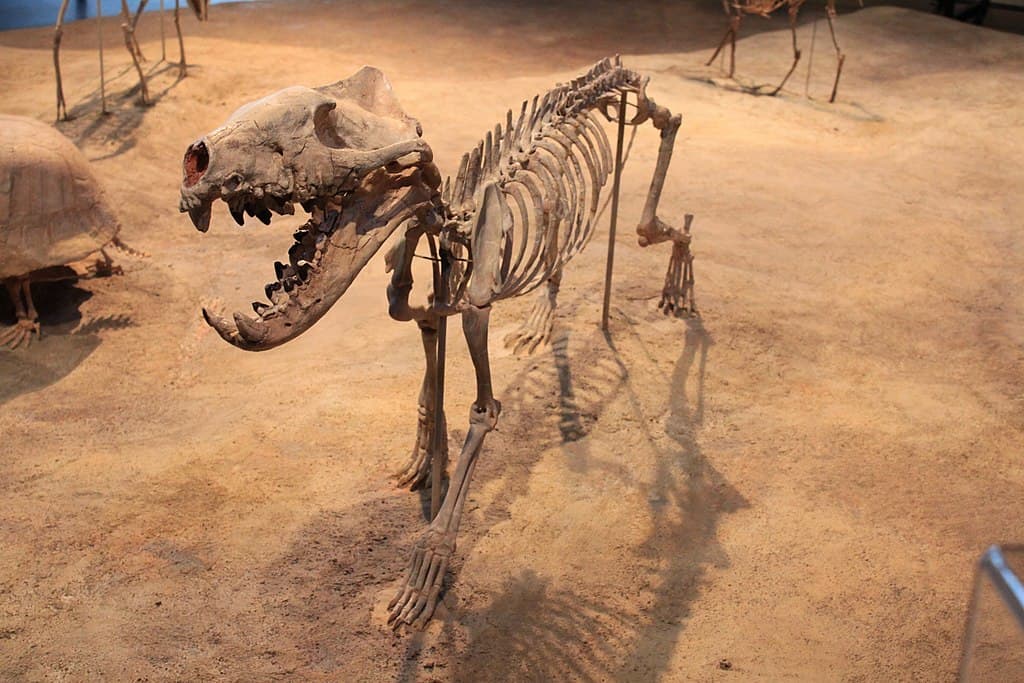
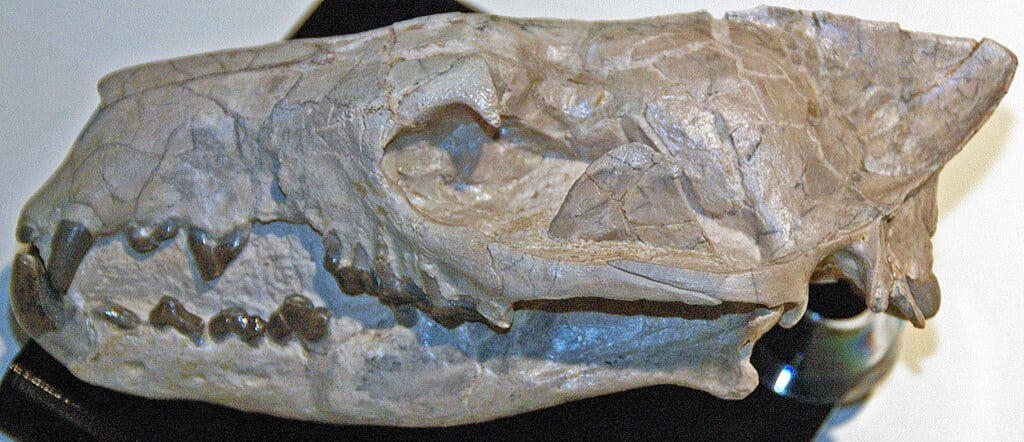
Hyaenodons varied significantly in size, ranging from that of a small dog to as large as a modern rhinoceros. Their skulls were elongated, housing powerful jaws equipped with razor-sharp teeth capable of dismembering prey with relative ease. A characteristic feature of these predators was their dental formula, which was highly adapted to slicing through flesh, emphasizing their role as hypercarnivores. Their robust bodies and muscular built hinted at their agility and prowess as hunters.
Geographical Distribution

Hyaenodons enjoyed a wide geographical distribution, with fossils found in North America, Europe, Asia, and Africa. This widespread presence speaks volumes about their adaptability to diverse environments, ranging from lush forests to open plains. Each species of Hyaenodon carved out a niche in these varying habitats, contributing significantly to the dynamic ecosystem structures of prehistoric times.
Diet and Hunting Strategies

The dietary preferences of Hyaenodons were strictly carnivorous, preying on a wide array of animals. Their hunting strategies likely varied with size and habitat, with larger species possibly taking down big herbivores. The powerful jaws and sharp teeth of Hyaenodons suggest they were capable of exerting significant force, making quick work of their prey. Their endurance and possible pack behaviors might have further amplified their effectiveness as predators.
Behavioral Insights

While much about the behavior of Hyaenodons remains speculative, paleontologists have pieced together possible insights through fossil evidence. They are believed to have been solitary hunters or perhaps operated in loose family groups. The social structure, if any, is still a subject of debate, but their dominance as top predators is undisputed. Insights into their resting places, such as dens or caves, might also reflect aspects of their behavioral ecology.
Comparison to Modern Predators

Hyaenodons often invite comparisons to modern-day hyenas due to the similarity in their name, but they are not closely related. However, parallels can be drawn with modern canids and big cats concerning their role as apex predators and hunting prowess. Like modern carnivores, Hyaenodons were built for the kill, uniquely adapted to their environments, demonstrating nature’s recurring themes in predatory evolutionary success.
The Extinction of Hyaenodons

The decline of the Hyaenodon family during the Miocene epoch is a mystery still challenging paleontologists. Various factors could have contributed to their extinction, including climatic changes leading to habitat loss, competition from emerging predators, or a decline in prey populations. Their extinction marks the end of an era of fascinating mammalian predators, reminding us of the ever-changing tapestry of life on Earth.
Fossil Discoveries and Studies

Fossils of Hyaenodons have played a crucial role in understanding these ancient creatures. The first discoveries date back to the 19th century, with subsequent finds enhancing our comprehension of their anatomy and ecological role. Each fossil discovery adds a piece to the puzzle, enriching the narrative of their life and ultimate demise. Continuous advancements in technology and paleontological methods promise to unveil more about these enigmatic predators.
Hyaenodon in Popular Culture
The intrigue surrounding Hyaenodons has seeped into popular culture, sparking interest in documentaries, books, and even video games. Their portrayal as relentless hunters stimulates the imagination, bridging the gap between scientific understanding and storytelling. Their fascinating legacy contributes to a deeper appreciation of the diverse and imaginative world of prehistoric life.
Importance in the Prehistoric Ecosystem

As apex predators, Hyaenodons played a critical role in maintaining the balance of their ecosystems. By regulating prey populations, they likely prevented overgrazing and contributed to ecological diversity. Their presence would have had cascading effects on the food chain, indicating their importance in the prehistoric ecological web.
The Legacy of Hyaenodons

The story of the Hyaenodons, like many extinct creatures, is one of dominance, adaptability, and eventual extinction. Their formidable presence as predators offers valuable insights into the evolutionary pathways of mammals and the dynamics of prehistoric ecosystems. As we continue to unearth more about these great predators, they remind us of the impermanent nature of existence and the ever-evolving story of life on Earth. Their legacy, etched in fossils, inspires continued exploration and understanding of the ancient world they once inhabited.

- 12 Tender Things a Senior Dog Does Only for the Person It Loves Most - July 30, 2026
- 22 Horse Breeds Vets Refuse to Let Their Own Children Ride - July 30, 2026
- 22 Horse Breeds Vets Refuse to Let Their Own Children Ride - July 30, 2026