
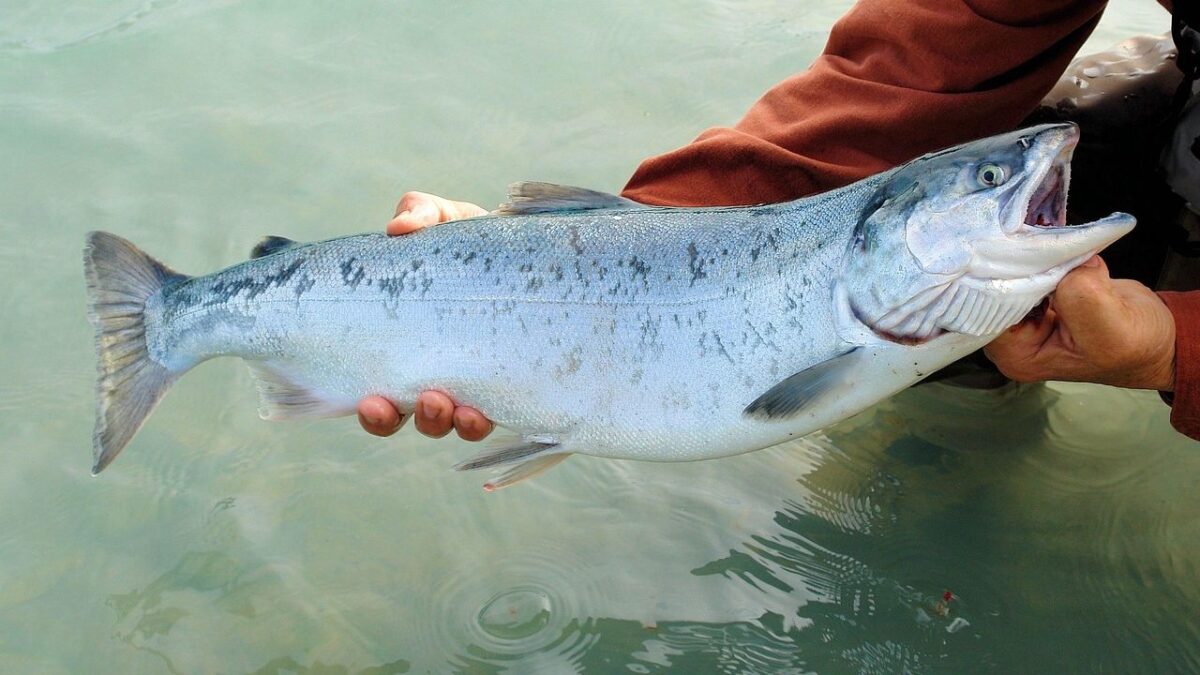
Few journeys in the natural world carry the same weight as the one salmon make across their lifetimes. Born in cold, gravel-lined streams, they grow into ocean wanderers spanning thousands of miles of open water, only to reverse the entire course of their lives when the time comes to reproduce.
Wild salmon begin their lives in rivers and streams, migrate to the sea where they spend the next several years until they mature, then return to those same rivers and streams to spawn and die. It is a true life cycle, ending exactly where it began. That circularity is what makes them so remarkable. There is something quietly profound about a creature whose entire existence is shaped by one fundamental loop.
From Egg to Ocean: The First Chapters of Life
Salmon begin their lives as tiny eggs in freshwater streams and rivers. Fertilized eggs lay in redds, which are gravel beds dug out along the streambed, where the flow of water provides oxygen and removes excess sediment and waste. The eggs remain buried in the gravel until they are developed enough to emerge.
The embryos hatch into small larval fish called alevins. These highly vulnerable creatures live underneath the gravel in the streambed for protection and receive all their nutrients from small yolk sacs attached to their bodies. Once the yolk sac is fully absorbed, the salmon emerge from the gravel as fry and begin to move about and feed on their own.
As juvenile salmon swim toward the ocean, they begin the process called smoltification, transitioning from living in freshwater to living in saltwater. The smolts may stay in estuaries from a few days to several weeks to feed, adapt, and prepare to enter the ocean. It is a physiological transformation that happens just once, and if it fails, the fish does not survive.
This high fecundity is critical because survival in the wild is extremely low, especially in freshwater. In the Burrishoole River on the west coast of Ireland, for example, survival rates for juveniles are less than one percent. The numbers are staggering. Nature compensates for fragility with sheer volume.
Life in the Open Ocean: Growth, Feeding, and Maturation
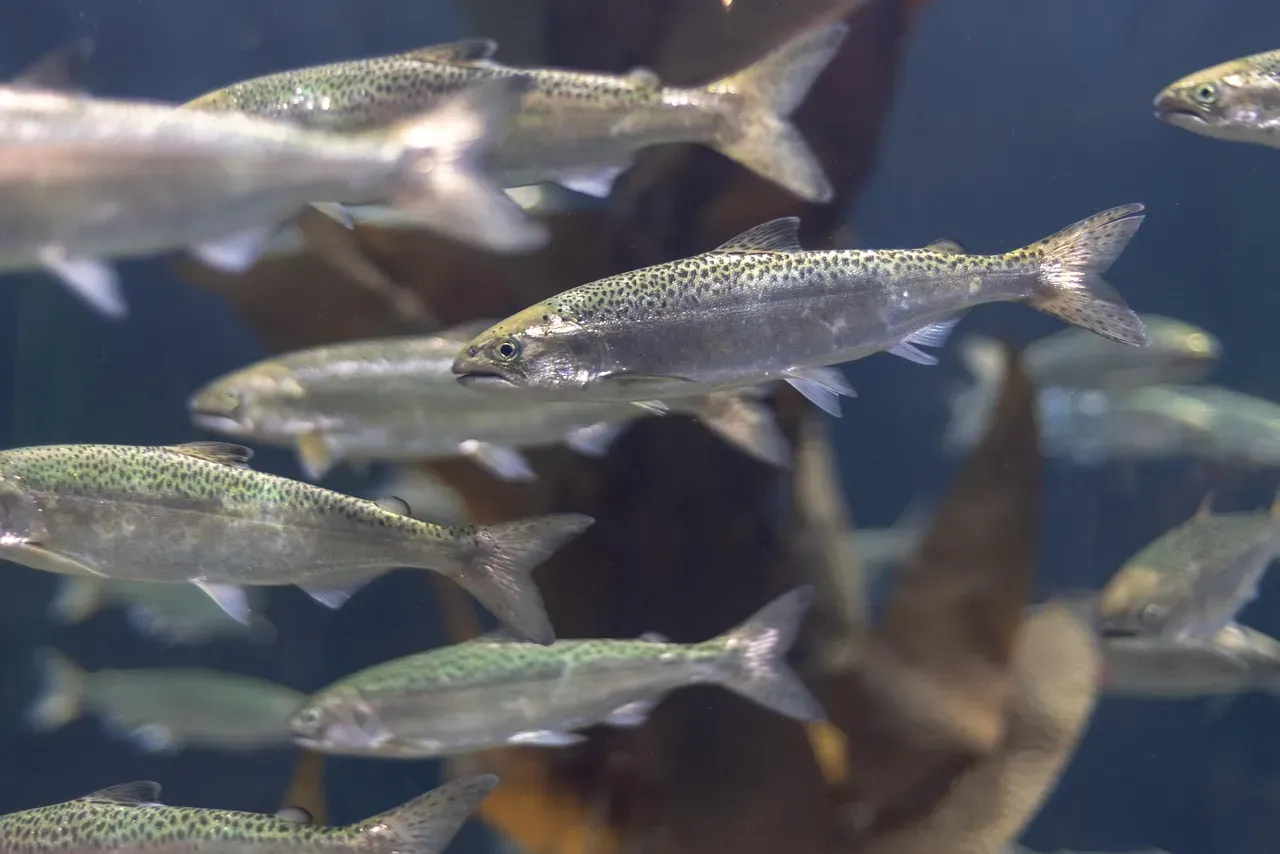
Species of salmon can spend from one up to six years in the ocean as they mature and grow into adults. While in the ocean, they feed on small fish, squid, eels, and shrimp.
Once they reach the ocean, salmon travel vast distances, sometimes thousands of miles. Their migration routes are still partially mysterious but often involve looping circuits through major ocean currents. They feed aggressively on small fish, squid, krill, and other prey to build energy reserves.
Salmon grow rapidly in the ocean, with some species doubling in size every few months. The difference between the lean juvenile that left the river and the muscular adult that will one day return is almost hard to picture. By feeding on fish with a high caloric value, they grow quickly so fewer predators can feed on them. Their rate of growth is therefore critical to their marine survival.
The Navigation System That Defies Explanation
Salmon exhibit a remarkable homing instinct, with a high proportion able to locate their river of origin using the earth’s magnetic field, the chemical smell of their river, and pheromones released by other salmon in the river. The precision of this ability has baffled scientists for generations.
Researchers have discovered that salmon also imprint on the earth’s magnetic field that exists where they first enter the sea. Humans cannot sense the magnetic field that directs a compass, but a salmon can detect minute variations in it. Even more compelling, recent studies have shown that slight natural movement of the earth’s magnetic field causes slight shifts in the migration routes of returning salmon, suggesting that they essentially have their own internal GPS system via the magnetic field.
These fish begin learning the scent of their natal stream shortly after hatching, a process known as olfactory imprinting, which plays a crucial role in their ability to find their way home as adults. Think of it as memorizing a smell before you even know what memory is. Even after years spent in the ocean, salmon retain their ability to smell, ensuring they can return to their specific freshwater spawning sites.
Migrating salmon have been observed maintaining direction at nighttime and when it is cloudy. Electronically tagged salmon were also observed to maintain direction even when swimming in water much too deep for sunlight to be of use. Their navigation is not a single system but a layered set of redundancies that compensates when one sense falls short.
The Upstream Battle: Obstacles, Endurance, and Physical Sacrifice
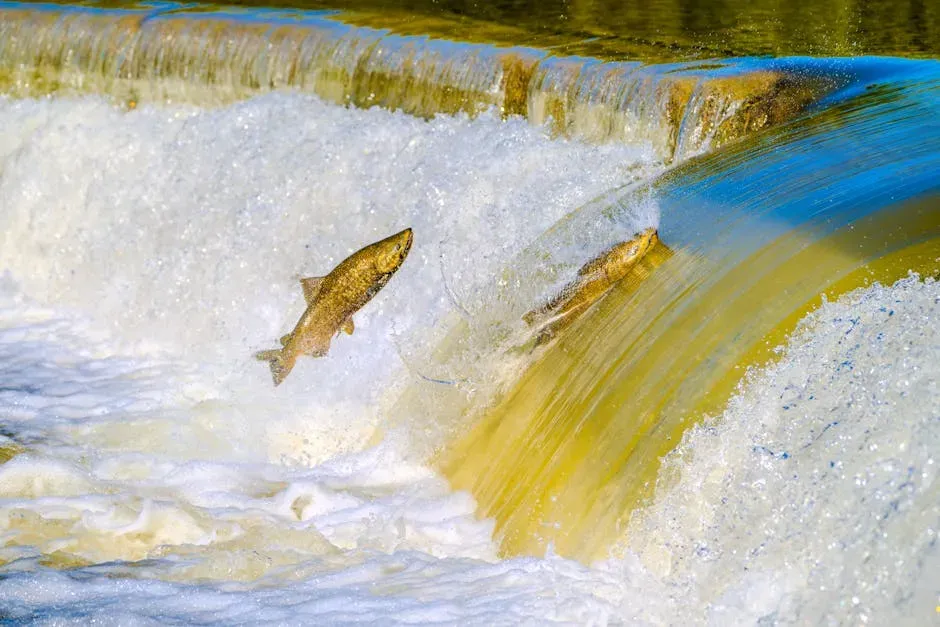
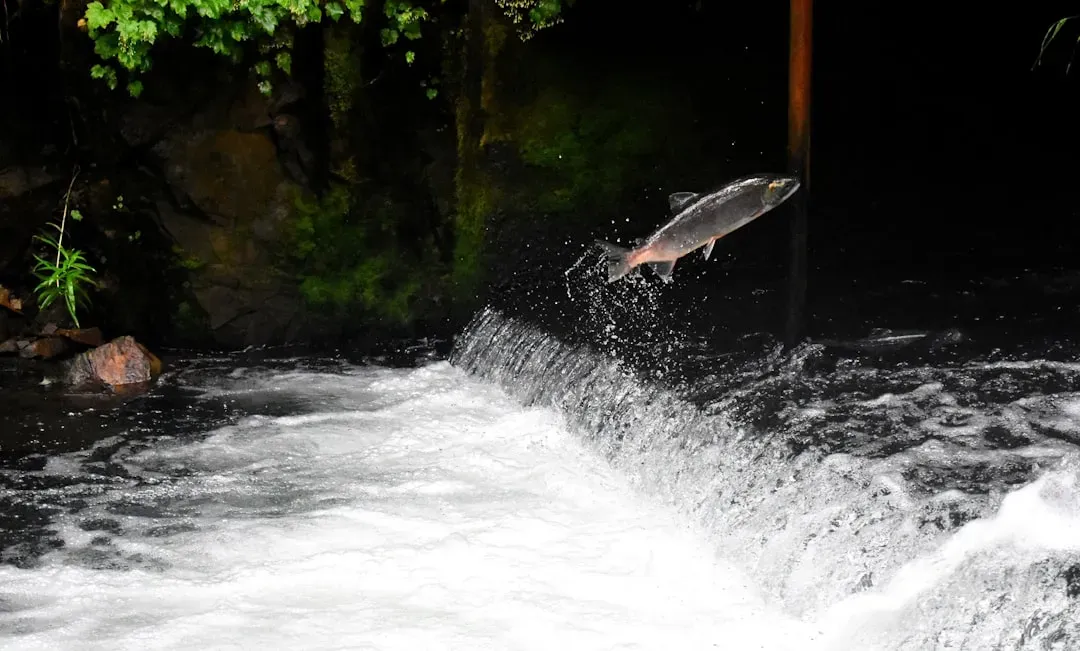
Salmon embark on a remarkable migration from the ocean to their birthplace in freshwater streams, often covering over 3,000 kilometers without eating for up to six months. These fish face intimidating physical challenges, leaping two meters and maneuvering through swift currents.
Chinook and sockeye salmon from central Idaho, for instance, must travel 900 miles and climb nearly 7,000 feet before they are ready to spawn. That is not a migration. That is an endurance feat with no modern equivalent in the animal world of comparable scale.
When salmon are ready to reproduce, they migrate from the ocean back into freshwater rivers and streams to their spawning grounds. On their journey, they may encounter rapids, waterfalls, predators, and hydroelectric dams. Today, the greatest threat to their migration journey is the systematic modification of their habitat through dams. Over a dozen dams have been built along the Columbia River, changing the salmon migration corridor from a free-flowing river to a series of stratified water basins.
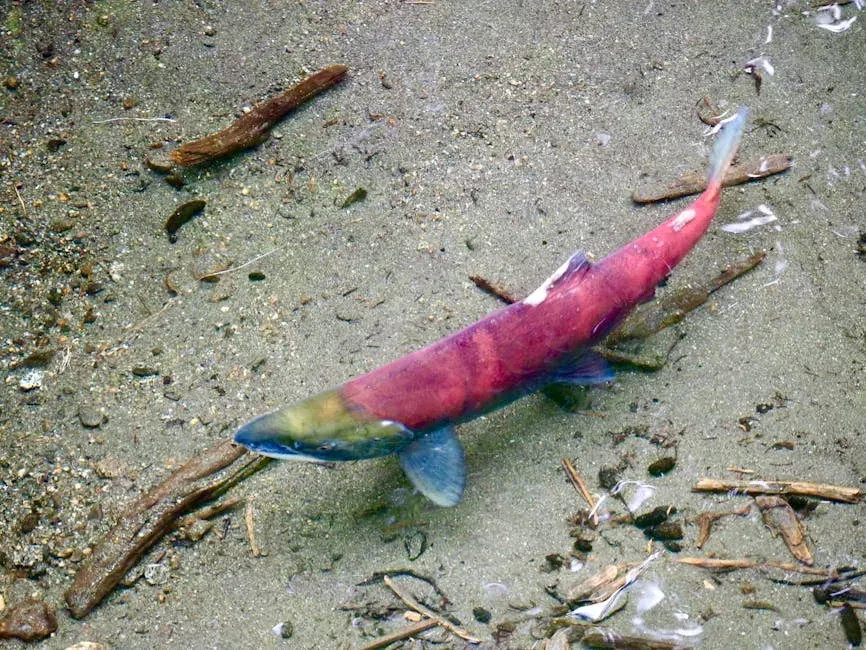
As spawners adapt to freshwater, their coloring changes, and some grow humped backs or hooked jaws. The journey back to their natal streams is incredibly challenging, not only because of the physical changes they undergo but also because of the obstacles they face returning upstream. Their bodies are literally transforming in real time, even as they fight against the current.
Spawning, Death, and the Gift Left Behind
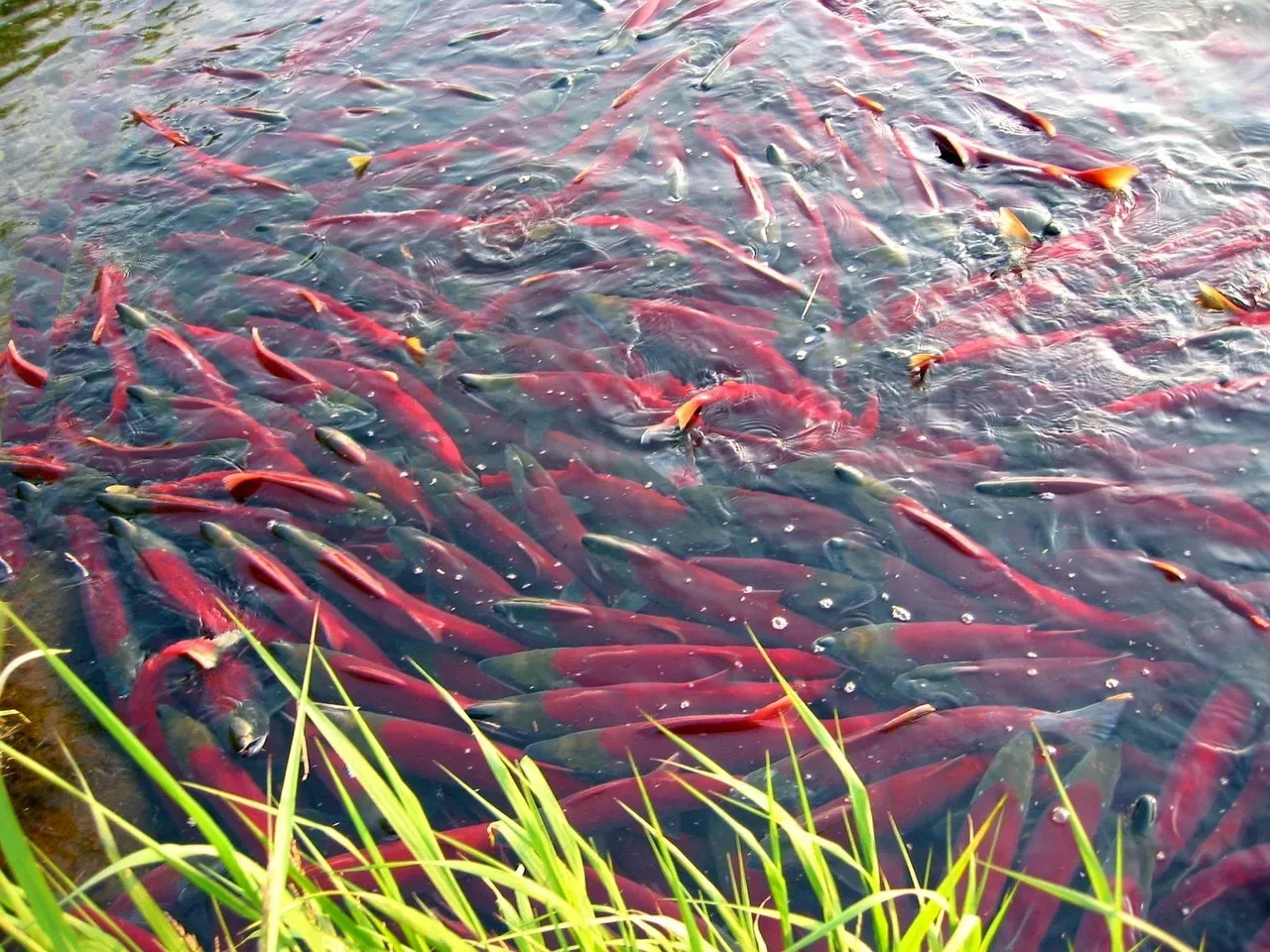
To lay her eggs, the female salmon builds a spawning nest called a redd in a riffle with gravel as its streambed. She builds the redd by using her tail to create a low-pressure zone, lifting gravel to be swept downstream, and excavating a shallow depression. The redd may contain up to 5,000 eggs, each about the size of a pea.
The majority of Pacific salmon species, including Chinook, Sockeye, and Coho, die after spawning. Atlantic salmon, however, can survive and spawn more than once, though it is rare due to the energy demands of migration. Scientists studying salmon have used the rings laid down on scales, much like tree rings, to determine the age and growth of salmon in freshwater and at sea, establishing that a few have succeeded in spawning three times.
Most salmon die within days or weeks of spawning. Nutrients from their carcasses then fertilize the streams where their young will hatch and begin to grow. There is a quiet completeness to this. The parent becomes the riverbed’s food supply for the next generation, a form of continuity that feels almost deliberate.
These remarkable creatures bring with them a payload of nutrients from the ocean, nourishing both terrestrial and aquatic environments. As they journey upstream to spawn, they become a source of sustenance for countless predators, from bears to eagles, linking various species together in a complex web of life. A single salmon run doesn’t just sustain fish. It sustains an entire ecosystem.
Conservation and the Road Ahead
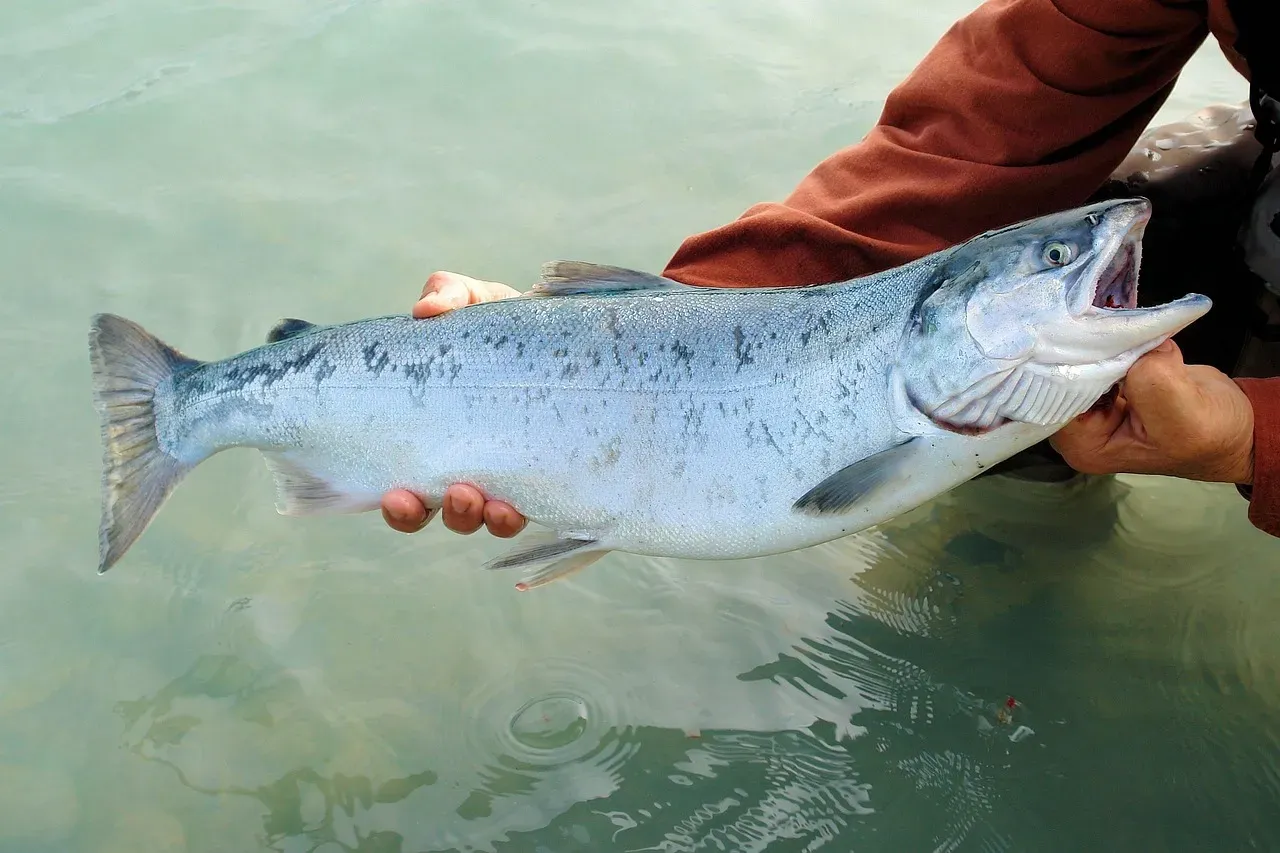
Climate change, pollution, dams, and overfishing all threaten salmon survival as well as the fragile web of life they support. The pressures are not hypothetical. They are measurable, ongoing, and in many river systems already severe.
Scientists are still working to understand why some salmon are failing to complete their upstream journeys, with leading theories pointing to heat stress and disease, particularly infections caused by the parasite Ichthyophonus, which is made worse by warmer waters.
Conservationists and volunteers are actively engaged in habitat restoration projects, including removing dams, improving fish passage, and replanting riparian vegetation. These projects aim to reestablish the conditions necessary for salmon to spawn and thrive in their freshwater habitats. Progress is real, if uneven.
The presence of salmon in a river is synonymous with a healthy aquatic environment, and as they are extremely sensitive to changes in water quality, habitat, and climate, salmon are a good indicator of freshwater and marine ecosystem status. In a sense, wherever salmon thrive, everything else tends to follow.
Conclusion
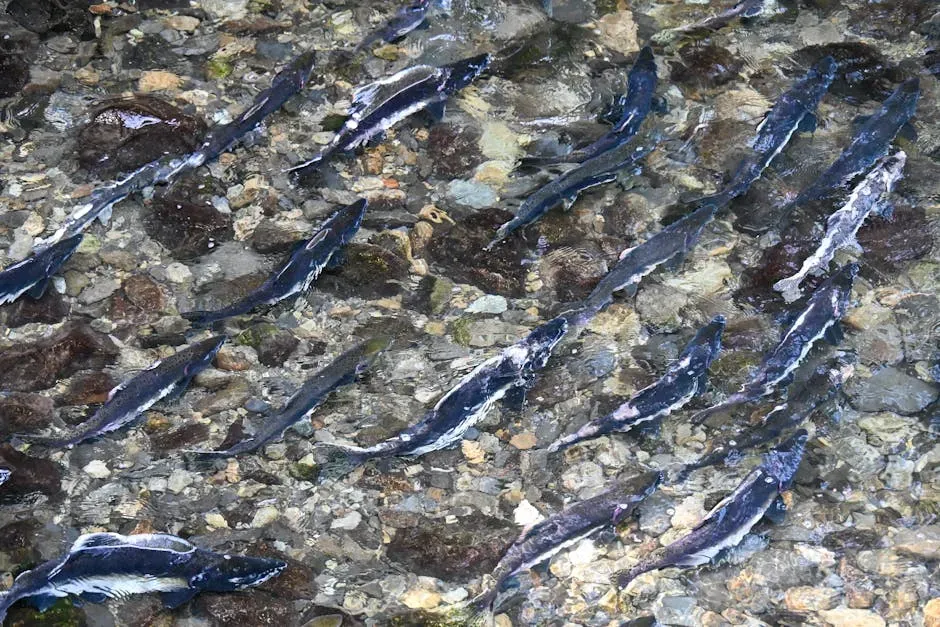
The salmon’s journey is one of the most complete stories nature tells. It begins in cold gravel, unfolds across thousands of miles of ocean, and closes in the same quiet water where it started. No chapter is wasted.
What makes it genuinely striking is not just the distance or the physical endurance, though both are extraordinary. It is the precision. The fact that a fish can leave a river as a juvenile, spend years roaming the open ocean, and return to within a few meters of its birthplace using smell, magnetism, and memory speaks to a depth of biological sophistication we are still working to fully understand.
Salmon don’t simply migrate. They carry nutrients from one world to another, feed forests and riverbanks through their deaths, and anchor ecosystems that depend on their return. Protecting them is not a matter of sentiment. It is a matter of ecological literacy, understanding that when salmon disappear from a river, the river itself begins to change in ways that reach far beyond the water’s edge.
