
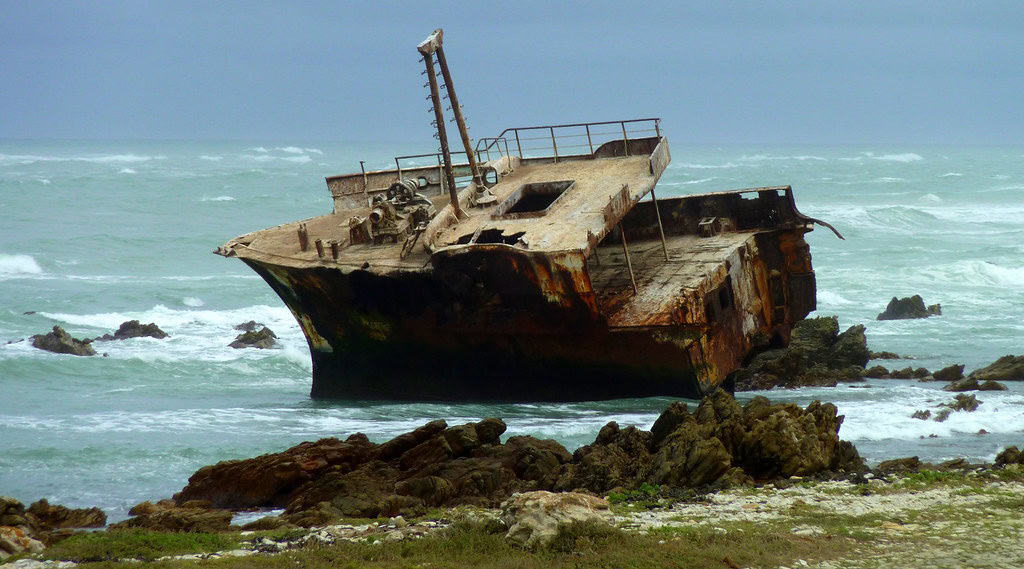
In the vast expanse of our planet’s oceans lies a region that has captivated human imagination for centuries. Known primarily as the Bermuda Triangle, this mysterious area in the western part of the North Atlantic Ocean has become synonymous with unexplained disappearances of ships, aircraft, and even marine life. Stories of vessels vanishing without a trace, electronic equipment failing inexplicably, and compass needles spinning wildly have contributed to its reputation as one of Earth’s most enigmatic places. Is there truly something supernatural at work in these waters, or can science explain what happens in this so-called “Devil’s Triangle”? This article delves into the facts, theories, and mysteries surrounding this infamous oceanic zone, exploring both the mythology and the reality behind the place where ships and animals seemingly vanish.
Defining the Bermuda Triangle: Location and Boundaries
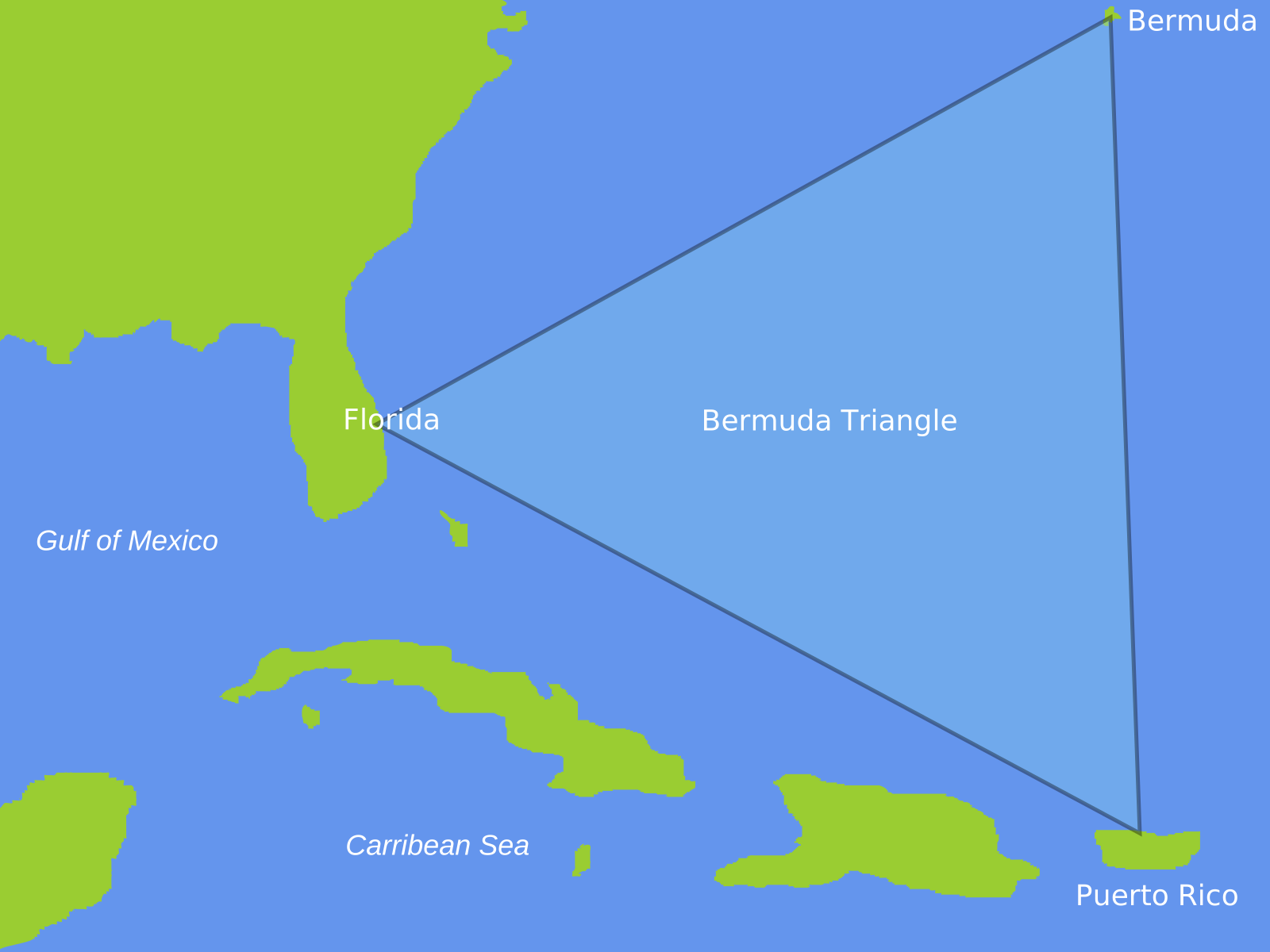
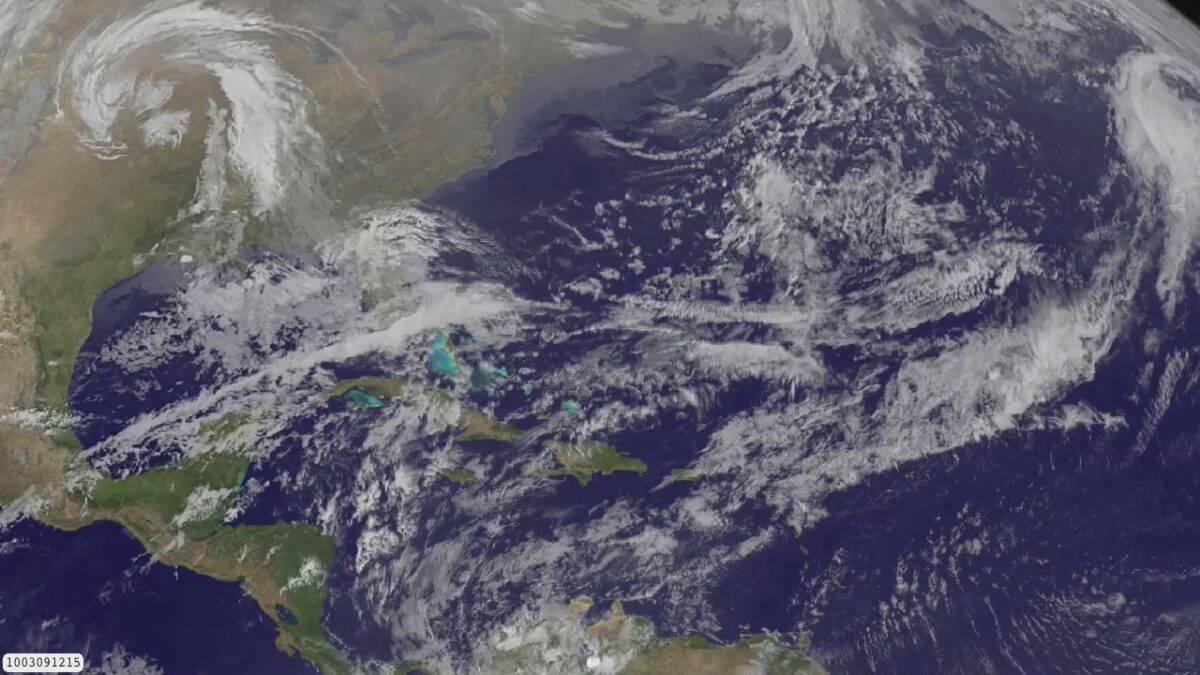
The Bermuda Triangle is not officially recognized on world maps, nor is it acknowledged by the U.S. Board on Geographic Names. Nevertheless, it’s generally defined as a roughly triangular area in the western North Atlantic Ocean, with its three vertices approximately located at Miami, Florida; San Juan, Puerto Rico; and the island of Bermuda. This demarcation encompasses about 500,000 square miles (1.3 million square kilometers) of ocean. Unlike what some might believe, the Bermuda Triangle isn’t a small, specific spot but rather a substantial region through which thousands of ships and aircraft pass safely every year. The area’s boundaries remain somewhat fluid in popular culture, often expanding or contracting depending on which incidents are being associated with the Triangle phenomenon. Despite its infamous reputation, it remains one of the most heavily traveled shipping lanes in the world, with vessels routinely crossing these waters without incident.
Historical Background: The Birth of a Legend
The Bermuda Triangle’s reputation began to take shape in the 1950s, when several articles appeared in American newspapers and magazines describing a pattern of mysterious disappearances in the region. However, the term “Bermuda Triangle” itself wasn’t popularized until 1964, when writer Vincent Gaddis coined it in an article for Argosy magazine titled “The Deadly Bermuda Triangle.” The legend gained substantial momentum in 1974 with the publication of Charles Berlitz’s bestseller “The Bermuda Triangle,” which sold over 20 million copies worldwide. Berlitz’s book, while commercially successful, has been criticized by researchers for including inaccuracies and sensationalism. Before these modern characterizations, the area had already earned ominous nicknames from early sailors, including the “Devil’s Triangle” and the “Limbo of the Lost.” Christopher Columbus himself reportedly noted strange compass readings and unusual lights when sailing through the region in 1492, adding historical depth to the area’s mysterious reputation long before it became a staple of popular culture.
Famous Disappearances: Flight 19
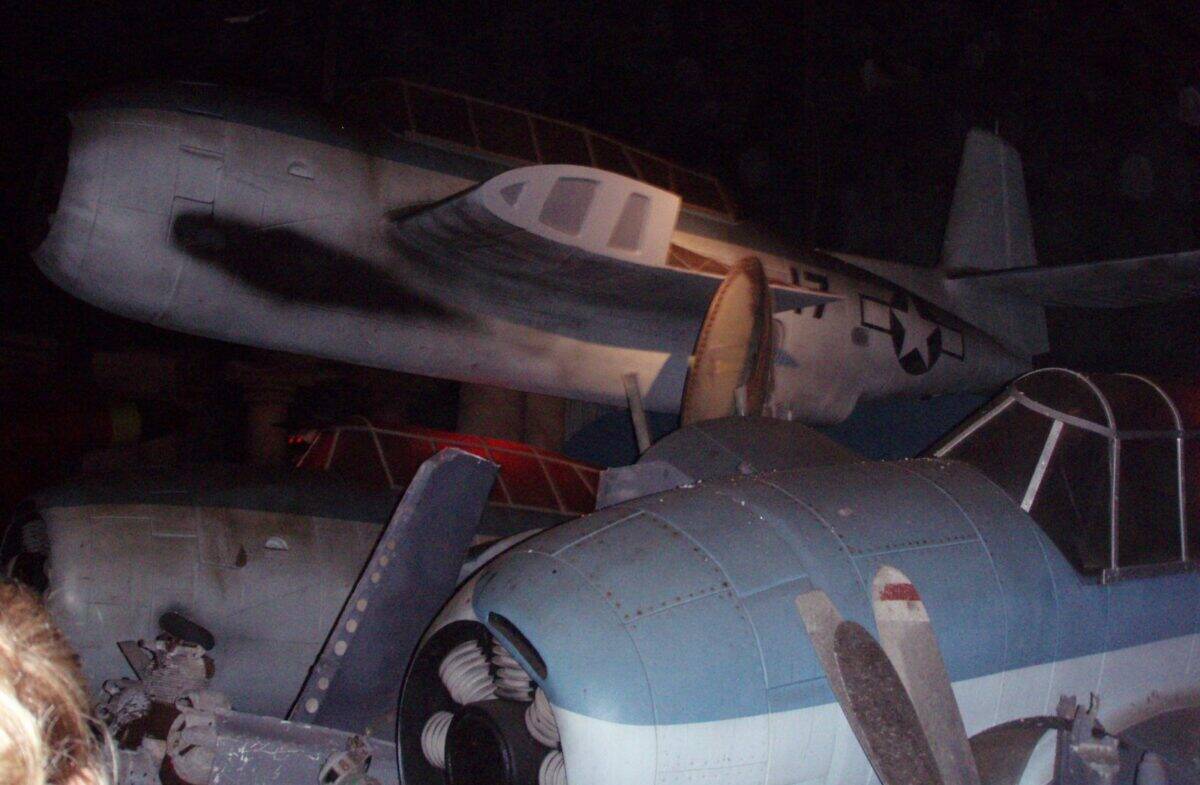
Perhaps no incident has contributed more to the Bermuda Triangle’s mystique than the disappearance of Flight 19 on December 5, 1945. This training flight consisted of five TBM Avenger torpedo bombers carrying 14 airmen, which vanished during a routine navigation exercise off the coast of Florida. What makes this case particularly baffling is that the flight leader, Lieutenant Charles Taylor, was an experienced pilot who reported compass malfunctions and disorientation over the radio. His last known words—”We are entering white water… nothing seems right”—have become legendary in Triangle lore. Adding to the mystery, a Martin Mariner flying boat with 13 men aboard was dispatched as part of the search and rescue mission, only to disappear itself. Despite one of the largest air and sea searches in U.S. Naval history, no trace of the six aircraft or 27 men was ever found. No oil slicks, no debris, and no bodies were recovered, making Flight 19 the cornerstone case for those who believe supernatural forces are at work in the Bermuda Triangle.
The Vanishing of USS Cyclops
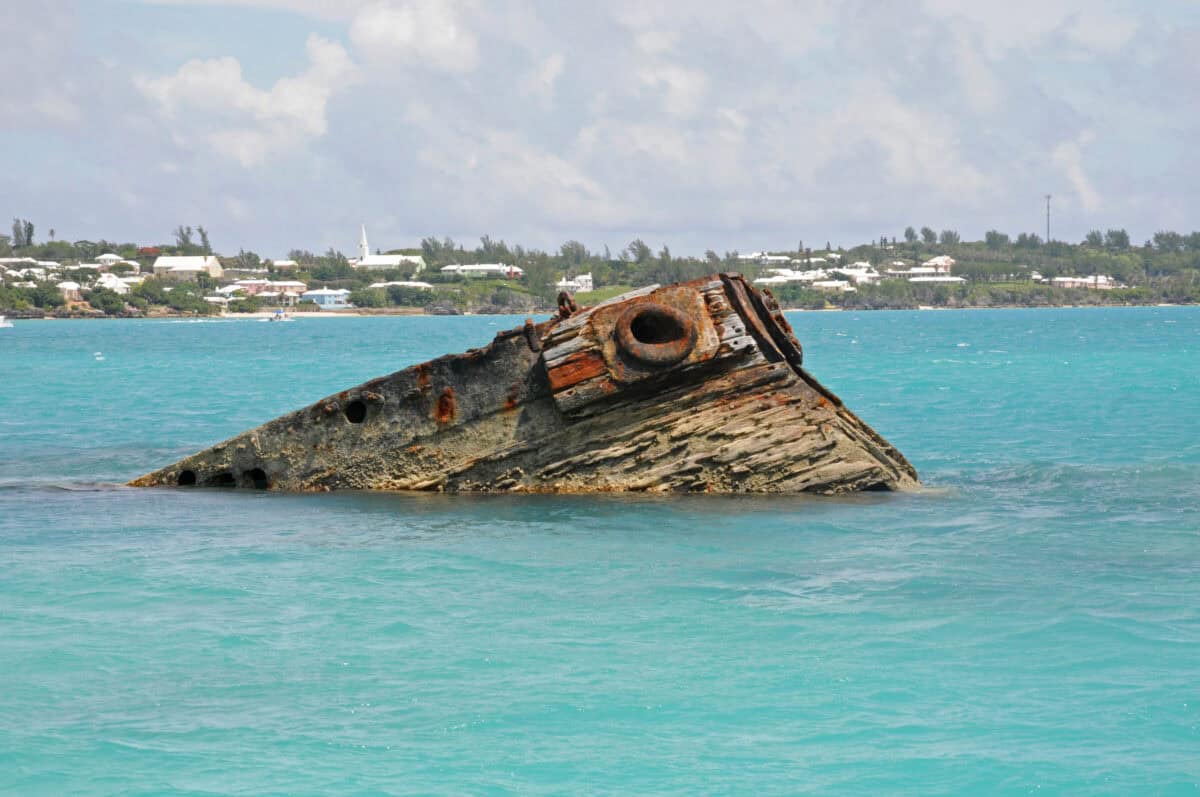
The USS Cyclops disappearance represents one of the largest losses of life in U.S. Naval history not related to combat. In March 1918, this massive collier ship (a bulk cargo vessel designed to carry coal) vanished without a trace while en route from Barbados to Baltimore, Maryland. The Cyclops carried 306 crew members and passengers, along with a cargo of manganese ore. What makes this case particularly perplexing is that no distress signal was ever received, and an extensive naval search found no wreckage, debris, or survivors. The weather on the day of the disappearance was reported as calm with good visibility. Acting Secretary of the Navy Franklin D. Roosevelt stated that “the disappearance of this ship has been one of the most baffling mysteries in the annals of the Navy,” a mystery that remains unsolved over a century later. Various theories have been proposed, from German U-boat attacks to structural failure due to overloading, but the complete absence of wreckage has continued to fuel speculation about supernatural explanations tied to the Bermuda Triangle.
Marine Life Anomalies in the Triangle

The Bermuda Triangle’s enigmatic reputation extends beyond human vessels to include strange phenomena involving marine life. Numerous fishermen and sailors have reported unusual behavior of sea creatures in these waters, including schools of fish suddenly changing direction in unison, as if responding to an unseen force. There have been accounts of marine animals washing ashore in large numbers without apparent cause in areas bordering the Triangle. Particularly puzzling are reports of normally deep-dwelling marine species found in shallow waters within the Triangle’s boundaries, behaving erratically. Some researchers have noted temporary disappearances of common fish species from areas where they are typically abundant, only to return days or weeks later. Marine biologists studying the region have documented unusual migration patterns that deviate from established routes, particularly among larger pelagic species like sharks and whales. While many of these observations have scientific explanations related to ocean currents, temperature fluctuations, or prey movements, the concentration of such anomalies within the Triangle’s boundaries has contributed to its mysterious reputation among both scientists and mariners.
Scientific Explanations: Methane Hydrates Theory
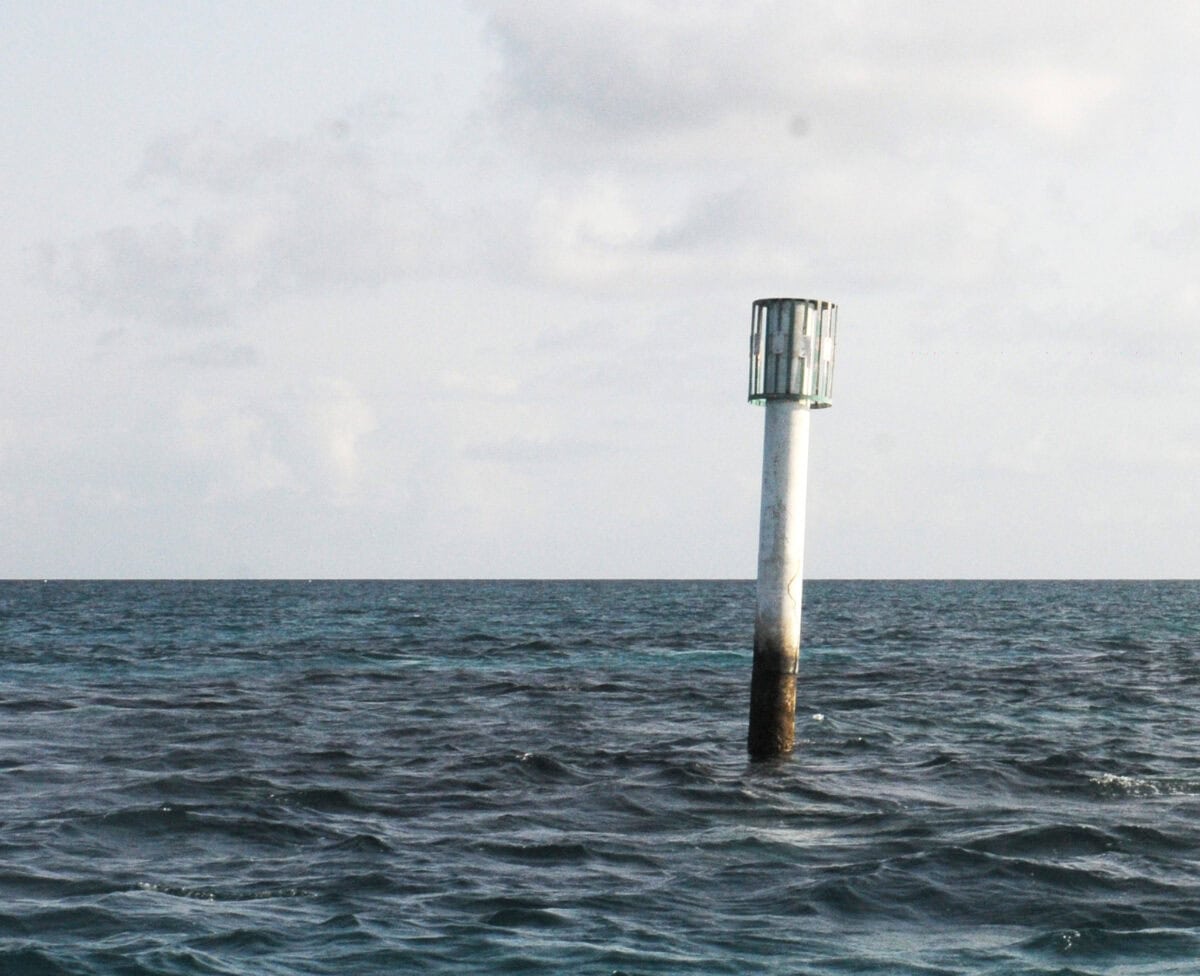
One of the most compelling scientific explanations for disappearances in the Bermuda Triangle involves methane hydrates on the ocean floor. These frozen methane gas deposits, trapped in ice-like crystal structures beneath the seabed, have been confirmed to exist in significant quantities within the Triangle region. The theory suggests that when these deposits suddenly release large volumes of methane gas—a phenomenon known as “methane eruptions” or “blowouts”—they can dramatically reduce water density, causing ships to sink rapidly without warning. For aircraft, the hypothesis proposes that methane rising to the surface could create a highly combustible mixture in the air, potentially causing engines to fail or even explode. Oceanographers have documented crater-like formations on the ocean floor consistent with massive methane eruptions in the past. Laboratory simulations have demonstrated that when methane bubbles up through water, it can indeed significantly reduce buoyancy, potentially causing vessels to sink almost instantly. What makes this theory particularly credible is that it explains both the rapidity of disappearances and the absence of debris, as vessels would plummet to the ocean floor rather than break apart on the surface.
The Gulf Stream and Weather Patterns
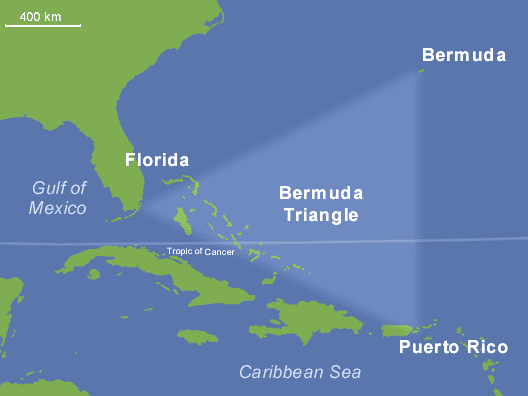
The Bermuda Triangle encompasses one of the most dynamic and potentially treacherous marine environments on Earth due to the Gulf Stream, a powerful ocean current that flows through its heart. This warm, swift current, which moves at approximately 5 knots (5.75 mph), can quickly disperse evidence of marine disasters across vast distances, explaining why wreckage from incidents in the Triangle often remains undiscovered. The region is also notorious for its rapidly changing weather patterns, with tropical storms and hurricanes frequently developing with minimal warning. Before modern meteorological technology, these sudden weather shifts could easily catch mariners by surprise. Additionally, the convergence of different air masses over the Triangle creates a unique atmospheric condition where microbursts—powerful downdrafts that cause sudden, severe shifts in wind direction and speed—occur with unusual frequency. When these microbursts strike the ocean surface, they can generate waves over 100 feet high capable of overwhelming even large vessels. The combination of the Gulf Stream’s dispersing effect and these extreme, rapidly-developing weather phenomena offers a scientifically sound explanation for many disappearances that have been attributed to supernatural causes.
Magnetic Anomalies and Electronic Failures

One of the most persistent scientific theories regarding the Bermuda Triangle concerns magnetic anomalies that allegedly affect navigational equipment and electronic systems. The region is one of only two places on Earth (the other being the Devil’s Sea near Japan) where magnetic north and true north align perfectly, a phenomenon called “magnetic zero.” This alignment can potentially cause compass needles to drift or behave erratically as vessels move through areas where the magnetic variance shifts. Some researchers have documented localized magnetic anomalies within the Triangle where compass readings can deviate by as much as 10 to 20 degrees from normal. Modern electronic equipment may also be affected by these magnetic irregularities, potentially causing malfunctions in GPS systems, radio communications, and other crucial navigational technologies. Adding to this, the Triangle overlaps with the western boundary of the North Atlantic Anomaly, a region where the Earth’s magnetic field is comparatively weaker. Scientists have suggested that this combination of factors—magnetic alignment, localized anomalies, and field weakness—could create conditions where both traditional compasses and sophisticated electronic equipment might simultaneously experience disruptions, leaving vessels and aircraft temporarily without reliable navigation.
Rogue Waves and Ocean Phenomena
The phenomenon of rogue waves offers another compelling scientific explanation for disappearances in the Bermuda Triangle. Unlike normal ocean waves that typically reach heights of 10 to 20 feet, rogue waves can suddenly rise to over 100 feet tall, striking with minimal warning and tremendous force. These maritime monsters, once dismissed as sailor’s myths, were scientifically confirmed in 1995 when a 26-meter (85-foot) wave was measured at the Draupner oil platform in the North Sea. The unique bathymetry (underwater topography) of the Bermuda Triangle, which features dramatic shifts from shallow continental shelves to some of the deepest trenches in the Atlantic, creates ideal conditions for rogue wave formation. When the powerful Gulf Stream encounters these underwater features and collides with storms moving in the opposite direction, the resulting wave interference patterns can produce these massive, isolated waves. Modern research indicates that the Triangle experiences a significantly higher frequency of rogue waves than most ocean regions. A vessel struck by such a wave would likely be catastrophically damaged or capsized without time to issue distress signals, while the immense energy of the wave could quickly disperse any floating debris, explaining the complete disappearance of ships and their crews.
Human Error and Technical Failures
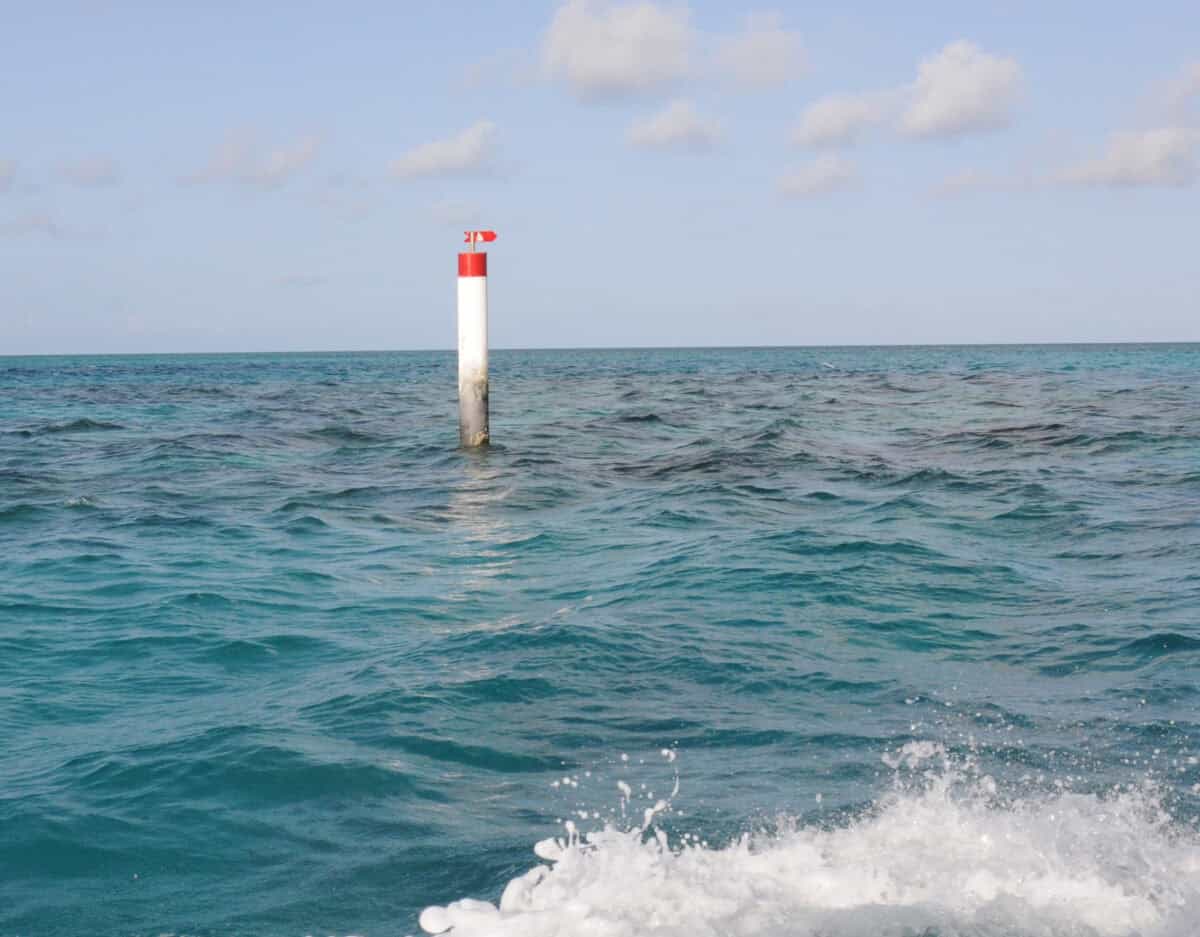
Despite the allure of supernatural explanations, the mundane factors of human error and technical failures likely account for many Bermuda Triangle incidents. The region’s heavy maritime and aviation traffic naturally results in a higher absolute number of accidents, even if the percentage of incidents remains consistent with global averages. The Triangle’s proximity to the Americas makes it popular with inexperienced recreational boaters and pilots who may lack the skills to navigate challenging oceanic conditions or respond effectively to emergencies. Modern investigations have revealed that many famous Triangle disappearances coincided with severe equipment malfunctions or poor maintenance practices. For instance, subsequent analysis of the Flight 19 incident found that Lieutenant Taylor likely made critical navigational errors after his compass malfunctioned, a situation compounded by radio problems that hampered communication with base. Similarly, structural issues have been identified as probable causes for several maritime disasters previously attributed to Triangle mysteries. The USS Cyclops, for example, had known structural defects and was likely overloaded when it disappeared. The combination of heavy commercial and recreational traffic, occasional navigational challenges, and the statistical probability of mechanical failures provides a grounded explanation for many incidents that have contributed to the Triangle’s mysterious reputation.
Cultural Impact and Media Portrayal
The Bermuda Triangle has transcended its geographical boundaries to become a powerful cultural symbol representing mystery, danger, and the unknown. Since the 1970s, it has featured prominently in popular culture, appearing in countless movies, television shows, novels, and songs. Hollywood productions like “Close Encounters of the Third Kind” (1977) and “The Triangle” (2005) have dramatized the region’s mysteries, often emphasizing supernatural explanations involving everything from alien abductions to time portals. The Triangle has become shorthand in everyday language for any situation where things inexplicably disappear or go wrong, demonstrating its cultural permeation. This media portrayal has substantially influenced public perception, with surveys showing that approximately 50% of Americans believe there is something abnormal about the region, despite scientific evidence to the contrary. The sensationalized treatment of Triangle incidents in documentaries and reality television has further reinforced its mythological status. This feedback loop between popular culture and public perception has created a confirmation bias where routine maritime incidents within the Triangle receive disproportionate attention and are more likely to be attributed to mysterious forces, while similar incidents elsewhere are explained through conventional means. This cultural fascination with the Triangle reveals humanity’s enduring attraction to mystery and the unknown in an age of increasing scientific explanation.
Debunking the Myth: Statistical Analysis

When subjected to rigorous statistical analysis, the Bermuda Triangle’s reputation as unusually dangerous begins to dissolve. In 2013, the World Wide Fund for Nature (WWF) identified the ten most dangerous waters for shipping, and the Bermuda Triangle wasn’t among them. Lloyd’s of London, the world’s leading maritime insurance market, does not recognize the Bermuda Triangle as a high-risk area, nor do they charge higher premiums for vessels traversing these waters. The United States Coast Guard maintains comprehensive records of incidents in the region and has repeatedly stated that the number of disappearances in the Triangle is proportionate to the heavy flow of traffic through the area. When researchers normalize incident rates by traffic volume, the Triangle shows no statistically significant deviation from global averages. A detailed study by the National Oceanic and Atmospheric Administration (NOAA) concluded that the number of ships and aircraft reported missing in the area is not significantly greater, proportionally speaking, than in any other part of the ocean with similar conditions and traffic density. Furthermore, documentation of “mysterious disappearances” often omits crucial context—such as severe weather conditions at the time—that would provide rational explanations. Many incidents attributed to Triangle mysteries occurred during hurricanes or other extreme weather events that were poorly forecast in earlier decades. This statistical reality suggests that the Triangle’s fearsome reputation stems more from selective reporting and confirmation bias than from any genuine anomaly in disappearance rates.
Conclusion: Separating Fact from Fiction
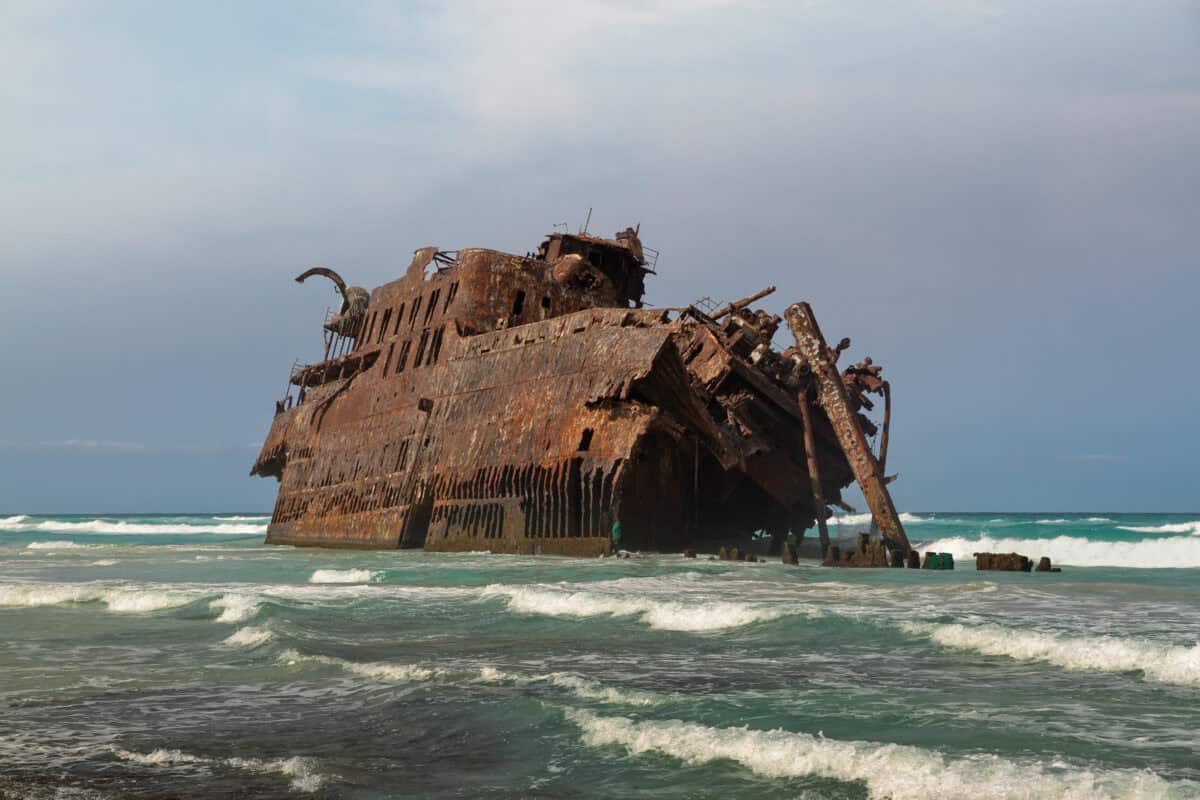
The Bermuda Triangle continues to occupy a unique place in our collective imagination, balancing precariously between scientific inquiry and mythological fascination. When examining the evidence objectively, we find that this region of the Atlantic is neither as mysterious nor as dangerous as popular culture suggests. The documented disappearances that have fueled the Triangle’s reputation can largely be explained through a combination of natural phenomena, human error, and the statistical inevitability of accidents in a high-traffic maritime zone. Yet the enduring appeal of the Bermuda Triangle myth speaks to something fundamental in human nature—our attraction to mystery and our desire to find patterns in random events. Perhaps the most compelling aspect of the Triangle isn’t the possibility of supernatural forces but rather the reminder it provides of nature’s power and the vast, unexplored depths of our oceans. As technology advances and our understanding of ocean phenomena improves, the mysterious disappearances once attributed to the Triangle increasingly find rational explanations, demonstrating how science gradually illuminates the shadows where myths once flourished.

- The Comeback of the Bald Eagle: What Made It Work - June 3, 2026
- Top 10 Animals and Wildlife in Oklahoma - June 3, 2026
- Do Conservation Efforts Favor ‘Cute’ Animals Over Ecologically Important Ones? - June 3, 2026