
Worried about unexpected vet bills?
Pet insurance can cover thousands in unexpected vet costs. Get a free quote from Lemonade in under 2 minutes.
Get My Free Quote →Sponsored · Opens Lemonade.com
Throughout the vast landscape of Norse mythology, few creatures have captured the imagination quite like the raven. Perched on the shoulders of Odin, soaring over battlefields, and carrying whispers between realms, ravens held a position of extraordinary importance in the Norse cosmology. These intelligent birds weren’t merely animals but served as divine messengers, spiritual guides, and extensions of godly consciousness. Their black feathers, piercing eyes, and uncanny intelligence made them perfect intermediaries between the mortal realm and the divine spheres of Asgard. This article explores the profound significance of ravens as messengers of the gods in Norse mythology, examining their symbolic meanings, divine associations, and enduring legacy in both ancient beliefs and modern interpretations.
Odin’s Sacred Ravens: Huginn and Muninn

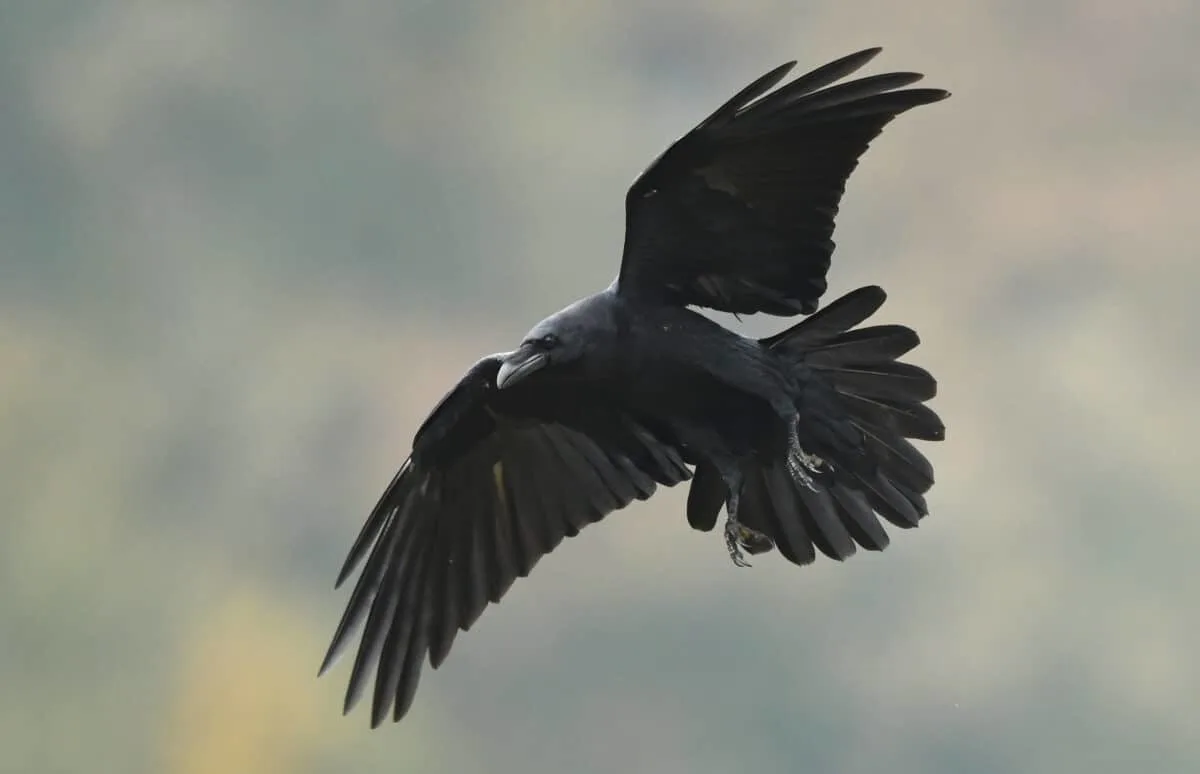
Central to understanding ravens in Norse mythology are Huginn and Muninn, the two ravens belonging to Odin, the Allfather and chief of the Aesir gods. Their names translate to “Thought” and “Memory” or “Mind” respectively, revealing their profound symbolic importance. According to the Poetic Edda, particularly in Grímnismál, Odin sends these ravens out each dawn to fly across Midgard (the world of humans). They return by evening meal to whisper in his ear all they have witnessed, making them essential extensions of Odin’s consciousness and awareness. Through these avian companions, Odin maintained omniscience, gathering intelligence from across the Nine Worlds when he himself could not be present.
The Cosmic Significance of Ravens

Ravens in Norse cosmology represented far more than mere birds—they embodied cosmic principles. As creatures that could traverse different realms, ravens symbolized the connection between the material and spiritual worlds. Their black plumage evoked associations with darkness, mystery, and the unknown—realms that the Norse believed contained deep wisdom. The flight patterns of ravens were carefully observed by the Norse people, who believed these movements could foretell future events or carry messages from the divine. This cosmic significance elevated ravens beyond mundane creatures, positioning them as beings that existed partially in our world and partially in the realm of gods and spirits.
Ravens as Battlefield Companions

One of the most striking associations of ravens in Norse mythology was their connection to warfare and battlefields. Known as “Odin’s birds of battle,” ravens were believed to follow warriors into combat, circling above the fighting in anticipation of the feast of fallen warriors. Their presence was considered both an omen and a blessing—an indication that Odin himself was watching the battle and would welcome worthy warriors to Valhalla. Archaeological evidence supports this connection, with raven imagery frequently appearing on weapons, armor, and battle standards of Viking warriors. The 9th-century Viking banner known as the “raven banner” (Hrafnsmerki) was believed to grant victory to those who carried it, further cementing the connection between ravens, divine favor, and battlefield success.
The Raven’s Intelligence and Norse Values

The remarkable intelligence of ravens did not escape the notice of the Norse people, who observed these birds using tools, solving problems, and displaying complex social behaviors. These cognitive abilities perfectly aligned with Norse cultural values that prized wisdom, cunning, and strategic thinking. The raven’s intelligence reinforced their status as appropriate messengers for Odin, who himself was the god of wisdom and knowledge. Archaeological findings suggest that ravens were sometimes kept as pets or companions by Norse people, particularly by those associated with religious and magical practices. This relationship allowed close observation of raven behavior, further enhancing their reputation for intelligence and mystical abilities. The Norse recognized that ravens could mimic human speech, which likely strengthened the belief that these birds could carry verbal messages between humans and gods.
Ravens in Norse Creation and Eschatology

Ravens appear at pivotal moments in Norse cosmological narratives, from creation to Ragnarök (the Norse apocalypse). In some variations of Norse creation myths, ravens are among the first animals to appear, serving as scouts and messengers even in the earliest days of existence. More prominently, ravens figure in tales of Ragnarök, where they are said to continue their role as messengers, bringing news of the coming catastrophe to the gods. The Völuspá, one of the most important poems in Norse mythology, mentions ravens in its apocalyptic prophecies, suggesting these birds would continue their divine service even as the world faces destruction. This presence at both the beginning and potential end of the cosmos underscores the raven’s essential role in Norse mythological understanding of existence itself.
The Shamanistic Connection
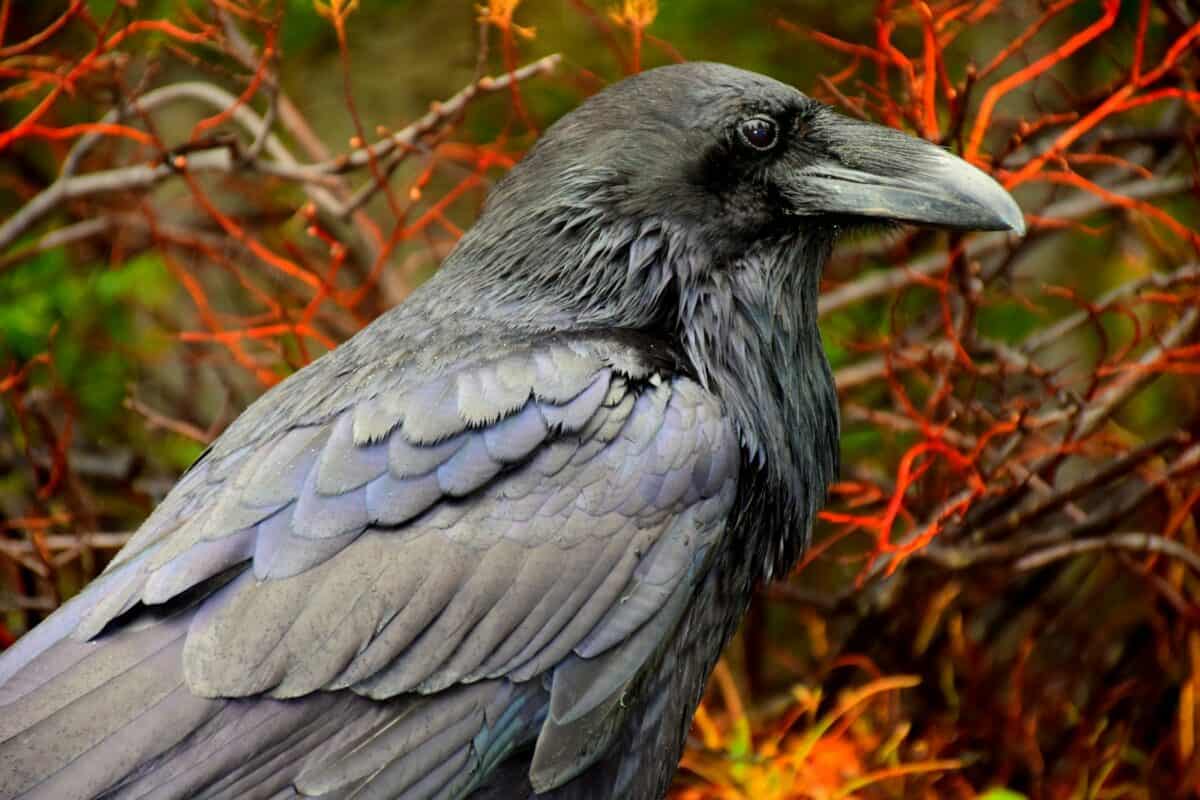
Many scholars believe the raven’s role as messenger in Norse mythology has connections to pre-Viking shamanistic practices in Northern Europe. In these traditions, practitioners would often enter trance states where their consciousness could take the form of animals—frequently ravens—to travel between worlds and communicate with spirits. This practice, known as “hamfar” or “shape-journeying,” shares remarkable similarities with the function of Huginn and Muninn as extensions of Odin’s consciousness. Archaeological evidence, including the discovery of ceremonial masks with raven features and grave goods depicting ravens, supports this shamanistic connection. The seiðr tradition of Norse magic, often associated with Odin and Freyja, maintained many of these earlier shamanistic elements, including the special relationship with ravens as messengers and guides between worlds.
Ravens Beyond Odin: Connections to Other Gods
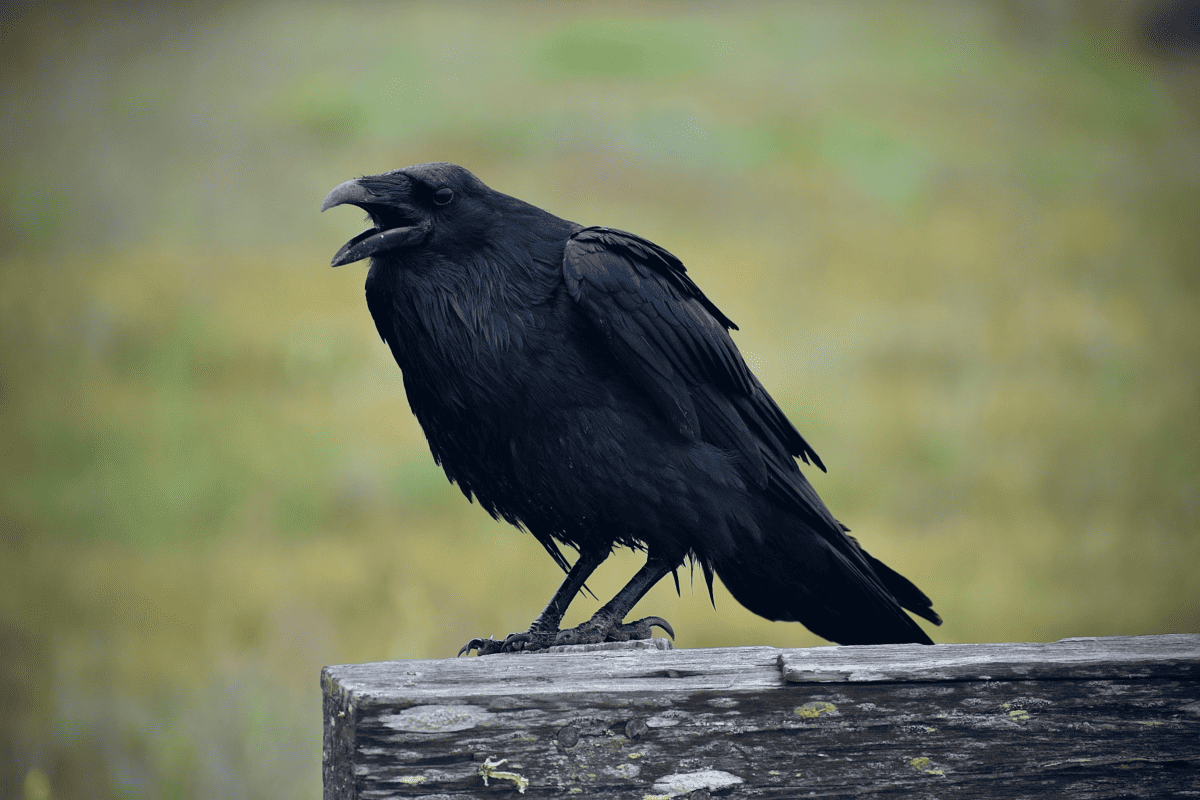
While Odin’s ravens are the most famous in Norse mythology, these birds had associations with other deities as well. The goddess Freyja, mistress of seiðr magic, was sometimes depicted with raven companions or the ability to transform into a raven. Archaeological findings suggest potential connections between ravens and the god Loki, perhaps reflecting the trickster nature both were believed to possess. The goddess Hel, ruler of the underworld, was occasionally associated with ravens in their capacity as psychopomps—guides for souls of the dead. These varied divine connections highlight the multifaceted symbolic nature of ravens in Norse thought, where they represented not just Odin’s wisdom but a broader range of supernatural powers and divine capacities.
Archaeological Evidence of Raven Reverence
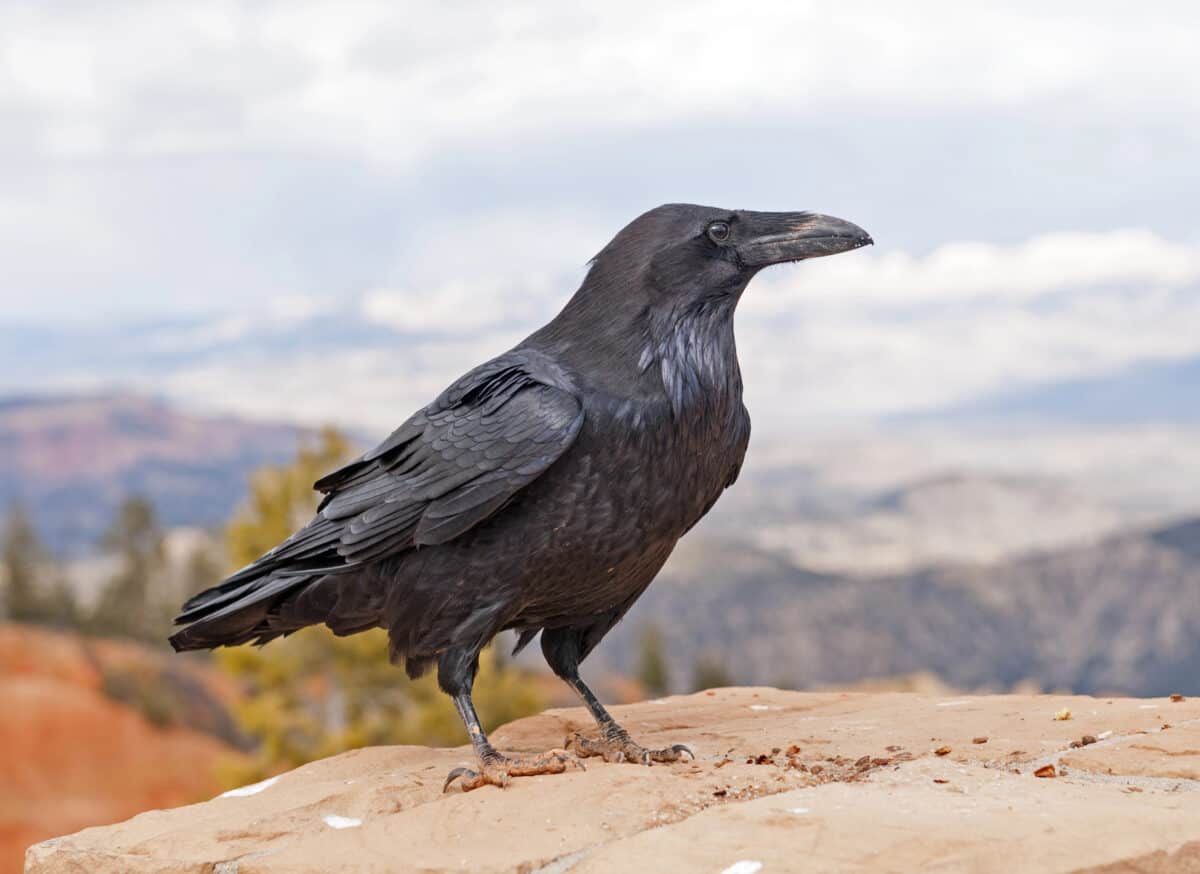
Archaeological discoveries throughout Scandinavia and Viking settlements provide tangible evidence of the importance of ravens in Norse religious and cultural life. Raven bones have been found in ritual contexts at several important Viking-age sites, suggesting ceremonial uses. Pictorial stones from Gotland, Sweden, dating to the 8th-10th centuries CE, frequently depict ravens in association with warriors, gods, and battlefield scenes. The famous Oseberg ship burial, one of the most spectacular Viking archaeological finds, contained tapestries with raven imagery and small wooden sculptures believed to represent ravens. Perhaps most telling are the numerous pieces of jewelry and personal adornments featuring ravens found in graves across the Viking world, indicating that people carried these symbols of divine connection with them in both life and death.
The Raven in Norse Literature and Skaldic Poetry
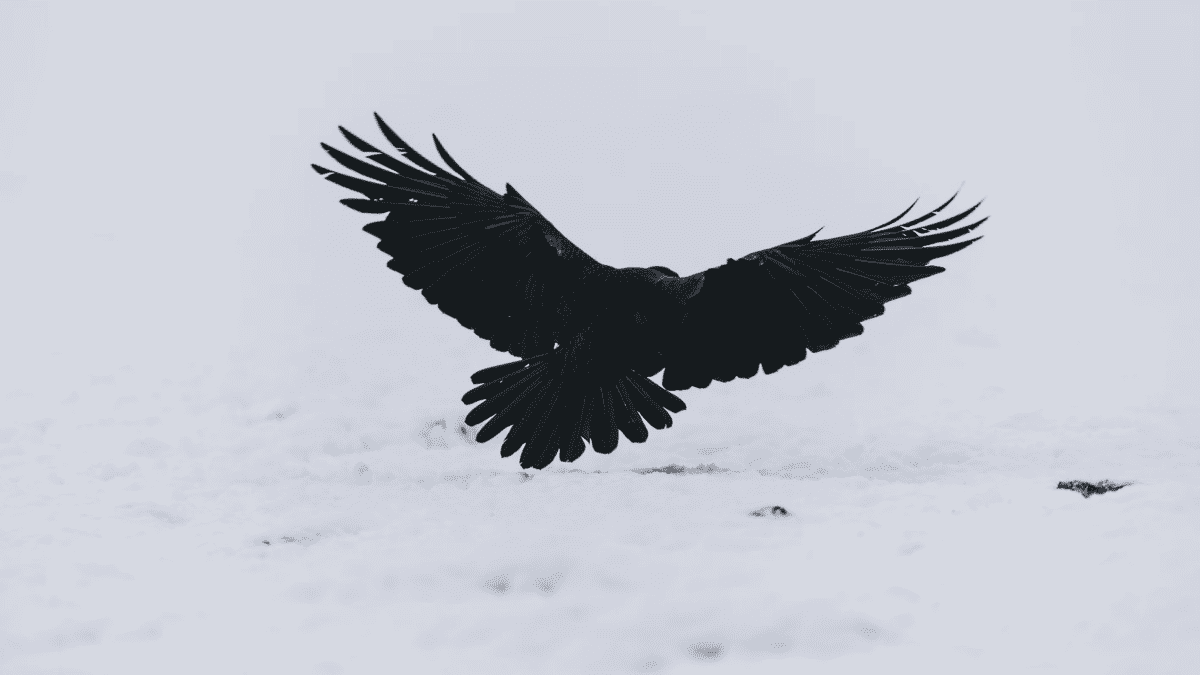
Ravens feature prominently in Norse literary sources, particularly in skaldic poetry where they appear as both literal creatures and powerful metaphors. Kennings (poetic metaphors) referring to ravens were abundant in Norse poetry, with terms like “wound-fowl,” “corpse-swan,” and “blood-hawk” all referring to ravens in their battlefield context. The 9th-century skaldic poem Haraldskvæði contains a dialogue between a valkyrie and a raven, emphasizing the bird’s connection to both warfare and the supernatural realm. The Prose Edda, compiled by Snorri Sturluson around 1220 CE, provides detailed accounts of Huginn and Muninn, describing how Odin fears for their safety during their daily journeys—suggesting that even the Allfather depends on his raven messengers and would be diminished without them.
Ravens as Prophetic Beings

Beyond their role as messengers, ravens in Norse mythology possessed prophetic abilities, allowing them to foretell future events and warn of dangers. Their cries and flight patterns were carefully interpreted by Norse people seeking omens or divine guidance. Sagas describe instances where the appearance of ravens was taken as a sign of imminent death, upcoming battles, or the arrival of important visitors. This prophetic aspect connects to their role as Odin’s birds, as the god himself was associated with prophecy and foreknowledge. Historical accounts suggest that Norse leaders would sometimes delay or advance military actions based on raven omens, demonstrating the practical impact these beliefs had on Norse society. The prophetic nature of ravens made them not just passive messengers but active participants in shaping human understanding of divine will.
The Raven Legacy in Post-Viking Age Culture
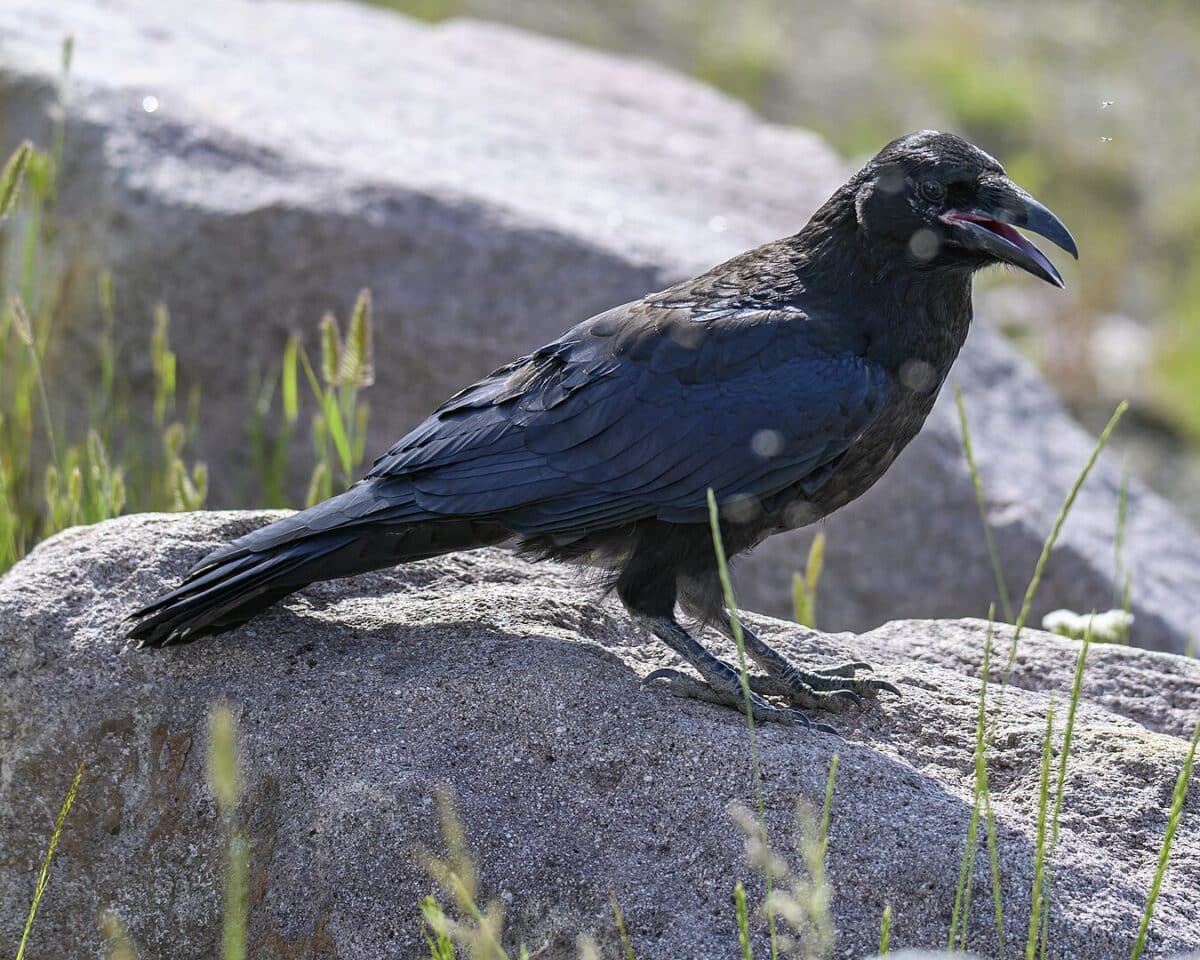
The powerful symbolism of ravens as divine messengers persisted long after the Viking Age and the Christianization of Scandinavia. In medieval Icelandic literature, ravens retained many of their mythological associations, appearing in family sagas as omens and supernatural helpers. Folk traditions throughout Northern Europe maintained beliefs about ravens as beings with access to otherworldly knowledge. Even as Christianity became dominant, ravens were sometimes reinterpreted rather than rejected—becoming associated with saints or appearing in Christian contexts while retaining aspects of their earlier mythological significance. The ravens kept at the Tower of London, though originating from a different tradition, reflect similar beliefs about these birds as bearers of prophetic knowledge and protectors with supernatural connections. Today, neopagan and Norse reconstructionist religious movements have revived many of the original beliefs about ravens as messengers between humans and gods.
The Enduring Significance of the Raven Messenger
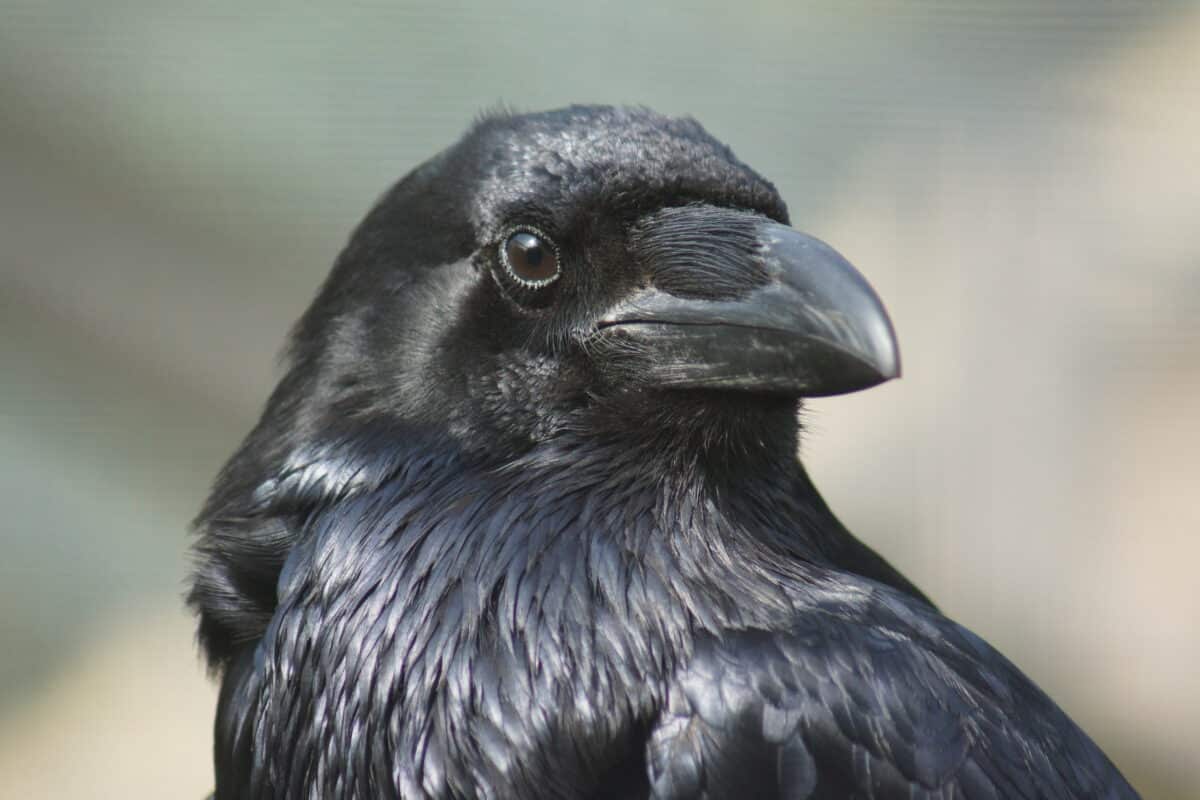
The concept of ravens as divine messengers in Norse mythology continues to resonate in contemporary culture, demonstrating the enduring power of this ancient symbolism. From literature and art to popular media and spiritual practices, the image of the raven as intermediary between worlds persists in modern consciousness. This endurance speaks to something fundamental in the symbolism—the human desire to communicate with forces beyond our understanding and the recognition of nature’s wisdom embodied in these intelligent birds. Ravens’ remarkable cognitive abilities, which continue to impress modern scientists, provide a biological foundation for the mythological significance attributed to them by the Norse people. As we face modern environmental and spiritual challenges, the raven as messenger reminds us of our ancient connections to the natural world and the wisdom it contains. The Norse understanding of ravens as creatures that bridge worlds offers a powerful metaphor for our own need to reconcile the material and spiritual aspects of existence.
Worried about unexpected vet bills?
Pet insurance can cover thousands in unexpected vet costs. Get a free quote from Lemonade in under 2 minutes.
Get My Free Quote →Sponsored · Opens Lemonade.com

- 10 Most Fearless Animals in the Animal Kingdom - June 4, 2026
- The Relationship Between Polar Explorers and Their Dogs - June 4, 2026
- Animal-Friendly Destinations for Your Summer Adventure - June 4, 2026