

Worried about unexpected vet bills?
Pet insurance can cover thousands in unexpected vet costs. Get a free quote from Lemonade in under 2 minutes.
Get My Free Quote →Sponsored · Opens Lemonade.com
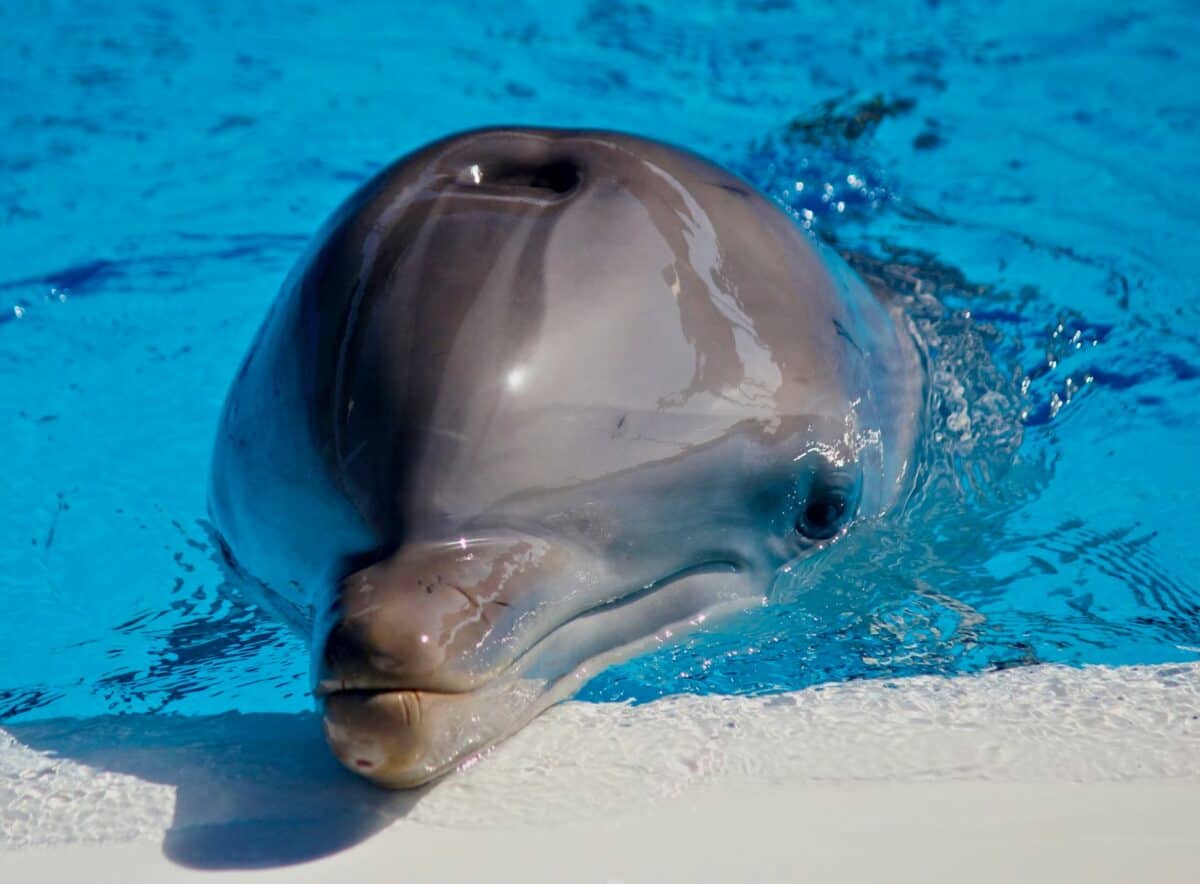
When “Flipper” splashed onto television screens in 1964, it captivated audiences with the adventures of a bottlenose dolphin and his human friends. While many viewers believed multiple dolphins played the role, one particular marine mammal became the face of the beloved series. His name was Mitzi, though he was better known professionally as “Flipper.” Born in the wild waters off the coast of Florida in the late 1950s, Mitzi was a male Atlantic bottlenose dolphin (Tursiops truncatus) who would go on to become one of the most recognizable animal actors in television history.
Mitzi was captured in the wild during an era when regulations on marine mammal capture were minimal. He was initially brought to the Miami Seaquarium, where his intelligence and trainability quickly became apparent. The dolphin’s natural charisma and ability to perform on cue made him an ideal candidate for the entertainment industry, leading to his casting in what would become an iconic television series that ran from 1964 to 1967.
Mitzi’s Journey to Stardom

Before becoming a television sensation, Mitzi underwent extensive training under the guidance of animal trainer Ric O’Barry. O’Barry, who would later become a prominent marine mammal rights activist, worked closely with Mitzi and several other dolphins at the Miami Seaquarium. The training process was rigorous, teaching Mitzi to perform specific behaviors on command, including the famous tail-walking across water that became one of Flipper’s signature moves.
Although Mitzi was the primary dolphin used for close-up shots and trained behaviors, the production actually employed multiple dolphins throughout filming. Female dolphins were often used for wider shots due to their smoother skin and lack of visible scarring that male dolphins typically accumulate. However, it was Mitzi who performed the majority of the complex behaviors seen on screen and who became most closely associated with the character.
The Natural Habitat of Atlantic Bottlenose Dolphins
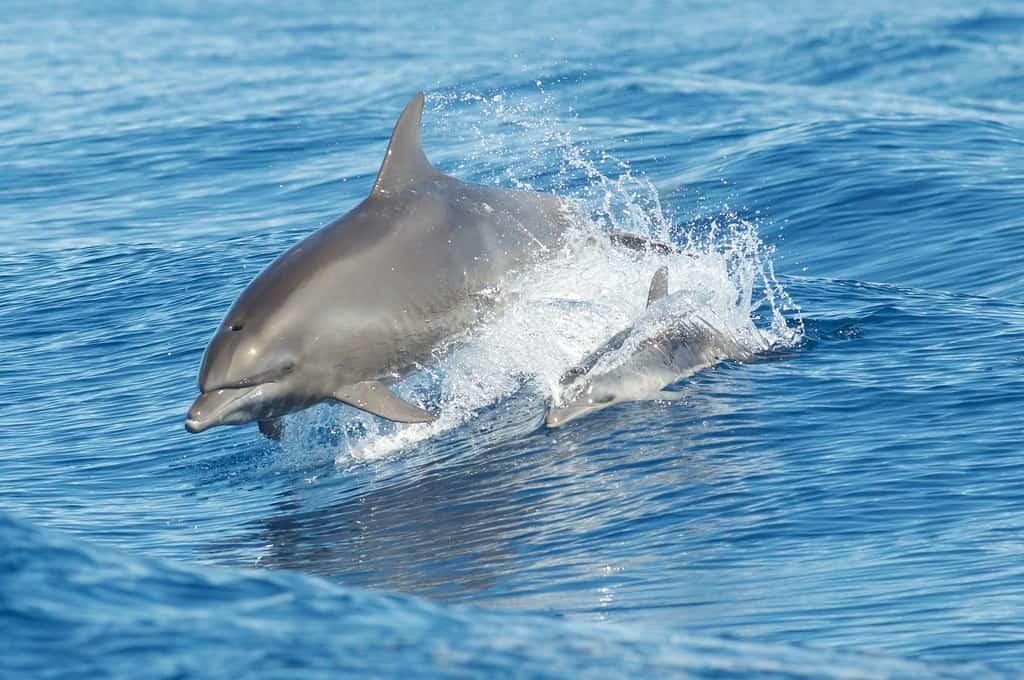
To understand Mitzi’s story, it’s important to recognize where he came from. Atlantic bottlenose dolphins typically inhabit warm coastal waters throughout the Atlantic Ocean. They’re highly social animals that live in groups called pods, ranging from a few individuals to several hundred. These intelligent marine mammals are known for their complex communication systems, problem-solving abilities, and strong social bonds—characteristics that made Mitzi particularly suited for training and performing.
In their natural environment, bottlenose dolphins like Mitzi would spend their days foraging for fish, socializing with pod members, and navigating their coastal territories using echolocation. They typically swim at speeds of 3-7 mph but can reach bursts of up to 20 mph when needed. The average wild bottlenose dolphin lives between 40-60 years, significantly longer than many captive dolphins of that era managed to survive.
Life on the “Flipper” Set
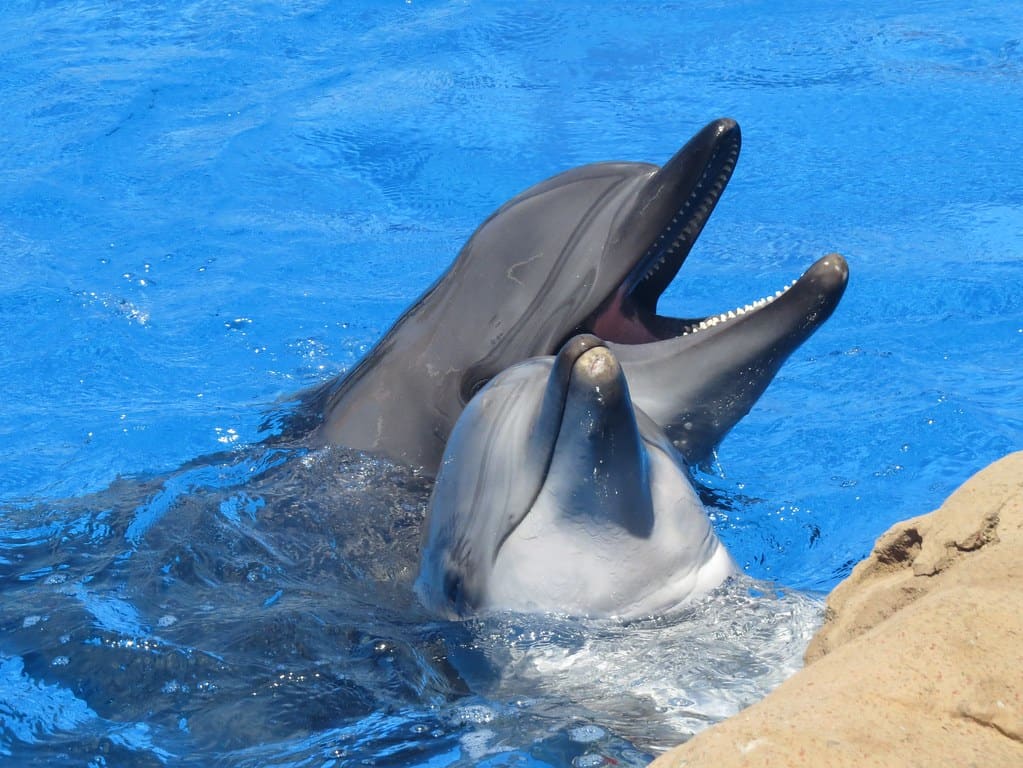
During the production of “Flipper,” Mitzi’s life revolved around training sessions and filming. The show was primarily filmed at Miami Seaquarium and various locations around Florida. Between takes, Mitzi was kept in holding tanks or pens, a stark contrast to the open ocean environment where bottlenose dolphins naturally roam dozens of miles daily. The filming schedule was demanding, with Mitzi required to perform numerous takes of complex behaviors for the camera.
The show’s producers worked closely with animal trainers to ensure Mitzi could perform the behaviors needed for the storylines. This included jumping over objects, retrieving items, pushing boats, and interacting with human actors. One of the most famous behaviors was the distinctive chattering sound associated with Flipper—ironically, this sound wasn’t actually produced by Mitzi but was added in post-production, as the natural vocalizations of dolphins don’t sound like the familiar chattering from the show.
The Reality of Animal Acting in the 1960s
The 1960s represented a different era in terms of animal welfare awareness and regulations. When Mitzi was captured and trained for television, there were few protections in place for marine mammals. The Marine Mammal Protection Act wouldn’t be passed until 1972, well after “Flipper” had concluded its run. During this period, dolphins were routinely captured from the wild for entertainment purposes, with little understanding of the potential impacts on their physical and psychological well-being.
Training methods of the era often relied heavily on food reinforcement and isolation techniques that would be considered controversial by today’s standards. While Mitzi was reportedly treated well compared to many captive animals of the time, the conditions still fell far short of what we now understand about dolphin needs. The show’s popularity, however, did help spark public interest in dolphins and their intelligence, inadvertently beginning a conversation about marine mammal rights that continues today.
Ric O’Barry: From Trainer to Activist

Perhaps one of the most profound legacies of Mitzi’s story involves his primary trainer, Ric O’Barry. After working closely with Mitzi and the other dolphins used in “Flipper,” O’Barry experienced a dramatic change of heart about keeping dolphins in captivity. According to O’Barry, the turning point came when Mitzi died in his arms in 1970. O’Barry has stated that he believed the dolphin committed suicide by voluntarily ceasing to breathe—an account that, while disputed by some marine biologists, profoundly affected O’Barry’s perspective.
Following Mitzi’s death, O’Barry made a complete career change, becoming one of the world’s most outspoken critics of dolphin captivity. He founded the Dolphin Project, an organization dedicated to ending dolphin captivity and slaughter worldwide. O’Barry was later featured in the 2009 documentary “The Cove,” which exposed dolphin hunting practices in Japan and won an Academy Award for Best Documentary. In many interviews, O’Barry has cited his experience with Mitzi as the catalyst for his activism, turning the legacy of “Flipper” in an unexpected direction.
The Controversy Surrounding Mitzi’s Death
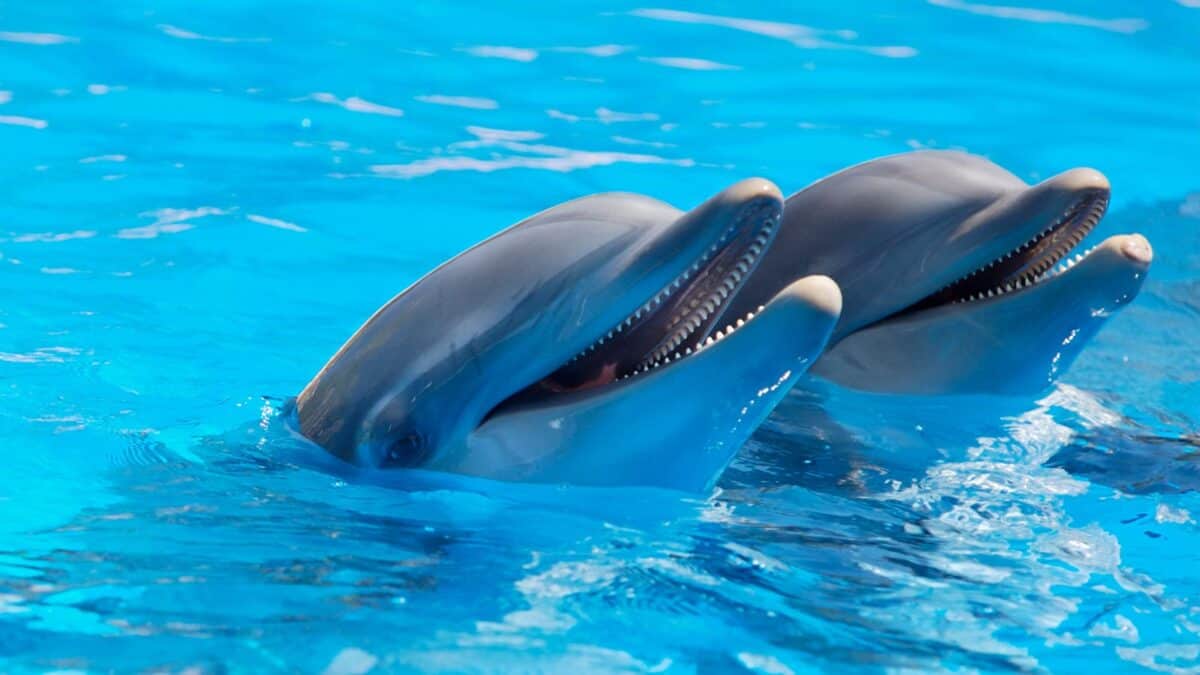
The circumstances of Mitzi’s death in 1970 remain a point of contention. According to Ric O’Barry, Mitzi died in his arms after choosing to stop breathing—a claim that has fueled debate about dolphin consciousness and captivity. Dolphins, unlike humans, are conscious breathers, meaning they must actively decide to take each breath. This biological fact has led some to suggest that dolphins can indeed choose to end their lives by not taking another breath, while others maintain this interpretation anthropomorphizes dolphin behavior.
What is not disputed is that captive dolphins during this era faced numerous health challenges. The stress of confinement, unnatural social groupings, chlorinated water, and performance demands could lead to reduced immune function and various illnesses. While the exact cause of Mitzi’s death has never been definitively established in scientific literature, his relatively short life compared to wild dolphins (he was approximately in his teens when he died) aligns with patterns observed in other early captive dolphin programs.
Flipper’s Cultural Impact

“Flipper” became a cultural phenomenon that extended far beyond its three-season television run. The show inspired merchandise, books, films, and even a 1990s revival series. More importantly, it fundamentally changed how the public viewed dolphins, elevating them from simple sea creatures to intelligent, emotional beings worthy of admiration and study. Mitzi’s performances helped cement bottlenose dolphins as charismatic megafauna in the public consciousness.
The show also contributed to the boom in oceanariums and dolphin shows throughout the 1960s and 1970s, as audiences clamored to see these animals up close. While this increased interest led to greater funding for marine research, it simultaneously fueled the captive dolphin entertainment industry. In many ways, Mitzi’s legacy represents this paradox—his performances both enchanted audiences with dolphin intelligence and contributed to a system that removed these animals from their natural habitats for human entertainment.
The Other Dolphins Behind Flipper
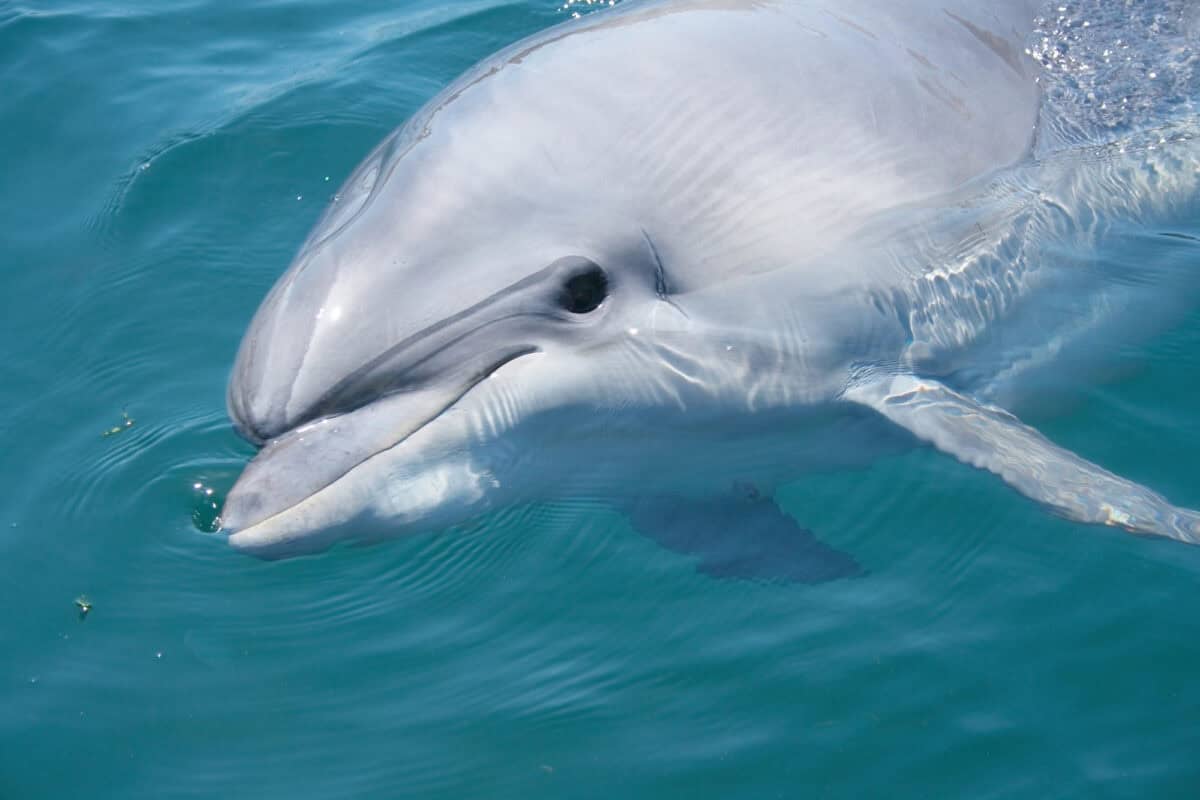
While Mitzi was the primary dolphin actor for “Flipper,” the production actually utilized several dolphins throughout its run. Female dolphins, including ones named Susie, Kathy, and Patty, were often used for wide shots and underwater swimming scenes. These female dolphins generally had smoother skin without the rake marks (scars from other dolphins’ teeth) that male dolphins like Mitzi typically accumulate through natural social interactions, making them more visually appealing for certain camera angles.
The production team maintained the illusion that “Flipper” was a single dolphin, but using multiple animals was necessary due to the demanding shooting schedule and the specialized behaviors required for different scenes. Each dolphin had different strengths—some were better at jumps, others at retrieval behaviors or working with human actors. This practice of using multiple animals for a single character remains common in animal-centered productions today, though modern productions typically work with animals born in captivity rather than wild-caught specimens.
How Captivity Changed from the 1960s to Today
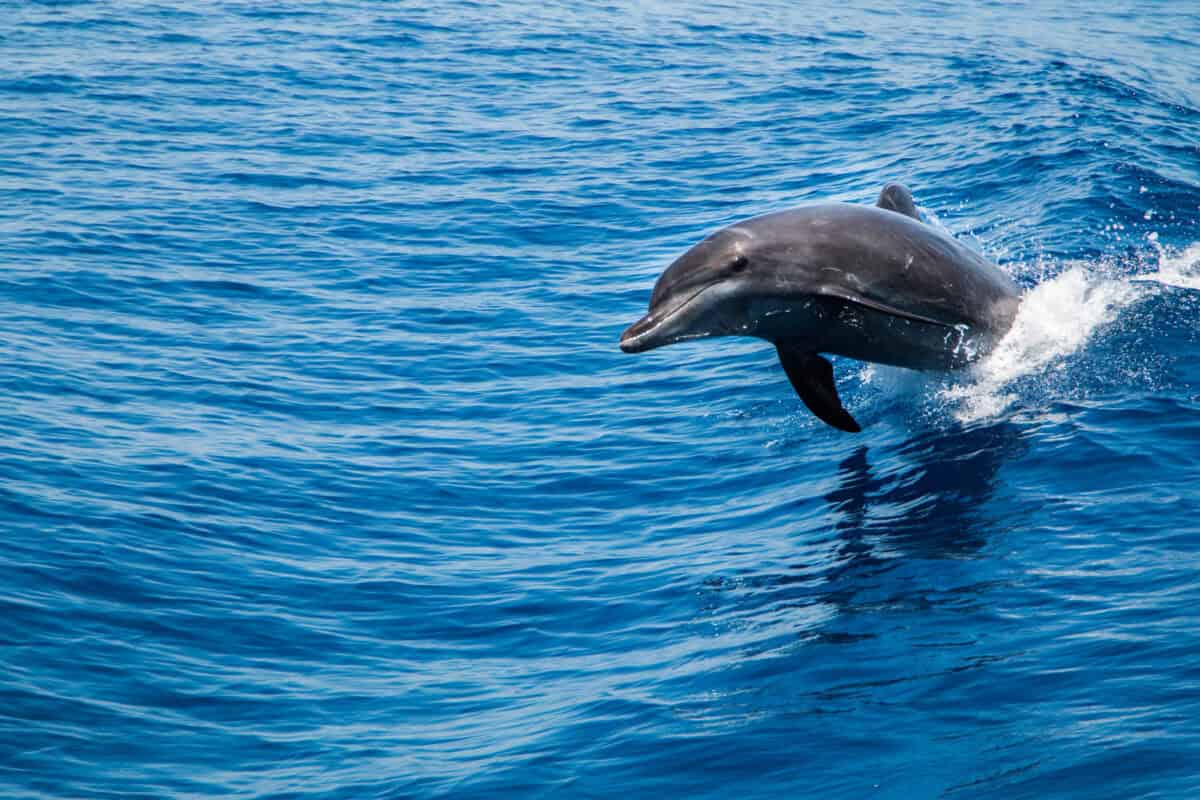
The conditions under which Mitzi lived during the production of “Flipper” would be considered wholly inadequate by contemporary standards. In the 1960s, dolphins were typically kept in small, concrete tanks with minimal environmental enrichment. Water quality management was primitive compared to modern systems, and there was limited understanding of dolphins’ complex social needs. Today’s marine mammal facilities, while still controversial among animal welfare advocates, feature larger enclosures, better water filtration, environmental enrichment programs, and more naturalistic social groupings.
Regulatory frameworks have also evolved dramatically. The Marine Mammal Protection Act of 1972 ended the unrestricted capture of dolphins from U.S. waters, while subsequent regulations have established standards for captive care. Many countries have gone further, banning dolphin captivity entirely or prohibiting the use of marine mammals in entertainment. This evolution reflects changing societal attitudes about animal welfare—a shift that, ironically, shows how productions like “Flipper” simultaneously exploited dolphins while helping the public form emotional connections with them that would later fuel conservation efforts.
Flipper’s Scientific Legacy

Beyond entertainment, Mitzi and the “Flipper” phenomenon contributed to scientific understanding of dolphin cognition and behavior. The training techniques developed for the show demonstrated dolphins’ remarkable learning abilities, memory, and capacity for complex behaviors. Scientists began to take greater interest in studying dolphin intelligence, leading to groundbreaking research on dolphin communication, problem-solving, self-awareness, and social structures.
Researchers like Dr. John Lilly, who conducted controversial communication experiments with dolphins in the 1960s, were partly inspired by the apparent intelligence displayed by trained dolphins like Mitzi. While many of Lilly’s methods and conclusions have since been questioned, the broader scientific interest he represented helped establish marine mammal cognition as a legitimate field of study. Today, our understanding of dolphin intelligence continues to expand, with research suggesting they possess cultural learning, tool use, name recognition, and other advanced cognitive abilities—a scientific journey that connects, in part, to the public fascination sparked by a charismatic dolphin named Mitzi.
The Legacy of Flipper and Mitzi Today
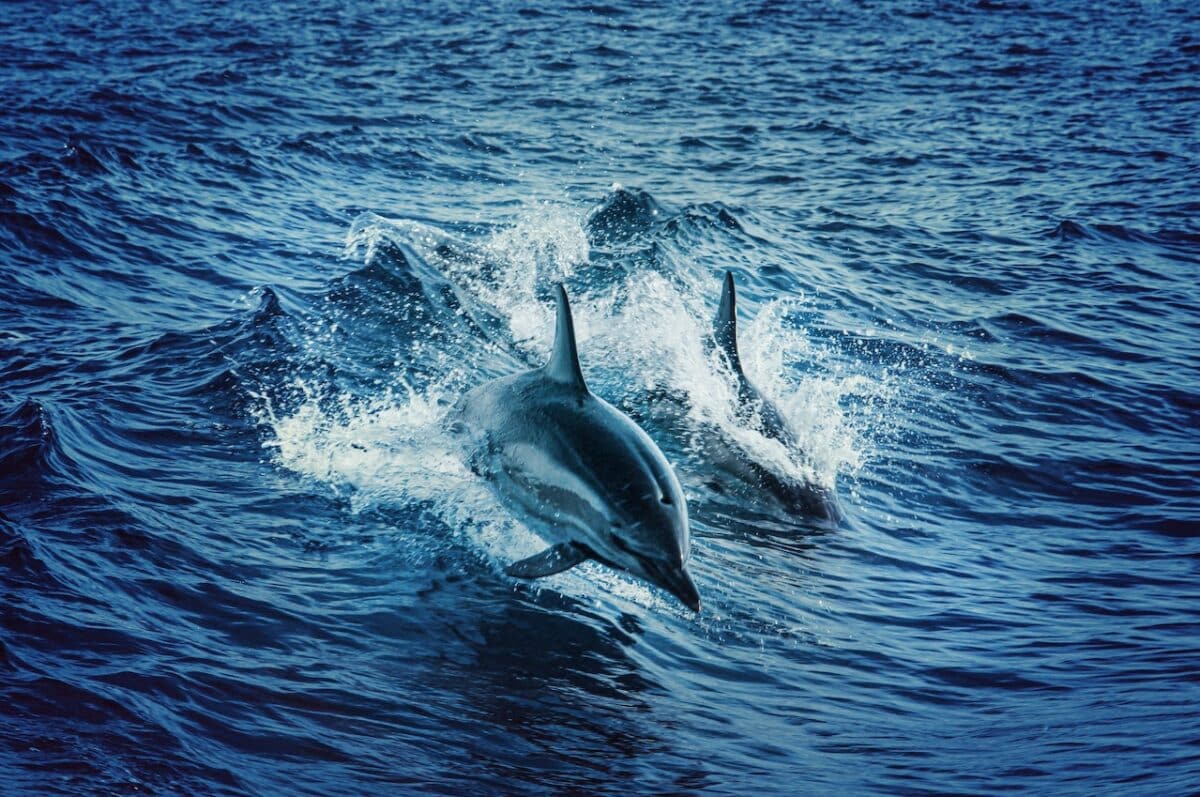
The story of Mitzi the dolphin represents a complex chapter in our evolving relationship with marine mammals. His performances as Flipper brought joy to millions and undoubtedly increased public appreciation for dolphins, yet his life in captivity reflects practices we now question ethically. Today, the legacy of “Flipper” continues to influence both marine entertainment and conservation conversations, serving as both a beloved cultural touchstone and a reminder of how our understanding of animal welfare has evolved.
Mitzi’s impact extends far beyond entertainment through the activism of his former trainer Ric O’Barry, whose life’s work has helped reshape global attitudes toward dolphin captivity. The paradoxical legacy of this one dolphin—whose performances simultaneously exploited and celebrated his species—continues to prompt reflection on our responsibilities toward the intelligent beings with whom we share our planet. As we look back on the dolphin who became Flipper, we’re reminded that behind the lovable character was a wild-born animal whose life story encompasses both the wonder and the ethical complexities of the human-animal relationship.
Worried about unexpected vet bills?
Pet insurance can cover thousands in unexpected vet costs. Get a free quote from Lemonade in under 2 minutes.
Get My Free Quote →Sponsored · Opens Lemonade.com

From exploring the marine wonders in the Azores and witnessing the vast savannas of Kenya, to delving deep into the rich biodiversity of South Africa and traversing iconic landscapes in Australia and the US like Yellowstone, Chris's experiences are vast.
With a penchant for diving alongside sharks, the ocean holds a special place in his heart.
Through his academic insights, he champions wildlife conservation, striving with 'Animals Around The Globe' to cultivate a profound connection between humans and animals, enhancing our mutual appreciation.
Connect with him at Feedback@animalsaroundtheglobe.com.
- The World’s Smallest Mammal Could Fit on Your Fingertip - June 10, 2026
- How Turtles Use Earth’s Magnetic Field to Navigate Oceans - June 10, 2026
- Turtles as World-Bearers in Indigenous Beliefs - June 10, 2026