
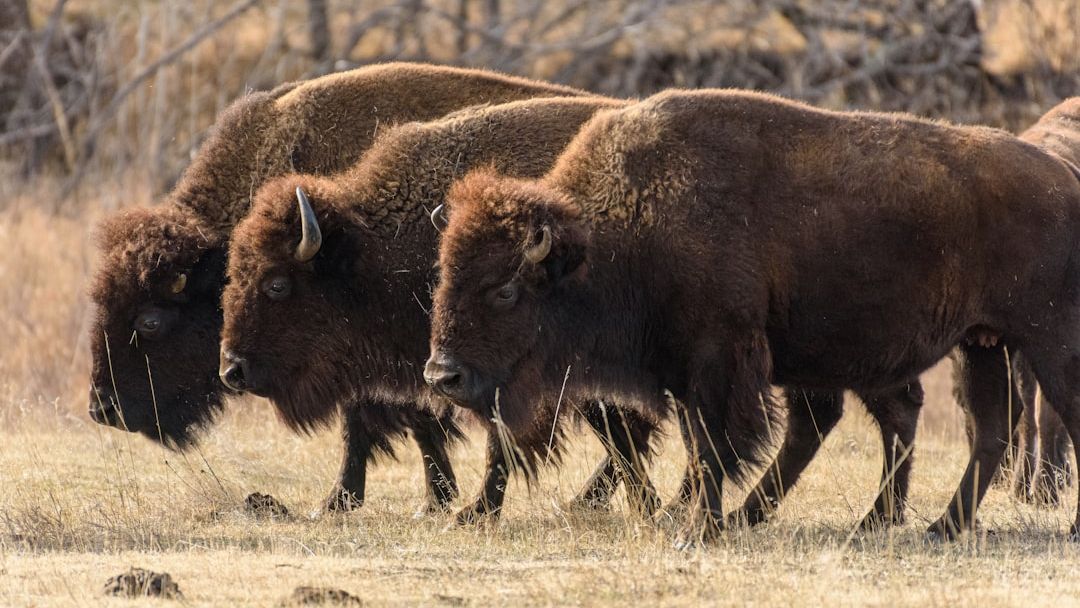
Picture endless plains thundering under the hooves of tens of millions of massive, shaggy beasts. That was America not so long ago. Today, those same bison stand as a testament to what determination can achieve against staggering odds.
Once teetering on the edge of oblivion, their numbers have climbed back in ways that inspire anyone who cares about wild places. Here’s the thing: this isn’t just a wildlife win; it’s a blueprint for healing ecosystems. Let’s explore how these icons clawed their way back.[1]
A Catastrophic Decline
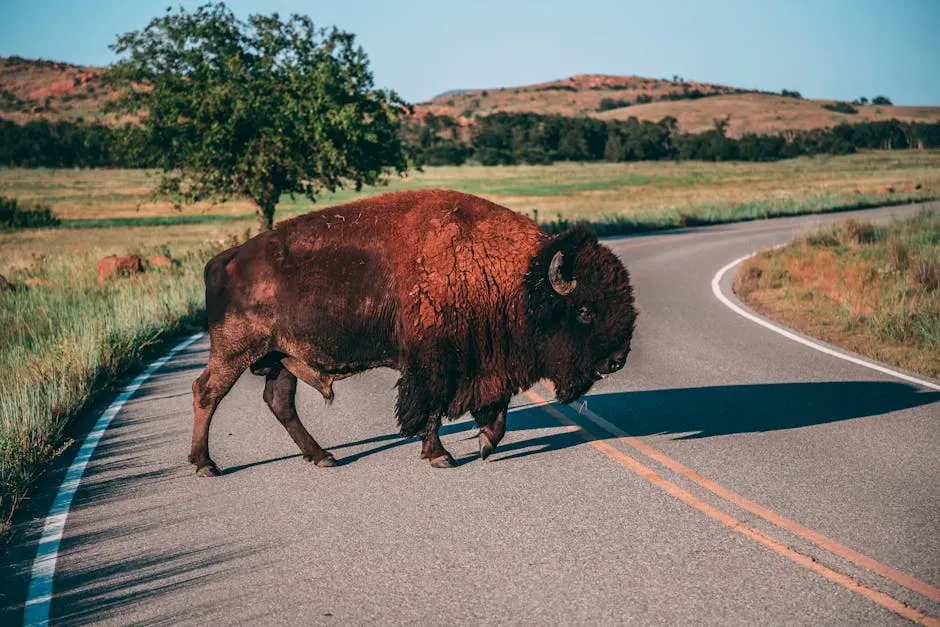
Back in the 1800s, American bison numbered somewhere between 30 and 60 million across the continent. Settlers and market hunters decimated them for hides, meat, and to clear land for cattle. By the late 19th century, fewer than a thousand remained wild.[2]
The slaughter was relentless. Entire herds vanished in months. Honestly, it felt like the end for this keystone species that shaped the prairies themselves.
Without bison, grasslands suffered. Their grazing kept soils fertile and diversity high. The loss rippled through everything from wolves to wildflowers.[3]
Early Heroes of Recovery
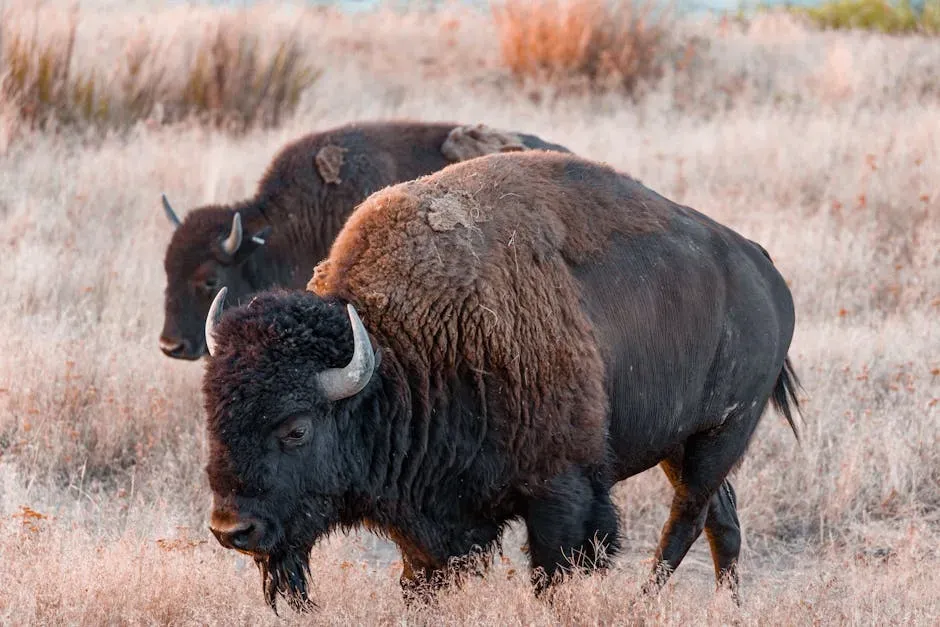
Visionaries stepped up around 1900. William Hornaday at the Bronx Zoo rallied support, forming the American Bison Society with Theodore Roosevelt’s backing. They captured the last wild survivors and bred them in captivity.[4]
Yellowstone National Park became a lifeline. By the early 1900s, its small herd grew protected from poachers. These efforts seeded herds across public lands.
It was touch and go. Numbers hovered perilously low for decades. Yet persistence paid off, turning scraps into foundations.[5]
Tribal Leadership and Modern Drives
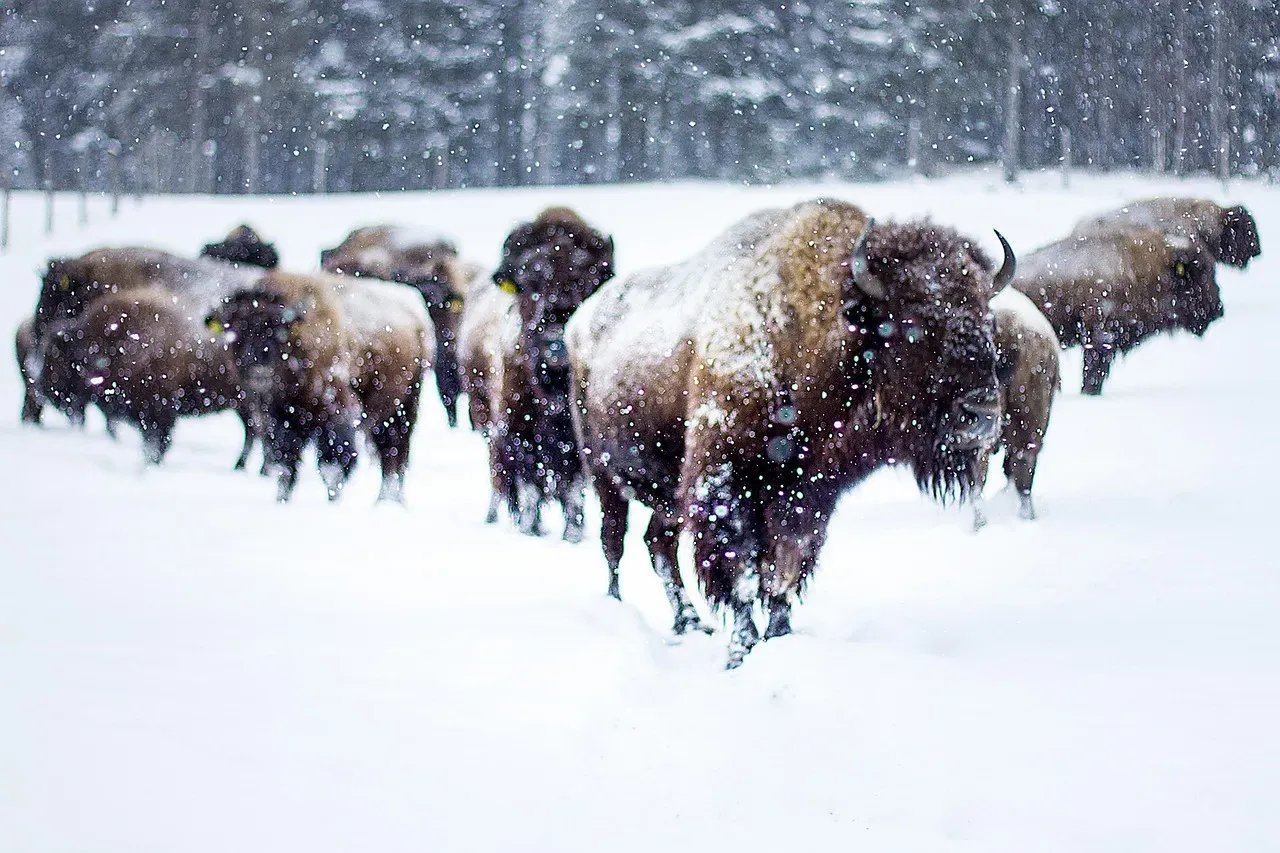
Tribes have reclaimed their role front and center. In 2025 alone, nearly 600 bison returned to ancestral lands through transfers from places like Yellowstone. Organizations like The Nature Conservancy manage over 6,600 on preserves.[6]
The Department of the Interior oversees 19 herds totaling about 11,000 bison. Groups such as the Wildlife Conservation Society and National Wildlife Federation partner with tribes for genetic diversity and cultural revival. Let’s be real, this community-led push feels profoundly right.[7][8]
Yellowstone’s herd, now around 5,000 strong, supplies many of these. It’s a genetic powerhouse. Their roam restores prairie health like nothing else.[2]
Thriving Numbers Today
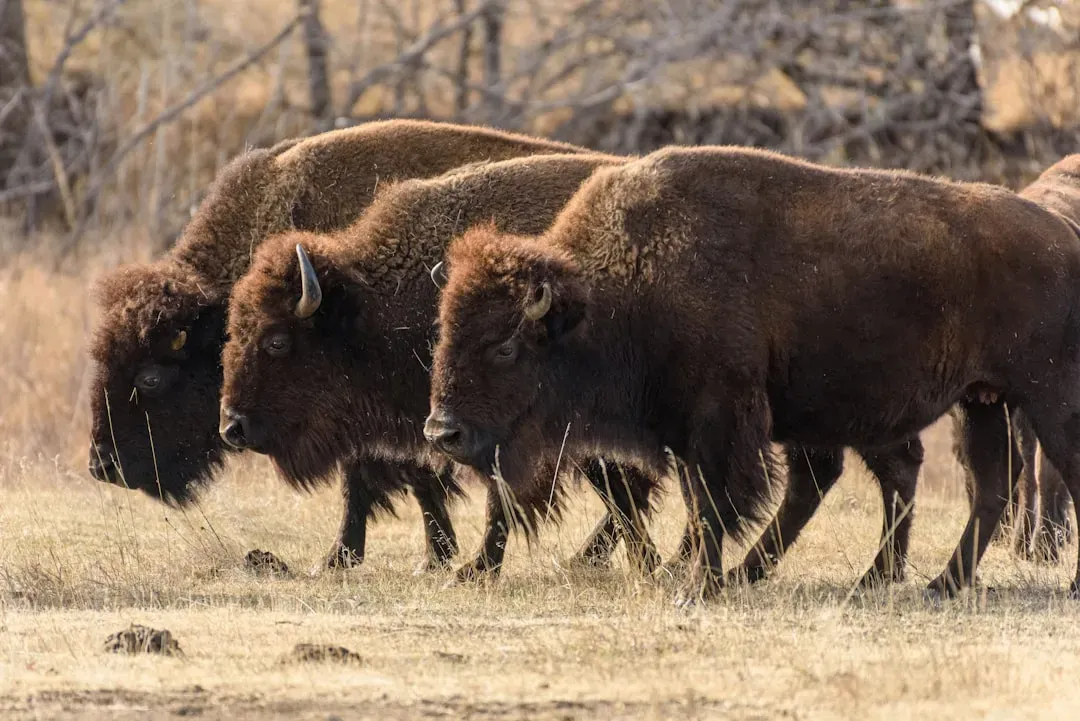
Wild bison in the US hover between 30,000 and 40,000 on public and tribal lands. Overall North American populations exceed 500,000, though most are ranch stock. This split highlights the focus on truly wild conservation herds.[9][4]
Places like American Prairie aim bigger, building vast landscapes for free-roaming herds. Yellowstone remains iconic, with bison migrations drawing awe. I think seeing them up close hits different; it’s raw power meets fragility.
These numbers signal stability. Habitats from Badlands to tribal ranches buzz with life again. Bison churn soil, spread seeds, and balance the food web.[10]
Obstacles and a Promising Path Forward
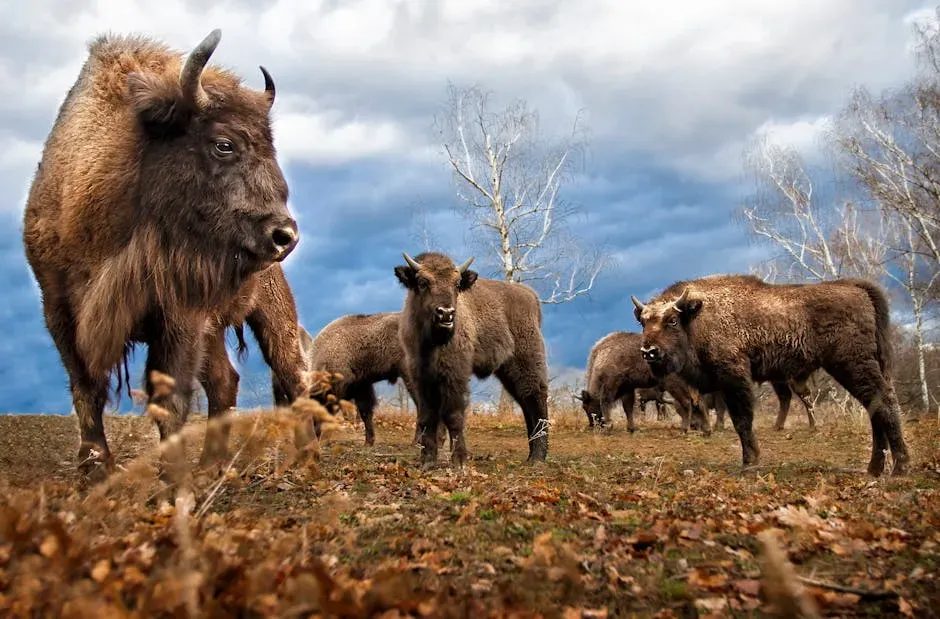
Challenges persist, though. Brucellosis worries clash with cattle ranchers, sparking debates over grazing rights. Recent BLM decisions, like revoking permits for American Prairie in 2026, stir controversy.[11][12]
Large habitats are scarce. Opposition from locals fears economic hits. Still, tribes unite against such setbacks, pushing for coexistence.
Optimism reigns. Cross-border efforts with Canada and Mexico steward 31,000 bison. Rewilding could reclaim millions of acres. This bison tale proves wildlife rebounds when we commit.[13]
Their comeback whispers hope amid broader losses. What role might you play in stories like this? Share your thoughts below.
