
You’ve seen them darting across power lines, raiding bird feeders, and burying treasures in your garden. They’re so familiar that most of us hardly give them a second glance. Yet these bushy-tailed acrobats are leading lives far more intricate and astonishing than we could ever imagine from our kitchen windows.
What if I told you that the squirrel frantically digging holes in your lawn is actually engaging in elaborate psychological warfare with its neighbors? Or that the chatter you dismiss as random noise is part of a sophisticated communication network that would make any spy envious? Here’s the thing: squirrels aren’t just cute backyard visitors. They’re intelligent, calculating survivors with secrets that scientists are only beginning to decode.
Let’s dive into the hidden world of these remarkable creatures and discover what really goes on when we’re not watching.
Their Memory Is Better Than Yours

A single squirrel can create up to 3,000 hiding spots in autumn and still find most of them months later. That’s not luck or random digging. Squirrels have excellent spatial memory, which plays a key role in their survival strategy. Their brains actually change to accommodate this remarkable feat.
The hippocampus, the part responsible for memory and navigation, actually grows larger during autumn, improving its ability to recall stored food locations. Think about that for a moment. Their brains physically adapt to handle the cognitive load of remembering thousands of locations. Meanwhile, most of us struggle to remember where we left our car keys.
Squirrels organize their caches by nut type, a behavior known as chunking. This isn’t mindless hoarding. Fox squirrels organized their nut stash by quality, variety, and possibly even preference. They’re essentially organizing their pantries the same way you might group canned goods separately from fresh produce.
They use this excellent memory to relocate stored food, coupled with their sense of smell. Squirrels can smell cached food with 30 cm of snow on top. Even in the dead of winter, buried beneath layers of ice and snow, they know exactly where dinner is waiting.
They’re Master Manipulators and Thieves
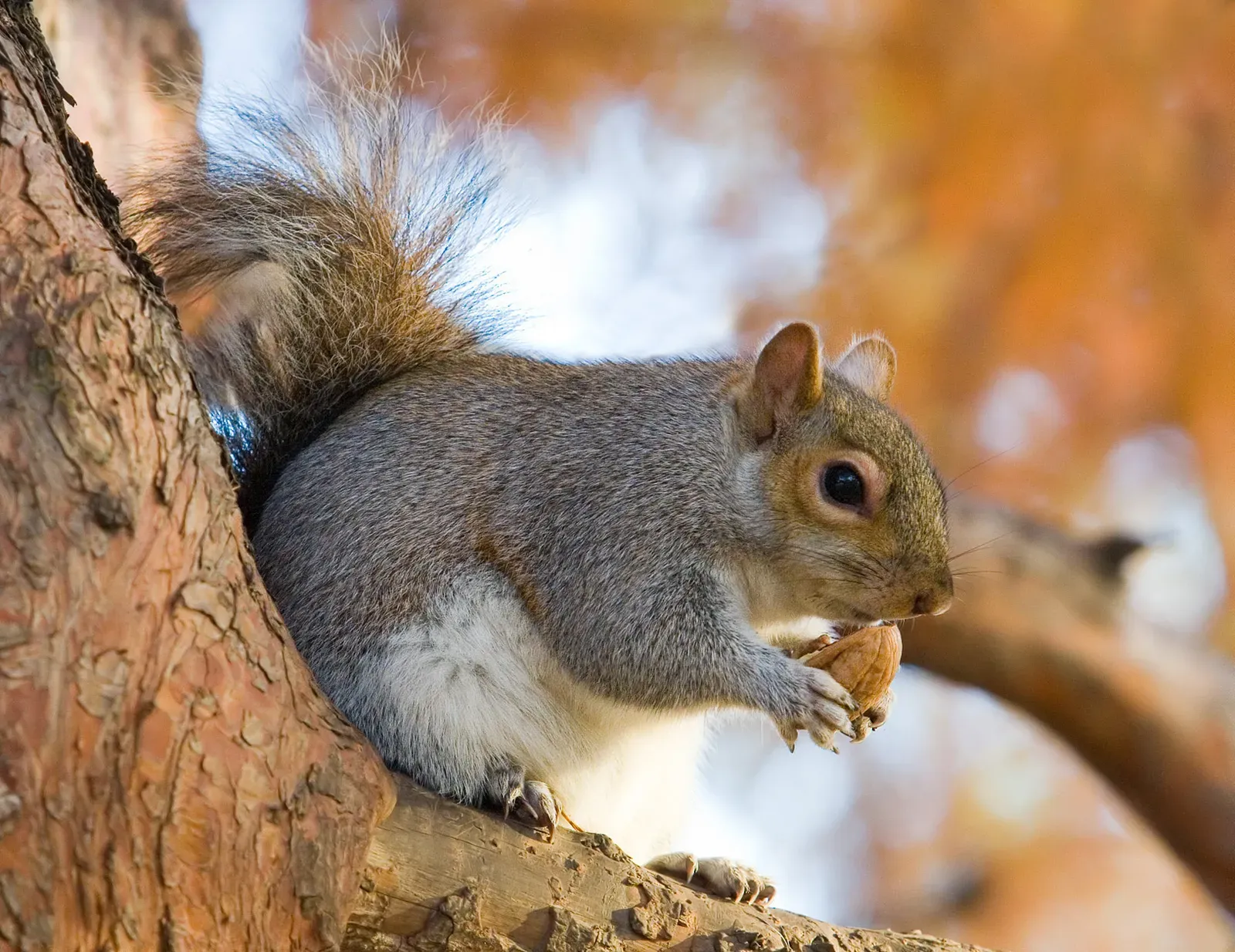
Let’s be real: squirrels are con artists. A squirrel will lose 25% of their buried food to robberies from other squirrels. That’s a significant loss, so they’ve developed countermeasures that border on genius.
If a squirrel knows another squirrel is watching, they engage in “deceptive caching,” digging a hole and vigorously covering it up without depositing the nut. Imagine putting on an entire theatrical performance just to throw off your nosy neighbor. That takes planning and awareness of being observed.
They sometimes perform fake burials to mislead onlookers and protect their food. These aren’t simple creatures operating on instinct alone. They’re calculating the intentions of others and deliberately deceiving them. The squirrel caches the food, cleans the nut, then rubs it on the face to attach a scent for easier retrieval later.
If they acted as thieves and tried to dig up squirrel caches, the animals used a greater variety of anti-pilfering behaviors, including caching food in spots difficult for pilferers to locate or access. They adapt their strategies based on perceived threats. The more pressure they feel, the craftier they become.
Their Language Is More Complex Than We Thought
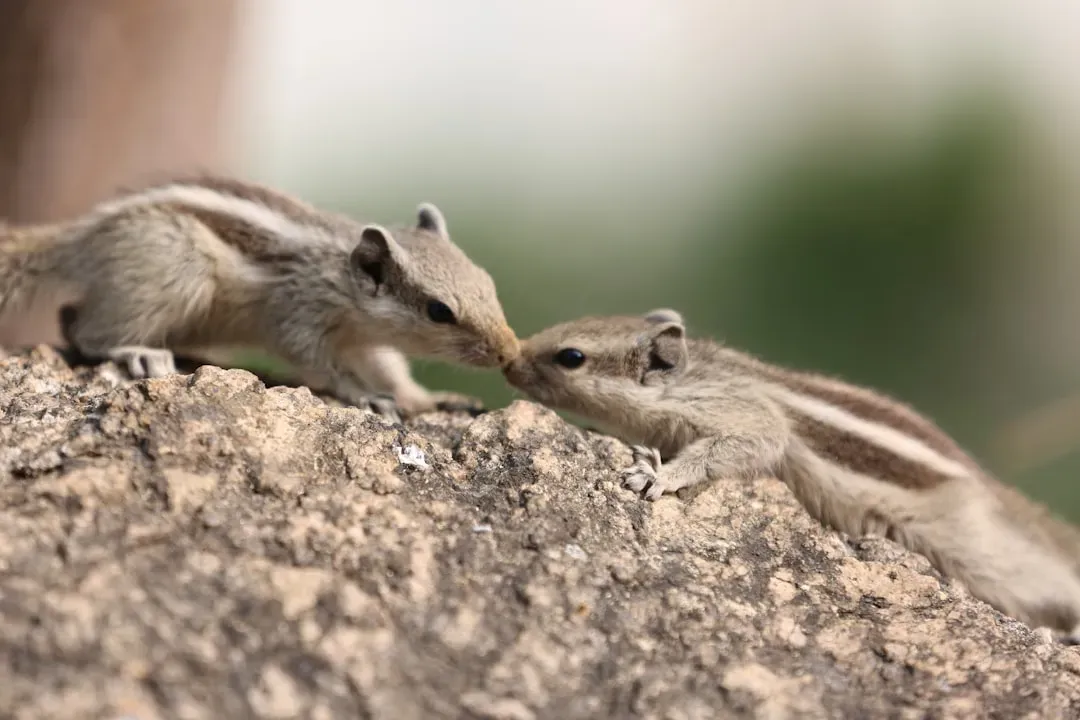
That chittering sound coming from the tree above you? It’s not random. Squirrel communication is more complex than most of us realize. They’re having entire conversations, and we’re only just beginning to crack the code.
A loud bark or shake of the tail indicates a threat. High-pitched squeals and chittering sounds signify excitement or mating calls. Different sounds mean different things depending on context and urgency. Rapid kuks and quaas are most often given when a terrestrial predator is around, and moans are usually used in response to aerial threats like hawks.
These furry creatures use their tails as semaphore flags to signal and communicate. By shaking their tail in tandem with alarm calls, squirrels flag the attention of other squirrels at long distances. It’s a dual communication system combining audio and visual signals for maximum effectiveness.
Squirrel communication is so sophisticated that they can even deceive each other by mimicking bird calls. That’s right – they’re vocal mimics. When threatened, some squirrels imitate bird sounds to confuse predators. Honestly, I think that’s both clever and slightly unsettling.
Squirrels use scent marking as a powerful communication tool, depositing scent from glands located on their body onto objects in their environment. These scents carry information about identity, reproductive status, and territorial claims.
They’re Elite Athletes With Superpowers
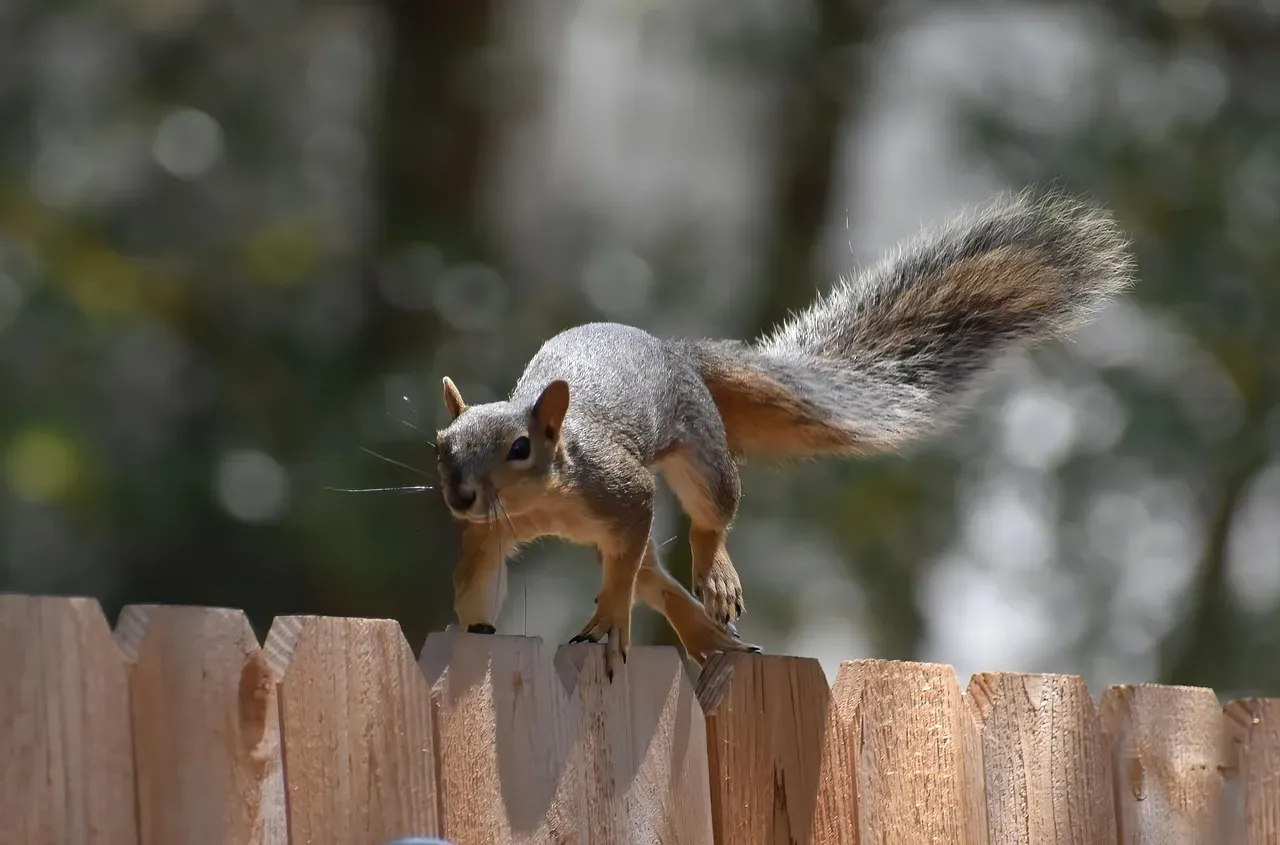
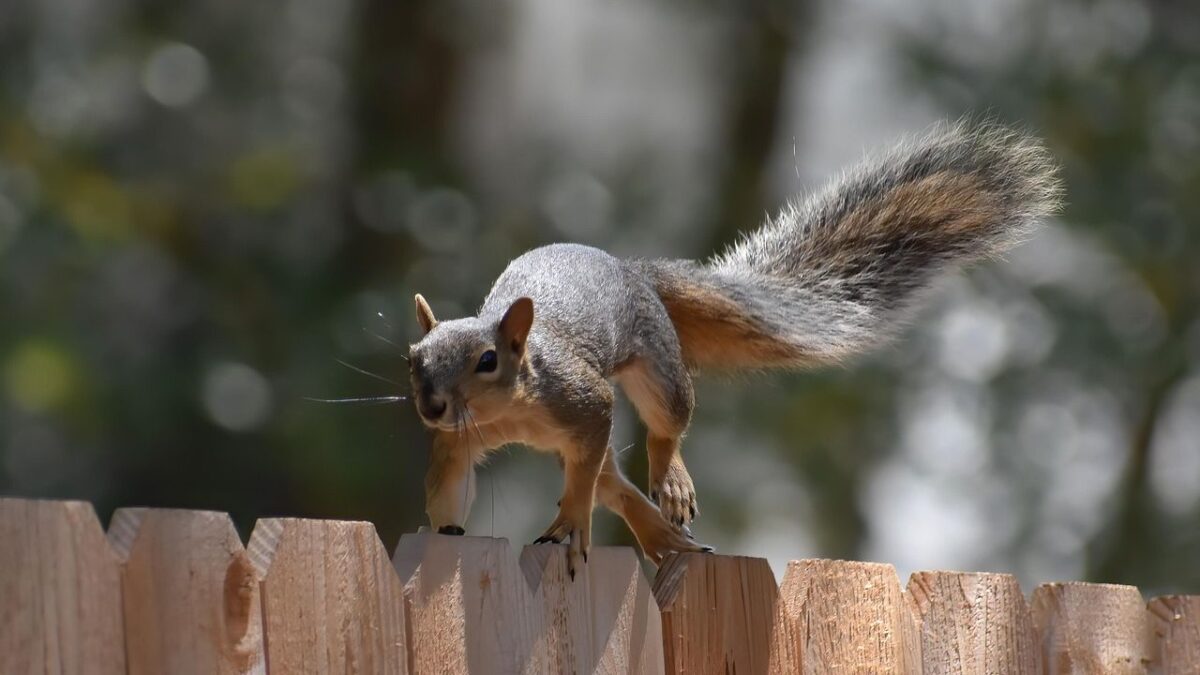
Watch a squirrel move for just thirty seconds, and you’ll witness physical capabilities that defy logic. If surprised while foraging, a squirrel can run away at speeds up to 14 mph, then scamper up a tree at 12 mph. That’s Olympic-level speed and agility combined.
Squirrels possess powerful hind legs that allow them to leap distances up to 20 feet horizontally and 10 feet vertically. This explosive speed enables them to quickly dart away from a perched hawk or evade a diving predator. They’re essentially parkour masters in fur coats.
The squirrel’s eyes are positioned slightly upward, enabling them to go about their business while keeping a sharp eye out for raptors overhead. Their peripheral vision is as sharp as their focal vision, meaning they can spot danger from almost any angle without turning their heads.
Their back feet rotate 180 degrees, which means they can turn from completely forward to completely backward, making it very easy for them to move in different ways. This includes descending trees headfirst, something most climbing animals simply cannot do. Because their teeth are always growing, they gnaw on hard nuts or anything available. Their teeth may be small, but they are sharp and will gnaw through anything including metal and steel.
They Live Under Constant Threat
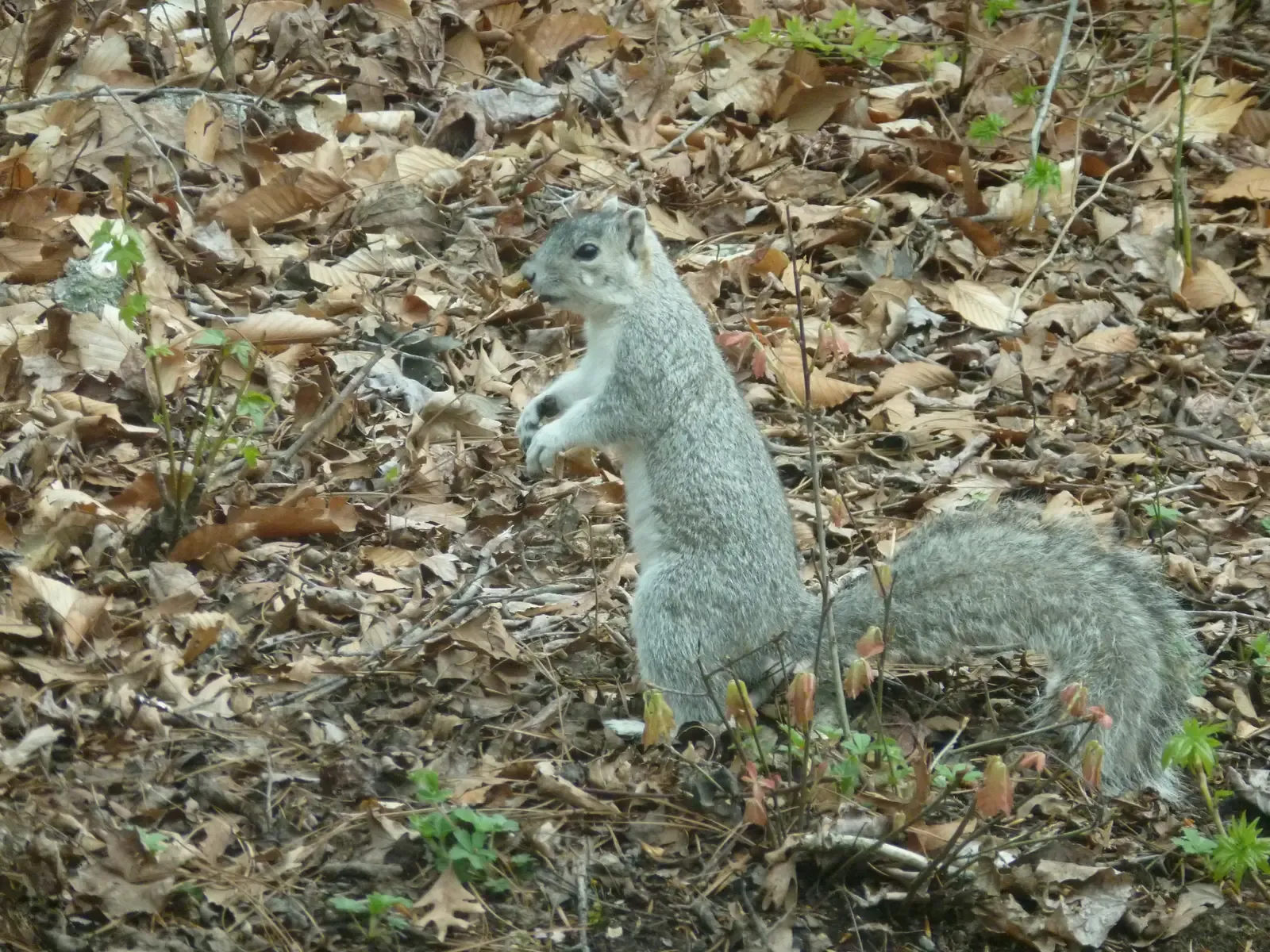
The animals that feed on gray squirrels includes coyotes, foxes, dogs, cats, rattlesnakes, gray rat snakes, bobcats, weasels, raccoons, red-tailed hawks, both barred and great horned owls. Imagine starting each day knowing that nearly everything around you wants to eat you.
Squirrels in the wild have an average lifespan of one to two years due to predation and natural threats. However, when they take shelter in homes, they’re safe from predators like foxes or birds of prey. That explains their intense motivation to find secure nesting sites.
A squirrel’s primary defense is agility and speed. They can make rapid, unpredictable movements and leap vast distances between trees. When faced with a predator, squirrels will dart from side to side while running away. This zigzag pattern confuses predators but unfortunately also explains why so many get hit by cars.
They puff up their fur, chatter loudly, and move erratically to confuse their predator – appearing larger and more intimidating, buying themselves time to flee. Gray squirrels use camouflage to remain out of sight. The animal’s grayish to yellowish brown pelage blends in with bark, making one almost impossible to see unless it moves.
Every movement, every sound, every decision is calculated for survival in a world full of threats.
They’re Accidental Environmental Heroes
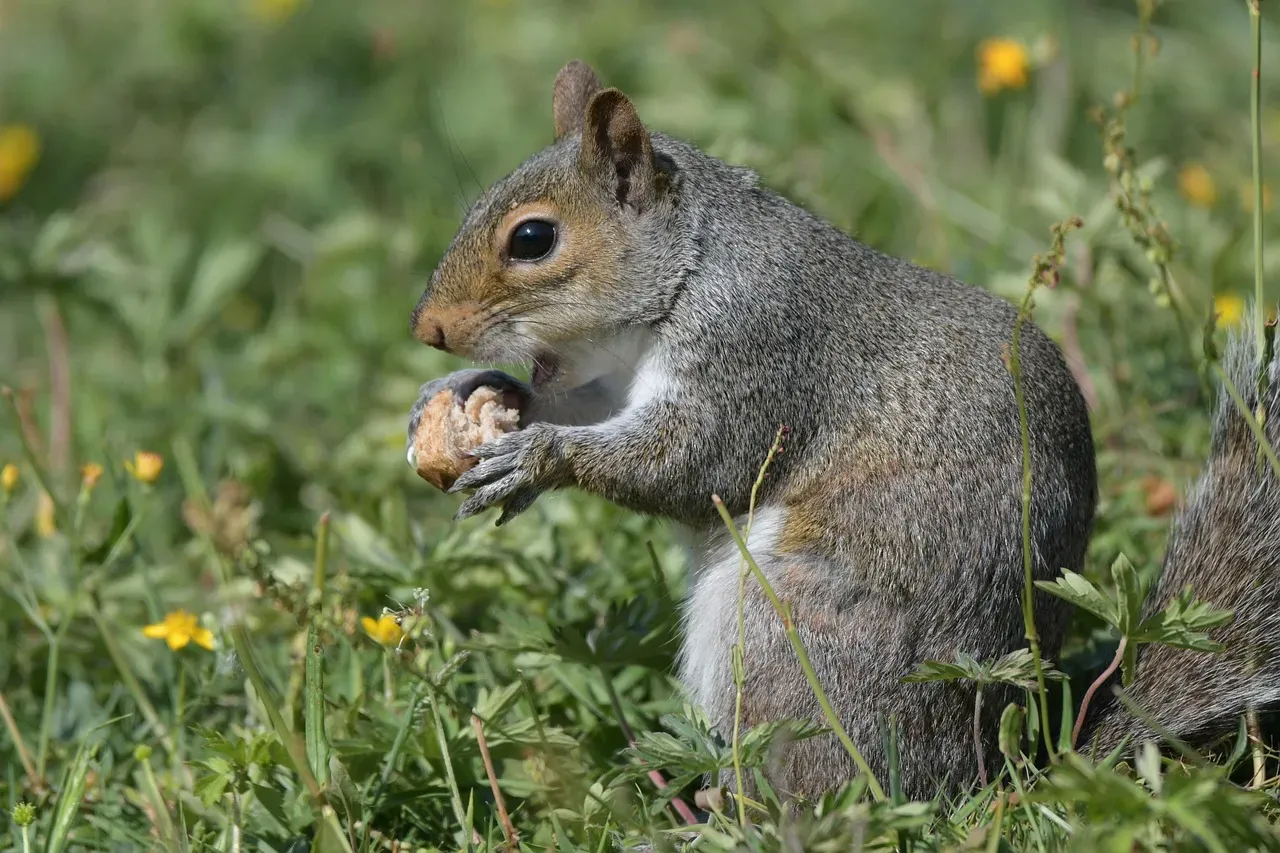
Squirrels are known for burying nuts, which helps in forest regeneration. Many of these buried nuts grow into trees, aiding in reforestation, showing how squirrels contribute to maintaining healthy ecosystems. Those forgotten caches don’t just rot away – they become the forests of tomorrow.
By burying nuts and seeds, often forgetting their locations, they help plant trees, contributing to forest growth. Their activities ensure the spread of various plant species, highlighting their significance in maintaining ecological balance. What looks like forgetfulness is actually environmental engineering on a massive scale.
Think about it: a single squirrel creates thousands of caches each year. Even with their impressive memory, some get forgotten. Those abandoned nuts germinate, spreading tree species across vast territories. Without squirrels, many forests would look dramatically different.
Few of us know much about them or fully appreciate their role in keeping the environment healthy. They’re not just adorable backyard entertainers. They’re ecosystem architects working tirelessly to maintain the natural balance we often take for granted.
Conclusion: The Extraordinary Hiding in Plain Sight
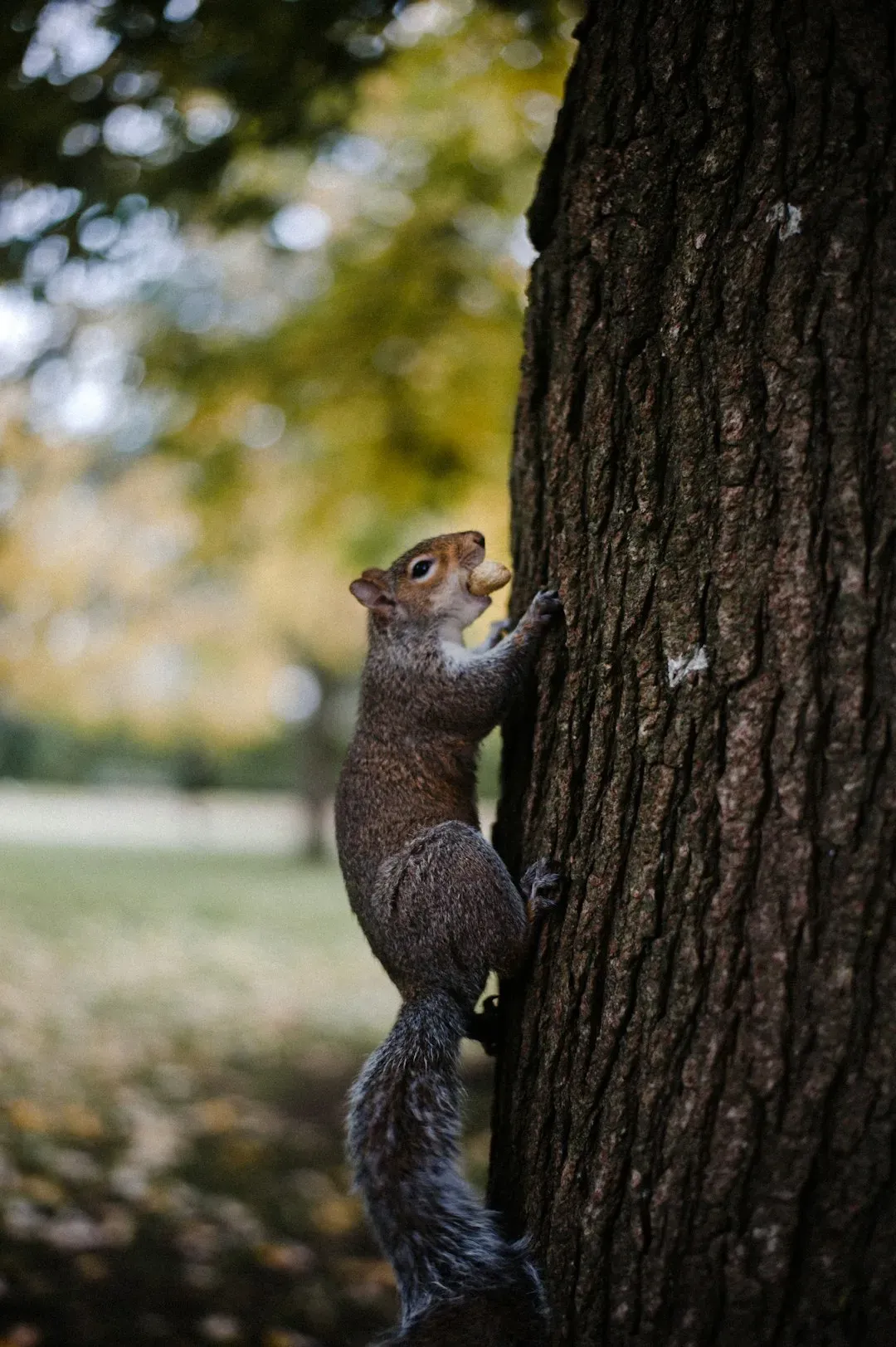
Squirrels are everywhere, yet we’ve barely scratched the surface of understanding them. These aren’t simple-minded hoarders mindlessly stuffing their faces. They’re intelligent, strategic, socially complex creatures with cognitive abilities that rival many species we consider far more sophisticated.
From their expandable hippocampus to their elaborate deception tactics, from their multi-modal communication systems to their death-defying acrobatics, squirrels are living proof that remarkable intelligence and complexity can exist in the smallest, most familiar packages. They’re conducting psychological warfare, speaking in codes we’re only beginning to understand, and literally shaping the forests around us.
Next time you see a squirrel in your backyard, pause for a moment. Watch carefully. That fluffy-tailed acrobat is probably outsmarting its neighbors, remembering the exact location of hundreds of hidden nuts, and calculating escape routes from multiple predators – all while you’re sipping your morning coffee.
The secret life of squirrels is happening right now, just outside your window. The question is: are you paying attention? What do you think – did any of these secrets surprise you?
