
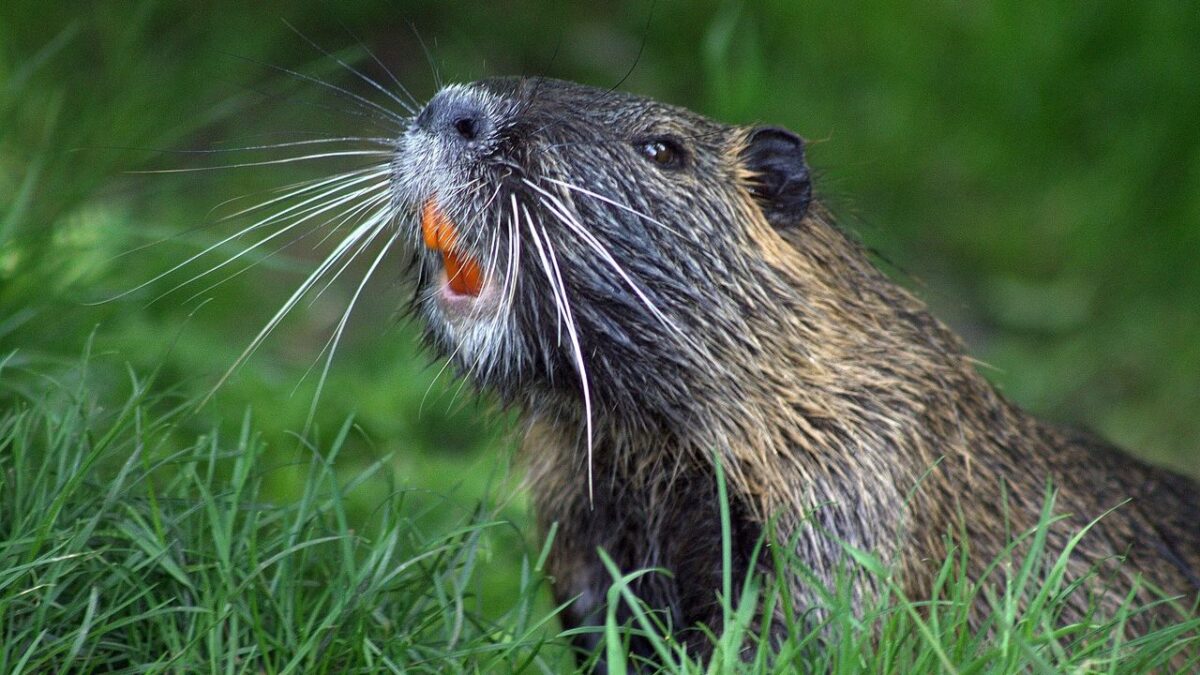
Something remarkable is happening along rivers, streams, and meadows across the American West and beyond. Slowly, and mostly out of public view, beavers are coming back. After being hunted to near-extinction during the fur trade era, populations are gradually recovering, and in many places, conservationists are actively helping them along. The transformation they leave behind is hard to overstate.
What makes this story unusual is its scale and its simplicity. No heavy machinery, no concrete, no multimillion-dollar engineering contracts. Just a 50-pound rodent and a pile of sticks.
From Abundance to Near-Erasure: How Beavers Disappeared
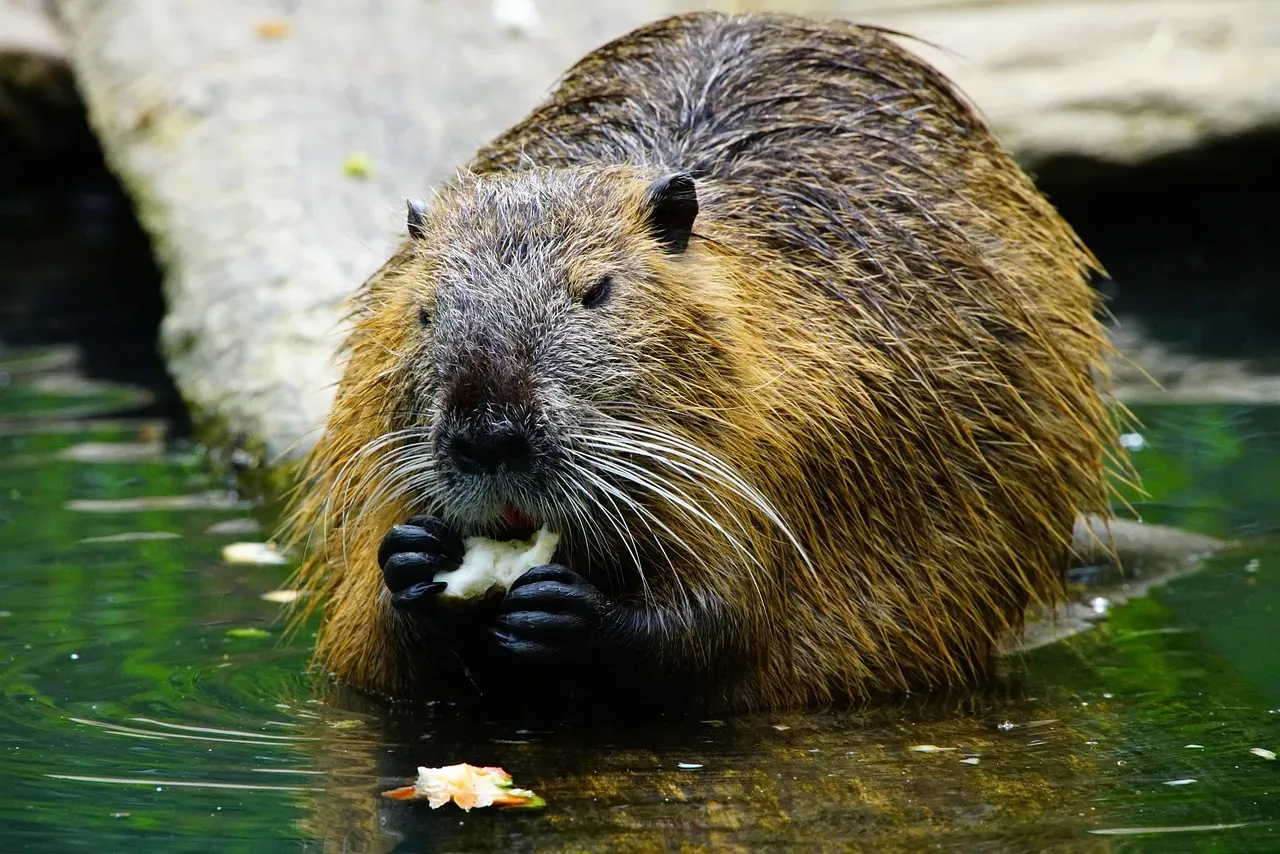
Beaver populations in North America have fallen from an estimated 60 to 400 million before European colonization to roughly 10 to 15 million today, because of extensive hunting, habitat degradation, and trapping. The scale of that loss is difficult to comprehend. These animals weren’t just a species present in the landscape – they were architects of it.
Most benefits of beaver wetlands were hidden, and European settlement of North America was driven by the search for “brown gold,” beaver pelts. Few people realized how much had been lost when the fur trade extirpated beavers from most of the United States and southern Canada by 1900.
With beavers gone, large areas of stored surface water were lost, rivers began flowing faster, becoming flashy in times of flood and with lower baseflows in times of drought. Woody debris and carbon in water were reduced, undermining the food chains they had supported. Wetlands dried up, and wildlife moved on, or was possibly lost from ecosystems entirely. The damage unfolded so gradually, across so many generations, that most people simply accepted it as normal.
Nature’s Most Productive Engineers
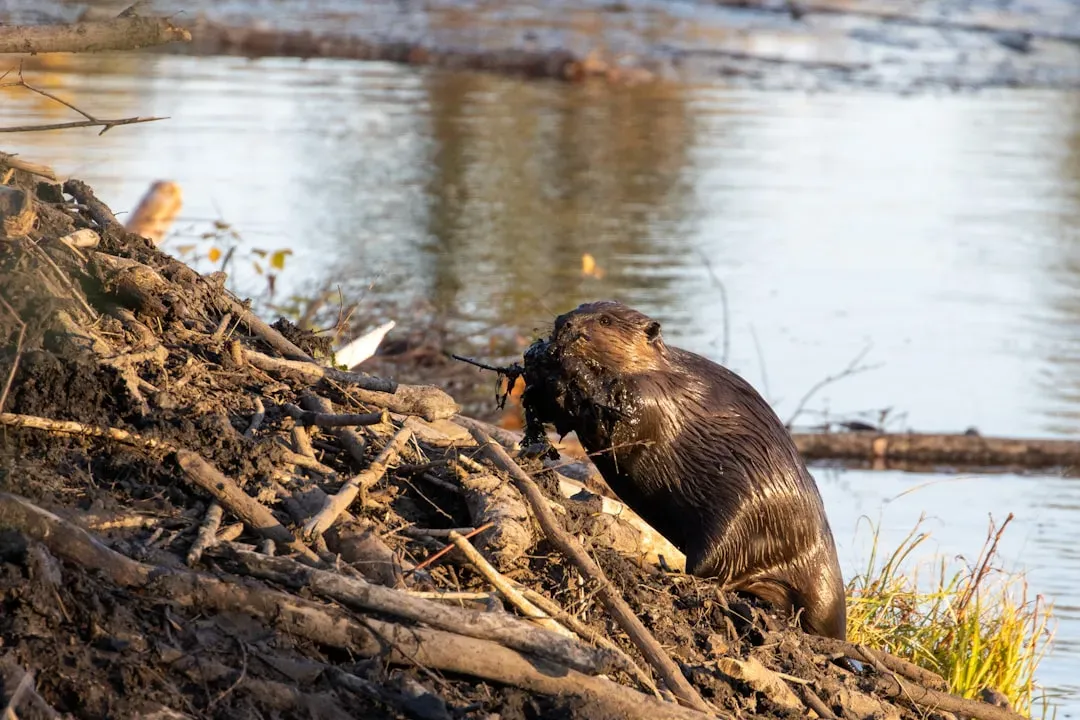
Beavers have been called “ecosystem engineers” – aside from humans, beavers do more to shape their environment than any other species. That’s not hyperbole. Their dams don’t just create water. They rebuild the fundamental plumbing of a watershed.
When beavers build dams across streams, they naturally disperse and hold water on the land longer, which supports more plants and creates habitats like ponds and meadows. Restored ecosystems provide better places to live for aquatic species like salmon and trout, and land creatures like sage grouse and mule deer. The dams also create more fresh drinking water and better grazing land for cattle, and they make the landscape more resilient to fire and drought.
The possible results include higher water tables, reconnected and expanded floodplains, higher summer base flows, expanded wetlands, and improved water quality. These are the exact outcomes that expensive engineering projects spend years trying to recreate. The beaver does it instinctively, at no cost.
Water in a Thirsty West: Groundwater, Drought, and Fire Resilience
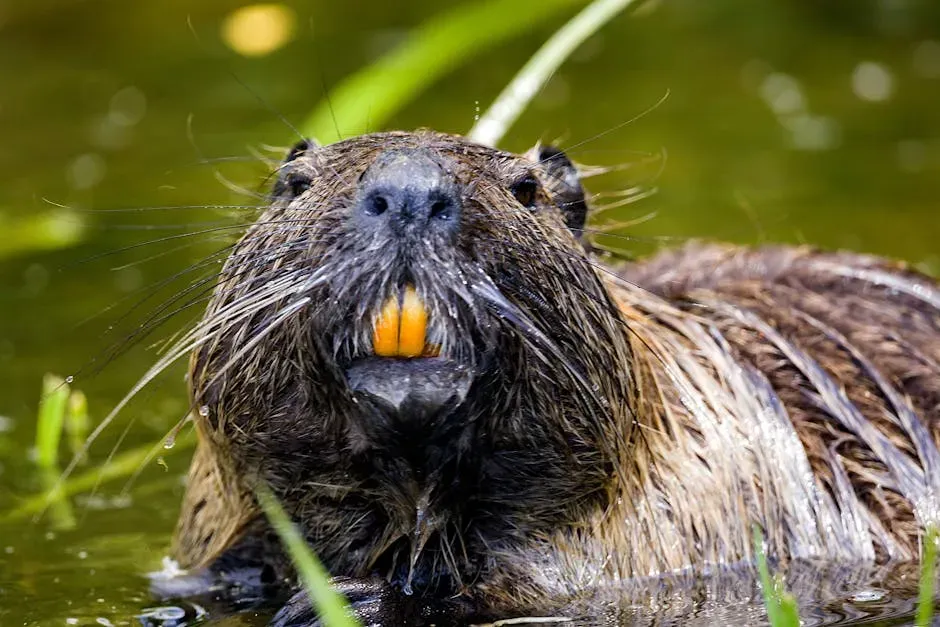
Beaver dams create cool ponds that foster biodiversity, improve water quality, and even limit the spread of wildfires. They frequently construct multiple dams within an area, creating a wetland network of surface water and vegetation known as “beaver wetland complexes.” In a region increasingly defined by drought, this ability to hold water is remarkable.
These complexes provide long-term freshwater storage and recharge groundwater, a crucial benefit especially in the American West, where dwindling surface water supplies are the result of years of sustained climate change-driven drought and over-allocation of surface water supplies, as seen in the Upper Colorado River Basin.
Research suggests that beavers help to protect people and their property from wildfires. Riverside vegetation fed by beaver ponds acts as a fire break, stopping wildfires from advancing across the landscape. In New Mexico’s Bandelier National Monument, after the Las Conchas Fire removed vegetation and created water-repelling soils that caused destructive flash floods, beaver dams helped fundamentally change how water moved through the canyon. Instead of rapid runoff and channel entrenchment, the beaver dams slowed water flow and allowed groundwater to saturate the surrounding soils. As a result, the ecosystem became better at retaining water both during flash floods and drought periods.
Real Programs, Real Results: Relocation and Restoration Across the US
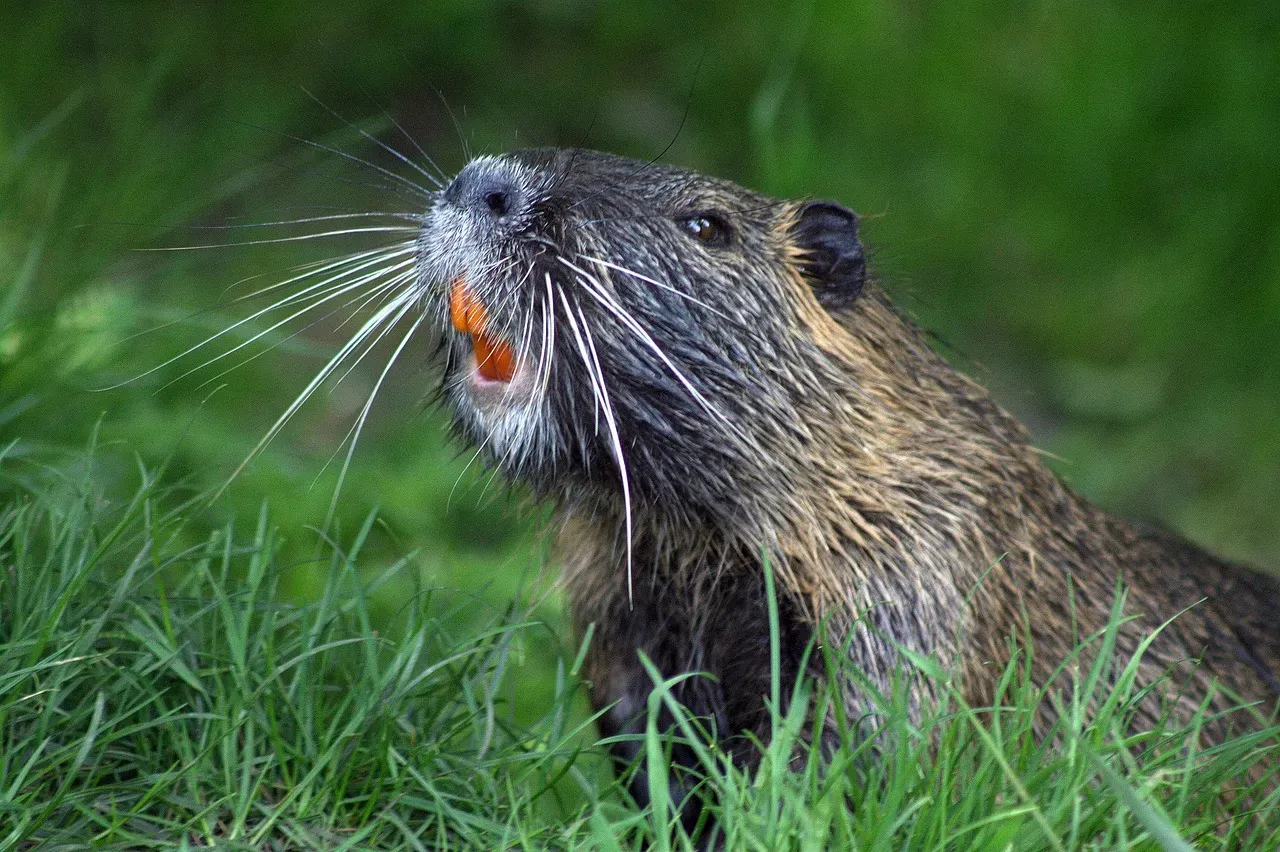
In Washington State, the Methow Beaver Project has relocated problem beavers from human conflict areas to headwater streams in need of restoration, creating over 300 acres of new wetlands since 2008. It’s one of the older and better-documented programs in the country.
The Wenatchee Beaver Project has successfully relocated 42 beavers to public land along the upper Wenatchee River. Through this project, Trout Unlimited strives to enhance cold-water fish habitat, using beavers as “restoration contractors.” It’s an elegant solution: beavers that would otherwise be removed from private land as nuisances instead get a new home where their instincts become an asset.
California has recently relocated beavers from spots where they were causing problems, like flooding, to tribal lands in Northern and Southern California. Many advocates say that relocating beavers to areas where they once existed brings back “ecosystem engineering” benefits to the landscapes they live in. Tribal nations have been particularly active in beaver restoration, with the Tulalip Tribes in Washington and the Yurok Tribe in California implementing comprehensive programs that combine beaver reintroduction with traditional ecological knowledge. That integration of indigenous land management with modern conservation science has become one of the more thoughtful elements of the current restoration movement.
When Beavers and People Collide: Coexistence Is Not Always Simple
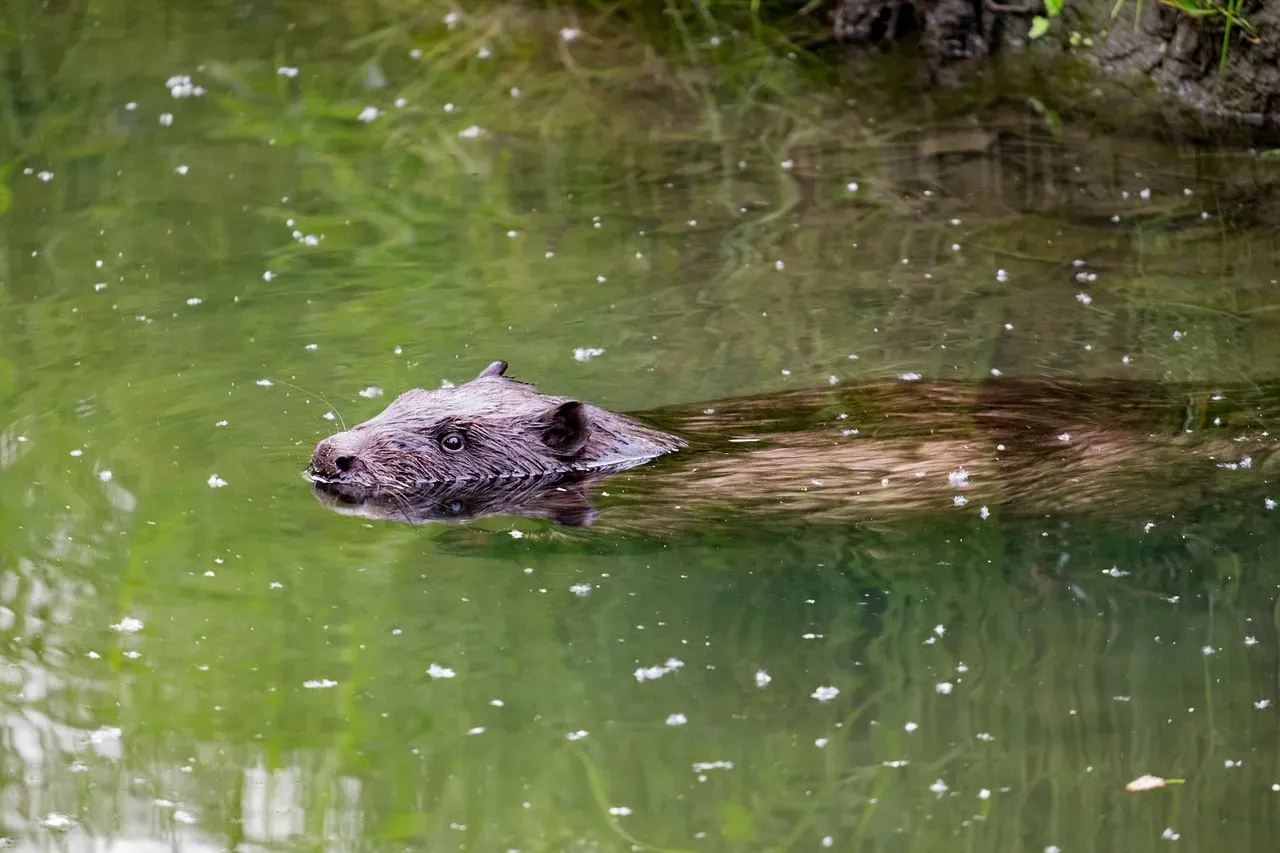
Despite the potential for wetland resilience and restoration, beaver activity can create problems for nearby communities. New dams can temporarily reduce water flows, putting stress on downstream water users already struggling to find sufficient surface water supplies during drought conditions. Unmanaged beaver populations can pose a flooding threat to homes, crops, and infrastructure.
In New Mexico’s agricultural communities, where elaborate networks of irrigation ditches have channeled water for farming since the 1600s, beavers represent a direct threat. When beavers encounter these waterways, they build dams, disrupting the carefully managed flow that farmers depend on. These tensions are real, and restoration advocates increasingly recognize that ignoring them is a mistake.
Low-tech process-based restoration strategies have been surging in popularity among the river restoration and beaver restoration communities, however, the regulatory and permitting framework still needs to catch up. While some states and communities are moving to pilot new permitting processes, the current policy landscape is a patchwork of regulations that vary from jurisdiction to jurisdiction. Progress is real, but the path is uneven.
What Science and Technology Are Revealing About Beaver Impact
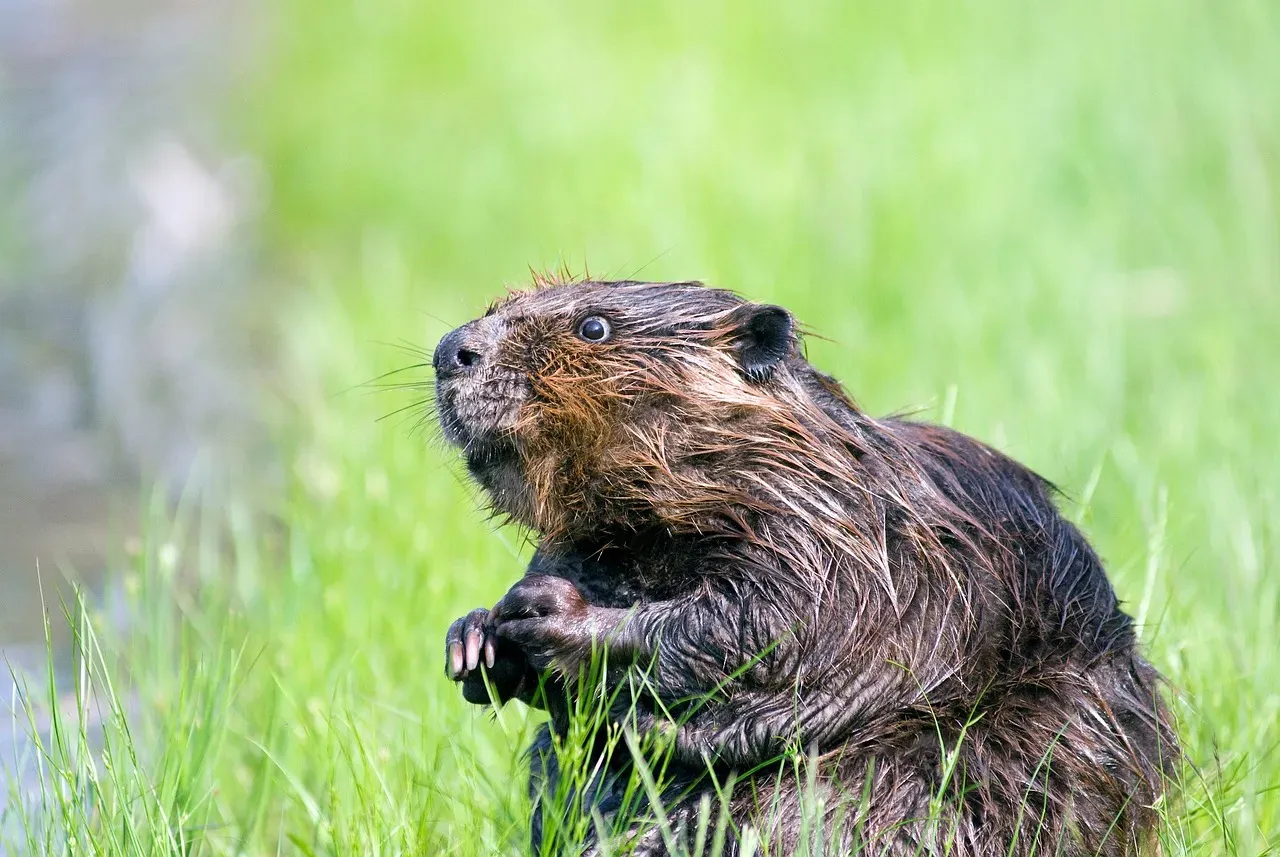
Scientists at Boise State University are now using NASA’s Earth observation data to help quantify how beavers can have an outsized and positive impact on local ecosystems. The team works with researchers at Utah State University who developed the Beaver Restoration Assessment Tool. Satellite imagery is making it possible to track change that was previously impossible to measure at scale.
The research team is focusing on Idaho and nearby regions because, while wet ecosystems comprise only 5% of the landscape, those areas are critical for more than 90% of species living in the area during the dry season. That ratio alone explains why beaver-created wetlands carry such outsized ecological weight.
A recent Stanford-led study mapped more than 80 beaver pond complexes across diverse regions in Colorado, Wyoming, Montana, and Oregon using high-resolution aerial imagery from the USDA National Agricultural Imagery Program. Ultimately, the researchers envision dynamic risk maps that policymakers, watershed managers, and ecologists can use to quantitatively evaluate where, when, and how to bring back beavers. The ambition is to take the guesswork out of restoration and make each reintroduction count.
Conclusion
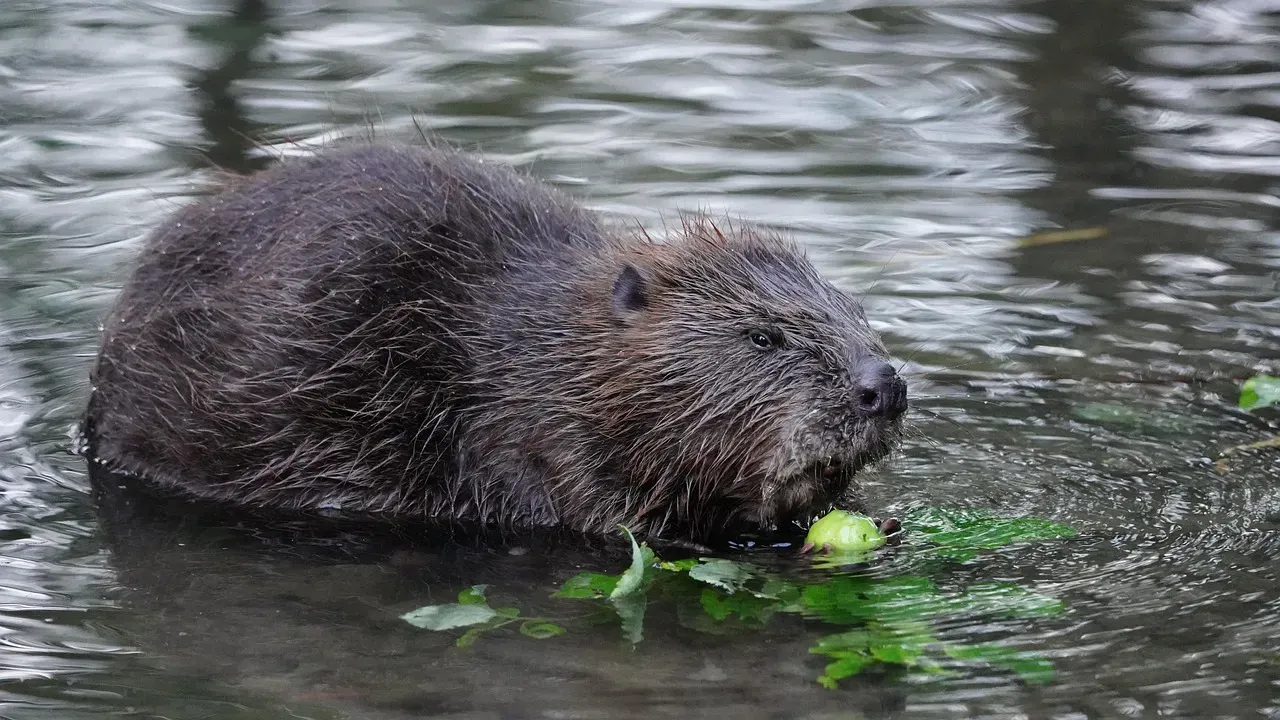
The return of the beaver isn’t a romantic story about nature healing itself. It’s a practical one. Many advocates say that relocating beavers to areas where they once existed brings back “ecosystem engineering” benefits to the landscapes they live in. Experts also caution that while beavers can help with fire resilience and improve water quality, they are only part of broader solutions to climate change and watershed restoration.
Beaver damming is the natural way to restore freshwater wetlands, the land’s most valuable ecosystem. It costs roughly $10,000 to $100,000 per acre to build manmade wetlands, yet beavers make and maintain them for free. That kind of efficiency matters enormously in an era of strained conservation budgets and accelerating ecological loss.
The beaver asks for very little: a stream, some willows, and the freedom to build. What it gives back, measured in cleaner water, richer habitats, and more resilient landscapes, far exceeds anything that title. Perhaps that’s the quietest lesson in all of this – sometimes the most powerful restoration tool available isn’t a new technology or a government program. Sometimes it’s an animal that’s been doing the job for millions of years, waiting patiently for the chance to do it again.
