


Worried about unexpected vet bills?
Pet insurance can cover thousands in unexpected vet costs. Get a free quote from Lemonade in under 2 minutes.
Get My Free Quote →Sponsored · Opens Lemonade.com
Climate change is perhaps the most daunting challenge of our era, prompting scientists, policymakers, and environmentalists to explore a wide array of solutions. Surprisingly, beavers, the large, industrious rodents known for their dam-building prowess, have emerged as unexpected allies in this battle. Their innate ability to reshape landscapes has far-reaching implications for climate resilience. This article delves into the multifaceted role of beavers in combating climate change and the benefits they provide.
The Ecological Engineers
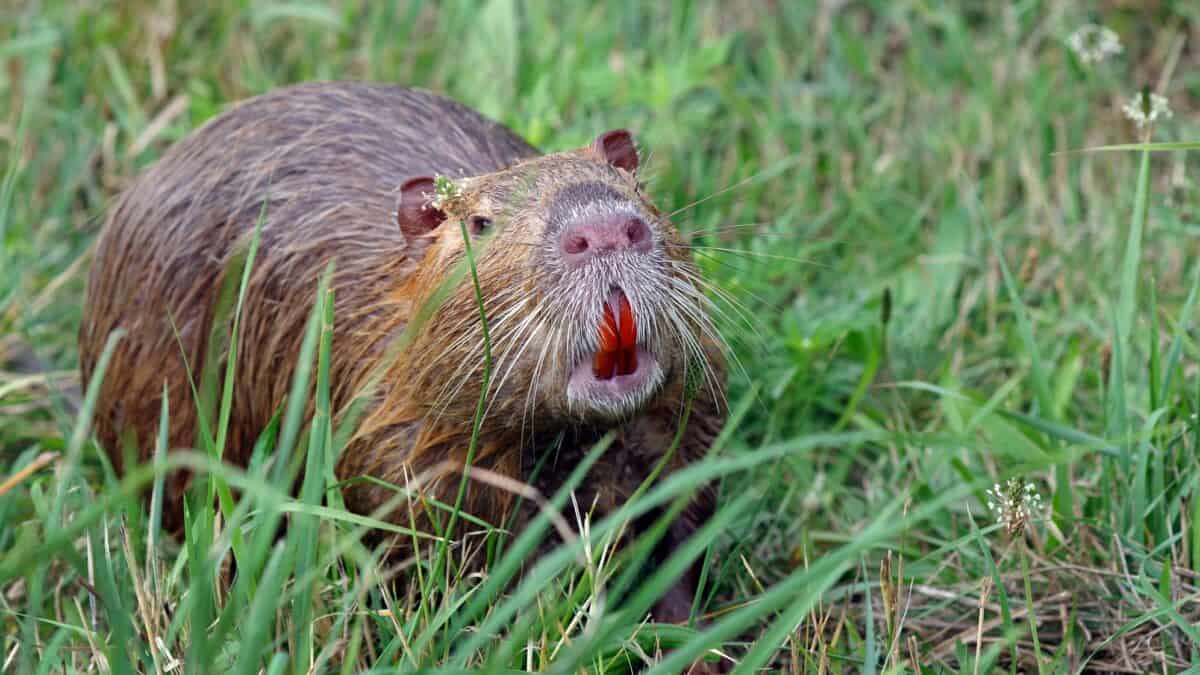
Beavers are often referred to as “nature’s engineers” due to their remarkable ability to transform environments. They build intricate networks of dams and lodges, which significantly alter the hydrology of landscapes. These structures are not just homes for beavers; they create wetlands, which serve as critical habitats for diverse species and play a pivotal role in carbon sequestration.
Creating Complex Wetland Ecosystems

Wetlands are among the most productive ecosystems on Earth. By constructing dams, beavers expand the expanse of these wetlands. This expansion increases the land’s ability to store water and filter pollutants, enhancing both the quantity and quality of water resources. Wetlands also act as natural carbon sinks, absorbing carbon dioxide from the atmosphere and thus mitigating greenhouse gas concentrations.
Improving Water Retention

In the face of erratic precipitation patterns brought on by climate change, water retention is crucial. Beaver dams slow water flow, allowing it to infiltrate into the ground. This process recharges groundwater tables and maintains stream flows during dry spells, providing a buffer against droughts and sustaining vegetation that thrives on consistent water availability.
Mitigating Flood Risks

The ability of beaver dams to slow water flow not only aids in drought resilience but also reduces the risk of flooding. By distributing water across a broader area and gradually releasing it, beaver-created wetlands minimize the impacts of severe rainfall events, which are becoming increasingly common in a warming climate.
Enhancing Biodiversity

Beaver habitats support a rich ecosystem. The ponds and wetlands they create are havens for numerous aquatic and terrestrial species, including fish, amphibians, birds, and insects. This biodiversity is vital for ecosystem resilience, as a variety of species can better adapt to environmental changes over time.
Providing Natural Firebreaks

As climate change intensifies, wildfires are becoming more frequent and severe. Beaver-created wetlands serve as natural firebreaks. The moist areas surrounding their ponds are less susceptible to burning, offering refuge for wildlife and acting as barriers that slow the spread of wildfires.
Supporting Fish Populations

Beaver ponds provide critical habitat for fish, including economically important species like salmon and trout. The deeper, slower-moving waters are ideal for spawning and rearing young fish. By boosting the populations of these aquatic species, beavers indirectly support the livelihoods of human communities reliant on fishing.
Carbon Sequestration Contributions

Wetlands are powerful carbon sinks, and the ones beavers help create are no exception. Sediments in these wetlands capture and store carbon over long periods, reducing atmospheric carbon dioxide levels. By promoting wetland preservation and expansion, beavers offer a natural means of controlling greenhouse gas emissions.
Encouraging Growth of Riparian Vegetation

The creation of wetland areas leads to the growth of riparian vegetation, which stabilizes riverbanks and mitigates soil erosion. This vegetation captures additional carbon and provides important structures for wildlife habitat, further promoting ecological health.
Opportunities for Ecotourism
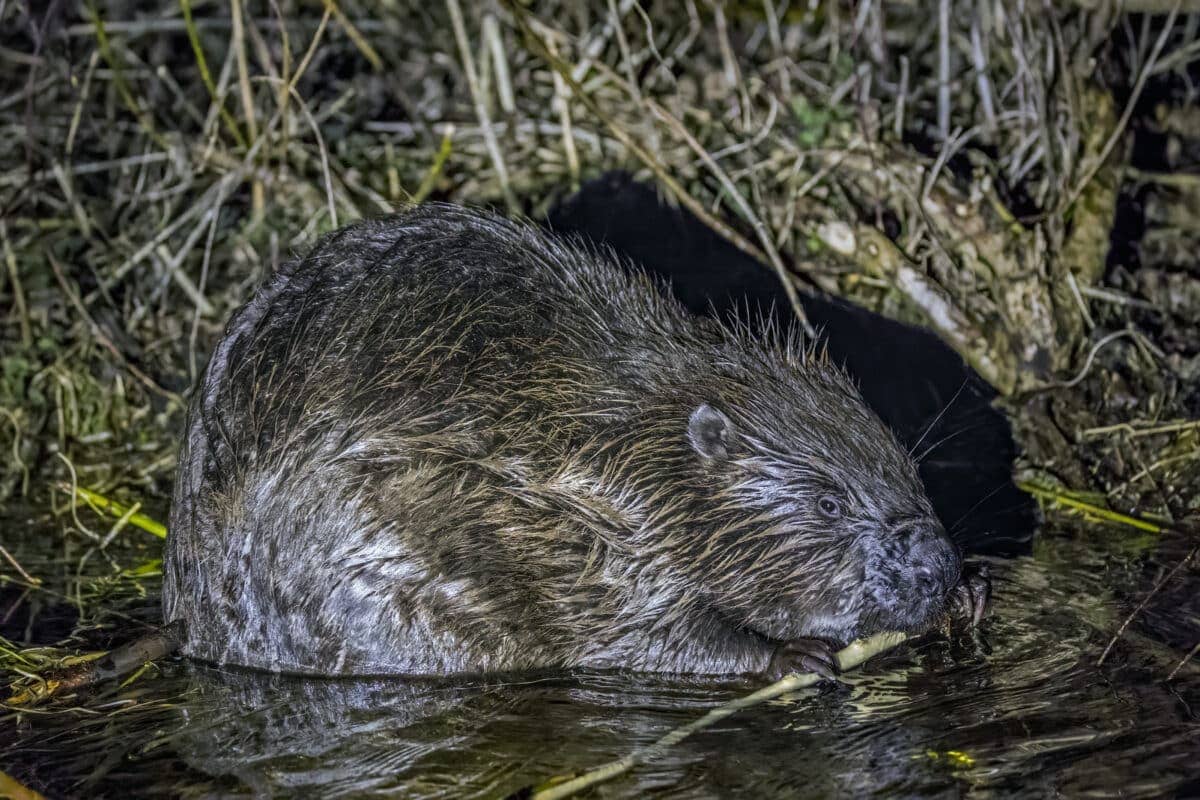
Beavers and their habitats provide unique opportunities for ecotourism. Their presence and the biodiversity they support attract nature enthusiasts, birdwatchers, and researchers. This not only fosters a greater appreciation for natural environments but also provides economic benefits to local communities.
Human-Beaver Conflict Management

Despite their ecological benefits, beavers can sometimes pose challenges to human infrastructure or land use plans. However, through proper management strategies, such as installing “beaver deceivers” or protective tree wrapping, humans can coexist with these industrious animals and maximize their environmental benefits.
The Call for Conservation
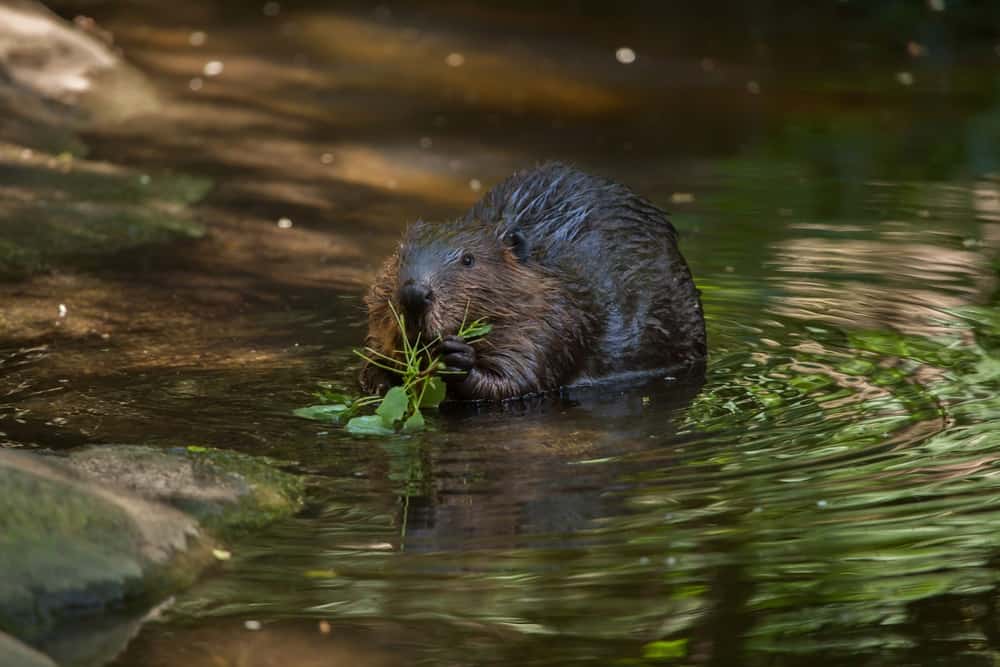
Conserving beaver populations and their habitats is crucial in leveraging their ecological advantages. Efforts must focus on protecting their natural environments, restoring populations in suitable areas, and ensuring that policy frameworks recognize their role in climate change mitigation.
In conclusion, beavers are much more than mere builders. Their unique environmental modifications offer a plethora of benefits that align with climate adaptation and mitigation goals. By fostering wetland ecosystems, improving water management, enhancing biodiversity, and more, beavers are indispensable allies in our fight against climate change. Understanding and supporting their role is key to harnessing nature-based solutions and paving the way to a sustainable future.
Worried about unexpected vet bills?
Pet insurance can cover thousands in unexpected vet costs. Get a free quote from Lemonade in under 2 minutes.
Get My Free Quote →Sponsored · Opens Lemonade.com

From exploring the marine wonders in the Azores and witnessing the vast savannas of Kenya, to delving deep into the rich biodiversity of South Africa and traversing iconic landscapes in Australia and the US like Yellowstone, Chris's experiences are vast.
With a penchant for diving alongside sharks, the ocean holds a special place in his heart.
Through his academic insights, he champions wildlife conservation, striving with 'Animals Around The Globe' to cultivate a profound connection between humans and animals, enhancing our mutual appreciation.
Connect with him at Feedback@animalsaroundtheglobe.com.
- 11 Cat Breeds That Have a Dog-Like Personality - June 11, 2026
- The Most Venomous Snake in the U.S. Would You Know It If You Saw It? - June 11, 2026
- What Kind of Bird Is Zazu? The Real Story Behind the Character - June 11, 2026