

Picture a wolf pack moving silently through the forest at dawn. No howls pierce the air, yet every member knows precisely what to do. The truth about these apex predators might surprise you: their most sophisticated conversations happen without a single sound.
Most people think of wolves as howling creatures, echoing their mournful calls across wilderness landscapes. However, these remarkable animals have developed one of nature’s most intricate silent communication systems. Through subtle body language, chemical signals, and facial expressions, wolves conduct complex social negotiations that would put our own nonverbal skills to shame.
The Language of Position and Posture
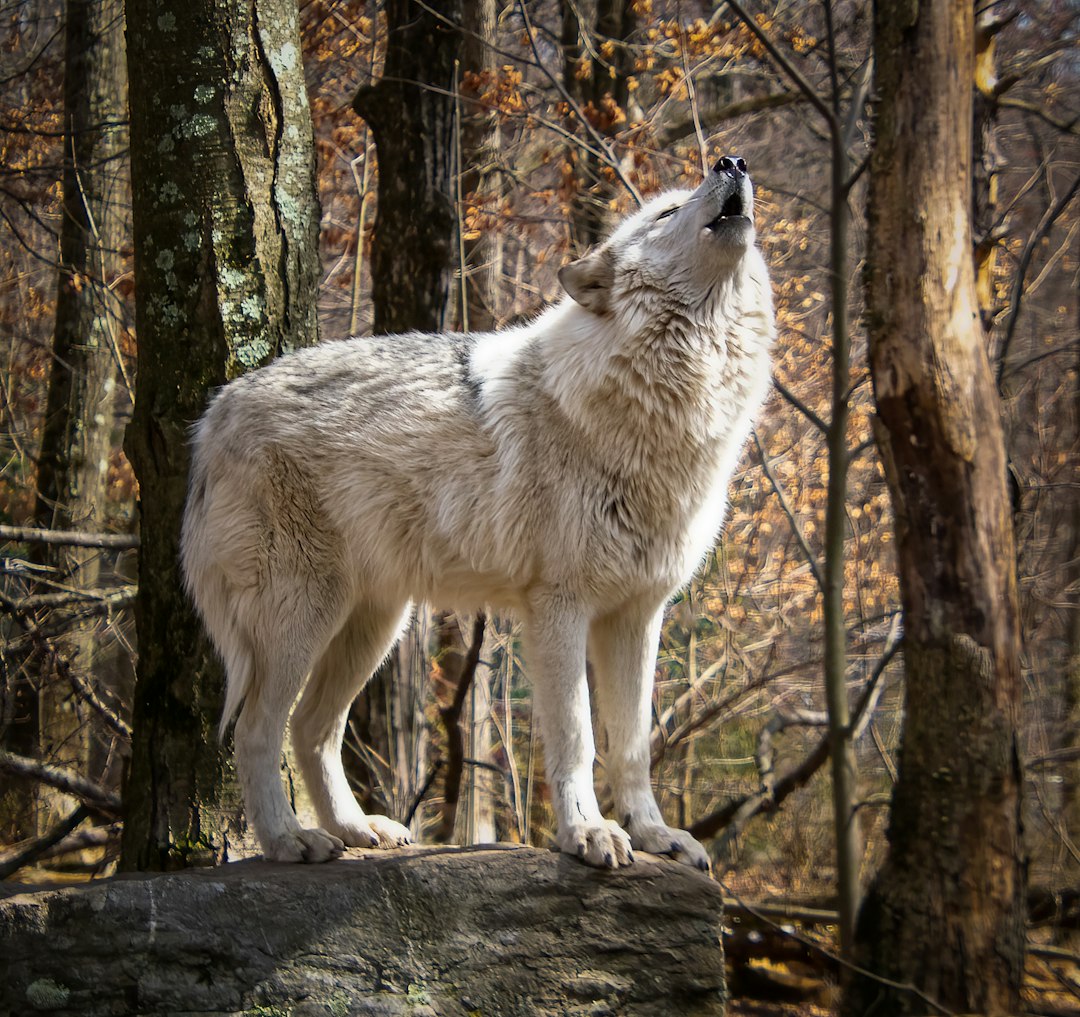
High-ranking wolves carry themselves erect and may even place their heads on top of a subordinate wolf’s neck or back. A confident alpha male or female carries its tail high, as a visible sign of authority, signaling a leadership role in the pack structure.
Every wolf’s posture tells a story about their place in the pack hierarchy. This lower-ranking wolf shows submission by rolling over and showing his belly, the most vulnerable part of his body, to the dominant wolf. The omega wolf, the lowest member in the pack hierarchy, displays its role physically by assuming a crouched position when approaching another wolf.
These physical displays prevent unnecessary conflicts. Rather than engaging in dangerous fights, wolves use their bodies like living billboards to broadcast their intentions and status within the group.
Facial Expressions as Silent Conversations
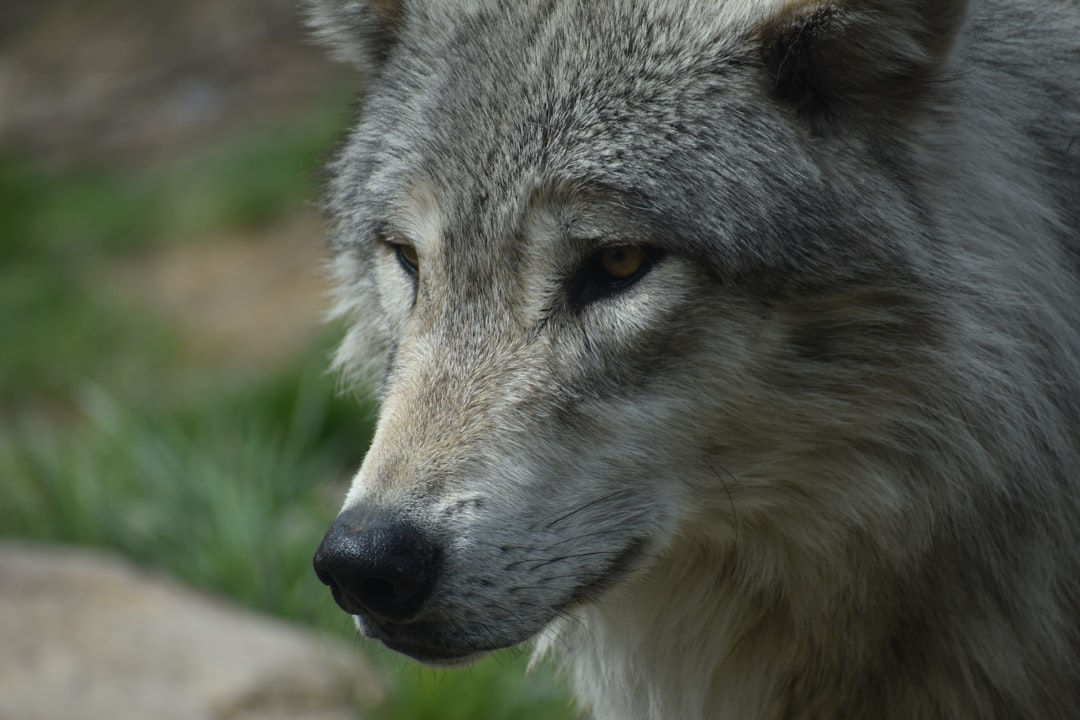
A wolf’s face is a dynamic display of visual cues. A dominant wolf’s curled lips, bared teeth, fixed stare, and ears jutting out horizontally tell other wolves to back off.
When a wolf displays an aggressive or dominant expressions, all parts of his body are forward. The eyes stare directly ahead, the ears are standing up and pressed forward, the corners of the lips are pushed forward and the hairs of the neck and back (hackles) are raised. Scientists studying wolf facial expressions have discovered they possess remarkably complex emotional displays.
The analyses revealed the presence of three different threatening faces (Light-, Medium- and High-TF), mainly performed during aggressive encounters, which differed in the degree of mouth opening and lip stretching. We also identified two different relaxed open mouth facial expressions (Full- and Half-ROM) exclusively performed during play and possibly signalling different levels of playful arousal.
The Chemistry of Communication
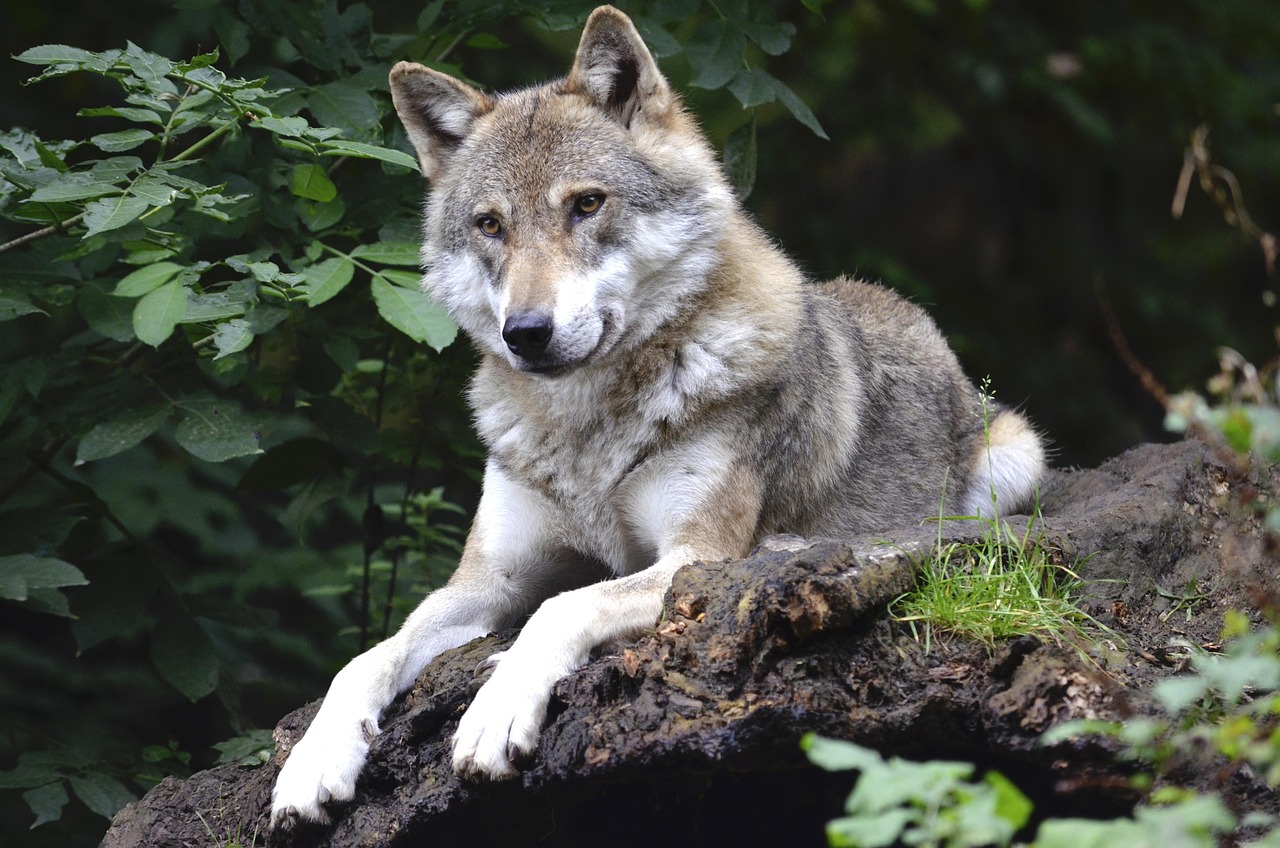
Wolves have scent glands that produce a personal signature in the form of pheromones. These glands exist many places on a wolf’s body including the dark spot on the back of the tail and between the toes on the bottoms of their feet, leaving their personal chemical stamp on the ground and in the snow where they walk.
Think of this as nature’s most sophisticated identification system. The odor produced by these glands varies according to the individual wolf’s microflora and diet, giving each a distinct “odor fingerprint”. This chemical communication allows wolves to leave detailed messages about their identity, health, and emotional state long after they’ve moved on.
RLU is considered to be one of the most important forms of scent communication in the wolf, making up 60–80% of all scent marks observed. Raised leg urination is considered to be one of the most important forms of scent communication in the wolf, making up 60–80% of all scent marks observed.
Territory Marking: The Silent Warning System
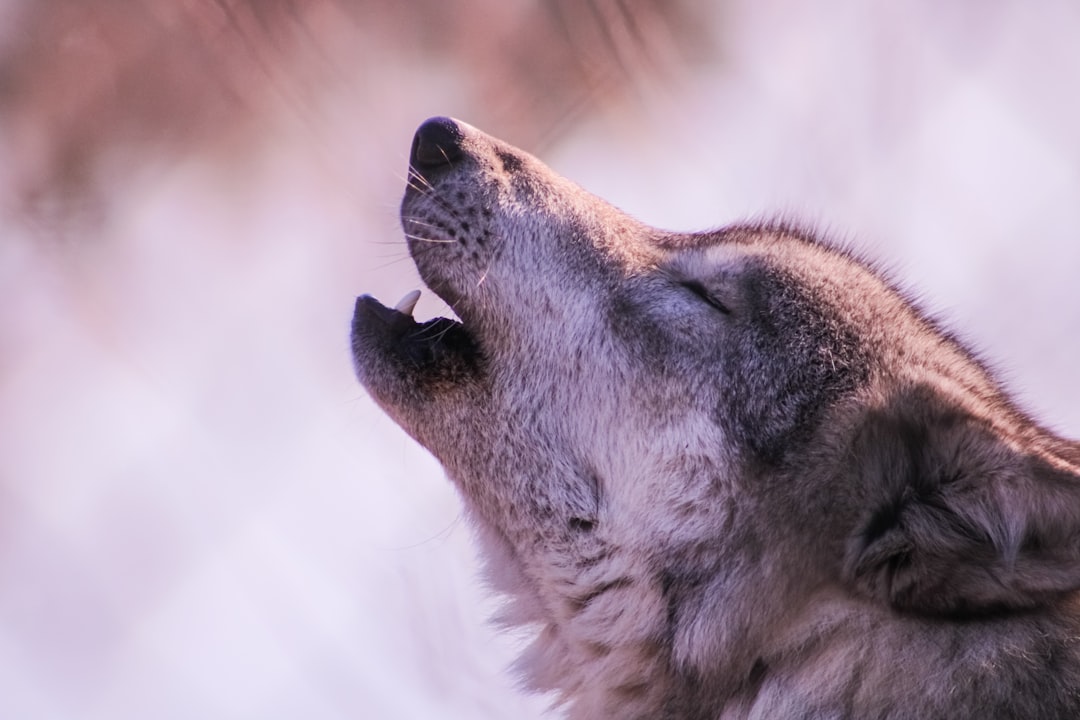
Wolves use scat and urine to mark the boundaries of the pack’s territory, a clear message to neighboring packs and dispersing wolves. This invisible fence system works remarkably well without any confrontation.
Wolves mark their territories with urine and scats, a behavior called scent–marking. When wolves from outside of the pack smell these scents, they know that an area is already occupied. It’s like posting “No Trespassing” signs that only wolves can read, preventing territorial disputes before they begin.
The sophisticated nature of this system extends beyond simple boundary marking. Dominant animals scent mark more frequently than subordinates during territorial patrols. When they do so they raise a leg, this dominant posture utilizes multiple forms of communication and is called a “Raised Leg Urination” or RLU.
Eye Contact and Subtle Social Cues
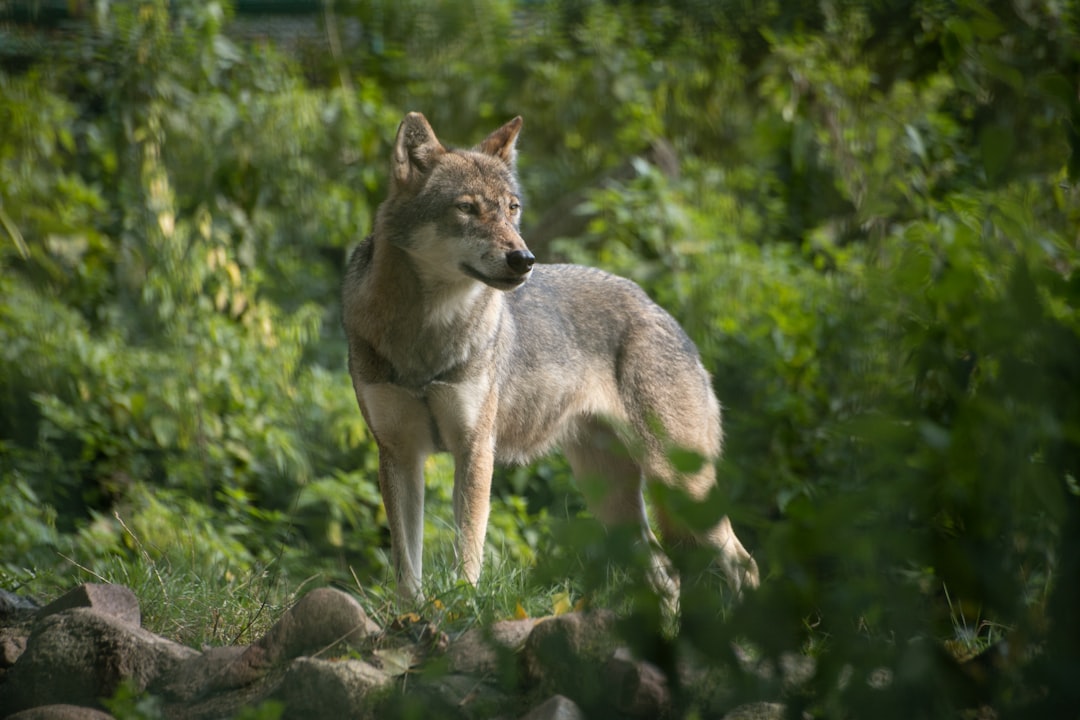
Believe it or not, much like humans, a large portion of communication between wolves is non-verbal. For example, wolves will look each other in the eye (like humans) when communicating a greeting, dominance behaviors, and other social gestures.
Often, subtle messages, like an authoritative stare from a dominant wolf and, in response, an averted glance by a subordinate wolf, are enough to keep individual status understood. These brief eye contact exchanges can resolve conflicts before they escalate into physical confrontations.
Similar to humans, gray wolves have facial color patterns in which the gaze direction can be easily identified, although this is often not the case in other canid species. The results suggested that the facial color pattern of canid species is related to their gaze communication, and that especially gray wolves use the gaze signal in conspecific communication.
Pack Coordination Through Silent Signals
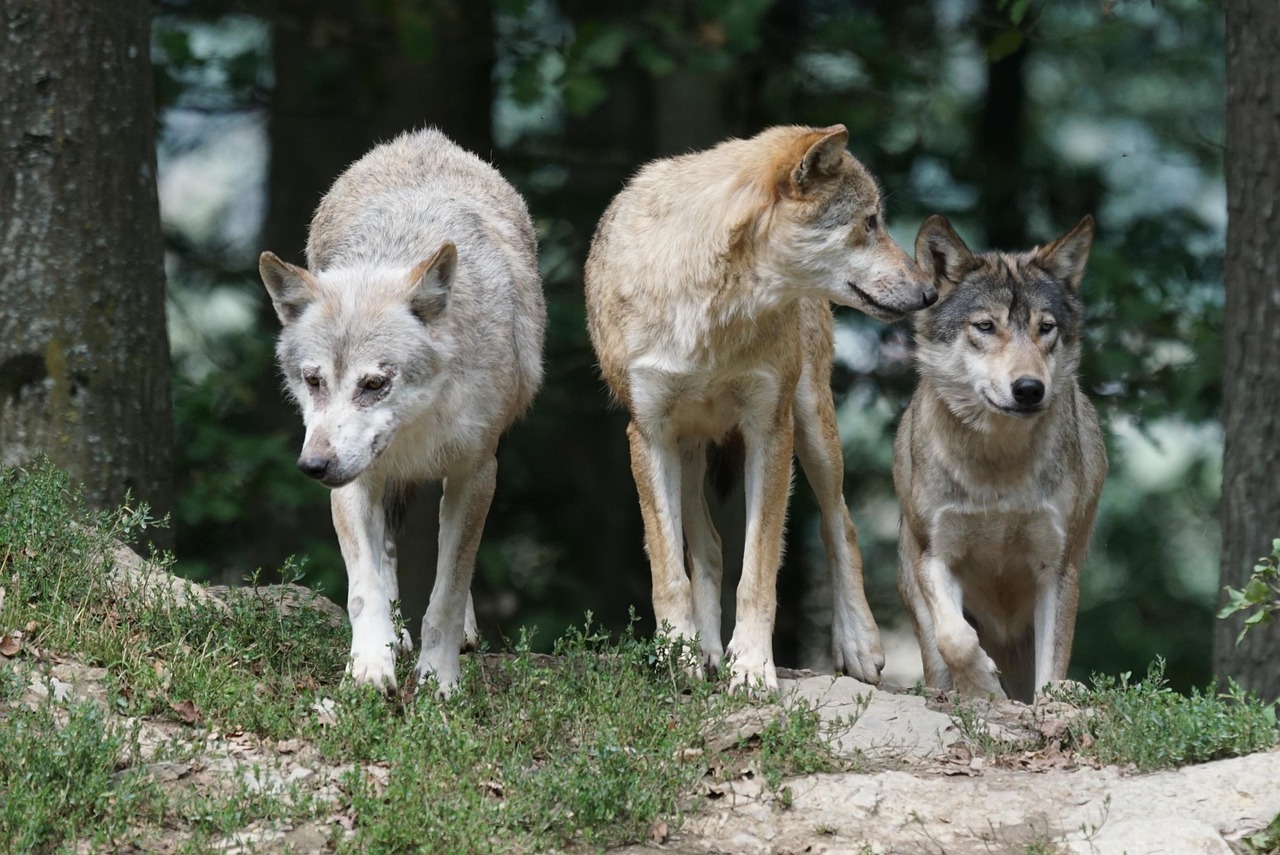
Wolves display remarkable coordination during group movements without vocalizing, relying instead on a sophisticated system of visual cues and body language. When traveling as a pack, wolves maintain awareness of each other’s positions through a combination of visual monitoring and body posture signals.
During hunts, this silent communication becomes even more critical. The lead wolf – often but not always the alpha – initiates movement with subtle postural changes that signal intention to other pack members. This wordless coordination allows the entire pack to move as a synchronized unit without alerting potential prey.
The benefits of this system become clear when you consider that a single misplaced vocalization could ruin an entire hunt or expose the pack’s location to competitors or threats.
Play and Social Bonding Without Words
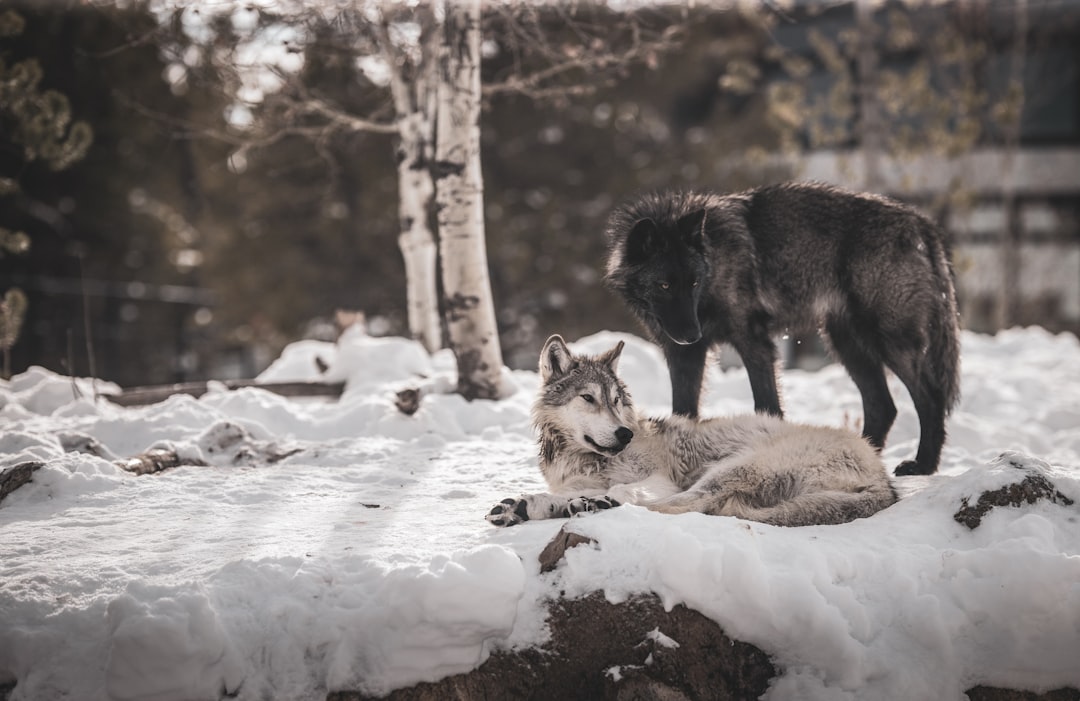
When seeking to play with a fellow pack mate, a wolf will often stretch their front legs out and raise their hind quarters in the air in what is called a play bow. Play can include a game of chase.
When wolves are together, they commonly indulge in behaviors such as nose pushing, jaw wrestling, cheek rubbing and facial licking. The mouthing of each other’s muzzles is a friendly gesture, while clamping on the muzzle with bared teeth is a dominance display. These tactile interactions strengthen pack bonds and establish social relationships.
A third non-vocal form of communication in wolves is tactile communication. Wolves use physical contacts, such as nuzzling, licking, and grooming, to strengthen social bonds and communicate affection. Tactile communication is crucial for maintaining the unity of the pack, especially during times of stress or conflict.
Conclusion
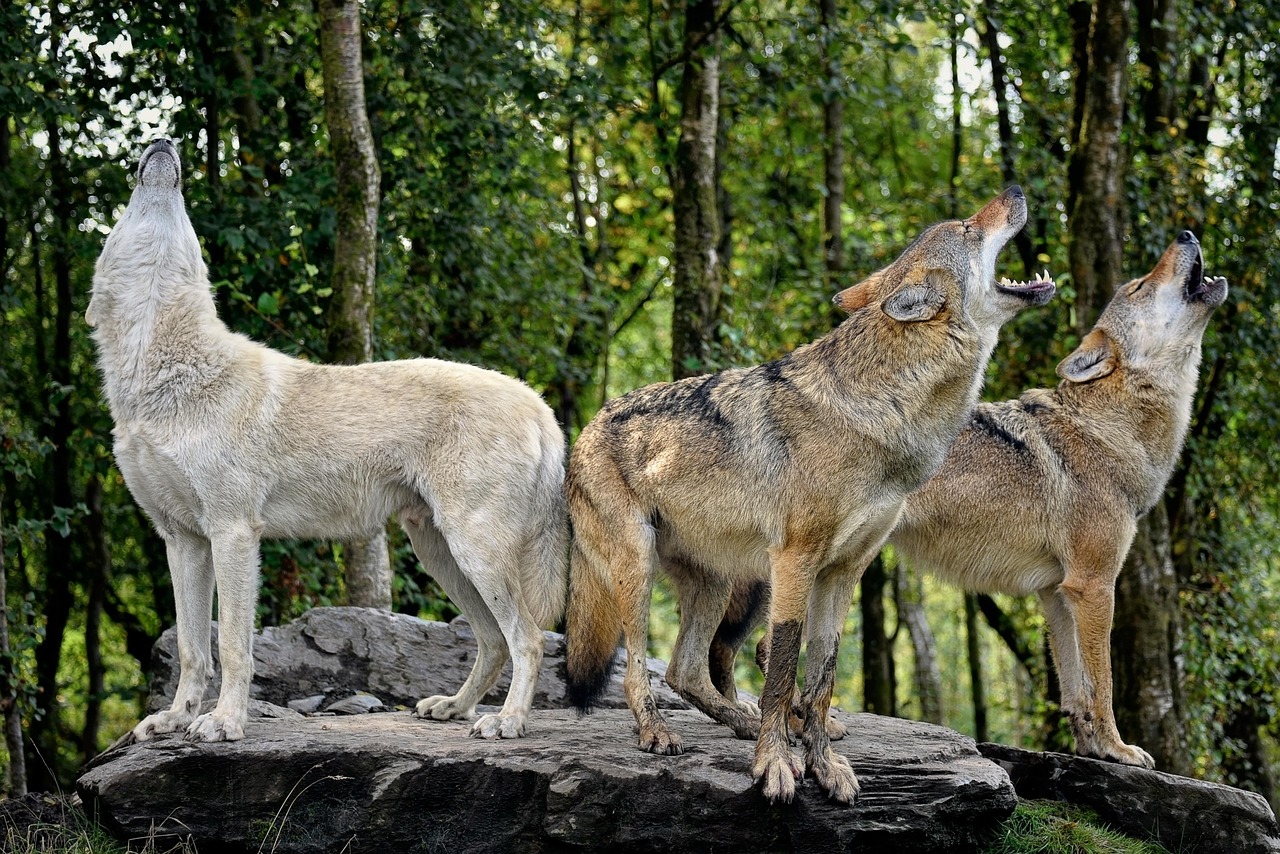
The silent communication system of wolves reveals an extraordinary level of social sophistication that surpasses many species’ abilities. The sophisticated silent communication system of wolves reveals the remarkable social intelligence of these apex predators, demonstrating how evolution has crafted elegant solutions to the challenges of cooperative living and predation. Through a complex integration of body postures, facial expressions, scent marking, and spatial relationships, wolves conduct rich social dialogues without making a sound – communicating emotional states, coordinating group activities, resolving conflicts, and maintaining social bonds all through silent means.
These discoveries challenge our traditional understanding of animal communication and show us that sometimes the most important conversations happen without words. Nature has equipped wolves with tools far more subtle and sophisticated than we ever imagined, proving once again that the natural world holds secrets that continue to amaze us.
What do you think about wolves’ incredible silent communication abilities? Tell us in the comments.
