

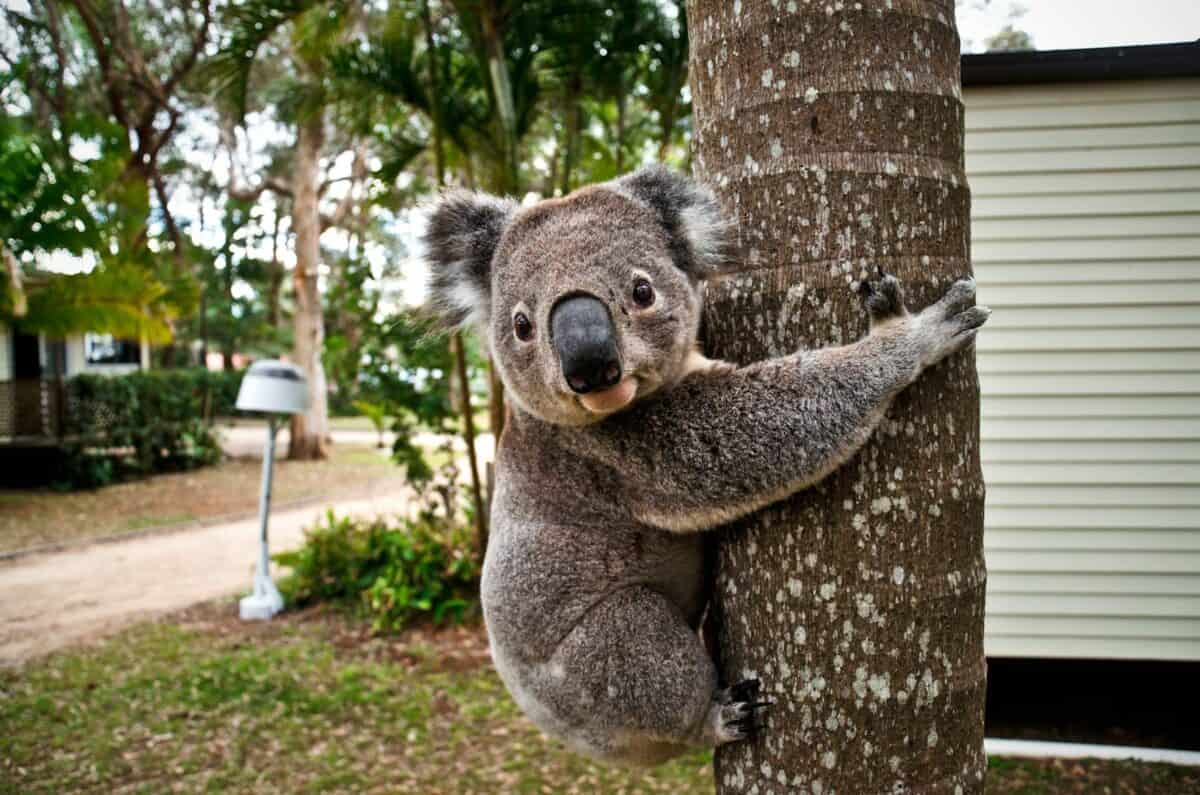
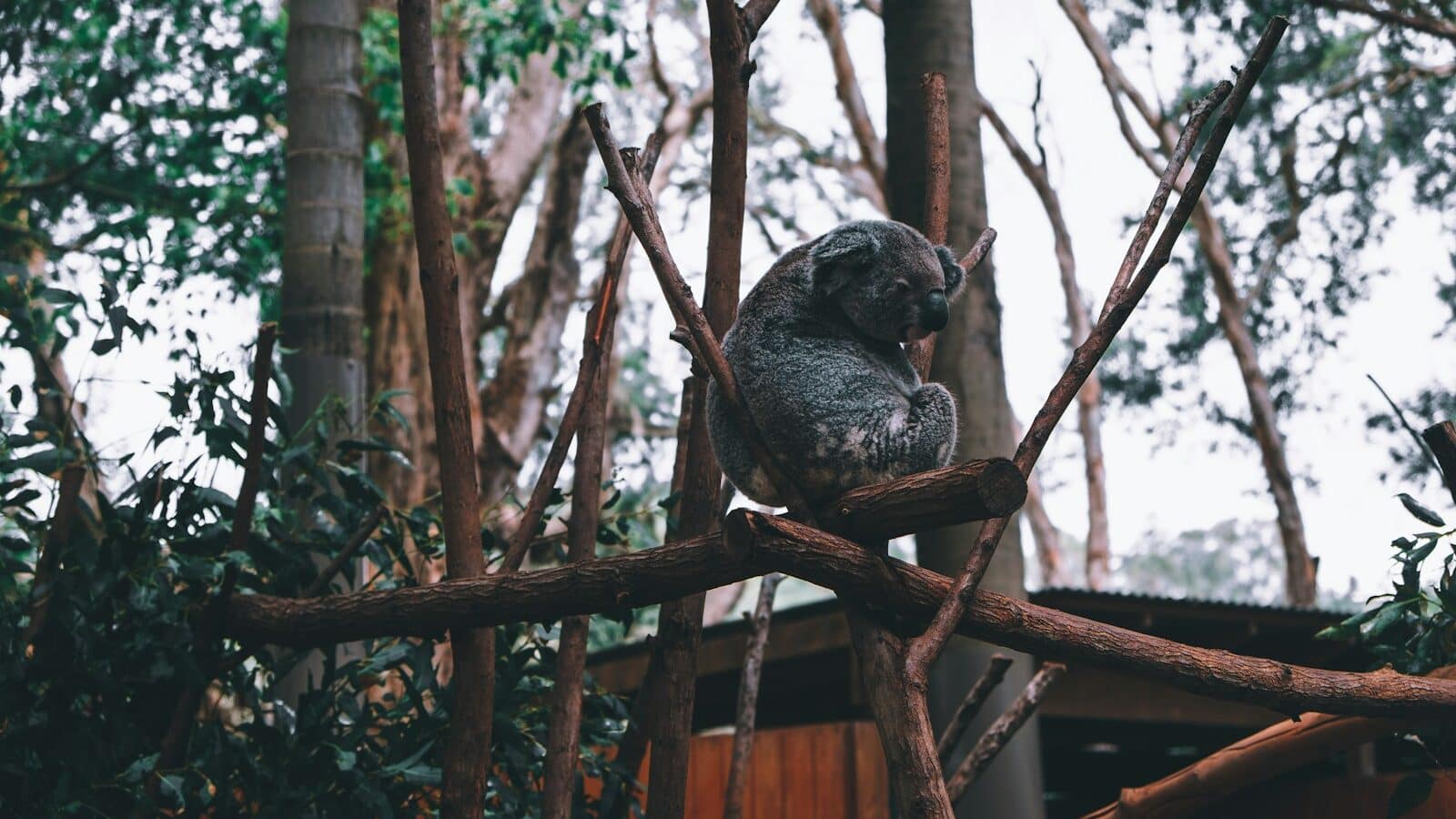
When most people think of koalas, they often refer to them as “koala bears,” perpetuating one of the most widespread misconceptions in animal classification. Despite their cuddly appearance and somewhat bear-like faces, koalas have no biological relationship to bears whatsoever. This misnomer dates back to European colonizers who first encountered these unique creatures in Australia and, seeing a superficial resemblance to bear cubs, applied the label that has stuck for generations.
The confusion is understandable at first glance – both koalas and bears are furry mammals with rounded ears and no visible tail. However, beyond these superficial characteristics, the similarities end abruptly. This persistent misconception has not only created taxonomic confusion but has also potentially affected how people understand koala conservation needs. Bears and koalas face entirely different threats and require different conservation approaches, making accurate classification more than just a scientific technicality.
The Taxonomic Reality
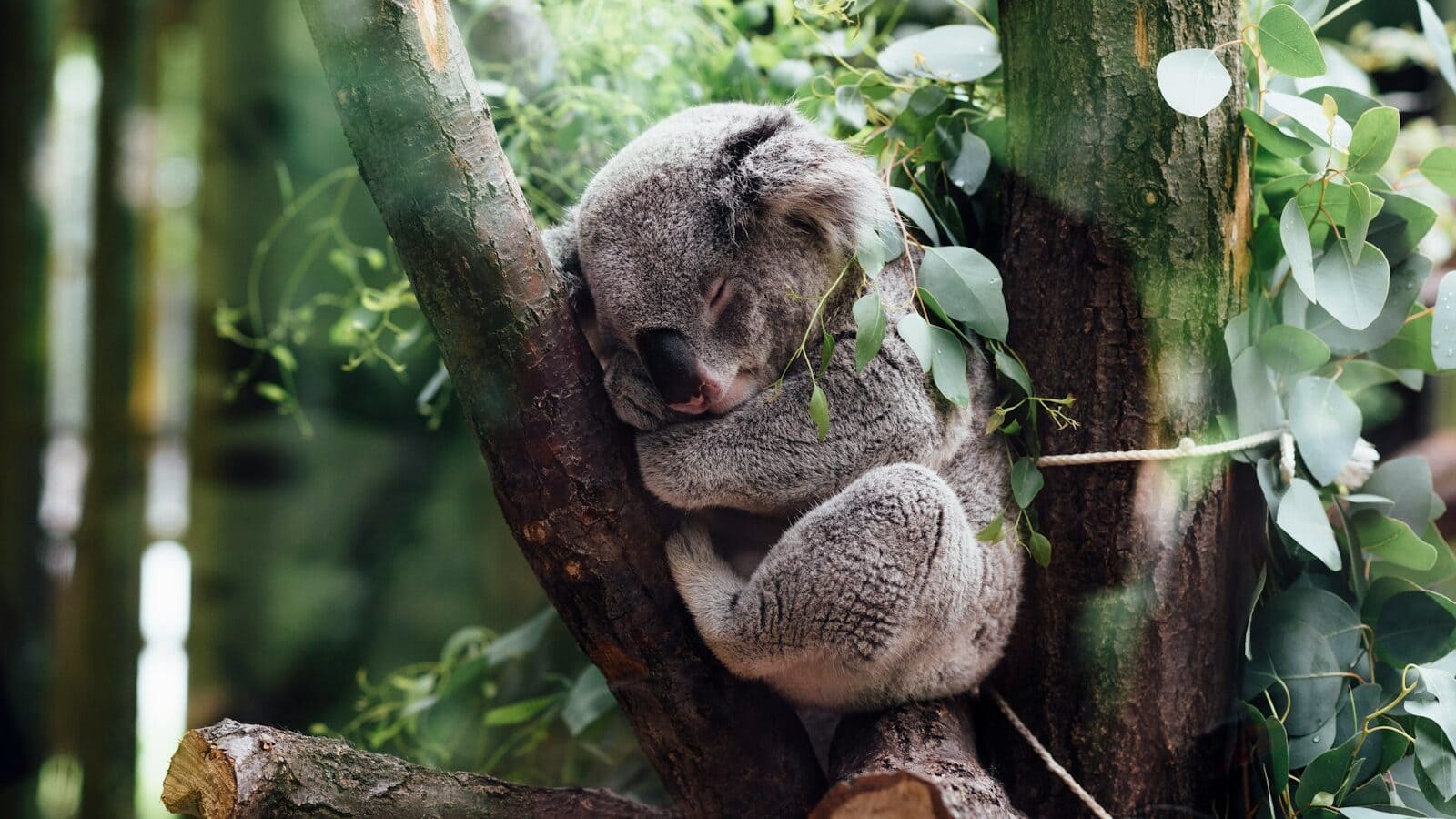
From a scientific perspective, koalas (Phascolarctos cinereus) belong to the family Phascolarctidae and are marsupials, a distinctive infraclass of mammals whose females typically carry and nurse their young in a pouch. This places them alongside kangaroos, wombats, and possums in the taxonomic order Diprotodontia. Bears, on the other hand, are members of the family Ursidae within the order Carnivora, alongside cats, dogs, and seals – making them completely unrelated to koalas from an evolutionary standpoint.
The scientific classification of koalas shows they are not just separate species from bears, but belong to an entirely different mammalian lineage that diverged over 100 million years ago. While bears evolved from carnivorous ancestors in the Northern Hemisphere, marsupials like the koala developed their unique reproductive strategy in what would eventually become Australia, South America, and Antarctica when these landmasses were still connected as part of the supercontinent Gondwana. This dramatic evolutionary separation represents one of the clearest examples of convergent evolution, where unrelated species develop similar traits independently.
The Marsupial Difference
The most fundamental difference between koalas and bears lies in their reproductive biology. As marsupials, koalas give birth to extremely underdeveloped young after a short gestation period of just 35 days. These tiny joeys – typically weighing less than one gram and measuring about 2 centimeters long – are essentially still embryonic when born. They make an incredible journey from the birth canal to their mother’s pouch, where they continue to develop while attached to a teat for about six to seven months before emerging.
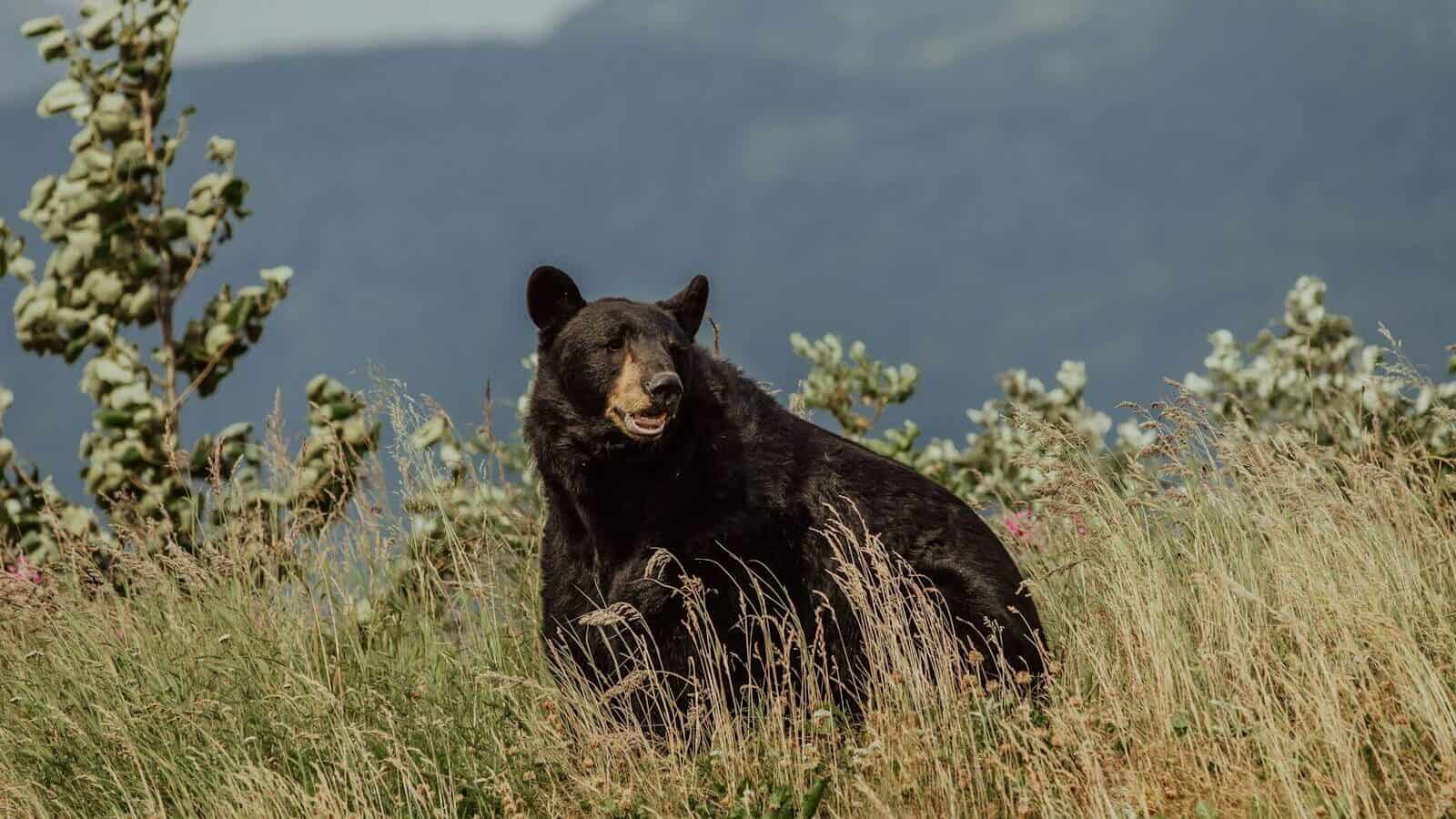
Bears, as placental mammals, have a completely different reproductive strategy. They sustain their developing offspring through a placenta inside the uterus for a much longer gestation period – typically several months – and give birth to more developed young. This fundamental biological difference represents a major evolutionary divide that separates koalas from bears more definitively than almost any other characteristic. The marsupial reproductive approach evolved as an adaptation to Australia’s harsh and unpredictable environment, allowing mother koalas to adjust their reproductive investment based on available resources.
Physical Differences

Beyond their reproductive systems, koalas and bears differ dramatically in their physical characteristics. Koalas typically weigh between 4 and 15 kilograms (9-33 pounds), with males being larger than females. Bears, depending on the species, can weigh anywhere from 27 kilograms (60 pounds) for sun bears to over 800 kilograms (1,700 pounds) for large male polar bears – making even the smallest bear species substantially larger than the largest koala. This massive size difference reflects their entirely different ecological niches and evolutionary histories.
Koalas also possess anatomical features unique to marsupials, including a backwards-facing pouch and specialized digestive systems adapted for processing eucalyptus leaves. They have distinctive physical adaptations like specialized hands with two opposable thumbs for gripping tree branches, large calloused pads on their rumps for comfortable sitting in trees for hours, and sharp claws for climbing. Bears have none of these adaptations, instead evolving features suited to their generally omnivorous lifestyles, including powerful builds, non-retractable claws for digging, and skull structures designed for a wide range of dietary habits.
Dietary Specialization
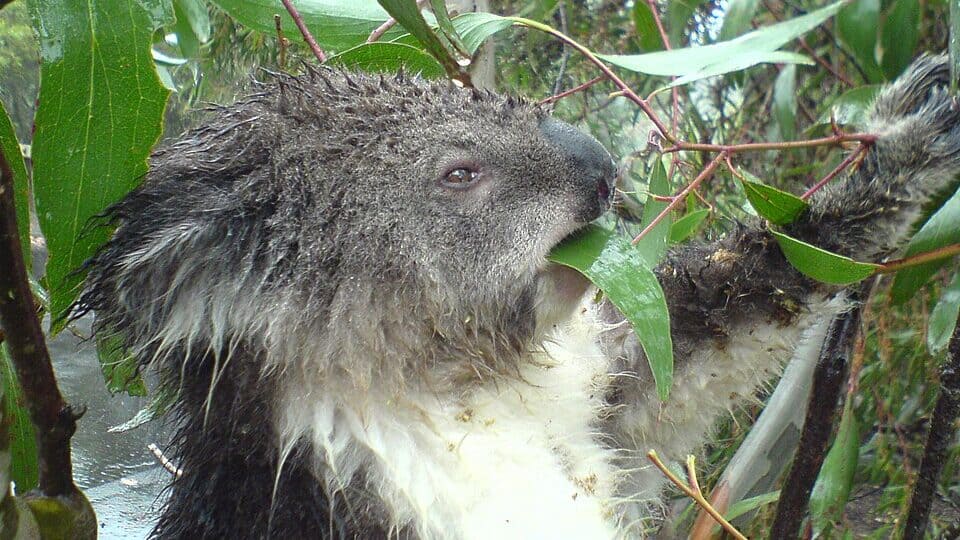
The koala’s diet represents one of the most specialized feeding strategies in the mammal world, consisting almost exclusively of eucalyptus leaves – a food source that would be toxic to most other mammals. Their highly specialized digestive system includes a caecum (a pouch connecting the small and large intestines) that measures up to two meters long, filled with bacteria that break down the toxic compounds in eucalyptus. This extreme dietary specialization contrasts sharply with the typically omnivorous diet of bears, who eat everything from berries and insects to fish and mammals.
This dietary adaptation has profound implications for koalas’ behavior and physiology. The low nutritional value and high toxicity of eucalyptus leaves means koalas must conserve energy, sleeping or resting for up to 20 hours a day. Their specialized metabolism extracts minimal calories from their food, providing just enough energy for their relatively sedentary lifestyle. Bears, by contrast, have versatile digestive systems that can process a wide variety of foods, and many species undergo periods of hyperphagia (excessive eating) to build fat reserves for hibernation – a behavior completely absent in koalas, who remain active year-round in Australia’s relatively stable climate.
Evolutionary History
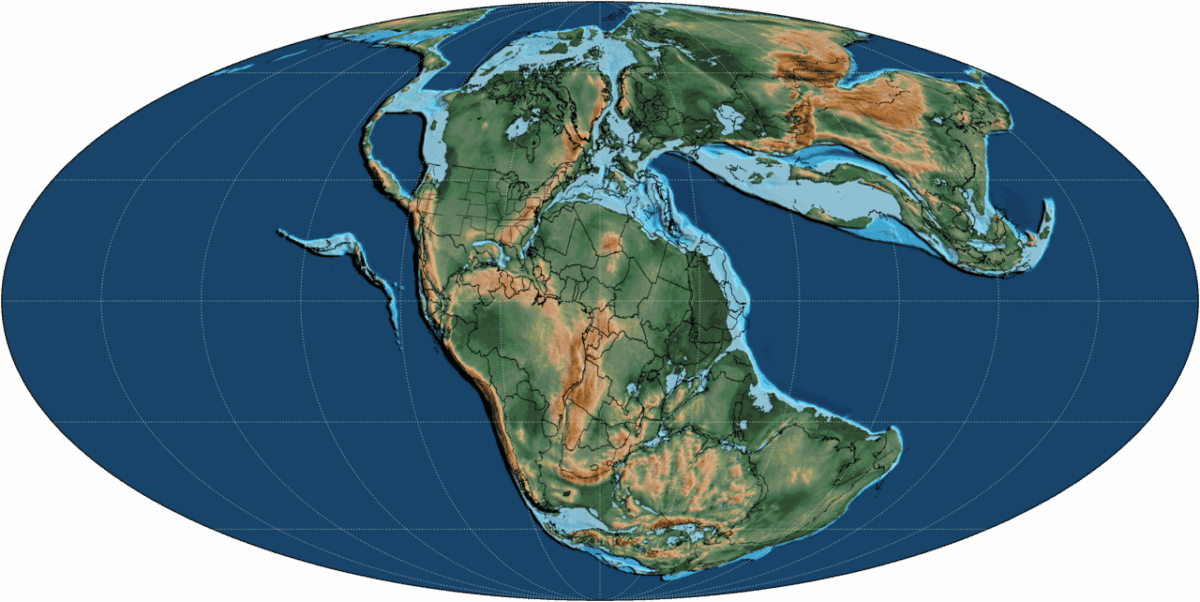
The evolutionary paths of koalas and bears diverged around 160 million years ago during the Jurassic period when mammals were first diversifying. The marsupial lineage that would eventually produce koalas evolved primarily in isolation on the southern supercontinent Gondwana, while the ancestors of modern bears developed in the northern landmass of Laurasia. This geographic and evolutionary separation is so profound that koalas are actually more closely related to kangaroos and even platypuses than they are to bears.
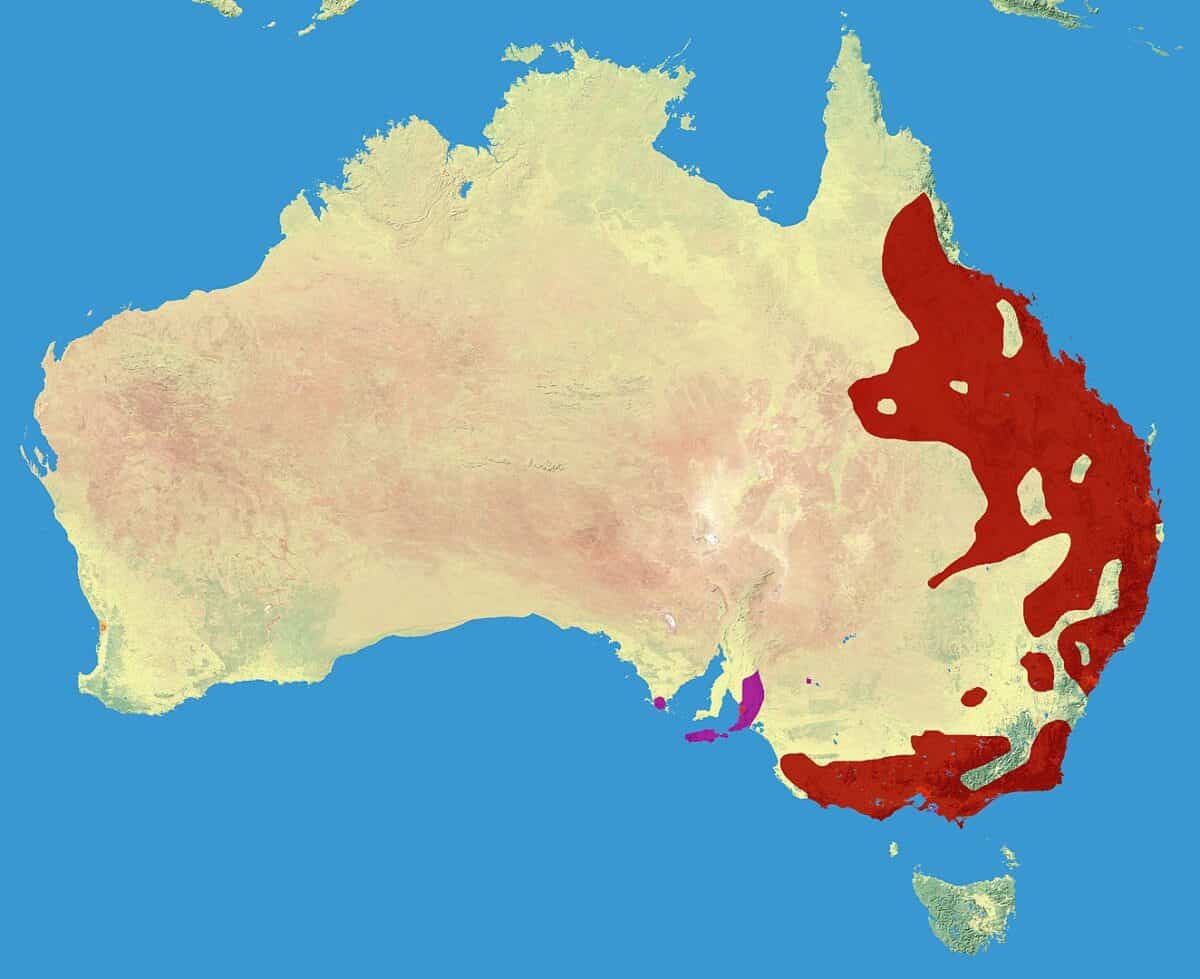
Fossil records indicate that the koala family (Phascolarctidae) was once much more diverse, with at least 15 species identified that were distributed throughout Australia. Today’s koala is the sole surviving member of this once-varied family, having evolved its specialized lifestyle approximately 15 million years ago. Bears, meanwhile, diversified into the eight species we know today (including the giant panda, polar bear, and various brown and black bear species) over the last 5-10 million years, spreading throughout North America, Europe, and Asia. At no point did these evolutionary paths cross or share common territory until humans introduced the term “koala bear” in the 18th century.
Origins of the Misnomer
The term “koala bear” originated when European settlers first encountered these curious animals in Australia in the late 18th century. The name stuck largely because of the superficial physical similarities – the round, furry appearance and forward-facing eyes created an impression reminiscent of bear cubs. The earliest documented use of the term appears in European naturalists’ journals from the early 1800s, when systematic zoological classification was still developing and before the unique characteristics of marsupials were fully understood.
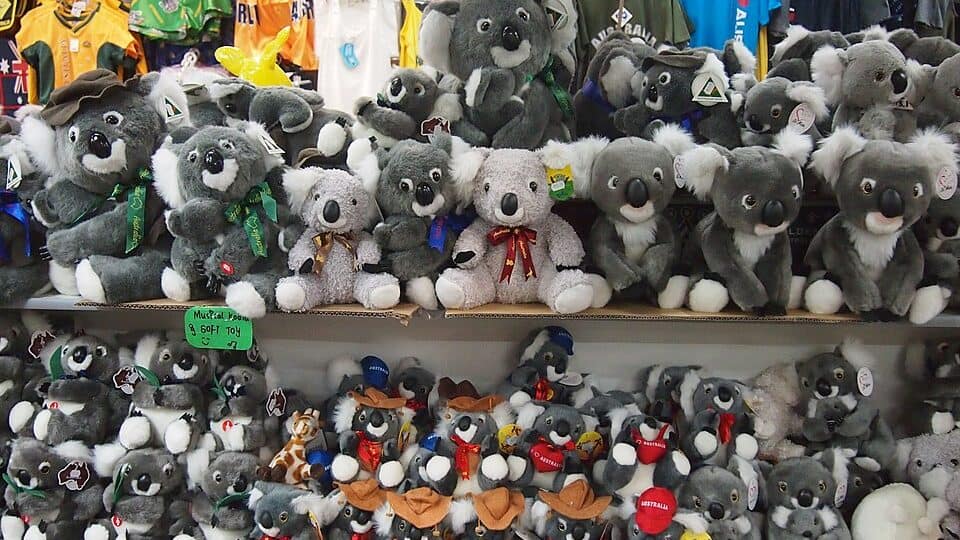
John Gould, a prominent British ornithologist and naturalist who studied Australian wildlife in the 1830s, was among the first scientists to correctly classify koalas as marsupials rather than bears. Despite this scientific clarification nearly 200 years ago, the colloquial name “koala bear” persisted in popular culture, reinforced through children’s books, toys, and media. The enduring nature of this misnomer demonstrates how difficult it can be to correct widely accepted but inaccurate terminology once it becomes embedded in common language – a phenomenon seen with other misnamed animals like the mountain goat (not actually a goat) and the electric eel (not actually an eel).
Cultural Significance
For Indigenous Australian peoples, particularly the Dharug, Gundungurra, and Tharawal nations, the koala has profound cultural significance and is known by various names including “koala,” “koolah,” and “colah” – words that roughly translate to “no drink” in reference to the animal’s ability to obtain most of its hydration from eucalyptus leaves. These cultures developed accurate understandings of koala biology and behavior through thousands of years of observation, incorporating the animal into their Dreamtime stories and sustainable hunting practices long before European taxonomy existed.
The misclassification as “bears” represents more than just a taxonomic error; it reflects a broader pattern of European colonizers overlaying familiar frameworks onto unfamiliar environments rather than learning from indigenous knowledge systems. Today, the koala serves as one of Australia’s most recognizable symbols worldwide, appearing on everything from tourism campaigns to currency. The continued use of “koala bear” in casual conversation, despite scientific correction, demonstrates how cultural perceptions can sometimes resist scientific accuracy, particularly when emotional connections to familiar terminology are involved.
Conservation Implications

The misconception that koalas are bears can have subtle but real implications for conservation efforts. When people incorrectly associate koalas with bears, they might assume similarities in habitat needs, threats, and conservation approaches that don’t align with the marsupial’s actual requirements. For instance, while many bear species face threats from trophy hunting or use in traditional medicines, koalas face entirely different pressures centered around habitat loss, disease, vehicle strikes, and domestic dog attacks.
Understanding koalas as marsupials is crucial for developing appropriate conservation strategies. Their specialized diet means they cannot simply relocate when eucalyptus forests are cleared, unlike more adaptable omnivores like bears. Their slow reproductive rate – typically producing just one joey per year – means populations recover slowly from declines. Following the devastating 2019-2020 Australian bushfires, which killed an estimated 60,000 koalas and affected 24% of their habitat in eastern Australia, accurate biological understanding has been critical for recovery efforts. Recognition of their unique marsupial biology, not bear-like characteristics, informs everything from habitat protection to medical treatment protocols for injured individuals.
Similar Misnomers in Animal Classification
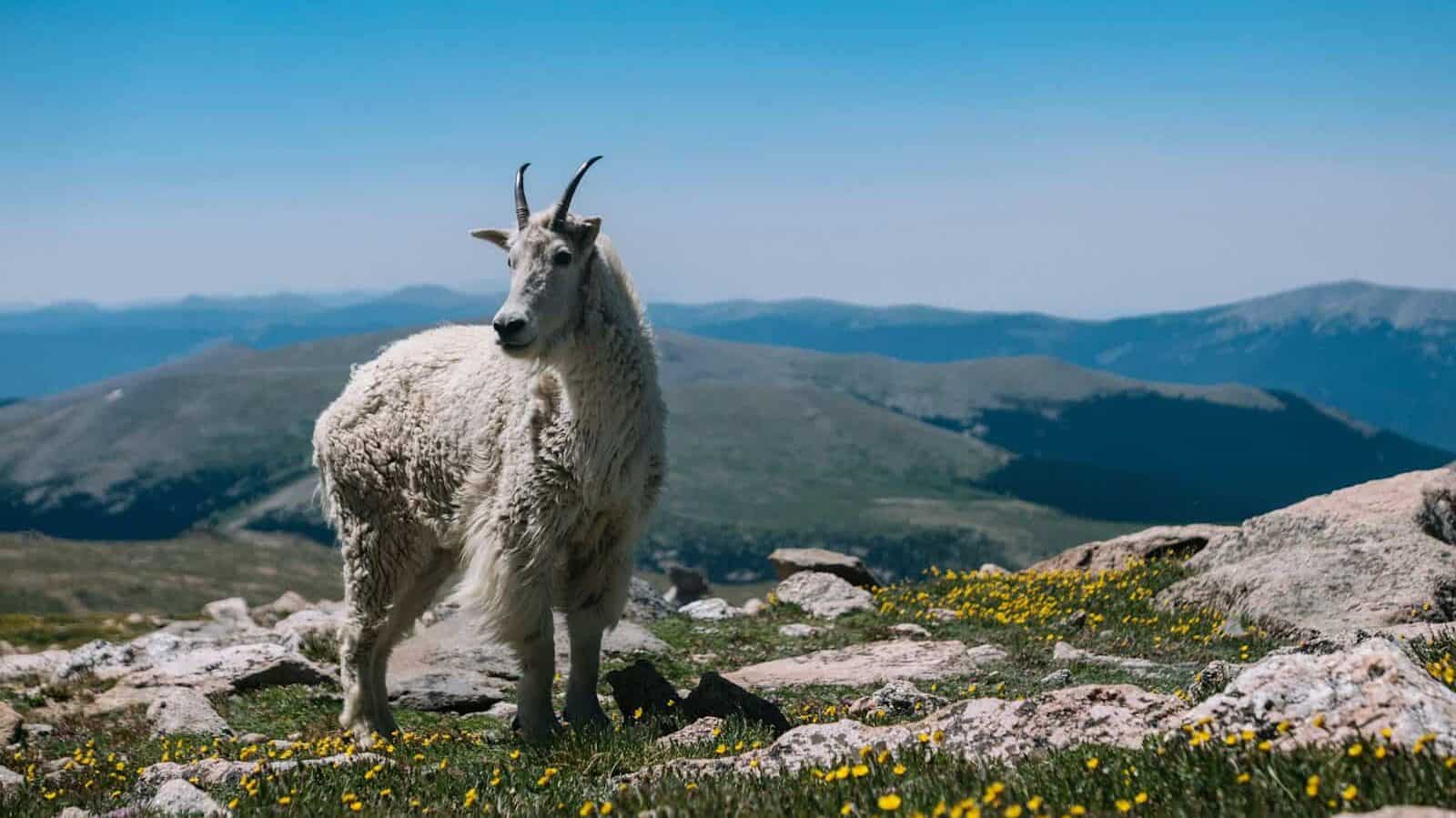
The koala-bear misconception is far from the only case of misleading animal naming. Other notable examples include the mountain “goat” (Oreamnos americanus), which is actually more closely related to antelopes; the electric “eel” (Electrophorus electricus), which is a knifefish, not an eel; and perhaps most famously, the giant “panda” (Ailuropoda melanoleuca), which after much scientific debate was confirmed to be a true bear despite its unusual bamboo diet and some anatomical differences from other bears.
These misnomers often arise from early descriptive naming based on superficial similarities rather than evolutionary relationships – a problem that modern biological classification, based on DNA analysis and cladistics, has largely resolved scientifically but not always in popular usage. While the giant panda earned its bear classification, the red panda (Ailurus fulgens) represents another misleading name – it’s not a bear at all but belongs to its own unique family. These examples highlight how visual resemblance can lead to taxonomic confusion that persists in common language long after scientific classification has been established, similar to the ongoing koala situation.
Educational Efforts
Zoos, wildlife parks, and conservation organizations worldwide have made concerted efforts to correct the “koala bear” misconception through their educational materials and exhibits. The Australian Koala Foundation, for instance, specifically addresses this issue in their educational resources, explaining that using the correct terminology is important for understanding the animal’s true nature and conservation needs. Many Australian tourism materials now explicitly mention that koalas are not bears in an effort to spread accurate information about the country’s unique fauna.
These educational initiatives face the challenge of overcoming deeply ingrained terminology that has persisted for generations. However, with increased scientific literacy and greater global interest in Australia’s unique wildlife, particularly following high-profile conservation challenges like the 2019-2020 bushfires, awareness about koalas’ true classification has grown. School curricula in many countries now specifically address common animal classification misconceptions, including the koala example, helping to ensure future generations understand the remarkable evolutionary story of marsupials as distinct from placental mammals like bears.
The persistent misconception of koalas as bears represents more than just a simple naming error – it obscures the remarkable evolutionary story of marsupials and their unique adaptations to Australia’s challenging environment. By recognizing koalas as the specialized marsupials they are, we gain a deeper appreciation for the diversity of mammalian life and the different evolutionary paths that produced today’s wildlife. Their specialized eucalyptus diet, distinctive reproductive strategy, and remarkable adaptations make them far more interesting as marsupials than they would be as merely another bear species.
Understanding koalas’ true classification also has practical implications for their conservation, informing habitat protection efforts, medical care protocols, and public education initiatives. As climate change and habitat loss continue to threaten koala populations across Australia, accurate biological knowledge becomes increasingly important for ensuring their survival. The next time you’re tempted to call them “koala bears,” remember that you’re looking at something far more unique – a living representative of an ancient marsupial lineage that evolved in isolation for millions of years, producing one of the world’s most specialized and beloved animals.

- 14 Ways Horses Have Shaped Human History - June 12, 2026
- What Lives in the Marshes and Woodlands of the Northeast - June 12, 2026
- 15 Signs Your Cat Is Totally Obsessed With You - June 12, 2026