

The Great Plains of North America stretch across a vast expanse of territory, from Texas in the south to parts of Canada in the north, and from the Rocky Mountains in the west to the Mississippi River valley in the east. This immense grassland ecosystem, once one of the largest in the world, supports a diverse array of wildlife that has evolved specialized adaptations to thrive in this open environment. From the iconic American bison that once numbered in the millions to the swift pronghorn antelope and burrowing prairie dogs, the Great Plains hosts a remarkable community of animals that have shaped—and been shaped by—this unique landscape. Despite significant habitat loss and fragmentation due to agricultural conversion and development, many species continue to roam these prairies, representing a vital part of America’s natural heritage and ecological history.
The American Bison: Icon of the Plains

No animal symbolizes the Great Plains more powerfully than the American bison (Bison bison). Once numbering between 30-60 million individuals, these massive mammals—weighing up to 2,000 pounds and standing six feet tall at the shoulder—dominated the prairie landscape. Bison are ecosystem engineers, creating habitat for other species through their grazing patterns, wallowing behavior (which creates depressions that collect water), and nutrient cycling through their waste. Their massive, woolly heads are specially adapted to push through deep snow to reach winter forage, while their muscular humps support powerful neck muscles that allow them to sweep their heads side to side to clear snow. Though nearly exterminated by the late 1800s, with fewer than 1,000 individuals remaining, conservation efforts have restored bison populations to approximately 500,000 today. However, only about 30,000 are managed for conservation purposes, with most living in commercial herds. Free-ranging herds can now be seen in protected areas like Yellowstone National Park, Theodore Roosevelt National Park, and various wildlife refuges throughout the Great Plains.
Pronghorn: The Prairie Speedsters
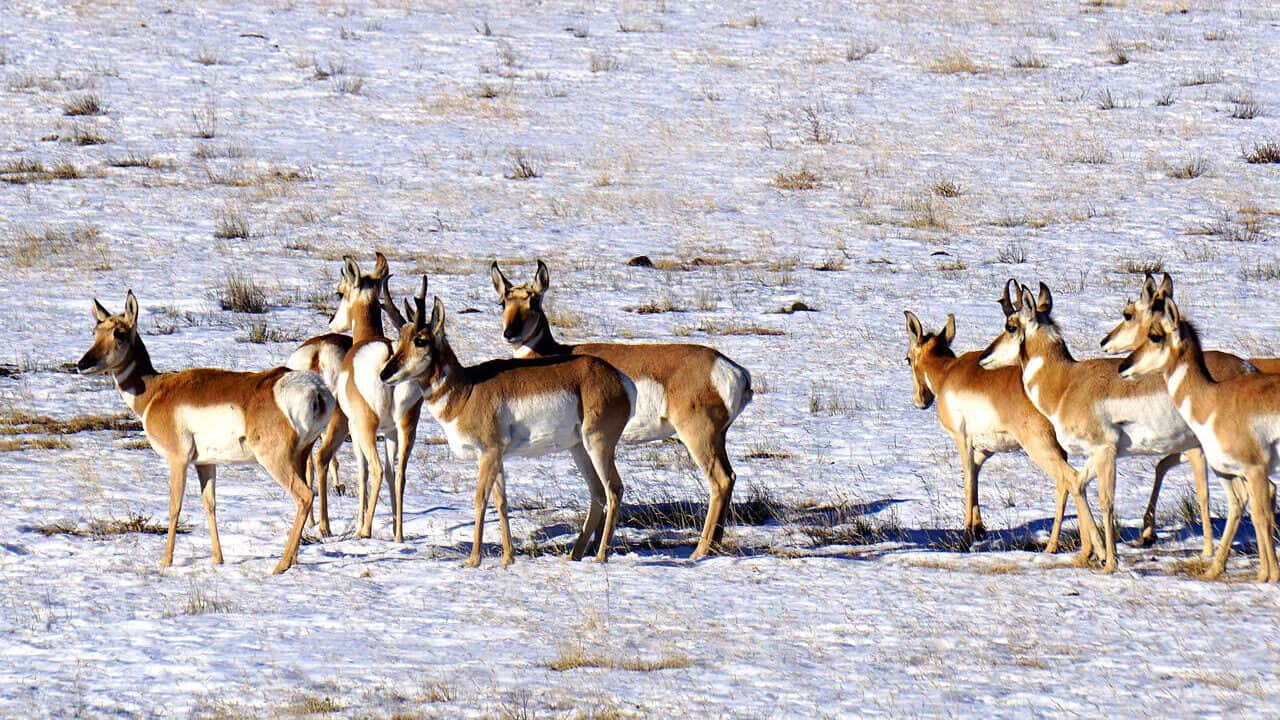
The pronghorn (Antilocapra americana) is North America’s fastest land mammal, capable of sustained speeds of up to 35 mph and bursts of over 60 mph—an adaptation developed to escape now-extinct American cheetahs that once hunted them. Though often called “antelope,” pronghorns are actually the sole surviving member of the family Antilocapridae, endemic to North America. Their distinctive forked horns, which give them their name, are unique—unlike true antelope horns, they have a bony core but are covered with keratin sheaths that are shed annually. Pronghorns have adapted to the wide-open spaces of the Great Plains with oversized windpipes, lungs, and hearts that support their remarkable speed, along with large eyes positioned on the sides of their head that provide nearly 360-degree vision to spot predators. Before European settlement, an estimated 35 million pronghorns roamed the plains; today, approximately 700,000 remain, primarily in Wyoming, Montana, and other western states, making them a conservation success story among native plains mammals.
Prairie Dogs: Ecosystem Engineers
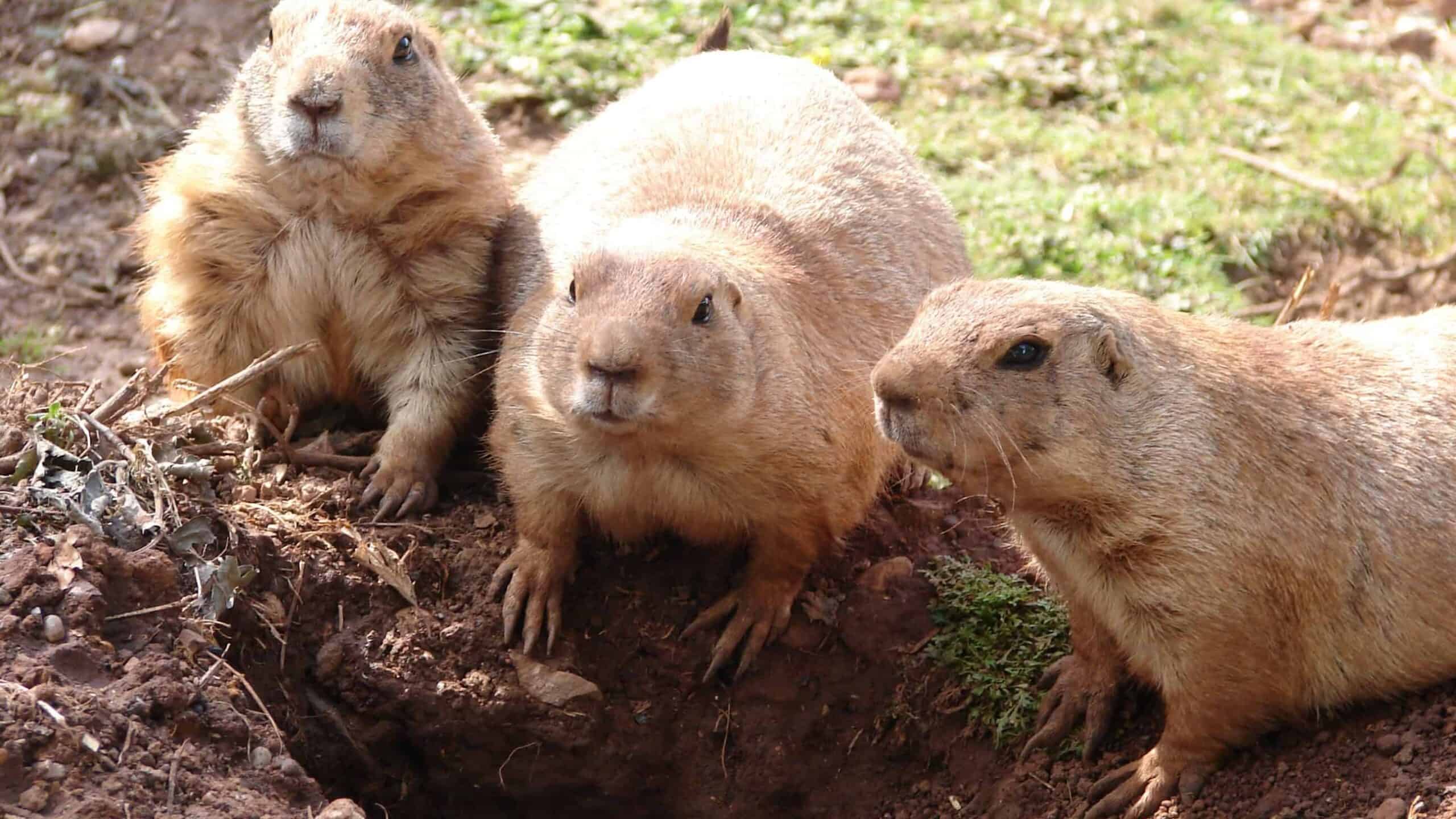
Prairie dogs (genus Cynomys) are keystone species of the Great Plains, with five species found across the region: black-tailed, white-tailed, Gunnison’s, Utah, and Mexican prairie dogs. These highly social rodents live in complex underground towns or “colonies” that can span thousands of acres and contain millions of individuals. Their extensive burrowing aerates the soil, increases water penetration, and cycles nutrients—activities that benefit plant diversity and productivity. Their colonies create habitat for numerous other species, including burrowing owls, black-footed ferrets, swift foxes, and various reptiles and amphibians. Prairie dogs also modify vegetation through their selective grazing, which helps maintain open grassland habitat. They communicate through a sophisticated vocal system including specific alarm calls that can identify different predator types. Despite their ecological importance, prairie dog populations have declined by over 95% in the last century due to habitat conversion, systematic poisoning campaigns, and sylvatic plague. Conservation efforts now focus on protecting remaining colonies and reintroducing these crucial ecosystem engineers to restore prairie function.
Coyotes: Adaptable Predators
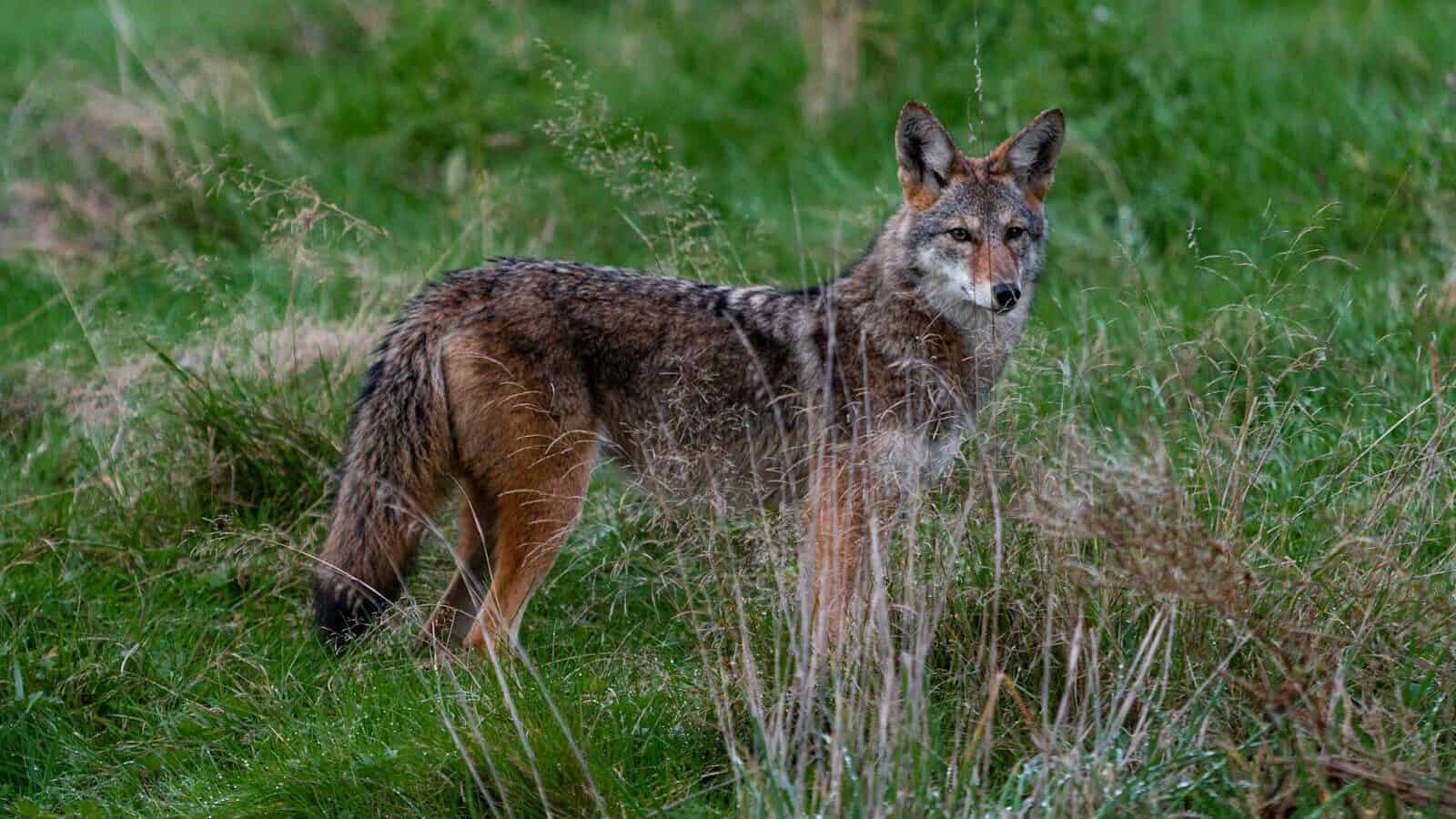
The coyote (Canis latrans) has not only survived but thrived amid the ecological transformations of the Great Plains, demonstrating remarkable adaptability. Unlike wolves, which were effectively eliminated from most of their historical range, coyotes have expanded their territory throughout North America. Their success stems from their omnivorous diet, allowing them to consume everything from small mammals, birds, and reptiles to fruits, vegetables, and carrion. Coyotes in the Great Plains typically weigh between 20-35 pounds—smaller than their eastern counterparts—and form the top predator in many prairie ecosystems. They regulate populations of small mammals like rabbits and rodents, playing a critical role in maintaining ecological balance. Coyotes mate for life and both parents participate in raising pups, typically producing litters of 4-7 pups annually. Interestingly, when heavily hunted, coyote populations often increase their reproductive rates in response—a biological adaptation that has helped them persist despite intensive control efforts. Their haunting howls and yips remain one of the quintessential sounds of the Great Plains landscape, connecting modern prairies to their wild past.
Black-footed Ferrets: The Prairie’s Most Endangered Mammal

The black-footed ferret (Mustela nigripes) represents one of the most dramatic conservation stories from the Great Plains. These slender, nocturnal members of the weasel family specialize in hunting prairie dogs, which constitute over 90% of their diet. Historically distributed throughout the central plains wherever prairie dog colonies existed, black-footed ferrets were thought extinct by the 1970s due to the massive reduction in prairie dog populations and outbreaks of sylvatic plague and canine distemper. In 1981, a small population was discovered in Wyoming, providing a last chance for recovery. Today’s entire population descends from just seven individuals that bred successfully in captivity. Through intensive captive breeding and reintroduction efforts, approximately 300-400 black-footed ferrets now exist in the wild across 30 reintroduction sites in the Great Plains and western states. These masked prairie predators remain one of North America’s most endangered mammals, facing ongoing challenges from habitat fragmentation, disease, and the limited distribution of large prairie dog colonies needed to sustain viable ferret populations. Their recovery represents both a remarkable conservation achievement and a reminder of the fragility of specialized predator-prey relationships in the Great Plains ecosystem.
Swift Fox: The Diminutive Plains Predator

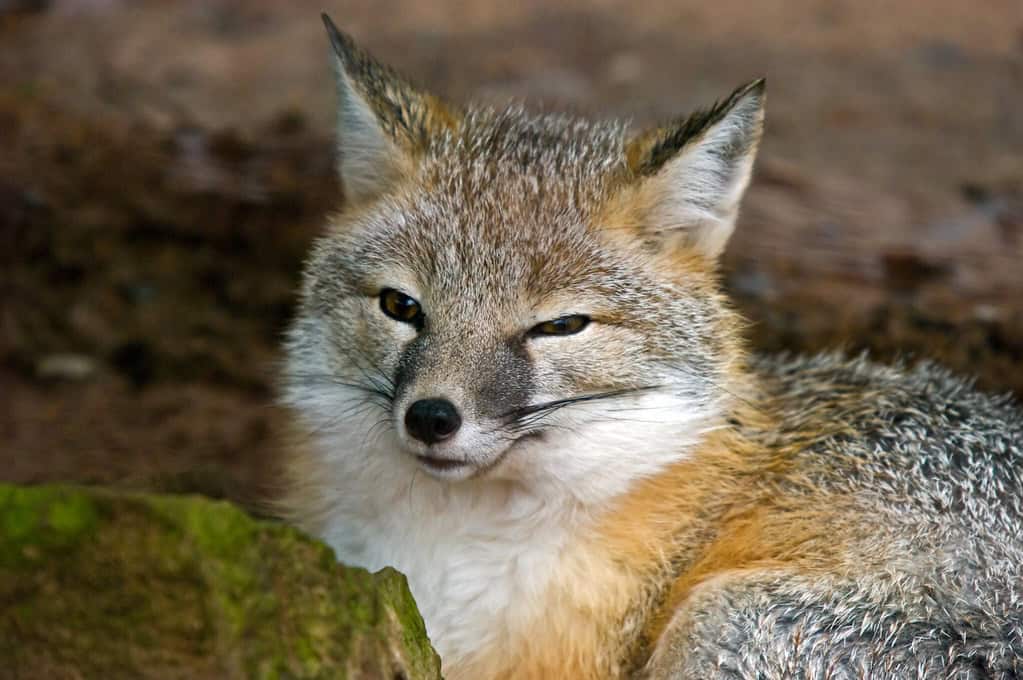
The swift fox (Vulpes velox) is one of the Great Plains’ most charming yet least frequently seen mammals. Weighing just 4-6 pounds—about the size of a house cat—these diminutive foxes are the smallest wild canids in North America. Their name comes from their remarkable speed, as they can run up to 30 mph. Swift foxes are primarily nocturnal and crepuscular (active at dawn and dusk), spending daylight hours in their underground dens, which often have multiple entrances for quick escape from predators. Unlike many canids, swift foxes are not territorial wanderers but maintain small home ranges of 2-3 square miles centered around their den complexes, which they may use for years. Their diet consists mainly of small mammals, insects, birds, and occasionally berries and grasses. Once abundant throughout the short and mixed-grass prairies from Texas to Canada, swift fox populations declined by an estimated 90% during the 20th century due to predator control programs, habitat loss, and unintentional poisoning. Conservation efforts have helped populations recover in parts of their range, particularly in Colorado, Kansas, and Wyoming, though they remain absent from much of their historical territory in the northern plains.
Mule Deer and White-tailed Deer: Browsers of the Prairie Edges
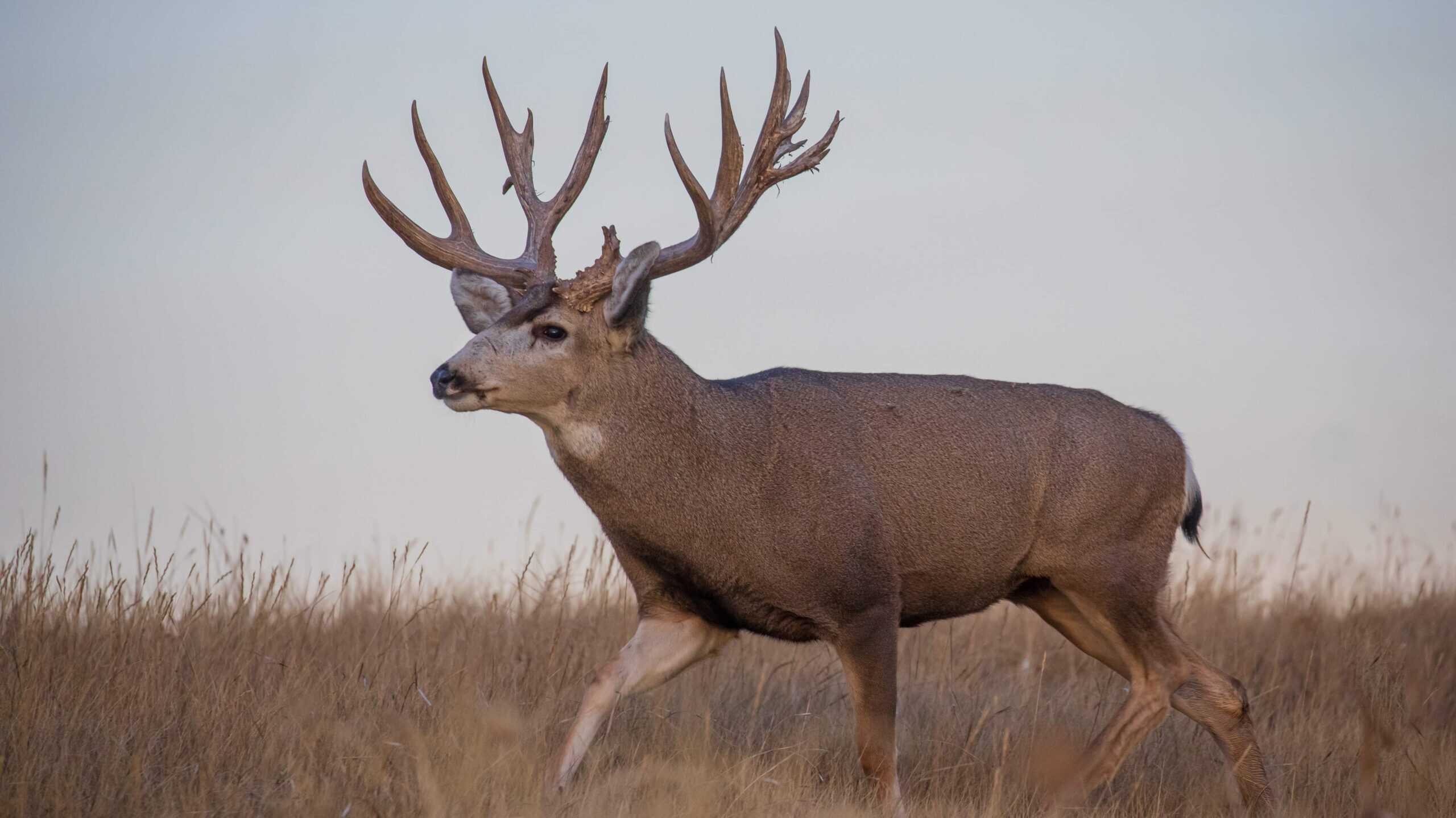
Two deer species share the Great Plains landscape, often occupying different ecological niches. Mule deer (Odocoileus hemionus), recognized by their large mule-like ears and distinctive “stotting” or bounding gait when alarmed, typically inhabit the western portions of the plains, particularly areas with broken terrain, ravines, and shrubby vegetation. White-tailed deer (Odocoileus virginianus), identified by their smaller ears and characteristic white tail flag when fleeing, historically occupied wooded river valleys cutting through the plains but have expanded their range as humans have created more edge habitat through agriculture and forestry practices. Both species are browsers rather than grazers, preferring woody plants, forbs, and agricultural crops to grasses. Mule deer populations have declined in many regions of the Great Plains, affected by habitat fragmentation, disease, and competition with white-tailed deer, which have shown remarkable adaptability to human-modified landscapes. These deer species provide important ecological functions by dispersing seeds, creating browse lines that affect vegetation structure, and serving as prey for larger predators like mountain lions and wolves in areas where these carnivores persist or have been reintroduced. Deer also represent the most economically valuable game animals in the region, supporting hunting economies across the Great Plains states.
Raptors: The Aerial Predators
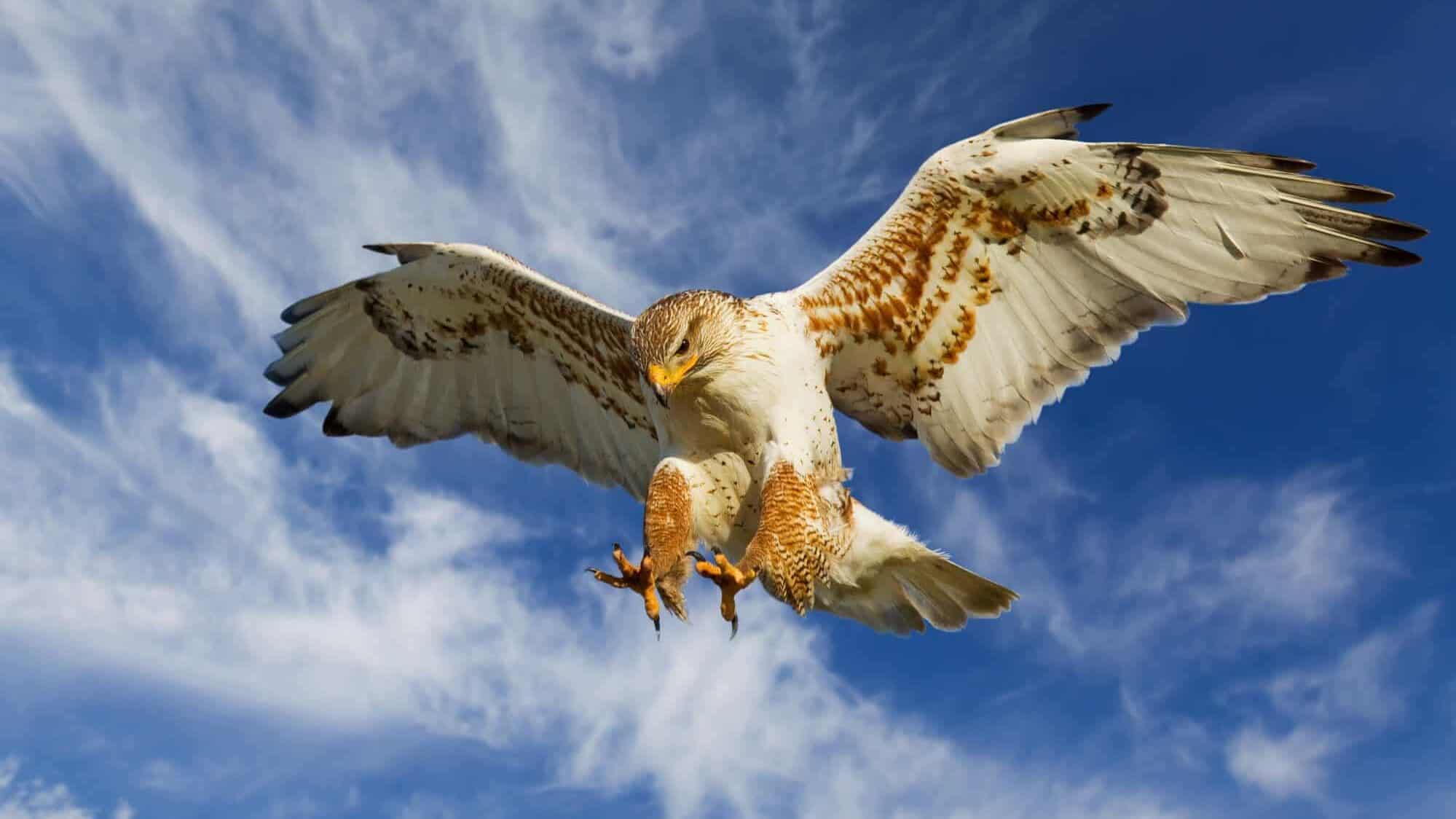
The vast, open skies of the Great Plains provide ideal hunting grounds for numerous raptor species. Ferruginous hawks (Buteo regalis), the largest hawks in North America, soar over the prairies searching for ground squirrels and prairie dogs, often hovering like kestrels before diving on prey. Golden eagles (Aquila chrysaetos) patrol the western edges of the plains, particularly near escarpments and buttes that provide nesting sites and updrafts for soaring. Swainson’s hawks (Buteo swainsoni) undertake one of the longest migrations of any North American raptor, traveling from the Great Plains to Argentina each year—a round trip of up to 14,000 miles. Prairie falcons (Falco mexicanus) and American kestrels (Falco sparverius) hunt from perches or by hovering, targeting smaller prey like grasshoppers, mice, and small birds. Burrowing owls (Athene cunicularia) occupy abandoned prairie dog burrows, hunting insects and small mammals during daylight hours, unlike most other owl species. Northern harriers (Circus hudsonius) glide low over grasslands with their wings held in a distinctive V-shape, using their exceptional hearing to locate voles and mice hidden in vegetation. These diverse raptors collectively form a complex aerial predator guild that regulates populations of small mammals, birds, and insects throughout the Great Plains ecosystem.
Badgers and Other Mustelids
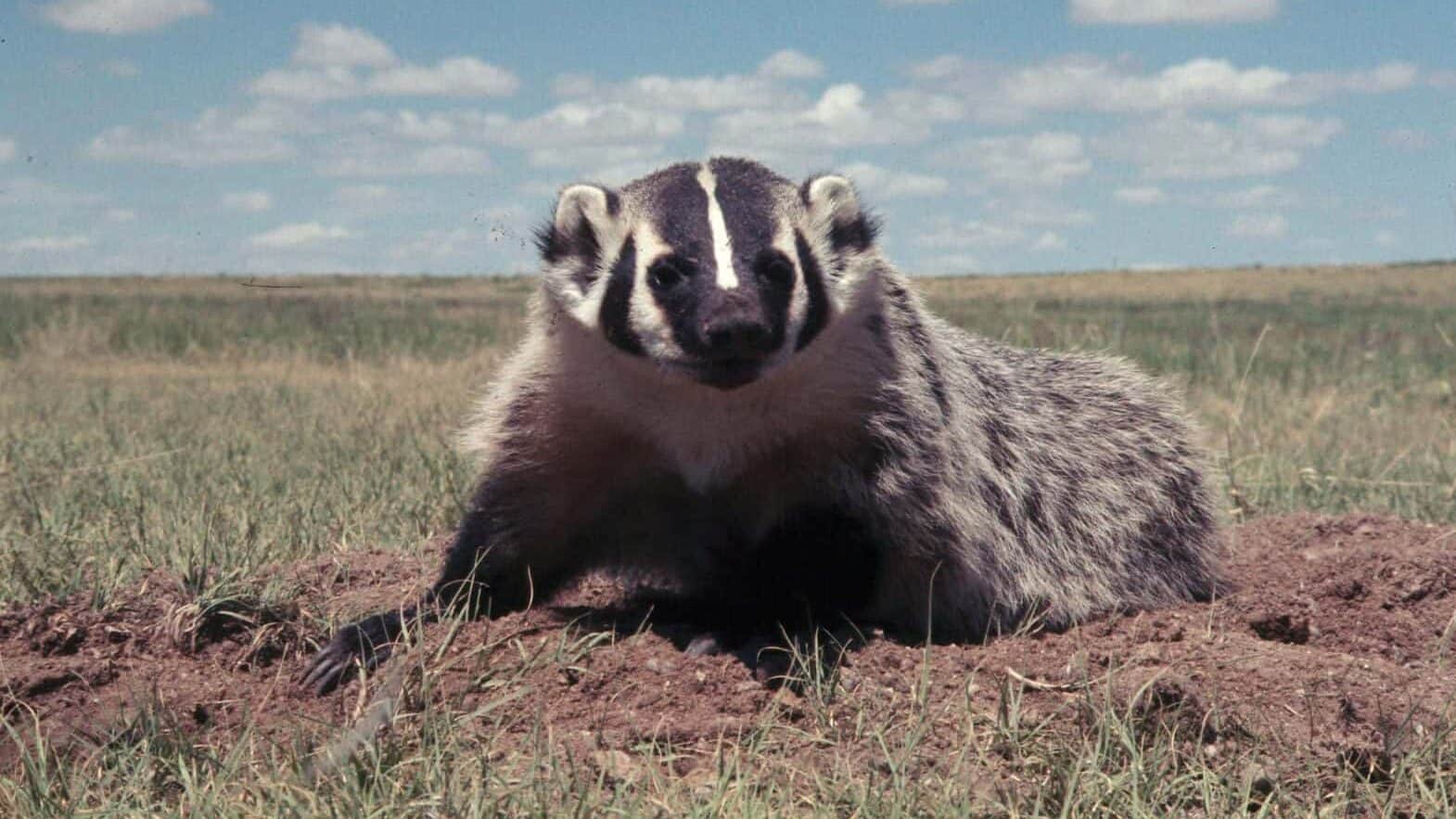
The American badger (Taxidea taxus) epitomizes the burrowing adaptations required for life in the Great Plains. With powerful forelimbs, long claws, and a wedge-shaped head, badgers can dig with remarkable speed, allowing them to excavate complex burrow systems and dig out prey like ground squirrels and pocket gophers. These muscular, low-slung members of the weasel family (Mustelidae) have distinctive facial markings and can be seen throughout the plains, though their nocturnal habits make sightings relatively uncommon. Badgers often engage in cooperative hunting with coyotes—the badger pursues prey underground while the coyote waits to catch animals that escape above ground. Other mustelid species found in the Great Plains include long-tailed weasels (Mustela frenata), which change from brown summer coats to white in winter in northern regions, and American mink (Neogale vison), which inhabit waterways throughout the plains. Historically, river otters (Lontra canadensis) were common along the major river systems traversing the Great Plains but were nearly eliminated by unregulated trapping and habitat degradation. Reintroduction efforts have successfully restored otters to many waterways in the region, symbolizing the potential for recovery of native species through conservation management.
Grassland Birds: Specialists of the Open Prairie
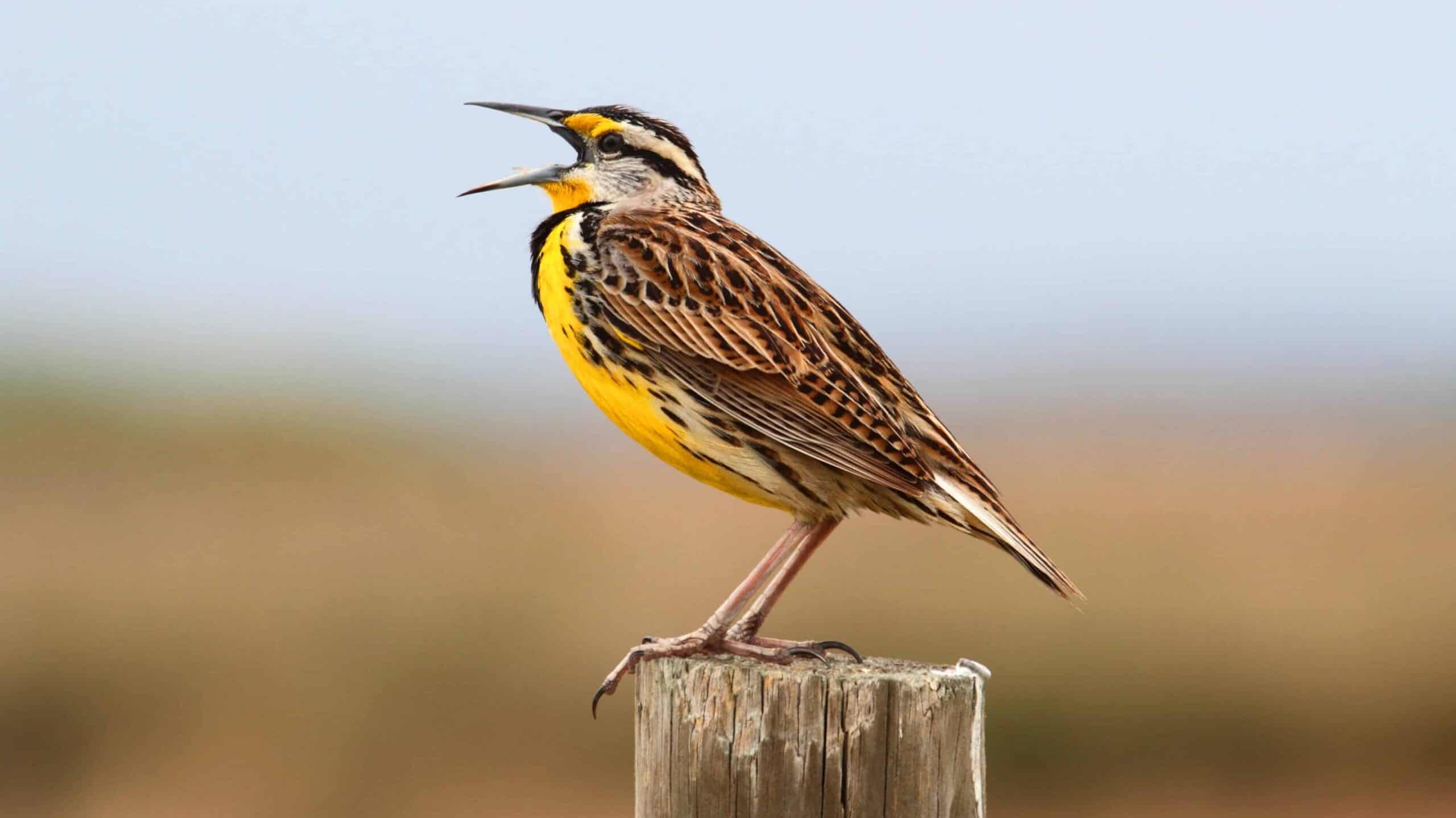
The Great Plains hosts a diverse community of bird species that have evolved specifically to thrive in open grassland environments. Many of these species, including the western meadowlark (Sturnella neglecta)—the state bird of six plains states—build their nests directly on the ground, concealed within the grass. The grasshopper sparrow (Ammodramus savannarum) derives its name from both its insect-like song and its diet of grasshoppers and other insects. Upland sandpipers (Bartramia longicauda) nest in open prairies far from water, perching atop fence posts with their wings raised briefly upon landing. The mountain plover (Charadrius montanus), despite its name, is a bird of flat, short-grass plains, often associated with prairie dog colonies. Greater prairie-chickens (Tympanuchus cupido) and sharp-tailed grouse (Tympanuchus phasianellus) perform elaborate courtship displays on traditional breeding grounds called leks, where males gather to compete for females. Grassland birds are experiencing steeper, more consistent population declines than any other group of North American birds, primarily due to habitat loss. Over 80% of species that breed primarily in grassland habitats show significant population declines, making conservation of remaining native prairies and implementation of bird-friendly agricultural practices crucial for their survival.
Reptiles and Amphibians of the Plains

The seemingly harsh environment of the Great Plains supports a surprising diversity of reptiles and amphibians, many with specialized adaptations for survival in a landscape of temperature extremes and limited water. The prairie rattlesnake (Crotalus viridis) is the most widespread venomous snake of the plains, using heat-sensing pits to locate small mammal prey even in total darkness. Ornate box turtles (Terrapene ornata) can completely seal themselves within their hinged shells during drought or extreme temperatures, while secretive plains hognose snakes (Heterodon nasicus) have upturned snouts for digging and dramatic defensive displays that include flattening their heads, hissing loudly, and sometimes playing dead. Great Plains toads (Anaxyrus cognatus) and plains spadefoot toads (Spea bombifrons) spend much of the year buried underground, emerging during rainstorms to breed explosively in temporary pools, their tadpoles developing rapidly before the water evaporates. The prairie skink (Plestiodon septentrionalis) and many-lined skink (Plestiodon multivirgatus) represent the lizard diversity of the region, often found beneath rocks and logs where moisture conditions are more favorable. These cold-blooded plains dwellers face increasing challenges from climate change, which threatens to exceed their physiological tolerances and alter the timing of seasonal activities crucial to their survival.
The wildlife of the Great Plains faces numerous conservation challenges in the 21st century. Habitat loss remains the most significant threat, with over 70% of native grasslands converted to agriculture or development—a transformation often described as among the most complete ecological conversions on the planet. Fragmentation of remaining habitat creates isolated wildlife populations with reduced genetic diversity and limited movement options. Climate change projections suggest the Great Plains will experience more frequent and severe droughts, altered precipitation patterns, and temperature increases that may exceed the adaptive capacity of some native species. Invasive species like cheatgrass and Russian olive alter habitat structure and fire regimes, while emerging diseases such as white-nose syndrome in bats and chronic wasting disease in deer pose additional threats. Despite these challenges, conservation success stories offer hope—bison herds are expanding, black-footed ferrets have returned from the brink of extinction, and organizations like The Nature Conservancy and American Prairie Reserve are working to create landscape-scale protected areas. Innovative conservation approaches, including payments for ecosystem services, conservation easements on private lands, and reintroduction of ecological processes like fire and grazing, are creating new possibilities for wildlife conservation across the Great Plains. The future of this ecosystem depends on balancing the needs of human communities with preservation of the ecological processes that sustain the remarkable wildlife adapted to this vast grassland landscape.

- 21 Scary Creatures You Might Run Into While Hiking In The U.S - June 3, 2026
- The Difference Between Turtles and Tortoises—Explained - June 3, 2026
- What Makes Owls the Silent Predators of the Night? - June 3, 2026