
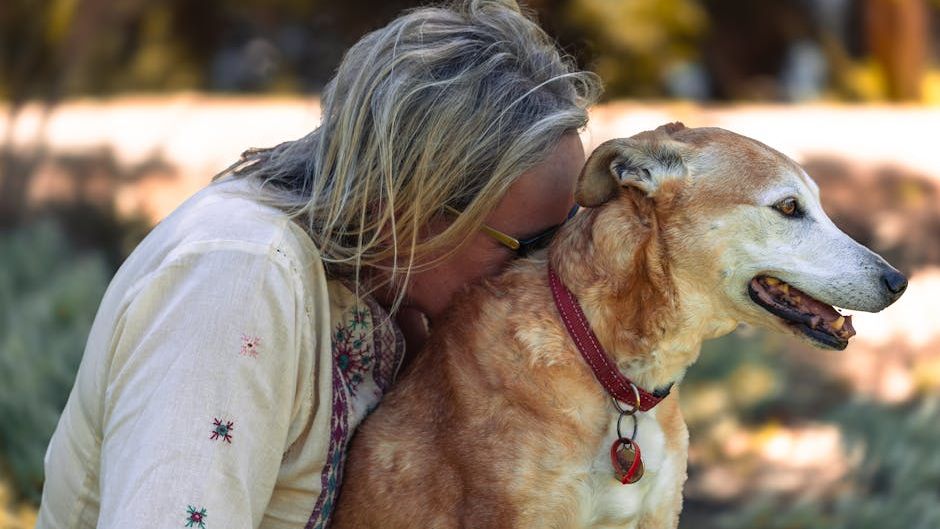
History books are packed with the names of generals, emperors, inventors, and revolutionaries. Yet, scattered quietly between those towering human figures, are creatures with four legs, feathers, or far too many teeth, and they shaped the world just as dramatically. Some built empires. Some toppled them. Some changed science forever with nothing more than a heartbeat.
It is honestly one of the most overlooked stories in all of history. We rarely stop to consider that the world we live in today, with its cities, medicines, borders, and breakthroughs, was partly assembled by animals who had no idea what they were doing. Let’s dive in.
1. The Horse: The Engine Behind Every Great Empire
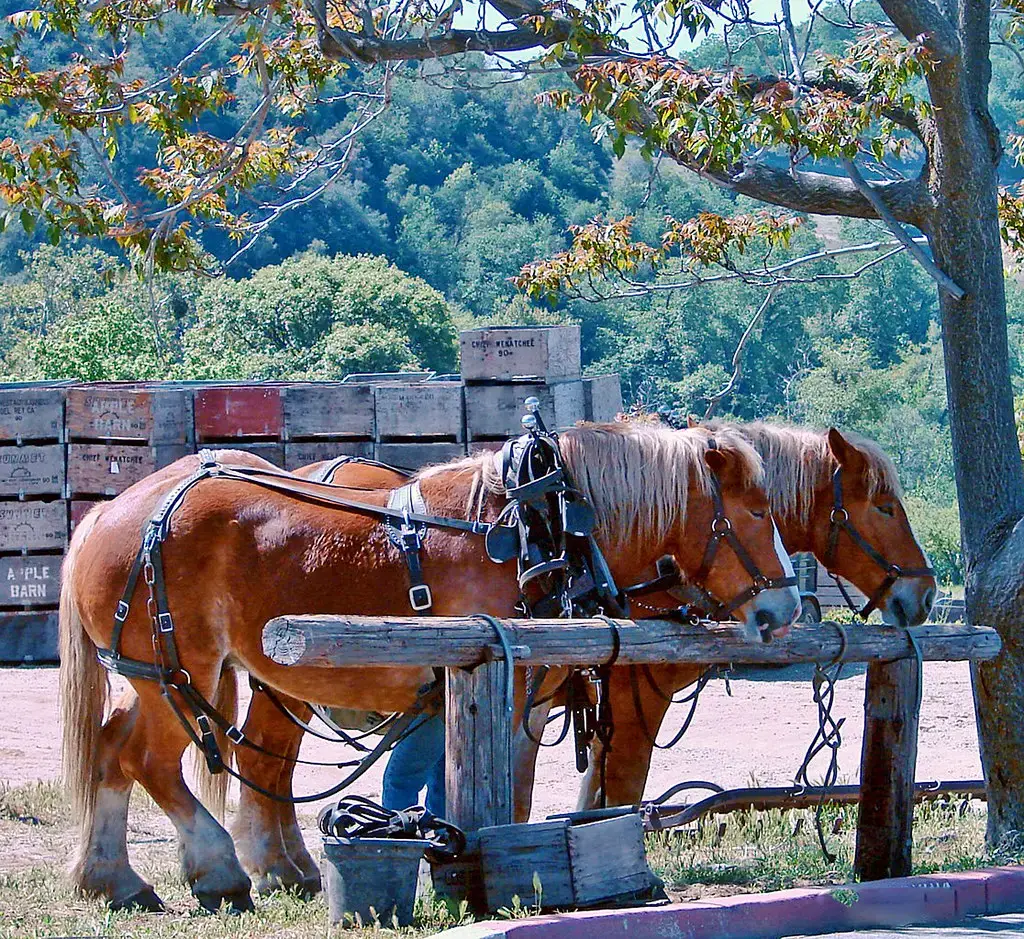
Think of a single invention that gave humanity speed, power, conquest, and agriculture all at once, and you would be thinking of the horse. From the Great Plains of North America to the steppes of Central Asia, the domestication of the horse transformed human societies around the world. In steppe environments, horses served as key livestock and a valuable source of meat and dairy, while as a riding mount, the speed and mobility they offered changed the nature of travel, exchange, and communication entirely.
Some scientists even believe the domestication of horses sparked the beginning of nuclear families. Humans on horseback can manage roughly four times the livestock they can on foot, which allowed families to break from larger clans and migrate across open plains on their own. Horses also triggered the first age of metal, the Bronze Age, making it possible to trade copper and zinc across vast distances, with bronze jewelry, tools, and weapons flowing between cultures from China to Egypt to Scandinavia.
Cavalry proved far more powerful than armies on foot, and that advantage led directly to enormous empire building. Leaders like Alexander the Great, Genghis Khan, and Attila the Hun would have been footnotes without it. Honestly, it is hard to overstate what the horse meant to the human race.
2. The Dog: Humanity’s First and Most Important Ally
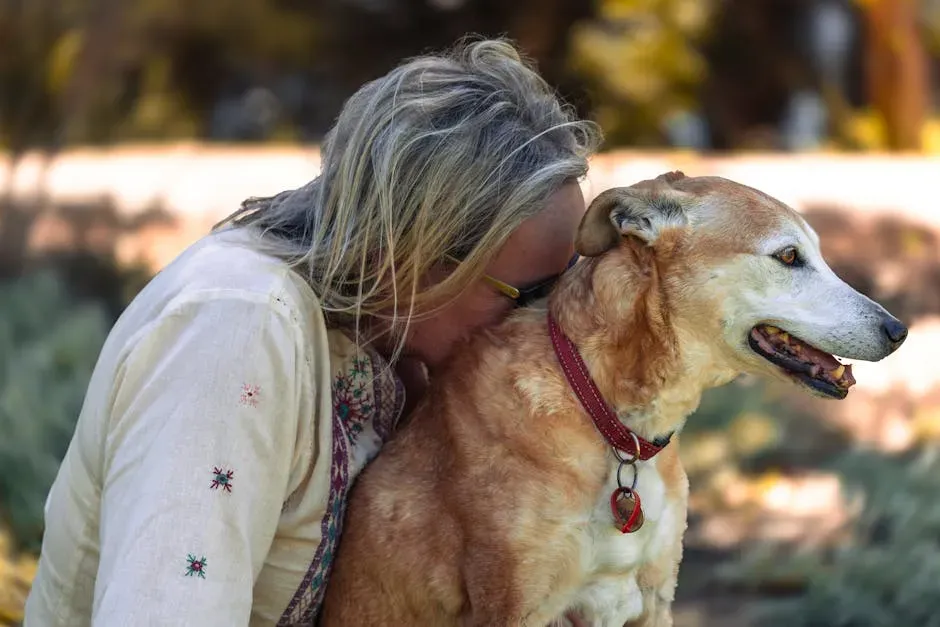
When our ancestors first tossed scraps to habituated wolves lurking by their campfires, they unwittingly changed the course of history. These domesticated wolves, over many generations, radically altered the human story. First, they helped us hunt more successfully, stopping us from starving to death. At the same time, they protected us from predators, allowing us to flourish in greater numbers.
When humans began farming, dogs kept predators away from livestock. Quite simply, without dogs, the agricultural revolution may not have happened. From this more settled way of life, roughly 14,000 years ago, civilization developed.
Before any other animal, dogs joined human camps, becoming our first true companions. Early hunter-gatherers relied on canine senses to track prey and warn of approaching dangers. Shepherding, guarding property, and pulling sleds became essential roles for different breeds, and their loyalty and intelligence made them irreplaceable partners in countless human endeavors. That bond has never broken.
3. The Rat: The Tiny Creature That Reshaped Civilization Through Plague
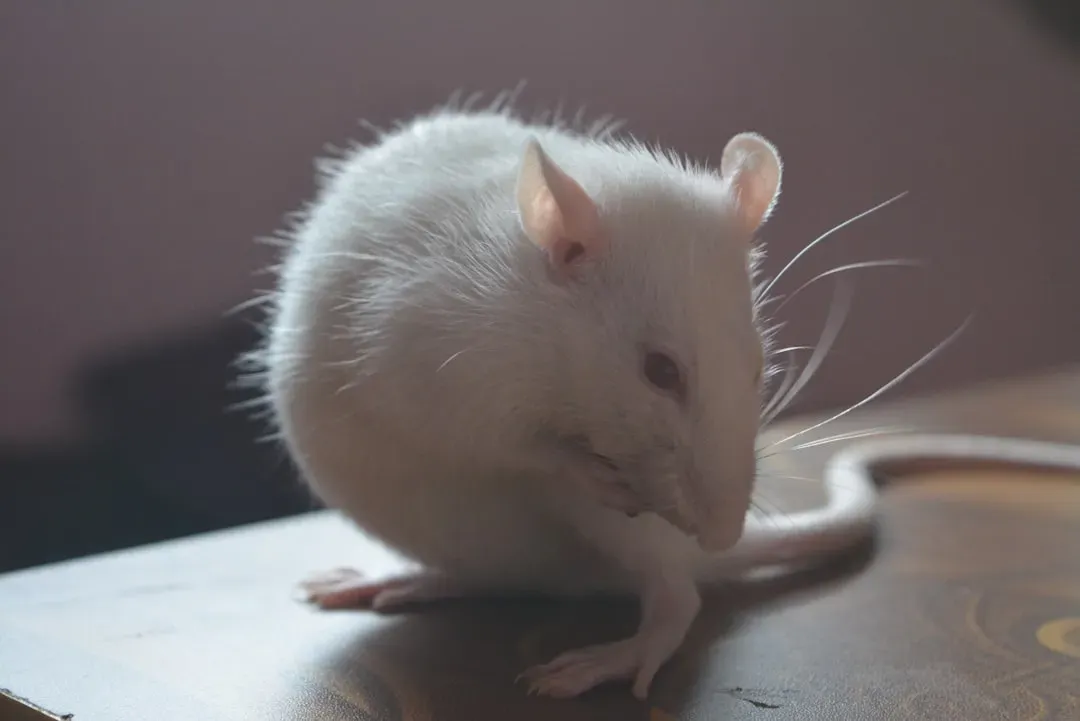
Here is the thing about rats. They are universally despised, and yet, no creature has shaped European civilization more dramatically than this rodent. Rats have long been associated with and blamed for the spread of plague, a disease that has killed over 200 million people throughout the past two millennia. The Black Death, a bubonic plague pandemic, is estimated to have resulted in the death of nearly half of Europe’s 14th-century population, making it one of the deadliest disease outbreaks in human history.
In the mid-14th century, a deadly pandemic dubbed the Black Death wiped out an estimated one third or more of Europe’s population. At the time, the cause was unknown, with some attributing it to conspiracy or divine punishment. Researchers later identified the culprit as plague, caused by the bacterium Yersinia pestis, which infects rats and other small rodents.
It is worth noting that more recent science has complicated the traditional rat-centric narrative. Emerging findings suggest that human fleas and lice, not rats or their fleas, were primarily responsible for spreading plague during the Black Death. Still, rats remain deeply tied to the story, and their role in reshaping politics, religion, art, and medicine across centuries is undeniable. The plague literally remade European society.
4. The Cat: Sacred Pest Controller That Crossed the World
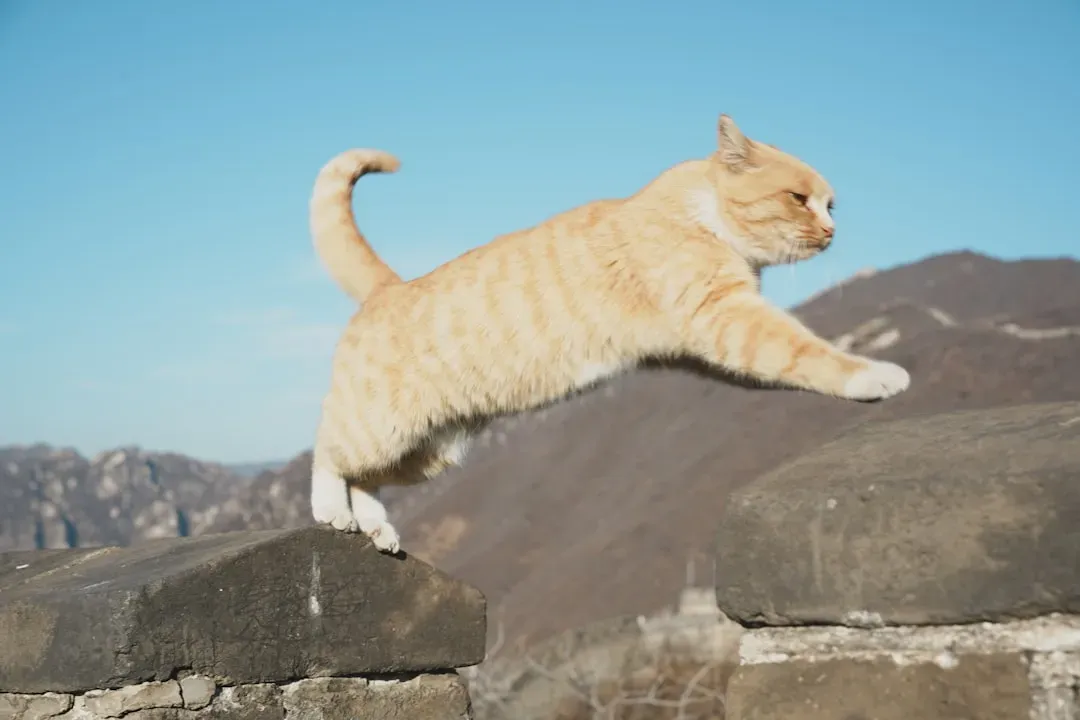
Ancient Egyptians welcomed cats into their granaries around 4,000 years ago to battle grain-eating rodents. These feline hunters proved so valuable that harming a cat could result in severe punishment or even death. Ships carried cats across oceans to control rat populations, preventing disease and protecting precious cargo, and their independent nature made them perfect pest controllers requiring minimal human care.
Cats essentially traveled with civilization itself. Wherever humans built trading routes, cats came along for the ride. The Roman Empire, ancient Mediterranean ports, even the great ocean voyages of later centuries all carried cats as their biological pest control systems.
Domesticated cats made a significant contribution to human history that is often forgotten precisely because it looks so ordinary. Protecting food stores from rodents sounds simple, but in ancient agricultural societies, losing a grain supply was the difference between survival and famine. The humble house cat was, in many ways, a guardian of civilization.
5. The Camel: The Ship of the Desert That Built Global Trade
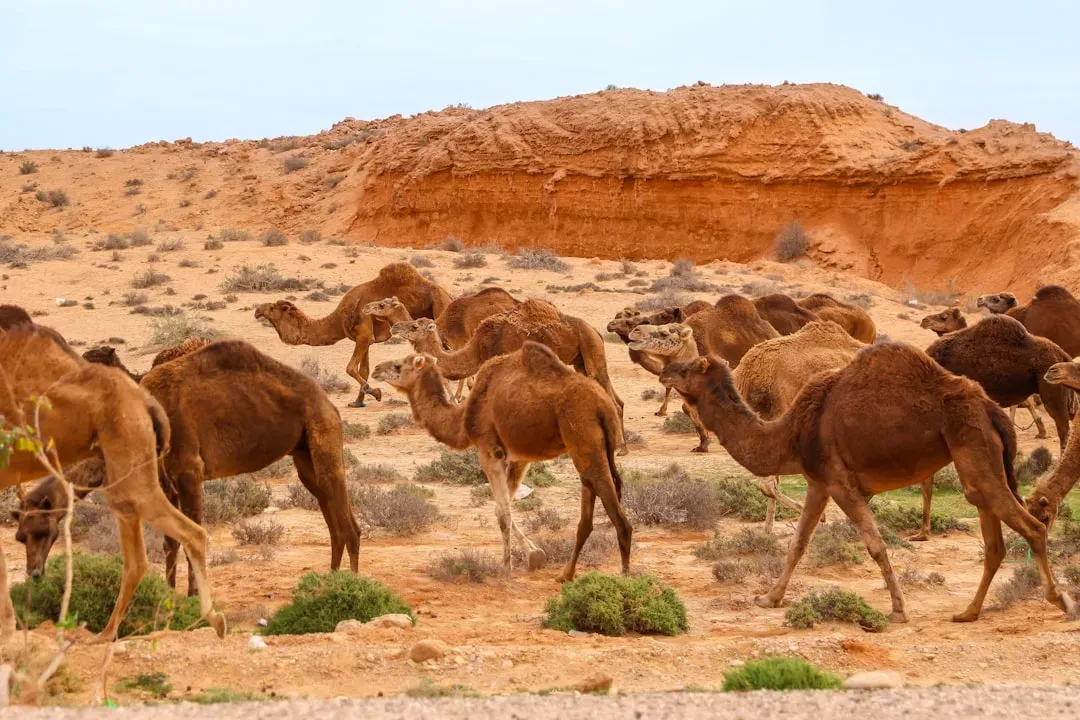
Before the container ship and before the locomotive, there was the camel. Desert travelers discovered that camels could survive weeks without water, making them perfect for crossing harsh, arid landscapes. The famous Silk Road trade network relied entirely on these sturdy animals to connect Asia with Europe, and their ability to carry heavy loads through extreme temperatures made international commerce possible.
Think of the Silk Road as the internet of the ancient world. Goods, ideas, religions, and diseases all traveled along its corridors. Without the camel, that highway of civilizations simply does not function. The spices on a Roman nobleman’s table, the silk in a Chinese merchant’s shop, the exotic treasures that sparked centuries of exploration: all of it passed on the back of a camel.
I think we seriously underestimate this animal. The camel is not glamorous like the horse, and it lacks the emotional pull of the dog. Yet its contribution to the interconnected world we live in today is enormous. Globalization, in a very real sense, began one plodding camel step at a time.
6. Cattle: The Foundation of Farming and Civilization Itself
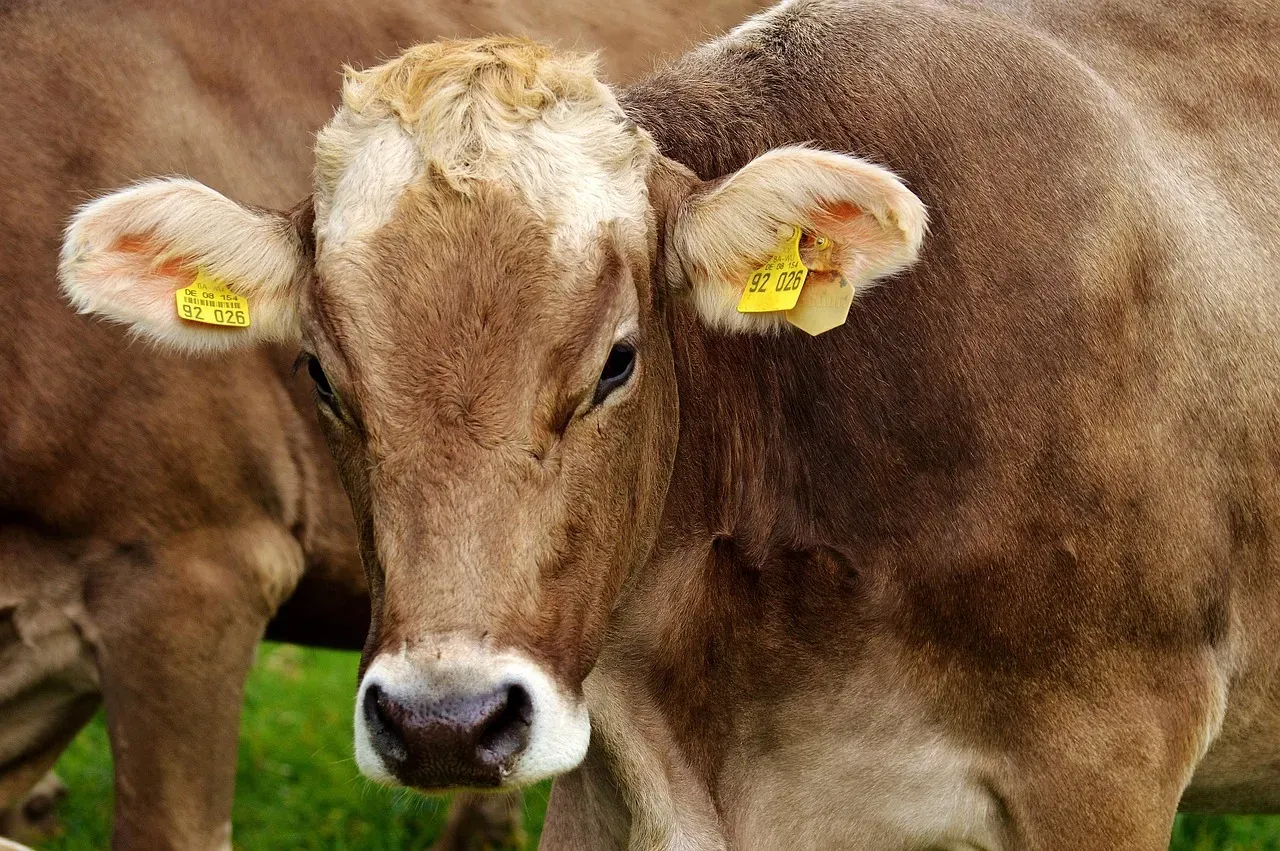
Cattle domestication around 8,000 BCE gave humans a reliable source of milk, meat, and leather for survival. Ancient societies worshipped cows as sacred animals, recognizing their vital importance to community wellbeing. Oxen pulled plows and carts, making agriculture possible on a massive scale, and their manure fertilized fields, creating sustainable farming cycles that fed growing populations.
The cow is, bluntly, the reason cities exist. Without a reliable, managed food surplus, there is no division of labor. Without division of labor, there are no priests, soldiers, scribes, or philosophers. Every ancient civilization that built monuments, wrote laws, and developed culture did so on the backs of cattle.
It is hard to say for sure exactly when reverence for cattle became woven into religion and myth, but it happened across nearly every early culture independently. From the sacred bulls of Egypt to the Hindu reverence for cows, these animals were not just livestock. They were the engine of human progress, and early humans knew it.
7. The Silk Moth: The Insect That Drove Centuries of Global Commerce
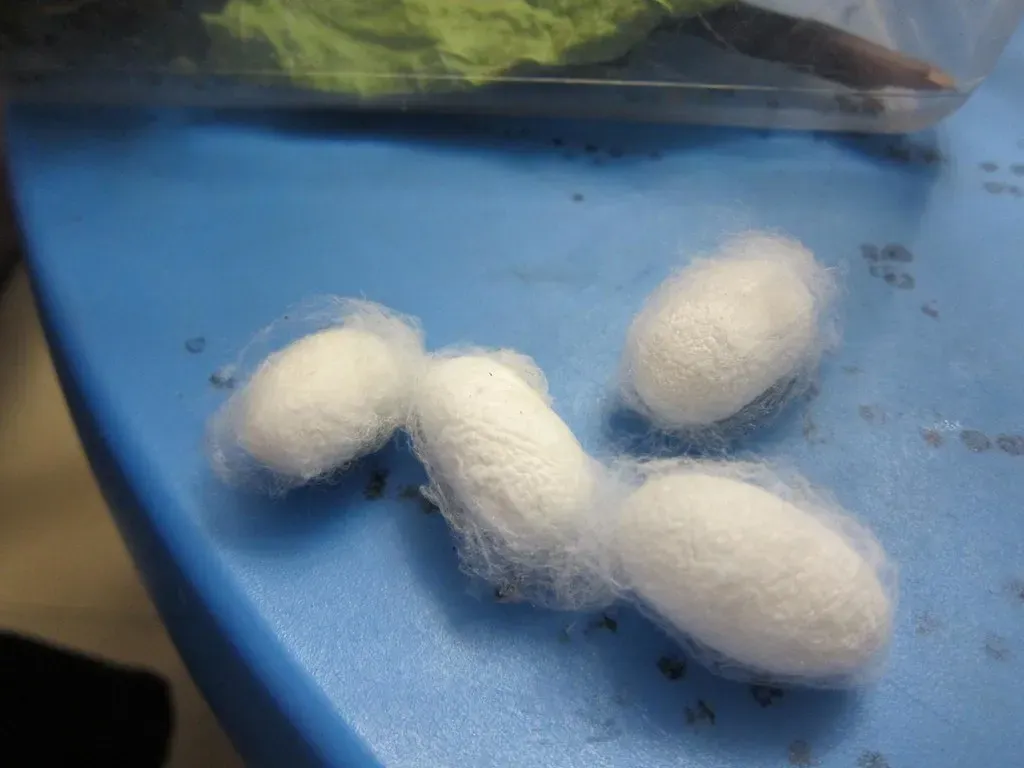
No list of history-changing animals would be complete without the silkworm, the caterpillar of the Bombyx mori moth. For well over two thousand years, the Chinese closely guarded the secret of silk production, treating it as a state secret punishable by death if revealed. Animals including the silkworm have played central roles in the evolution of humankind, yet have remained at the periphery of our understanding of history.
Silk became one of the most coveted trade goods in the ancient world. Entire political alliances, wars, and migration patterns were shaped by the desire to control silk trade routes. The Silk Road, famous for connecting East and West, was literally named after this creature’s output. Roman emperors passed laws restricting who could wear it. Byzantine spies smuggled silkworm eggs out of China hidden in hollow canes.
A tiny caterpillar spinning a cocoon sparked centuries of espionage, empire, and international commerce. If that does not count as changing history, I honestly do not know what does.
8. The Pigeon: The Battlefield Messenger That Saved Hundreds of Lives
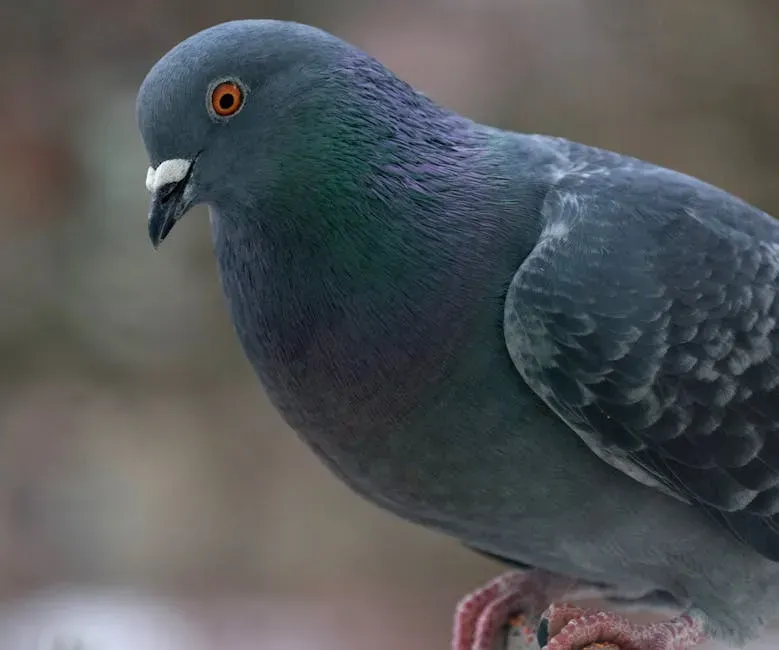
Let’s be real, pigeons get almost no respect today. They are called flying rats. We shoo them away from park benches. Yet in times of war, the humble pigeon was as precious as any weapon. During World War One, Cher Ami, a Black Check Cock carrier pigeon, was one of hundreds of birds used by the U.S. Army Signal Corps in France to transport important messages from commanders in the battlefield. In October 1918, Cher Ami, despite being badly wounded by enemy gunfire, delivered a critical message to American forces.
When human messengers failed, Major Whittlesey sent pigeons. Cher Ami survived being shot through the breast and leg to reach her destination, and a rescue party saved Whittlesey and his men. Cher Ami received the French Croix de Guerre for heroism.
That single pigeon saved nearly 200 lives. Wrap your head around that. Before radio communication became reliable on the battlefield, pigeons were the most dependable message system in existence. They were trained, cataloged, and deployed as military assets. Their contribution to wartime communication across centuries of human conflict was absolutely real.
9. The Laika, the Space Dog: The Animal That Opened the Cosmos
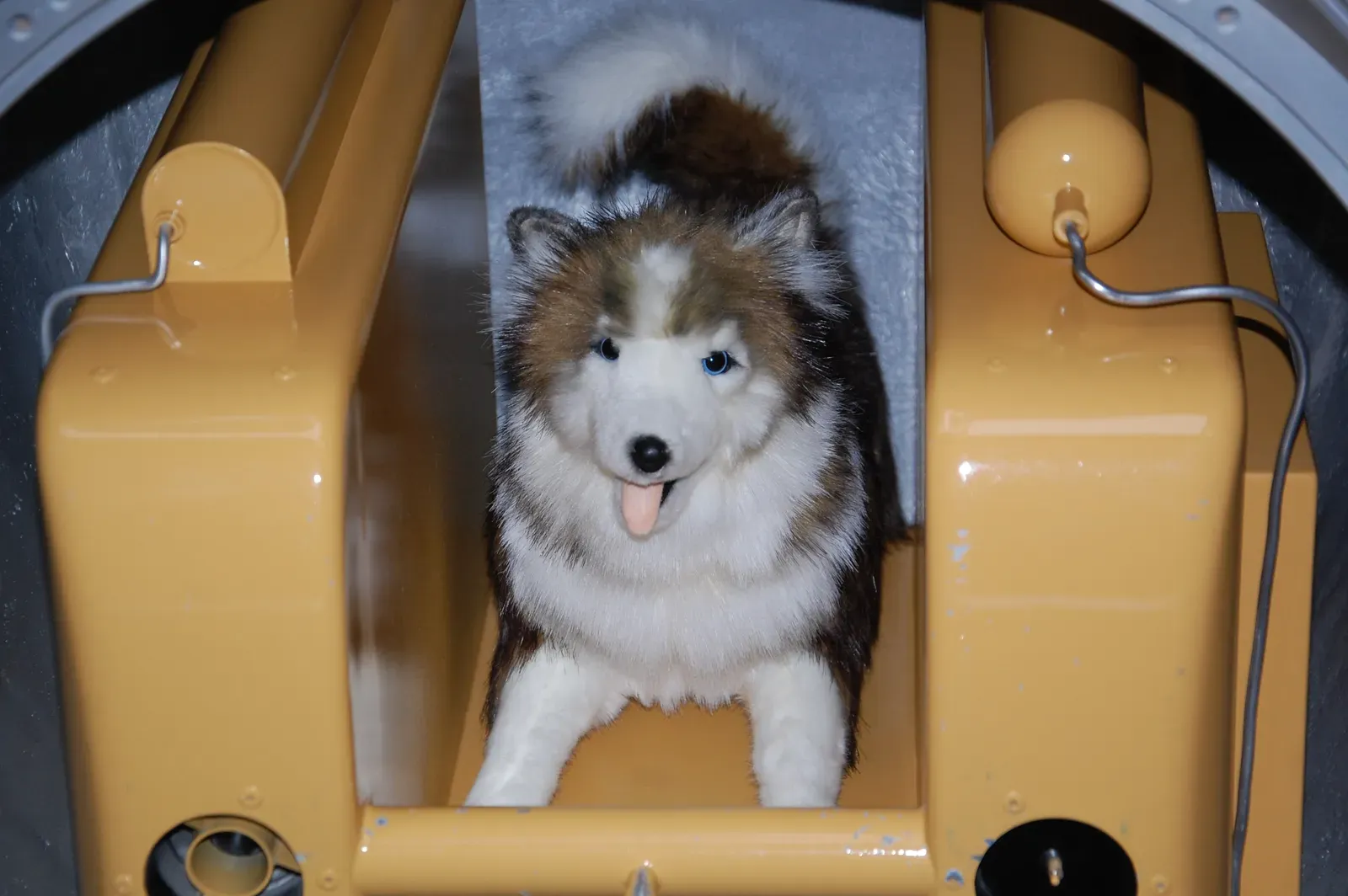
Before any human ever left Earth’s atmosphere, a small stray dog named Laika went first. On November 3, 1957, Laika traveled aboard the Soviet spacecraft Sputnik 2, becoming the first animal to orbit Earth and paving the way for human spaceflight. The mission came just one month after the launch of the Soviet Union’s unmanned satellite Sputnik 1, which signaled the world’s entrance into the space age. A small female mutt, Laika was a stray before being captured and trained alongside other potential space dogs, as the Soviets preferred strays for their hardier constitution.
Although Soviet officials initially claimed Laika survived aboard Sputnik 2 for about a week, in 2002 it was revealed she died a few hours after blastoff due to overheating and stress. After circling Earth more than 2,000 times, Sputnik 2, with Laika’s remains inside, burned up upon re-entering the planet’s atmosphere in April 1958.
In August 1960, Soviet space dogs Belka and Strelka became the first animals to circle Earth and survive. Less than a year later, on April 12, 1961, Soviet pilot Yuri Gagarin became the first human in space. Eight years after that, the Americans put the first man on the moon. The entire arc of human space exploration was built on the sacrifices of animals like Laika. Her story is equal parts inspiring and heartbreaking.
10. The Chimpanzee: The Animal That Redefined What It Means to Be Human
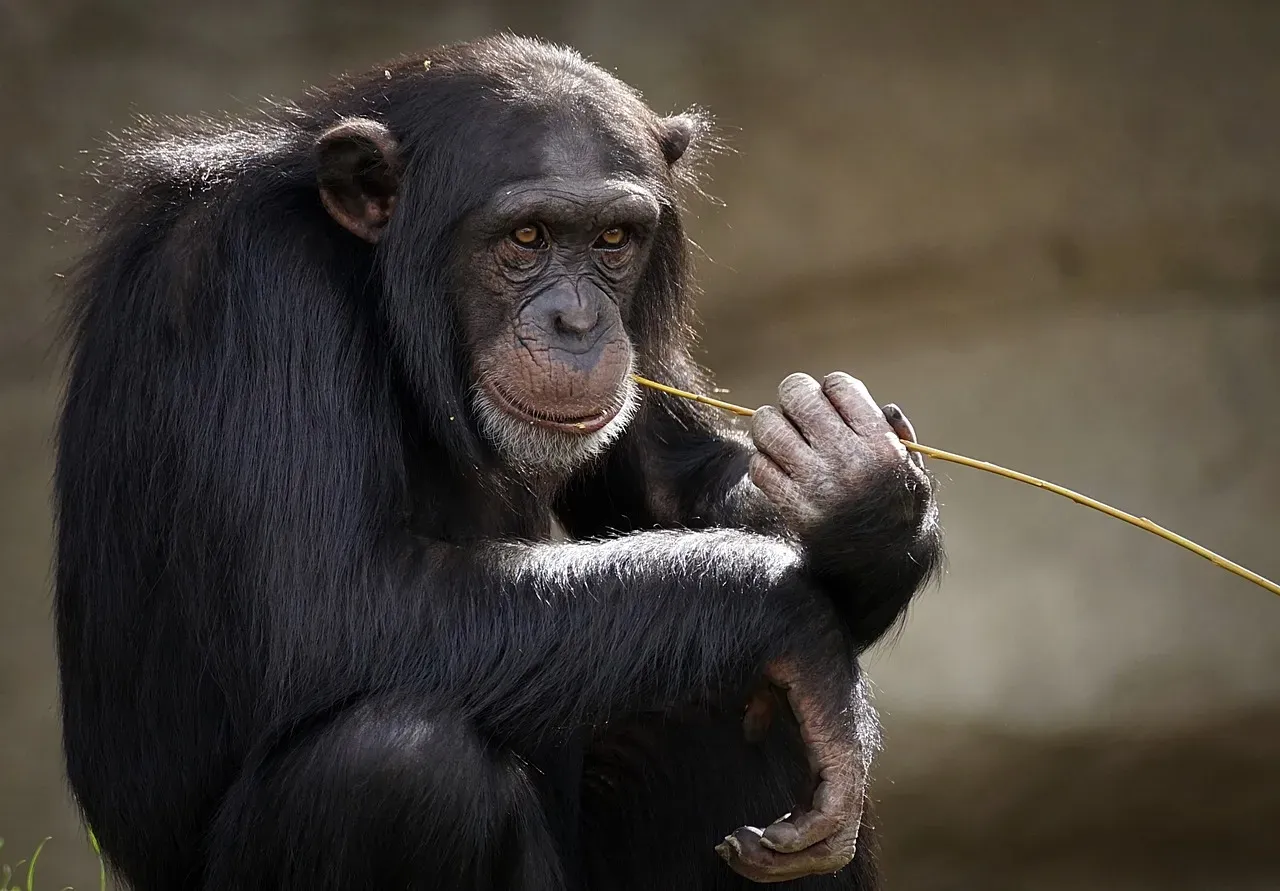
David Greybeard was not the first chimpanzee to make tools, but he was the first to do it in front of a human who realized the significance of his skills. That person was Jane Goodall. She knew it meant that we were not quite as special as we liked to think. Goodall met Greybeard in 1960, not long after she arrived at Gombe Stream National Park, Tanzania, to begin what became a groundbreaking 50-year study of our closest relative in the wild.
Back then, tool-making was seen as the crucial ability setting humankind apart from the animals. So when Goodall told her mentor Louis Leakey that she had seen chimpanzees stripping leaves from twigs to probe termite mounds for food, he replied that we must redefine “tool,” redefine “man,” or accept chimpanzees as humans.
That single observation cracked open an entirely new understanding of animal cognition, evolution, and our place in the natural world. In 1960, this was a world in which humans were separated from animals and defined by their ability as the only ones on the planet capable of crafting and using tools for the situation, so this subtle observation was a landmark discovery that dismantled that notion entirely. It is impossible to overstate how seismic that moment was.
11. Dolly the Sheep: The Clone That Changed Science and Ethics Forever
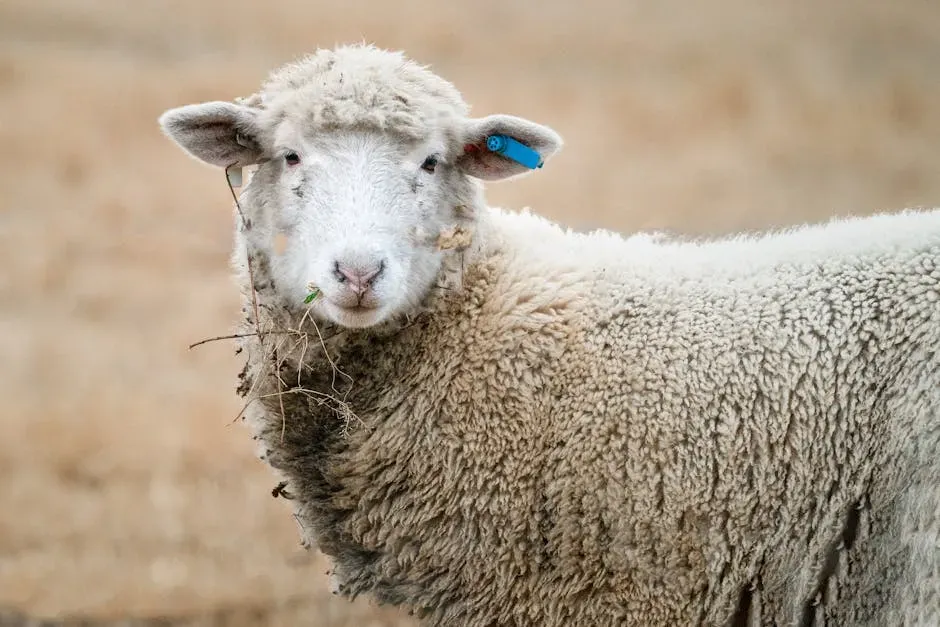
On February 22, 1997, the lead story on every TV news broadcast was not about war, natural disasters, or political scandal. It was about a sheep. At a small research institute in Scotland, scientists had achieved something previously thought impossible. They had cloned an adult animal by transferring its DNA into an egg cell, resulting in a lamb named Dolly who was a carbon copy of her donor parent.
The announcement of Dolly’s birth marked a milestone in science, dispelling decades of presumption that adult mammals could not be cloned and igniting a debate concerning the many possible uses and misuses of mammalian cloning technology. Suddenly, humanity was confronted with a mirror it had never looked into before.
Cloning’s biggest impact has been in the stem cell advances it sparked. Stem cell biologist Shinya Yamanaka said that Dolly’s cloning motivated him to begin developing stem cells derived from adult cells, an accomplishment that won him a Nobel Prize in 2012. A single sheep, born in a Scottish lab, fundamentally redirected the entire trajectory of modern medicine. You genuinely could not make it up.
12. The Rat (Again): Science’s Unsung Hero in Medicine
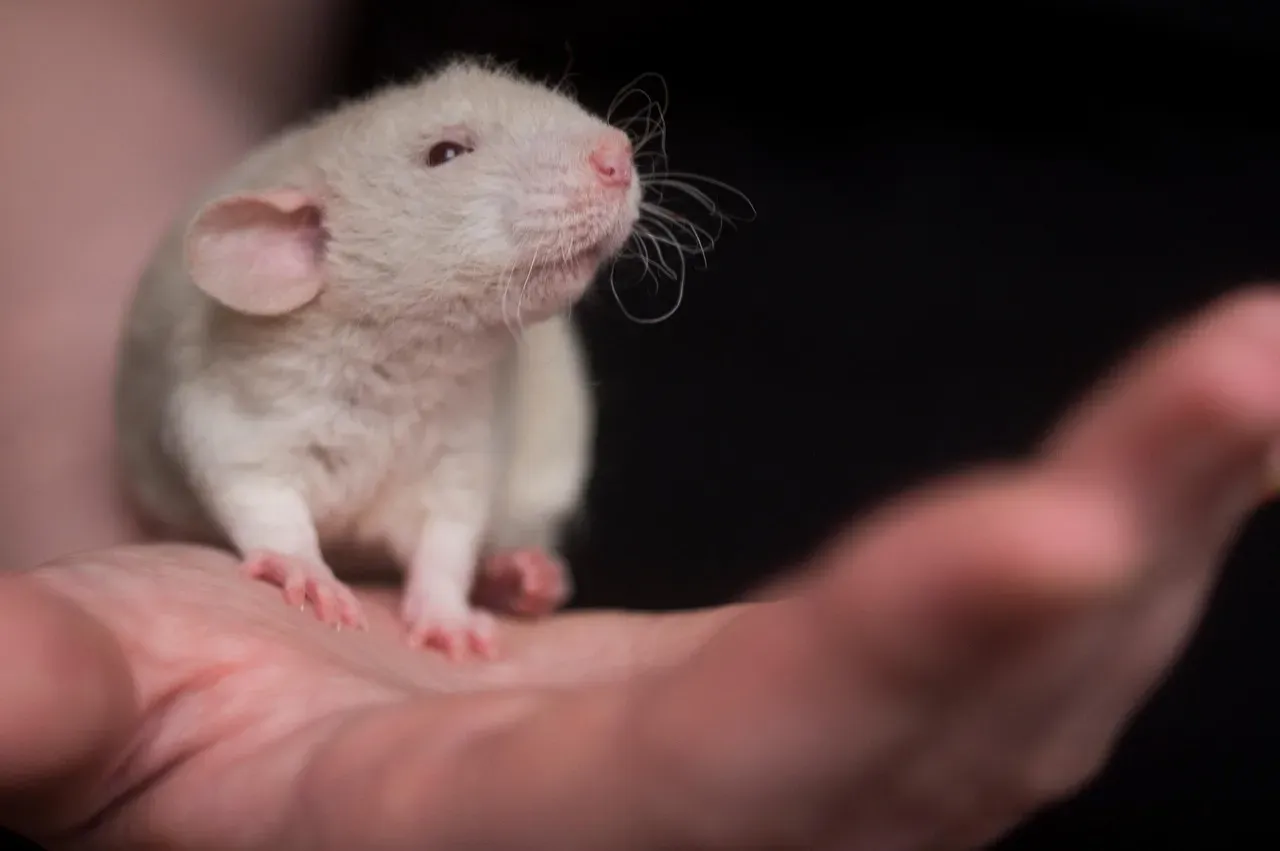
The rat earns a second mention here, and honestly, it deserves it. While its historical role in plague is dark and devastating, its contribution to modern medicine is nothing short of extraordinary. Though often feared as pests, rats became invaluable to medical science, helping researchers develop life-saving treatments and vaccines. Laboratory rats share surprising genetic similarities with humans, making them perfect for studying diseases and medications. Countless medicines, from antibiotics to cancer treatments, were tested on rats before human trials.
Their intelligence and adaptability make them excellent subjects for behavioral and psychological studies, and modern medicine owes much of its progress to these misunderstood creatures.
Think about every vaccine you have ever received. Think about antibiotics, chemotherapy drugs, treatments for diabetes, heart disease, or depression. Nearly all of them passed through a rat before they reached a human. The animal we associate most with disease and filth is, in a profound irony, one of the greatest contributors to human health in history. I think that deserves a moment of genuine reflection.
The Bigger Picture: Why Animals Deserve a Place in the History Books
Animals are a key but often forgotten part of the human story. In the first instance, we evolved certain characteristics, both mental and physical, in response to the threat of large predators. Our ability to hunt them ensured our species survived. When we domesticated them, keeping animals as pest controllers, hunters, guardians, and livestock, civilization eventually flourished.
The 12 animals explored in this article are not exceptions. They are examples. For every famous creature mentioned here, there are dozens more whose contributions quietly shaped the world we inherited. The bees that pollinated our crops. The oxen that plowed the first fields. The reindeer that kept Arctic cultures alive through brutal winters.
History is, at its core, a collaboration. Far more than mere bystanders in human history, the furry and feathered friends we share this planet with are woven inextricably into the entirety of our existence. They have served as messengers, test subjects, and even soldiers. Animals have never merely plodded alongside us through history, they have shaped it. The next time you pick up a history book and only see human names, remember that somewhere behind every empire, every discovery, and every survival story, there was almost certainly an animal involved.
Which of these animals surprised you the most? Drop your thoughts in the comments.
