


In the secluded corners of North American waterways, one of nature’s most remarkable apprenticeships takes place as young beavers begin their journey toward becoming master engineers. Baby beavers, known as kits, don’t simply grow into their roles as nature’s dam builders—they practice their craft from an early age through the construction of miniature dams. This fascinating behavior represents not just an adorable wildlife phenomenon but a sophisticated example of skill development and knowledge transfer in the animal kingdom. The sight of these small, fuzzy architects arranging twigs and mud into tiny structures offers a window into how instinct and learning combine to preserve one of nature’s most important ecosystem engineering traditions.
The Early Life of Beaver Kits
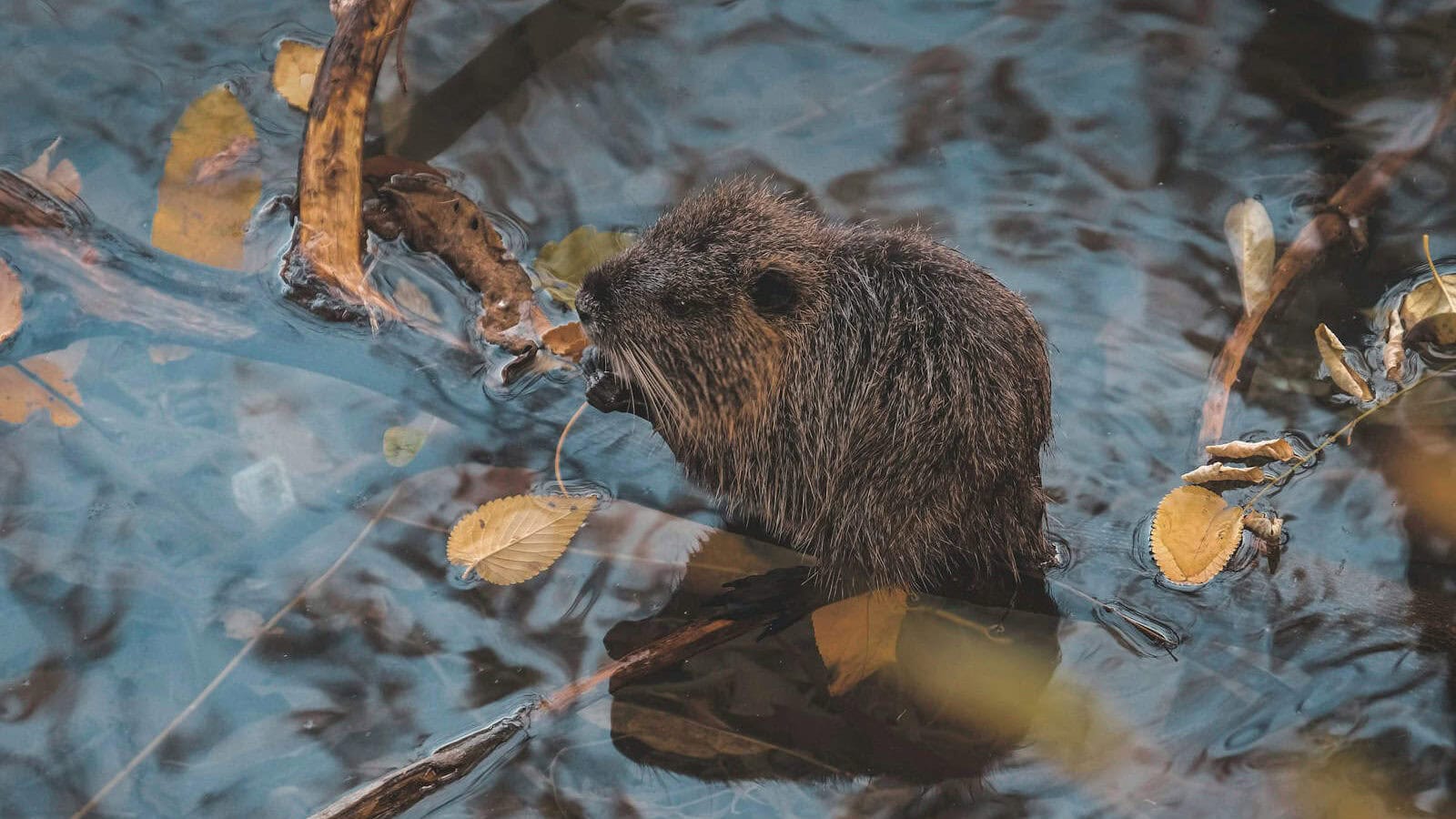
Beaver kits are born in late spring after a gestation period of about 105 days. They typically arrive in litters of 2-4, weighing approximately one pound and measuring 12-15 inches long, including their distinctive paddle-shaped tails. Unlike many rodents, beaver kits are relatively well-developed at birth—their eyes open within days, and they’re covered with soft fur. During their first few weeks, they remain in the safety of the lodge, nursing from their mother while growing rapidly. By about two months of age, these young beavers begin venturing outside the lodge under the watchful eyes of their parents, marking the beginning of their educational journey in dam building and other beaver behaviors.
The Beaver Family Structure

Beavers maintain a remarkably strong family unit that forms the foundation for the kits’ development. A typical beaver colony consists of a monogamous adult pair and their offspring from the current and previous year, creating a multi-generational family group of 6-8 individuals. This extended family structure proves crucial for the transmission of dam-building skills. The colony operates as a cooperative unit, with parents and older siblings demonstrating proper construction techniques while protecting the younger kits as they practice. Family members communicate through a variety of vocalizations, tail slaps, and scent marking, creating a structured learning environment that enables the effective transfer of complex engineering skills from generation to generation.
Why Dam Building Matters for Beavers
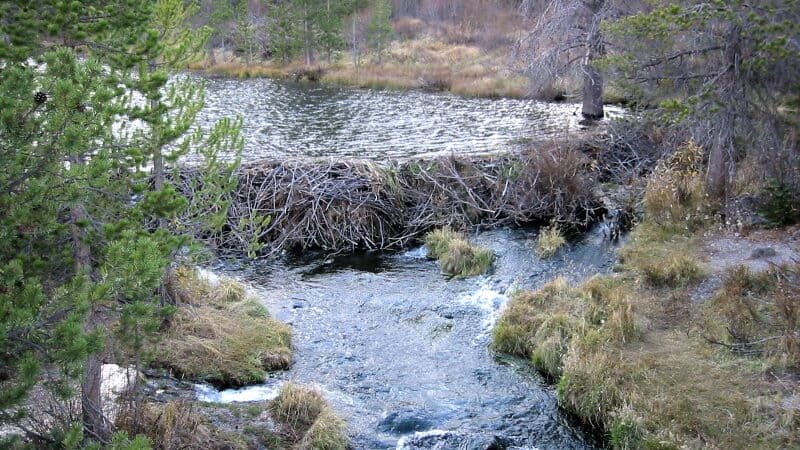
The ability to build dams represents more than just an interesting behavior for beavers—it’s fundamental to their survival strategy. Dams create deep ponds that provide beavers with protection from predators, easy access to food sources, and transportation routes for moving materials. The water behind beaver dams also helps protect lodge entrances, which are typically underwater for security. During winter, these ponds rarely freeze completely, ensuring beavers can access their underwater food caches. Additionally, the wetland environments created by beaver dams support the growth of preferred food plants, including aspens, willows, and aquatic vegetation. For these reasons, proficiency in dam building directly correlates with a beaver’s future survival prospects, making it an essential skill for kits to master.
The First Construction Attempts
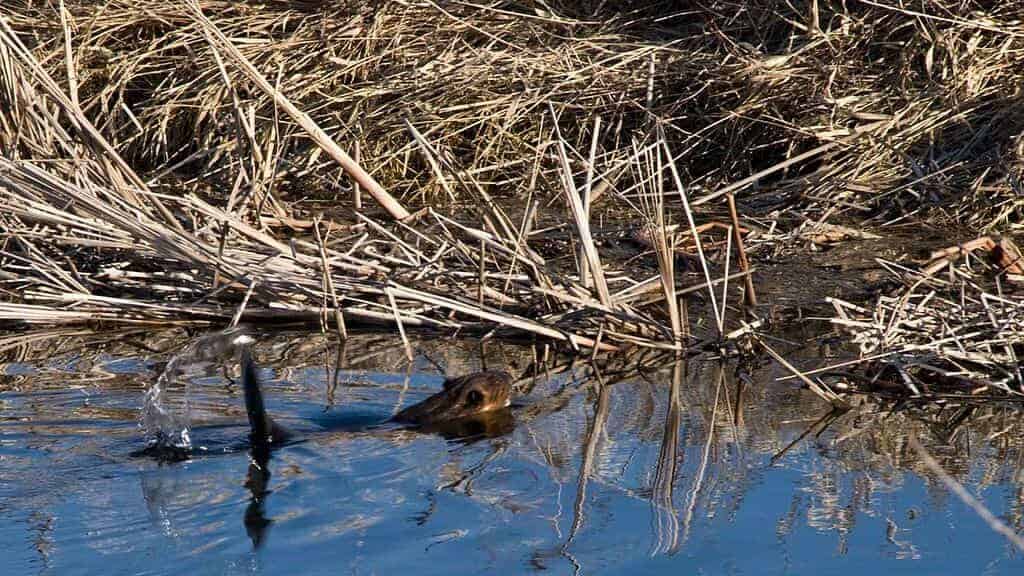
A beaver kit’s first construction attempts typically begin around 3-4 months of age and resemble playful experimentation more than serious engineering. Researchers have observed kits collecting small twigs, pebbles, and mud near the shoreline, arranging these materials in crude lines across small rivulets or in shallow areas of the pond. These initial structures rarely exceed a few inches in height and length, and they’re often washed away by the slightest current. Importantly, these early attempts occur in protected areas within the family territory, usually in shallow water or even on the banks of the pond, where failures have no consequences for the colony’s main dam structures. Despite their rudimentary nature, these first attempts represent critical experiential learning for the developing kits.
Developing Engineering Instincts
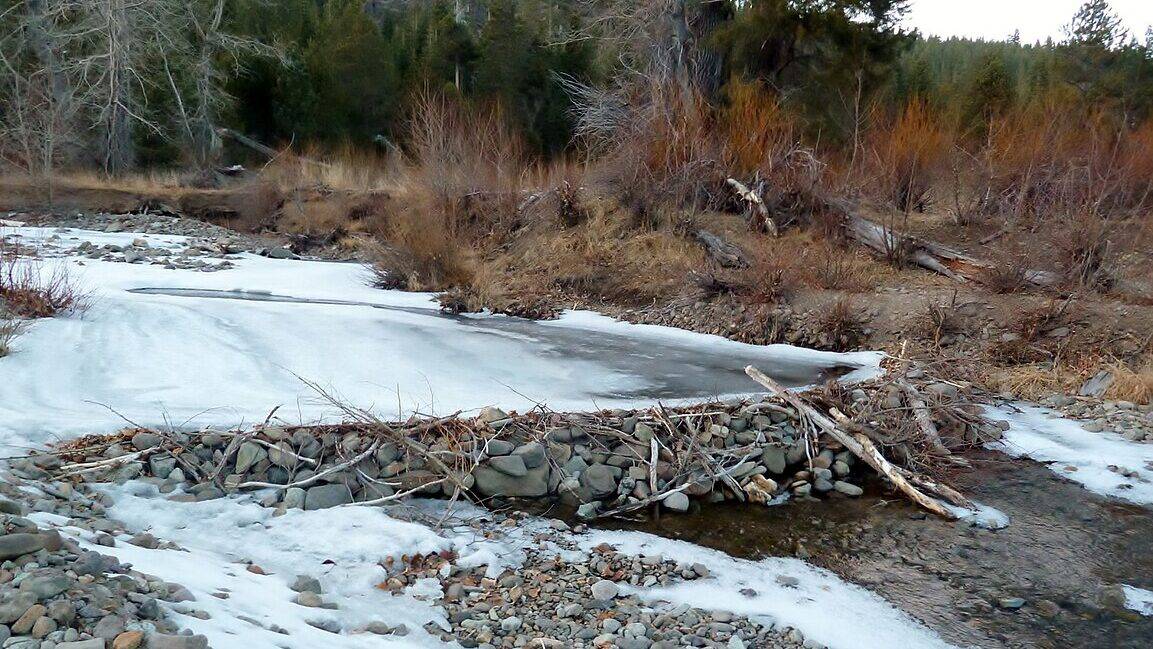
The dam-building behavior in beavers represents a fascinating blend of innate instinct and learned skills. Researchers have documented that beavers possess an inborn response to the sound of running water, which triggers their dam-building behavior. Experiments have shown that even beaver kits with no previous construction experience will begin gathering materials when they hear recordings of flowing water. This instinctual foundation provides the motivation for their practice sessions. As kits mature, they refine these instincts through observation and trial-and-error, gradually developing an understanding of material selection, placement techniques, and structural integrity. The combination of genetic programming and experiential learning enables beavers to adapt their dam-building strategies to various environmental conditions throughout their lives.
Parental Guidance in Dam Construction
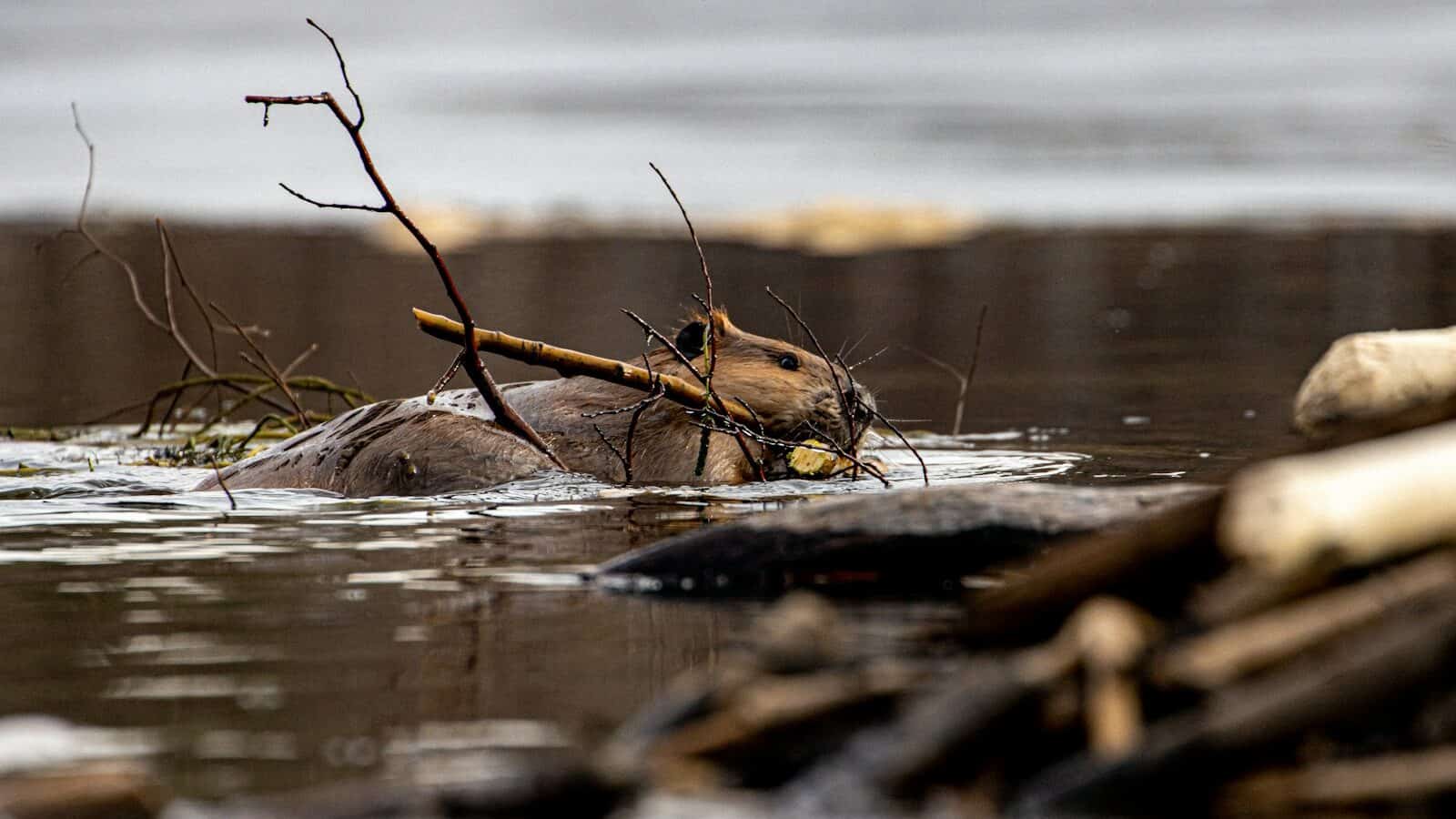
Adult beavers play an active role in teaching their offspring dam-building techniques. Researchers studying beaver families have documented parents demonstrating proper construction methods through a process that resembles apprenticeship. Adult beavers often work alongside their kits, sometimes correcting improper placements or reinforcing weak sections of the kits’ practice dams. In some instances, parents have been observed deliberately creating small breaches in miniature dams, seemingly to demonstrate repair techniques. This instructional relationship continues throughout the kits’ first year, with parents gradually reducing their intervention as the young beavers become more proficient. The educational process includes not just dam building but related skills like tree felling, material transportation, and lodge construction.
Materials Used in Practice Dams
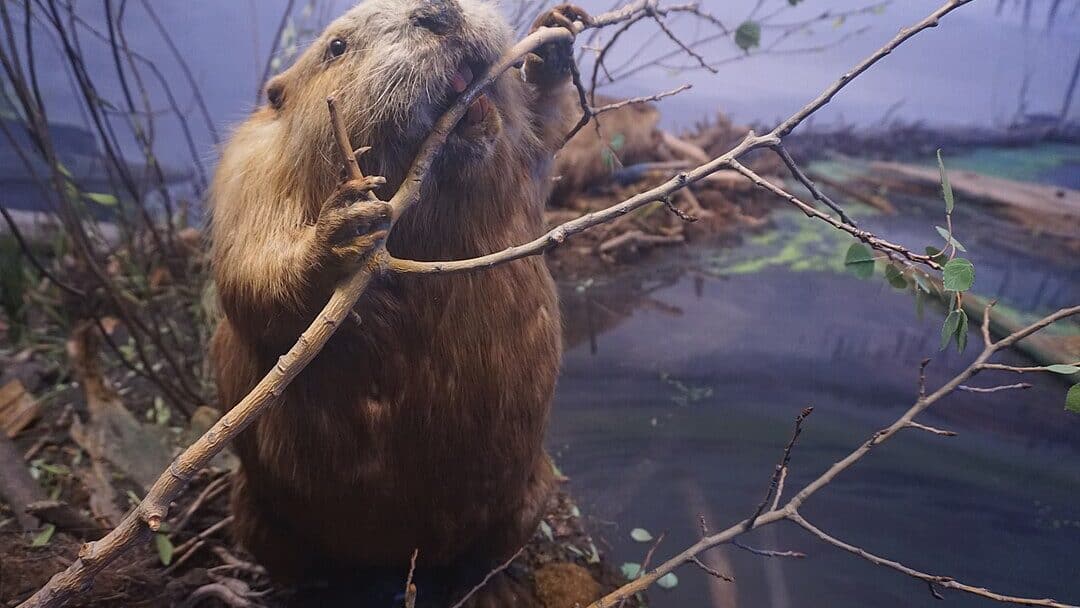
The materials used in kits’ practice dams differ notably from those in adult constructions, reflecting both the physical limitations of young beavers and the educational nature of these structures. While adult beavers can fell substantial trees and move branches weighing several pounds, kits begin with materials proportionate to their size—small twigs, reeds, grasses, leaves, and mud. As they grow stronger, they gradually incorporate larger sticks and branches into their practice dams. Researchers have noted that the material composition of practice dams evolves over time, beginning with a higher proportion of soft vegetation and mud and progressively including more woody material as the kits mature. This gradual progression allows young beavers to develop the muscle strength and coordination needed for handling larger materials while learning the principles of stable construction.
From Play to Purpose: The Evolution of Practice Dams

The transition from playful dam building to purposeful construction occurs gradually during a beaver kit’s first year. Early practice sessions often have a distinctly playful quality, with kits frequently abandoning projects or seemingly building for the sheer joy of the activity. Around 6-8 months of age, researchers observe a notable shift as the structures become more intentional and persistent. Kits begin to return to their practice dams repeatedly, making repairs and improvements over days or weeks. By 10-12 months, many young beavers are contributing meaningful work to the colony’s main dam, though they continue building practice structures in peripheral areas. This evolution mirrors developmental patterns seen in other mammals, where play behaviors gradually transform into purposeful activities that serve survival functions.
Scientific Observations of Learning Patterns

Wildlife biologists studying beaver behavior have documented distinct learning patterns in how kits develop their dam-building skills. Through field observations and camera trapping, researchers have identified several phases in this learning process. The first phase involves simple mimicry, as kits attempt to copy the movements and actions of adults without necessarily understanding the purpose. The second phase shows evidence of trial-and-error learning, where kits experiment with different materials and placements, learning from successes and failures. The third phase demonstrates problem-solving abilities, as young beavers begin adapting their techniques to different water flows and environmental conditions. Finally, researchers observe innovation, where maturing kits occasionally develop novel solutions to construction challenges. This progressive learning pattern suggests that beaver dam building represents one of the most complex learned behaviors in the rodent family.
Geographical Variations in Practice Techniques
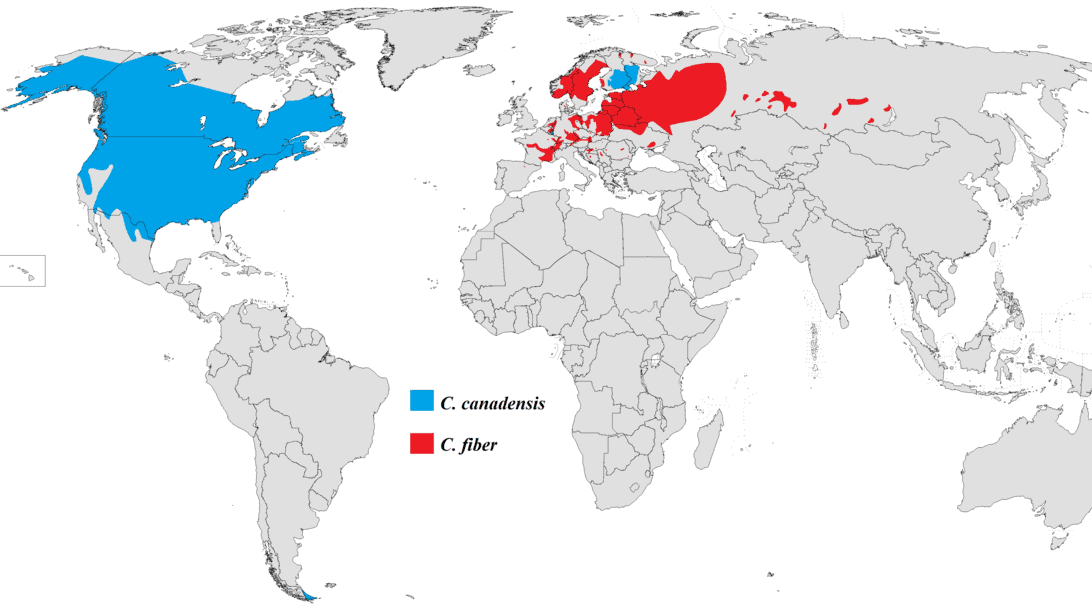
Fascinating regional differences exist in how beaver kits practice their dam-building skills across North America. Beavers in northern regions, where winter ice poses significant challenges to dam integrity, appear to emphasize different aspects of construction compared to their southern counterparts. Research from Alaska and northern Canada shows that kits in these regions spend more time practicing ice-resistant reinforcement techniques and emergency repairs. Meanwhile, beaver families in arid southwestern regions tend to emphasize water conservation strategies, with kits learning to build particularly dense, less permeable structures. Along coastal areas, young beavers develop specialized techniques for building in tidal zones or brackish water. These regional variations suggest that while the basic dam-building instinct is universal among beavers, the specific techniques transmitted from parents to offspring are adapted to local environmental challenges.
The Ecological Impact of Practice Dams
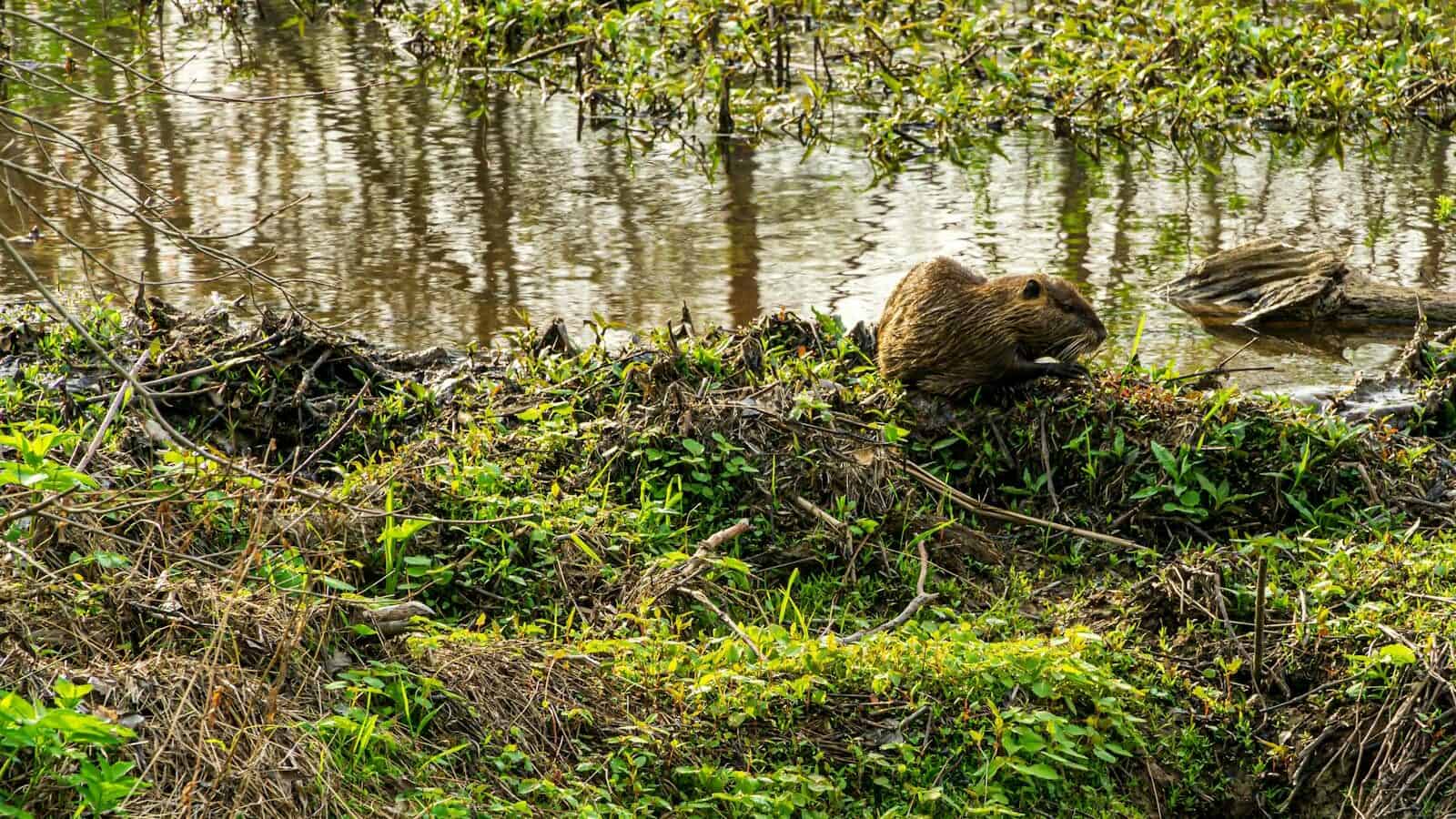
Though small in scale, the practice dams built by beaver kits contribute meaningfully to the remarkable ecosystem engineering effects of beaver colonies. These miniature structures often create micro-wetlands in shallow areas or side channels, providing habitat for amphibians, aquatic insects, and wetland plants that might not thrive in the deeper water behind the main dam. As practice dams trap sediment and organic matter, they contribute to water filtration and soil enrichment processes. When abandoned or washed away, these small structures leave behind fertile deposits that can accelerate plant succession. Researchers studying watershed restoration have noted that areas with abundant beaver kit activity show accelerated development of wetland characteristics compared to areas with only adult beaver structures, suggesting that these learning exercises provide ecological benefits beyond their educational purpose for the young beavers themselves.
Challenges to Learning in Modern Environments
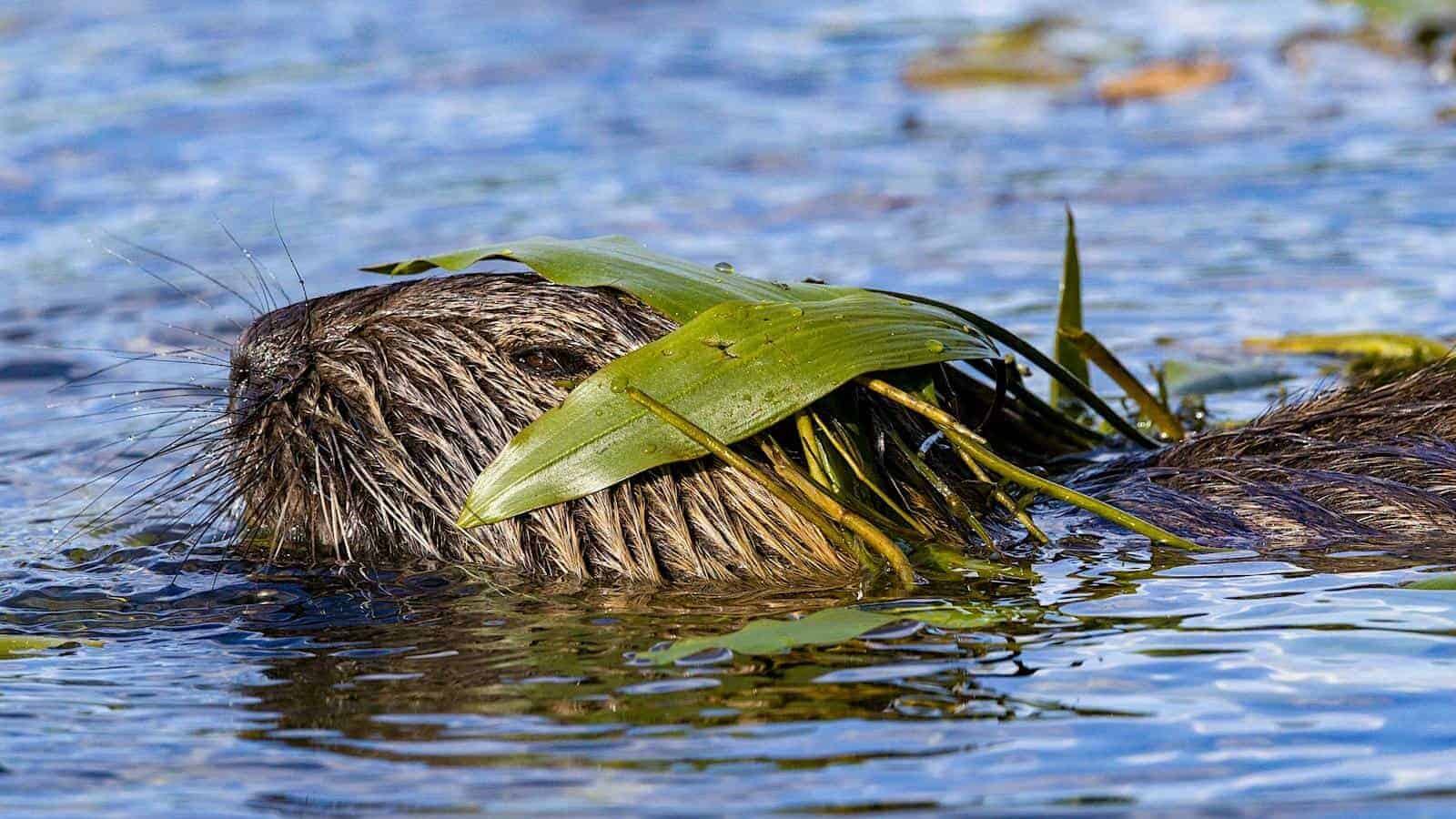
The opportunity for beaver kits to practice dam building faces numerous challenges in today’s modified landscapes. Human development has fragmented beaver habitat, sometimes forcing colonies into suboptimal locations where kits have limited safe areas for practice. Water management infrastructure like culverts and flood control systems can create dangerous water flows that make practice areas unsafe for young beavers. Additionally, increased predator pressure in some regions—from both native predators and introduced species like feral dogs—can reduce the time kits spend in vulnerable positions outside the lodge. Conservation biologists have expressed concern that these pressures may impact the traditional knowledge transfer between generations, potentially affecting the dam-building proficiency of future beaver populations. Successful beaver reintroduction programs now consider the need for appropriate “training grounds” where young beavers can develop their skills safely.
The practice dams of beaver kits represent the beginning of a remarkable engineering legacy that shapes North American ecosystems. As these young apprentices grow into skilled dam builders, they continue a tradition that has influenced landscape development for millions of years. The patience and dedication with which beaver parents guide their offspring through the learning process speaks to the sophistication of these animal societies. From their first tentative arrangements of twigs in shallow water to the eventual construction of massive dams spanning hundreds of feet, beaver engineering represents one of nature’s most impressive examples of environmental modification by a non-human species. By understanding and protecting the learning process of young beavers, we safeguard not just an endearing wildlife behavior but a critical ecological process that creates and maintains wetland habitats across the continent. The tiny dams built by beaver kits today may well become the foundations of tomorrow’s thriving ecosystems.

- 21 Scary Creatures You Might Run Into While Hiking In The U.S - June 3, 2026
- The Difference Between Turtles and Tortoises—Explained - June 3, 2026
- What Makes Owls the Silent Predators of the Night? - June 3, 2026