
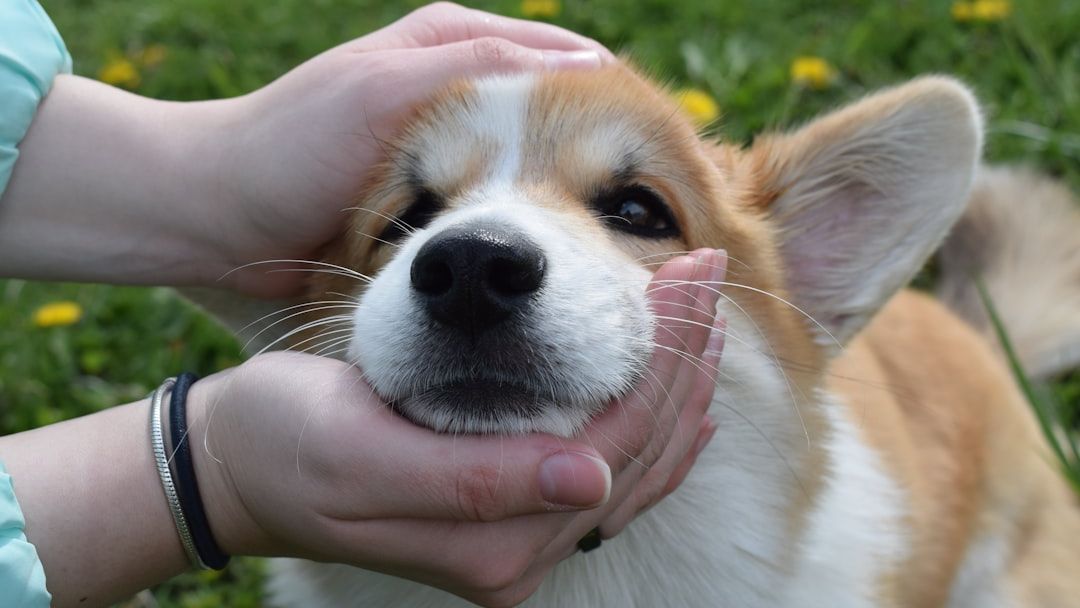
You’ve probably been petting dogs all your life, right? Most of us assume we’ve got this whole canine affection thing figured out. We reach out, give them a good pat on the head, maybe scratch behind the ears, and figure we’re doing them a favor. Here’s the thing, though. Not all dogs enjoy the way we humans show affection. Some of our most common petting habits can actually stress them out or make them uncomfortable. It might come as a shock, but there are definitely wrong ways .
Let’s face it. Dogs can’t exactly tell us with words when we’re crossing a line. They communicate through body language that we often miss or misinterpret. The wrong kind of petting can actually make a dog nervous or scared, and that’s not what anyone wants. Ready to learn what you might be doing wrong? Let’s dive in.
Approaching Like A Giant Hovering Over Them
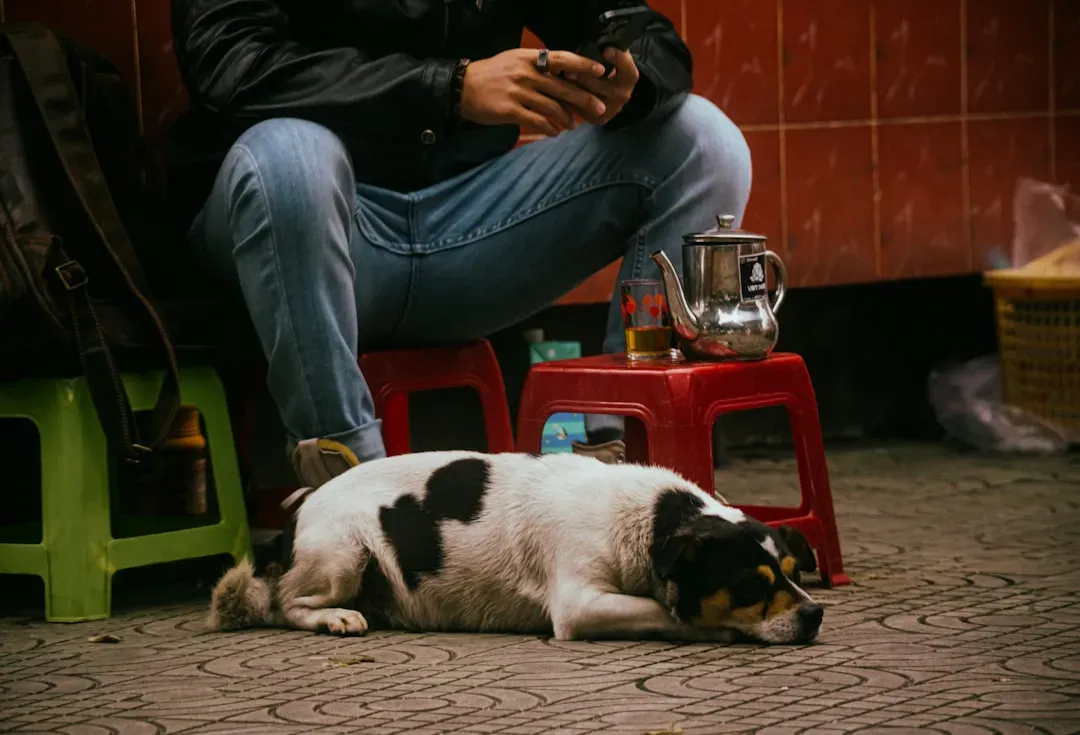
Picture this. You’re minding your business when suddenly a much larger creature looms over you, hand extended. Intimidating, isn’t it? Bending and towering over dogs may be taken as a sign of dominance and it may threaten them. When you lean directly over a dog, especially one you don’t know well, you’re sending all the wrong signals.
When they see the dog backing up or moving away, many people follow after them to try to pet it. This just escalates the dog’s discomfort. They’re telling you they need space, and pursuing them only makes things worse. The better approach? Crouch down so that you are more eye level with the dog, extend your hand, and wait for the dog to come to you.
If the dog comes forward with a wagging tail, great. If they back off or pull their head away, that’s a clear no. Respect it. Dogs need the option to consent to interactions, just like we do. Think about it like this: you wouldn’t want someone chasing you down for a hug if you were backing away.
Going Straight For The Head
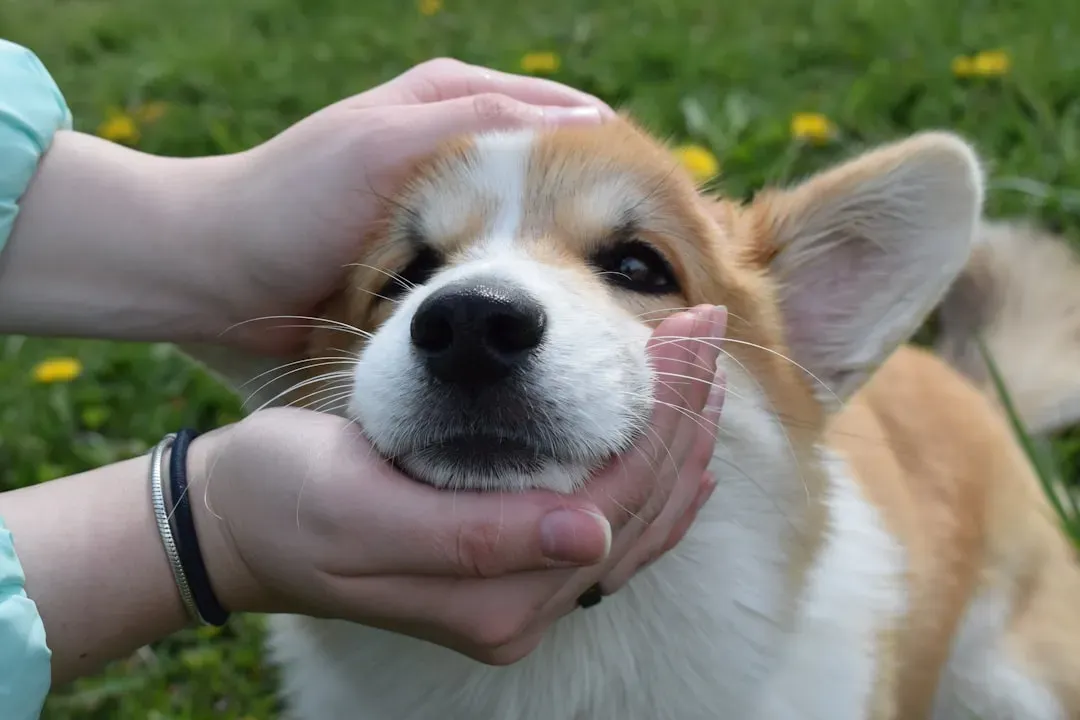
Many dogs do not like to be pet on top of the head by strangers, because a hand reaching toward their head can be perceived as a threatening gesture. It’s one of the most common mistakes people make. We go right for the top of the head or the face without a second thought. To a dog, particularly an unfamiliar one, this can feel really invasive.
By reaching under the dog’s head, you’re sending a message that you’re not a threat. Start with safer zones like the chest, shoulders, or side of the neck. These areas are far less sensitive and generally more welcomed by dogs. Once the dog shows they’re comfortable, you can venture to other spots.
Dogs may be more receptive to strokes versus short pats on their body, as strokes can be soothing, whereas having hands touch the body on and off repeatedly can be annoying and intrusive. Pay attention to how you’re touching them too. Gentle, continuous strokes beat choppy, repetitive pats any day. It’s less jarring and more calming for the dog.
Always watch their reaction. Are they leaning into your hand or pulling away? That tells you everything you need to know.
Ignoring The Stress Signals They’re Sending
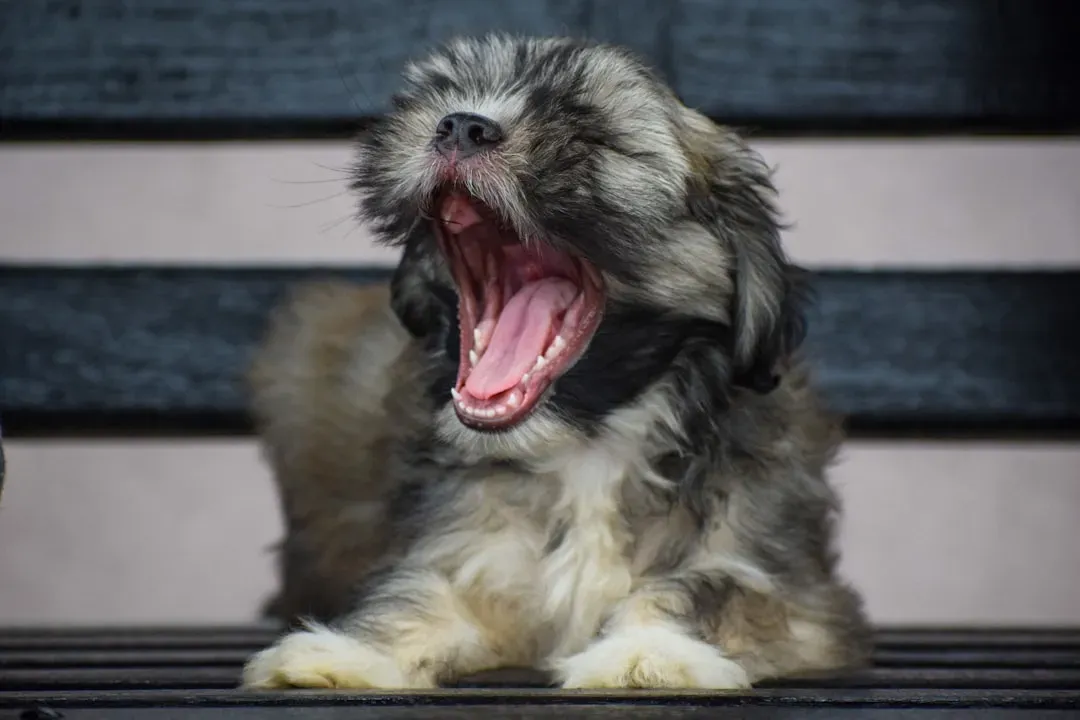
Dogs are constantly talking to us, just not with words. The top three calming signals owners should be on the lookout for are lip licking, yawning, and shaking off. If you see these behaviors when you’re petting a dog, they’re stressed. It’s their polite way of saying they’ve had enough.
Stressed dogs lick their noses and lips frequently, pant without being hot or having just exercised, and frequently yawn, and many dogs will avoid eye contact, show white around their eyes (whale eye or side eye), or have dilated pupils. These aren’t random quirks. They’re clear signals of discomfort. Honestly, we miss them way too often because we’re focused on our own enjoyment.
If you notice a kid running up to your dog to hug him and your dog looks away and flicks out his tongue or lets out a big yawn, he’s probably not interested in cuddling with that child. It’s not the time to keep petting. Recognizing these signals early can prevent a situation from escalating to a growl or worse, a snap. When a dog tells you they’re uncomfortable, listen.
Context matters too. A yawn after a nap is just tiredness. A yawn while you’re reaching for them? That’s stress talking.
Assuming Belly Up Means Belly Rubs
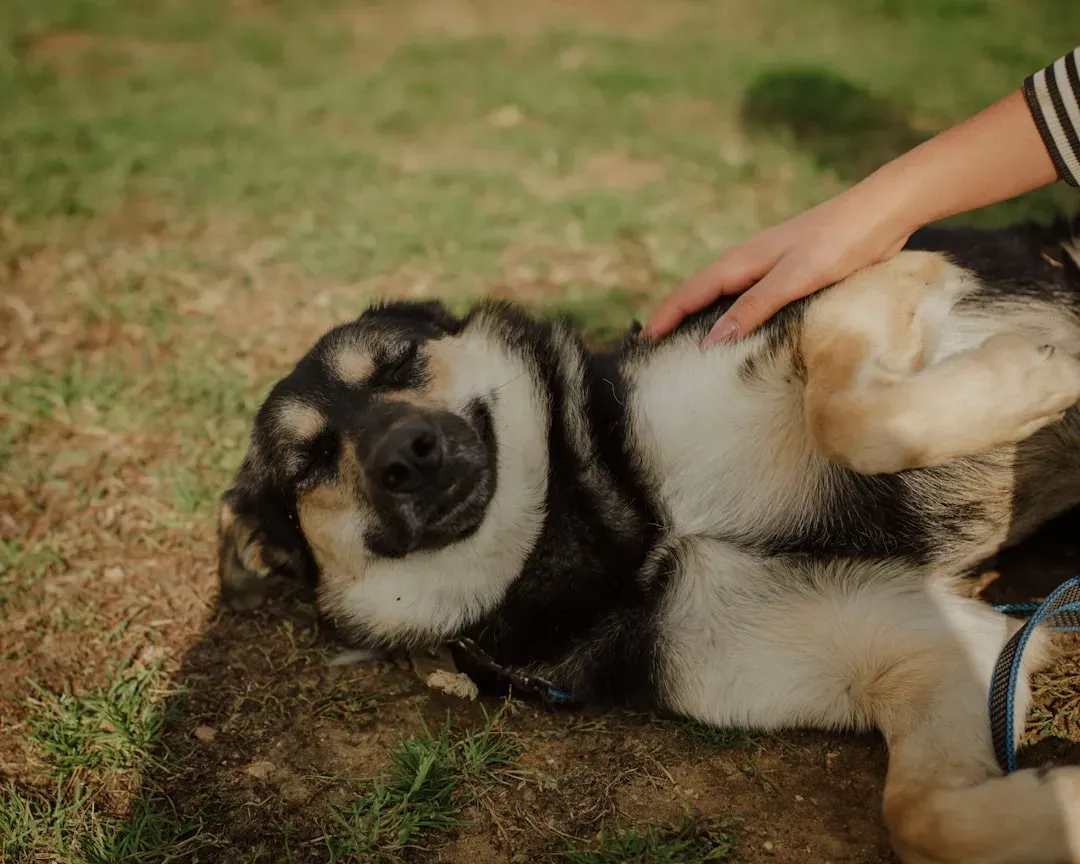
We see a dog roll over and show their belly, and we think it’s an invitation for rubs. Sometimes it is. While sometimes this is true, other times dogs do this when they are nervous and want you to stay away. It’s actually a submissive gesture meant to de-escalate tension, not necessarily a request for affection.
In the first image, the dog is rolling on his back exposing his belly but you also see lip licking and a head that is turned away to show the whites of the dog’s eye, or whale eye, which means the dog is uncomfortable with your approach or with something you are doing. Look at the whole picture. Is their body relaxed? Is their mouth open and soft? Are they making comfortable eye contact?
When a dog rolls over on their back, stop giving them attention and take a few steps back to give them space, as while some dogs like belly rubs from their family, they might not like a stranger touching this vulnerable part of their body. Give them space first. Let them show you what they want instead of assuming. You can test the waters by petting from their back toward their belly while carefully watching their body language.
If they tense up, turn away, or show any discomfort, stop immediately. Not every belly exposure is a green light. Respect their boundaries, even when they seem like they’re offering vulnerability.
Reinforcing Bad Behavior With Petting
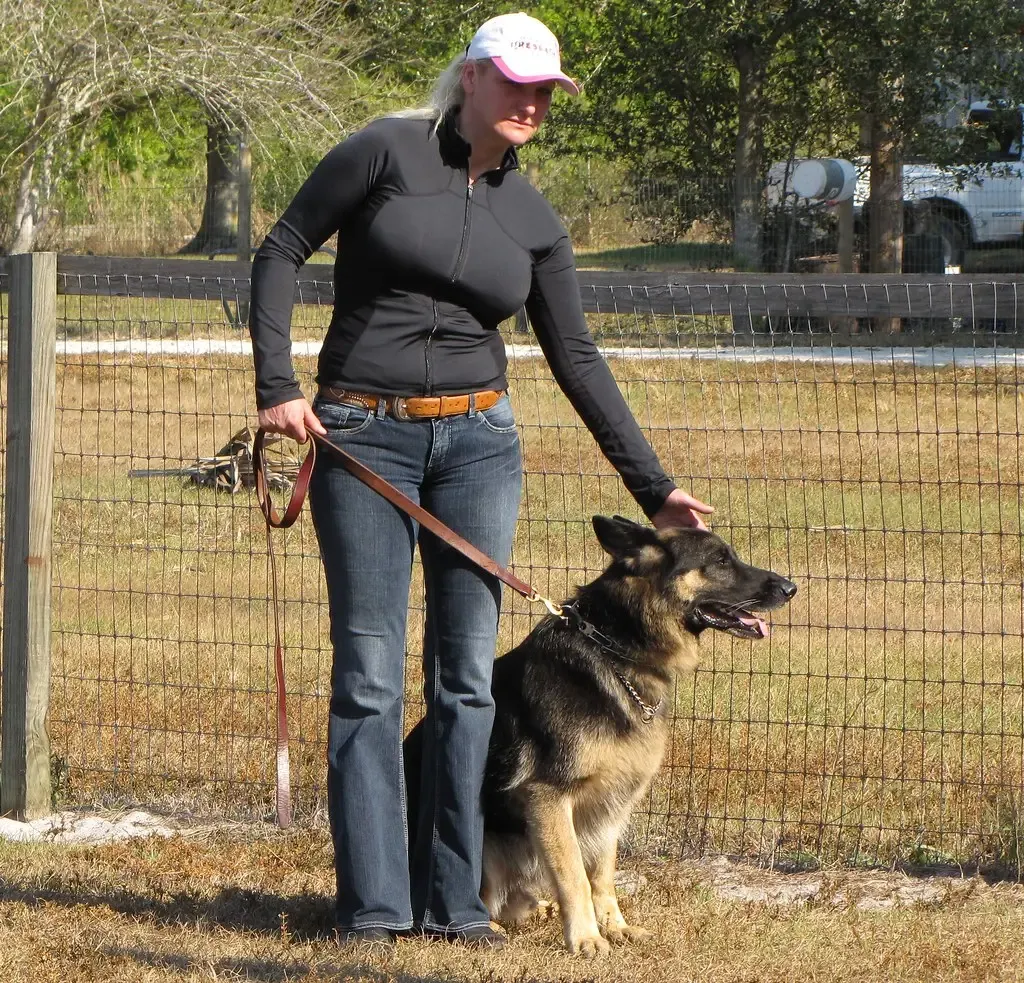
Some rules include making sure your dog sits down before you pet him or never petting your dog if they are jumping at you. This one’s tricky because it feels natural to comfort an excited or anxious dog with affection. The problem is, petting them when they’re jumping, barking, or acting out actually rewards that behavior. You’re telling them that’s the way to get your attention.
Even though some situations can be humorous, it’s important to hold back the laughter and refrain from petting your dog, as if not, they will assume they’ve done nothing wrong. It’s hard, I know. When your dog is bouncing off the walls with excitement, you want to greet them. Waiting until they calm down feels counterintuitive, almost cold.
Yet consistency is everything here. If you sometimes pet them when they jump and other times don’t, you’re just confusing them. Dogs thrive on clear, predictable rules. Set a standard and stick to it. Petting becomes a reward for calm, polite behavior, not chaotic energy.
Think of it this way: you’re not withholding love. You’re teaching them how to earn it in a way that doesn’t involve launching themselves at you or guests. That’s better for everyone in the long run.
Conclusion
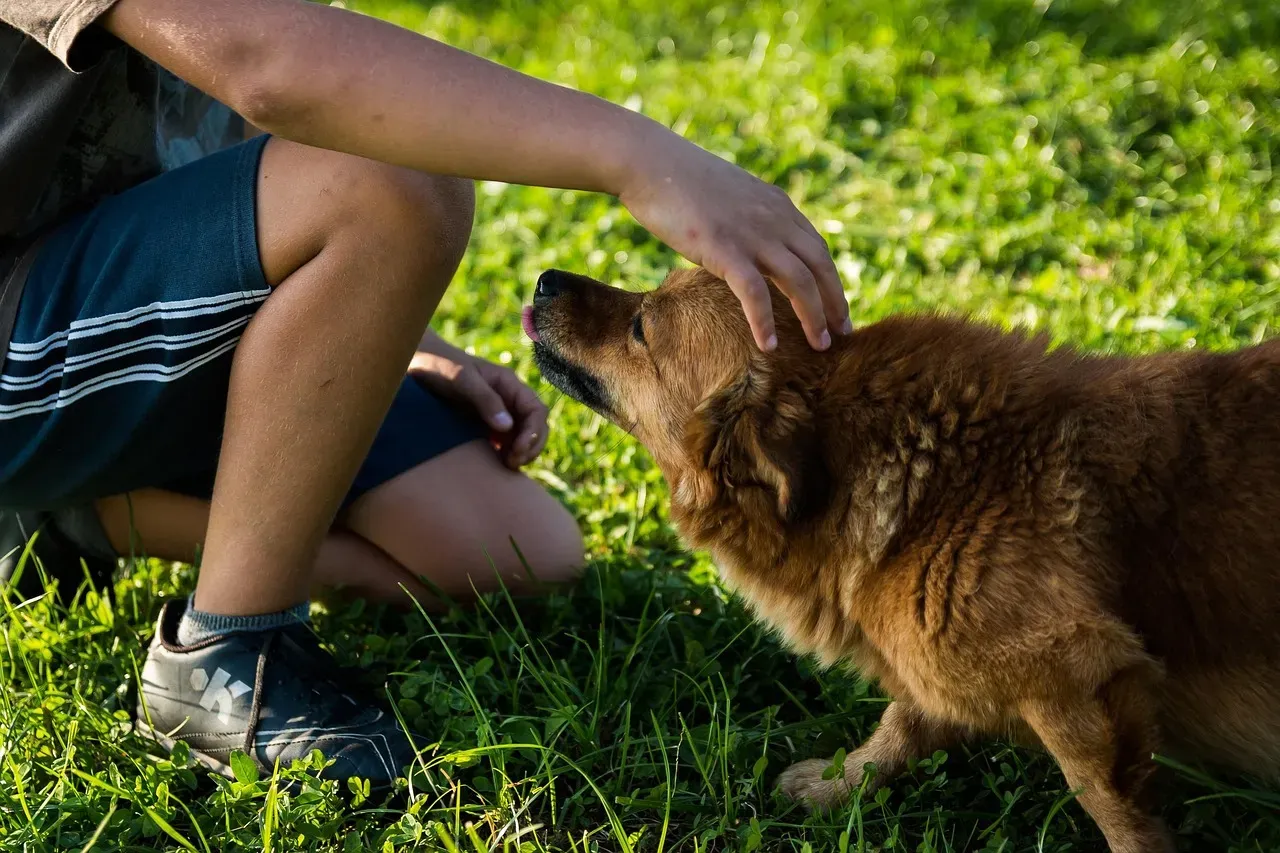
Petting a dog the right way isn’t about following a rigid rulebook. It’s about respect, observation, and understanding. Dogs have preferences, boundaries, and ways of communicating that we need to tune into. Never force your dog to accept touch or handling, always allow them to walk away if they are uncomfortable or unwilling to participate, and if they walk away, it is information that the training needs to be in smaller, slower steps before progressing.
The way you approach, the areas you touch, and your ability to read their signals all matter more than you might think. Get it wrong, and you risk stressing them out or damaging trust. Get it right, and you build a bond based on mutual comfort and respect. So next time you reach out , pause. Watch their body language. Let them guide the interaction. They’ll thank you for it, maybe with a real tail wag or a genuine lean into your hand.
What’s your experience with petting dogs? Have you ever misread a signal? Share your thoughts in the comments.
