
Have you ever wondered what true loyalty looks like in its purest form? While humans often struggle with commitment and faithfulness, the animal kingdom offers some of the most breathtaking examples of unwavering devotion that put our own relationships to shame. From dogs who wait years for their owners’ return to elephants who mourn their dead with rituals that rival our own, these creatures demonstrate that loyalty isn’t just a human virtue – it’s a force of nature that transcends species barriers and touches something deep within our souls.
These remarkable stories of animal loyalty will challenge everything you think you know about devotion and faithfulness. So let’s get started on this incredible journey through the animal kingdom’s most devoted hearts.
Dogs: The Ultimate Symbol of Unwavering Faithfulness

The legendary story of Hachiko, a Japanese Akita who waited at a train station for over nine years after his owner’s death, represents the pinnacle of canine loyalty. This remarkable dog met the evening train every day for nine years, nine months and fifteen days, patiently waiting for his owner who had passed away at work. His devotion became so famous that his story inspired countless adaptations, cementing his status as an icon of devotion.
Modern stories of canine loyalty continue to astound us. When the World Trade Center was attacked on September 11th, a blind computer technician working with his guide dog, Salty, heard the noise and figured he would never make it out alive, so he released his dog. Dorado obeyed the command to leave but came back a few minutes later, and it took them an hour to make it down the steps and escape from the building, which collapsed soon after they got out. Their bond literally saved both their lives.
Elephants: Giants with Hearts of Gold
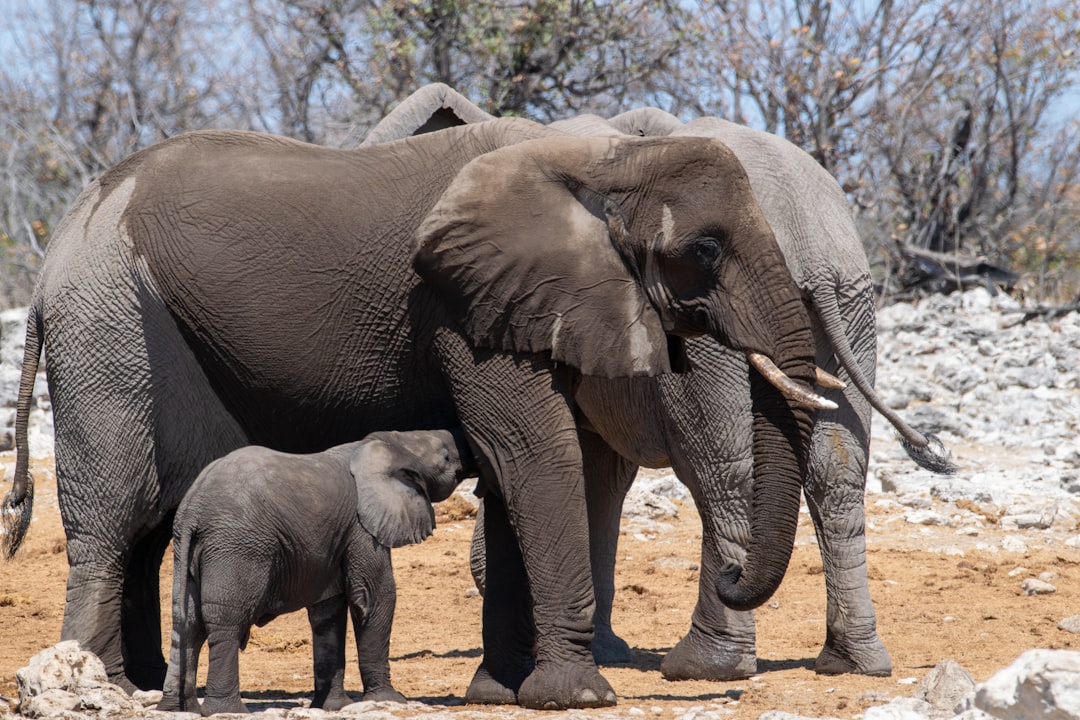
Elephants are highly social creatures that live in closely-knit family groups, have impressive memory and often travel great distances to reunite with a lost family member, and when a family member dies, they show signs of mourning, such as touching the body with their trunk or lying next to the dead elephant. Scientists note that elephants have respect for their dead, and their interaction with their dead is striking behavior – not based on survival or necessity, but based on some sort of emotion.
When a herd member passes away, others show signs of grief, often lingering by the body and gently touching it with their trunks, and this mourning can last for days, with elephants returning to the site and exhibiting subdued behavior, demonstrating their understanding of loss and the value they place on relationships. These creatures are very attached to their families, have extremely strong family bonds and will look out for each other, with the Matriarch keeping the family together – their family structure and bonds are much stronger than you have in human families.
Wolves: Masters of Pack Loyalty
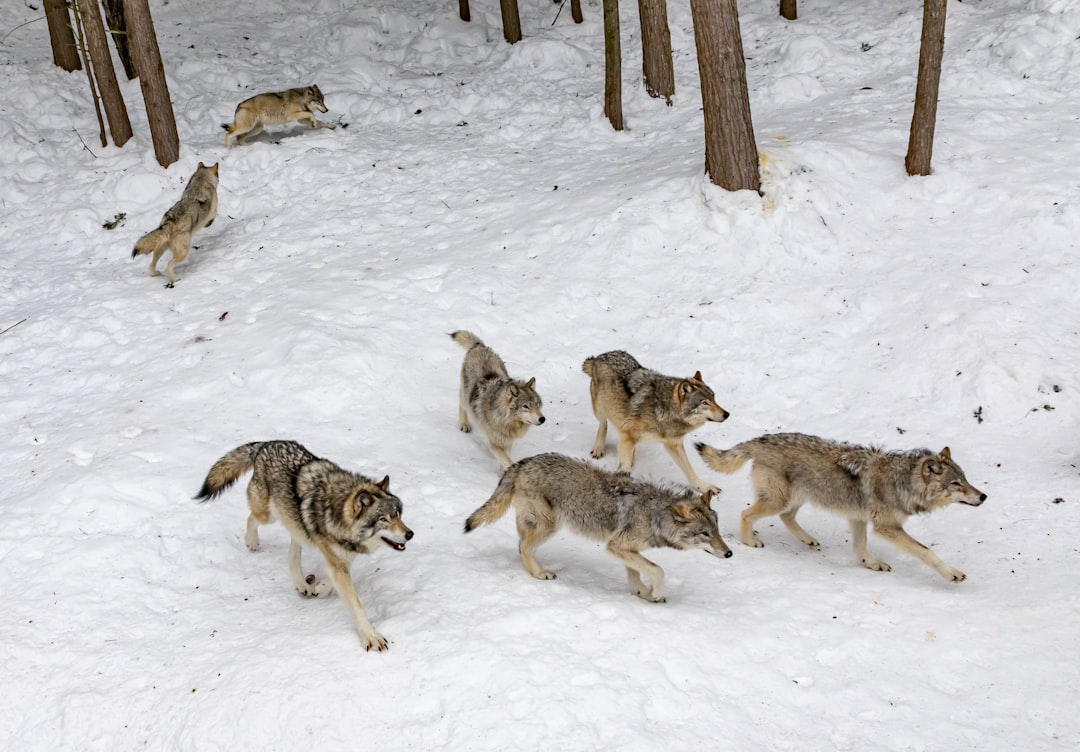
Wolves are renowned for their pack dynamics, where loyalty is not just a virtue but a survival strategy, with each member dedicated to the well-being of the others, working together to hunt, protect their territory, and raise their young, while the alpha pair leads the pack with a balance of strength and loyalty, ensuring the survival and prosperity of their family. A wolf’s bond with its mate is for life, and together, they raise pups and hunt as a team, but their devotion goes beyond just romance as every pack member has a role, and wolves will defend their own at all costs.
Wolves are the epitome of teamwork and loyalty to their pack, living in tight-knit family units where cooperation is crucial for survival, and a wolf’s bond with its pack is strong, as each member plays an essential role in hunting, defending, and raising young, with loyalty to the pack deeply ingrained in wolf behavior. Their commitment to their pack represents one of nature’s most powerful examples of collective loyalty.
Swans: Graceful Symbols of Eternal Love
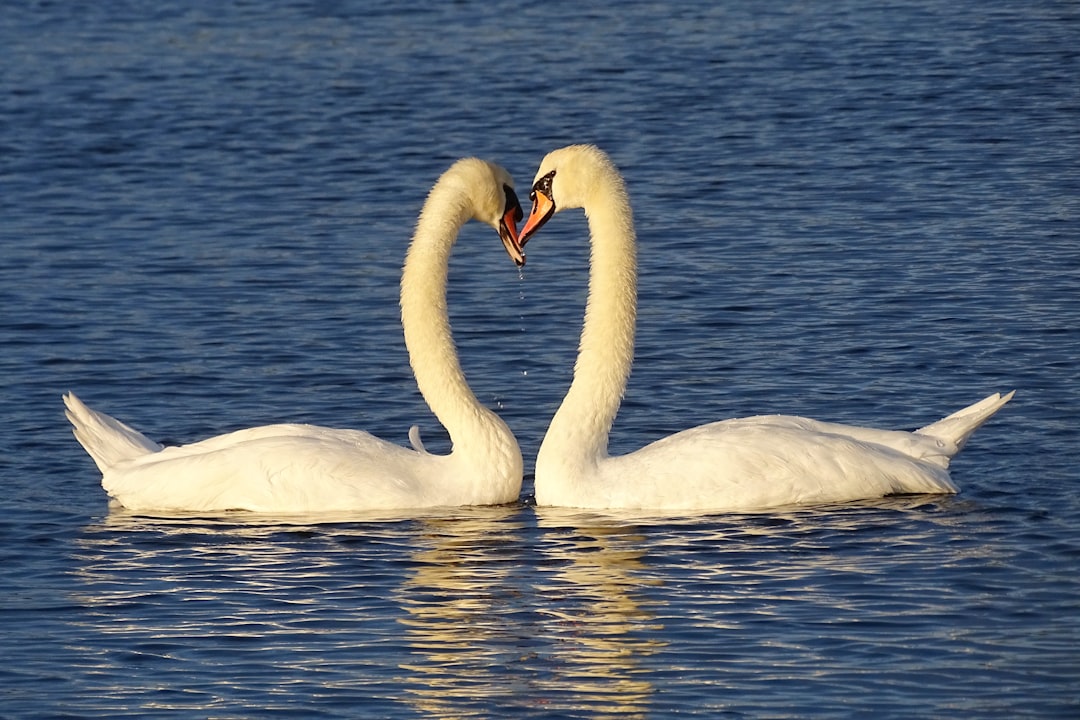
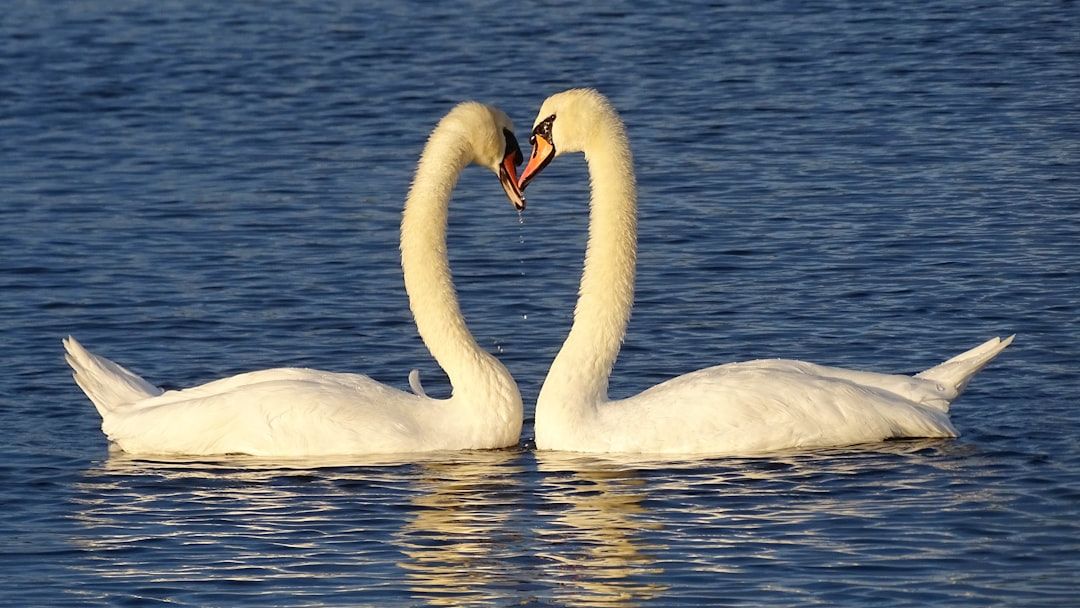
Few animals embody devotion quite like swans – once they pair up, they stay together, co-parenting their cygnets and fiercely guarding their nesting area, and these elegant birds are famous for their elaborate courtship dances, but their loyalty goes beyond the performance as once bonded, a pair stays together for life and even migrates thousands of miles side by side. In many cultures, swans represent the notion of true love, a love that endures beyond time and trials, and Greek mythology associates the swan with Aphrodite, the goddess of love, while the sight of a pair of swans swimming together in perfect harmony often evokes deep feelings of devotion and eternal love.
Swans mate for life – although divorce sometimes occurs – and a mute swan typically has only one mate in its lifetime. They were representative of love and oaths possibly because of their mating for life and remaining loyal to one another, making them enduring symbols of faithfulness throughout human history.
Albatrosses: Ocean Wanderers with Lifelong Bonds
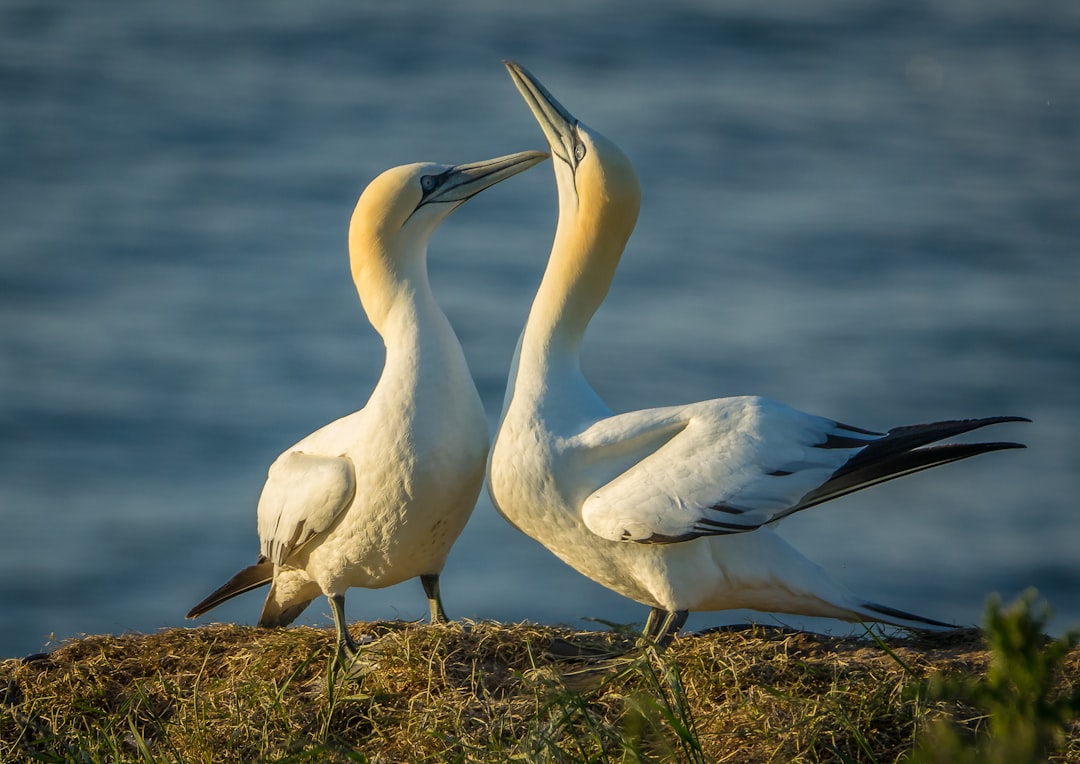
Loyalty in the bird world is rare, but albatrosses have perfected it – their courtship takes years, involving intricate dances, until they find the right partner, and once bonded, they stay together for life, reuniting year after year, even after months apart, covering thousands of miles over the open ocean, proving that true loyalty doesn’t require constant proximity – just trust. Socially, albatrosses are both community-orientated and loyal, taking time to select the right mate, and when they do they celebrate with a wedding waltz of sorts, with each couple’s dance being unique and developing over time – a kind of individual language that cements a pair bond that lasts for life.
Albatrosses mate for life and are frequently referred to as having the most minimal ‘divorce rate’ among all birds, with adults renowned for their intricate courtship dance displays – for instance, Wandering Albatross pairs have a minimum of 22 distinct dance moves, including head rolling, wing spreading, and beak-clacking. These magnificent ocean wanderers prove that distance means nothing when hearts are truly connected.
Seahorses: Unique Partners in Marine Devotion
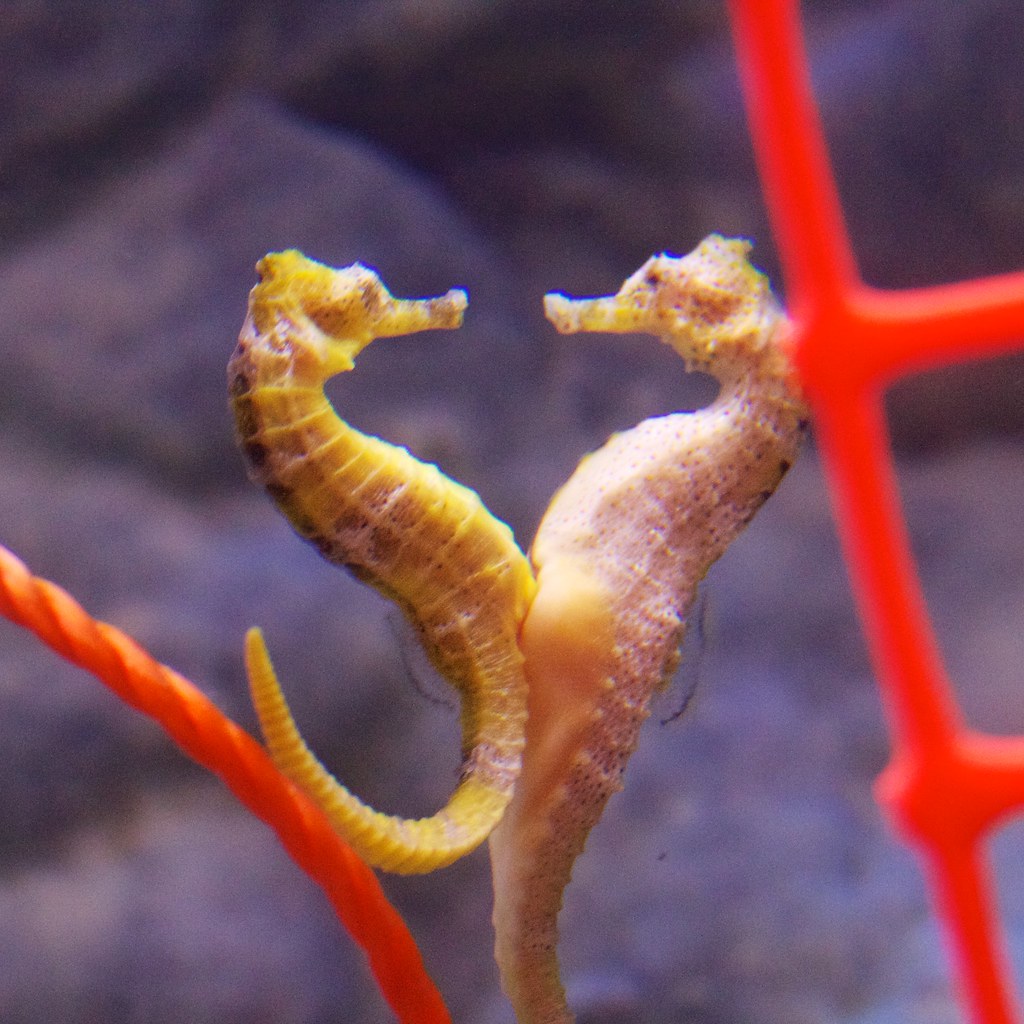
Seahorses redefine partnership in the most unique way – males carry and give birth to the young, but beyond that, many species form long-term bonds, engaging in daily greetings that include tail-holding and synchronized movements, with their rituals keeping their connection strong. Male seahorses carry their babies in the pouch on their stomachs, but long before that, they flirt with potential mates by intertwining tails and dancing around each other.
Their unique approach to partnership challenges conventional ideas about relationships. While most animals rely on traditional gender roles, seahorses demonstrate that true partnership means sharing responsibilities in unexpected ways. Their daily greeting rituals and synchronized swimming patterns create a bond that’s both practical and beautiful, proving that devotion comes in many forms throughout the natural world.
Penguins: Dedicated Co-Parents of the Antarctic
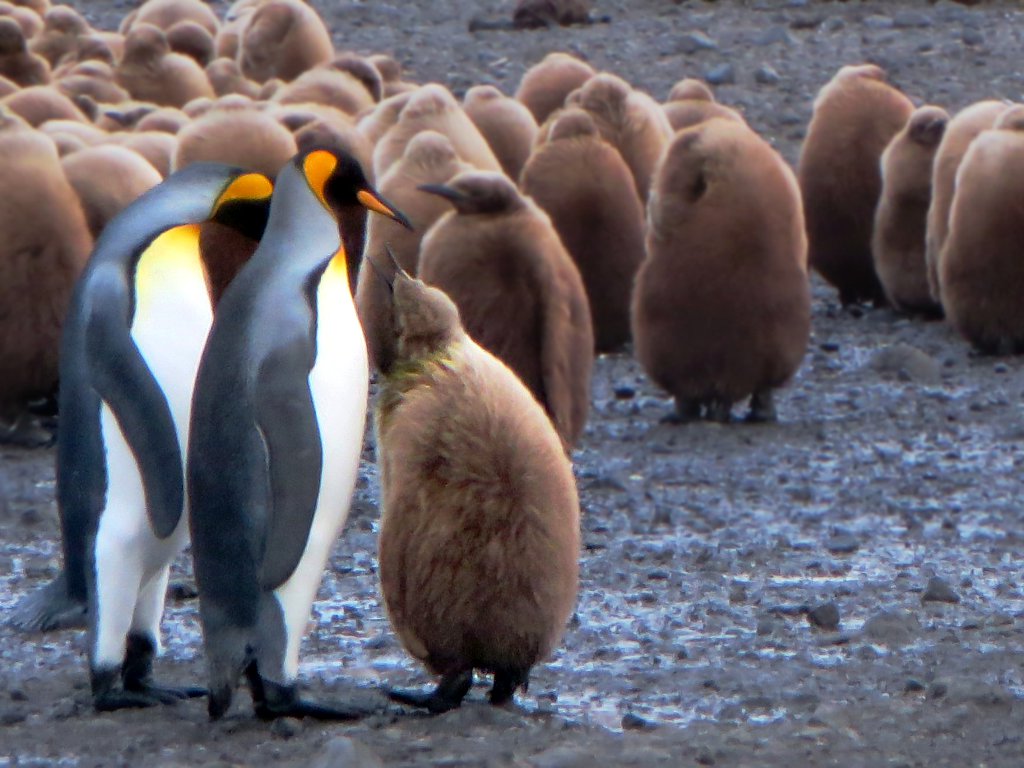
More than 90 percent of birds are socially monogamous, though none of them show affection quite like macaroni penguins – these adorable couples dance when they see each other, called “an ecstatic display,” puffing up their chests, swinging their heads side to side, and making a gurgling-like sound, and once their baby is born, the father looks after the chick while the mother hunts for food. Macaroni penguins, located along the sub-Antarctic and the Antarctic Peninsula, do mate for life, typically picking a mate when they are five years old and staying with that same partner for the rest of their lives, and much like emperor penguins, macaroni penguins will take turns hunting for fish and sitting on their eggs.
In addition to their romantic devotion, penguins also demonstrate familial love, as both parents work together to care for their young, showing that love is a shared responsibility, making the penguin a symbol of love that is both tender and steadfast, showing the depth of commitment and sacrifice that love can involve. Their dedication to their offspring in some of the harshest conditions on Earth showcases the incredible power of parental devotion.
Dolphins: Intelligent Companions with Deep Friendships
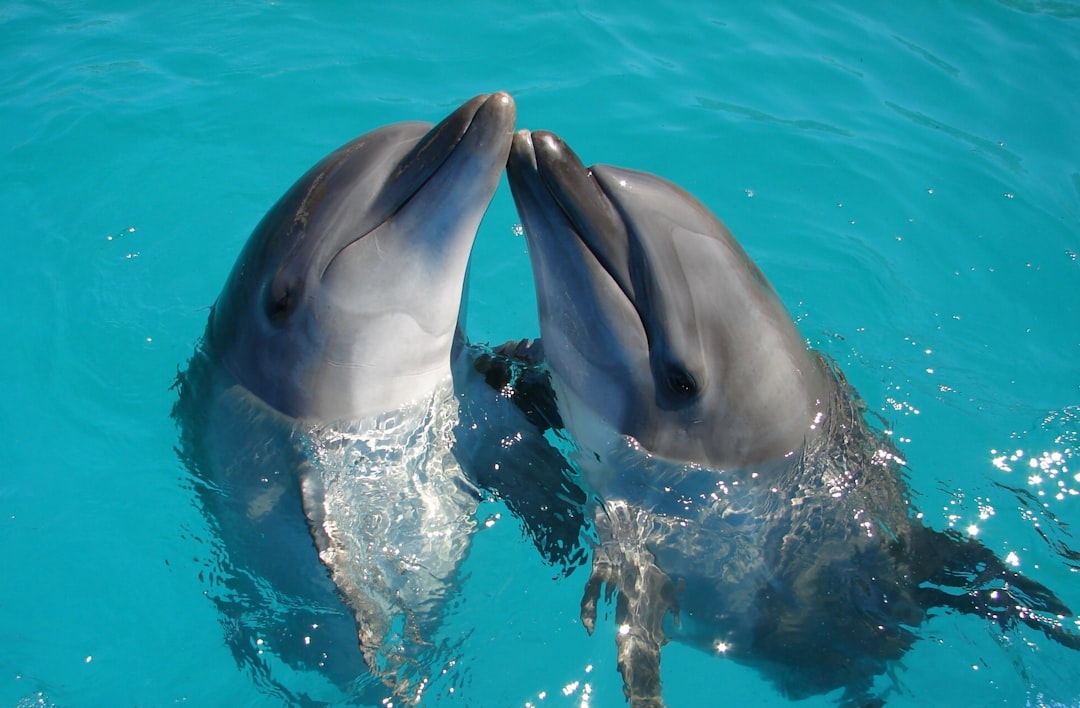
Dolphins are highly social creatures that form deep, lasting friendships within their pods, working together to protect the vulnerable, coordinate hunts, and even comfort one another when injured or grieving, with some dolphins forming lifelong pairs, staying together through thick and thin, as their intelligence plays a key role in this loyalty – complex emotions drive their social structures. In the ocean, orcas are known to defend injured pod members, sometimes even carrying them to safety.
Their emotional intelligence rivals that of humans, allowing them to form complex social networks that last for decades. When a dolphin is in distress, others will surround and support the struggling individual, sometimes holding it at the surface to breathe. These remarkable acts of compassion demonstrate that loyalty in the animal kingdom often surpasses our own human capacity for selfless devotion to friends and family.
Prairie Voles: Small Rodents with Giant Hearts
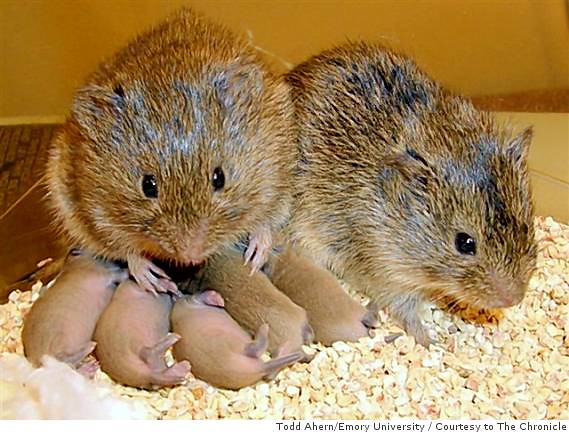
Lifelong love isn’t common in rodents, but prairie voles are the exception – once they bond, they’re inseparable, sleeping, grooming, and even parenting together, and if separated, they show clear signs of distress, much like humans experiencing heartbreak. These tiny creatures have become the subject of extensive scientific research because their monogamous behavior is so rare among mammals.
What makes prairie voles particularly fascinating is their neurochemistry – they release the same hormones associated with love and attachment in humans. Their devotion is so complete that widowed voles often remain single for the rest of their lives, a testament to the depth of their emotional bonds. Despite being small and seemingly insignificant, these rodents teach us that size has nothing to do with the capacity for profound, lasting love.
Conclusion

The animal kingdom’s most devoted creatures remind us that loyalty isn’t just a human virtue – it’s a powerful force that shapes the natural world in extraordinary ways. From Hachiko’s decade-long vigil to the elaborate courtship dances of albatrosses, these stories prove that true devotion knows no boundaries of species, size, or circumstance. These remarkable animals demonstrate that at its core, loyalty is about showing up, staying committed, and choosing love even when it’s difficult.
Perhaps what’s most humbling about these tales is how they challenge us to examine our own capacity for devotion. If a dog can wait nine years for an owner who will never return, or if elephants can mourn their dead with rituals that span days, what does that say about the depth of commitment we’re capable of in our own relationships? What do you think about these incredible displays of animal loyalty? Tell us in the comments.
