
There’s something quietly extraordinary about looking up and seeing a bird that wasn’t there a generation ago. For much of the twentieth century, the American sky grew lonelier. Pesticides, habitat loss, hunting, and neglect pushed some of the continent’s most spectacular birds toward silence. The stories felt familiar and grim: another species fading, another sky emptied.
What’s changed since then is harder to dismiss as coincidence. Decades of deliberate conservation work, landmark legislation, and the slow recovery of natural habitats have started to bend the arc back. A few of the birds once on the edge of disappearing are now, cautiously, returning.
The Bald Eagle: America’s Most Symbolic Comeback
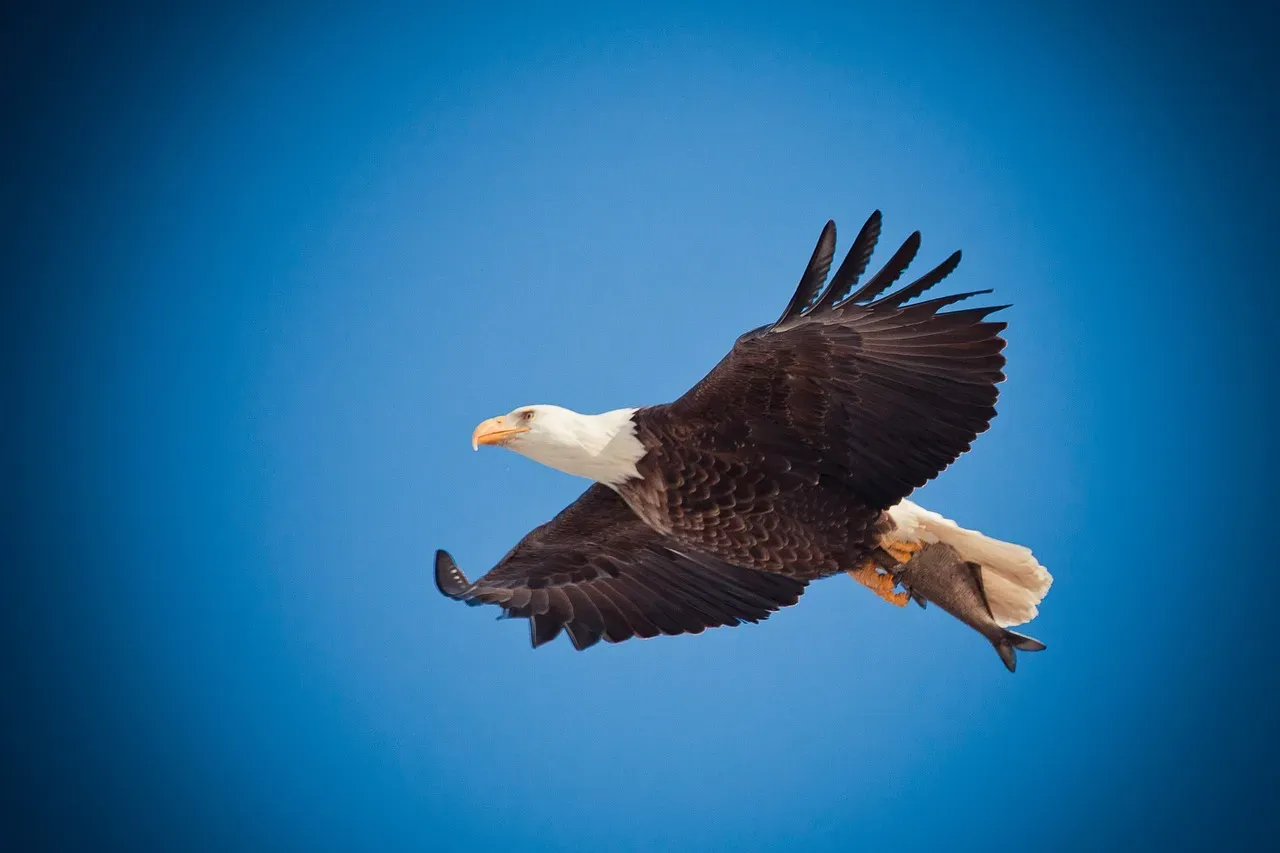
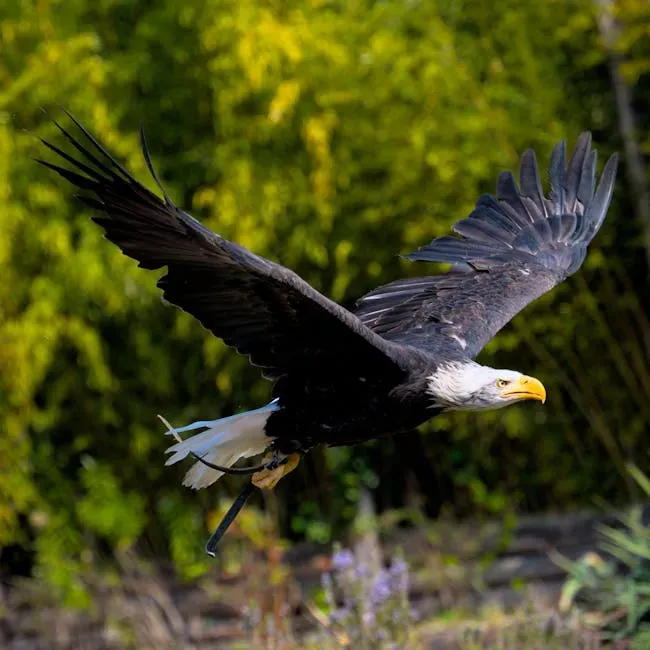
Few recoveries carry as much emotional weight as the bald eagle’s. By the 1960s, America’s national symbol had been reduced to just 417 nesting pairs in the contiguous United States, a collapse driven by habitat destruction, hunting, and most significantly the widespread use of DDT, which caused catastrophic reproductive failure.
The ban on DDT, protections from the Endangered Species Act, and captive breeding and reintroduction efforts all helped reverse the bald eagle’s decline. The recovery took decades of patient, unglamorous work.
Today, more than 316,700 bald eagles soar across the United States, with over 71,400 nesting pairs. This astonishing increase since their lowest point led to their removal from the endangered species list in 2007.
Now widespread across all the lower 48 states and Alaska, these magnificent birds have reclaimed much of their historical range, making them visible symbols of successful wildlife conservation. Spotting one over a river or lake today feels earned, not accidental.
The Peregrine Falcon: Speed, Resilience, and the Urban Sky
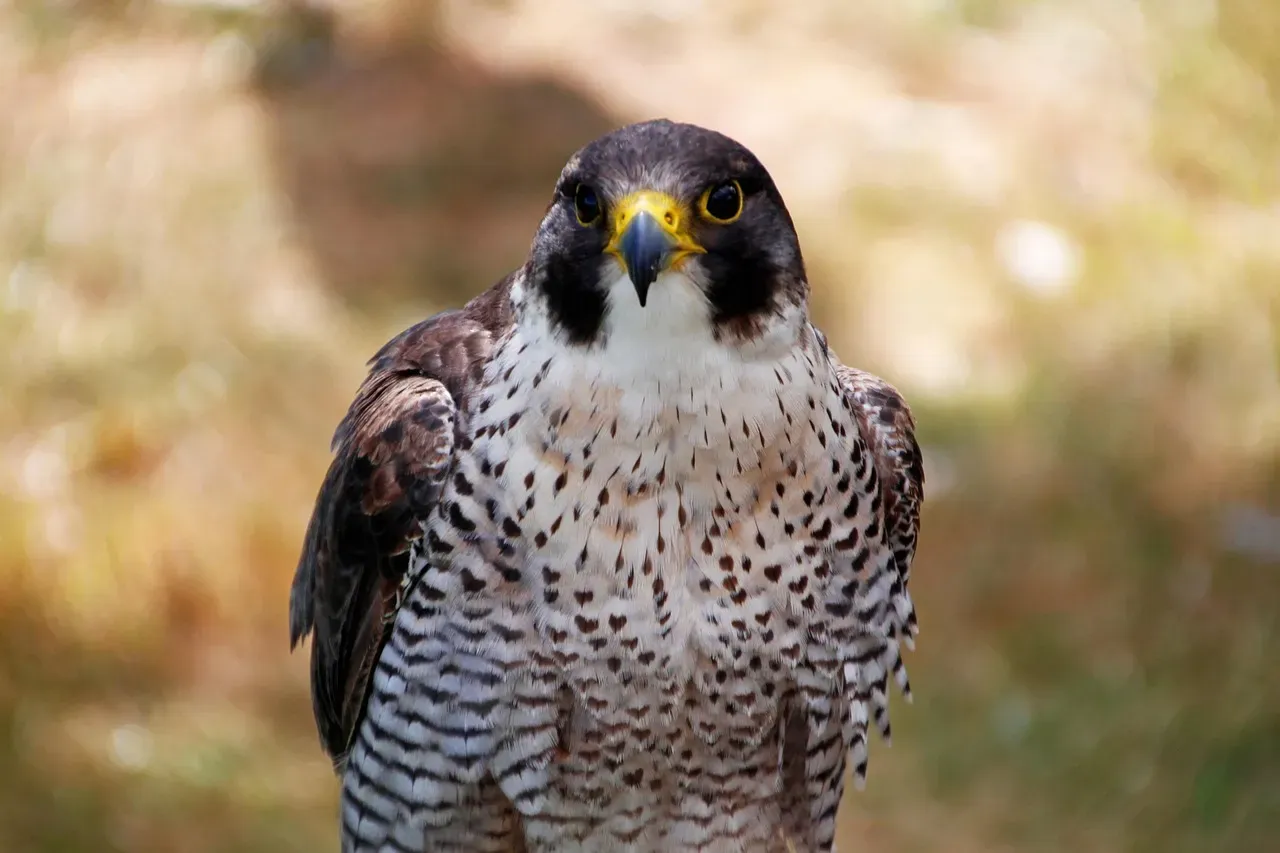
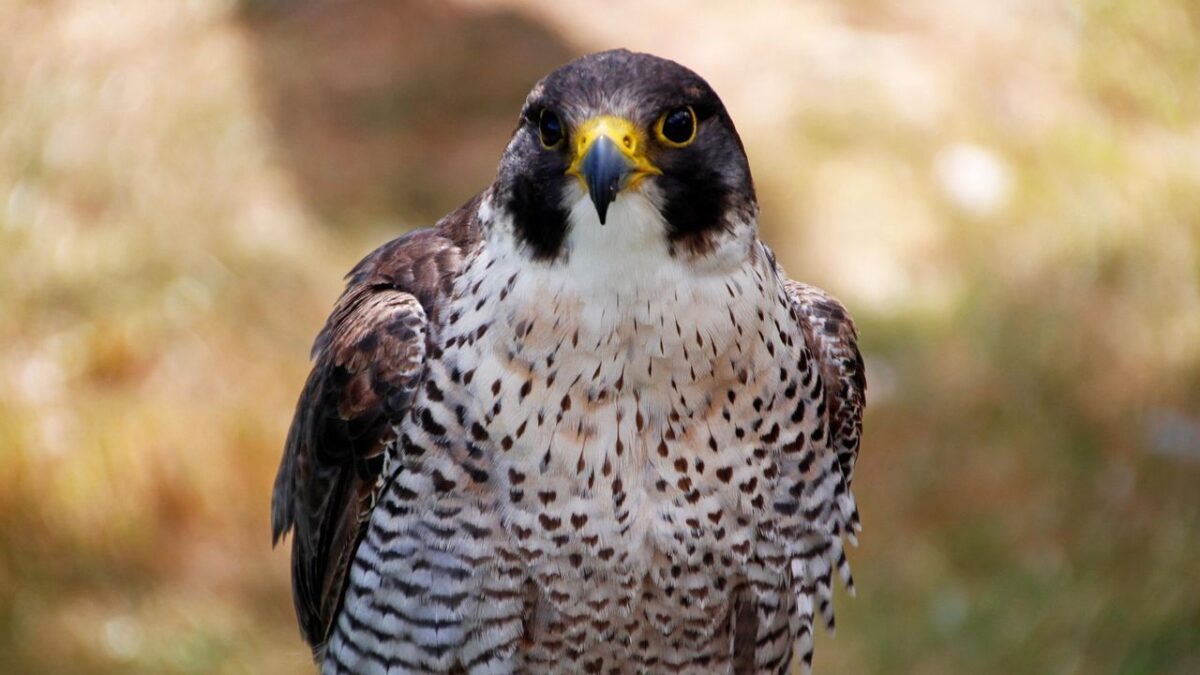
The US population of peregrine falcons dropped from an estimated 3,900 in the mid-1940s to just 324 birds in 1975, and the falcon was considered locally extinct in the eastern United States. It was one of the most severe collapses of any raptor species in North American history.
Following DDT’s ban and protection under the Endangered Species Act, an ambitious recovery program began, including captive breeding and the release of over 6,000 falcons. The scale of that effort was remarkable for its time.
Today, more than 3,000 breeding pairs inhabit the United States, with peregrines adapting remarkably well to urban environments. These birds now nest on skyscrapers, bridges, and other structures in major cities across North America, using these structures as substitutes for their traditional cliff nesting sites.
The sight of these magnificent raptors diving at speeds exceeding 200 mph through city canyons represents a conservation triumph that continues to inspire. They turned the built landscape into a new habitat, which almost no one predicted.
The California Condor: Pulled Back From Absolute Zero
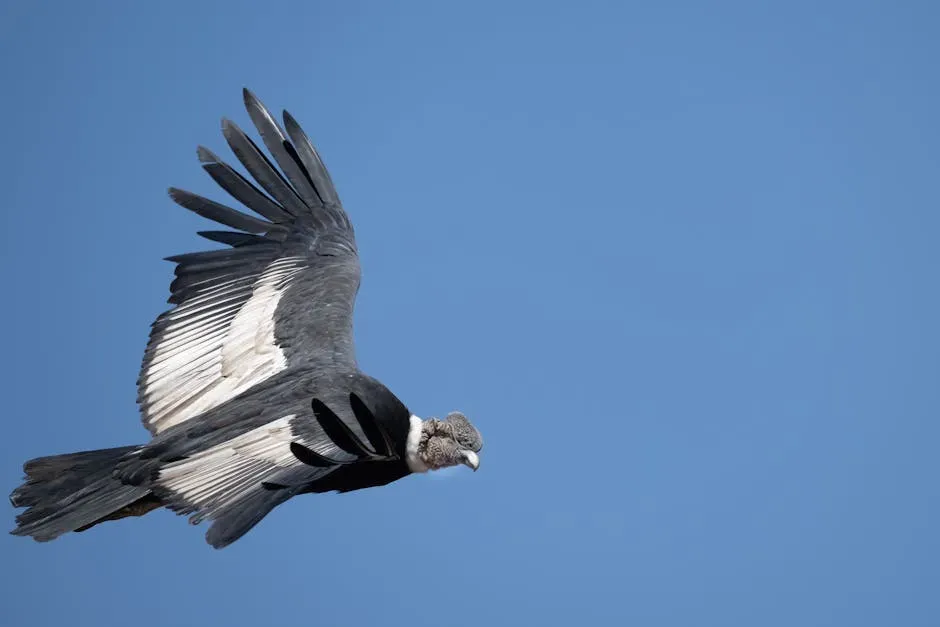
The California condor’s story is perhaps the most dramatic of all. A conservation plan put in place by the United States government led to the capture of all the remaining wild condors by 1987, with a total population of just 27 individuals. These surviving birds were bred at the San Diego Wild Animal Park and the Los Angeles Zoo.
North America’s largest land bird also claims one of the continent’s most incredible conservation success stories. Poaching, lead poisoning, and habitat destruction nearly drove the California condor to extinction by the late 20th century.
The Recovery Program is working to establish robust self-sustaining populations of condors within their historical distribution. The program includes several key components including addressing threats to the species in the wild, captive breeding, and release and monitoring at field sites.
In July 2024, the LA Zoo reported that a record-setting 17 California condor chicks hatched during the year’s breeding season, crediting the surge on novel breeding and rearing techniques developed by their condor team. The technique involves introducing two to three chicks to a single surrogate mature condor who raises them. Due to the endangered status of the California condor, all 17 chicks are to be released into the wild.
The Whooping Crane: North America’s Tallest Bird Holds On
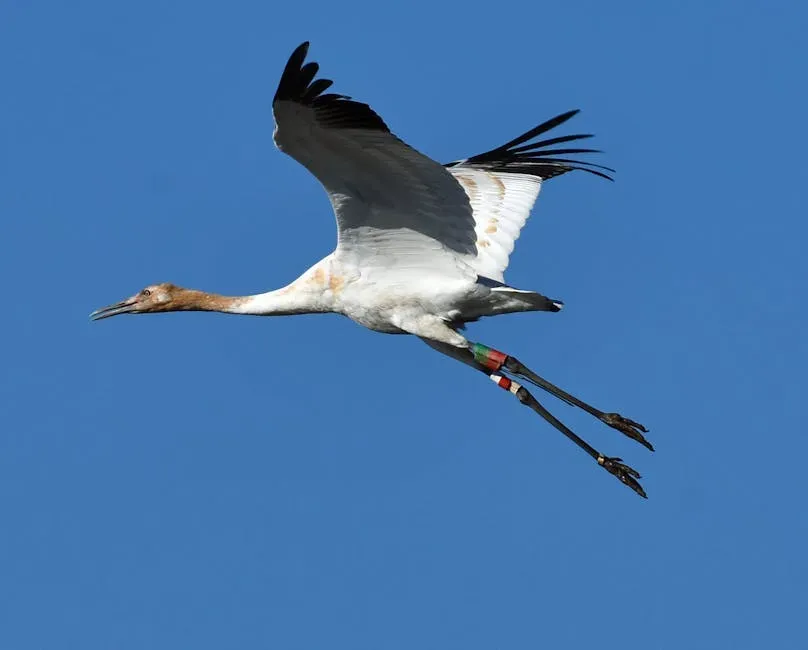
There is no better example of how close we came to permanent loss than the whooping crane. After being pushed to the brink of extinction by unregulated hunting and loss of habitat that left just 21 wild cranes by 1941, the whooping crane made a partial recovery through conservation efforts. Twenty-one birds. The margin was razor thin.
The whooping crane occurs only in North America, specifically within Canada and the United States, and is North America’s tallest bird. Though it once ranged throughout the Great Plains and Gulf Coast regions, its population was decimated by hunting and habitat loss.
The ongoing recovery of the whooping crane has included habitat protection, captive breeding, and reintroduction of captive-bred birds to parts of its historic range. One of the more remarkable interventions involved using ultralight aircraft to teach captive-raised birds an entirely new migration route.
The total number of cranes in the surviving migratory population, plus three reintroduced flocks and in captivity, only slightly exceeds 830 birds as of 2025. Progress is real, but the species remains genuinely endangered, a reminder that recovery is rarely a finished story.
The Role of Law, Science, and Collective Will

In its first 50 years, the Endangered Species Act has been credited with saving 99% of listed species from extinction thanks to the collaborative actions of federal agencies, state, local and Tribal governments, conservation organizations, and private citizens. That number is easy to skim past, but it represents thousands of individual interventions and years of unglamorous monitoring work.
Private lands programs and conservation partnerships such as conservation ranching, coastal restoration, forest renewal, and seabird translocation show how concerted efforts and strategic investments can recover bird populations. The work rarely belongs to a single agency or a single dramatic moment.
Birds strengthen American communities, and the more than 100 million Americans who watch birds contribute $279 billion to the nation’s economy each year. That’s not a trivial figure. Public investment in bird conservation has economic backing, not just moral weight.
Legal frameworks like the Endangered Species Act shield species during vulnerable phases, banning harm and funding recovery plans. Captive breeding multiplies rarities, with genetic banks preserving diversity against inbreeding. Science and law, working together, form the backbone of every bird recovery story told here.
Conclusion
These returns don’t happen on their own. Every bald eagle gliding over a river, every peregrine nesting on a city bridge, every whooping crane clearing a power line on its migration route represents something deliberate. Someone fought for it, funded it, and stayed committed through years when the numbers barely moved.
The picture is not uniformly bright. Declines are happening across the board in grasslands, aridlands, western and eastern forests, Hawaii’s fragile ecosystems, and among shorebirds and seabirds. Even waterfowl, which had rebounded strongly thanks to decades of conservation work, are seeing sharp recent declines.
Still, the birds that have come back prove one thing clearly: the outcome was never fixed. The skies over America can recover, species by species, when the political will and the scientific tools align. That’s not a small thing to carry forward.
