


The sky has always represented the ultimate frontier of freedom, a vast expanse where humans can only dream of venturing unassisted. Yet, high above the towering peaks of the Himalayas, one remarkable bird soars at altitudes that would leave humans unconscious without specialized equipment. The bar-headed goose (Anser indicus) performs one of the most impressive feats in the animal kingdom by flying over Mount Everest and its neighboring peaks during its biannual migration. These extraordinary birds navigate through air so thin that it contains only one-third the oxygen found at sea level, all while battling temperatures well below freezing and winds that can exceed 200 miles per hour. Their incredible journey represents one of nature’s most astonishing adaptations to extreme conditions and offers scientists valuable insights into high-altitude physiology.
The Record-Breaking High-Flyer

The bar-headed goose holds the undisputed title of the world’s highest-flying bird. These remarkable geese have been recorded flying at altitudes of up to 29,000 feet (8,800 meters) above sea level—higher than Mount Everest, which stands at 29,032 feet (8,849 meters). This extraordinary altitude is not just a random occurrence but a regular part of their migratory pattern as they cross the Himalayan mountain range twice each year. Scientists tracking these birds with GPS devices have confirmed these astonishing heights, documenting a journey that would be fatal for almost any other avian species.
What makes this feat even more impressive is that the bar-headed goose accomplishes this without the benefit of updrafts or tailwinds that many other high-flying birds rely on. While vultures and eagles may reach considerable heights by riding thermal columns of rising air, bar-headed geese actively fly through the thin atmosphere using powerful wing beats. They often make this journey in a single, non-stop flight that can last over 24 hours, pushing the boundaries of avian physiology and demonstrating remarkable endurance at altitudes where humans cannot survive without supplemental oxygen.
Physical Characteristics of the Bar-headed Goose
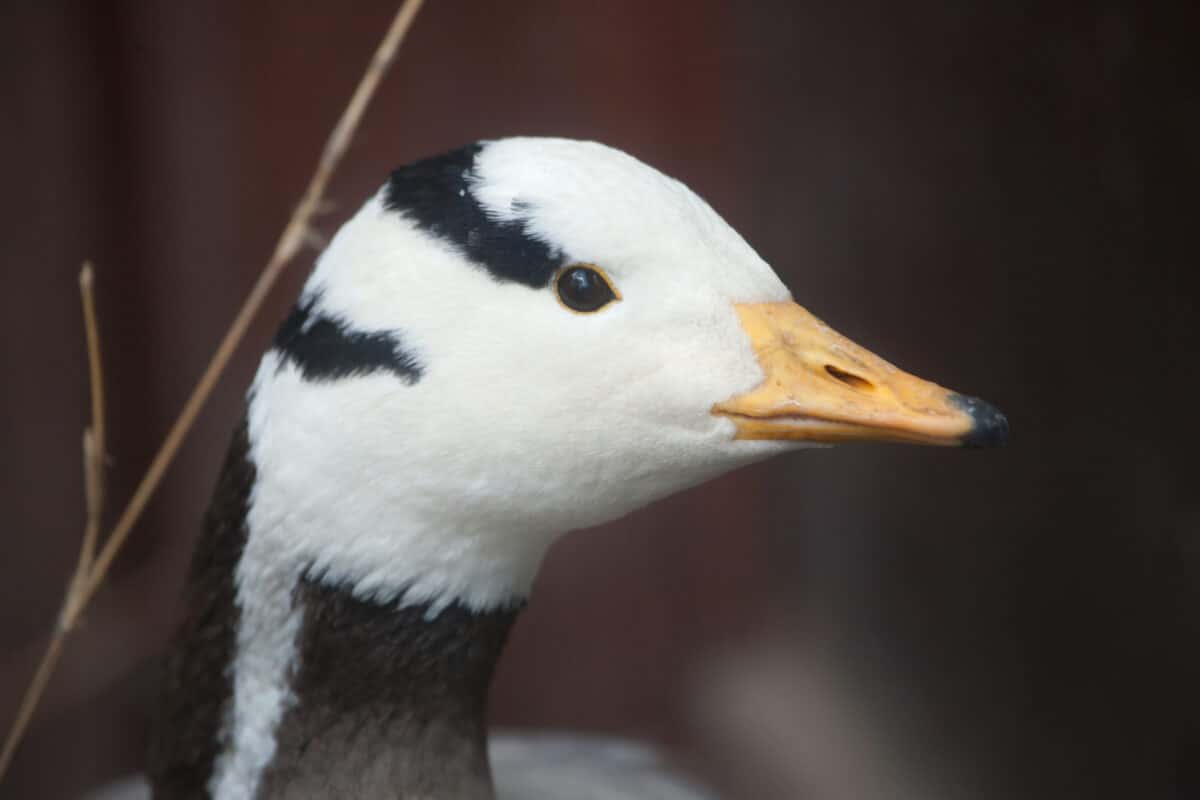
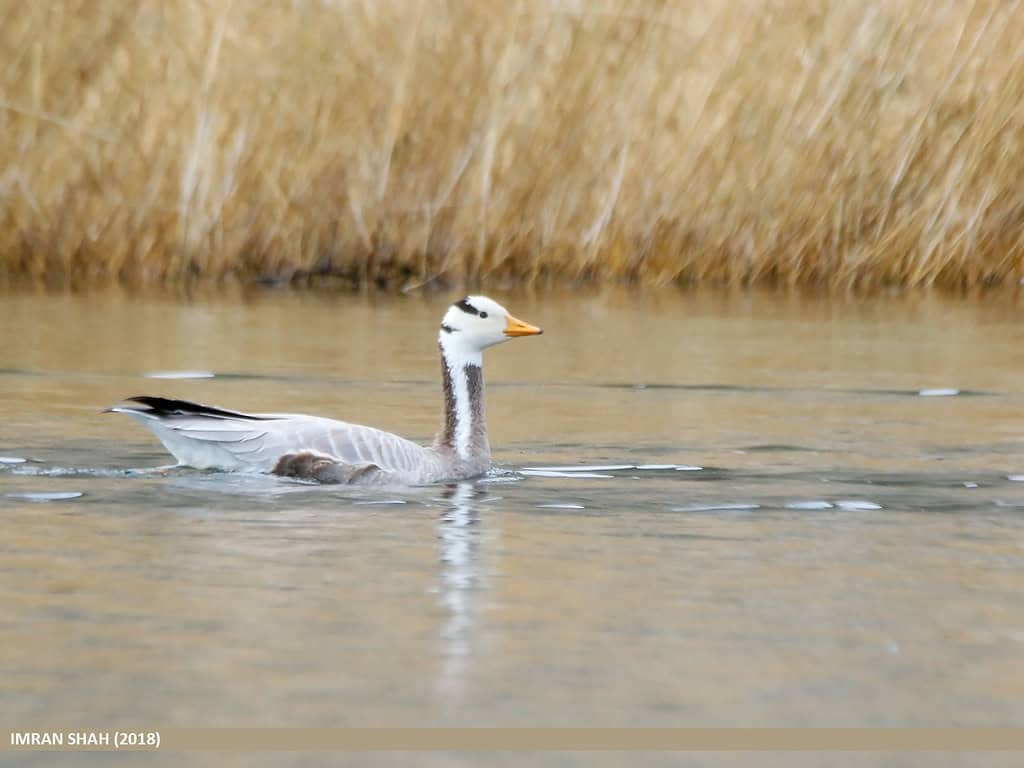
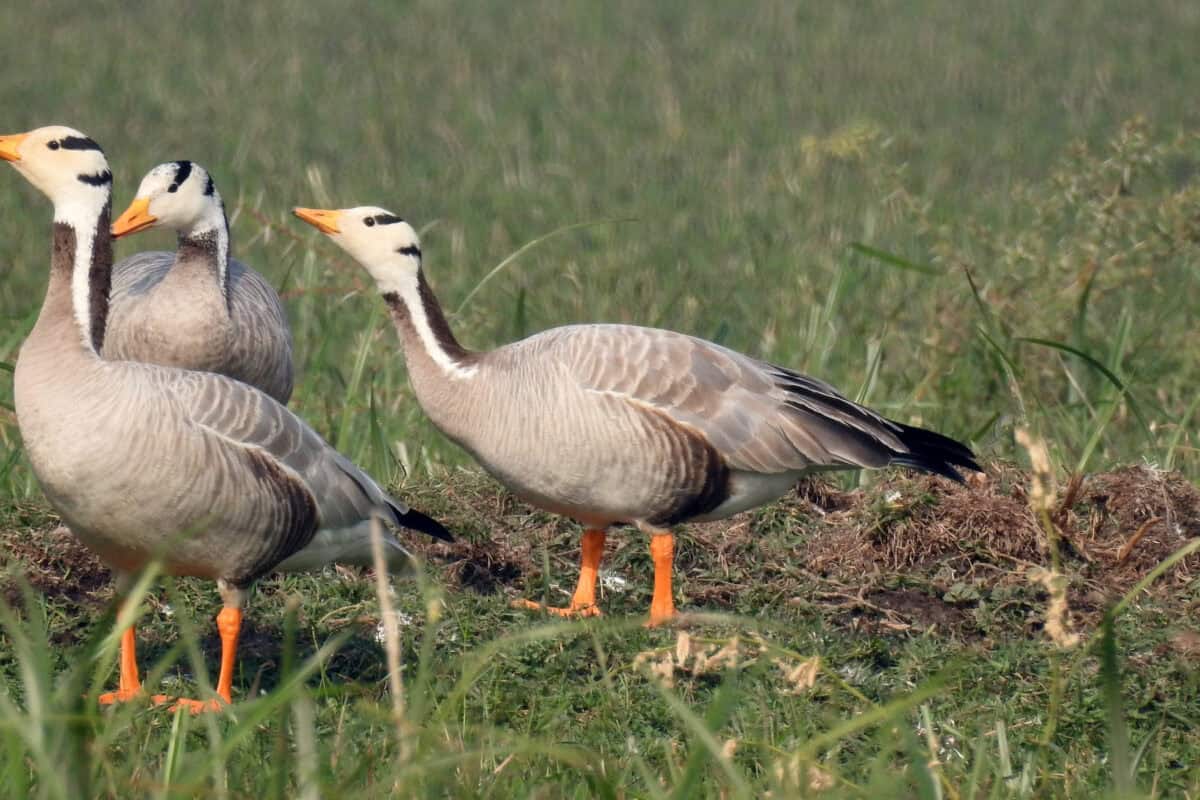
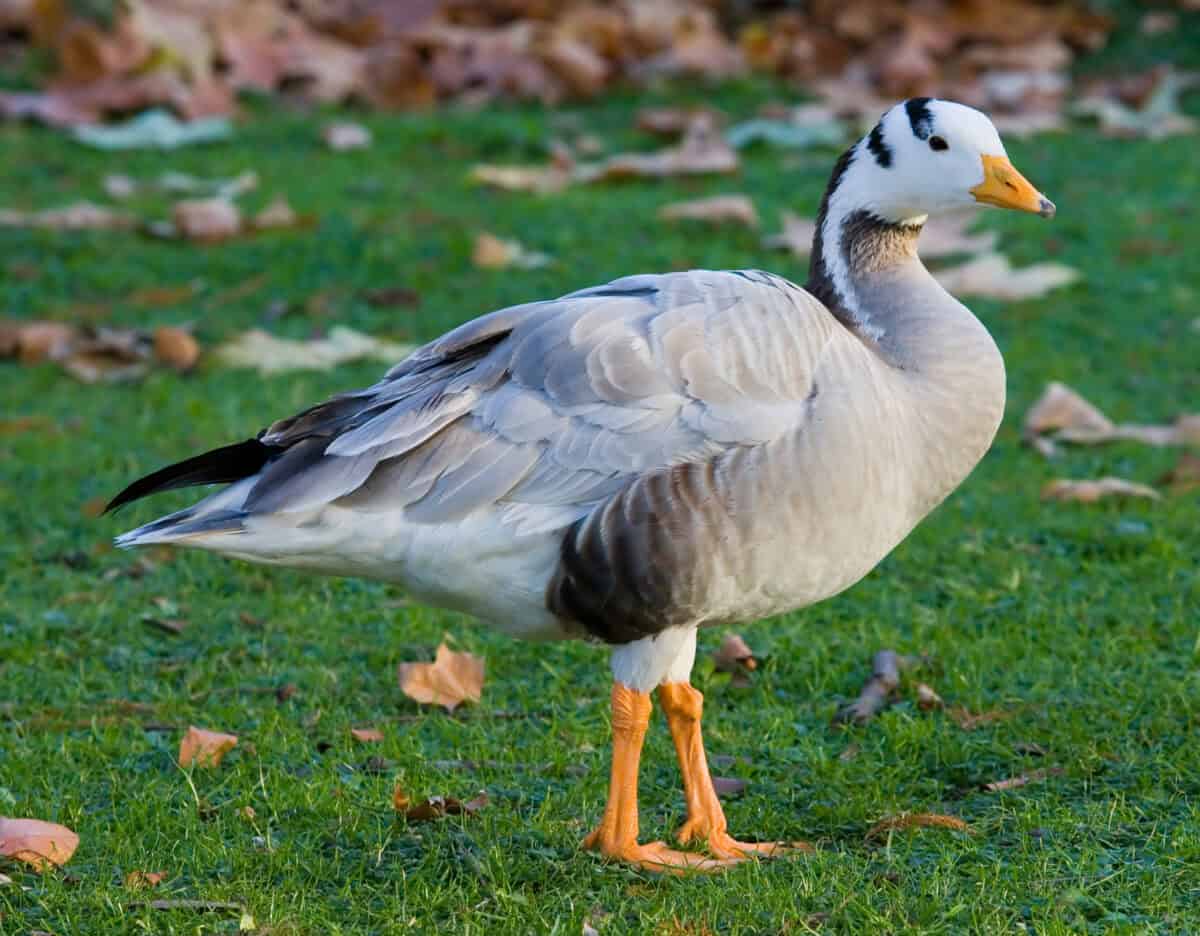
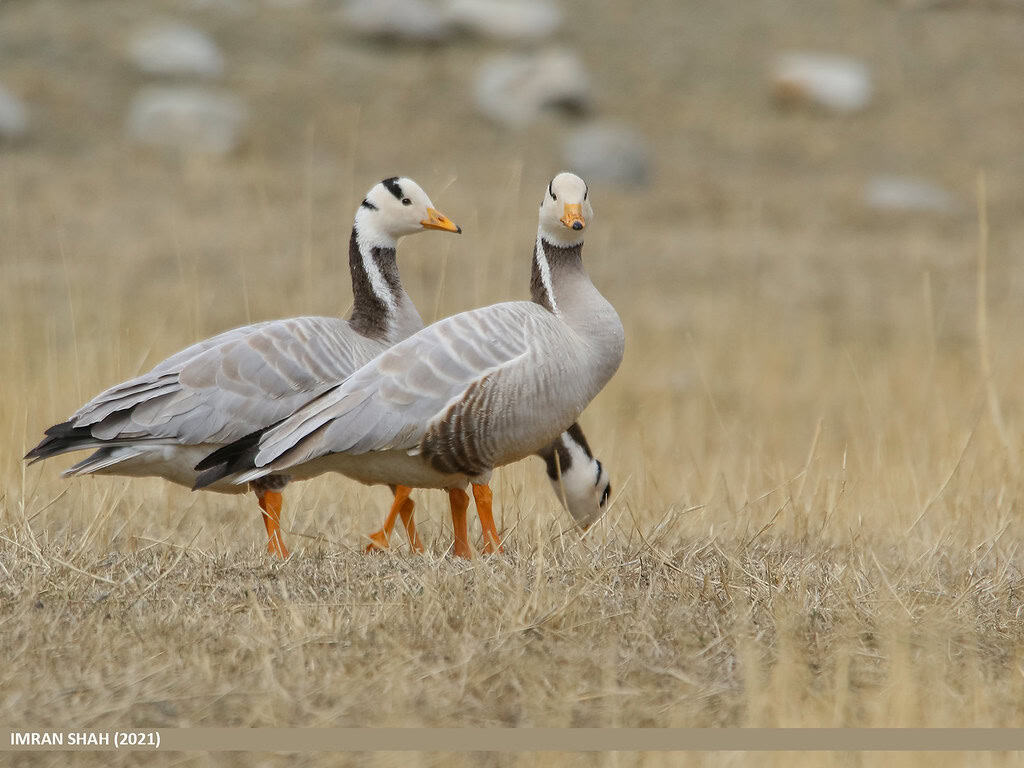
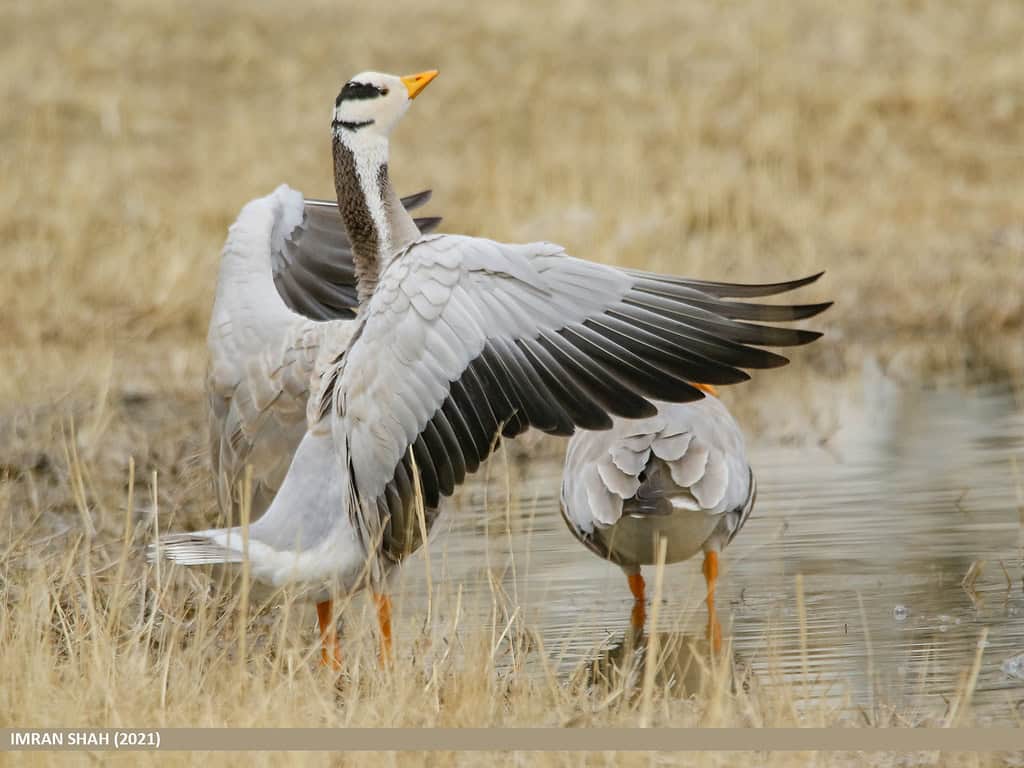
Bar-headed geese are medium-sized waterfowl, typically weighing between 2-3 kg (4.4-6.6 pounds) with a wingspan of about 140-160 cm (55-63 inches). Their most distinctive feature is the pair of black bars that cross their white heads, giving them their name. The body plumage is predominantly gray with brownish edges on the feathers, while the neck and underparts are lighter. Their bills are short, orange or yellow in color, and their legs match this bright hue, creating a striking contrast against their otherwise subdued coloration.
These geese possess several physical adaptations specifically evolved for high-altitude flight. Their wing structure is particularly specialized, with larger wing areas relative to their body mass compared to other geese species. This provides greater lift in thin air. They also have exceptionally strong flight muscles and a skeletal structure that supports powerful, efficient flight mechanics. These physical characteristics combine to create an avian high-altitude specialist uniquely equipped for one of nature’s most challenging migrations.
Migration Routes Across the Roof of the World
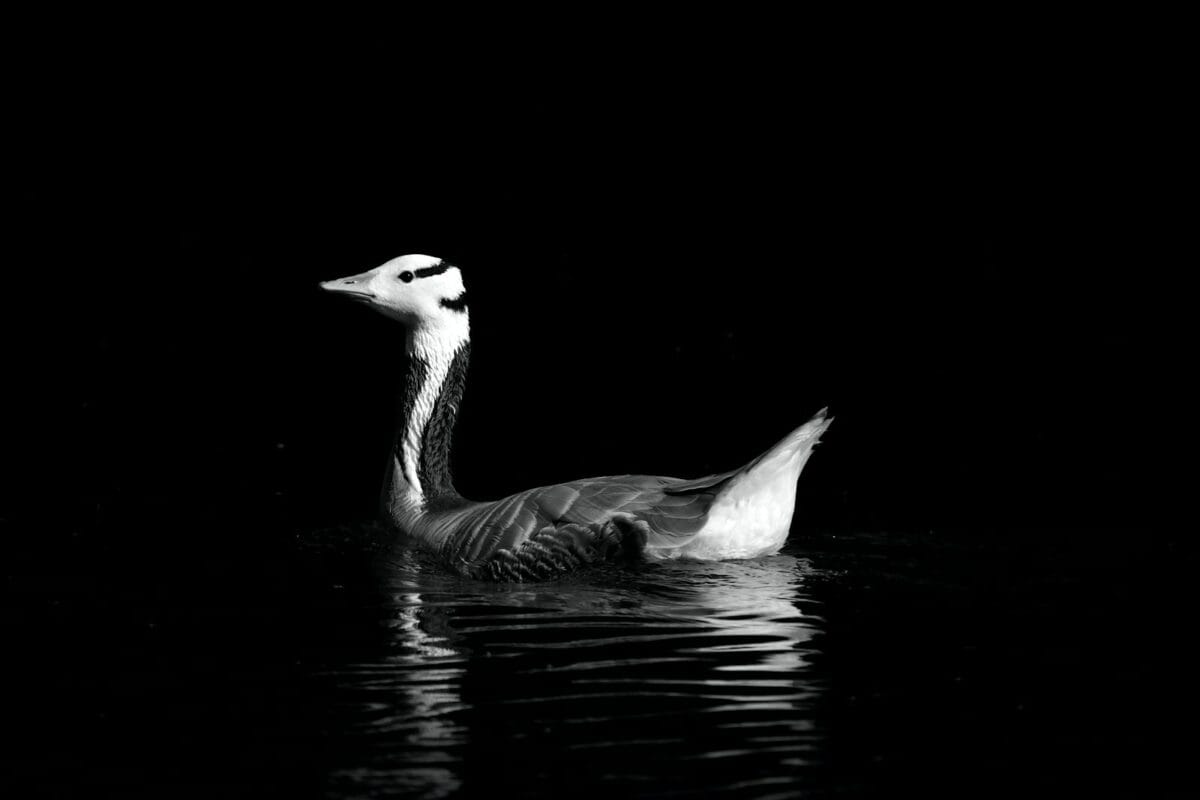
The bar-headed goose’s migration pattern is nothing short of extraordinary. These birds breed in the high plateaus of Central Asia, including parts of Mongolia, Russia, and China, typically at elevations between 4,000-5,000 meters (13,000-16,000 feet). When winter approaches, they embark on their epic journey southward to the lowlands of India, crossing the formidable Himalayan mountain range in the process. This migration route takes them directly over the highest mountains on Earth, including peaks that exceed 8,000 meters (26,000 feet) in height.
Rather than seeking easier passages through mountain valleys, research has shown that these geese often fly directly over the highest peaks. Satellite tracking has revealed that they typically complete their Himalayan crossing in a single day, flying continuously for 7-8 hours through the most challenging sections. Their return journey in spring follows a similar path, though often at slightly different altitudes depending on weather conditions. This twice-yearly expedition covers distances of approximately 1,000 to 1,500 kilometers (620-930 miles) each way, making it one of the most demanding migrations in the avian world.
Physiological Adaptations for Extreme Altitudes
The bar-headed goose possesses a suite of remarkable physiological adaptations that enable its unparalleled high-altitude performance. Perhaps most significant is their hemoglobin structure, which has a higher oxygen affinity than that of other birds. This specialized hemoglobin allows them to extract oxygen more efficiently from the thin air at high altitudes. Their lungs and air sacs are also exceptionally efficient, with a greater density of capillaries that maximize oxygen uptake and distribution throughout the body.
These geese also have larger hearts relative to their body size compared to other waterfowl, allowing them to pump more oxygenated blood to their muscles during flight. Their mitochondria—the cellular powerhouses—are more densely packed in flight muscles and have specialized enzymes that function effectively even in low-oxygen conditions. Additionally, they hyperventilate without suffering alkalosis (a pH imbalance that would affect other species), thanks to specialized buffering capabilities in their blood. These adaptations collectively represent one of the most comprehensive sets of high-altitude modifications found in any vertebrate species.
Breathing Mechanics at High Altitude
The respiratory system of the bar-headed goose represents an evolutionary marvel specifically tailored for high-altitude flight. Unlike mammals, birds possess a unique unidirectional breathing system with air sacs that allow for continuous airflow through their lungs. The bar-headed goose has taken this already efficient system to new heights with specialized modifications. Their lung architecture features extra-large air capillaries and an enhanced surface area that maximizes oxygen extraction even when atmospheric oxygen is severely limited.
Research has shown that these geese increase their breathing rate dramatically during high-altitude flight, sometimes doubling or tripling their normal respiratory rate. This hyperventilation is supported by unusually strong respiratory muscles that don’t fatigue even during prolonged exertion. Their breathing coordination is also synchronized with their wing beats in a phenomenon called “coupled breathing,” where each wing movement assists in the breathing process. This integrated locomotor-respiratory system creates an incredibly efficient oxygen delivery mechanism that sustains their marathon flights through the death zones of the Himalayas.
The Metabolic Challenge of High-Altitude Flight
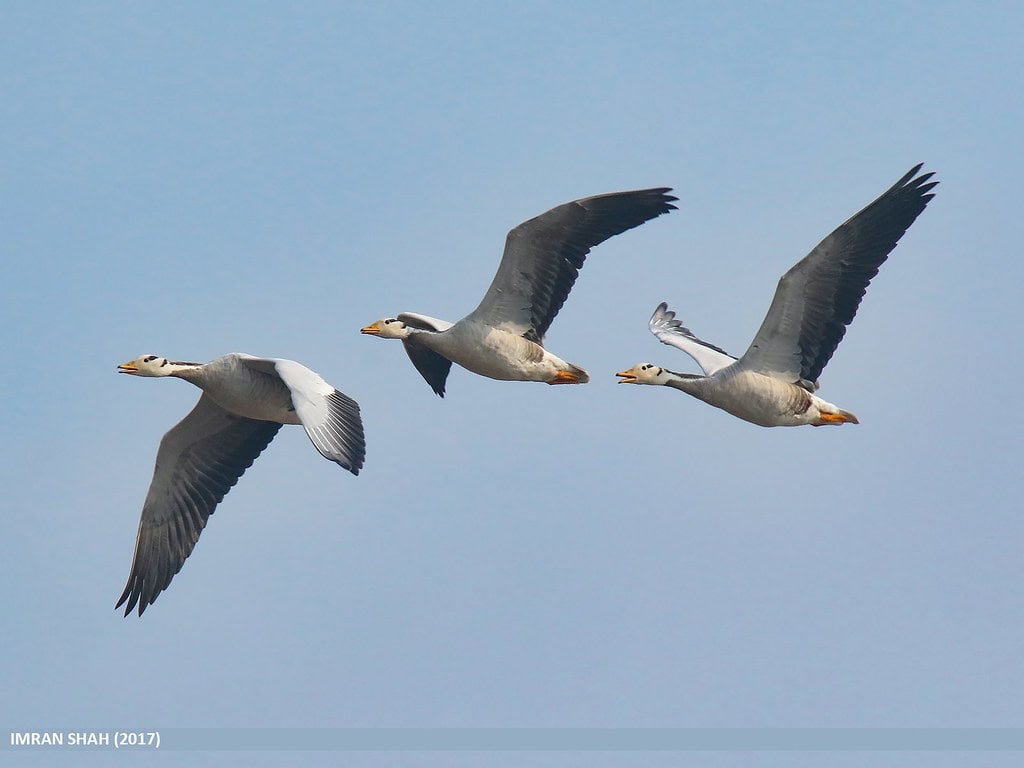
Flying at extreme altitudes presents tremendous metabolic challenges that the bar-headed goose has evolved to overcome. The energy requirements for powered flight at high altitudes are significantly greater than at sea level due to the thinner air providing less lift. Studies estimate that these geese may increase their metabolic rate by 10-20 times their resting level during peak migration flights. This massive energy expenditure is supported by their ability to efficiently utilize fat reserves, which they build up substantially before migration.
What’s particularly remarkable is their ability to sustain this high metabolic output in an oxygen-poor environment. Their muscle cells contain specialized enzymes that can function effectively even when oxygen is limited, allowing for aerobic metabolism to continue where other species would be forced into less efficient anaerobic pathways. They also possess enhanced glucose transport mechanisms that ensure their flight muscles receive adequate fuel even under extreme conditions. Scientists have documented that these geese can maintain this extraordinary metabolic performance for over 24 hours without rest, representing one of the most energetically demanding sustained activities in the animal kingdom.
Weather Challenges and Navigation
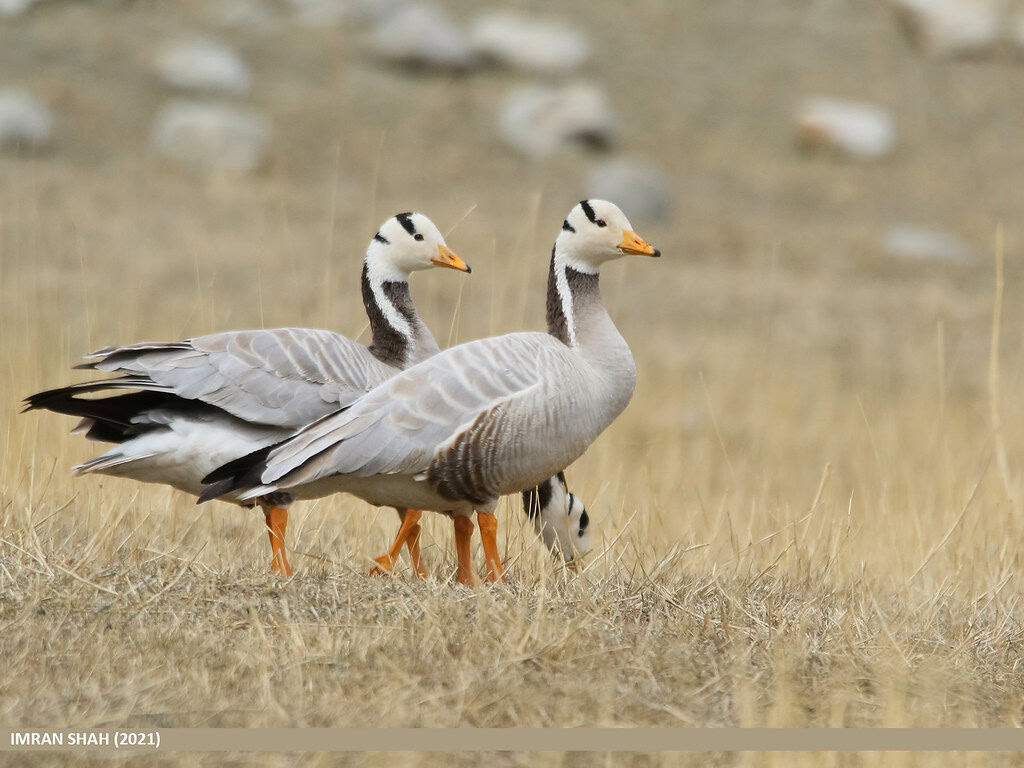
The Himalayan mountain range creates some of Earth’s most extreme and unpredictable weather conditions, adding another layer of difficulty to the bar-headed goose’s migration. These birds regularly face temperatures that can plummet to -30°C (-22°F) or lower, hurricane-force winds that exceed 160 km/h (100 mph), and sudden snowstorms that can develop with little warning. Yet somehow, they navigate through these treacherous conditions with remarkable consistency year after year.
Their navigation abilities remain partially mysterious, though research suggests they utilize a combination of visual landmarks, celestial cues, and possibly Earth’s magnetic field. What’s particularly impressive is their ability to adjust their flight patterns in response to rapidly changing mountain weather. Tracking studies have shown that these geese can alter their altitude by thousands of meters to avoid the worst weather systems, and they appear to have an innate ability to predict and circumnavigate developing storms. This navigational precision, combined with their physiological adaptations, enables them to consistently complete one of nature’s most challenging journeys.
Conservation Status and Threats
Despite their remarkable adaptations, bar-headed geese face growing threats to their survival. The species is currently listed as of “Least Concern” on the IUCN Red List, with a global population estimated between 60,000 and 80,000 individuals. However, their numbers have been declining in certain regions due to habitat loss, hunting, and environmental degradation. The wetlands where they breed and winter are increasingly being converted for agriculture or urban development, reducing suitable habitat for these specialized birds.
Climate change presents perhaps the most serious long-term threat to bar-headed geese. Alterations in precipitation patterns are affecting the high-altitude lakes and wetlands where they breed, while changing weather patterns may make their already challenging migration even more dangerous. Additionally, they face threats from poaching and egg collection in some parts of their range. Conservation efforts currently focus on habitat protection, particularly the preservation of key wetland sites along their migration route, and international agreements to protect these birds as they cross multiple national boundaries during their remarkable journeys.
Scientific Research and Human Applications
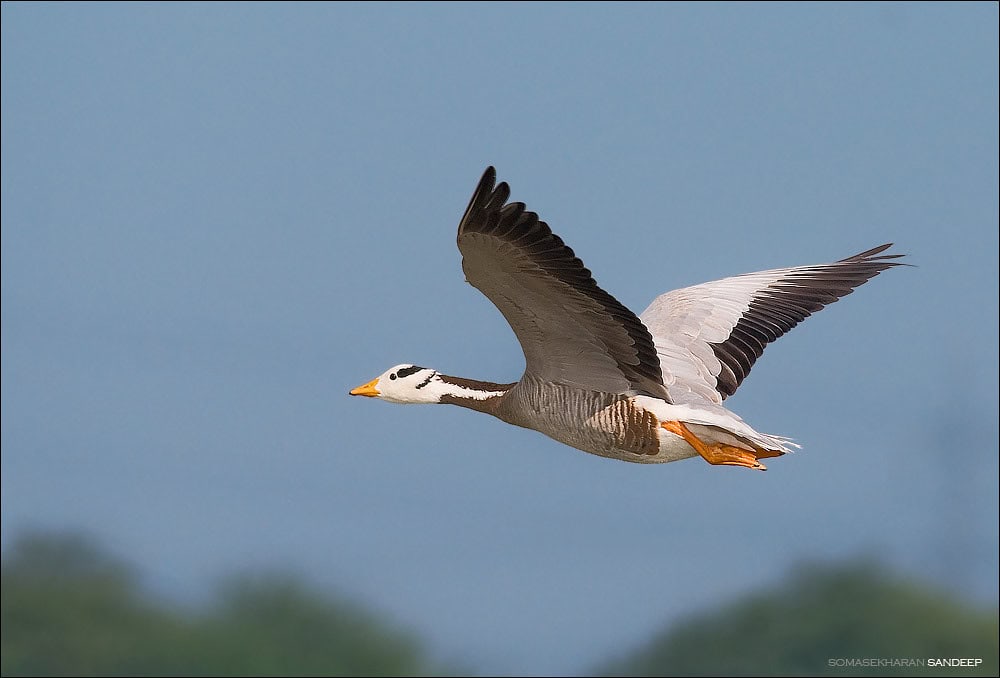
The extraordinary high-altitude capabilities of the bar-headed goose have made it a subject of intense scientific interest. Researchers studying these birds hope to unlock secrets that could have significant applications for human medicine and physiology. Their exceptional oxygen transport system offers potential insights for treating conditions like hypoxia, altitude sickness, and certain respiratory diseases. Some scientists are investigating whether the unique properties of their hemoglobin could inspire new treatments for conditions where oxygen delivery is compromised.
The bar-headed goose has also become a model organism for studying exercise physiology under extreme conditions. Their ability to maintain high performance despite severe oxygen limitation is particularly relevant to understanding human performance limits and potentially improving athletic endurance. Additionally, aerospace researchers study these birds to better understand the physiological effects of high-altitude flight, which may have applications for pilot safety and aircraft design. As technology advances, researchers continue to discover new aspects of the bar-headed goose’s remarkable adaptations that may benefit human health and technology.
Comparison with Other High-Flying Birds
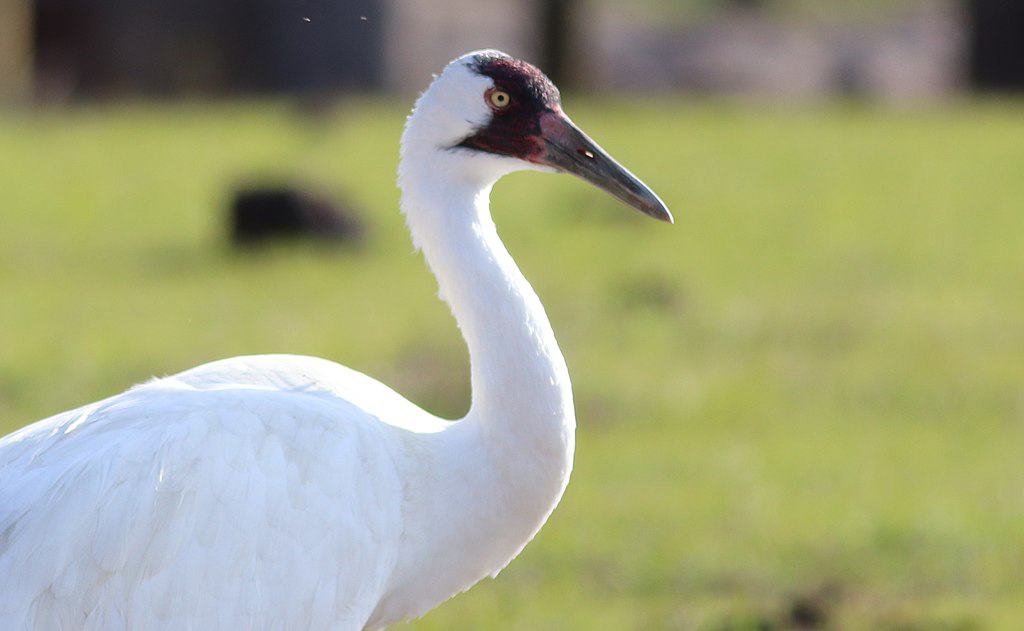
While the bar-headed goose reigns supreme in terms of altitude, several other bird species are also capable of impressive high-altitude flight. The common crane (Grus grus) has been recorded at heights of approximately 10,000 meters (33,000 feet), though this appears to be exceptional rather than routine. The Alpine chough (Pyrrhocorax graculus) regularly lives and flies at altitudes up to 8,000 meters (26,000 feet) in the Himalayas. Rüppell’s griffon vulture (Gyps rueppelli) holds the record for the highest recorded bird-aircraft collision at 11,300 meters (37,000 feet), though this is considered an anomaly rather than typical behavior.
What distinguishes the bar-headed goose from these other high-flyers is the routine nature of their extreme altitude flights and the sustained duration of their high-altitude exertion. While many birds might reach impressive heights occasionally or briefly, bar-headed geese make their Himalayan crossing as a standard part of their life cycle, twice annually, sustaining powered flight at oxygen levels that would incapacitate most other species. This consistent, physiologically demanding journey sets them apart from all other avian high-altitude specialists and represents one of the most impressive feats of adaptation in the vertebrate world.
Cultural Significance
The bar-headed goose holds special cultural significance in many Asian societies, particularly in regions along its migration route. In Mongolian and Tibetan Buddhist traditions, these high-flying birds are often considered sacred symbols of determination and transcendence. Their ability to soar above the world’s highest mountains has inspired countless poems, stories, and artistic representations throughout history. In some communities, their arrival and departure mark important seasonal transitions and are celebrated in local festivals.
In Indian culture, these geese feature prominently in literature and art, where they are known as “hamsa” or “raj-hans.” Ancient Sanskrit texts often use the bar-headed goose as a metaphor for the soul’s journey and spiritual liberation. Their remarkable migration has also influenced modern conservation ethics in several Asian countries, helping to promote the protection of wetlands and migratory bird habitats. As awareness of their extraordinary capabilities grows, these geese increasingly serve as natural ambassadors for high-altitude ecosystems and the importance of preserving migratory corridors across international boundaries.
The Continuing Mystery of the Sky’s Highest Flyer
Despite decades of research, the bar-headed goose continues to surprise scientists with new revelations about its extraordinary capabilities. The complete picture of how these birds accomplish their remarkable migration remains partially unresolved, with ongoing research uncovering new adaptations and behaviors regularly. Their journey represents one of nature’s most impressive demonstrations of evolutionary adaptation to extreme conditions, showcasing how life can thrive even in the most challenging environments on our planet. As technology advances, researchers continue to document new aspects of their migration, physiology, and behavior that deepen our appreciation for these remarkable birds.
The story of the bar-headed goose serves as a powerful reminder of nature’s incredible capacity for specialization and adaptation. These birds have evolved not just to survive but to routinely accomplish what would be impossible for almost any other creature on Earth. Their twice-yearly journey across the Himalayas stands as a testament to the extraordinary potential of natural selection to produce solutions to seemingly insurmountable challenges. As we continue to study these remarkable high-altitude specialists, they will undoubtedly reveal more secrets about the outer limits of physiological performance and inspire both scientific advancement and conservation efforts for generations to come.

From exploring the marine wonders in the Azores and witnessing the vast savannas of Kenya, to delving deep into the rich biodiversity of South Africa and traversing iconic landscapes in Australia and the US like Yellowstone, Chris's experiences are vast.
With a penchant for diving alongside sharks, the ocean holds a special place in his heart.
Through his academic insights, he champions wildlife conservation, striving with 'Animals Around The Globe' to cultivate a profound connection between humans and animals, enhancing our mutual appreciation.
Connect with him at Feedback@animalsaroundtheglobe.com.
- What Happens to Male Chicks in Egg Farming? - July 18, 2026
- How Close Are We to Cloning the Woolly Mammoth? - July 18, 2026
- The Most Venomous Creature in the U.S. - July 18, 2026