

Have you ever wondered if there’s something straightforward, almost ridiculously simple, that could keep your cat by your side for years longer than expected? Something that doesn’t involve expensive procedures or complicated routines? The answer might surprise you, especially when you realize how many cat owners overlook it entirely.
Let’s be real here. Most of us want our feline companions to live forever, curled up on our laps, purring away their contentment. Yet despite our best intentions, we sometimes miss the one thing that could genuinely make a massive difference to their longevity and quality of life.
The Power of Spaying and Neutering
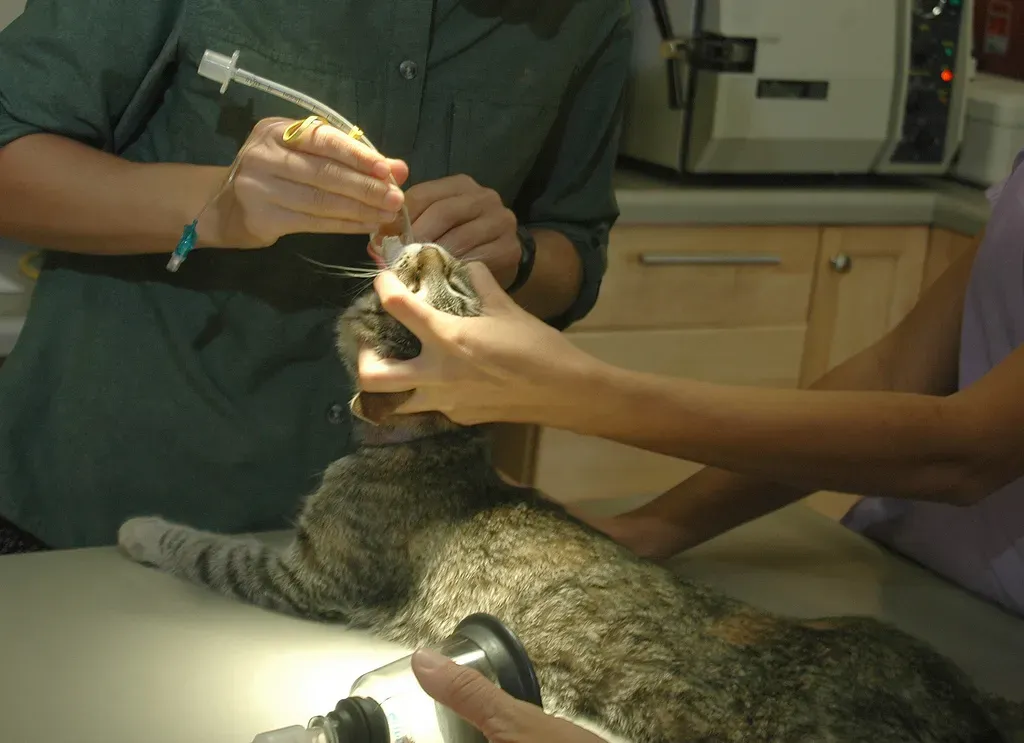
Here’s the thing that might shock you: intact female cats older than 12 months have a median age of death of just 4.7 years compared to 10.5 years for spayed females, while intact males over one year old have a median age of death of 3.7 years compared to 9.8 years for neutered males. That’s more than double the lifespan, simply from one procedure.
Neutering is associated with 0.6 years greater longevity in females and 1.7 years greater longevity in males. Think about that for a moment. Nearly two extra years with your best friend, all because of a routine veterinary procedure that most people consider standard anyway.
The benefits extend far beyond just living longer. Your neutered cat will likely be healthier overall, with fewer behavioral issues and reduced risks for certain diseases. It’s honestly one of those rare situations where the simplest solution turns out to be the most effective.
Why This Makes Such a Dramatic Difference
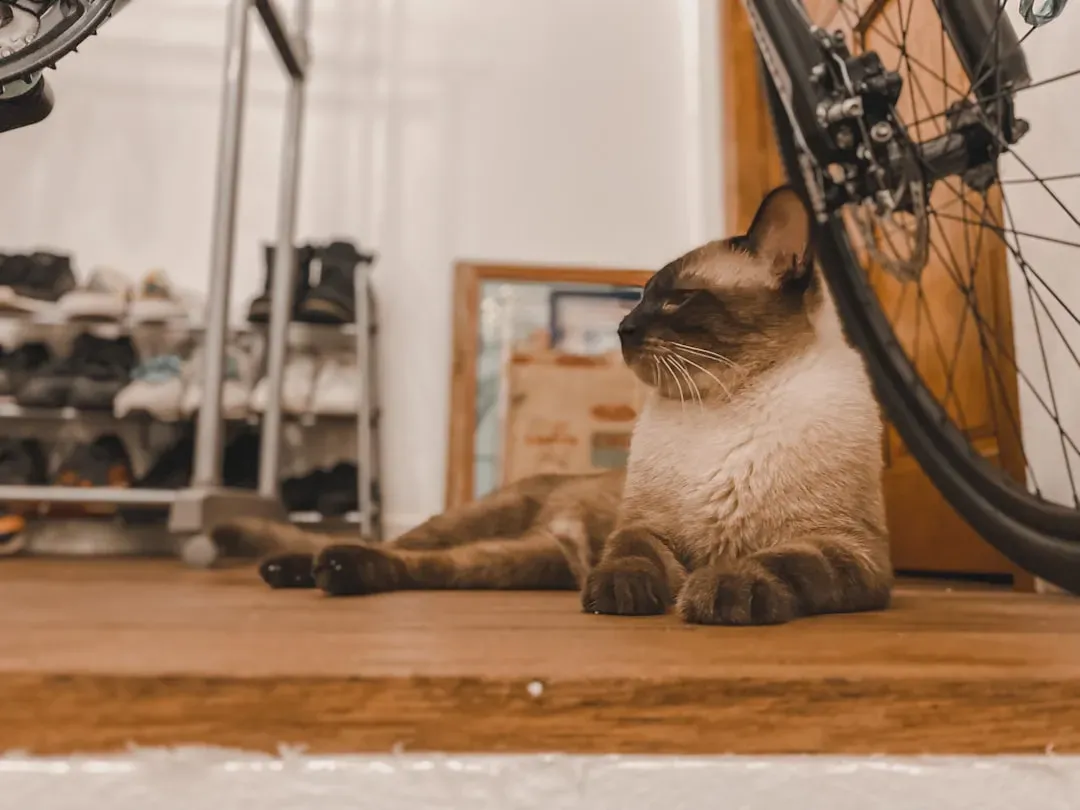
You might be wondering what makes spaying and neutering so powerful when it comes to longevity. The science behind it reveals some fascinating insights into feline health and biology.
Reproduction takes a serious toll on a cat’s body, particularly for females. The significantly different median ages of death show the high cost of reproduction for females. Pregnancy, nursing, and the hormonal fluctuations involved place enormous strain on their systems.
For male cats, the risks are somewhat different. Intact males tend to roam more, getting into fights and accidents. They’re exposed to more dangers, from traffic to territorial disputes with other animals. Their hormones drive them to risky behaviors that neutered males simply don’t engage in as frequently.
Beyond the behavioral changes, there are genuine health benefits too. Neutered animals face reduced risks for certain cancers and infections, making them more resilient as they age.
What Really Matters Beyond the Surgery
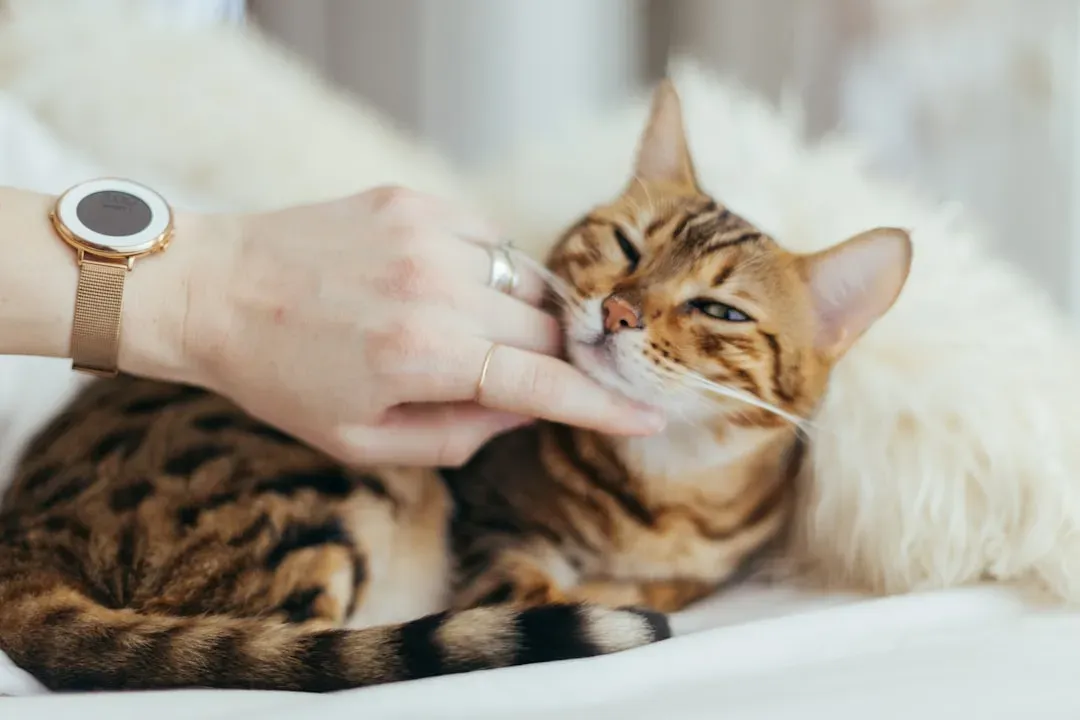
Spaying or neutering your cat is incredibly important, yet it’s just one piece of the puzzle. Most cats live between 13 and 17 years, but with proper nutrition, preventive care, and a safe environment, many cats can live well into their late teens or even their twenties.
Regular wellness exams and routine lab tests can help veterinarians find and treat many life-threatening health conditions before they become a problem. Your cat won’t tell you when something’s wrong. They’re masters at hiding pain and illness, which means you need professional eyes on them regularly.
Weight management matters enormously too. An overweight cat is an unhealthy cat, and carrying a few extra pounds can lead to a host of health conditions, including liver problems, diabetes, and arthritis. Keep your cat active, feed them appropriate portions, and monitor their body condition closely.
Dental health is another area people tend to overlook. Dental hygiene can affect how long your cat lives, as bacteria from mismanaged teeth can enter your pet’s bloodstream, ultimately causing organ damage and in some cases even premature death. Strange to think that brushing those tiny teeth could add months or years to their life, right?
The Indoor Advantage and Other Lifestyle Factors
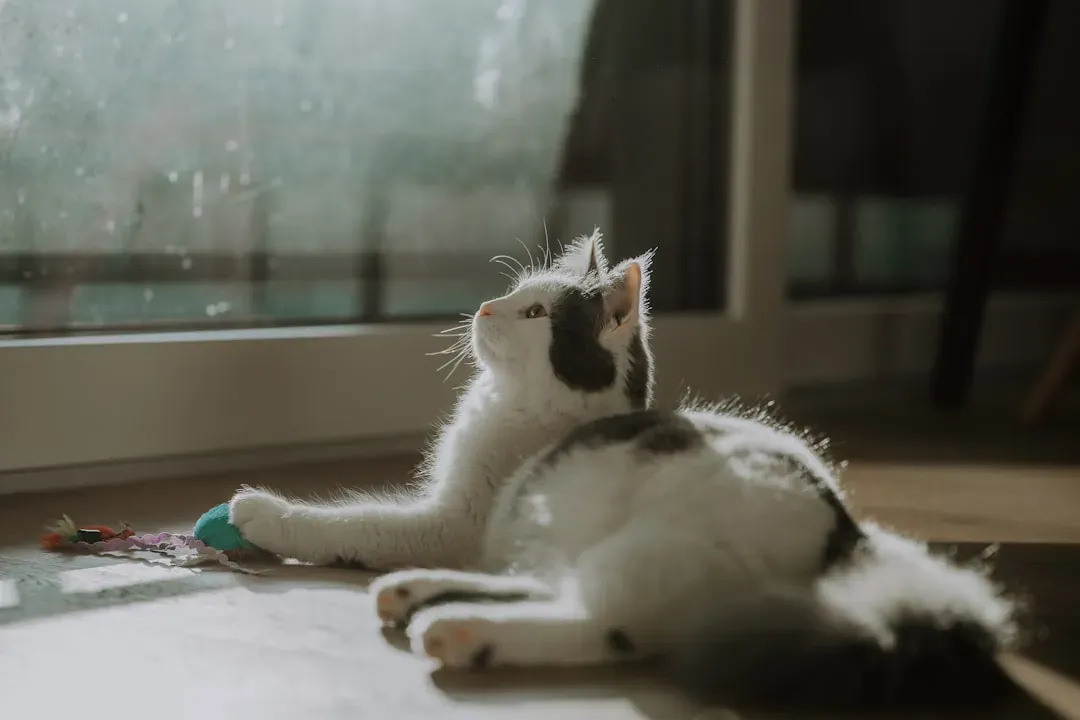
Interestingly, research has shown some surprising findings about indoor versus outdoor cats. Indoor and outdoor cats did not have a significantly shorter lifespan than indoor-only cats, though outdoor-only cats did have a shorter lifespan.
Still, keeping cats indoors protects them from numerous dangers. Cars, predators, diseases, and toxic substances all pose serious threats to outdoor cats. While some cats do fine with supervised outdoor time, completely outdoor cats face considerably more risks.
Stress levels affect longevity in ways we’re only beginning to understand. Bored, depressed, and stressed cats on average live shorter lives. Your cat needs mental stimulation, playtime, and environmental enrichment to thrive. Interactive toys, climbing structures, and regular play sessions aren’t luxuries – they’re necessities.
What the Future Holds for Feline Longevity
Science is making incredible strides in understanding and potentially extending cat lifespans. Professor Toru Miyazaki in Japan may have found a way to double the lifespan of cats and reduce damage from chronic kidney disease through a drug given as an injection every six months.
Research projects are actively recruiting senior cats to study genetic markers associated with longevity. Both Basepaws and Project 25 are actively recruiting senior cats 17 years or older to participate in their longevity research project. These studies could unlock secrets that benefit all cats in the future.
Kidney disease remains one of the biggest threats to aging cats. Kidney abnormalities were present in nearly 63 percent of cats in one major study. Treatments targeting kidney health specifically could revolutionize feline medicine in the coming years, potentially adding a decade or more to our cats’ lives.
Conclusion: The Simple Choice That Changes Everything

At the end of the day, the single most impactful thing you can do for your cat’s longevity is surprisingly straightforward. Getting your cat spayed or neutered can literally double their lifespan compared to leaving them intact. It’s not complicated, it’s not expensive in the long run, and it’s widely available.
Combined with regular vet visits, proper nutrition, weight management, and a stimulating indoor environment, you’re giving your cat the best possible chance at a long, healthy, happy life. Sometimes the most powerful interventions are the simplest ones – we just need to actually follow through with them.
Your cat depends on you to make these decisions for them. They can’t book their own vet appointments or choose their own diet. The years you get to spend together are directly influenced by the choices you make today. What are you waiting for?
