
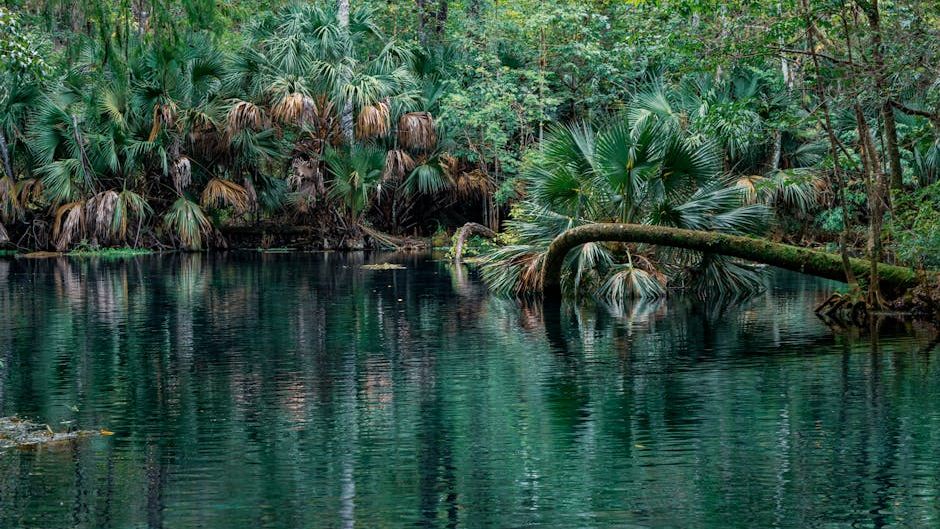
Florida has always kept secrets. Some of them move slowly through sandy soil, others slip silently beneath the surface of a river, and a few carve nest holes into the bark of a living tree. Ocala National Forest, sprawling across more than 430,000 acres of north-central Florida, is one of those places where the wild still holds on fiercely. It is a sprawling wilderness covering over 600 square miles and stands as one of the oldest and largest national forests in the continental United States.
What makes Ocala genuinely remarkable is not just its size or its springs, though those are extraordinary. It’s the fact that the forest is home to dozens of endangered and threatened species and serves as a vital habitat for a wide range of plants and animals. Some of those species had gone decades without a confirmed sighting, only to resurface in ways that stopped biologists in their tracks. Here are five of the most significant rare animals calling Ocala home, or finding their way back to it.
The Rainbow Snake: A Ghost That Reappeared After 50 Years
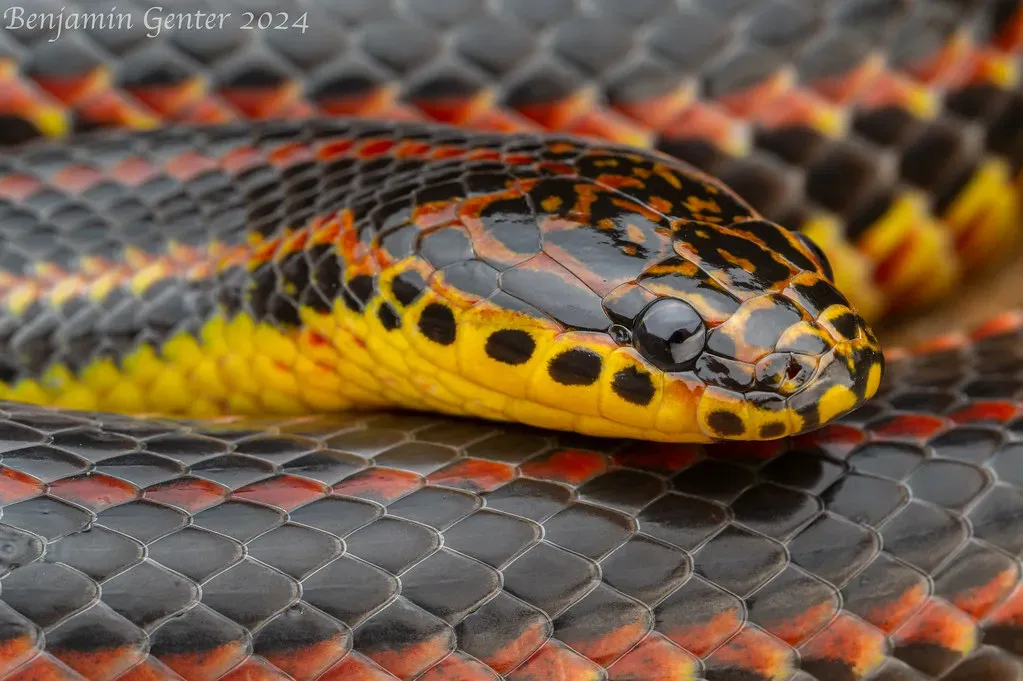
Few wildlife stories from Ocala carry the quiet drama of the rainbow snake. An elusive rainbow snake was spotted in Ocala National Forest for the first time in over 50 years, with state wildlife officials confirming the species had not been seen in Marion County since 1969. The sighting was made not by a scientist, but by a hiker who simply happened to look down at the right moment.
The rainbow snake, also known as the eel moccasin, is a non-venomous colubrid snake that is primarily aquatic and feeds on eels, frogs, tadpoles, and other amphibians. In addition to being a strong swimmer, the reptile is also a proficient burrower. That dual ability to hide both underground and underwater is precisely why confirmed sightings are so rare.
The backs of rainbow snakes are iridescent blue-black, with three bright red stripes running lengthways along their bodies. The belly is red or pink and features two or three rows of black spots. It is common to find yellowish coloration on some parts of the head and sides. The snakes have smooth, shiny scales, dark eyes, and pointed tail tips.
The drastic decline in eel populations, coupled with habitat loss and fungal diseases, has pushed the rainbow snake to the brink of extinction in Florida. Wildlife officials are now actively asking the public to report sightings, with photos, location, and the date of a sighting all contributing to building a clearer picture of the species’ status, crucial for mapping current populations, monitoring their health, and guiding conservation efforts.
The Gopher Tortoise: A Keystone Species in the Sandy Soil
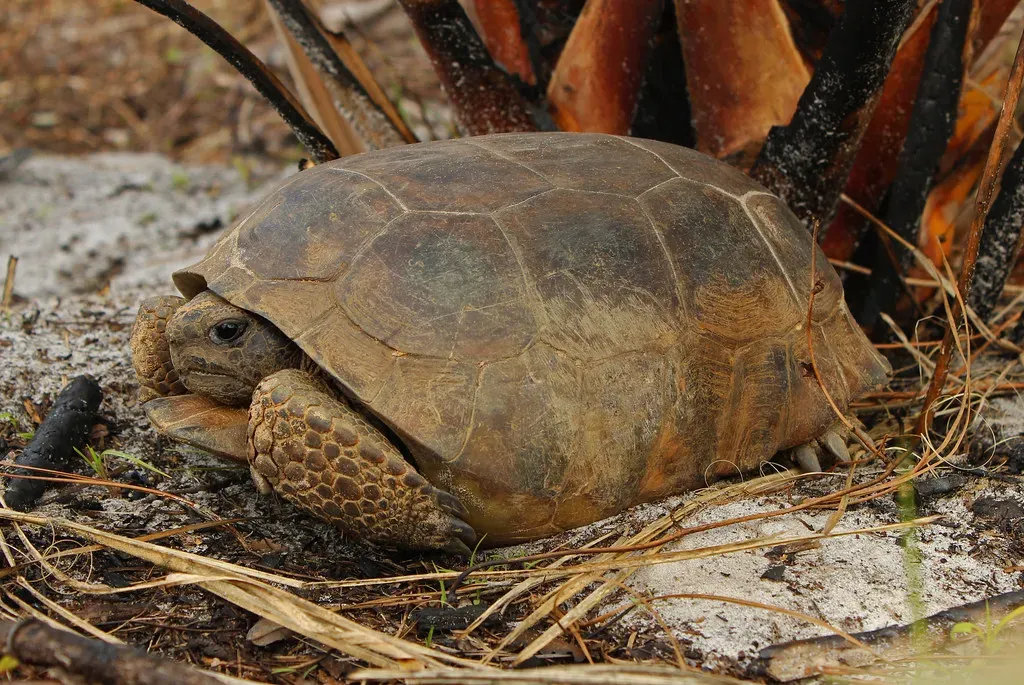
The gopher tortoise is the only land tortoise native to the Southeast, living in longleaf pine savannahs. It dwells in pine forests with deep, well-drained soils and an open understory that provides food and nesting sites. Ocala’s sandy terrain suits it almost perfectly, and gopher tortoises, a threatened species, have found a safe home in the forest.
As its name implies, the gopher tortoise digs burrows of up to 40 feet in length that allow escape from heat and danger. These burrows are a unique feature of southeastern landscapes, harboring many other wildlife species. The gopher tortoise is considered a keystone species of longleaf pine forests, one of the most biologically diverse ecosystems in the world, because its presence supports the stability of many other wildlife populations.
The gopher tortoise is a keystone species, meaning more than 350 other species like snakes, insects, frogs, and even a species of owl depend on their burrows for shelter. That is a staggering level of ecological dependence concentrated in one slow-moving animal.
Habitat loss due to land development, road mortality, predation, fire suppression, disease transmission from improper relocation, pesticide use, and illegal poaching all contribute to their decline. Conservation work across Ocala and the broader corridor continues to be critical to keeping this species present on the landscape.
The Eastern Indigo Snake: A Living Symbol of the Deep Forest
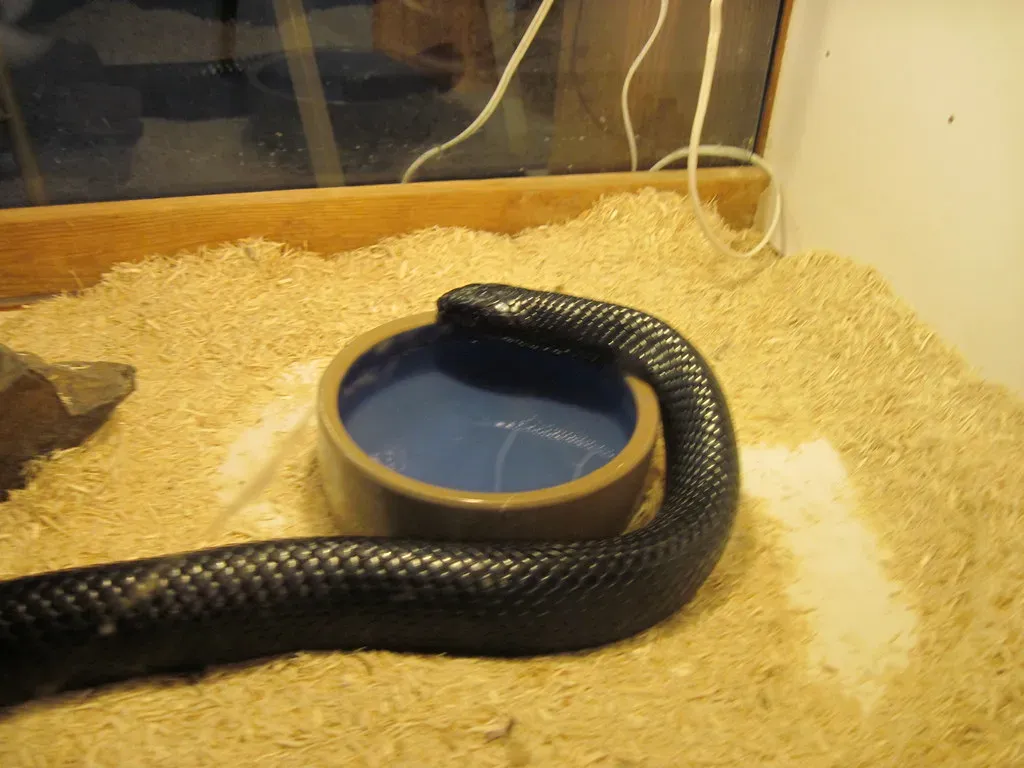
Long, sleek, and unmistakably dark, the eastern indigo snake is one of the most striking reptiles in North America. The Ocala Wildlife Management Area is home to eastern indigo snakes, alongside black bears, wild turkey, bald eagles, white-tailed deer, gopher tortoises, and alligators. Its presence in the forest is closely tied to the health of the broader ecosystem.
The Ocala to Osceola Wildlife Corridor provides habitat for the Florida black bear and endangered species like the red-cockaded woodpecker, eastern indigo snake, and gopher tortoise. The indigo snake’s fate, in many ways, mirrors the fate of the longleaf pine ecosystems it depends on. Where those habitats recover, the snake tends to follow.
The indigo snake is actually a partner species to the gopher tortoise in a quiet, biological sense. It regularly takes shelter in gopher tortoise burrows, making the tortoise’s recovery directly relevant to the indigo snake’s own. This layered interdependence is what makes restoring even a single species so consequential for an entire community of wildlife.
The Florida Black Bear: A Comeback Rooted in the Corridor
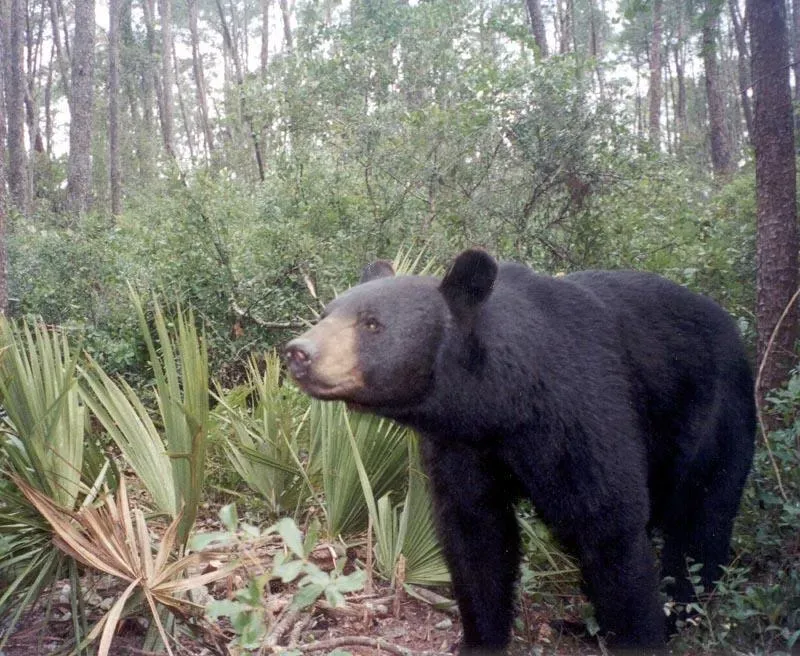
The Ocala National Forest is home to the state’s largest population of Florida black bears, according to the U.S. Forest Service. That distinction didn’t come without effort. Decades of habitat protection and careful management helped the population stabilize after serious historical pressures.
Two studies found that the use of corridors created long-lasting benefits for the black bear population in the state. Researchers compared the bear population in the Ocala National Forest to the population of a fragmented residential area of Lynne, Florida surrounded by roadways, choosing the sites based on proximity and differences in fragmentation. The bear population in Lynne was found to have a far lower growth rate than that which inhabited the national forest.
A second study, done on the Osceola-Ocala wildlife corridor, found that it increased gene flow between two populations and provided linkages needed to maintain population structure and viability. In plain terms: connected land keeps bears healthier, genetically stronger, and more resilient over time. The corridor is not just a path. It is a lifeline.
The Red-Cockaded Woodpecker: An Endangered Bird With a Very Specific Address
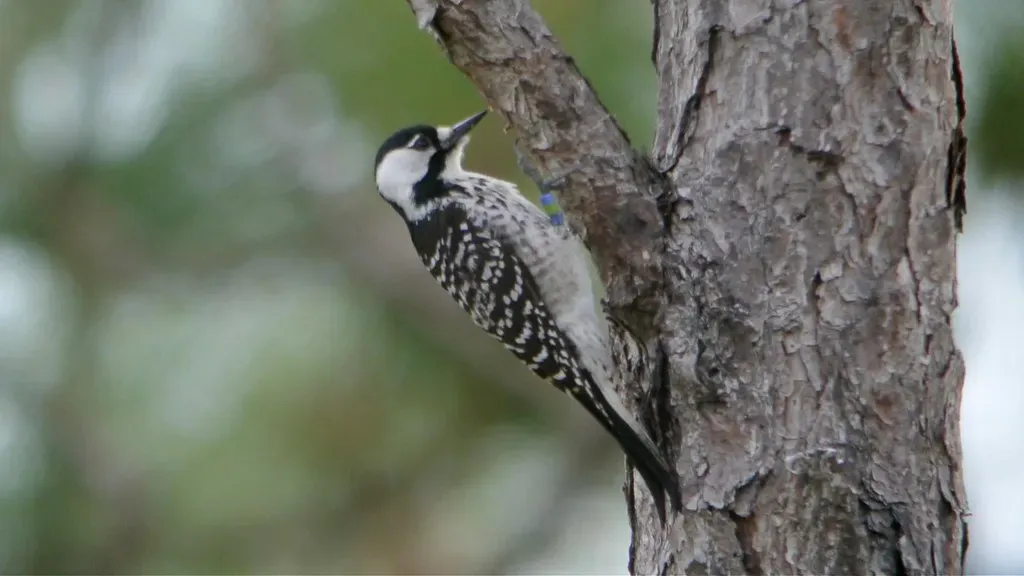
The Ocala National Forest is one of the places in the United States where the endangered red-cockaded woodpecker can be found. This small, striking bird is critically particular about where it lives, and that specificity has made its survival story both difficult and deeply compelling.
Red-cockaded woodpeckers are the only species in North America that excavate cavities into living pine trees, and they prefer longleaf pine trees. They live in family groups of two to five adults with a single breeding female. Juvenile male birds are helpers, who help defend and raise the chicks.
Their reliance on old-growth longleaf pines means that wherever those trees have been cleared, the woodpecker disappears with them. Ocala’s longleaf habitats offer a genuine foothold for the species. Visitors to Ocala can look for red-cockaded woodpeckers in the longleaf habitats, particularly in quieter, less-trafficked sections of the forest where prescribed burns have helped maintain the open understory these birds require.
The Florida Scrub-Jay: A Bird Tied to One of Florida’s Most Ancient Landscapes
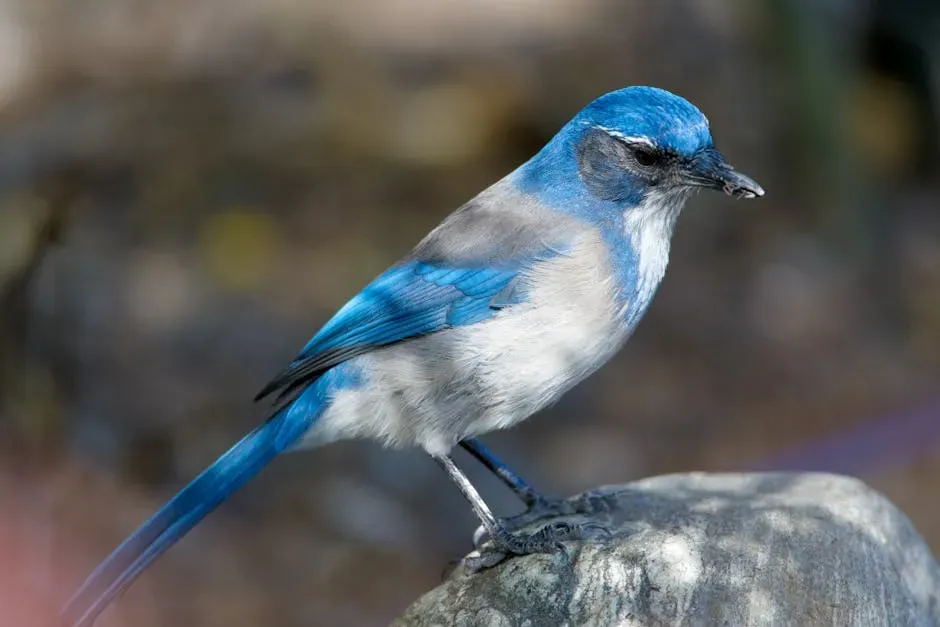
Of all the rare animals found in Ocala, the Florida scrub-jay carries a particular kind of ecological urgency. Growing on deep, prehistoric sand dunes, the sand pine scrub is home to the threatened Florida scrub-jay alongside other specialized species found nowhere else on earth in quite the same combination.
The scrub-jay is Florida’s only endemic bird species, meaning it exists nowhere else in the world. Its habitat, the ancient scrub formed over millennia of shifting sand dunes, has been dramatically reduced by development across the state. Ocala’s sand pine scrub represents one of the most significant remaining refuges for the bird.
On the drive to Alexander Springs, visitors may see scrub-jays perched on electric wires, an oddly charming reminder that this federally threatened bird has learned to navigate a world that has changed dramatically around it. The fact that it can still be spotted at all in Ocala is a small, genuine conservation success.
If the system of natural landscapes and connector lands is protected, the Ocala to Osceola corridor will continue to provide habitat for Florida black bears and imperiled species like the red-cockaded woodpecker, indigo snake, and gopher tortoise, as well as the scrub-jay and many other species dependent on these ancient habitats remaining intact.
Conclusion: A Forest That Still Holds the Wild
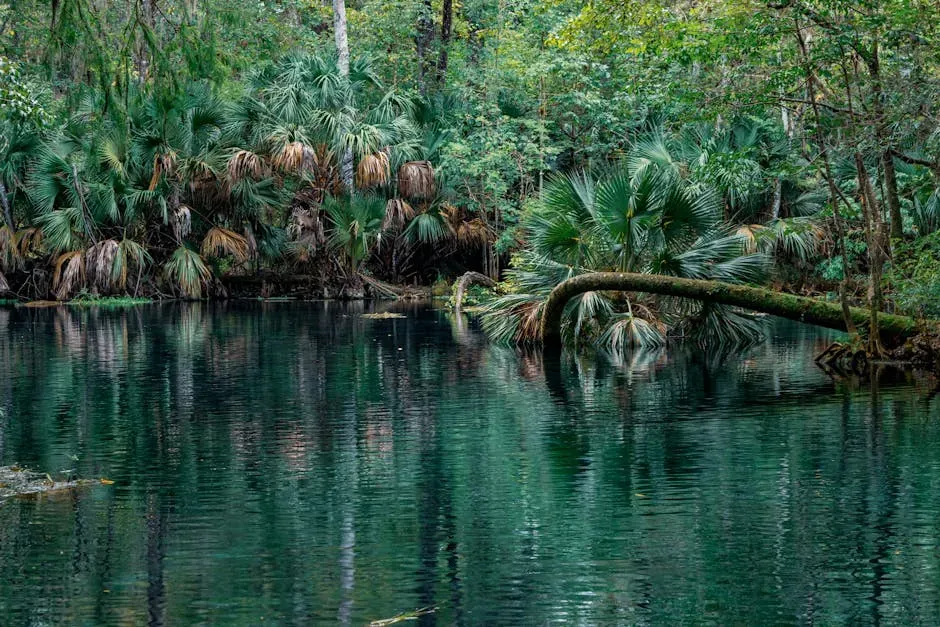
What Ocala National Forest represents, in the broader story of American conservation, is something worth paying attention to. As of 2025, more than two billion dollars has been allocated in Florida to pay landowners in the Florida Wildlife Corridor for keeping their property open and free of development, and since the Florida Wildlife Corridor Act was passed, nearly 264,000 acres of land within the corridor have been secured for conservation. The momentum is real.
Each of these five animals, whether a slow-moving tortoise or a snake that vanished for half a century, tells a version of the same story. Wild places, when protected and allowed to recover, tend to surprise us. The rainbow snake’s reappearance after more than 50 years is perhaps the most vivid proof of that.
Ocala is not a museum of what Florida used to be. It is a working landscape where threatened species still navigate, forage, nest, and occasionally turn up on a hiking trail to remind a passing stranger that the forest is very much alive. Sometimes that’s enough to change the whole conversation about what’s worth protecting.
