
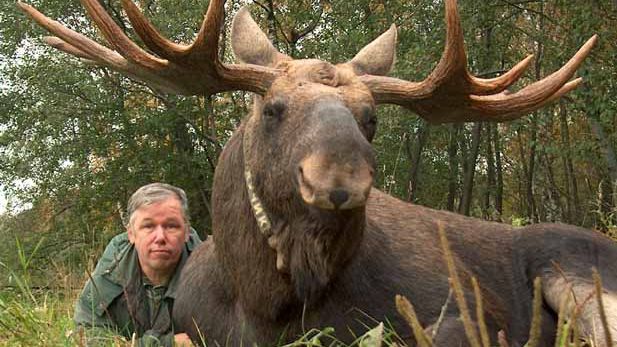
Picture this: you’re hiking through a peaceful forest when suddenly a massive moose emerges from the brush, locking eyes with you. Your heart races as this thousand-pound giant starts showing signs of aggression. What happens next could determine whether you walk away unscathed or become another statistic in moose attack incidents.
In some regions with large moose populations, moose encounters can result in more injuries than bear encounters. While these encounters remain relatively rare, knowing how to respond could save your life. The survival techniques you’re about to learn aren’t just theoretical advice they’re proven methods that have helped countless outdoor enthusiasts survive close calls with one of nature’s most unpredictable animals.
Recognize the Warning Signs Before It’s Too Late
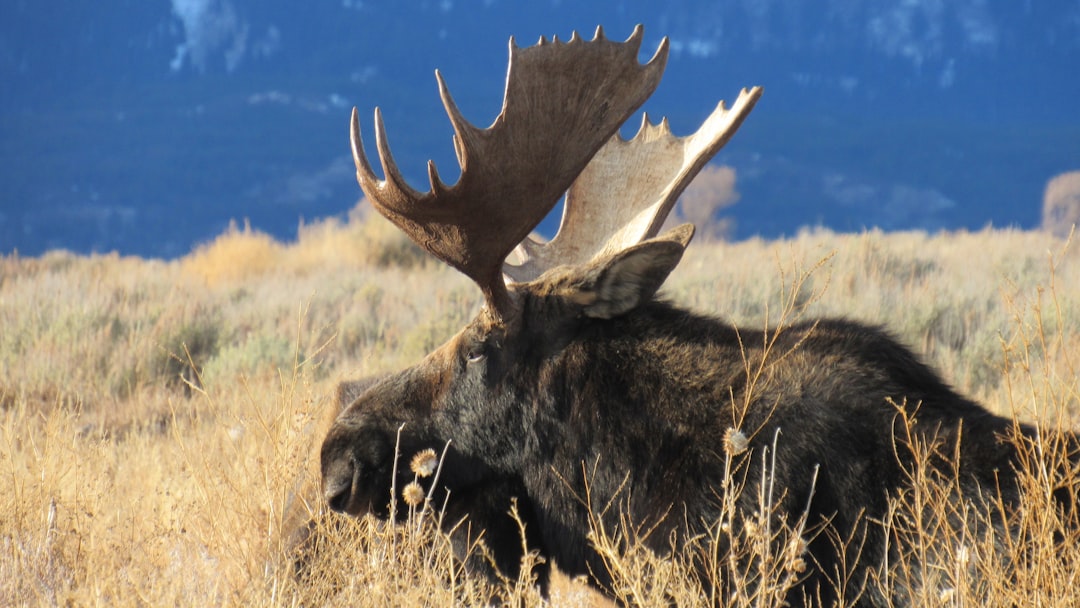
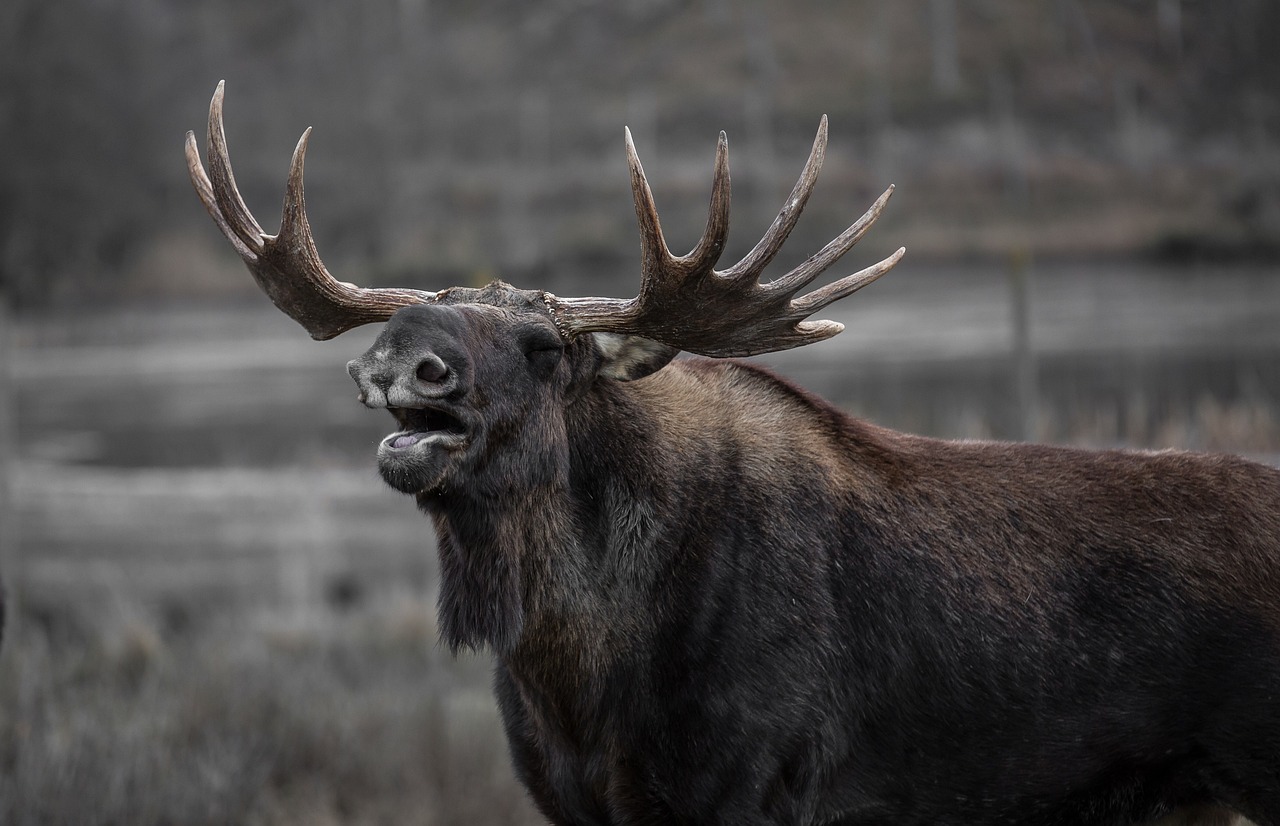
A moose preparing to attack will display clear warning signals: long hairs on its hump raised, ears laid back much like a dog or cat, and it may lick its lips. These aren’t random behaviors they’re nature’s way of giving you a final warning before things escalate.
The hair on the back of the neck and above the hips might stand up, and they could smack their lips, show the whites of their eyes, toss their head upward like a horse, or even urinate on their back legs. Additional warning signs include snorting or grunting vocalizations and stomping or pawing the ground.
The Fatal Mistake Most People Make
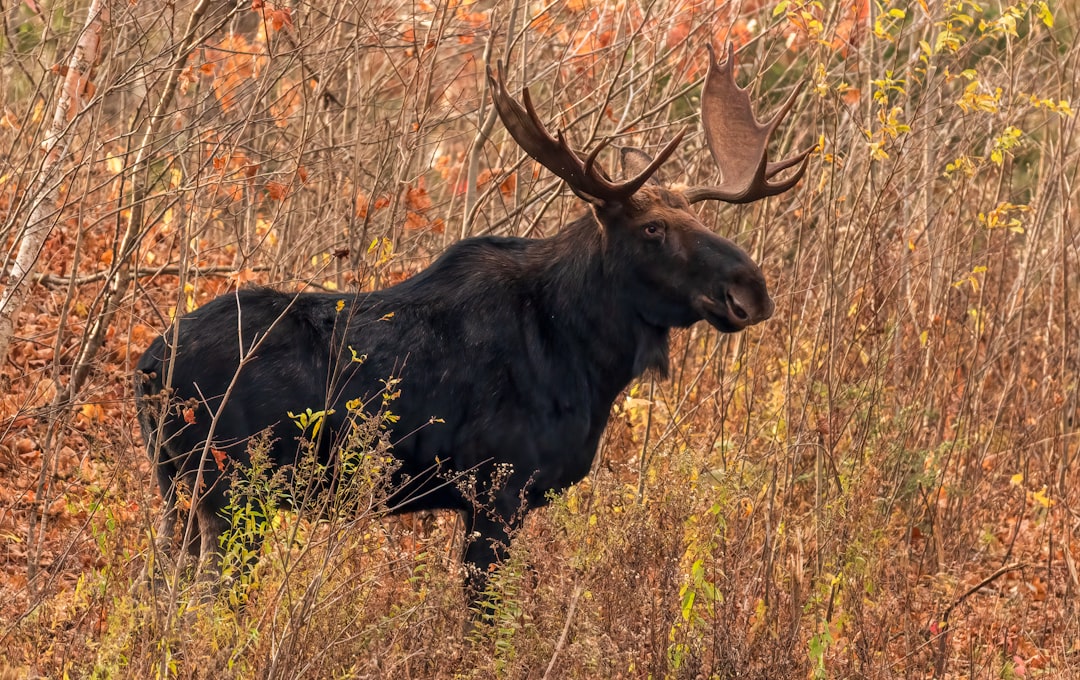
When confronted by an aggressive animal, human instinct often tells us to stand our ground and appear threatening. This approach works with some predators, but with moose it’s exactly the wrong move. If you’re charged by a bear or cougar, you need to stand your ground, but that’s not true if a moose comes at you full-tilt.
Unlike predators who might be testing your resolve, an angry moose isn’t playing psychological games. An aggressive, confrontational moose is trying to do one thing: drive you off. Standing your ground will only escalate the situation and put you in serious danger.
The Life-Saving “Run and Hide” Strategy
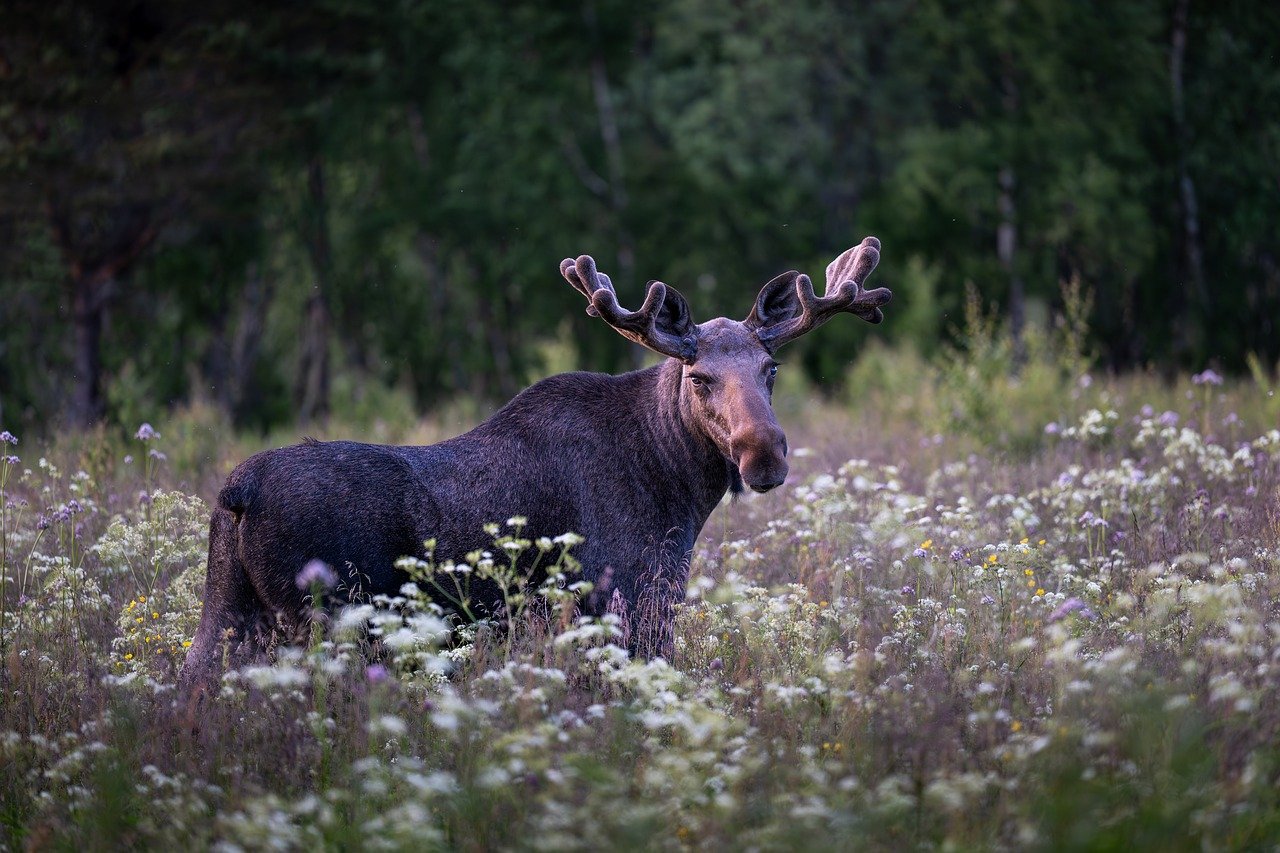
If a moose approaches you, back away, and if it charges, RUN! Do not stand your ground. This might sound counterintuitive, but unlike with bears or dogs, it is usually a good idea to run from a moose because they won’t chase you very far.
The best course of action when confronted by a charging moose is to run like heck, make some sharp turns, and try to put an obstacle like a large tree or rock outcrop between you and that enraged animal. You can run around a tree faster than a moose.
When Running Isn’t Enough What to Do if You’re Knocked Down
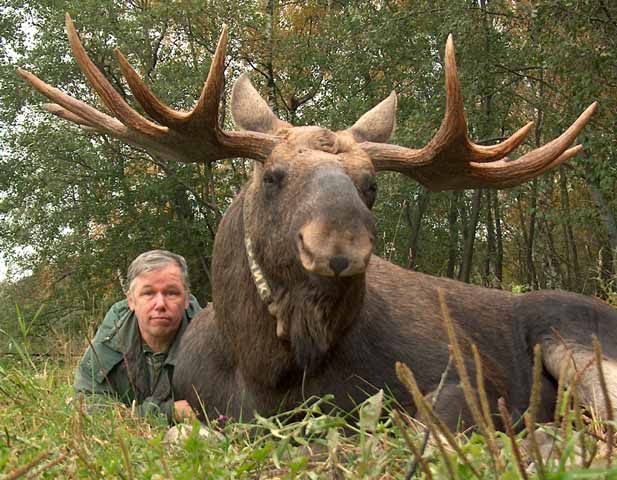
Sometimes even the best escape attempts fail. If a moose knocks you down, it may continue running or start stomping and kicking with all four feet. If the moose does make contact, it typically strikes first with its front hooves, using its rear legs occasionally in a prolonged assault.
If a moose knocks you down, curl into a ball, protect your head with your hands, and hold still until the moose moves a safe distance away or it may renew its attack. This protective position minimizes your exposed body area and protects your most vulnerable organs.
Understanding Bluff Charges vs. Real Attacks
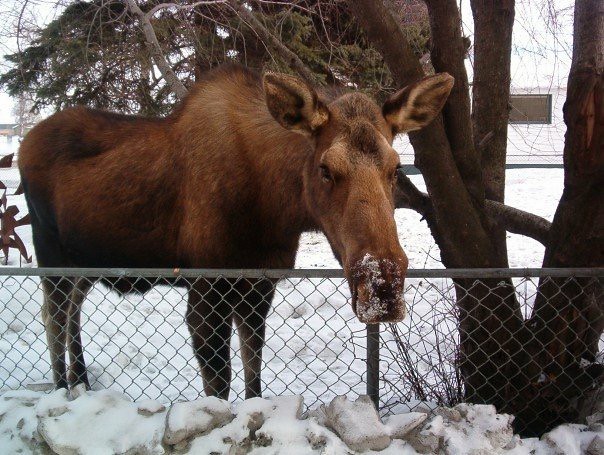
Many charges are “bluff” charges, warning you to stay back and keep your distance. When a moose charges, it’s often a bluff, but take it seriously and get behind something, such as a tree or boulder.
The challenge is that you can’t tell the difference between a bluff and a real charge until it’s too late. If a moose does charge, don’t wait to find out if it’s bluffing, run and get behind something solid, like a tree, or retreat to a safe place, like inside a building or car.
Special Situations Bulls During Mating Season
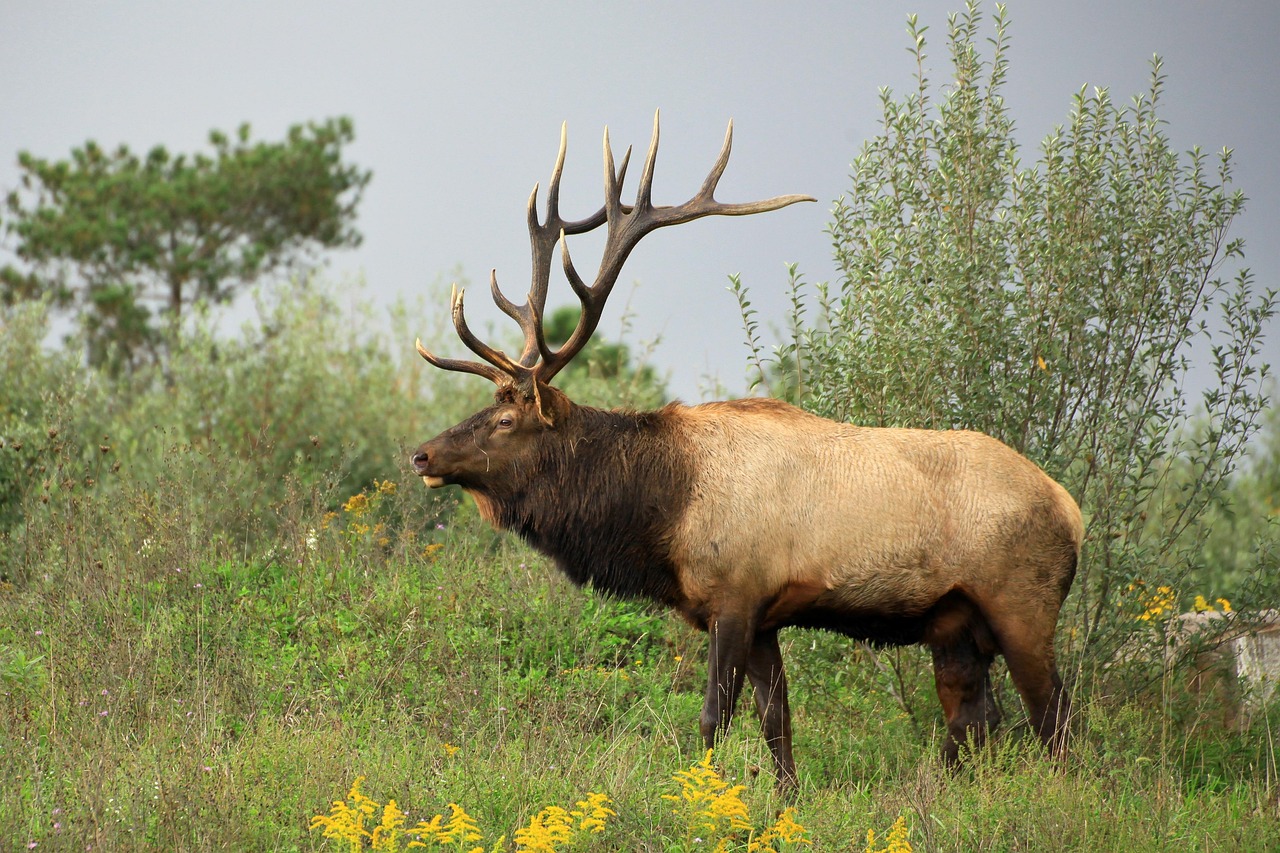
During the fall mating season in mid-September through mid-to-late October, bull moose can be particularly aggressive to humans, partly because their natural aggression is bolstered by an increase in testosterone. A bull moose during the fall rut is nothing to be trifled with, as these hormone-roiled animals in their peak condition can be unpredictable and cantankerous.
During this period, even experienced wildlife professionals exercise extra caution. The combination of breeding instincts, territorial behavior, and peak physical condition makes bull moose during rutting season one of the most dangerous wildlife encounters you could face.
Protecting Calves The Most Dangerous Moose Encounter
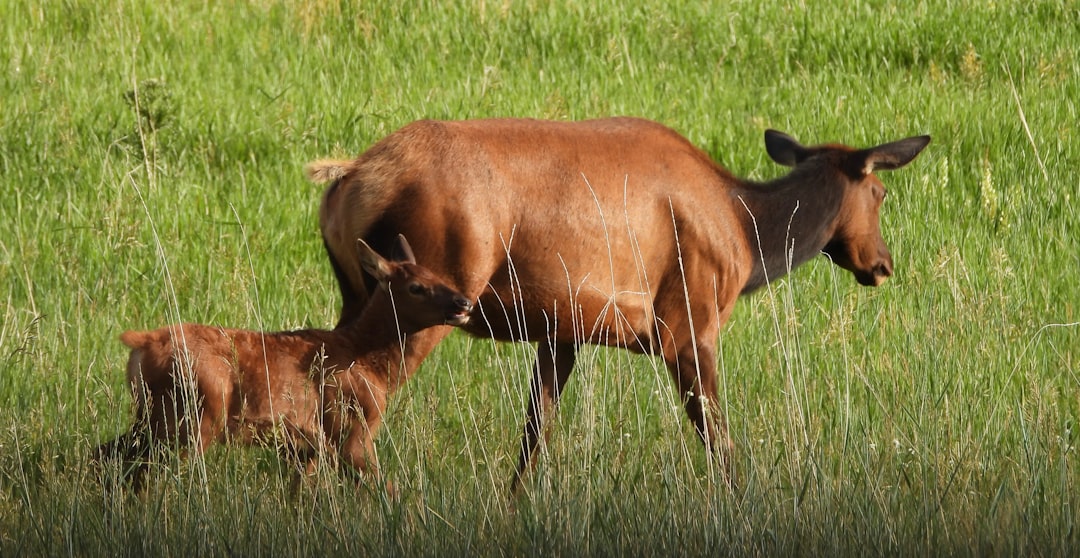
In late spring and early summer, cow moose may be exceedingly touchy over their calves, and a cow energized by her motherly instinct to protect her offspring is just about the deadliest moose you could deal with. It is extremely important you never position yourself between a cow and her calf, and it’s best to leave a doting mother moose plenty of space.
Mother moose with calves are arguably more dangerous than bulls during rutting season because their protective instincts override all other considerations. They won’t hesitate to attack anything they perceive as a threat to their young, regardless of size or apparent danger.
The Reality Check Why These Methods Work
Sustained assaults are rare, and the odds of a fatal attack are extremely low, with fatalities from moose attacks are extremely rare in the Northeast. Once the moose has driven you far enough away, it will leave you alone.
These survival methods work because they align with moose behavior patterns. Moose aren’t predators trying to hunt you they’re defensive animals trying to eliminate what they perceive as a threat. By removing yourself from their space quickly and effectively, you satisfy their primary goal of driving you away.
Remember, the best survival strategy is prevention. If you are causing the moose to change its behavior in any way, you are too close. Give these magnificent animals the respect and distance they deserve, and you’ll likely never need to use these survival techniques.
What would you do if you suddenly found yourself face-to-face with an angry moose? Tell us your thoughts in the comments.
