


Most adopters think the hard part ends when the hiding stops. It doesn’t. Week-one behavior is mostly survival: a cat scanning for exits, saving energy and reading a stranger’s every move. Month two is when the cat starts choosing where to sleep, who to trust and what is worth risking. Here are the 19 signals that show which way your cat is leaning.
Those choices leave clues, and most people miss them. The list below counts down from the quiet signals to the one that says the most, using shelter guidance and cat-behavior research. A few of them look like bad behavior. One looks like an invitation and isn’t. And the last is the opposite of what you’d expect a scared cat to do.
#19 – Eating While You’re in the Room
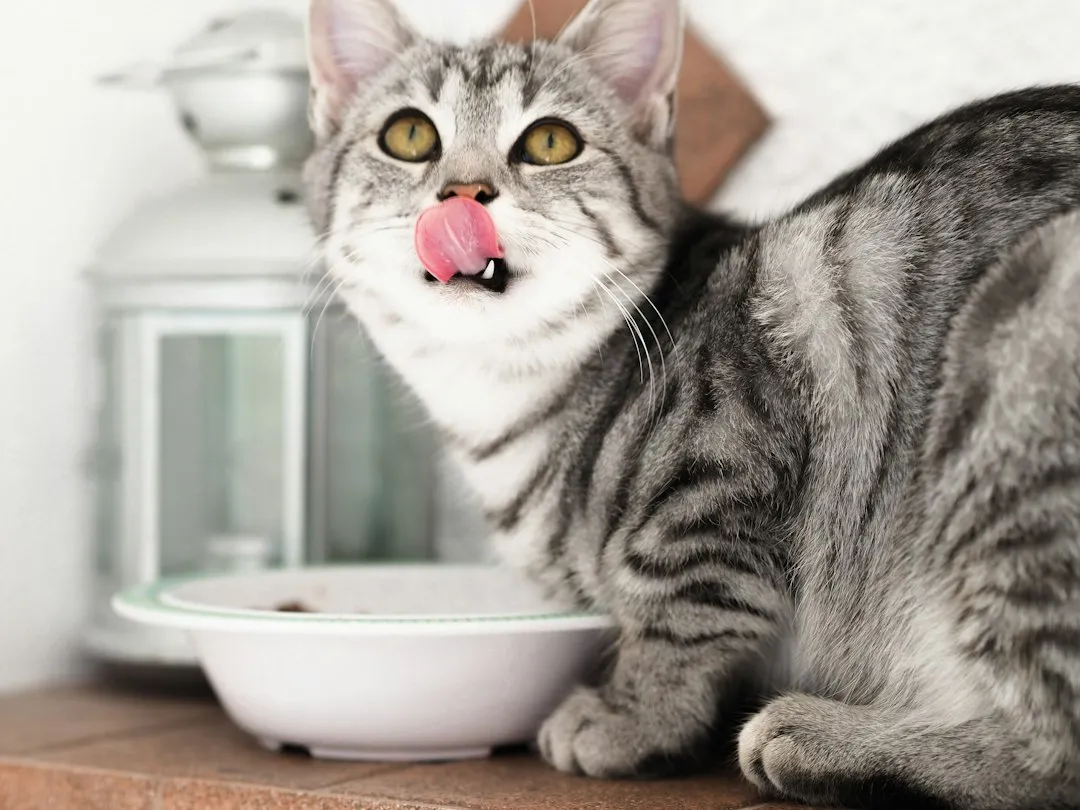
A cat that eats while you watch has quietly decided you’re not a threat.
Shelters say it’s normal for a new cat to eat or drink very little, or not at all, in the first few days. Month one is often a bowl that is mysteriously empty by morning, meals grabbed at 3 a.m. while you sleep.
Eating is a vulnerable act. The head is down, the senses are dulled and escape is slower. A cat that eats at a normal pace while you clatter around the kitchen has judged the room safe.
Look for these signs:
- Eating without bolting, then dashing back to cover
- Lingering near the bowl afterward
- Walking in when you open a can
The usual caveat still applies. Veterinary care is advised if a cat refuses food for more than 48 hours.
But that’s nothing compared to what your cat’s sleeping spot reveals in #18…
#18 – Sleeping in the Open
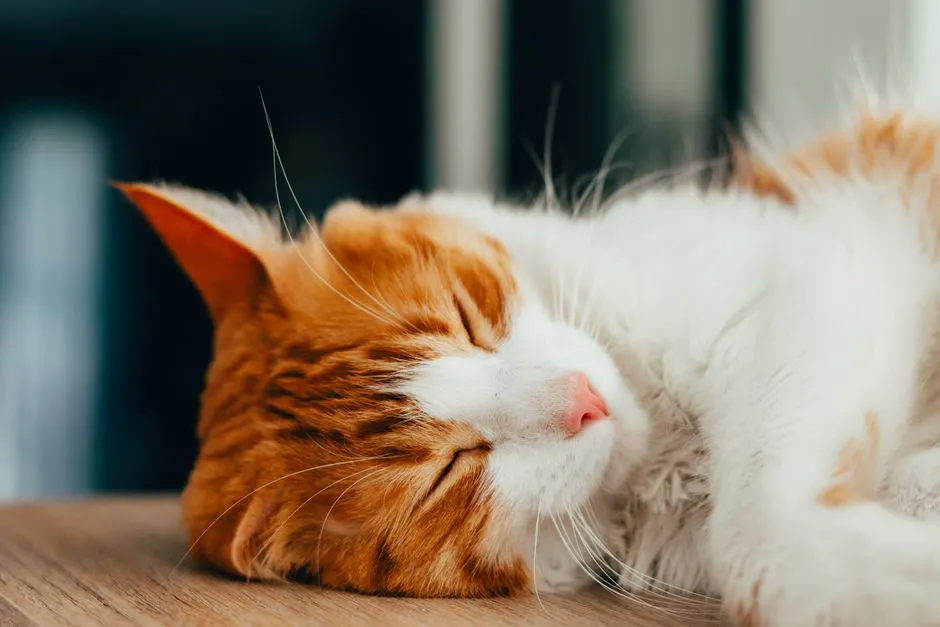
Where a cat naps tells you more than any purr.
In month one, most rescue cats sleep wedged under a bed or behind a couch. That’s a defensive choice. Cover protects the back and limits the angles a threat can come from.
In month two, watch for a cat that naps on the sofa arm, a sunny floor patch or a hallway rug. Sleeping with the body fully stretched out is a bigger statement than any greeting. A stretched-out cat can’t spring away quickly, and it knows that.
Pay attention to the details:
- Paws tucked or stretched, not coiled for launch
- Ears relaxed, not swiveling at every sound
- Naps in rooms where the household is active
A cat that still sleeps only in hiding at this stage isn’t failing. It simply hasn’t finished deciding.
But the next signal shows how far the cat’s map of your home has grown…
#17 – Treating the Whole House as Territory

Exploring is easy. Patrolling is something else entirely.
A cat in month one tends to slink along walls and dart between hiding spots. By month two, some cats stride straight across open rooms and check the window, the kitchen and the hallway like a night-shift security guard.
Shelters advise keeping the safe room accessible so a cat can retreat if spooked. Cats that are settling often keep using it, just less urgently.
Turns out, a cat that returns to its safe room by choice isn’t regressing. It’s using the room the way you use your bedroom. It’s a base, not a bunker.
But what happens when you walk in the door tells you even more…
#16 – The Tail-Up Greeting

A vertical tail is one of the clearest hellos in cat language, and it’s easy to miss.
Cats that feel safe and friendly often approach with the tail held upright, sometimes with a small curl at the tip. Researchers have long treated it as a friendly greeting signal. Kittens use it toward their mothers, and adult cats carry it into their relationships with people.
In month one, a rescue cat’s tail is more likely to be low, tucked or wrapped around the body. Many cats that have just moved have no reason to announce themselves at all. Staying quiet is safer.
What to watch for:
- Tail up as you come into the room
- A slight quiver in the tail while approaching
- Tail loosely draped over your leg
Context matters. A thrashing or puffed tail is a separate message entirely.
Quick Compare
- Tail up, tip curled: a friendly hello, and often an invitation to come closer
- Tail low or tucked: a cat that is cautious or unsure
- Tail wrapped around the body: self-protection, so keep things calm
- Tail thrashing or puffed: agitation or fear, so give space
But your cat has another way of saying “I trust you,” and it works from across the room…
#15 – The Slow Blink

Slow blinking is one of the few cat trust signals that has been put through a controlled study.
A 2020 study in Scientific Reports found that cats were more likely to approach a person who had slow-blinked at them. A direct stare reads as a challenge in cat body language. Narrowed, slow-closing eyes read as non-threatening.
In month one, many rescue cats hold your gaze rigidly or look away. In month two, you may get a soft, half-lidded look from the end of the couch.
You can start the exchange yourself. Relax your face, close your eyes slowly, then look away. Don’t force it. A cat that blinks back is actively communicating with you.
But the next signal is one you may notice before you even see your cat…
#14 – Showing Up on a Schedule

Your cat is now keeping time, and it has opinions about yours.
Around the three-week mark, cats begin to hide less, explore more and learn the routines and quirks of the household. By month two, that learning has turned into expectation.
You might find the cat waiting by the bedroom door before your alarm. It may appear in the kitchen five minutes before dinner, or station itself at the window when you usually come home.
Predicting your routine means the cat has built a mental model of your household, and that you’re a reliable part of it. For an animal that lost its previous home, predictability is a form of safety.
This is also why a consistent feeding time matters. It gives the cat a fixed point to organize the day around.
But a cat that expects you will soon start demanding things, and that includes play…
#13 – Playing With Full Commitment
Half-hearted play in month one becomes a proper hunt in month two.
Play mimics the predatory sequence: stalk, chase, pounce, bite, then kill and eat. Stressed cats often skip the early steps, or play only when they think no one is watching.
A settled cat commits. It crouches, wiggles its hindquarters, launches and sometimes crashes into the furniture. A cat has to feel safe to look this ridiculous.
Good signs include:
- Playing while you’re in the room
- Starting play by dropping a toy near you
- Finishing sessions with a meal or snack
But a cat that’s ready to play is also ready to talk, and the conversation gets interesting…
#12 – Meowing at You Specifically
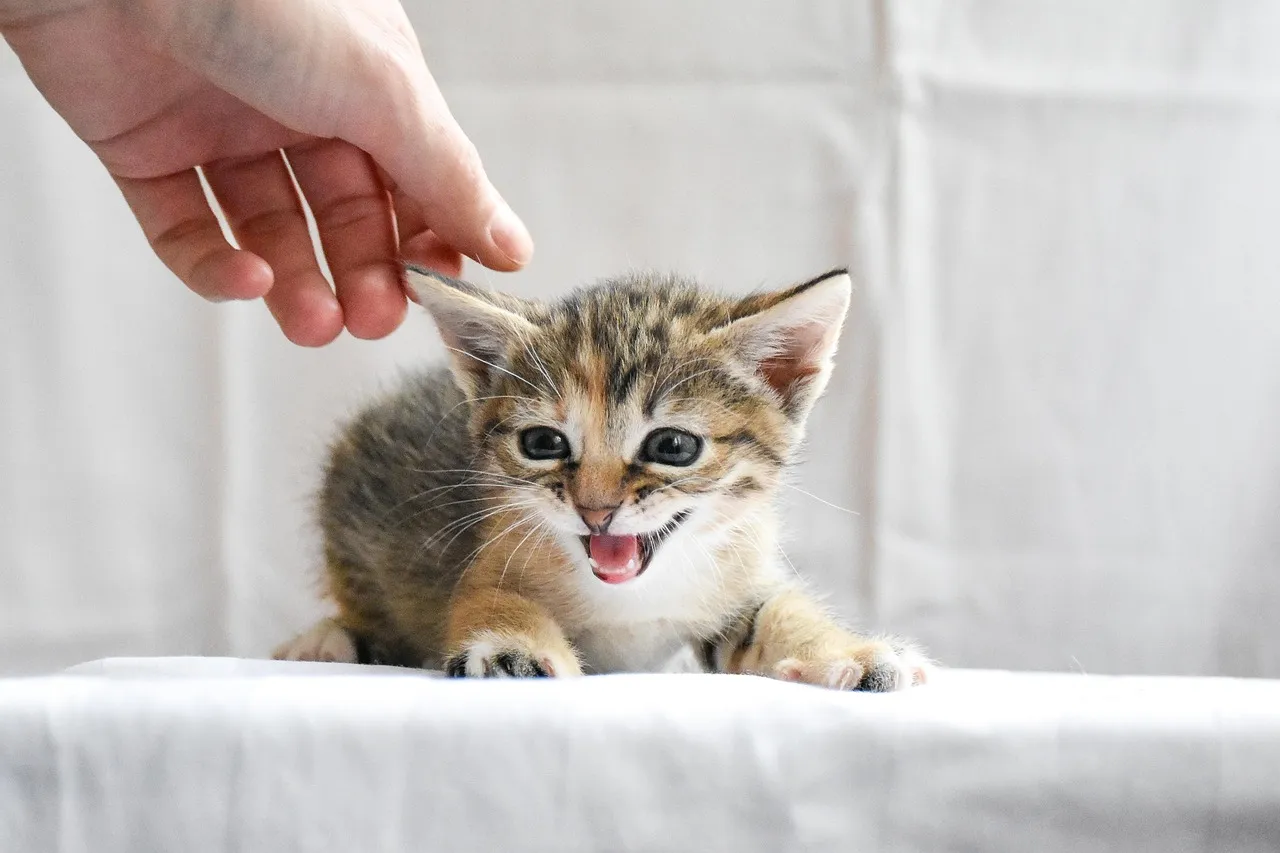
If your cat suddenly has a lot to say, you’re the audience.
Adult cats rarely meow at each other. Meowing is largely a tool they use on people. That’s why a silent month one doesn’t mean a cat has nothing to say. It may just not have decided you’re worth talking to.
Month two often brings chirps, trills and short, questioning meows. Some cats develop a different “word” for each of their favorite requests. Dinner may sound nothing like “open this door.”
Many cats get chattier as they gain confidence. Persistent, sudden or nighttime yowling is a different case and deserves a vet check, particularly in older cats.
But the most intimate form of cat communication doesn’t involve sound at all…
#11 – Head Bunting and Cheek Rubbing
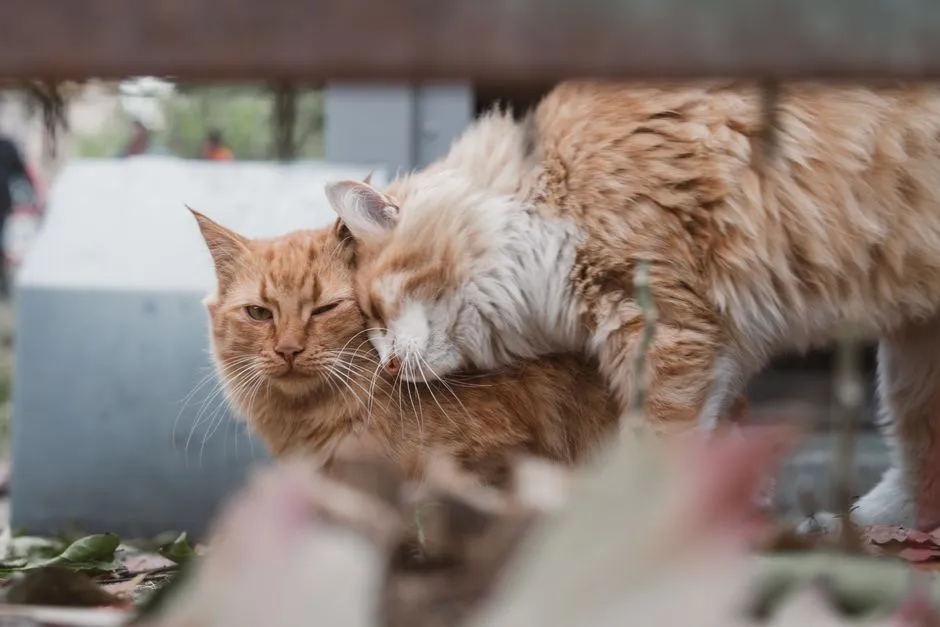
When a cat rubs its face on you, it’s marking you as part of its group.
Cats have scent glands around the cheeks and head. Rubbing deposits a familiar scent on objects and people. Most behaviorists read it as a way of creating a shared “family smell.”
In month one, a rescue cat mostly rubs on furniture and door frames. It’s safer to scent-mark things than people. The first time it bumps your hand or shin with its head, it has moved you from “stranger” to “known.”
The rubbing usually spreads in stages.
Worth Knowing
- Stage one: your belongings, such as shoes, bags and laundry
- Stage two: your leg or shin as you walk past
- Stage three: your hand, or a full head-butt to your face
- Ongoing: furniture still gets rubbed, because scent needs topping up
Don’t take it personally if the cat rubs the couch an hour later. It’s building a scent profile for the entire home, and you’re now on the list.
But the next move requires real courage, and it involves your lap…

Hand Blown Glass Hummingbird Feeders for Outdoors Hanging, 24oz Wild Bird Nectar Feeder
Check Price on AmazonAs an Amazon Associate, we earn from qualifying purchases.
10/7/2026 1:23 pm GMTi

Halloween Dog Collar with Bow, Orange Cute Ghost Collar,
Check Price on AmazonAs an Amazon Associate, we earn from qualifying purchases.
10/9/2026 2:43 pm GMTi

Glass Hummingbird Feeder for Outdoors Hanging
Check Price on AmazonAs an Amazon Associate, we earn from qualifying purchases.
10/7/2026 1:21 pm GMTi

Halloween Cat Costume Cloak Witch Hat Pet Accessories
Check Price on AmazonAs an Amazon Associate, we earn from qualifying purchases.
10/9/2026 2:44 pm GMTi

Portable Dog Water Bottle Foldable Dog Travel Water Bottle
Check Price on AmazonAs an Amazon Associate, we earn from qualifying purchases.
10/7/2026 1:29 pm GMTi
#10 – Choosing to Sit Near You

Proximity is a decision, and cats make it carefully.
In month one, a rescue cat tolerates you at a distance. In month two, it chooses to be in the same room, then on the same piece of furniture, then close enough to touch.
Sitting beside you without being invited is a bigger milestone than sitting on you. It shows the cat wants your presence but still wants control over the contact.
Typical stages look like this:
- Settling at the far end of the couch
- Resting a paw or flank against your leg
- Climbing into your lap for short stretches
But a cat that’s comfortable enough to sit with you will also start doing something very personal in front of you…
#9 – Grooming in Front of You
A cat that cleans itself in your presence has stopped keeping watch.
Grooming is a focused activity. The cat is busy, its attention is turned inward, and it can’t scan the room properly. Many stressed cats groom only in private, or not at all.
Grooming can also be a stress release, which means a calm, unhurried wash is a good sign, while frantic or excessive licking is not. A relaxed cat works through a routine. An anxious cat may overgroom or fixate on one patch.
Things to note:
- Full-body washing in the living room
- Washing a paw after a meal, unhurried
- Settling into a nap right after
If you see bald patches or irritated skin, don’t write it off as a mood thing. Call your vet.
But a confident cat doesn’t just wash, it starts testing the rules…
#8 – Testing Boundaries

Counter-jumping, couch-scratching and knocking over a glass are secretly good news.
Shelter guidance notes that after about three weeks, cats may jump on counters or scratch furniture. That’s what you’d expect when a cat has stopped worrying and started living there.
A frightened cat is rarely naughty. It’s frozen. The cat that finally knocks your pen off the desk while looking you in the eye is acting like a resident.
Here’s the unpopular take: scolding this behavior in month two is the real mistake. Punishment can set back the trust you’ve been building. Redirecting works better, so give the cat a tall scratcher, a window perch and a legal place to climb.
But that same confidence shows up at the food bowl in a surprising way…
#7 – Becoming Picky About Food
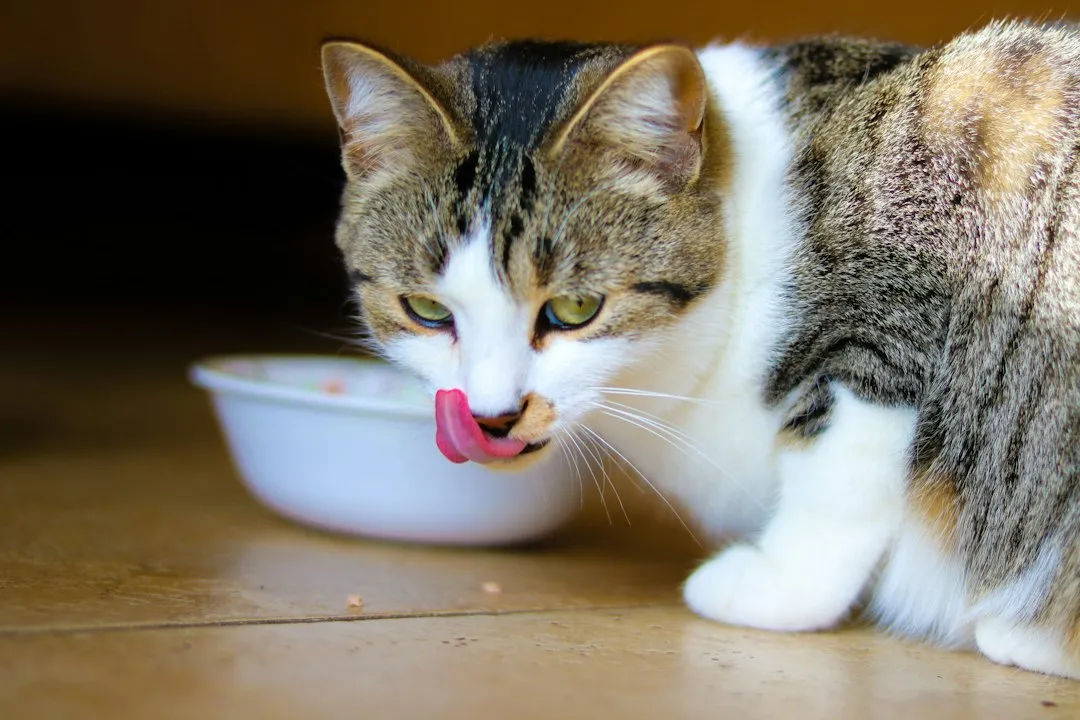
A rescue cat that turns its nose up at dinner may be doing you a favor.
In month one, many cats eat whatever is put down, if they eat at all. By month two, taste preferences appear. The cat that devoured the chicken pâté last week now walks past it.
Fussiness often means the cat has the security to be selective, not that something’s wrong. Hunger and fear override preference. Once the fear fades, preferences return.
Still, keep a log. A cat that suddenly eats less, loses weight or shows interest in food but can’t eat needs a vet visit. Most veterinarians recommend a wellness exam within the first week or two after adoption, so you should already have a baseline.
But the next signal is the one most owners misread completely…
#6 – Rolling Over and Showing the Belly
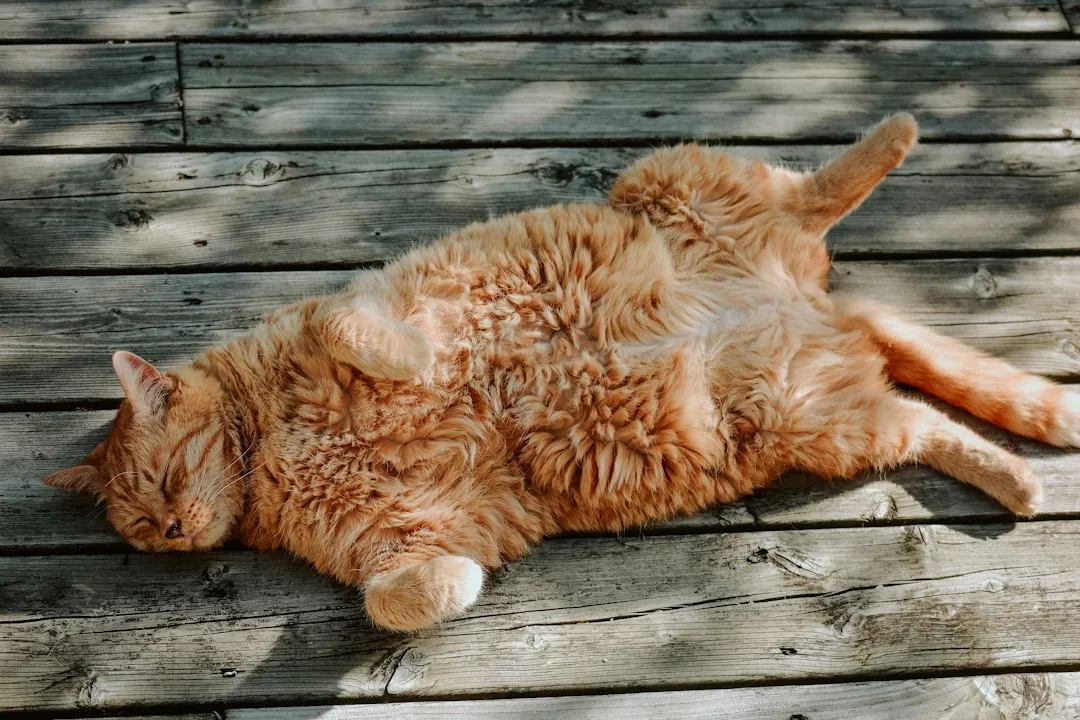
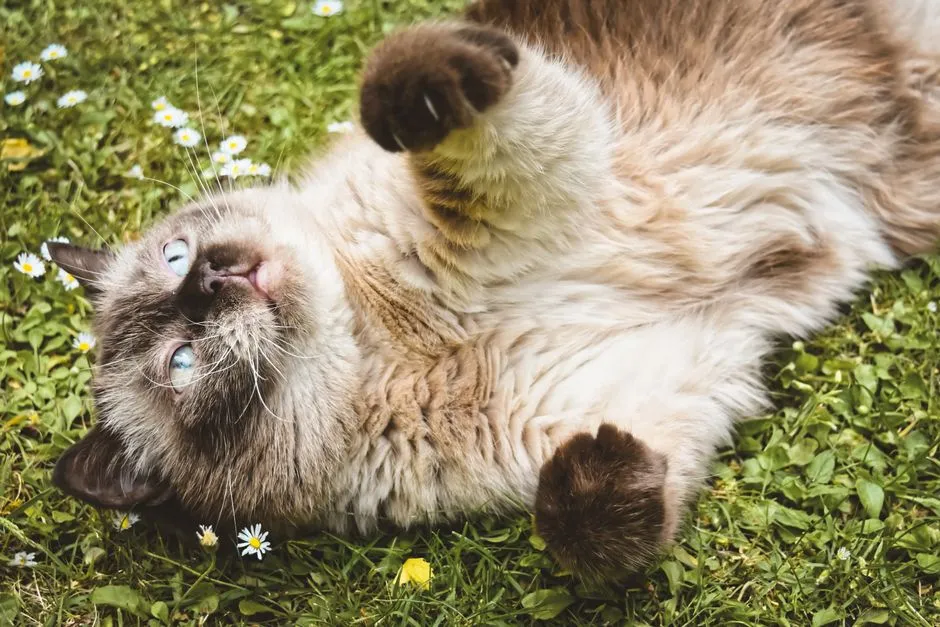
A belly display is not an invitation to rub. Plenty of owners learn that the hard way.
In cats, a rolled-over belly often means the cat is relaxed and comfortable. For many it isn’t a request for petting. The belly is the most vulnerable part of the body, and many cats react by grabbing a hand that goes there.
Treating the belly flop as a trust test is one of the most common ways owners get scratched. The cat is showing confidence. You’re meant to notice and appreciate it, not touch.
A few better responses:
- Offer a slow blink instead of a rub
- Reward the display with a toy or treat
- If you do touch, stop after one gentle stroke
Some cats do love belly rubs. Learn which kind you have.
But there’s a behavior that goes all the way back to the first weeks of your cat’s life…

PetSafe Oasys Pet Fountain, 1/2 Gallon (64 oz), Small Dogs & Cats
Check Price on AmazonAs an Amazon Associate, we earn from qualifying purchases.
10/8/2026 8:14 am GMTi

Dog Stairs for Bed 18" H, 4-Step Dog Steps for High Bed
Check Price on AmazonAs an Amazon Associate, we earn from qualifying purchases.
10/9/2026 2:42 pm GMTi

Earth Rated XL Dog & Puppy Pee Pads, Discreet Top, Max Absorbency
Check Price on AmazonAs an Amazon Associate, we earn from qualifying purchases.
10/7/2026 1:28 pm GMTi

2 Pcs Halloween Pet Hat Bandana Set, Witch Pumpkin Costumes for Dogs
Check Price on AmazonAs an Amazon Associate, we earn from qualifying purchases.
10/9/2026 2:45 pm GMTi

Orthopedic Extra Large Dog Bed, Waterproof Washable XL Pet Bed 44"
Check Price on AmazonAs an Amazon Associate, we earn from qualifying purchases.
10/7/2026 1:32 pm GMTi
#5 – Kneading
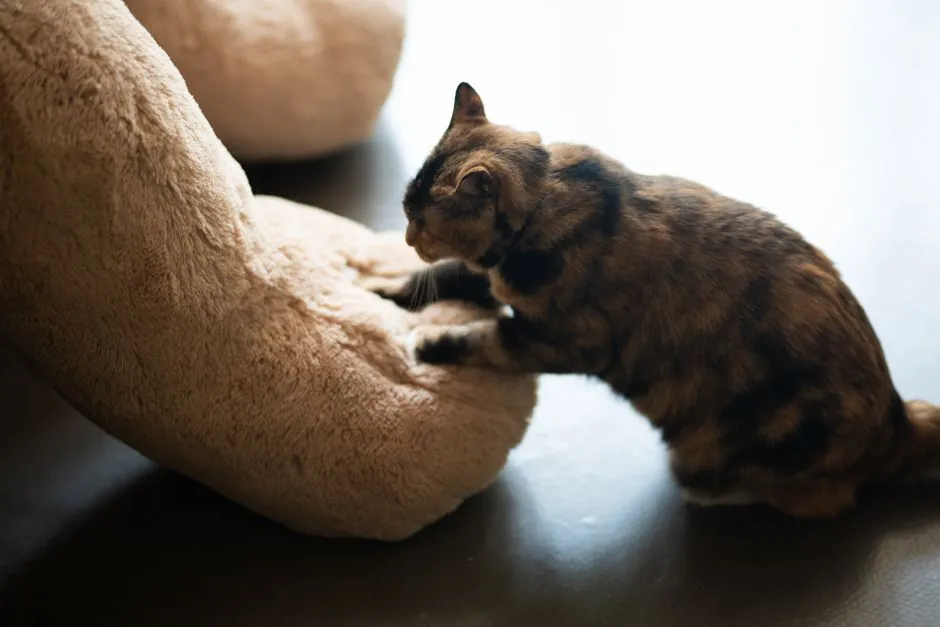
Kneading is a leftover from kittenhood that adult cats bring out when they’re happy.
Kittens push on their mother’s belly to stimulate milk flow. Adult cats often knead soft surfaces such as blankets, pillows or your lap. The most widely accepted explanation is that the habit carries over as comfort behavior.
In month one, a stressed cat tends to freeze or stiffen on soft surfaces. If your rescue cat is kneading your lap, it’s treating you the way it once treated its mother. That’s a heavy compliment.
Some cats drool or purr while they do it. Others leave claw marks. A towel under the cat protects your legs without discouraging the behavior.
But cats show trust in even more practical ways, such as letting you handle them…
#4 – Tolerating Handling
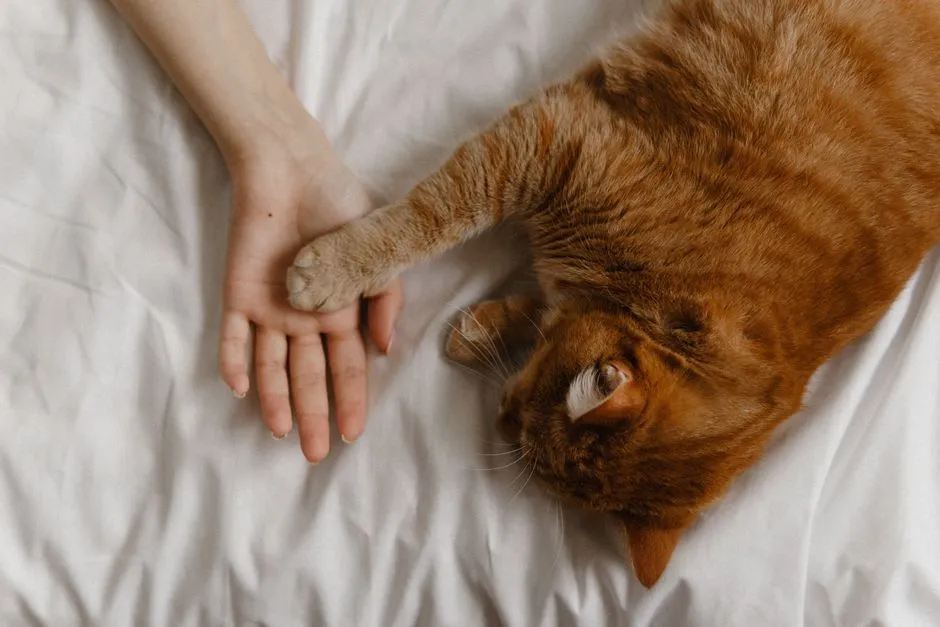
A cat that lets you touch its paws has handed you a very big trust token.
In month one, handling is often a battle or a non-starter. In month two, many cats allow gentle contact on the paws, ears and mouth. It means the cat is beginning to trust that your hands are safe.
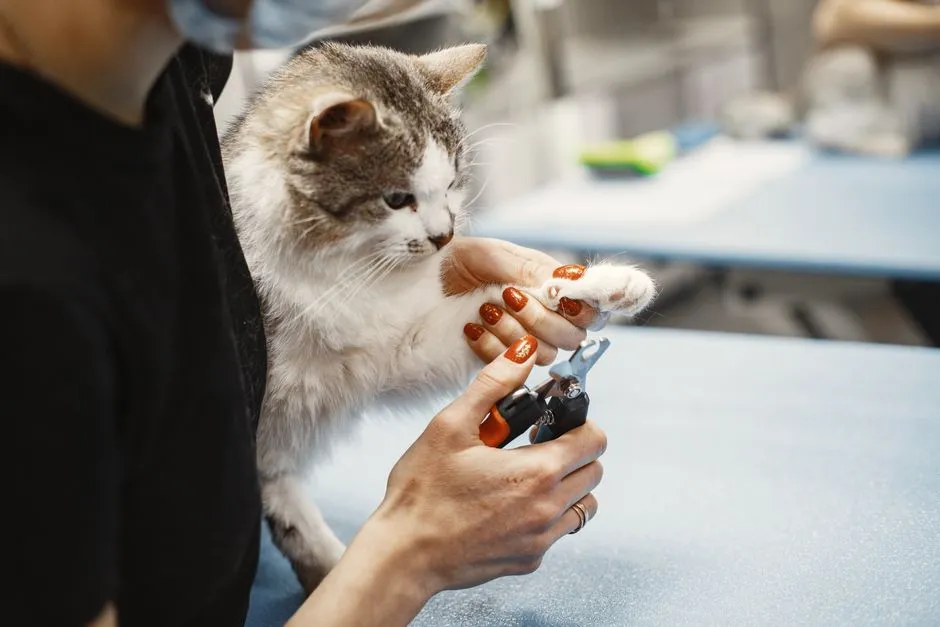
This matters medically as much as emotionally. A cat that accepts paw handling is far easier to give nail trims, teeth checks and medication. A cat that won’t accept any of this may need a slower, treat-based approach.
Build it slowly:
- Touch a paw for one second, then reward
- Gradually extend the duration
- Stop at the first sign of tension
But the next signal comes into play when other living things enter the picture…
#3 – Coping With Guests and Other Pets
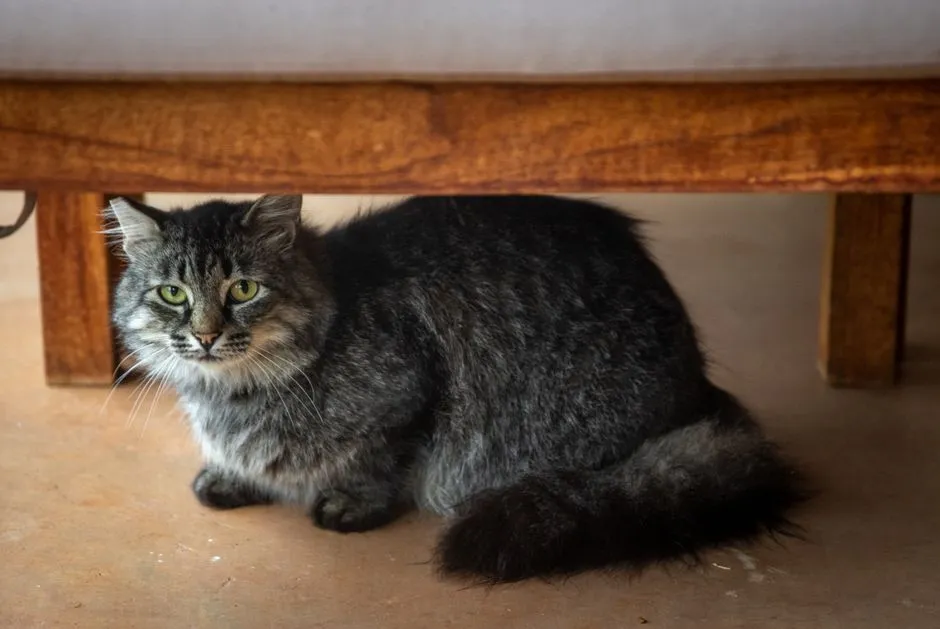
Hiding when visitors arrive isn’t a setback. Staying out is the signal.
With other pets in the home, shelters say introductions can begin once the cat seems comfortable and confident in its own room. Very shy cats may need longer than three weeks. Month two is when many households see the first real progress.
Cat timelines are guidelines, not deadlines. Excessive hiding beyond the three-week mark can point to deeper anxiety rather than simple shyness, so persistent fear deserves attention, not just patience.
What progress looks like:
- Watching a guest from a distance instead of vanishing
- Eating calmly with a pet’s scent nearby
- Returning to normal activity within minutes of a disturbance
Recovery speed matters more than whether the cat gets startled in the first place.
At a Glance
- First 3 days: decompressing, with little eating and lots of hiding
- First 3 weeks: learning routines and starting to explore
- First 3 months: feeling at home, the usual target of the 3-3-3 guideline
- Reality check: it’s a rule of thumb, and shy cats often need longer
But the next signal happens when you aren’t even looking, and it may be the most honest one yet…

Glass Hummingbird Feeder for Outdoors Hanging, 16 oz Leak-Proof Nectar Feeder with Bee Guards & Ant Moat
Check Price on AmazonAs an Amazon Associate, we earn from qualifying purchases.
10/7/2026 1:22 pm GMTi

Smart Bird Feeder with Camera Solar Powered, 2K HD Live Video, 10,000+ Bird Species AI Identification
Check Price on AmazonAs an Amazon Associate, we earn from qualifying purchases.
10/7/2026 1:22 pm GMTi

Professional 7 in 1 Dog Paw Cleaner for Dogs & Cats - Includes 1 Portable Paw Washer, 1 Bath Brush
Check Price on AmazonAs an Amazon Associate, we earn from qualifying purchases.
10/7/2026 1:26 pm GMTi

Air Purifiers for Home Pets Large Room Up to 3000 Ft²,HEPA Air Cleaner with Washable Double-Side Filter, PM2.5 Air Quality Monitor,15dB Sleep Mode for Bedroom Odor Dust Pollen,White
Check Price on AmazonAs an Amazon Associate, we earn from qualifying purchases.
10/8/2026 8:23 am GMTi
#2 – Sleeping Deeply, Even With Noise Around
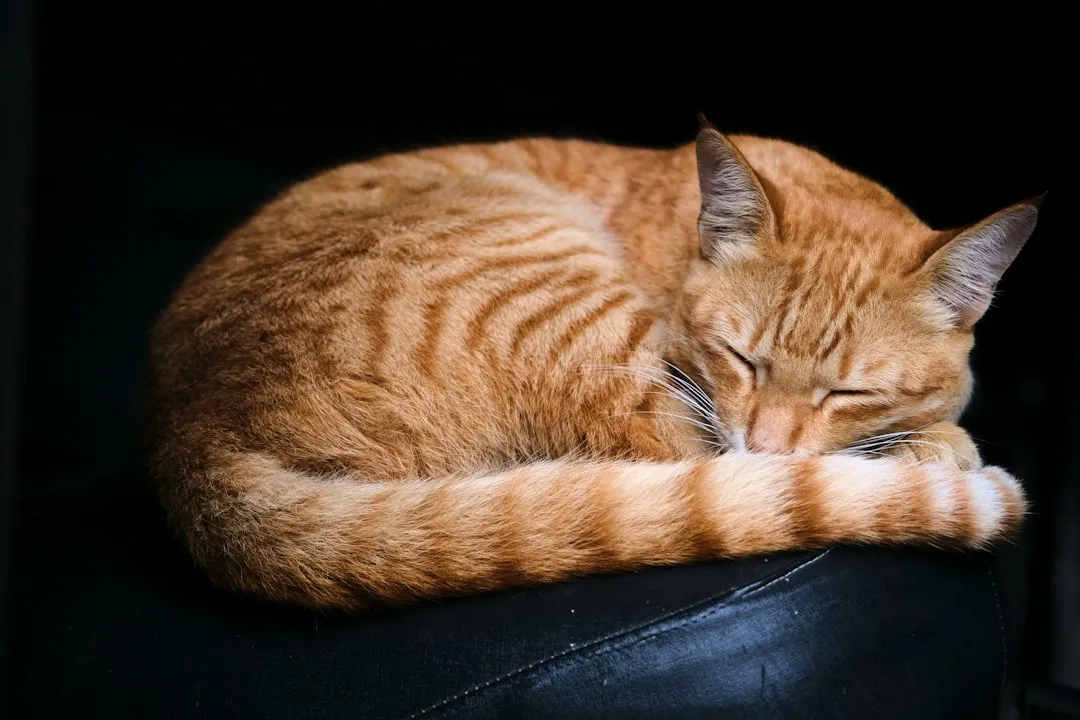
A cat that’s truly settled sleeps like it has nothing to guard.
Cats spend much of the day asleep, but not all sleep is equal. Light dozing keeps the ears and body alert. Deep sleep involves loose limbs, slow breathing and sometimes twitching whiskers or paws.
In month one, many rescue cats sleep in short bursts and wake at every sound. A cat that sleeps through the vacuum cleaner in the next room has recalibrated what counts as danger.
Also watch for sleeping with an exposed throat or belly, or with the face uncovered. A wary cat avoids these positions.
But one signal outranks every other on this list, and it surprises most owners…
#1 – Coming to You When Scared

The strongest sign of trust is a cat that runs toward you instead of away.
In month one, fear sends a rescue cat under the bed. In month two, some cats begin to do the opposite. A loud noise rings out and the cat appears at your feet, pressed against your leg.
That reversal means you’ve shifted from part of the scary environment to the thing that makes it safer. No amount of purring or lap-sitting tells you as much.
Not every cat gets there in month two. The 3-3-3 framework allows about three months to feel fully at home, and some cats take longer. If yours is still hiding, that isn’t failure. Keep the routine steady, let the cat set the pace and call your vet if fear stays intense.
Month two isn’t a victory lap. It’s the point where your cat stops reacting and starts deciding. The signals that matter most are the quiet ones: deep sleep, eating in front of you, slow blinks and a cat that runs to you when scared. They tell you more than a purr.
My opinion: owners pay too much attention to cuddling and too little to comfort. A cat that sleeps soundly in the open and misbehaves a little is further along than a lap cat that still hides from every visitor. Which of these 19 signals showed up first in your home, and which one is still missing?

- 9 Animals That Are Far Smarter Than Most People Realize - November 12, 2026
- 9 Facts About Canada Lynx That Explain Their Boom-and-Bust Link to Snowshoe Hares - November 12, 2026
- Zoology Says Jaguars Have the Most Powerful Bite for Their Size of Any Big Cat – Strong Enough to Crack Turtle Shells - November 12, 2026