
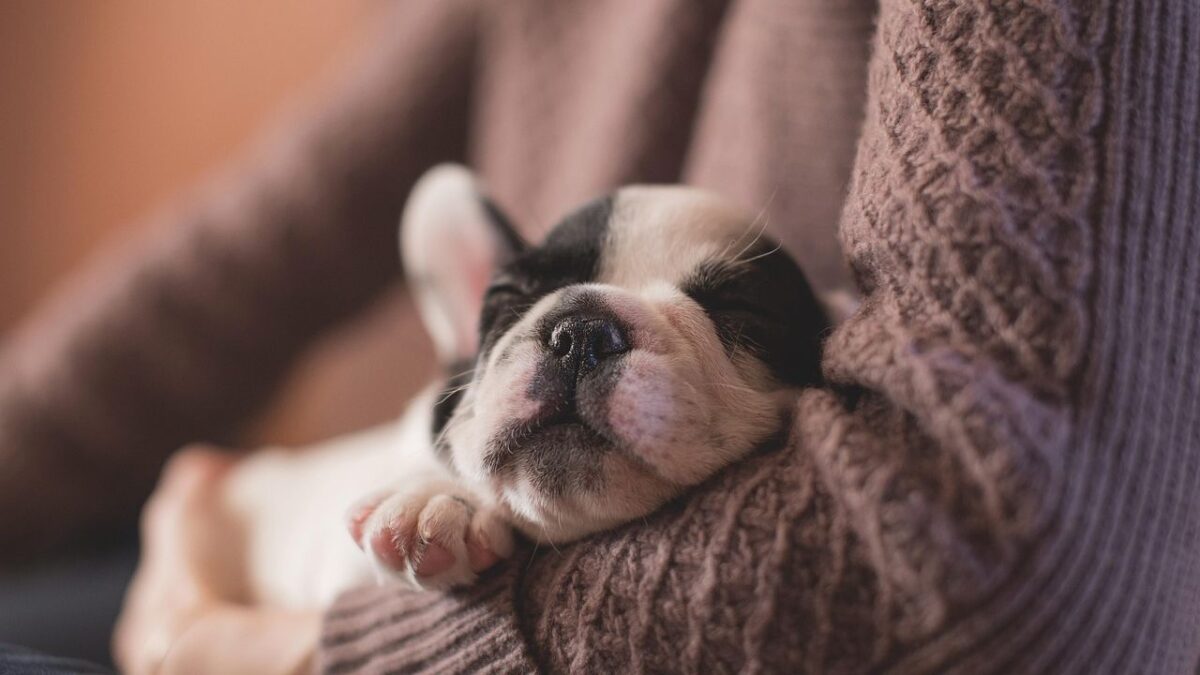
Your dog presses against your legs while you’re standing in the kitchen, or settles their entire body weight against your side while you’re watching TV. This familiar behavior might seem simple, yet it carries layers of meaning that reveal the depth of your canine companion’s emotional world. Understanding why dogs lean can strengthen your bond and help you respond appropriately to their needs.
The reasons behind this endearing behavior range from pure affection to subtle requests for comfort, and everything in between. Let’s explore the fascinating world of canine leaning and discover what your furry friend is really trying to tell you.
The Language of Love and Affection
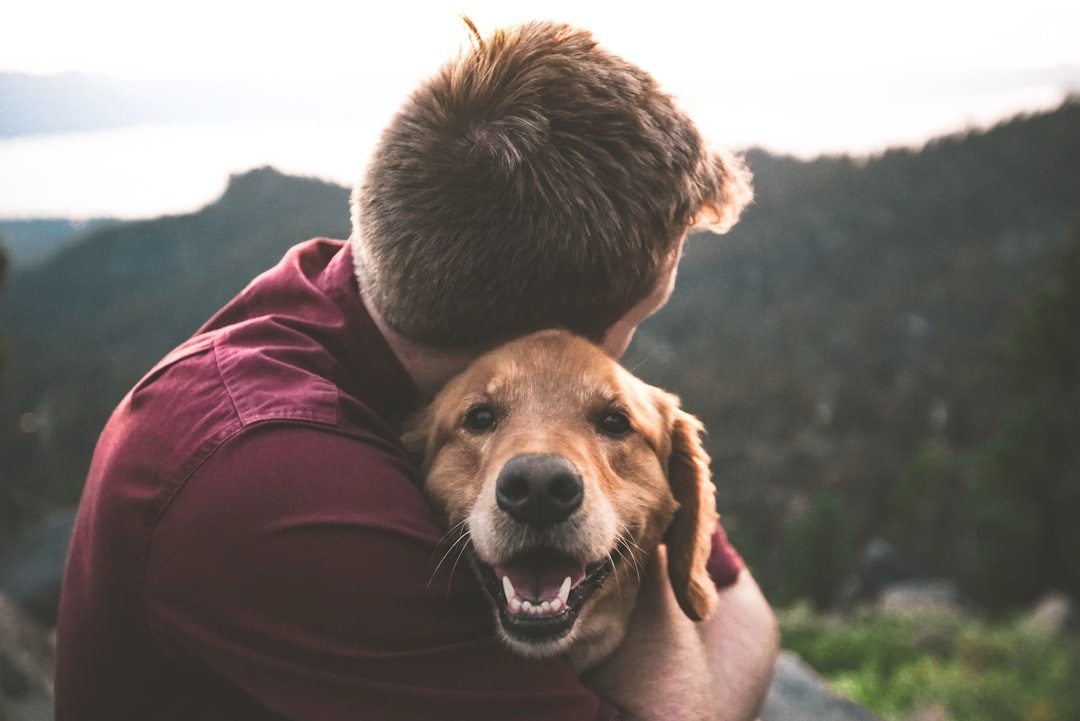
The main reason dogs lean on people is to be as close to their owners as possible as a sign of affection. But another reason, and by far the most common reason, is for affection. Think of it as your dog’s version of a hug. Actually, the majority of times that your dog leans on you is an expression of affection.
Dogs can’t wrap their arms around you like humans do, so they use their entire body to show love. Your dog loves you very much. He thinks the sun rises and sets on your shoulders. He can’t talk, so he has to show affection in other ways. Leaning is one of those ways. It’s sort of a doggy hug. This physical closeness releases feel-good hormones in both you and your dog, creating a positive feedback loop that strengthens your relationship.
Seeking Security and Comfort

Many dogs will lean on their owners for security. They will lean on their owners because they are shy, fearful or insecure. They are not trying to dominate their owners. They are trying to feel safe. When your dog feels overwhelmed or uncertain about a situation, your familiar presence becomes their anchor.
If your dog is anxiety-prone or tense in certain situations, they may lean on you for both physical and emotional support. If your dog associates you with happiness, they most likely associate you with safety, as well. On the one hand, this leaning could mean your dog is experiencing anxiety, and you might have to comfort or reassure them. On the other hand, it also means your dog trusts you to keep them safe and protect them. This behavior showcases the incredible trust your dog places in you.
Attention-Seeking Behavior
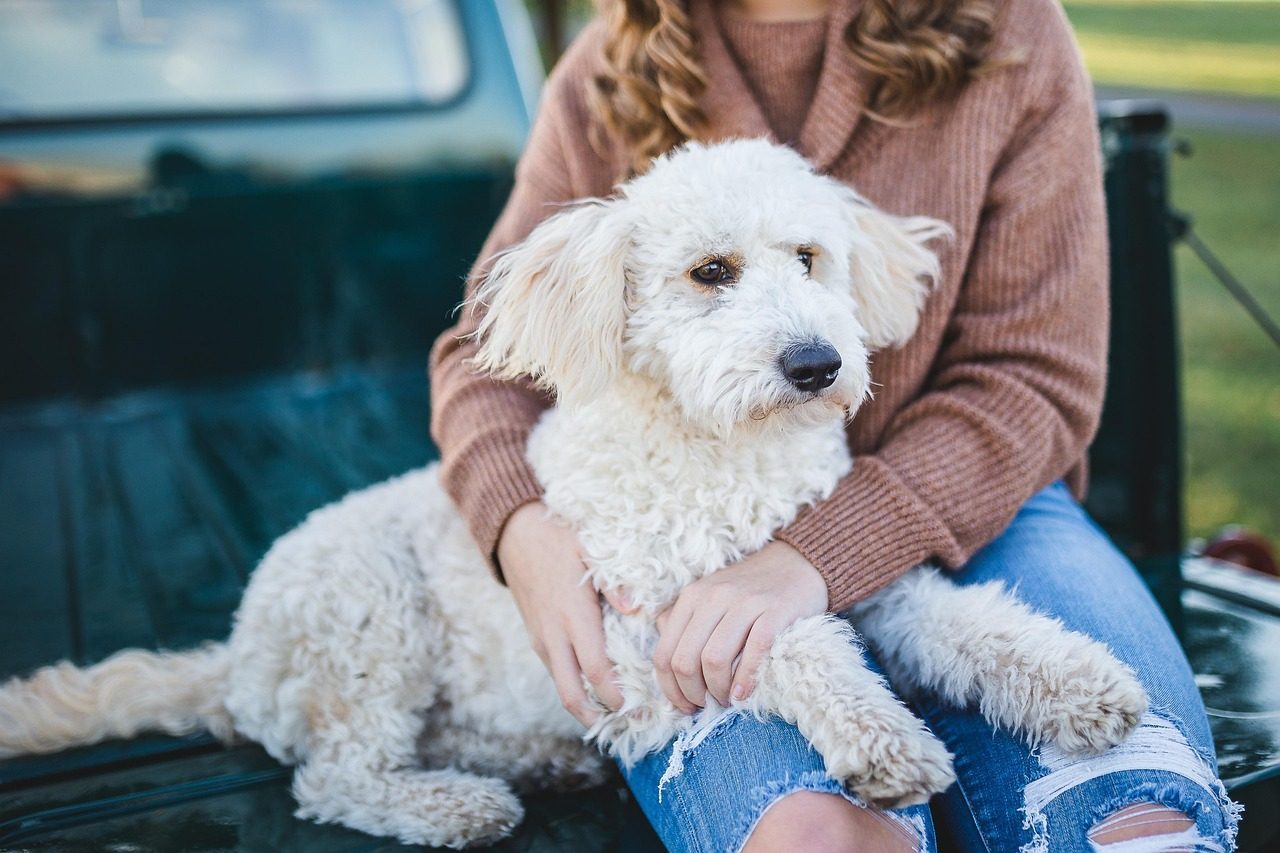
From personal experience and some research, I believe your dog will lean on you for affection, to get your attention. My dog leans on me mostly when he wants something. Like, to play fetch, remind me it is time for me to feed him, etc. This absolutely is not dominance, he is just trying to get my attention. Your clever canine has learned that leaning gets results.
More commonly, dogs learn to attract attention and engage with their human companions. If a dog feels neglected or desires interaction, leaning can be an effective way to prompt a response from their owner. And if you reward this behavior with lots of pets and snuggles – as we dog lovers tend to do – your pooch will likely learn that leaning gets them affection. It’s a brilliant strategy that rarely fails to work.
Pack Instincts and Social Bonding
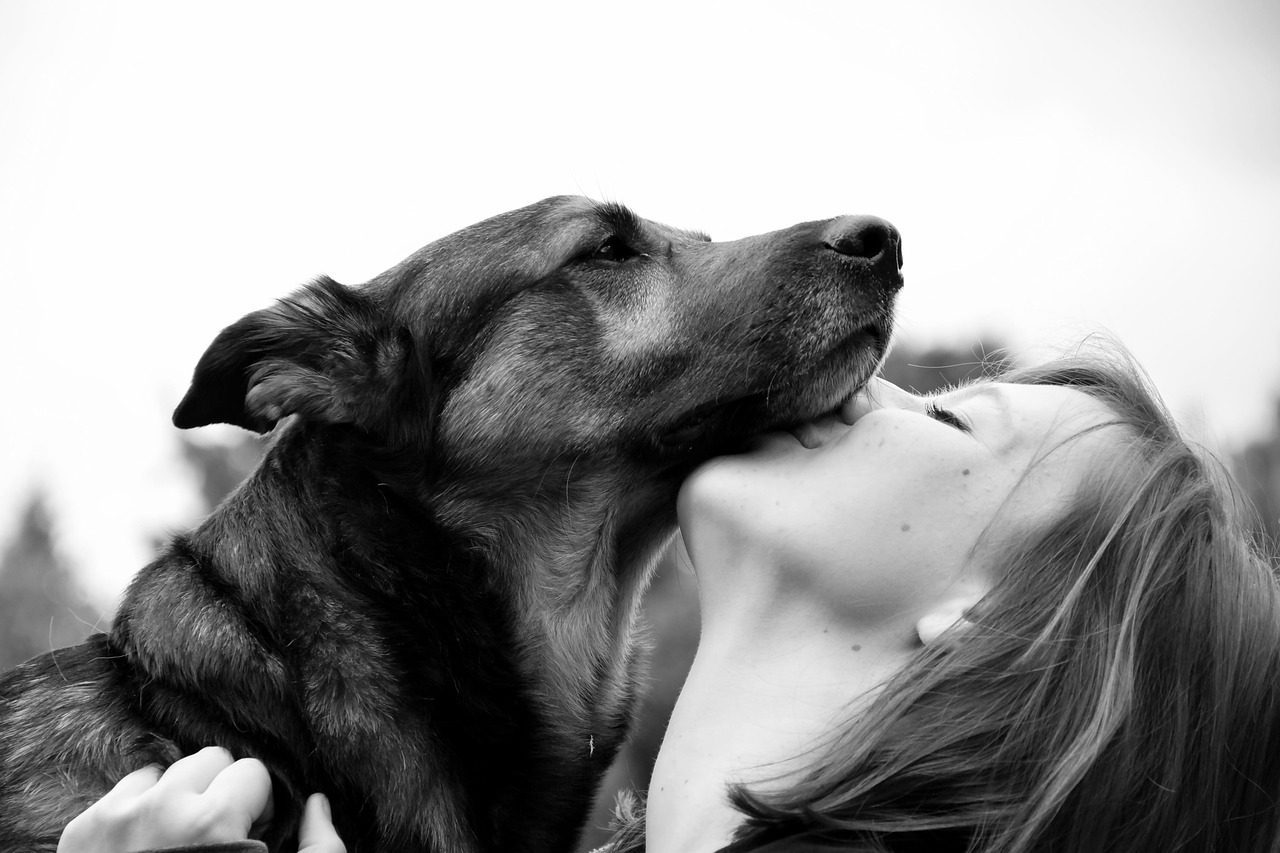
Dogs are pack animals. Instinct tells them to take comfort in feeling others around them. This fundamental aspect of canine nature drives much of their social behavior. Dogs lean on people for comfort, security, affection, expressing trust, and bonding. Dogs lean on people for comfort, security, expressing trust, and bonding. Leaning can be a sign of affection between dog and human, and shows that your dog feels safe with you.
In the wild, physical closeness within a pack provides warmth, protection, and emotional reassurance. Your domestic dog still carries these instincts, viewing your family as their pack. PubMed studies prove that dog-human bonds and interactions invoke oxytocin in both of them. Besides getting a shot of happy hormones, let’s explore more about this delightful canine practice. This chemical response reinforces the bonding behavior and makes it naturally rewarding for both species.
Breed-Specific Tendencies
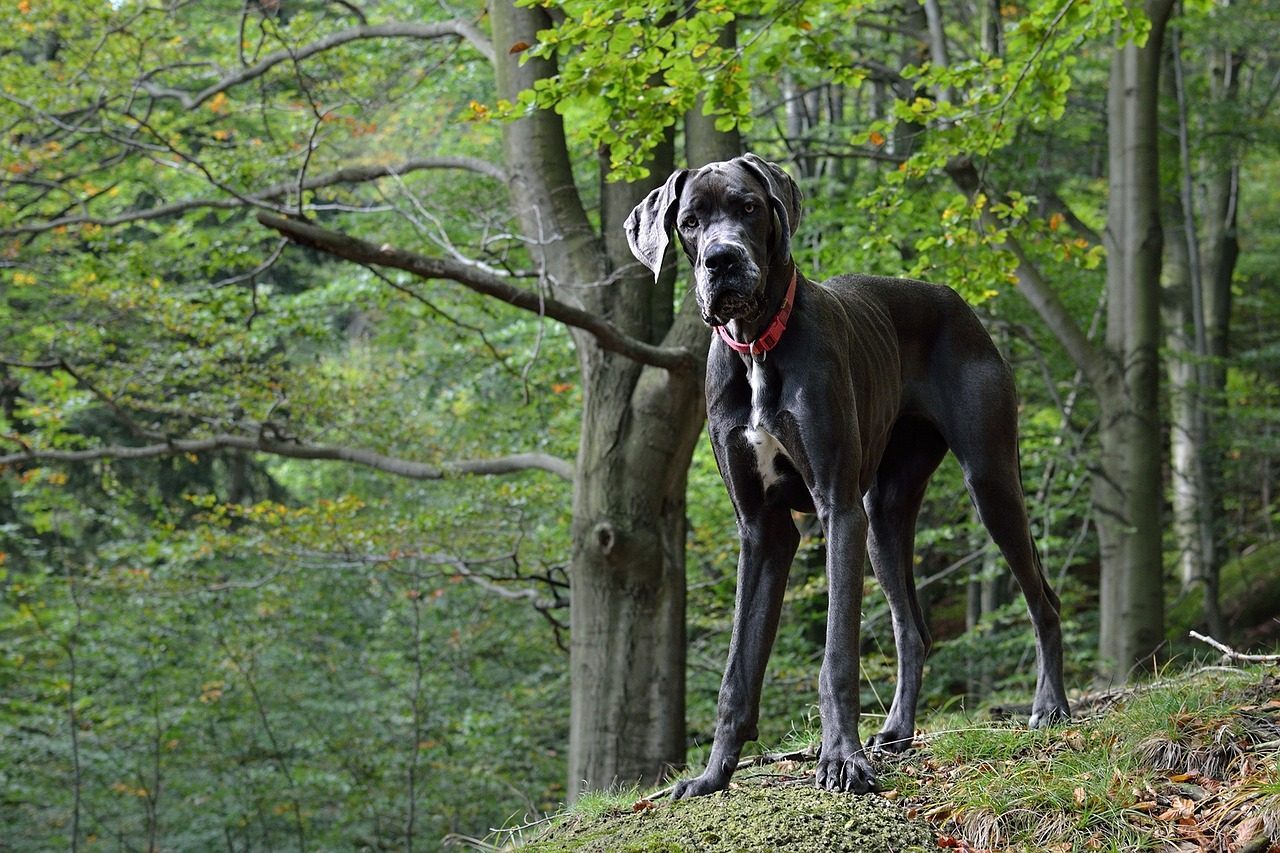
Some dog breeds are more prone to leaning against their owners than others. Great Danes are known for their gentle and affectionate nature. They are also one of the largest dog breeds, which means they need a lot of space to move around in. However, they seem to forget their size and effectively consider themselves lap dogs. Great Danes lean on people to get their attention and when you weigh up to 175 pounds you are going to be noticed, as you gently lean on your human family. Great Danes may be large dogs, but in their minds, they fit into the lap dog category. Great Danes love to spread out on the couch or sit on your lap, if you will have them.
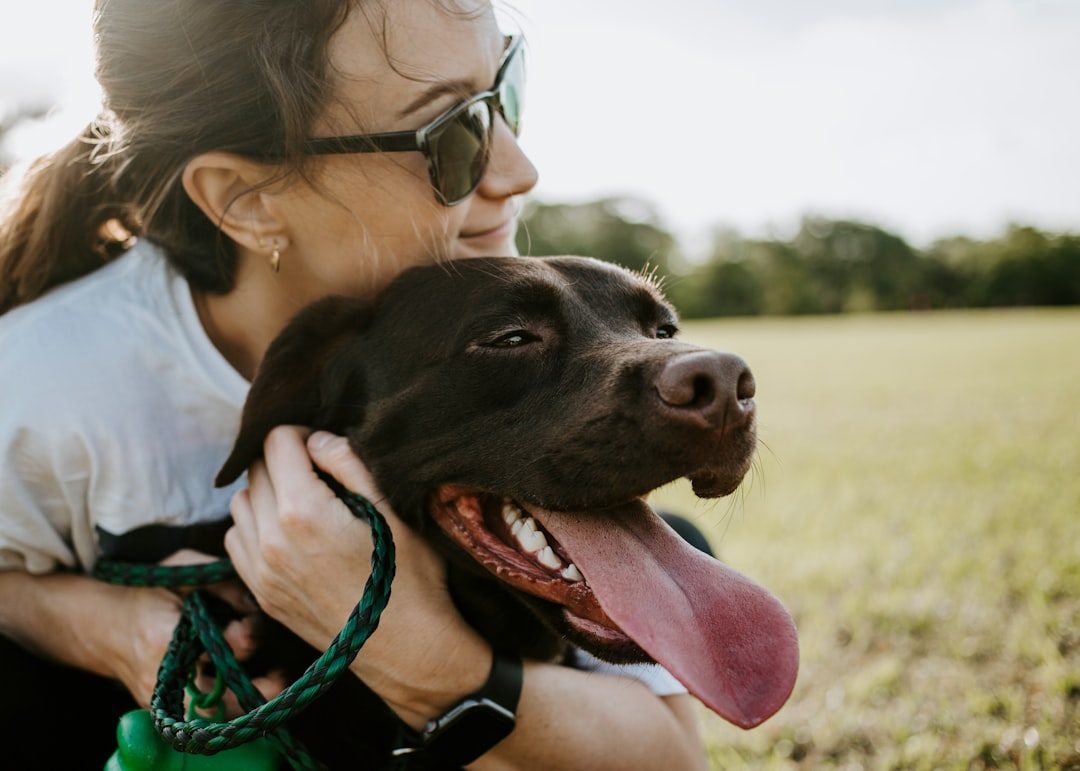
Our Labrador loves to lean on people. He sits beside you and leans in. Our Labrador loves to lean on people. He sits beside you and leans in. While Great Danes are notorious leaners, they’re not the only breed that likes to lean on people. Funny enough, it seems that leaning is more common amongst large and giant breeds. Newfies, Saint Bernards, and Boxers are just a few of the other leaners out there. Like Great Danes, they primarily lean on their loved ones as a sign of affection.
When Leaning Might Signal Health Issues
It’s important to consider that leaning might sometimes indicate illness or physical discomfort. If a dog suddenly starts leaning more than usual or shows signs of distress while doing so, it may be trying to communicate that something is wrong. This behaviour could be a way of seeking support or indicating that they are not feeling well. Observant owners should take note of any additional symptoms, such as changes in appetite, activity levels, or other unusual behaviours, and consult a veterinarian to rule out any health issues.
One potential cause of excessive leaning is pain or discomfort. Dogs may lean against their owners to alleviate pressure on sore joints or muscles. If a dog is favoring one side of their body or showing other signs of pain, it is important to take them to a veterinarian for an evaluation. In rare cases, excessive leaning may be a sign of a neurological issue. Dogs with conditions such as vestibular disease may lean or fall to one side. If a dog is showing other signs of neurological problems, such as loss of balance or coordination, it is important to seek veterinary care immediately.
Responding to Your Dog’s Leaning
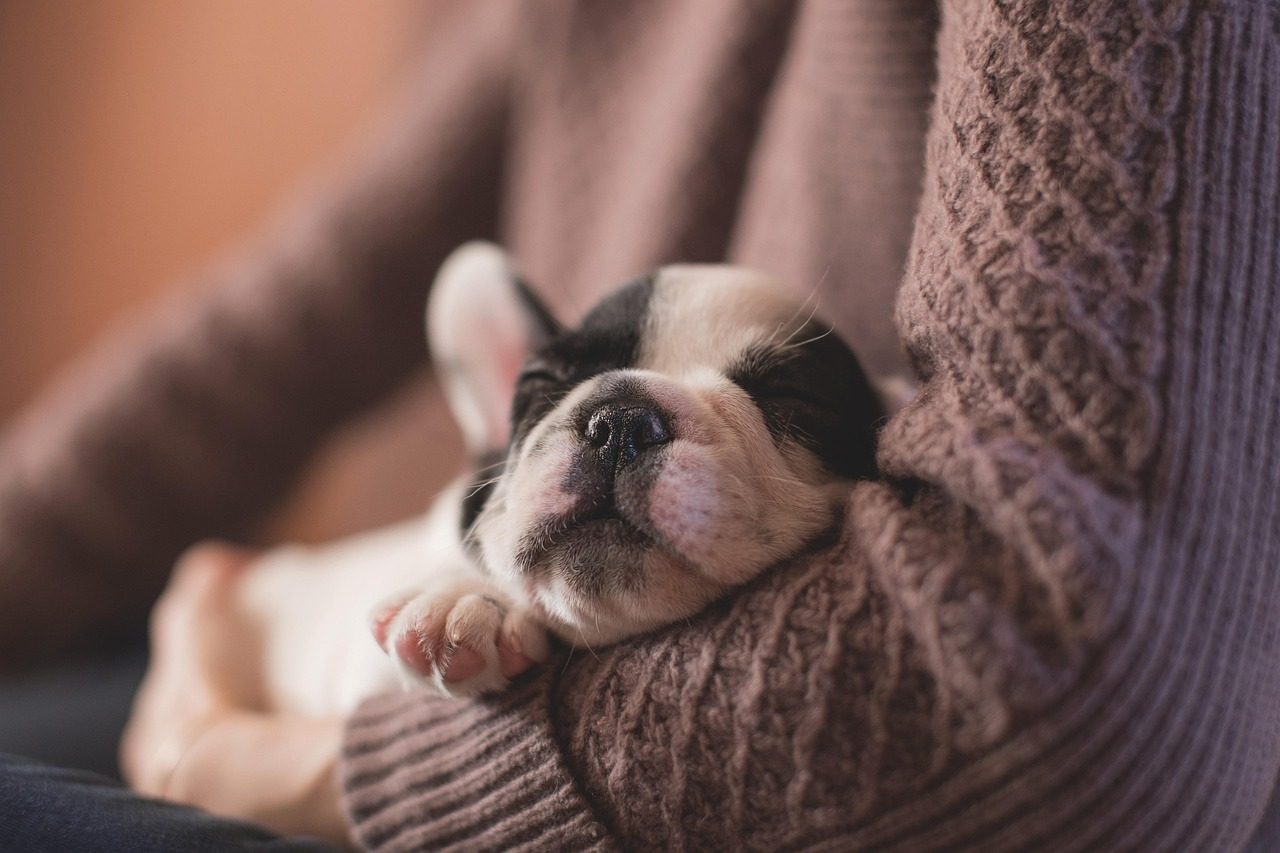
At the end of the day, you know your dog best. One dog’s reason for leaning may be completely different than why another dog leans against their human. If you’re comfortable with your dog leaning on you, go ahead and let them do it. Always know that if a dog leans on you, it means they trust you and have a strong bond with you, whether they are seeking reassurance, affection, or comfort in a tricky situation.
, it’s often a sign that they want attention or affection. So, petting them gently can be a great way to show them that you care. If your dog leans against you when they’re feeling anxious or scared, giving them a treat can be a great way to help calm them down and show them that everything is okay. However, if the behavior becomes excessive or seems out of character, don’t hesitate to consult with your veterinarian or a professional dog trainer to ensure everything is normal.
Conclusion
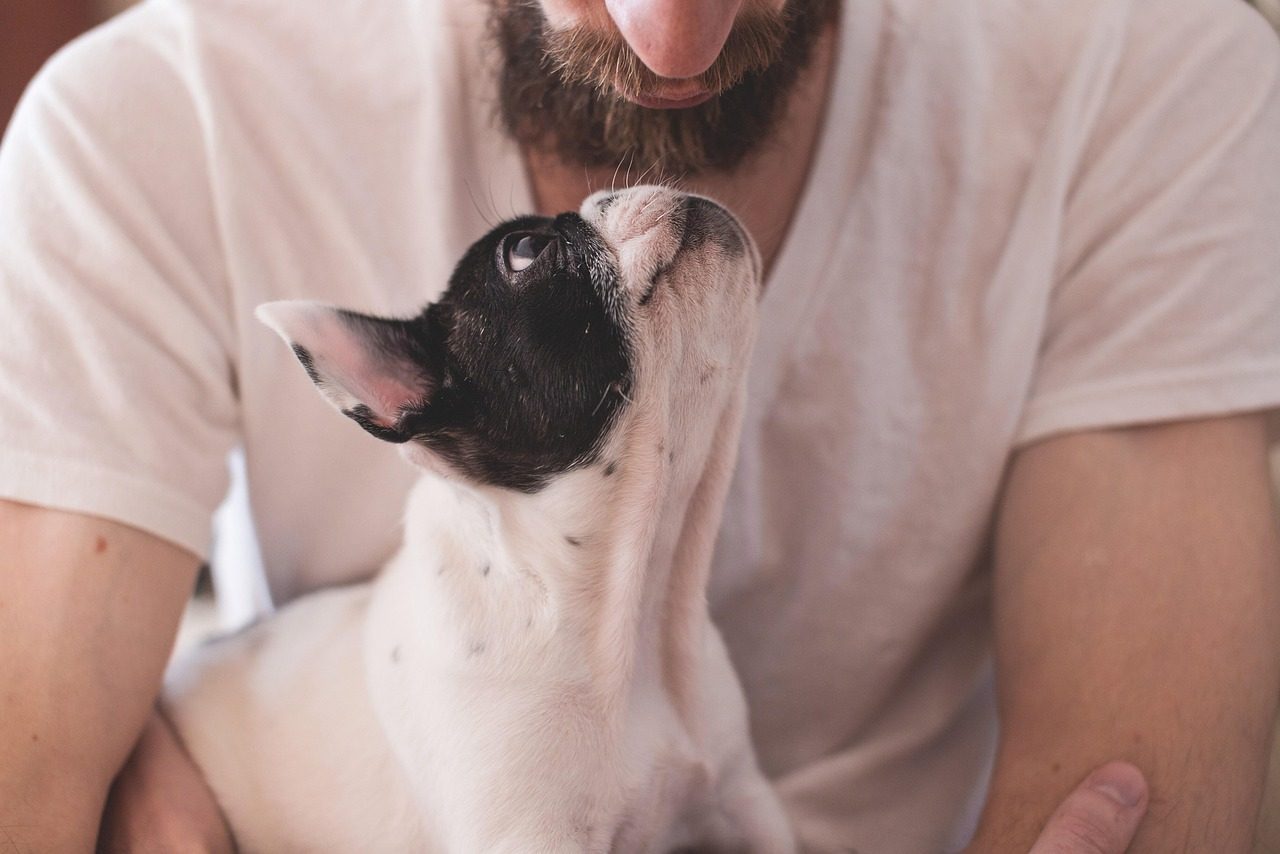
Dog leaning is one of those beautiful, wordless conversations that happen between species. Whether your furry friend is seeking love, comfort, attention, or simply following their natural instincts to be close to their pack, this behavior represents the profound trust and connection they feel with you. Most of the time, it’s simply their way of saying they love you and want to be near you.
Remember that every lean tells a story about your relationship. Embrace these moments of connection, but stay attentive to any changes in frequency or context that might indicate underlying issues. What do you think about your dog’s leaning habits? Tell us in the comments.
