

Worried about unexpected vet bills?
Pet insurance can cover thousands in unexpected vet costs. Get a free quote from Lemonade in under 2 minutes.
Get My Free Quote →Sponsored · Opens Lemonade.com
In the intricate web of nature, predator-prey relationships are fundamental to ecosystem balance. These interactions have evolved over millions of years, creating complex systems where predators help control prey populations, which in turn affects everything from vegetation to disease transmission. But what happens when this natural order is disrupted? Specifically, what occurs when a predator—whether wild or domesticated—refuses to fulfill its ecological role as a hunter? This phenomenon, though seemingly contrary to our understanding of natural instincts, occurs more often than many realize and has far-reaching implications for both individual animals and entire ecosystems.
The Biological Imperative to Hunt
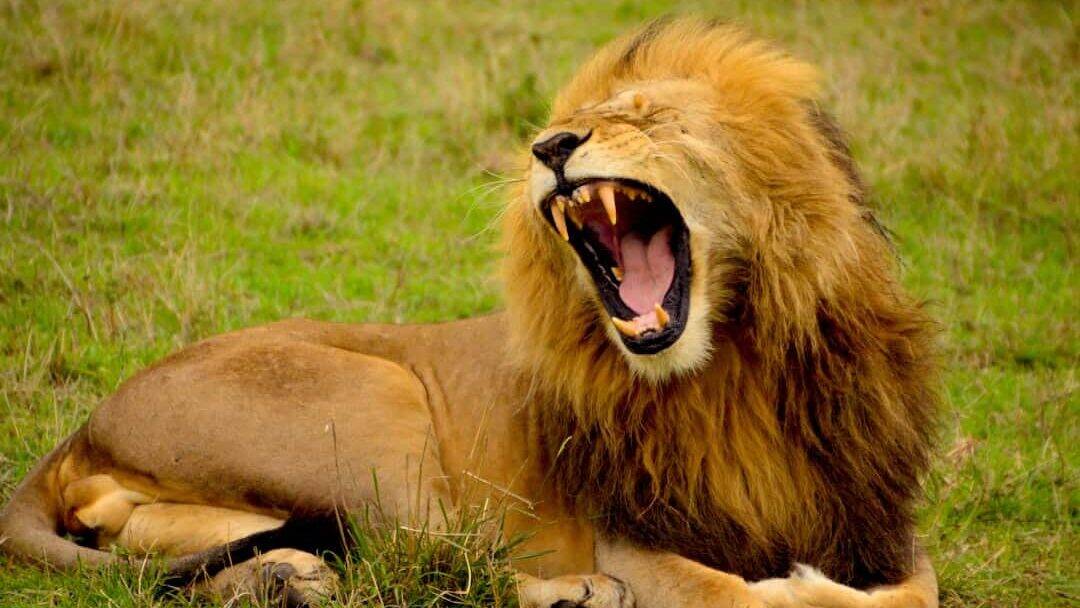
Predators are biologically programmed to hunt. Their bodies have evolved specific adaptations—from sharp claws and teeth to enhanced senses and specialized digestive systems—all designed to make them efficient hunters. For most predatory species, hunting isn’t a choice but a biological imperative driven by hunger and the need for specific nutrients only found in prey animals. Lions possess powerful jaws capable of exerting 650 pounds of pressure per square inch, while falcons can dive at speeds exceeding 200 mph to catch birds in mid-flight. These remarkable adaptations highlight how deeply hunting behavior is embedded in predator physiology.
When Natural Instincts Fail
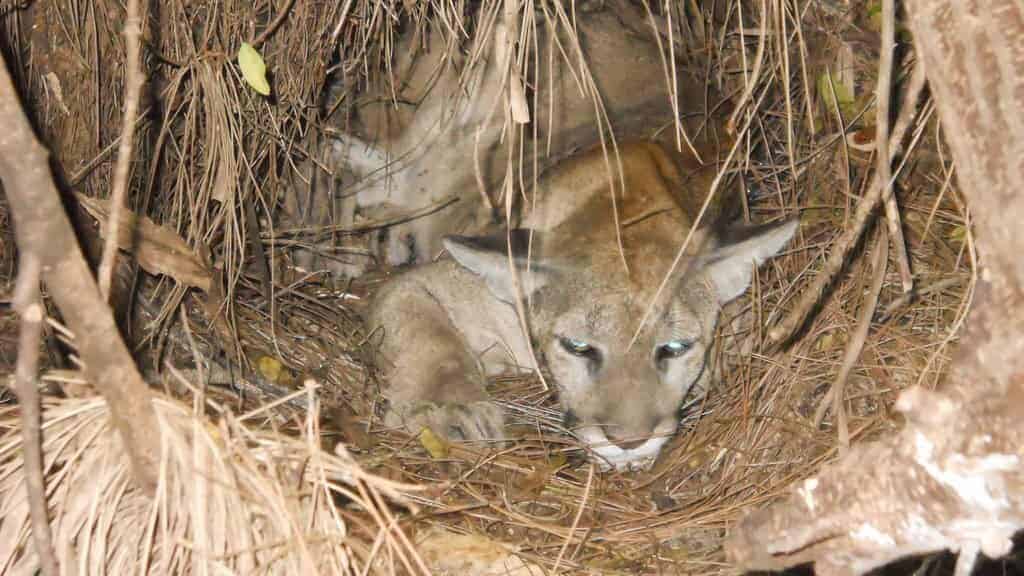
Despite strong biological programming, instances where predators refuse to hunt do occur. This refusal can stem from various factors including illness, injury, or developmental issues. Young predators that weren’t properly taught hunting skills by their parents may never develop the confidence or ability to successfully take down prey. Studies of captive-bred predators show that up to 70% struggle with hunting when released into the wild if they haven’t received proper training. In some cases, the hunting instinct appears suppressed due to neurological or hormonal abnormalities, resulting in predators that show little to no interest in pursuing prey even when hungry.
Domestication’s Impact on Predatory Behavior
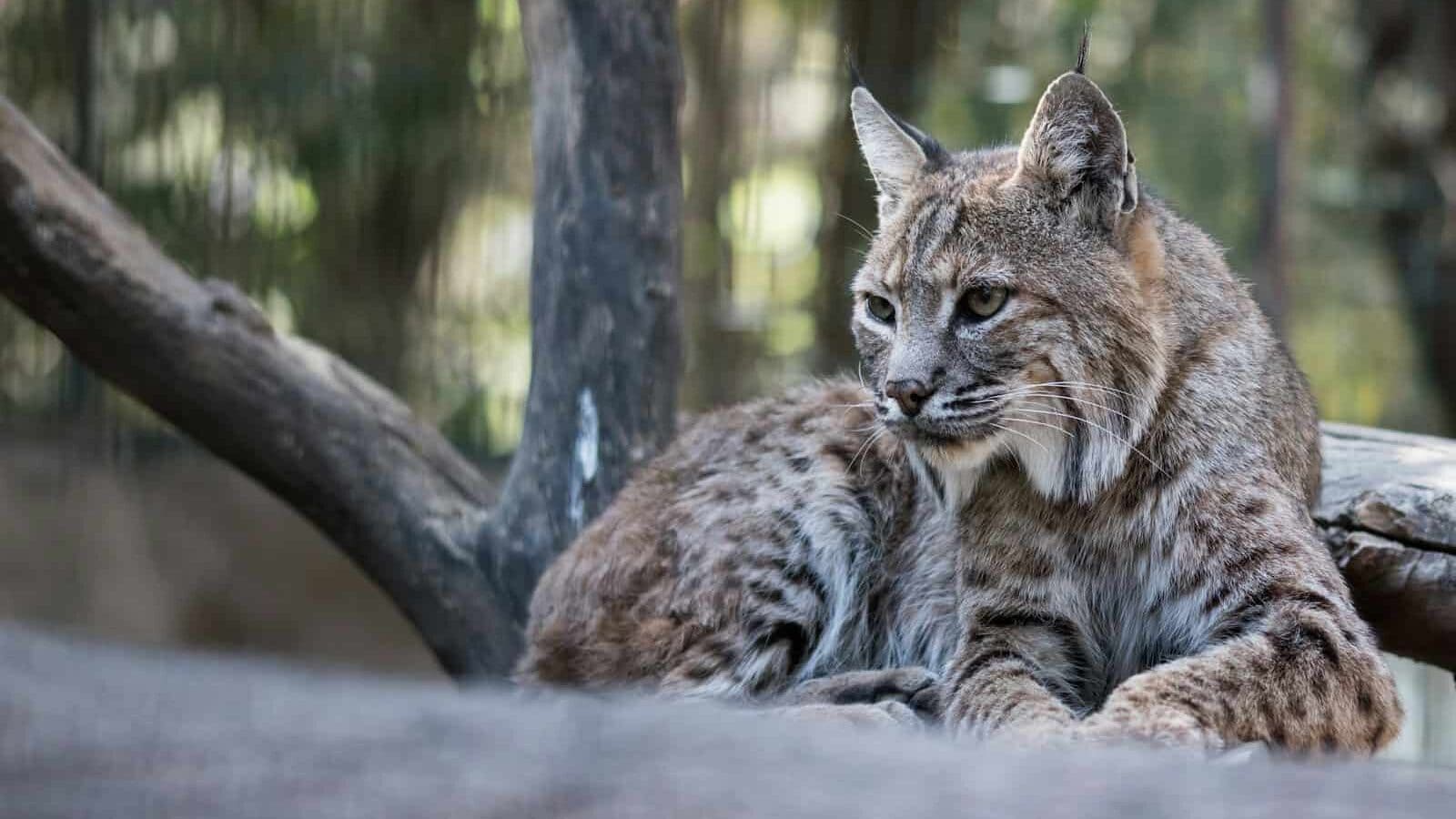
Domestication provides one of the clearest examples of how predatory instincts can be altered. Domestic cats and dogs descend from active predators but have undergone thousands of years of selective breeding that has modified their natural hunting behaviors. While many domestic cats still hunt effectively, an estimated 20-30% show little interest in hunting live prey. Dogs show even greater variation, with many breeds completely losing effective hunting behaviors. This transformation demonstrates how malleable these supposedly “hardwired” instincts can be when selective pressures change from successful hunting to traits humans find desirable, such as docility and sociability.
The Psychological Aspect of Hunting Refusal
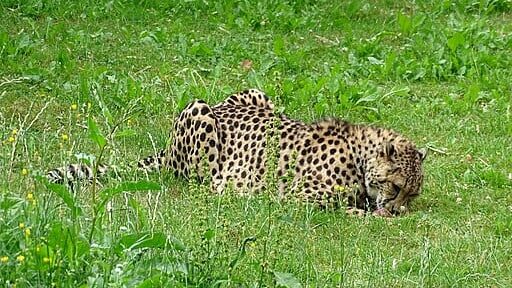
Beyond physical factors, psychological elements can contribute to a predator’s refusal to hunt. Trauma, particularly early in life, can create lasting aversions to hunting behavior. Captive predators often develop learned helplessness after repeated failed hunting attempts or when consistently provided with processed food. This psychological state results in animals that no longer attempt to exercise their natural behaviors even when given the opportunity. Some researchers have documented cases where predators appear to develop empathy-like responses toward potential prey species after positive interactions, particularly when raised together from a young age—though anthropomorphizing such behaviors remains scientifically controversial.
Nutritional Consequences for Non-Hunting Predators
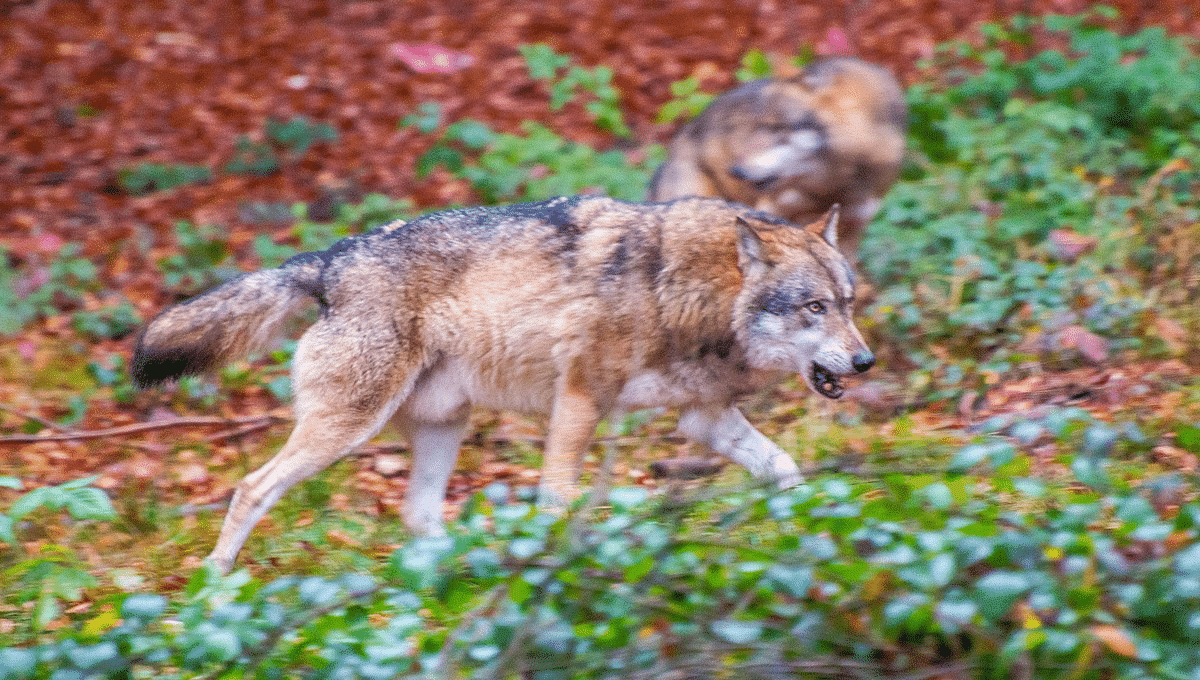
When predators don’t hunt, their nutrition typically suffers. Predatory species have evolved specialized digestive systems designed to process raw meat, organs, and bones—foods that provide essential nutrients like taurine, arachidonic acid, and vitamin A in forms their bodies can readily use. Wild wolves consume a diet where approximately 54% of calories come from protein, 45% from fat, and only 1% from carbohydrates. When predators don’t hunt, they either must scavenge, rely on human provisioning, or face malnutrition. In captivity, even carefully formulated commercial diets often fail to perfectly replicate the nutritional profile of fresh prey, potentially leading to long-term health issues including dental disease, obesity, and specific nutrient deficiencies.
Ecological Ripple Effects
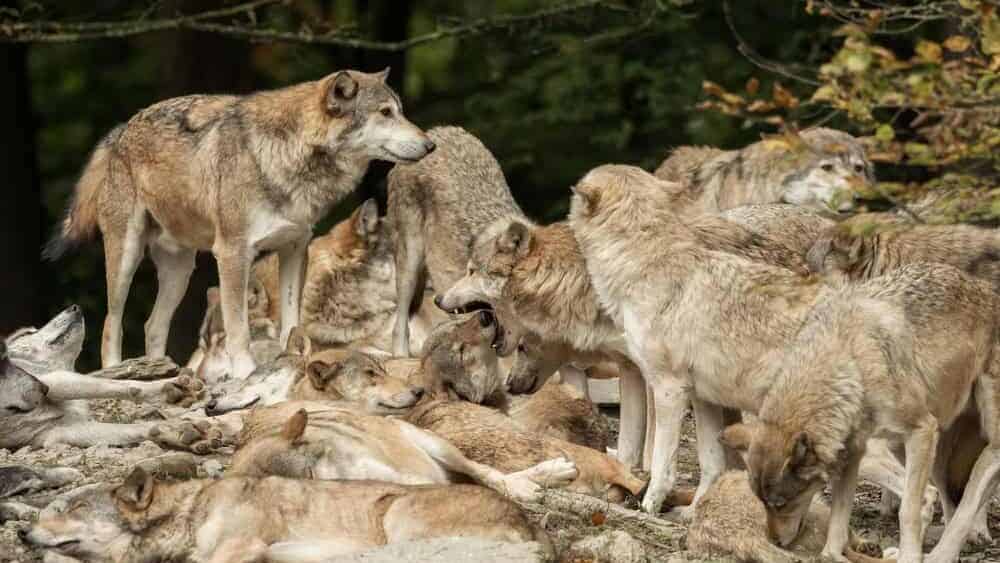
When predators in an ecosystem stop hunting effectively, the consequences extend far beyond the individual animal. The concept of trophic cascades demonstrates how changes in predator behavior can transform entire ecosystems. In Yellowstone National Park, the reintroduction of wolves in 1995 led to a 53% decrease in elk populations within a decade, which allowed over-browsed vegetation to recover, stabilized riverbanks, and created habitat for numerous other species. Conversely, when predators cease hunting, prey populations can explode unchecked, leading to overgrazing, increased disease transmission, and eventual population crashes due to resource depletion. This demonstrates that predators that don’t kill prey aren’t merely failing at an individual level—they’re failing to fulfill their ecological role as population regulators.
Human Intervention and Management

When predators refuse to hunt in managed settings like wildlife rehabilitation or zoos, humans must intervene. Wildlife rehabilitators working with orphaned predators use specialized techniques to prevent habituation to humans while still ensuring the animals develop proper hunting skills. These include minimal handling protocols, using puppets that resemble adult animals to feed young, and providing increasingly challenging hunting opportunities as the animals mature. Success rates vary significantly by species—studies show that rehabilitated raptors have a post-release survival rate of 40-70%, while large carnivores like tigers or wolves have much lower success rates when they haven’t been properly prepared for hunting. The ethical dimensions of releasing predators incapable of hunting effectively continue to challenge wildlife management professionals.
Mesopredator Release Phenomenon
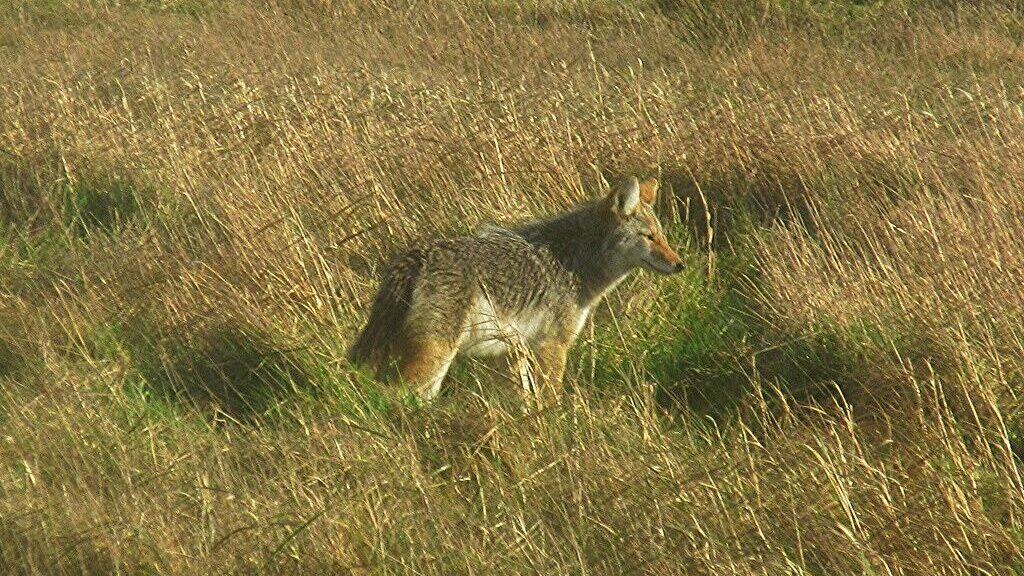
When apex predators stop hunting effectively or disappear from an ecosystem, medium-sized predators—called mesopredators—often experience population booms in what ecologists term “mesopredator release.” This phenomenon creates cascading effects throughout food webs. In North America, areas where wolves and mountain lions have been eliminated have seen dramatic increases in coyote populations—in some regions by over 200%—leading to increased predation pressure on smaller animals like ground-nesting birds, reptiles, and small mammals. Similarly, in marine environments, the decline of sharks has led to population explosions of rays and skates, which in turn decimate shellfish populations. These examples illustrate how the failure of one predator to fulfill its ecological role can create imbalances that ripple throughout entire ecosystems.
Cultural and Religious Perspectives
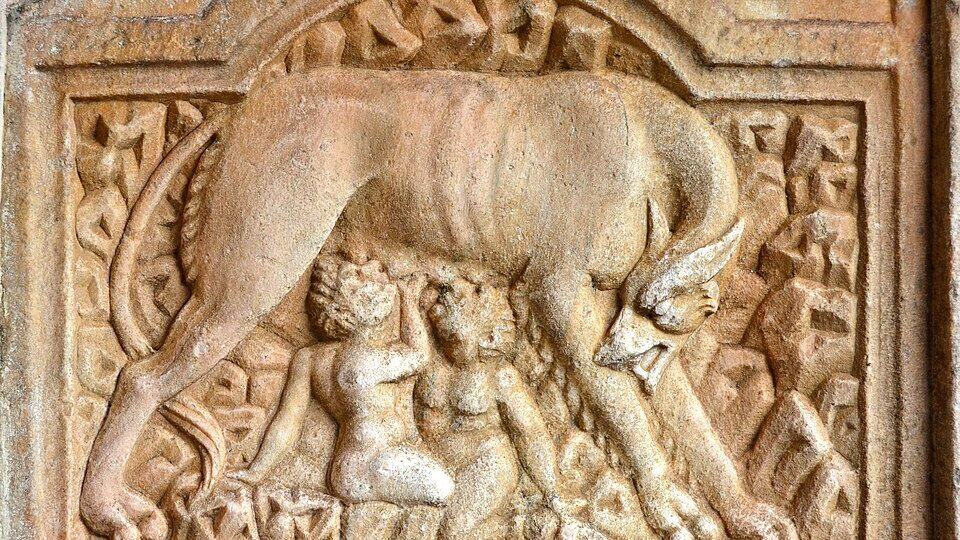
Human cultures have long recognized and sometimes revered instances where predators refuse to kill. Numerous religious traditions contain stories of lions refusing to eat human captives, such as Daniel in the Bible or tales of saints spared by wild beasts. In Buddhism, predators that renounce killing represent the highest spiritual attainment. The ancient Roman tale of Romulus and Remus being suckled by a wolf rather than eaten represents another cultural recognition of the possibility of predators acting against type. While these accounts are largely symbolic or mythological, they demonstrate humanity’s longstanding fascination with the idea of predators that overcome their nature, often viewing such instances as miraculous or spiritually significant rather than as ecological disruptions.
Evolutionary Implications
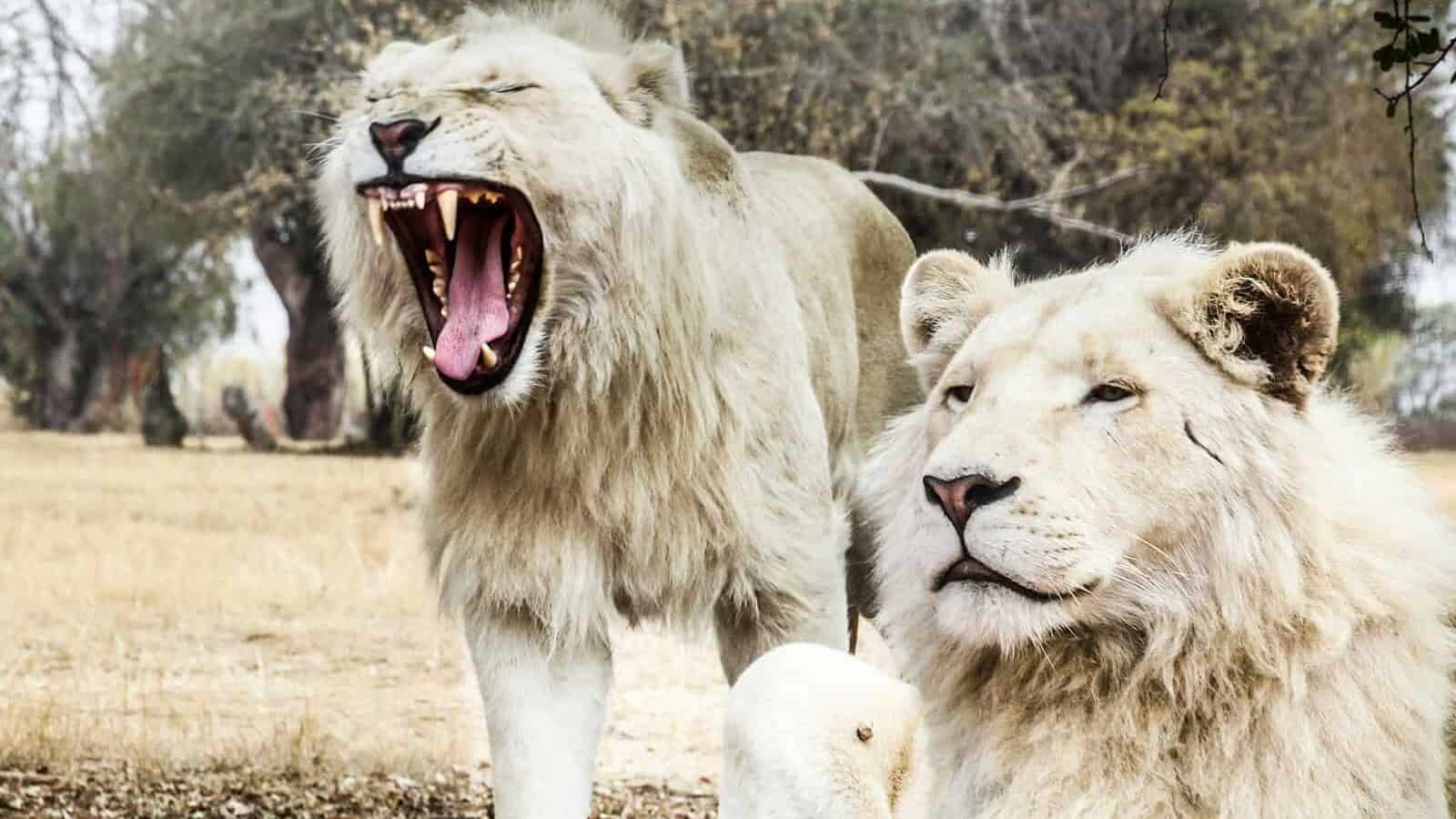
From an evolutionary perspective, predators that consistently refuse to hunt would typically be removed from the gene pool through natural selection. Predatory species invest considerable energy developing and maintaining hunting adaptations—from specialized teeth and claws to complex neural pathways for tracking and capturing prey. These adaptations come with significant metabolic costs. A lion’s brain, which contains sophisticated neural networks for hunting, consumes approximately 20% of the animal’s resting energy budget. Individuals that don’t use these expensive adaptations effectively usually don’t survive long enough to reproduce, unless alternative food sources become available. In rare cases where environmental conditions change dramatically, such as predators finding consistent human-provided food sources, selection pressures can shift away from hunting prowess toward other traits within just a few generations.
Case Studies of Non-Hunting Predators
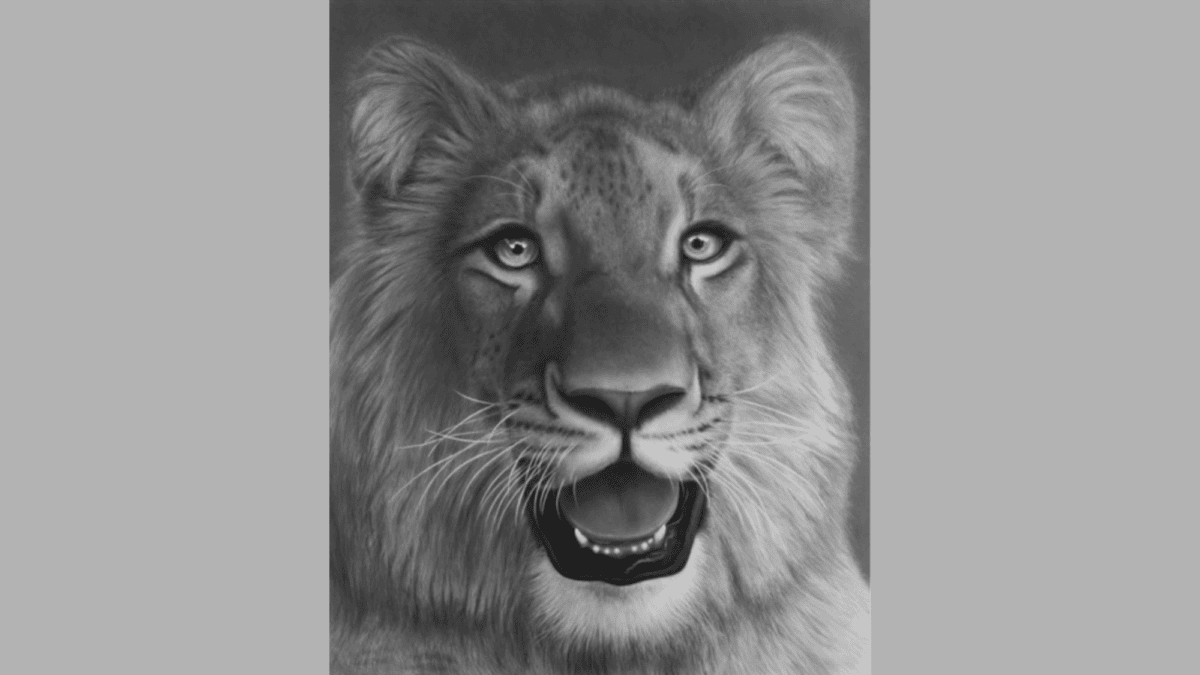
Real-world examples provide fascinating insights into what happens when predators don’t kill. Perhaps the most famous case is Christian the lion, purchased from Harrods department store in London and eventually released in Kenya. Despite never having hunted, Christian successfully integrated into a wild pride after a period of rehabilitation. Less successful was the case of captive-bred South China tigers released into reserves in South Africa, where many struggled to hunt effectively despite extensive training. Among domesticated animals, many pet cats and dogs show reduced or absent predatory behavior, with some dogs even forming bonds with traditional prey species. In zoos, instances of predators sharing enclosures with prey species occasionally occur, though these arrangements require careful management and selection of individuals with compatible temperaments.
When predators refuse to kill, the consequences ripple through individuals, populations, and entire ecosystems. While certain circumstances—like domestication or human care—allow individual predators to survive without hunting, wild ecosystems depend on predators fulfilling their ecological roles for overall balance and health. The phenomenon of non-hunting predators highlights the remarkable plasticity of animal behavior while simultaneously demonstrating the fundamental importance of predator-prey relationships in natural systems. Understanding these dynamics becomes increasingly important as humans continue to impact wildlife through habitat alteration, climate change, and conservation efforts aimed at restoring damaged ecosystems. Ultimately, predators that don’t kill challenge our assumptions about “natural behavior” while reinforcing our appreciation for the complex interdependencies that sustain life on Earth.
Worried about unexpected vet bills?
Pet insurance can cover thousands in unexpected vet costs. Get a free quote from Lemonade in under 2 minutes.
Get My Free Quote →Sponsored · Opens Lemonade.com

- The Role of Bison in Native American Spiritual Traditions - June 7, 2026
- Why This Bird Can Navigate 6,000 Miles Without Getting Lost - June 7, 2026
- How Polar Bears Hunt Without Being Seen - June 7, 2026
Leave a comment
You must be logged in to post a comment.