
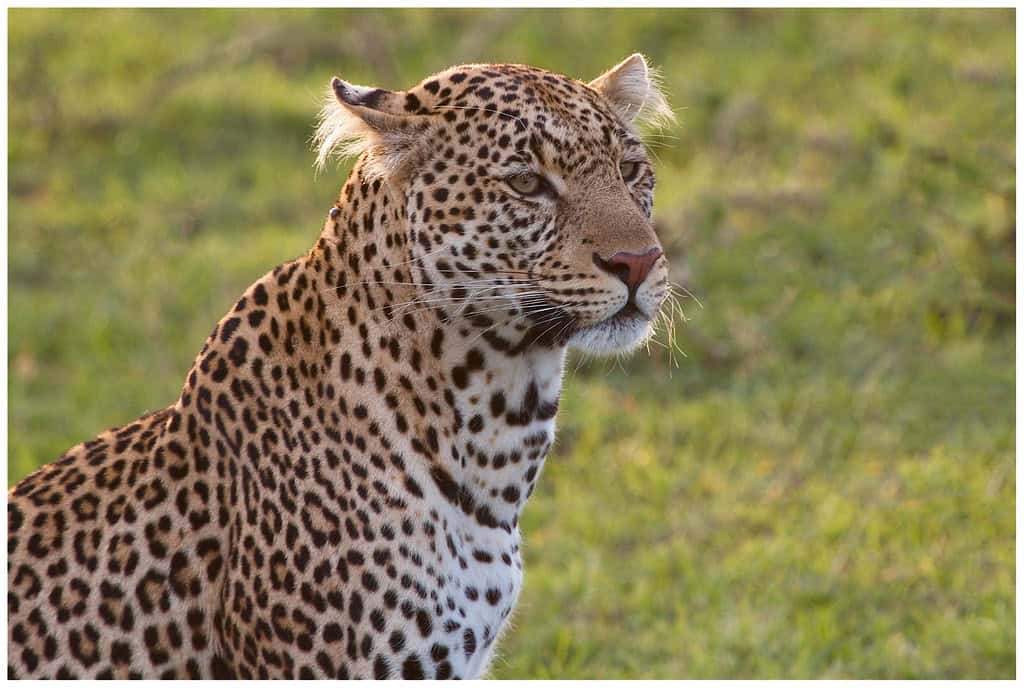
Few wildlife encounters stir as much primal fear and fascination as coming face-to-face with a wild leopard. These elusive big cats, with their piercing gaze and powerful presence, command immediate respect in their natural habitat. Locking eyes with a wild leopard is a rare occurrence that most people will never experience—and for good reason. Such an encounter represents a critical moment where human behavior can determine the outcome of a potentially dangerous situation. This article explores the science, psychology, and survival aspects of leopard encounters, providing crucial insights into what really happens when human eyes meet those of one of nature’s most perfect predators.
Understanding Leopard Behavior and Psychology

Leopards (Panthera pardus) are solitary, territorial predators with complex behavioral patterns. Unlike some social animals, leopards generally prefer to avoid human contact and typically hunt alone at dawn, dusk, or night. Their psychology is built around stealth and ambush—they’re not typically confrontational animals unless they feel threatened or cornered. Leopards rely heavily on visual cues to assess potential threats and prey, making eye contact a significant part of their communication system. In leopard society, direct staring can be interpreted as a challenge or threat, which is why understanding their visual communication is critical during an unexpected encounter. Most leopard attacks on humans occur when the animal feels surprised or threatened, not as a result of predatory behavior targeting humans specifically.
The Science of Eye Contact in Predator-Prey Dynamics

Eye contact serves as a fundamental communication tool across many animal species, but its meaning varies dramatically. In predator-prey relationships, eye contact often signals detection and alertness. For predators like leopards, being spotted by potential prey typically means losing the element of surprise, their primary hunting advantage. From an evolutionary perspective, many prey species have developed highly sensitive abilities to detect predator gazes, as recognition of a predator’s focused attention can mean the difference between life and death. When a human and leopard lock eyes, both species experience neurological reactions—humans typically feel fear while the leopard experiences a disruption to its hunting sequence or territorial assessment. Research in animal behavior suggests that a leopard’s pupils will often dilate during such encounters, indicating heightened alertness and decision-making about whether to retreat or stand ground.
The Immediate Reaction: What the Leopard Might Do
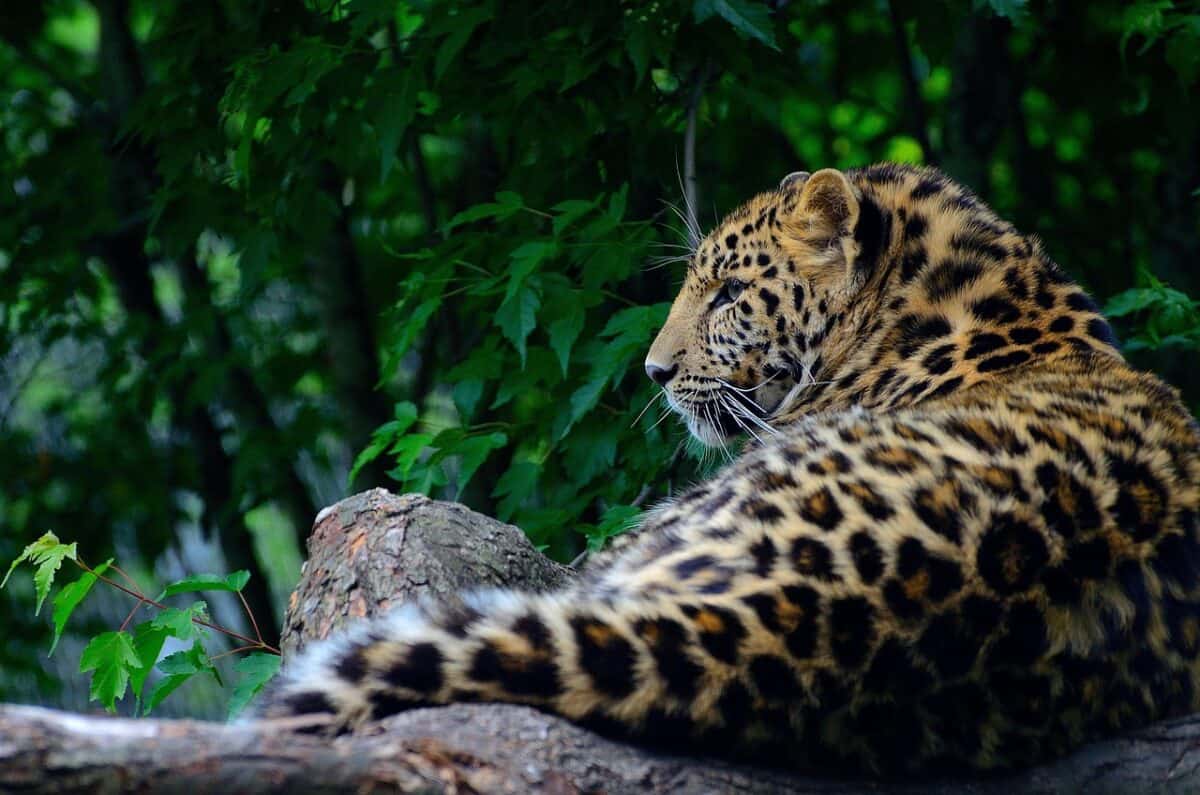
When you lock eyes with a wild leopard, the animal will typically exhibit one of several reactions, depending on context. The most common response, contrary to popular belief, is that the leopard will attempt to retreat and disappear—these cats generally prefer to avoid confrontation when detected. If the leopard is surprised at close range, it may freeze momentarily while assessing the situation. In some circumstances, especially if the animal feels cornered or is protecting cubs or a kill, it may display warning signals such as hissing, growling, or flattening its ears. Only in rare situations would a healthy, undisturbed leopard choose to approach or charge a human after eye contact. Young or inexperienced leopards might show curiosity rather than fear, potentially leading to a more prolonged visual assessment. The distance between you and the leopard plays a critical role in determining its reaction—closer encounters leave the animal with fewer options to retreat safely.
Human Physiological Responses to Leopard Encounters
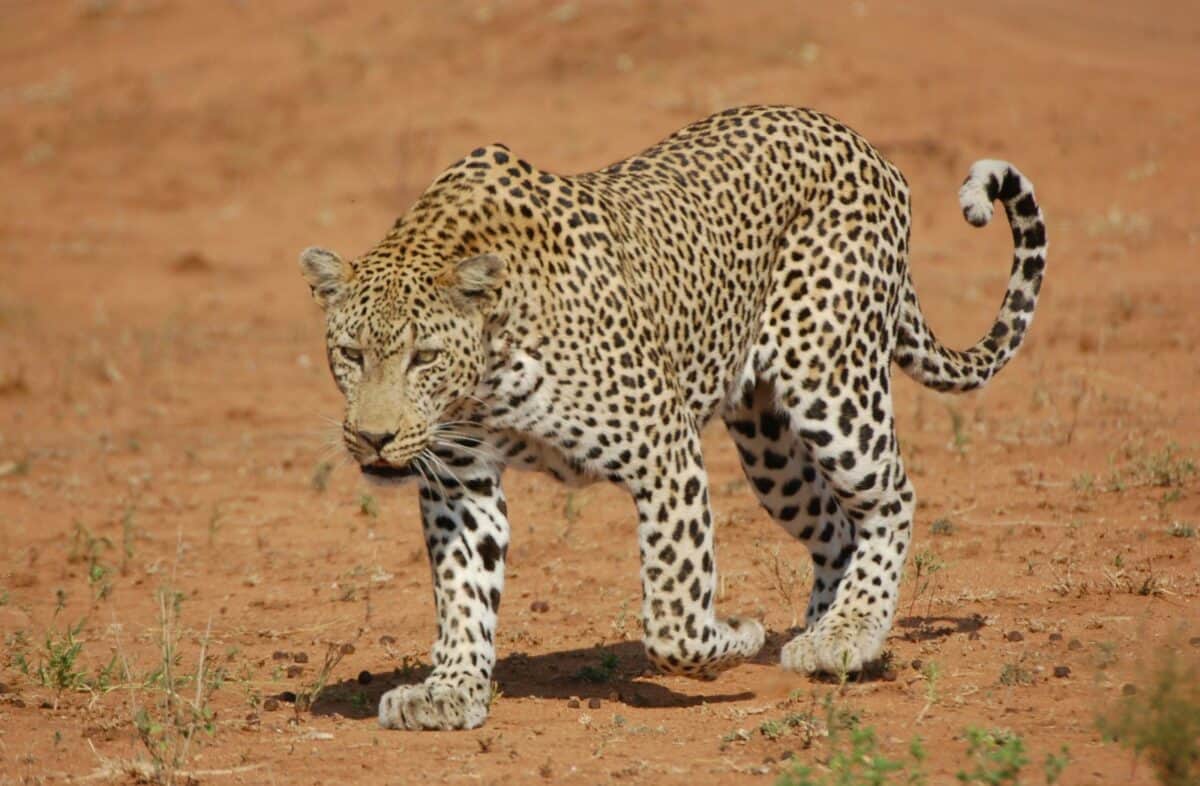
When humans lock eyes with a wild leopard, the body immediately triggers a cascade of physiological responses. The sympathetic nervous system activates, initiating the “fight-or-flight” response, causing adrenaline and cortisol to flood the bloodstream. Heart rate and blood pressure spike dramatically, while blood flow redirects to the major muscle groups in preparation for potential emergency action. Pupils dilate to enhance visual acuity, and breathing becomes more rapid to increase oxygen intake. Many people report experiencing a sensation of time slowing down during such intense encounters, a phenomenon attributed to the brain’s heightened state of information processing. Interestingly, studies show that humans have an innate ability to detect predator gazes more quickly than other visual stimuli—an evolutionary adaptation that may have helped our ancestors survive encounters with dangerous predators. Some individuals may temporarily freeze in place, another evolutionary response that can sometimes be beneficial when dealing with predators that respond to movement.
Cultural Interpretations of Leopard Eye Contact

Across different cultures, eye contact with leopards carries varied and often profound symbolic meaning. In many African traditions, locking eyes with a leopard is considered an extraordinary spiritual event, sometimes interpreted as an encounter with an ancestral spirit or a powerful omen. Some communities believe that those who survive direct eye contact with leopards are blessed with special powers or insights. In parts of India, the leopard is associated with Lord Shiva, and eye contact might be seen as a divine interaction. Traditional hunters in various cultures have specific protocols for dealing with leopard gazes, often involving ritualized behaviors believed to show respect to the animal’s spirit. Contemporary wildlife conservation programs now work to integrate these cultural beliefs with scientific understanding, recognizing that traditional knowledge often contains valuable insights about leopard behavior that align with biological observations. These cultural interpretations influence how communities respond to leopard encounters and often shape local conservation efforts and human-wildlife conflict resolution strategies.
Safety Protocols: What You Should Do If It Happens
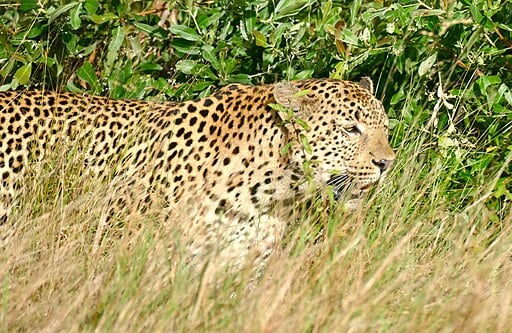
If you find yourself locking eyes with a wild leopard, your response in the following moments is crucial. First and foremost, remain as calm as possible—sudden movements can trigger a predatory response. Avoid the instinct to run, as this can activate the leopard’s chase instinct. Instead, maintain your ground while slowly backing away if possible, without turning your back to the animal. Make yourself appear larger by raising your arms or opening a jacket while speaking in a firm, loud voice. This combination of actions communicates that you are not prey and may deter the leopard. If you’re with others, stay together as a group to present a more intimidating presence. Wildlife experts recommend maintaining peripheral awareness of your surroundings to ensure you don’t back into a corner or trip while retreating. If carrying equipment such as a walking stick or trekking pole, hold it out horizontally to make yourself appear wider. Remember that most leopard encounters end without incident when humans respond appropriately—the goal is to give the animal a clear, safe escape route while demonstrating you are not a threat or prey.
Geographic Variations in Leopard Encounters
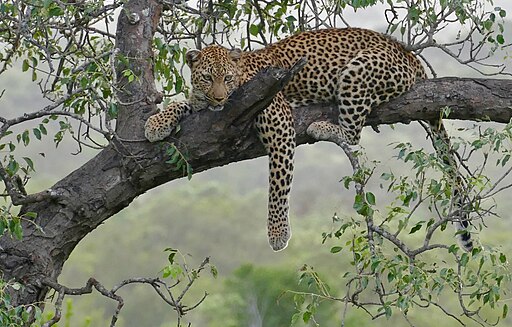
Leopard behavior and the likelihood of eye contact varies significantly across their extensive geographic range, which spans parts of Africa, the Middle East, Asia, and Russia. In India’s densely populated regions, leopards have adapted to living in closer proximity to humans, sometimes resulting in more frequent visual encounters. These Indian leopards often display higher tolerance for human presence compared to their more isolated counterparts. African leopards, particularly those in less disturbed habitats, typically maintain greater natural wariness and are less frequently seen. In the mountainous regions of the Middle East and Central Asia, the rare Persian leopards have become exceptionally elusive due to persecution, making eye contact extremely uncommon. Sri Lankan leopards, especially those in protected areas like Yala National Park, have become more habituated to safari vehicles, sometimes resulting in prolonged visual encounters with tourists. Interestingly, research indicates that leopards living in areas with high tourism pressure may react differently to human eye contact than those in remote areas, having learned that humans in vehicles rarely pose an immediate threat. These geographical variations emphasize the importance of understanding local leopard behavior patterns when traveling in leopard country.
Famous Documented Cases of Leopard Eye Contact

Several well-documented cases provide insight into what happens during leopard-human eye contact. Wildlife photographer John Varty recounted a remarkable 1998 encounter in South Africa where he maintained eye contact with a female leopard for over three minutes before she calmly walked away—a demonstration of mutual assessment rather than aggression. In 2017, Indian forest ranger Parveen Kaswan documented a tense standoff where direct eye contact with a male leopard seemed to prevent an attack, allowing him time to slowly retreat to safety. Conversely, the case of naturalist Peter Beard, who survived a leopard attack in Kenya in 1996, highlights how eye contact doesn’t always prevent aggression, particularly when a leopard feels cornered. Wildlife researcher Vidya Athreya has documented numerous instances where leopards and villagers in Maharashtra, India maintain visual awareness of each other without conflict, suggesting a complex coexistence relationship. Perhaps most fascinating is wildlife filmmaker Gordon Buchanan’s documented 2014 encounter, where a curious young leopard maintained eye contact through his blind’s window for nearly 40 minutes—a rare insight into leopard curiosity and assessment behavior. These cases reveal the nuanced nature of leopard-human visual interactions and confirm that outcomes depend on numerous contextual factors.
How Leopards Differ from Other Big Cats in Encounters

Leopards exhibit distinct behavioral patterns during human encounters compared to other big cats. Unlike lions, which as social cats often display more confidence and less immediate retreat when spotted, leopards typically prefer avoidance. Tigers, larger and more powerful than leopards, generally display greater territorial assertiveness when eye contact occurs, while leopards more commonly seek to disengage unless cornered. Jaguars, though physically similar to leopards, tend to exhibit even more elusive behavior in the Americas, making sustained eye contact exceedingly rare. Cheetahs, the least aggressive toward humans among big cats, typically flee immediately upon eye contact rather than engaging in the momentary assessment often seen in leopards. The leopard’s response is uniquely characterized by calculated risk assessment—they neither flee automatically like cheetahs nor stand their ground as frequently as tigers might. Research suggests this difference stems from the leopard’s ecological niche as a mid-sized, adaptable predator that must be opportunistic yet cautious. Additionally, leopards are more likely than other big cats to continue observing humans from a hidden vantage point after initial eye contact, demonstrating their characteristic blend of curiosity and caution.
The Role of Body Language Beyond Eye Contact

While eye contact initiates the encounter, a leopard’s comprehensive assessment involves much more than just the gaze. Leopards are exceptionally attuned to reading full-body language and posture. The position of the leopard’s ears provides critical information—flattened ears signal aggression or fear, while forward-facing ears indicate curiosity or hunting focus. Tail movements serve as important indicators, with a twitching tail tip often signaling irritation or imminent action. The leopard’s body positioning relative to you communicates its intentions—a broadside stance generally indicates a defensive posture, while a direct face-on orientation might signal greater confidence or potential aggression. Vocalization, though not always present, ranges from soft grunts of curiosity to rasping growls signaling serious threat. Humans should be aware that their own body language sends equally powerful signals to the leopard—squared shoulders and direct frontal orientation may be perceived as threatening, while angled positioning appears less confrontational. Research by conservation biologists suggests that leopards can distinguish between the body language of a person actively pursuing them versus someone who encountered them accidentally, and they respond accordingly with different levels of defensiveness.
Modern Technology and Leopard Encounters
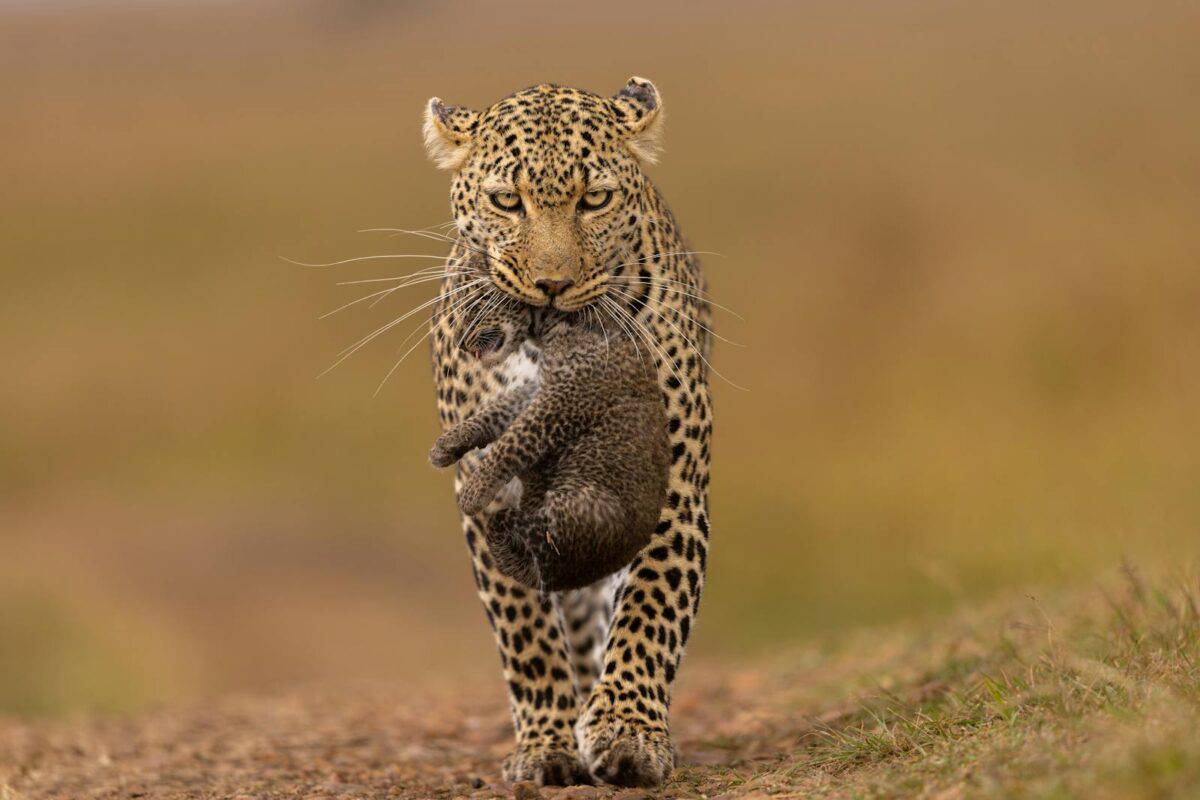
Technological advances have significantly impacted both the frequency and nature of leopard-human eye contact scenarios. Camera traps have revealed that leopards often detect and make eye contact with these devices, frequently displaying curious investigation rather than avoidance—suggesting their response to direct observation may be more complex than previously understood. The proliferation of wildlife tourism, enabled by better tracking technology and communication networks, has increased the likelihood of guided leopard sightings, though these typically occur from the relative safety of vehicles. Conservation researchers now use specialized contact-free monitoring technologies like thermal imaging and satellite tracking to study leopards without direct encounters, reducing stress on the animals while gathering valuable behavioral data. Perhaps most importantly, early warning systems using motion sensors and AI-powered cameras are being deployed in leopard-human conflict hotspots, particularly in India and parts of Africa, alerting communities to leopard presence before visual contact occurs. Mobile applications for travelers now provide location-specific guidance on leopard encounter protocols, potentially improving human responses during unexpected eye contact situations. Despite these technological advances, wildlife experts emphasize that understanding traditional knowledge about leopard behavior remains essential, as technology can fail in critical moments.
Psychological Impact of Surviving a Leopard Encounter
Surviving direct eye contact with a wild leopard often leaves a profound psychological impression that can last a lifetime. Many survivors report the experience as transformative, describing an unparalleled feeling of connection with wild nature that fundamentally shifts their perspective on the natural world. In interviews with safari guides and researchers who have experienced such encounters, a common theme emerges of heightened awareness and respect rather than increased fear. For some, the experience triggers post-traumatic stress responses, particularly if the encounter involved threatening behavior from the leopard. Wildlife psychologists note that how people mentally process such encounters largely depends on their pre-existing knowledge about leopards and the context of the encounter—those with greater understanding of leopard behavior typically experience less long-term anxiety. Interestingly, many conservation professionals report that direct leopard encounters, even momentary eye contact, often strengthen their commitment to protecting these animals, creating powerful advocates for leopard conservation. Indigenous people who have traditional relationships with leopards often interpret these encounters through cultural frameworks that help process the psychological impact, frequently viewing them as meaningful spiritual experiences rather than merely frightening events.
Conclusion: The Reality of Leopard Eye Contact

Locking eyes with a wild leopard represents one of nature’s most intense and primal encounters—a moment where two highly evolved predator species briefly share a connection across the species divide. While popular culture often dramatizes such encounters as inevitably leading to conflict, the reality is far more nuanced, with most leopards preferring to avoid prolonged human interaction when detected. The outcome of such encounters depends on a complex interplay of factors: the leopard’s individual temperament, its previous experiences with humans, the specific environmental context, and most critically, the human’s response in those crucial moments. Understanding leopard psychology and responding with appropriate behavior—remaining calm, appearing confident but non-threatening, and providing escape routes—dramatically increases the likelihood of a peaceful resolution. As human development continues to encroach on leopard habitat worldwide, these encounters will likely increase, making public education about appropriate responses an essential component of conservation efforts that serve both human safety and leopard protection. Perhaps most importantly, those fortunate enough to experience a leopard’s gaze and walk away unharmed often gain something precious—a profound respect for these remarkable animals and a deeper connection to the wild world that sustains us all.

- The Comeback of the Bald Eagle: What Made It Work - June 3, 2026
- Top 10 Animals and Wildlife in Oklahoma - June 3, 2026
- Do Conservation Efforts Favor ‘Cute’ Animals Over Ecologically Important Ones? - June 3, 2026