
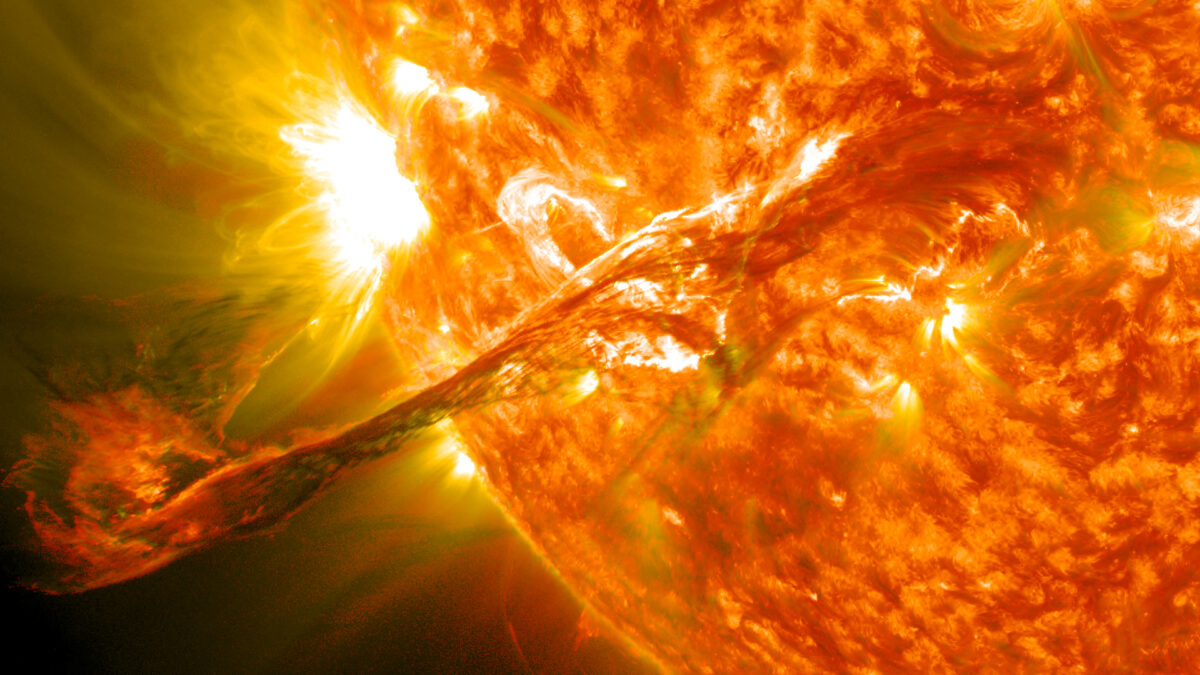
Have you ever stopped to think about what’s happening on the Sun right now? While you’re going about your day, our star is in the middle of something absolutely remarkable. Its magnetic poles are flipping. North becoming south, south becoming north. It’s hard to wrap your head around, honestly.
This isn’t some catastrophic event, though. The Sun does this roughly every eleven years, like clockwork. Yet every time it happens, it marks a crucial turning point in our solar system’s rhythm. We’re living through one of these reversals right now in 2025, and while it won’t end civilization as we know it, the effects ripple out far beyond what most people realize. Let’s dive into what’s really going on up there.
The Sun’s Eleven Year Heartbeat
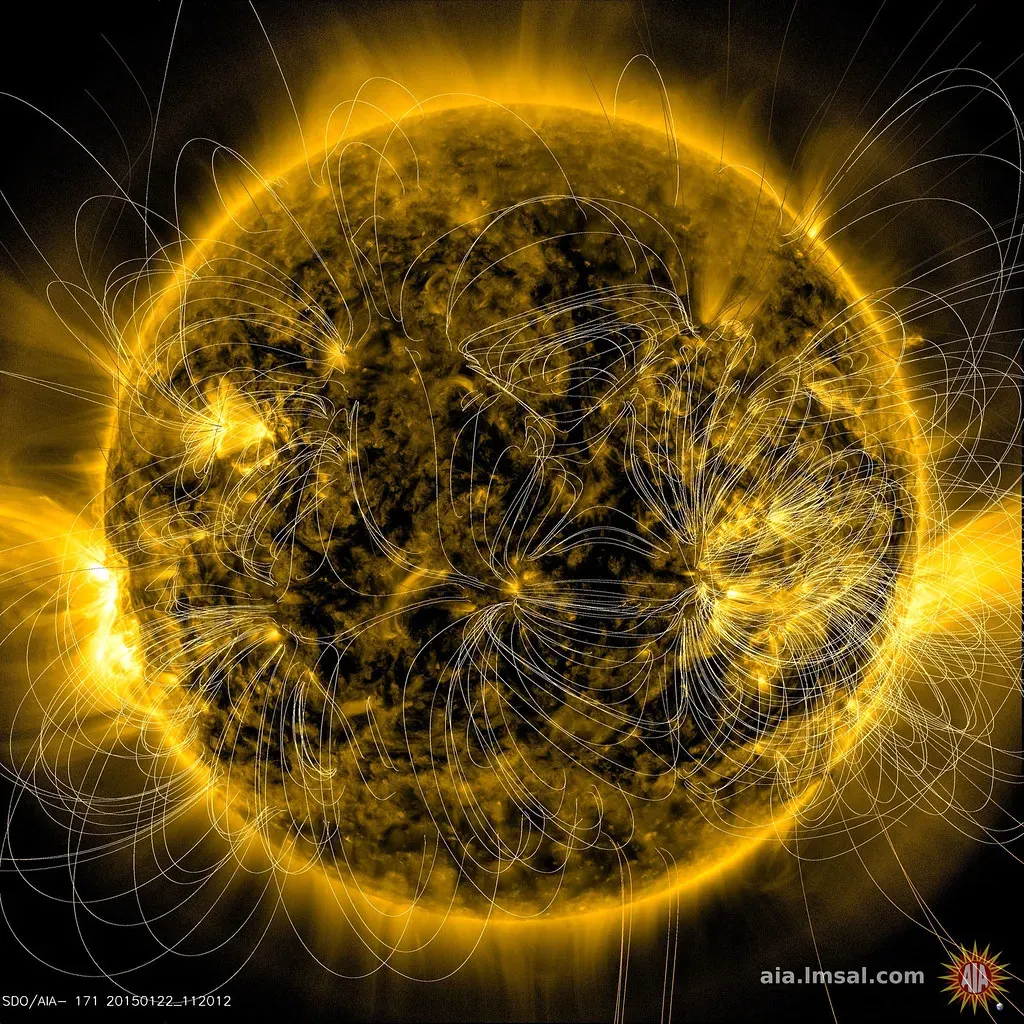
The sun undergoes such a reversal every 11 years, which marks an important stage in the solar cycle. Think of it like the Sun’s heartbeat, except instead of beating every second, it pulses over the course of a decade. At the height of the solar cycle, the Sun’s magnetic poles flip – on Earth, that’d be like the North and South poles swapping places every decade.
During this process, something fascinating happens. The shift in polarity marks the point at which the sun is halfway through solar maximum, the height of its activity, and the beginning of the shift toward solar minimum. Right now, we’re experiencing that peak activity phase, which scientists confirmed has been ongoing since roughly 2024. The Sun won’t just suddenly flip overnight, though. It’s more like a slow dance that takes months to complete, with each hemisphere sometimes reversing at slightly different times.
Why Does This Cosmic Flip Even Happen?
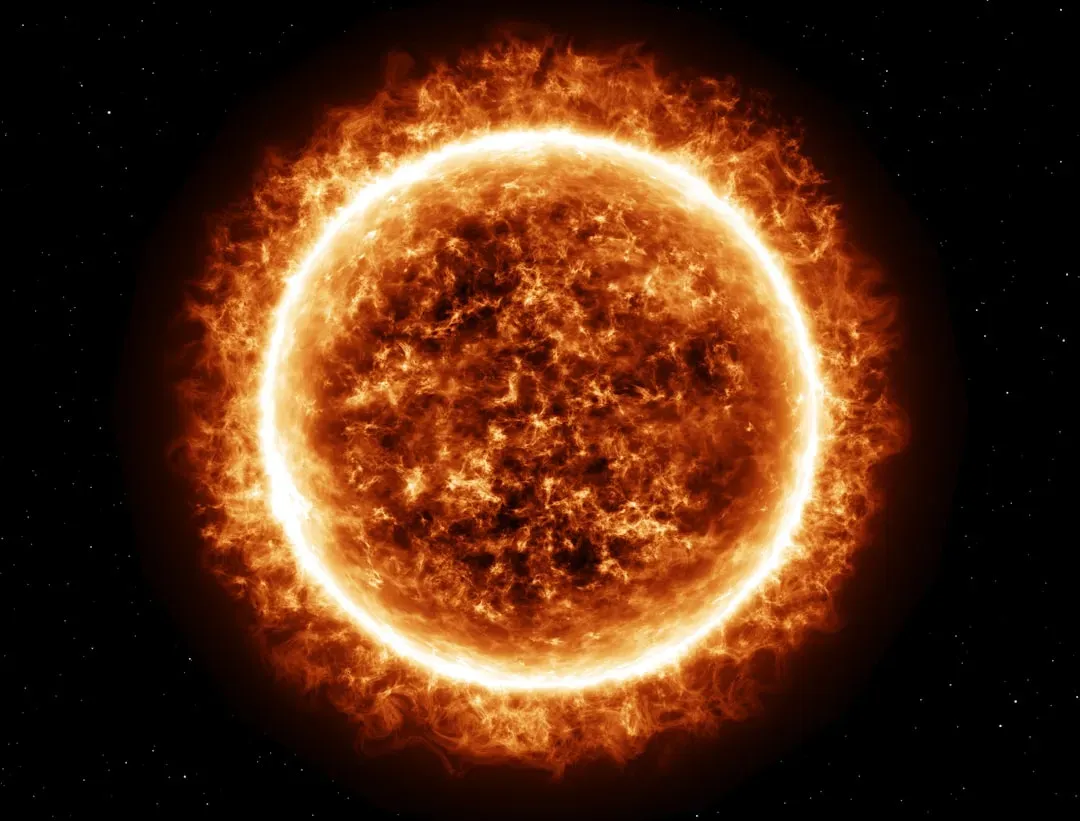
Here’s where it gets interesting. The reversal is driven by sunspots, which are regions of complex magnetic activity on the sun’s surface that can trigger significant solar events. These aren’t just random dark spots on the Sun. They’re incredibly powerful magnetic structures that emerge from deep within.
The reversal is driven by sunspots, the magnetically-complex structures that create active regions where flares and other solar events originate. As sunspots emerge from the Sun’s interior in polar-opposite pairs, plasma flows rearrange their magnetic fields, stretching, weakening, and emphasizing the biases of their polarities. These weakened sunspot fields are carried by plasma flows towards the poles. Picture it like a giant conveyor belt of magnetism. The newly-arrived field tends to be of opposite magnetic polarity to the existing polar field, and when opposite polarities come into contact they destroy each other. This process comes to a head at the peak of the solar cycle, when enough opposite-polarity fields arrive at the poles, destroying the polar field, and replacing it with a new polar field of the opposite magnetic polarity.
Earth Won’t Escape Unscathed
Let’s be real: when the Sun sneezes, Earth catches a cold. These dramatic releases of energy and charged particles can travel vast distances through space, sometimes reaching Earth. When they interact with our planet’s magnetic field, they have the potential to disrupt radio communications, interfere with GPS navigation systems, and even impact satellite operations.
The effects go deeper than that, though. In some cases, they can trigger geomagnetic storms, which may cause fluctuations in power grids and other electrical infrastructure. Remember the massive geomagnetic storm back in May 2024? That was just a taste of what solar maximum can throw at us. Satellites can experience increased drag from the expanded atmosphere. GPS signals can waver. Airlines sometimes have to reroute polar flights to avoid radiation exposure for crew and passengers.
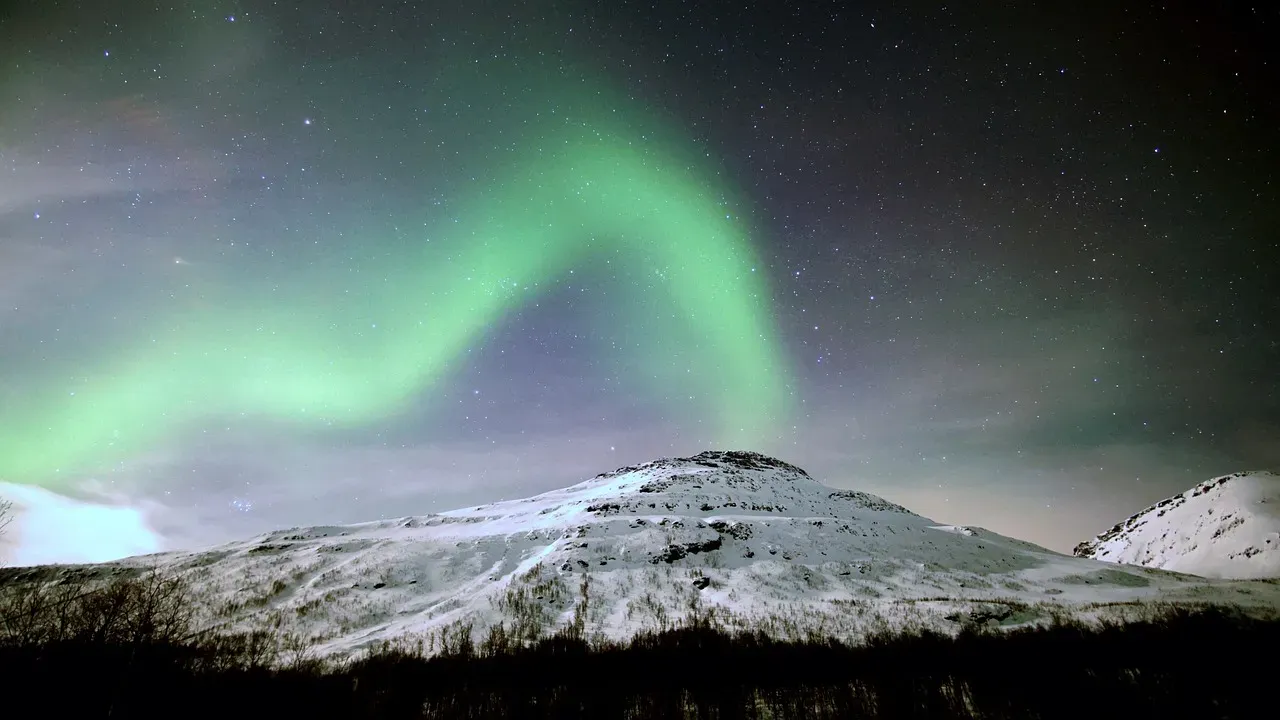
However, there’s a silver lining that many people actually love. One of the most visually stunning consequences of this heightened solar activity is the intensification of auroras, commonly known as the Northern and Southern Lights. These breathtaking natural light displays occur when charged solar particles collide with molecules in Earth’s atmosphere, creating dazzling waves of color that dance across the sky. With the Sun steadily approaching its activity peak in 2025, opportunities to witness these magnificent auroras are expected to increase.
The Heliospheric Current Sheet Gets Wavy
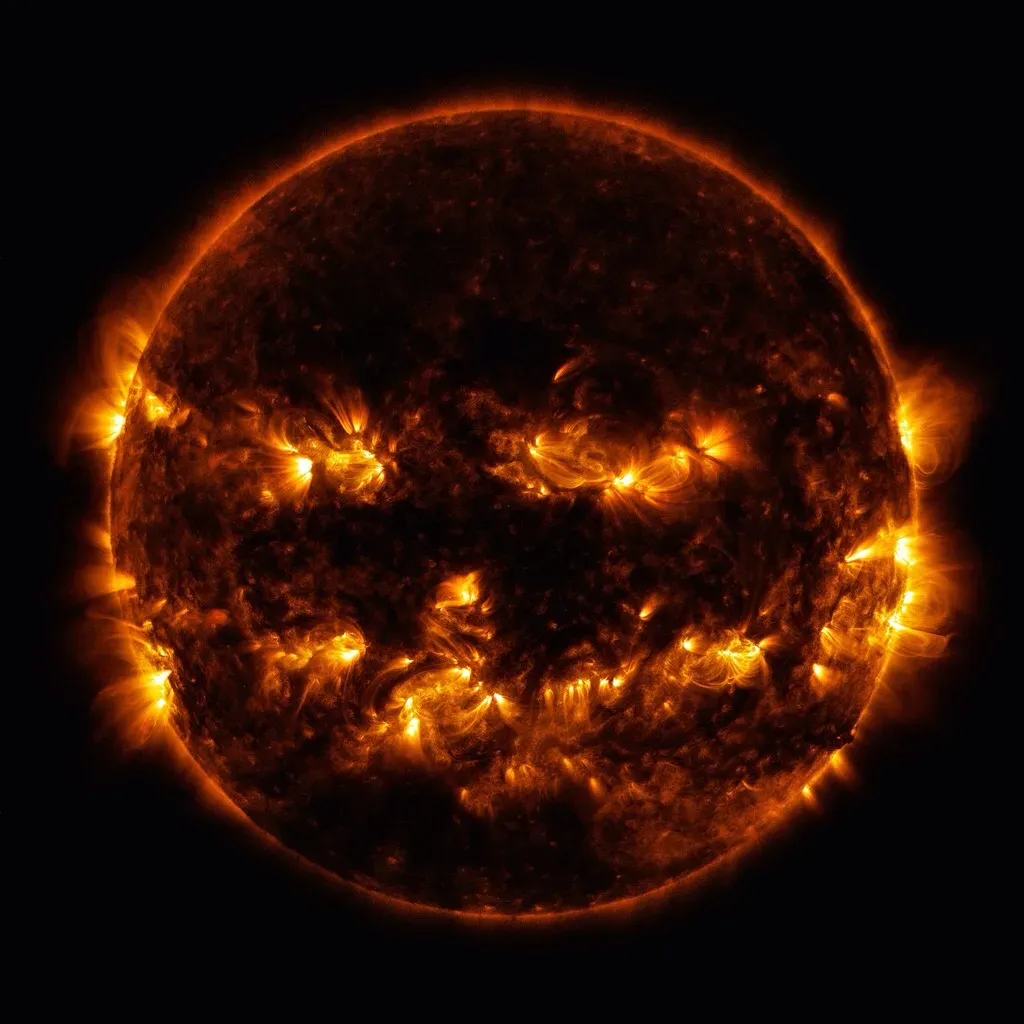
This might sound technical, but stick with me. The current sheet is a sprawling surface jutting outward from the sun’s equator where the sun’s slowly rotating magnetic field induces an electrical current. The current itself is small, only one ten-billionth of an amp per square meter, but there’s a lot of it: the amperage flows through a region 10,000 km thick and billions of kilometers wide.
During field reversals, the current sheet becomes very wavy. Scientists often compare this to the seams on a baseball. As Earth orbits the sun, we dip in and out of the current sheet. This waviness actually has a protective effect. The current sheet acts as a barrier to cosmic rays, deflecting them as they attempt to penetrate the inner solar system. A wavy, crinkly sheet acts as a better shield against these energetic particles from deep space. So in a weird way, the reversal might actually help protect us a bit more from dangerous cosmic radiation.
Solar Cycle 25 Has Been Full of Surprises
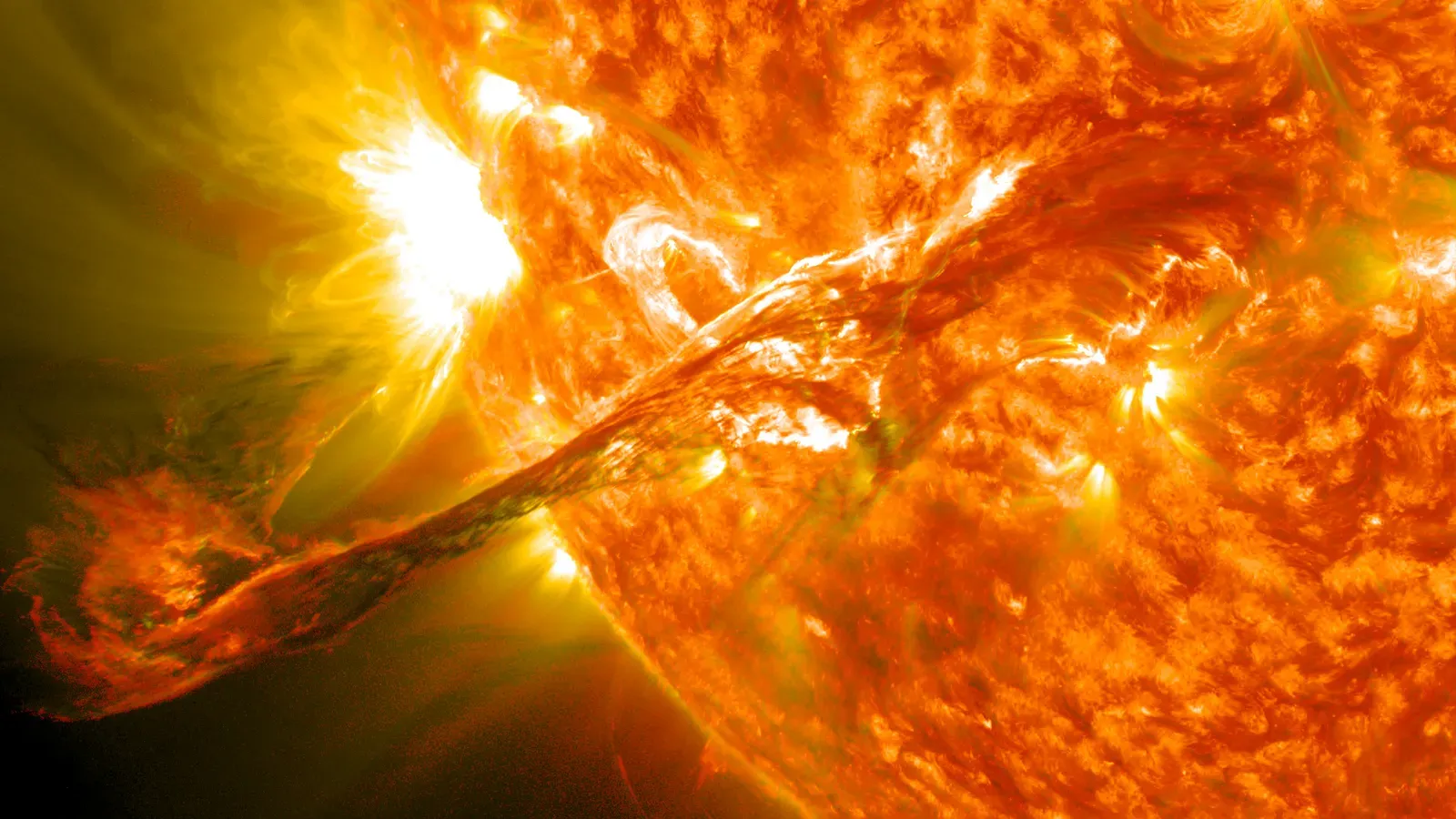
Scientists initially predicted that Solar Cycle 25 would be relatively tame, similar to the previous cycle. They were wrong. Solar Cycle 25 sunspot activity has slightly exceeded expectations. However, despite seeing a few large storms, they aren’t larger than what we might expect during the maximum phase of the cycle.
Starting in early August 2024, sunspot counts had reached a 23-year high. On October 3rd, 2024, Solar Cycle 25 released its strongest flare yet, an X9.0. That’s incredibly powerful. We’ve seen intense geomagnetic storms lighting up auroras as far south as Texas and Florida throughout 2024. The activity has been so robust that representatives from NASA, the National Oceanic and Atmospheric Administration (NOAA), and the international Solar Cycle Prediction Panel announced that the Sun has reached its solar maximum period, which could continue for the next year.
What does this mean moving forward? Scientists anticipate that the maximum phase will last another year or so before sunspots begin to decline again. Solar Cycle 25 is predicted to end around 2030, with Solar Cycle 26 beginning in 2031.
What Comes After the Flip?

The reversal isn’t the end of the story. The Sun’s polar field reversal is the major hallmark event that signals the end of a solar cycle’s Maximum period and ushers in the transition to Minimum. After the reversal, the newly established polar field will determine the strength of the next solar cycle.
It’s hard to say for sure, but scientists monitor the polar fields carefully because they provide clues about what’s coming next. A stronger polar field could foreshadow a larger, more powerful solar cycle with more sunspots, flares, and other solar activity. Thus, providing us with an idea of what to expect during the next solar cycle. We’re essentially watching the Sun set up the dominoes for the 2030s right now.
There’s also an interesting interaction between the Sun’s magnetic orientation and Earth’s. Having negative polarity fields at the Sun’s North pole and positive polarity at the South pole would create magnetic topology opposite to Earth’s magnetic field. During that period, on average, the CMEs will have a slightly larger impact on Earth as compared with the period when the polar fields have opposite polarities. In other words, depending on how the Sun’s poles align relative to ours, we might see stronger or weaker effects from solar storms.
Conclusion: Living in Sync with Our Star

While this is not a catastrophic event, the reversal will have effects. This change will have ripple effects throughout the Solar System. We’re witnessing a natural process that’s been happening for billions of years, long before humans were around to observe it. The Sun’s magnetic field reversal is as normal as the seasons changing here on Earth.
Still, in our technology-dependent world, understanding and preparing for these solar cycles has never been more important. From protecting satellites to forecasting auroras, the Sun’s behavior directly influences our daily lives in ways both subtle and spectacular. As we continue through 2025 and beyond, keeping an eye on our star isn’t just fascinating science. It’s practical necessity.
What do you think about living on a planet so intimately connected to the Sun’s magnetic mood swings? Have you ever seen the aurora during this current solar maximum? The universe has a way of reminding us that we’re part of something far bigger than ourselves.
