
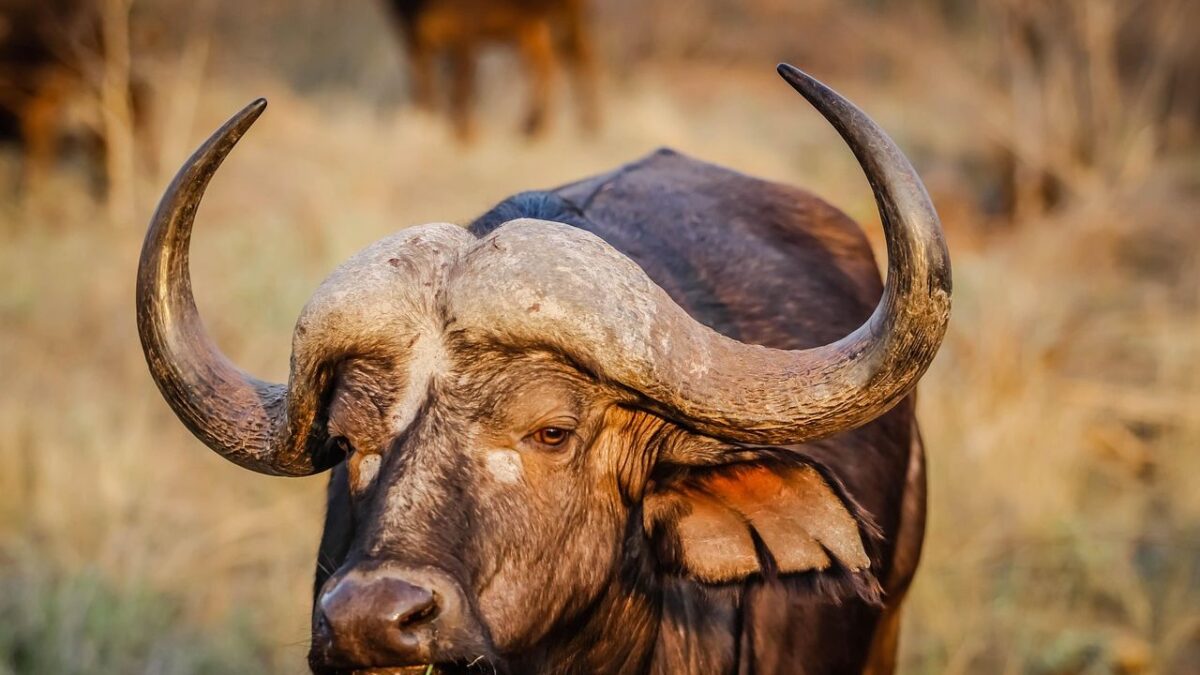
Picture this: you’re standing in the middle of Africa’s vast savanna when suddenly, a massive Cape buffalo emerges from the tall grass. Its dark eyes lock onto yours, muscles tensing under its battle-scarred hide. What happens next could determine whether you walk away with an incredible wildlife story or become part of a much grimmer statistic.
The answer isn’t what most people expect, according to wildlife rangers who’ve spent years studying these unpredictable giants. Scientists studying cattle predation in Botswana discovered that lions abandon hunts when spotted by their prey, with painted “eyes” on cow rumps preventing all 683 attacks compared to 15 fatal ambushes on unmarked cattle. Yet with buffalo, the rules change dramatically.
The Deadly Difference Between Bluff and Reality
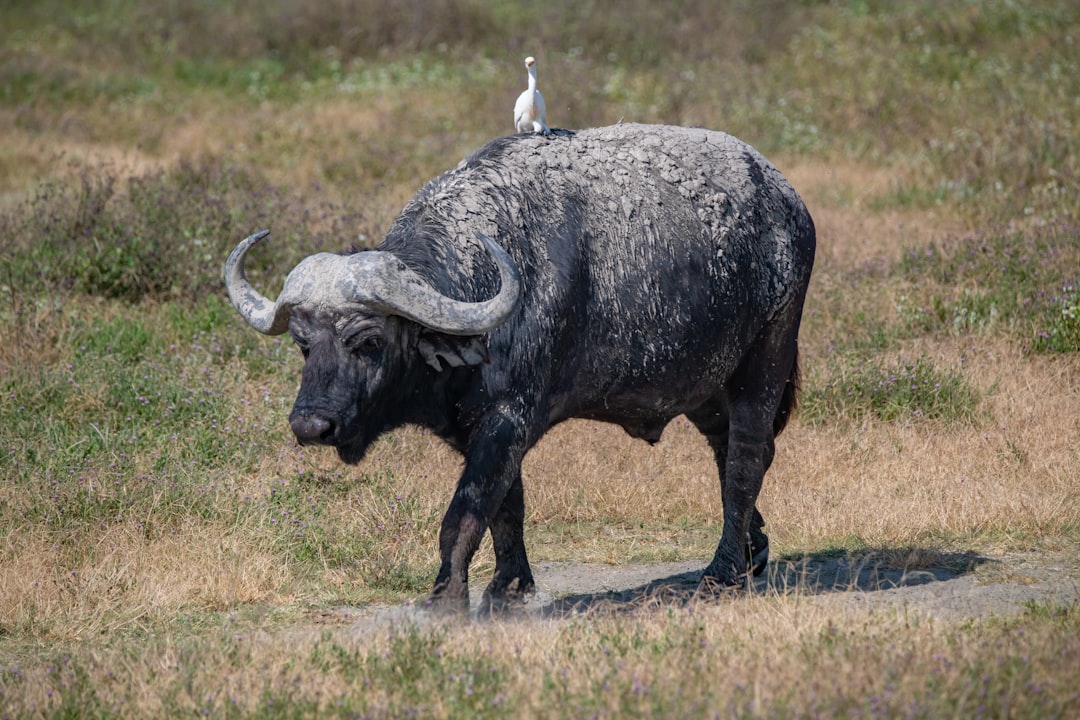
Most buffaloes don’t telegraph their agitation with theatrical displays like elephants do, instead fixing you with a silent, unwavering stare while lowering their head so horns angle toward you. Unlike other African wildlife that might give you multiple warning signs, if an elephant’s threat is like the slow boil of a kettle, a buffalo’s is more like a flash of lightning, being less likely to give multiple steps of warning.
When a buffalo makes eye contact during a charge, rangers say it’s already too late for typical defensive strategies. They will target you and charge immediately once they’ve locked their eyes upon you, and at the last minute will drop their head. Because the animal is moving toward you at 56 kilometers per hour with a brain only 12 centimeters in diameter and head moving up and down, experts recommend waiting until it gets 10 to 20 meters away before taking action.
The Science Behind the Stare
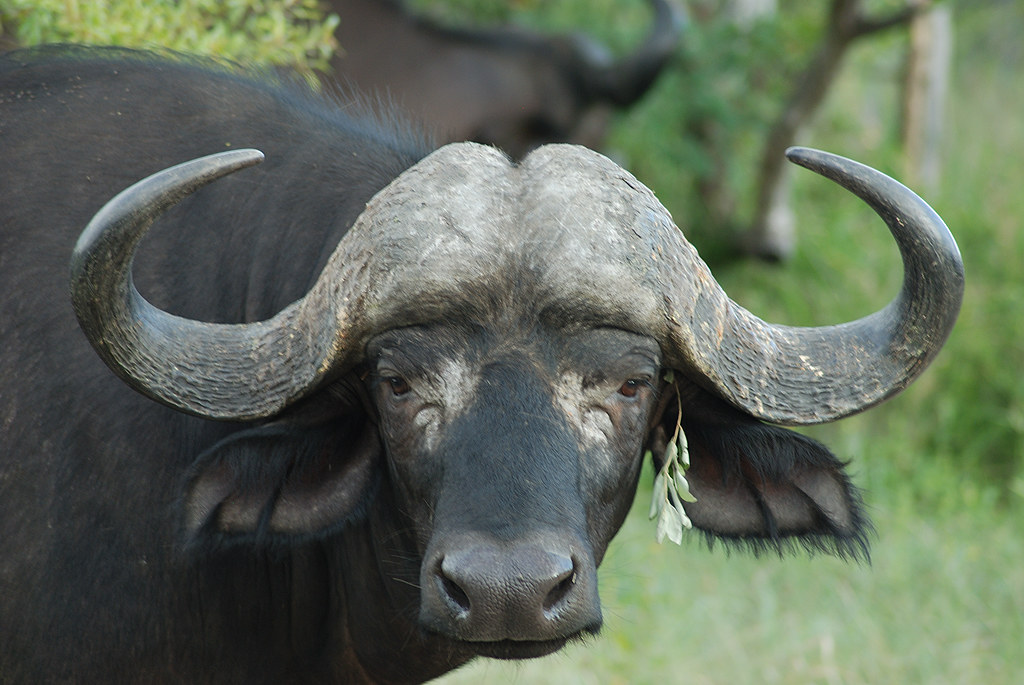
Eye contact perception is rooted in survival instincts where maintaining safe distance and avoiding confrontation are advantageous, helping animals navigate hierarchical structures and minimize conflict. Predators tend to look at their prey when they attack, so direct eye-gaze can predict imminent danger, which animals have learned to use to their advantage.
However, buffalo behavior defies typical predator-prey dynamics because they’re neither predator nor prey in the traditional sense. Unlike many herbivores that rely on fleeing from danger, buffaloes tend to stand their ground and fight, making them incredibly dangerous when threatened, with their sheer size and force making it nearly impossible to stop their charge once decided. Many predators orient their head and eyes toward their prey as they attack, making eye-gaze direction a useful indicator of risk since predators typically face their prey when stalking or attacking.
Why Direct Eye Contact Triggers Aggression
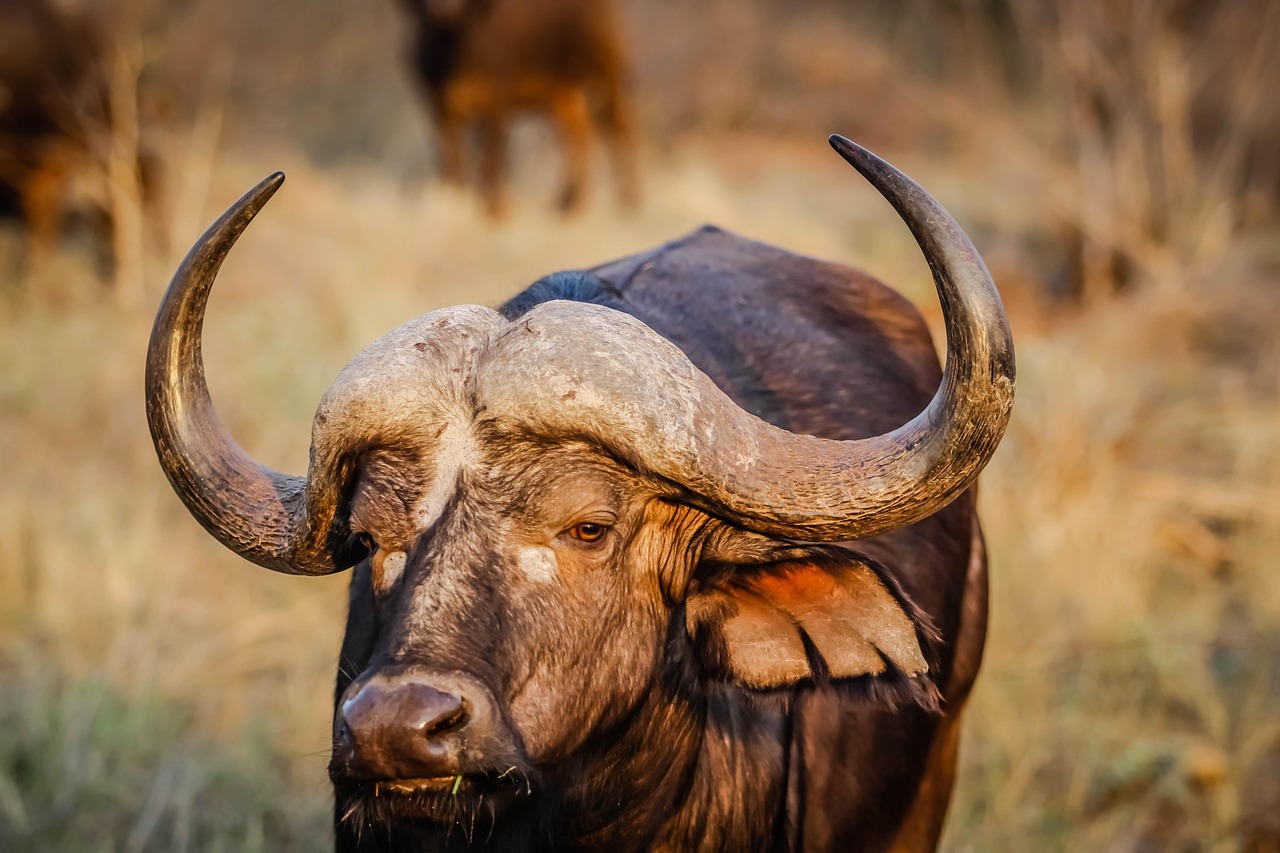
When you lock eyes with a charging buffalo, you’re essentially confirming what it already suspects: you’re a threat that needs to be eliminated. Eye contact is commonly perceived as aggression across species, with evolutionary advantages to interpreting it this way. Some prey animals use eye contact with stalking predators to signal awareness, essentially saying “I know you’re there, it’ll be a waste of both our time if you chase me”.
Buffalo operate differently because they’ve evolved as neither traditional predator nor prey. One of the most remarkable aspects of buffalo behavior is their unpredictable nature, not always displaying warning signs before charging, unlike some herbivores that remain largely unpredictable and can charge without warning. These animals will charge instead of fleeing when angered, with mothers protecting calves being dangerous, wounded buffalo being lethal, and old bulls being insecure and grumpy.
The Neurological Response to Being Seen
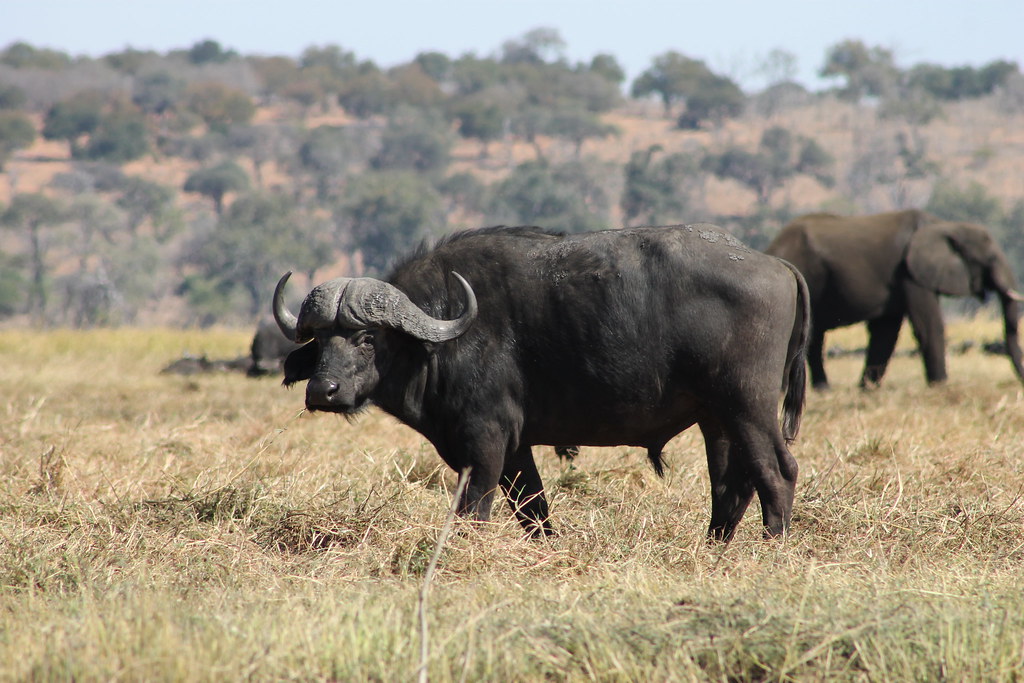
Research reveals fascinating insights into how being observed affects behavior across species. Studies show arousal is significantly enhanced while participants make eye contact with a live person compared to viewing pictures, with recent research pointing toward social interaction potential as the driving force behind arousal enhancement since eye gaze is both a signal perceived and sent to communicate.
There’s a direct link between eye contact and behavior across lions, cows, and humans, with knowing you’re being seen impacting behavior regardless of whether you’re locking eyes with a stranger or noticing security cameras. For buffalo, this heightened awareness triggers their defensive programming, but instead of flight, they choose fight.
Rangers’ Emergency Protocols
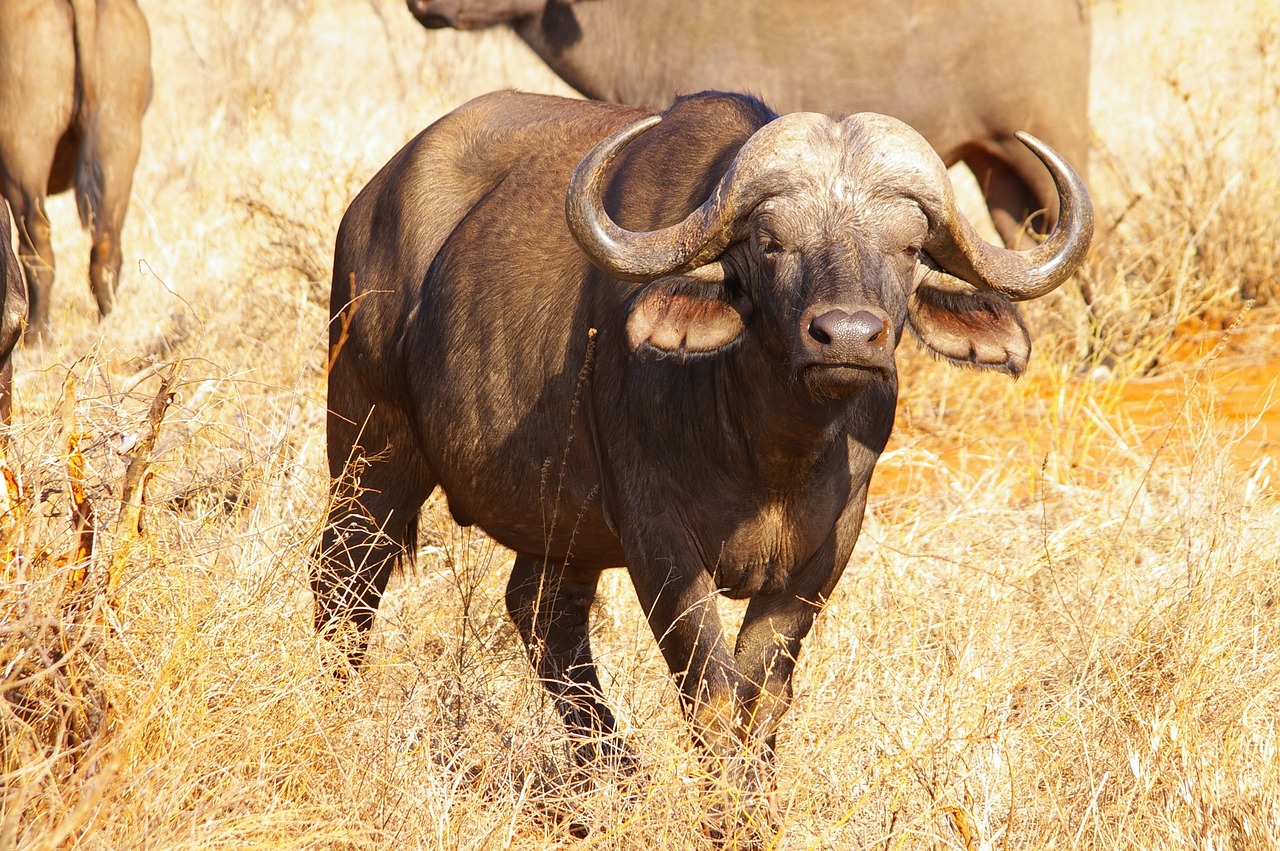
Professional rangers who work with buffalo daily have developed specific protocols for eye contact encounters. Guides often advise not to stare down a buffalo, keeping posture relaxed, voice low, and being ready to move off quietly if it shows any sign of aggression. Unlike dealing with bears, mountain lions, and other wildlife, no amount of noise, waving arms, or making yourself appear larger increases survival chances when you’ve angered a bison, though bear spray might discourage a charge if you see it approaching from far away.
When direct confrontation becomes unavoidable, you need to hold your nerve and shoot perfectly accurately because if you miss you are dead, and if you turn and run you are dead. Rangers emphasize that these are absolute last resort scenarios that most wildlife encounters should never reach.
Understanding Buffalo Body Language Before the Charge
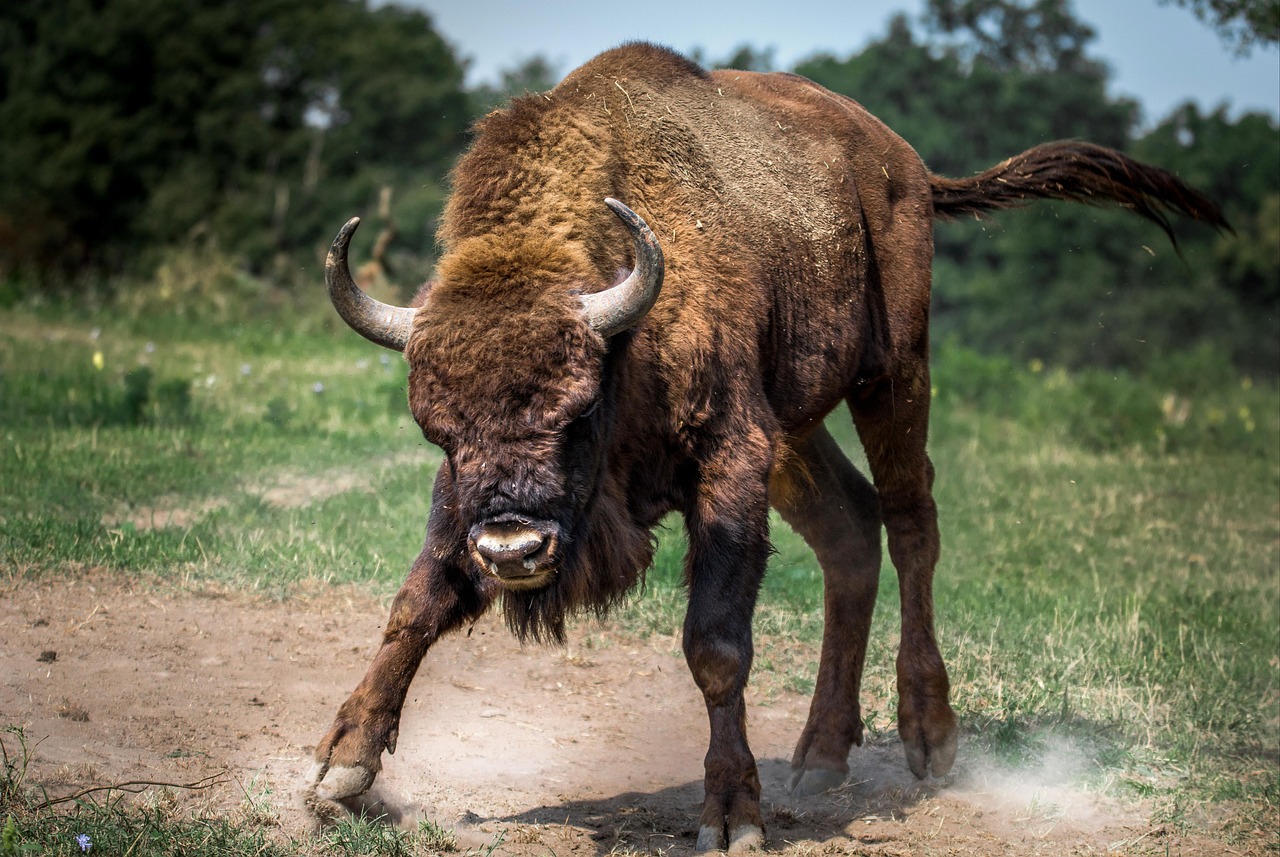
Buffalo may respond to approaching threats by bluff charging, head bobbing, pawing, bellowing, or snorting, which are warning signs that you are too close and that a charge is imminent. Signs to watch include snorting, pawing the ground, raising their head and tail, or turning sideways, and if you see any of these signs, slowly back away and give the bison space.
Warning behaviors may take the form of snorting, shaking head side to side, pawing at the ground, raising its tail or even bluff charging by running or turning quickly toward you. However, buffalo signals can be far more understated than elephants, requiring attention to smaller gestures like muscular tension in shoulders or unblinking stares, with minimal warming up meaning they’re less likely to give multiple warning steps.
The Fatal Mathematics of Buffalo Encounters
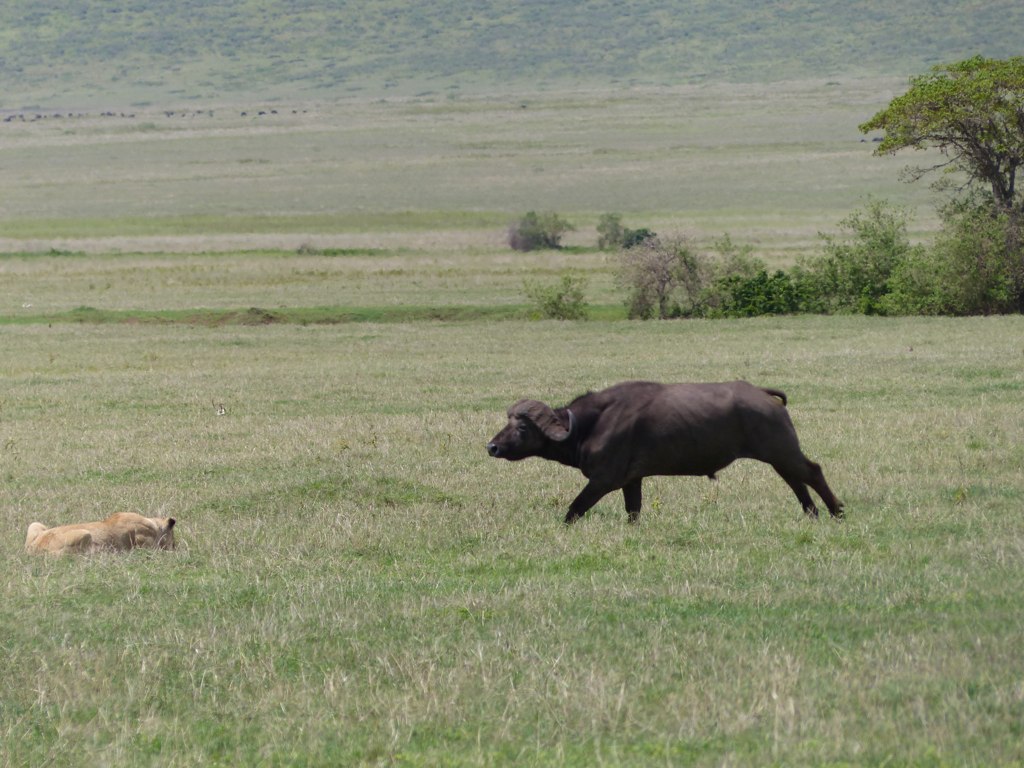
The numbers tell a sobering story about buffalo encounters. Bison can reach speeds of 35 miles per hour, much faster than even Usain Bolt could run, while buffalo have powerful hooves enabling them to charge at up to 35 miles per hour (56 km/h), with their sheer size and force making it nearly impossible to stop their charge once decided.
In 35 documented cases where rangers estimated distance during buffalo charges, the average distance was 28.5 feet, with buffalo having injured more people in Yellowstone than any other animal because they are unpredictable and can run three times faster than humans. Buffalo can weigh up to a ton with much of that weight distributed in a massive, horn-clad head, making them large enough to be North America’s largest mammal.
Survival Stories and Close Calls
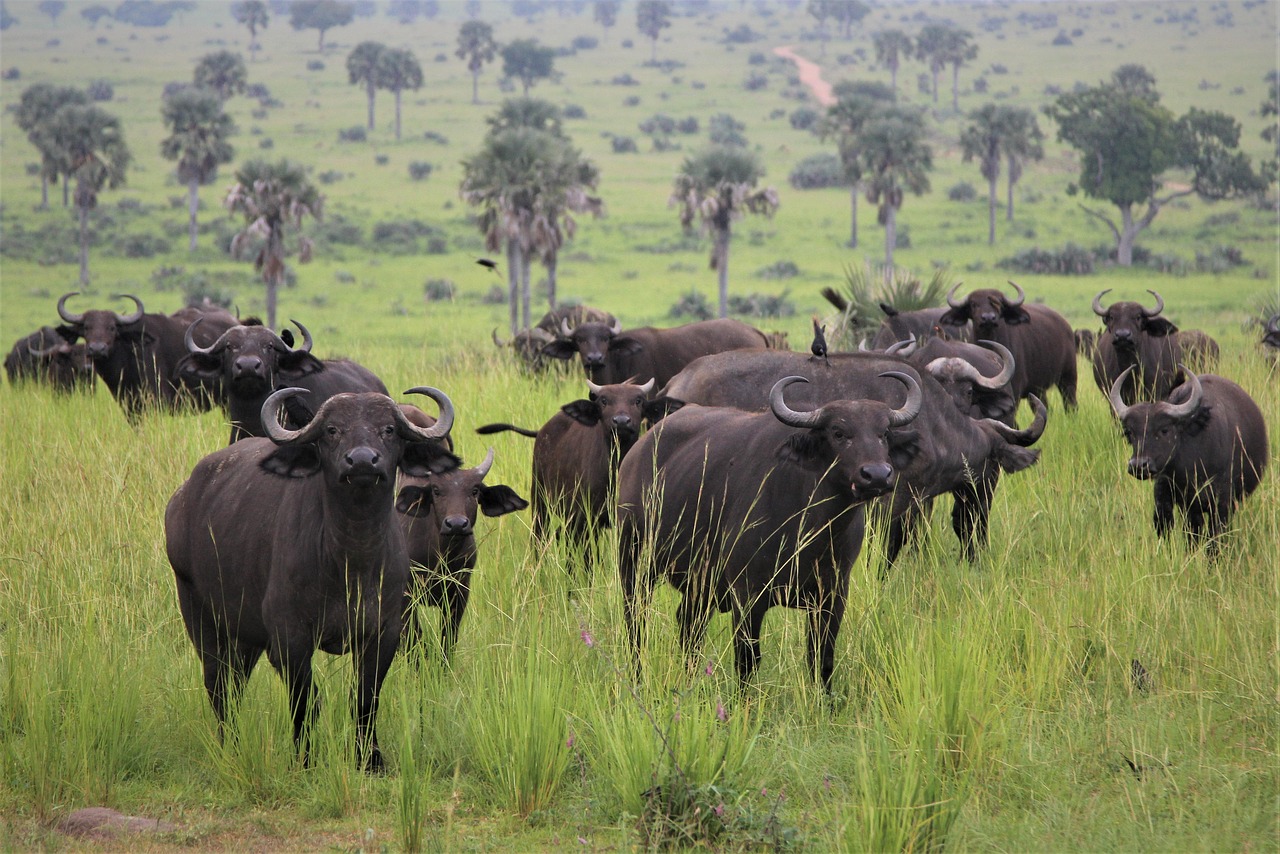
One ranger’s harrowing account illustrates the split-second nature of buffalo encounters: tracking a solitary “dagga boy” (older male buffalo) in Tanzania’s Serengeti, the animal seemed half-asleep munching lazily on reeds, then locked eyes with their vehicle, took slow steps closer, and instantly charged with no ear-flapping or trunk-lashing, just raw silent aggression.
One professional had to face charging buffalo twice in one day in 1993 while investigating reports of two “problem” buffalo near Matusadona National Park, animals that had been injured and chased people up trees. During the second encounter, when the wounded buffalo charged again, by the time the rifle was raised and aimed it was only 7 or 8 meters away, and despite perfect shot placement, the momentum carried it several more meters to literally end up at his feet.
What Actually Happens During Eye Contact
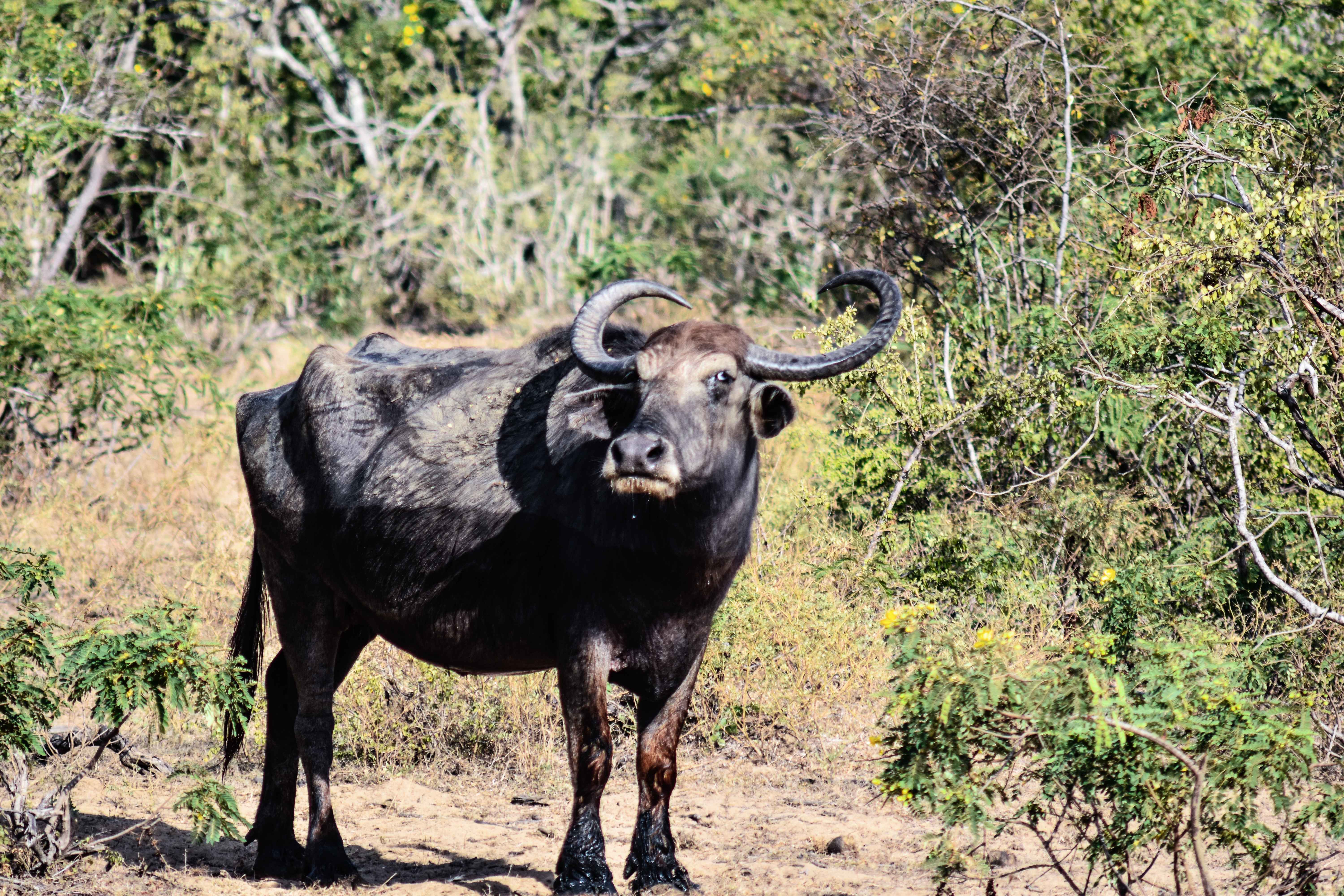
When you make eye contact with a charging buffalo, several things happen simultaneously. First, the animal confirms you as a definite threat rather than a potential one. Research shows that direct eye-to-eye contact was quite rare during normal interactions but significant for social dynamics, with time spent in eye contact being an important predictive factor for subsequent behavior.
Studies measuring autonomic nervous system arousal found significant enhancement in skin conductance response magnitude when participants were exposed to direct versus averted gaze with live subjects, along with subjective reports of heightened arousal. For buffalo, this heightened state translates into immediate action rather than the freeze response many animals display.
The animal’s pupils may dilate, nostrils flare, and every muscle fiber prepares for impact. Cape buffalo charge at an average 50 kilometers per hour and will target you immediately once they’ve locked their eyes upon you. Unlike bluff charges where animals might veer off at the last second, eye contact often signals genuine intent to make contact.
Conclusion
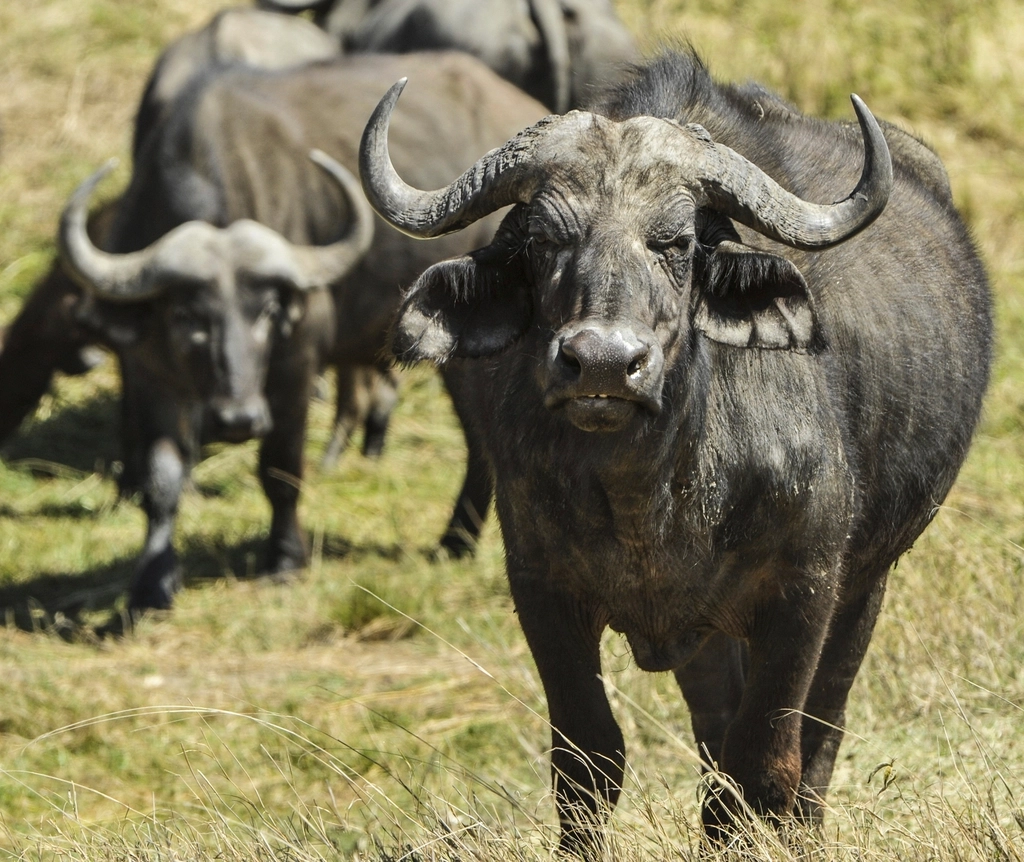
Making eye contact with a charging buffalo essentially seals your fate in that encounter. The science reveals these animals don’t follow typical predator-prey behavioral patterns, making them uniquely dangerous when they feel threatened. Their combination of sheer strength, unpredictability, and herd mentality makes them one of the most formidable animals in Africa, demanding respect whether facing hunters, lions, or tourists.
Rangers emphasize that the best survival strategy is never getting into such a situation in the first place through proper distance, awareness, and respect for these magnificent but deadly creatures. The moment those dark eyes lock onto yours during a charge, you’re no longer dealing with a herbivore, but with one of nature’s most efficient fighting machines.
What would you do if faced with that unwavering stare? The answer might just save your life.
