
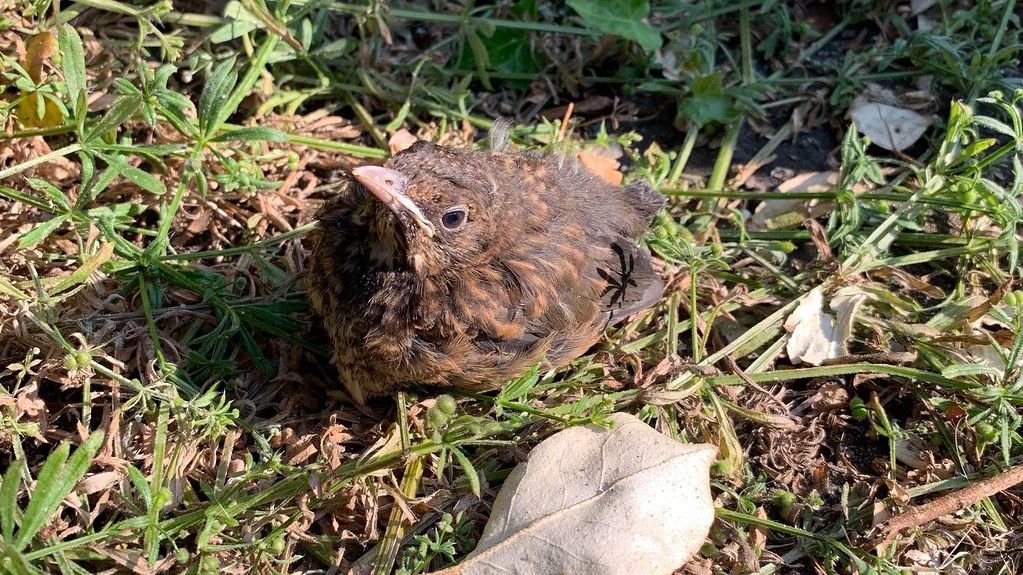
You’re out for a walk when you spot something small and helpless on the ground. It’s chirping weakly, barely feathered, and looking utterly vulnerable. Your heart aches. You want to rush in and save it.
Wait. That instinct might actually do more harm than good. Let’s be real here: most baby birds found on the ground aren’t in the kind of trouble we think they are. Nature has its own rhythm, and sometimes what looks like an emergency is just a normal Tuesday for a young bird learning the ropes. So before you scoop up that little creature, let’s walk through what’s really happening when baby birds end up outside their nests, and what you should actually do about it.
Understanding the Difference Between Nestlings and Fledglings
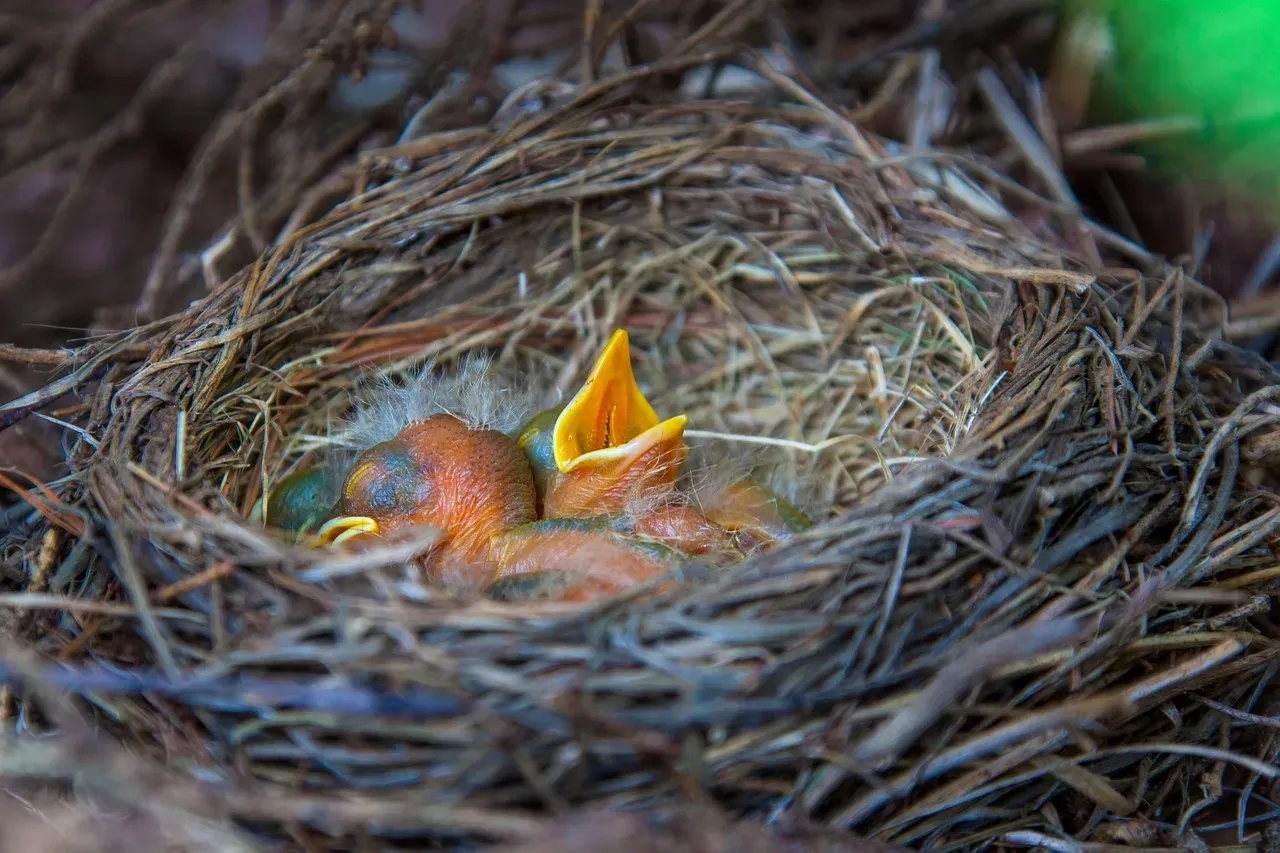
Baby birds found on the ground with few or no feathers and closed eyes are nestlings that aren’t ready to leave the nest yet. Nestlings are small and typically naked with just a few fluffs, resembling a pink little alien.
Fledglings are more developed birds that have outgrown the nest, with more developed feathers, and they can hop and flutter on their own. Here’s the thing: telling these two apart is absolutely crucial to knowing whether intervention is needed. Think of it like finding a toddler versus a teenager outside alone.
The teenager might be awkward and clumsy, but they’re supposed to be out there exploring. Fledglings can hop, whereas nestlings might simply drag themselves on the ground by their bare wings. Once you can identify which type of bird you’re dealing with, you’ll know whether you’re looking at a genuine crisis or just another day in the life of a young bird.
What to Do If You Find a Nestling
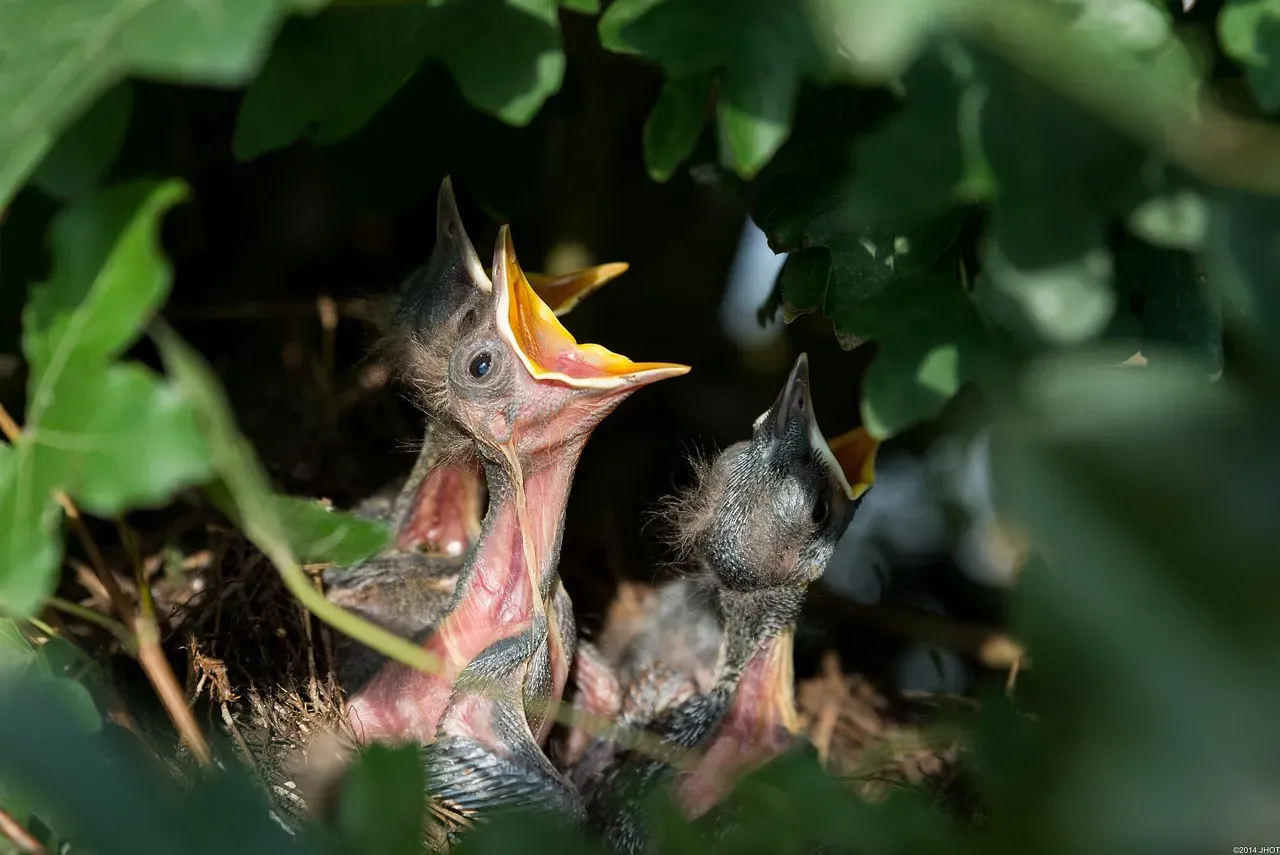
If you can locate the nest nearby, the best thing to do is simply place the nestling back in the nest. Honestly, this might sound too simple to be true, but that’s really all it takes in many cases. Parent birds do not recognize their young by smell and will not abandon a baby if it has been touched by humans.
If the original nest is destroyed or unreachable, you have another option. You can find a small container like a strawberry basket, load it with a scrap of T-shirt or straw, gently place the youngling inside, and affix the artificial nest in a tree close to where the bird was found. Woven stick baskets from garden stores resemble natural nests and allow rain to pass through so the birds won’t drown.
After you’ve returned the bird, step back and observe from a distance. Watch quietly for a few hours to make sure that a parent comes back to feed the nestling, and if the parent doesn’t return, follow the steps for saving an orphaned baby bird.
Why Most Fledglings Don’t Need Your Help
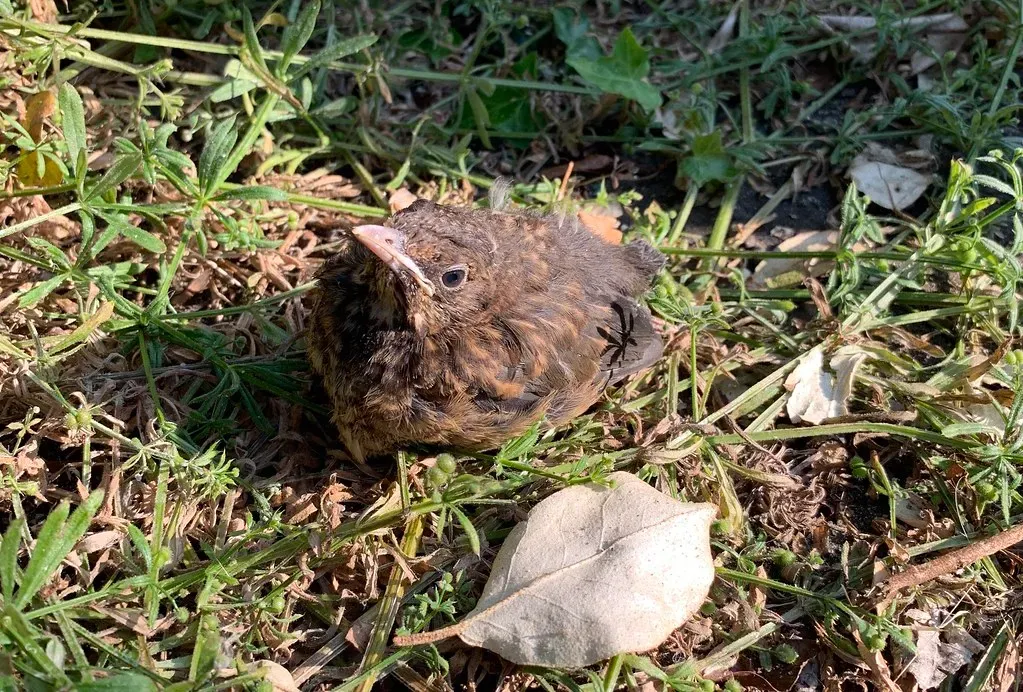
Fledglings don’t need help as their parents are nearby and still caring for them. I know it sounds crazy, but that seemingly abandoned bird hopping awkwardly on the ground is probably exactly where it should be. Roughly four out of five baby birds brought in have basically just been kidnapped, as wandering from the nest is exactly what fledglings are supposed to do while learning to fly under surveillance by their parents nearby.
When fledglings leave their nest they rarely return, so even if you see the nest it’s not a good idea to put the bird back in as it will hop right back out. The parents may be attending to four or five young scattered in different directions, but they will return to care for the one you have found.
The best thing you can do? Walk away from the bird, as rescuing healthy fledglings is not only unnecessary, but it can be detrimental to their development. They’ll have missed important lessons that they would have learned from their parents, such as how to find food and water in the wild and how to avoid predators.
When a Baby Bird Actually Needs Emergency Help
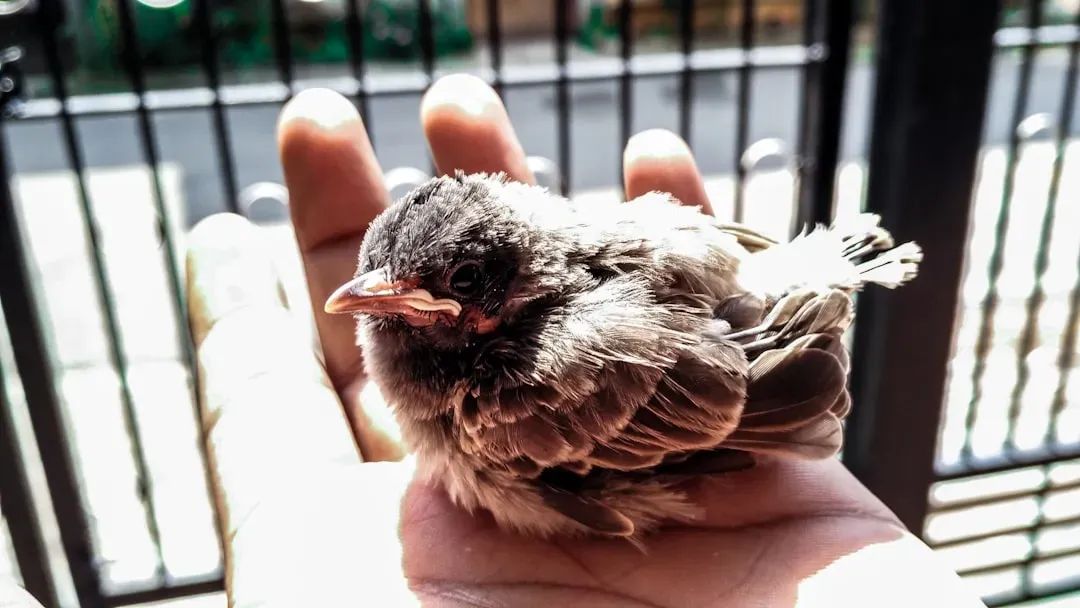
You’ll know a wild animal needs help if it has a visible broken limb, is bleeding, shivering or has a deceased parent nearby. You should also call a rehabilitator if you know a cat attacked a bird, as felines transmit deadly bacterial infections with even mild scratches. Cats can carry bacteria in their mouth that can cause fatal blood poisoning in birds and small animals within 48 hours.
If you’ve identified an injured or orphaned bird, time matters. Use clean or gloved hands to place the bird inside a cardboard box lined with paper towels, keep it warm and quiet by placing a heating pad on the lowest setting under half of the box, then put the box in a closet or another warm, dark, quiet, and safe place. Do not offer the bird any food or water and do not attempt to care for the animal yourself, but contact a wildlife rehabilitator immediately as every second counts.
How to Find Professional Wildlife Rehabilitators
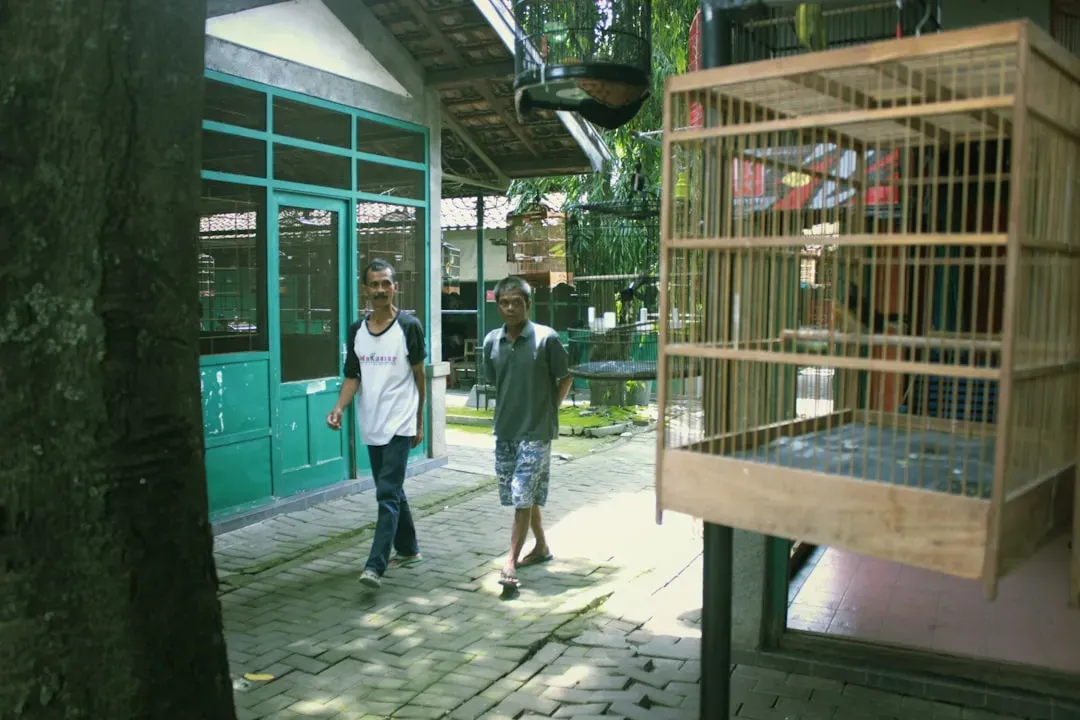
If an animal truly needs help, you’ll need to find a licensed wildlife rehabilitator, finding a location that can handle the species you’ve found is key, and always call ahead and make arrangements before transporting an animal. Many state conservation agencies keep a list of licensed rehabilitators on their websites, and trying a web search for wildlife rehabilitator near me should find some resources.
Most states require permits or licenses, training and approved facilities to rehabilitate wildlife and some species, including most birds, require federal permits as well. It’s illegal to bring a baby bird home and try to raise it, and most young birds won’t survive if cared for by well-meaning but inexperienced people. It’s hard to say for sure, but the legal ramifications alone should give you pause before trying to become an amateur bird parent.
Conclusion
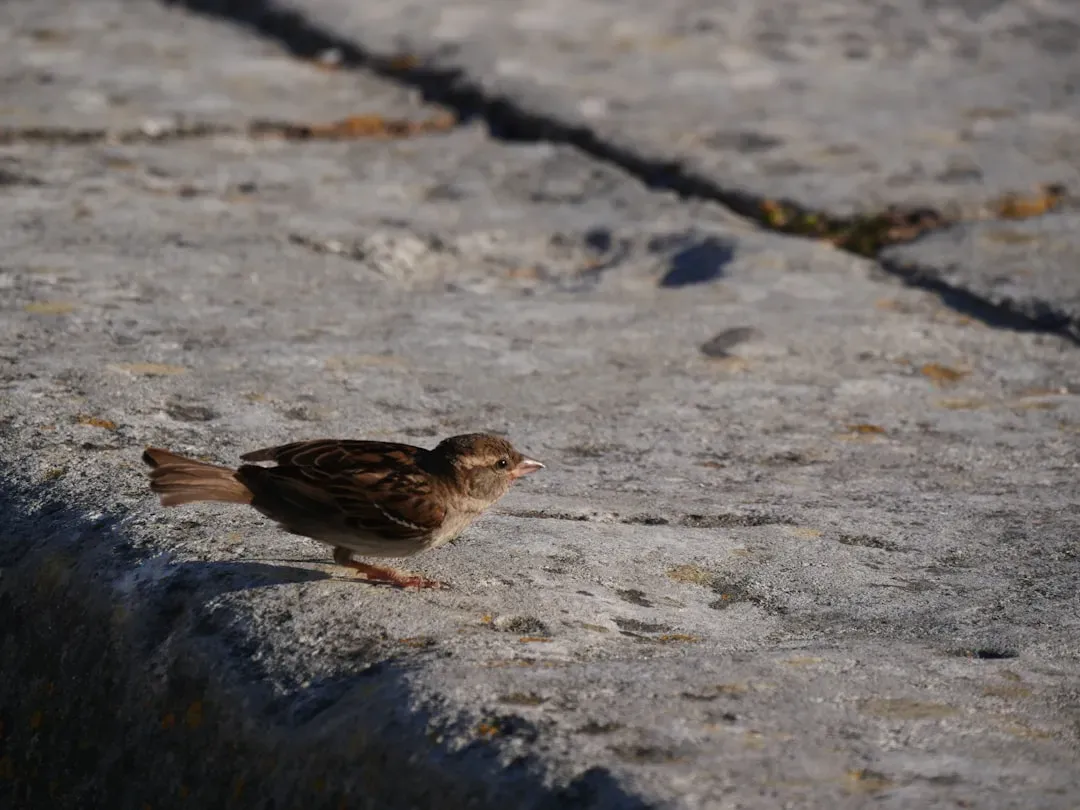
The next time you encounter a baby bird on the ground, take a breath and assess the situation carefully. Remember that nature is far more resilient than we give it credit for, and those parent birds are likely watching from nearby branches, waiting for you to leave so they can get back to feeding their young. Most of the time, the kindest thing we can do is simply walk away and let wild parents do what they do best.
If the bird truly is injured, featherless, or in immediate danger, then absolutely step in and contact a licensed wildlife rehabilitator right away. Your quick action could save a life. Did you know that something as simple as checking for feathers could determine whether you’re witnessing a natural process or a genuine emergency?
