
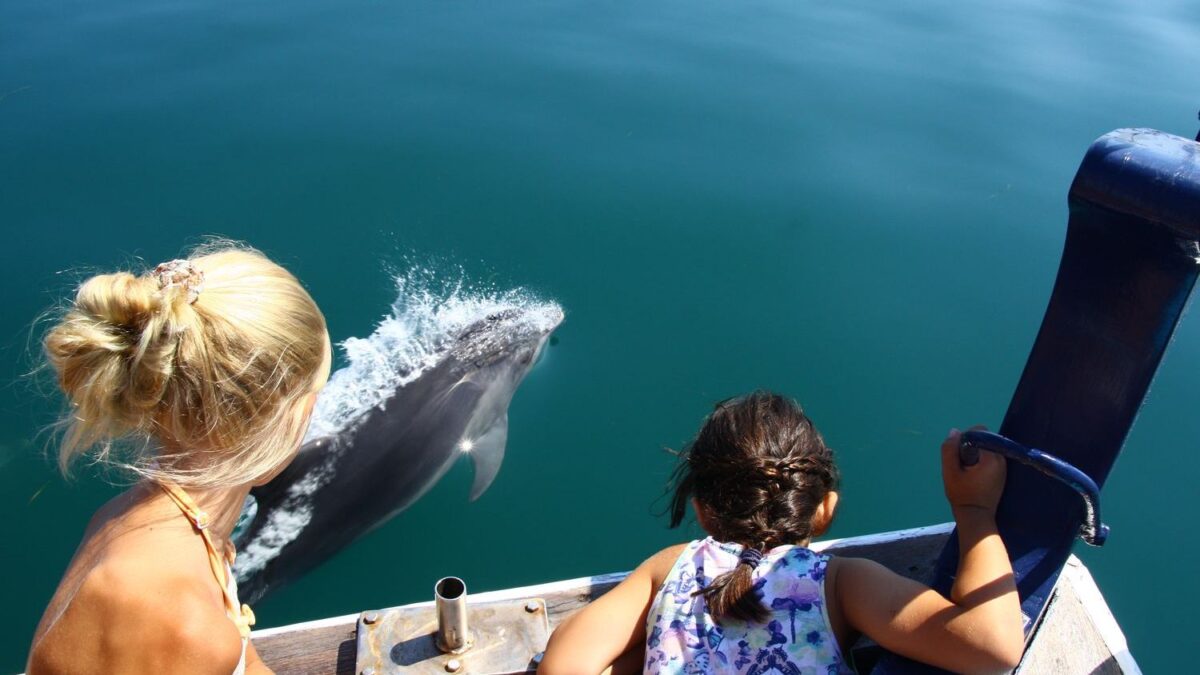
Picture this: you’re swimming in the open ocean when a massive shark appears, circling with predatory intent. Just as terror grips you, a pod of dolphins emerges from the depths, forming a protective barrier between you and certain death. This isn’t fiction from a Hollywood movie.
Real stories like this happen more often than you might think, spanning from ancient Greek tales to documented modern incidents. Throughout history, these remarkable marine mammals have repeatedly intervened to save human lives, leaving us with one burning question: are these rescues driven by genuine compassion, or are we simply beneficiaries of coincidental dolphin behavior?
The Ancient Stories That Started It All
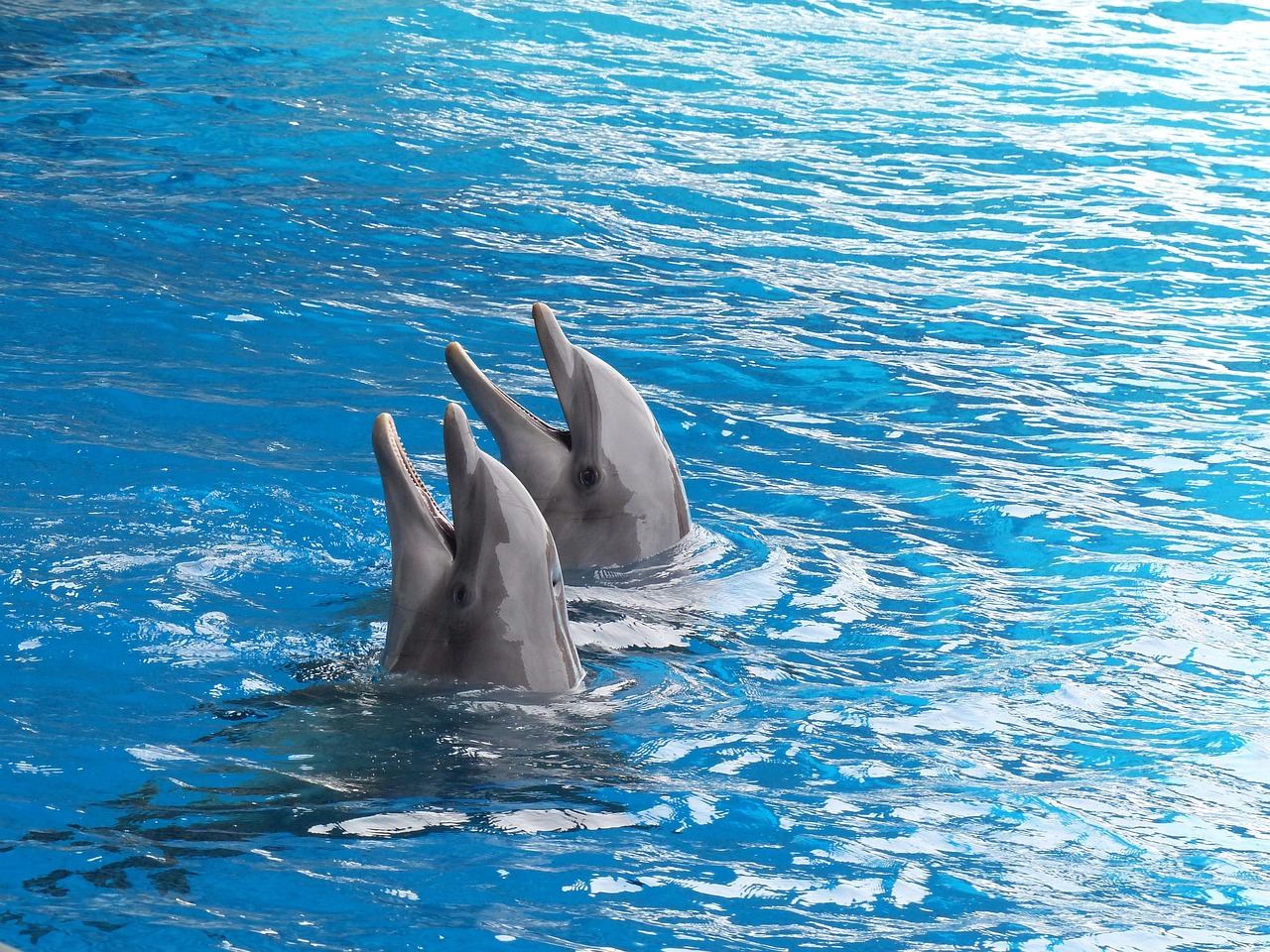
The legend of dolphins saving humans stretches back thousands of years, with one of the most famous stories being that of Arion, a musician who was thrown overboard by pirates and rescued by dolphins who carried him safely to shore. These stories weren’t isolated incidents but appeared across diverse maritime cultures, from the Mediterranean to Polynesia.
According to some accounts, during one of China’s historical invasions of Vietnam, Chinese forces reportedly sank a ship full of Vietnamese sailors, only to have a pod of dolphins nearby allegedly come to their rescue and save their lives. What makes these ancient tales particularly intriguing is their consistency across completely different cultures that had no contact with each other.
Modern Miracles Caught on Camera
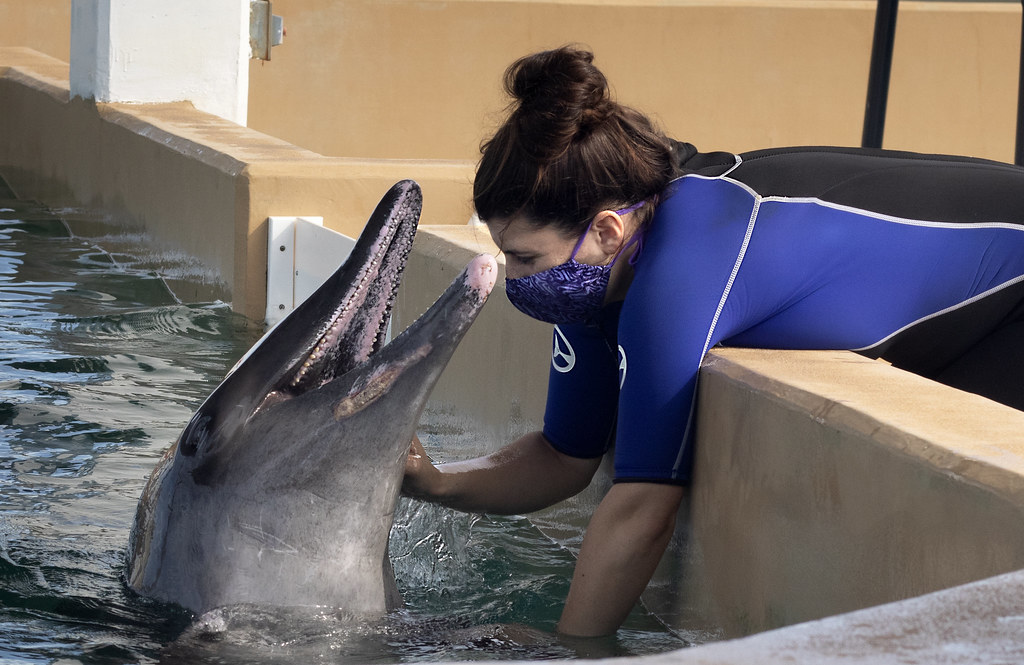
In one well-documented case, Rob Howes, a British-born lifeguard, was swimming with his daughter and friends off New Zealand’s coast when dolphins suddenly appeared and began herding them into a tight group through coordinated circular swimming patterns. What seemed like playful behavior turned deadly serious when Howes spotted a three-meter great white shark heading straight for them.
Another remarkable incident occurred in 2004 on New Zealand’s Taranaki coast, where four dolphins surrounded a group of surfers, creating a protective barrier that lasted until sharks eventually left the area, allowing the surfers to safely return to shore. Perhaps most touching is the story of 14-year-old Davide Ceci, who fell from his father’s boat in Italy and was pushed to safety by Filippo, a local dolphin who had become a tourist attraction.
The Science Behind Dolphin Intelligence
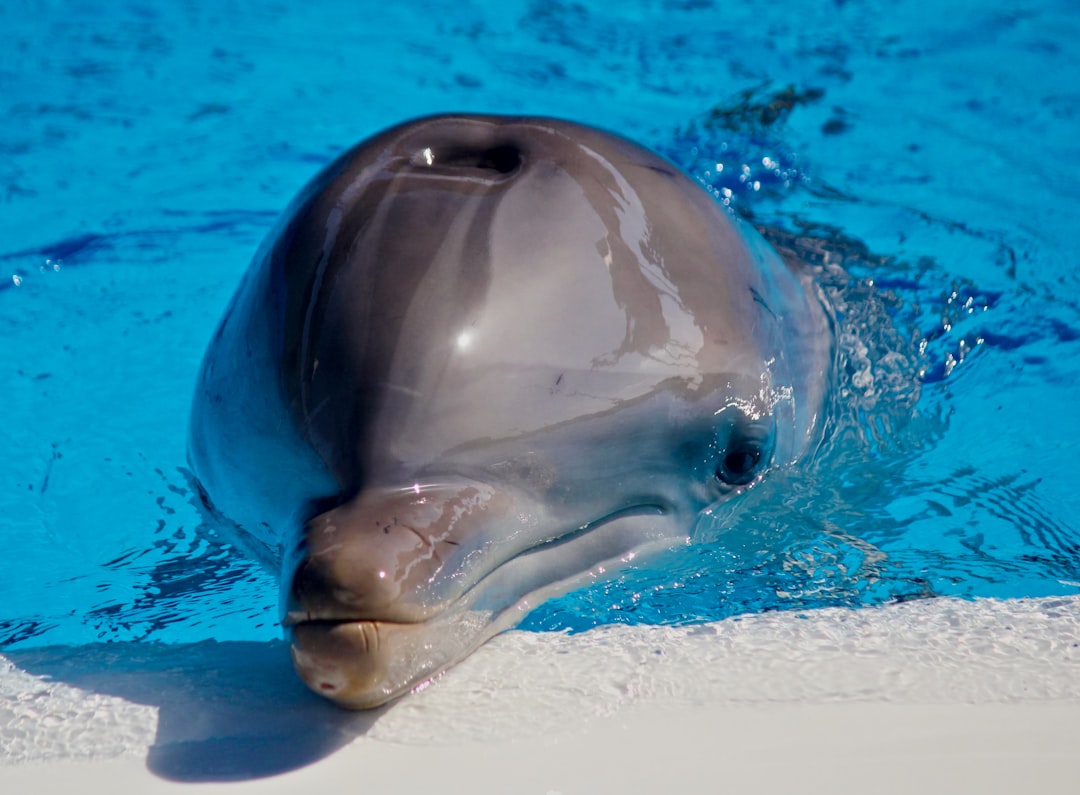
Scientific research suggests that bottlenose dolphins, alongside elephants and great apes, possess self-awareness, demonstrating remarkable cognitive abilities. These marine mammals place second behind humans in relative brain size, with brains two to three times larger than similar-sized non-dolphin species.
Their brains feature a highly developed neocortex linked to complex behaviors like problem-solving and social interaction, while their well-developed limbic system suggests they experience a full range of emotions including empathy, grief, and joy. With a brain-to-body mass ratio similar to humans, dolphins demonstrate a high level of cognitive ability and capacity for complex thought processes.
The Altruism Question
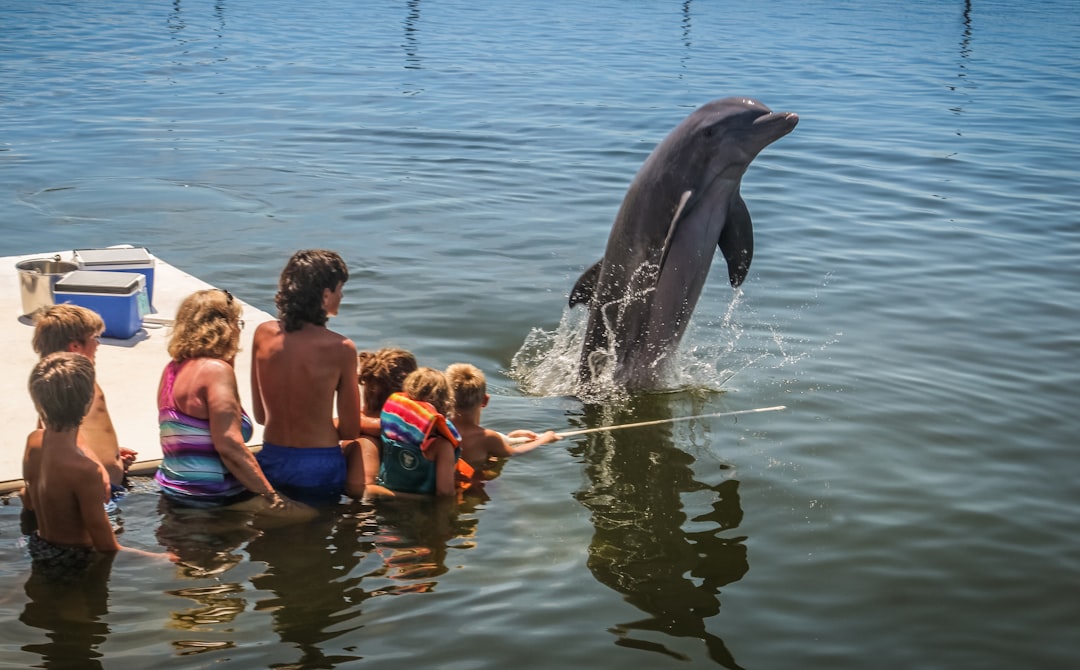
Reports of dolphins aiding injured individuals and even other species, including humans, illustrate their capacity for empathy and altruism. Marine biologists have documented dolphins supporting injured pod members, with females acting as midwives during difficult births and the entire pod exhibiting what appears to be mourning behavior when members die.
If dolphins are actually saving humans just to help and protect them, that would make them unique in the animal kingdom, showing true altruism and selflessness for others. There is evidence suggesting dolphins exhibit altruistic behavior, which is the act of helping others without expecting anything in return, observed in the wild when they help injured or sick members of their pod.
Protective Instincts Gone Universal
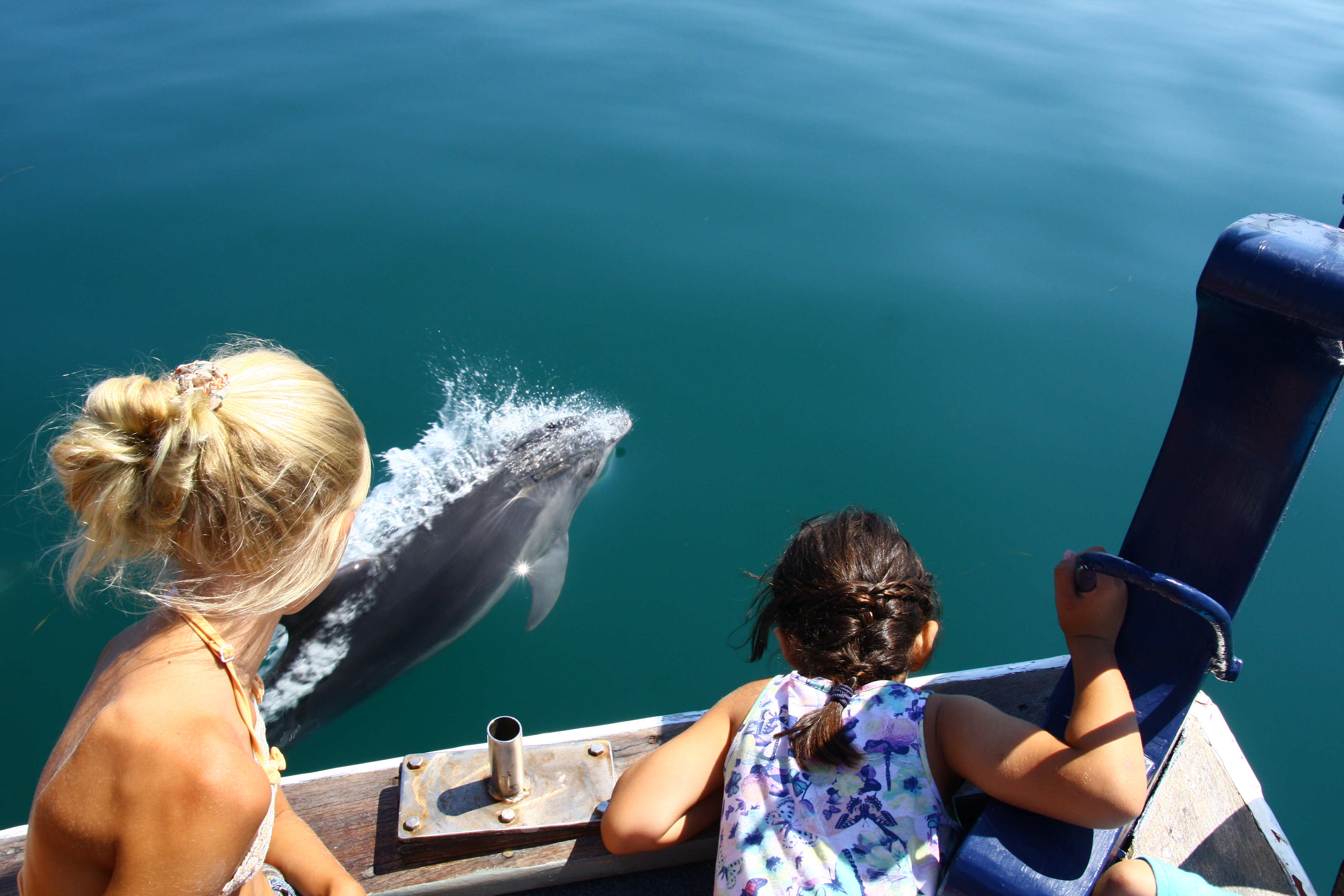
Marine biologists use the term “epimeletic behavior” to describe caregiving actions directed toward distressed individuals, something dolphins regularly exhibit within their pods as an evolutionary adaptation that strengthens social cohesion. The act of defending humans from attacking animals like sharks mirrors the behavior of mothers protecting their offspring, with many disabled swimmers claiming they were held and transported to the surface by dolphins.
Thanks to their echolocation abilities, dolphins can hear human heartbeats and realize when a person is helpless, which may trigger them to act as they would with a pod mate. Dolphins can actually “see” our skeletons and hear our hearts beating with echolocation, recognizing that we are similar to them as fellow mammals, which explains their fascination with pregnant mothers whose babies they can hear and essentially “see” with sonar.
The Skeptical View
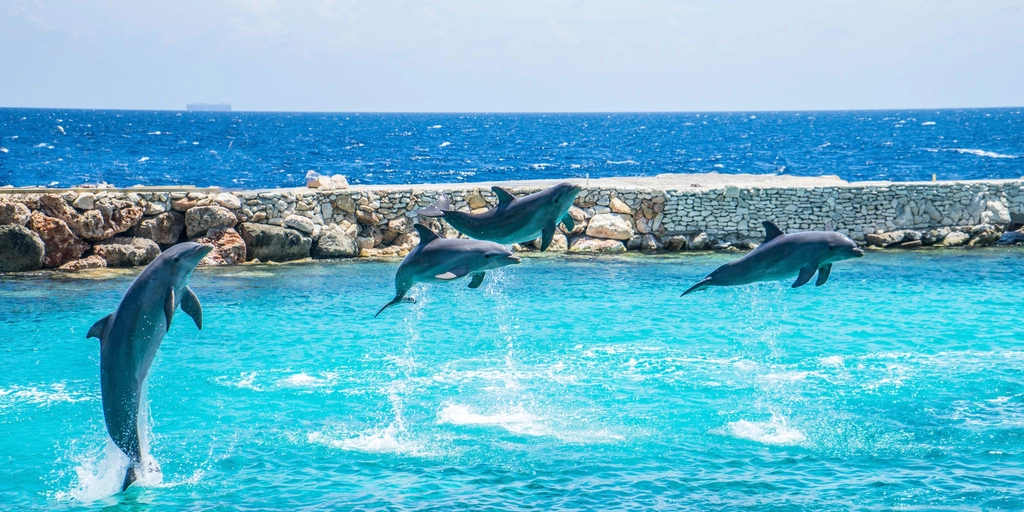
Marine biology professor Mike Heithaus suggests that in most cases, whales and dolphins are probably not protecting humans for altruistic reasons but are more likely trying to protect themselves or their young. From an evolutionary standpoint, aiding another species seems counterintuitive, with some biologists suggesting that dolphins’ rescuing behavior may result from “misfired” adaptive traits evolved to benefit their own kind but occasionally triggered by interactions with other species.
Some marine biologists argue there isn’t reliable evidence that dolphins intentionally save humans, suggesting these stories represent a rare combination of myths about marine life rather than documented protective behavior. The skeptical view proposes that when dolphins see a cloud of blood in the water, they simply know a shark is in the area and react to protect their own interests.
When Worlds Collide: The Shark Factor
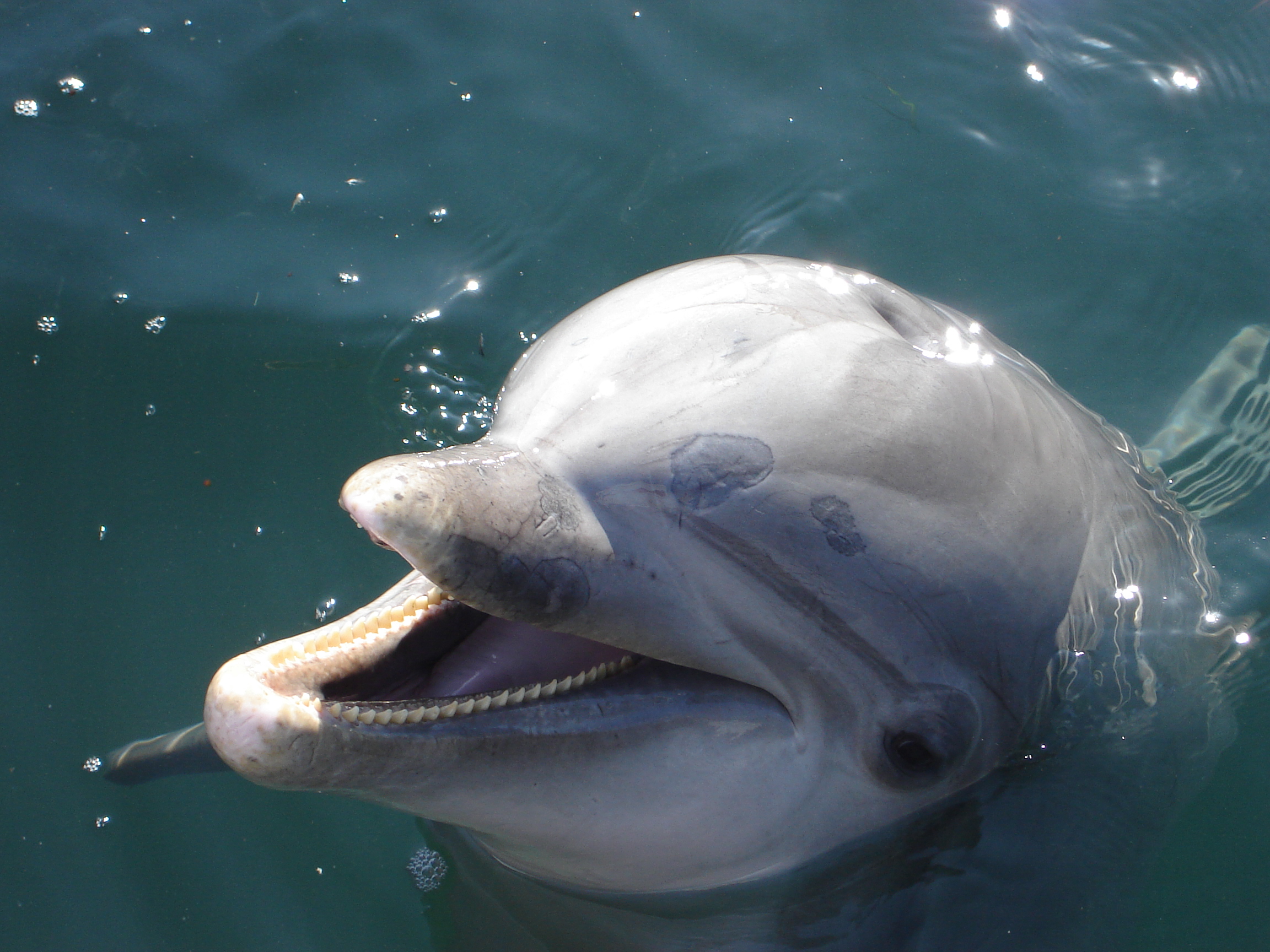
Shark predation may have been a central factor influencing the evolution of sociality in dolphins, serving as a determinant of dolphin habitat use and behavior. In the presence of sharks, dolphin anti-predator behavior varies with circumstances, with some simply swimming away while others ram or bite sharks, and yet others launching coordinated group attacks to drive predators away.
When a pod member is in danger from a shark, the rest of the pod springs to defense, surrounding the shark and swimming in all directions while slapping it with their fins to confuse it, a technique so effective that most sharks flee and probably won’t threaten a dolphin pod again. One-on-one matches between sharks and dolphins rarely occur, as dolphins often travel in pods while sharks prefer to hunt alone, meaning several dolphins will heavily outnumber a single shark.
The evidence paints a complex picture that challenges our understanding of interspecies relationships. While we may never know with absolute certainty whether dolphins consciously choose to save human lives, the documented cases suggest something profound about these remarkable creatures. Perhaps the truth lies somewhere between pure coincidence and deliberate compassion.
Whether driven by misfired protective instincts or genuine empathy, dolphins continue to astound us with their behavior. Their large brains, social complexity, and apparent emotional depth create the perfect conditions for the kind of remarkable rescues that have captured human imagination for millennia. What do you think drives these incredible marine mammals to risk their own safety for ours? Share your thoughts in the comments below.
