

Lions are known as the kings of the jungle, but their reign is deeply dependent on their social structure. Unlike most big cats that lead solitary lives, lions thrive in prides—family units that provide protection, hunting advantages, and reproductive opportunities. When a male lion loses his pride, whether through defeat, aging, injury, or social dynamics, the consequences are profound and often devastating. This transformative event affects not just the individual lion’s survival but also creates ripples throughout the ecosystem. Let’s explore the complex aftermath of a lion’s fall from power and what it means for both the dethroned king and the pride he once ruled.
The Social Structure of Lion Prides
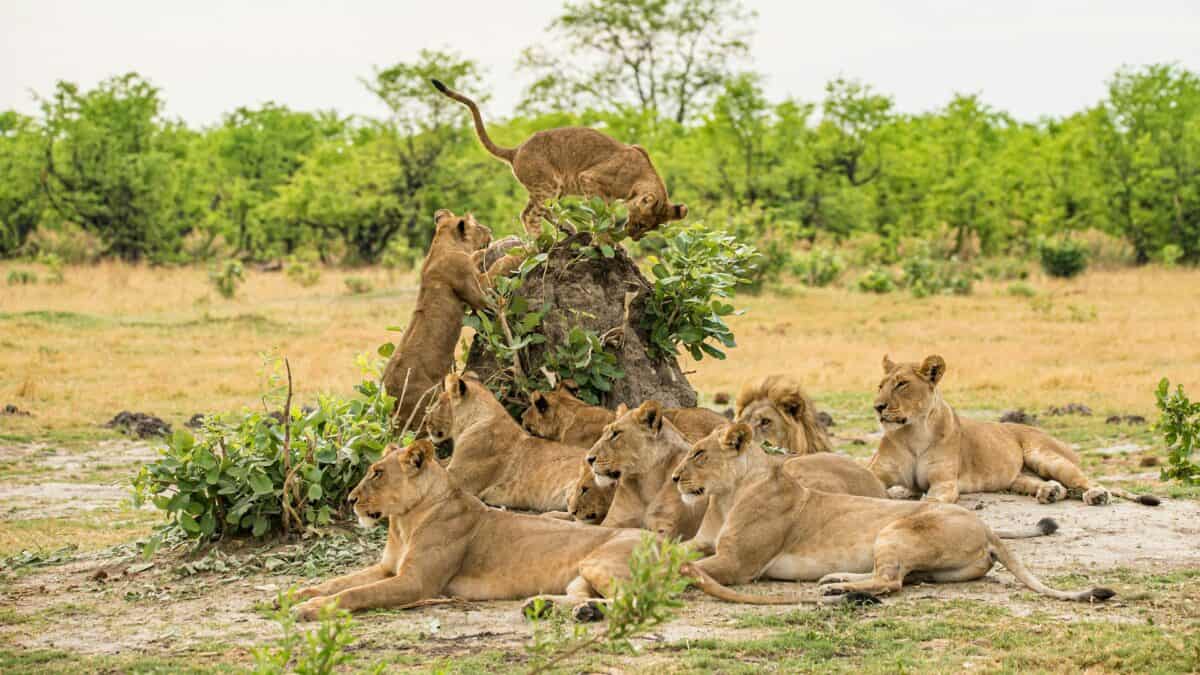
Lion prides represent one of nature’s most sophisticated social organizations among big cats. A typical pride consists of 1-4 adult males, related females (often sisters, aunts, and daughters), and their cubs. The pride size averages 15 members but can range from 4 to over 40 individuals. This social structure serves multiple evolutionary purposes: females cooperate in hunting and cub-rearing, while males provide defense against external threats and competing coalitions.
The pride’s territory typically spans 20-400 square kilometers, depending on prey abundance and habitat quality. Understanding this intricate social web is crucial for comprehending the magnitude of what happens when a male is exiled or dethroned from this carefully balanced society.
Causes of Pride Loss
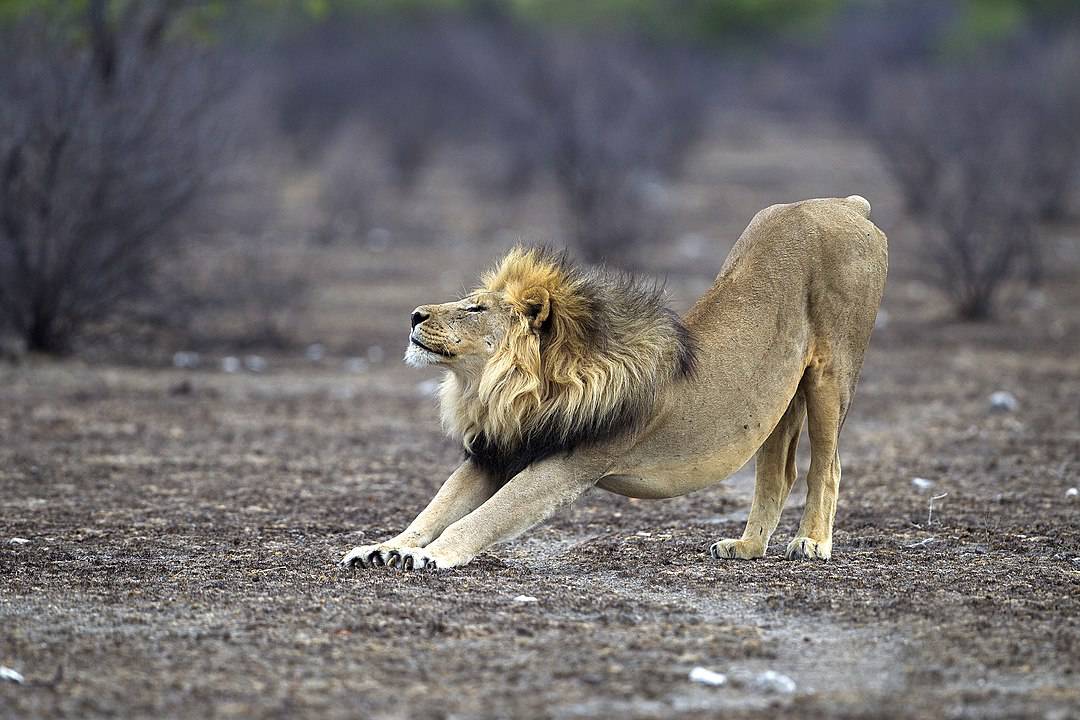
Male lions typically lose their pride through several primary mechanisms. The most common is defeat by a competing male coalition—younger, stronger males who challenge the pride’s leadership. These takeovers are violent confrontations that can result in serious injuries or death for the defending males. Age-related decline presents another pathway to pride loss; as males approach 8-10 years, their physical abilities diminish, making them vulnerable to challenges.
Injuries from hunting, territorial disputes, or encounters with humans can also accelerate a male’s decline and eventual expulsion. In some cases, pride dynamics shift due to environmental pressures like drought or prey scarcity, forcing pride fragmentation. Anthropogenic factors such as trophy hunting, habitat fragmentation, or retaliatory killings can artificially remove males from their prides, disrupting natural social patterns.
The Immediate Physical Impact
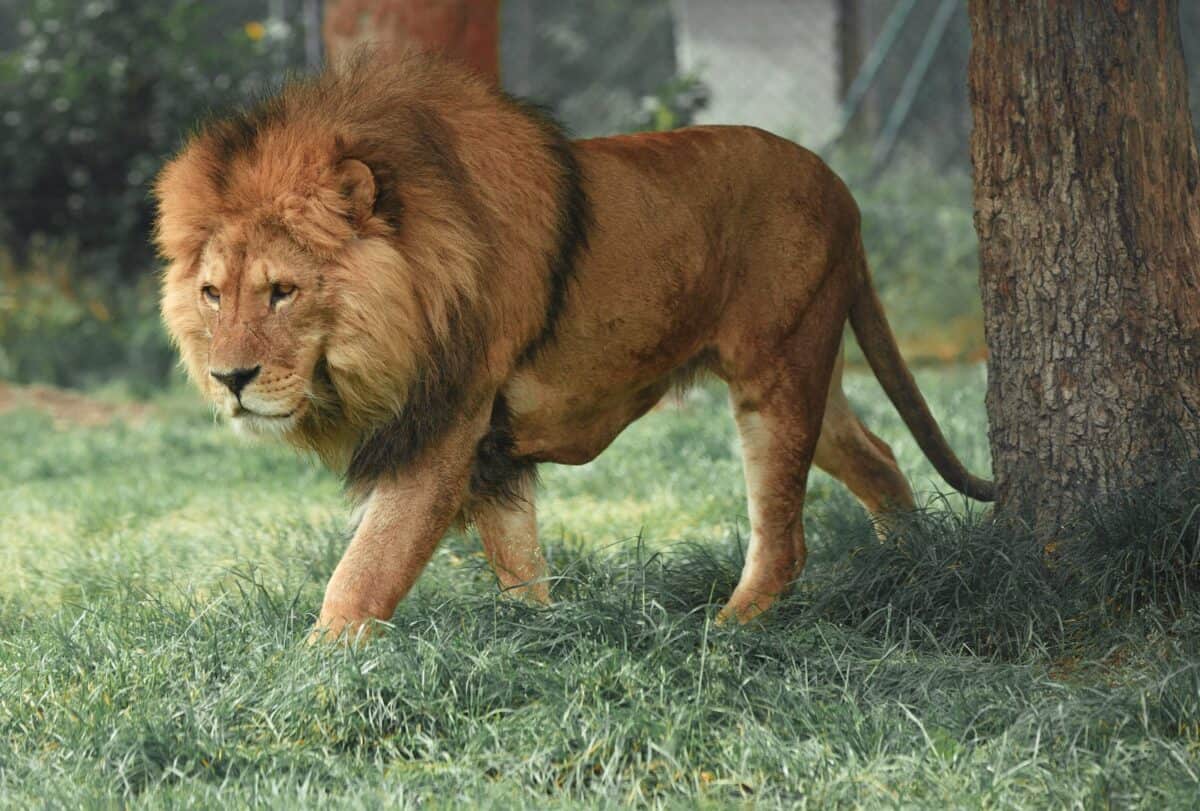
When a male lion loses his pride, the immediate physical consequences can be severe. Battle wounds from confrontations with rival males often include deep lacerations, puncture wounds, broken bones, and infections that go untreated without the protection of the pride. Research from the Serengeti Lion Project indicates that approximately 35% of males who lose their pride die within the first year due to complications from injuries sustained during takeover battles.
Nutritional stress quickly follows pride loss—solitary males must hunt alone, dramatically reducing their hunting success from 30% when hunting with the pride to less than 15% as individuals. This nutritional deficit leads to rapid weight loss; males can lose up to 15% of their body weight within weeks after separation from their pride. The physical toll is compounded by increased energy expenditure as they travel more extensively, sometimes covering 30-40 kilometers daily compared to 5-10 kilometers when with the pride.
Psychological Effects of Pride Loss

The psychological impact of pride loss on male lions, while difficult to quantify scientifically, is evident through behavioral changes that suggest profound distress. Displaced males exhibit signs of what researchers term “social depression”—reduced activity levels, diminished grooming behaviors, and prolonged periods of isolation. Hormonal studies show dramatic fluctuations in testosterone and cortisol levels following pride loss, indicating significant stress responses.
Field observations document displaced males spending up to 20 hours daily in sedentary positions, compared to 16 hours for pride males, suggesting psychological withdrawal. Vocalizations also change markedly; pride-less males roar less frequently but with greater intensity when they do, possibly reflecting both territorial insecurity and attempts to locate coalition partners. Some displaced males have been observed returning to the periphery of their former territories repeatedly, suggesting a form of attachment or mourning for their lost social position that persists for months.
Nomadic Existence and Survival Strategies

After pride loss, a male lion transitions to a nomadic existence characterized by constant movement and opportunistic resource exploitation. These nomads adopt distinctive survival strategies to compensate for their vulnerable solitary status. They become primarily nocturnal, with over 80% of their movement occurring after dark to avoid confrontations with dominant pride males. Dietary flexibility increases dramatically; while pride lions focus on optimal prey like wildebeest and zebra, nomadic males supplement their diet with smaller prey, carrion, and occasionally prey stolen from other predators—a behavior rarely observed in pride males.
GPS tracking studies reveal that nomadic males establish temporary home ranges of 60-100 square kilometers but shift these ranges every 2-3 months. Some form temporary alliances with other displaced males, creating small coalitions of 2-3 individuals that improve hunting success by up to 25%. These survival adaptations demonstrate remarkable behavioral plasticity but come with significant energy costs and stress that ultimately shortens their lifespan.
The Fate of Cubs: Infanticide

One of the most dramatic consequences of male turnover in lion prides is infanticide—the killing of cubs by incoming males. When new males take over a pride, they systematically eliminate all cubs under 9 months of age. This behavior, while seemingly cruel, serves an evolutionary purpose by bringing females back into estrus sooner, allowing the new males to father their own offspring. Studies in the Serengeti have documented that approximately 25% of all lion cub deaths result from infanticide following male takeovers.
The biological impact is significant: pride takeovers can reduce reproductive success by up to 40% for affected females in the short term. Cubs that survive the initial takeover face increased mortality from neglect, as mothers may become temporarily separated from the pride during the chaotic transition. The ecological ripple effect extends beyond individual families, as these reproductive disruptions can affect local lion population dynamics for years, especially in fragmented habitats where replacement males are scarce.
Changes in Pride Dynamics

When a male lion loses his position, the entire pride undergoes significant restructuring. Female hierarchies, which typically remain relatively stable for years, can rapidly shift as sisters and daughters realign allegiances with new male leaders. Pride cohesion may temporarily fracture, with females dispersing into smaller sub-units until stability returns. Hunting patterns change dramatically; research from Kruger National Park shows that hunting success rates drop by 15-20% during the transition period as coordinated strategies developed over years dissolve.
Territory boundaries contract by an average of 30% during leadership transitions as the pride becomes more defensive and less assertive in border patrolling. These changes have cascading effects on prey species distributions and competitor predator movements in the ecosystem. The social disruption persists for 3-6 months before new stable patterns emerge under the leadership of the incoming males, demonstrating the resilience but also vulnerability of the pride structure.
Attempts to Reclaim the Pride

Dethroned male lions don’t always accept their fate passively. Approximately 30% of displaced males attempt to reclaim their former prides, particularly within the first three months after expulsion. These comeback attempts follow distinct patterns: initial reconnaissance from distance, gradually decreasing buffer zones, and finally direct confrontations with the new males. Success in these reconquest efforts is rare—less than 10% according to long-term studies in Tanzania’s Selous Game Reserve—and heavily dependent on several factors.
Males who were part of larger coalitions (3-4 individuals) and maintain these partnerships have significantly higher success rates than singleton males. The timing is critical; attempts made within one month of displacement have higher success rates than delayed challenges. Age and physical condition remain decisive factors; males over 10 years rarely succeed regardless of strategy. Failed reconquest attempts often result in severe or fatal injuries, explaining why many displaced males ultimately adopt avoidance strategies rather than confrontational ones after initial failures.
Male Coalitions and Their Role in Survival

Male lion coalitions—alliances between 2-6 related or unrelated males—represent a crucial adaptation that significantly impacts survival after pride loss. These partnerships provide multiple advantages: enhanced hunting success with documented improvements of 30-40% compared to solitary males; increased vigilance with coalition members taking shifts sleeping and watching; and greater territorial defense capabilities. Coalitions form primarily between brothers or cousins (70% of documented cases), but unrelated males also form stable alliances based on mutual benefit.
The strength of these bonds is remarkable; coalition partners have been observed defending injured allies against hyenas and providing food access to disabled partners. Long-term studies in the Okavango Delta reveal that males in coalitions live an average of 2-3 years longer than solitary males after pride loss. Coalition stability becomes the primary predictor of a displaced male’s ability to acquire a new pride, with larger coalitions of 3-4 males having acquisition rates three times higher than pairs or singletons.
Chances of Claiming a New Pride
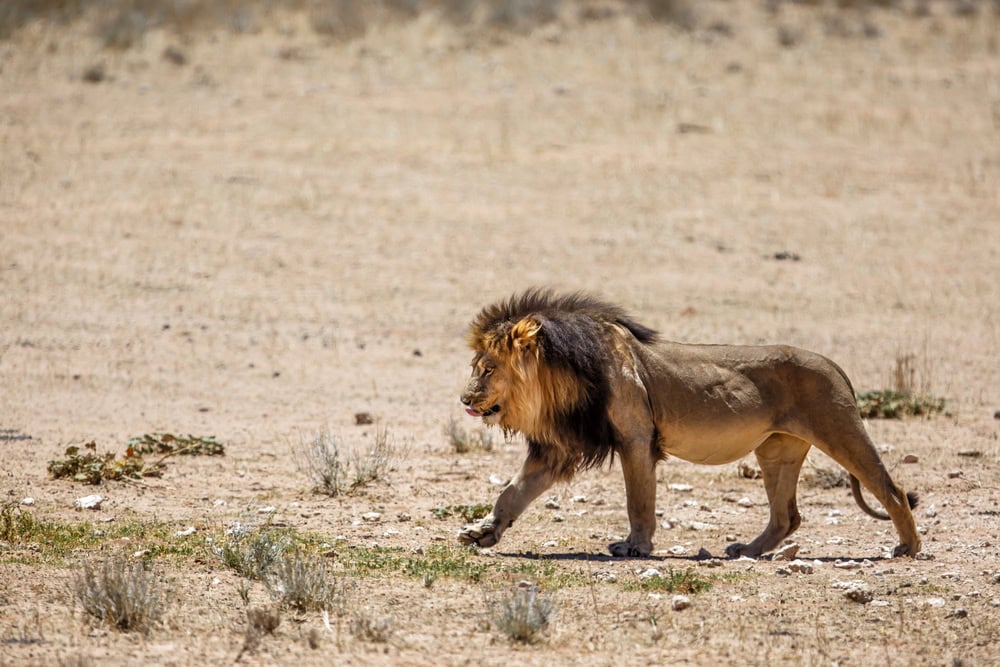
For a displaced male lion, the probability of establishing dominance over a new pride depends on multiple interconnected factors. Age serves as a primary determinant—males between 5-8 years have the highest success rates, claiming new prides in 35-40% of documented cases. Coalition size dramatically influences outcomes; solitary males succeed in only 10% of attempts, pairs achieve 25% success, while coalitions of three or more can reach 60% success rates. Geographic factors play a crucial role; males displaced in areas with higher pride density and fragmented lion populations face greater competition.
The timing of takeover attempts is strategic; successful males typically target prides with aging leadership or those recently weakened by territorial disputes. Physical condition remains essential; GPS collar data reveals successful males maintain higher daily movement rates (averaging 15km vs. 8km for unsuccessful males) indicating superior fitness. The cumulative statistics paint a challenging picture—across multiple study sites in East and Southern Africa, only about 25% of displaced males ever successfully claim another pride.
Ecological Impact of Displaced Males

Nomadic male lions create distinctive ecological footprints that differ significantly from pride-affiliated males. Their wider-ranging movements serve as genetic connectivity agents between otherwise isolated lion subpopulations, with genetic studies confirming that nomadic males contribute disproportionately to gene flow across distances exceeding 100 kilometers. Their hunting patterns exert different selective pressures on prey species; while pride lions focus on larger herd animals in open areas, nomadic males target smaller prey and solitary animals in denser vegetation.
This creates more dispersed predation pressure across the landscape. Their territorial behavior influences other predator distributions; research in the Masai Mara shows areas with nomadic male lions experience 30% fewer hyena concentrations compared to pride territories. Nomadic males are more likely to engage in anthropogenic conflict as they push into marginal habitats and livestock areas; conservation data indicates they account for approximately 60% of human-lion conflict incidents despite representing only 15-20% of male lion populations.
Impact on Lion Conservation

The dynamics of pride loss and male displacement have significant implications for lion conservation efforts. Trophy hunting targeting prime males disrupts natural selection processes; studies in Tanzania demonstrated that selective removal of dominant males increased cub mortality by 30% through accelerated pride turnover rates. Conservation approaches increasingly recognize the need to preserve entire social units rather than focusing solely on population numbers. Protected area design must account for male dispersal corridors of 50-100 kilometers to maintain genetic connectivity between lion populations.
Male coalition formation has been identified as a critical resilience factor in recovering lion populations; conservation programs in Mozambique and Zimbabwe now prioritize protection of young male groups based on this understanding. Human-wildlife conflict mitigation efforts increasingly differentiate between pride-affiliated and nomadic males, with targeted interventions for the latter who pose greater conflict risks. Climate change models predict increased pride fragmentation and displacement rates as traditional territories become less sustainable, creating urgent challenges for adaptive conservation strategies in the coming decades.
Conclusion: The Lion’s Journey Beyond the Pride

The journey of a male lion after losing his pride represents one of nature’s most profound transitions—from social dominance to vulnerable solitude, from genetic success to survival struggle. This transition reveals the complex interplay between individual resilience, social structures, and ecological systems that have evolved over millennia. For conservation efforts to succeed, they must address not just population numbers but the intricate social dynamics that determine lion population health and genetic diversity.
The story of displaced males, though often tragic for the individuals involved, serves a crucial evolutionary purpose in maintaining genetic vigor and social stability in lion populations. As we continue to learn more about these magnificent predators, we gain not just scientific knowledge but deeper insight into the delicate balance of power, survival, and adaptation that characterizes life in the African savanna.

- Essential Grooming Tips to Keep Your Pup’s Coat Healthy! - July 30, 2026
- 17 “Forever Puppy” Dog Breeds With Baby Personalities - July 29, 2026
- How Each Zodiac Sign Would Fare as an Animal in the Jungle - July 29, 2026