


When President Richard Nixon signed the Endangered Species Act (ESA) into law on December 28, 1973, he set in motion one of America’s most important and effective environmental protection measures. For nearly five decades, this landmark legislation has served as a critical safety net for species on the brink of extinction, fundamentally changing how we approach wildlife conservation in the United States. While debates about the ESA’s economic impacts and implementation continue, its biological achievements are undeniable. From the iconic bald eagle to the tiny Delta smelt, the ESA has prevented the extinction of 99% of the species it protects and has set the global standard for conservation legislation. This article explores the significant achievements of the Endangered Species Act, examining both its successes and the challenges that remain in preserving America’s biodiversity for future generations.
The Origins and Framework of the Endangered Species Act

The Endangered Species Act emerged during a period of growing environmental awareness in America. Building upon earlier legislation like the Endangered Species Preservation Act of 1966 and the Endangered Species Conservation Act of 1969, the ESA provided unprecedented comprehensive protection for species facing extinction. The law passed with overwhelming bipartisan support—the House voted 390-12 and the Senate 92-0—reflecting the broad consensus around conservation at that time.
The ESA’s framework is built on several key provisions. It authorizes the listing of species as either “endangered” (in danger of extinction throughout all or a significant portion of its range) or “threatened” (likely to become endangered in the foreseeable future). Once listed, species receive protection from harm, harassment, and habitat destruction. The Act also requires the designation of “critical habitat” essential for recovery and mandates the development of recovery plans. Perhaps most significantly, the ESA requires all federal agencies to ensure their actions do not jeopardize listed species or destroy designated critical habitat, making conservation a government-wide responsibility rather than relegating it to a single agency.
Success Stories: Species Brought Back from the Brink
The American bald eagle stands as perhaps the most recognizable ESA success story. When first listed in 1967, fewer than 500 nesting pairs remained in the lower 48 states, decimated by hunting, habitat loss, and the effects of DDT. Through ESA protections, including habitat conservation and the banning of DDT, bald eagle populations rebounded dramatically to more than 9,700 nesting pairs by the time of their delisting in 2007. Today, the population exceeds 15,000 pairs—a remarkable 30-fold increase.
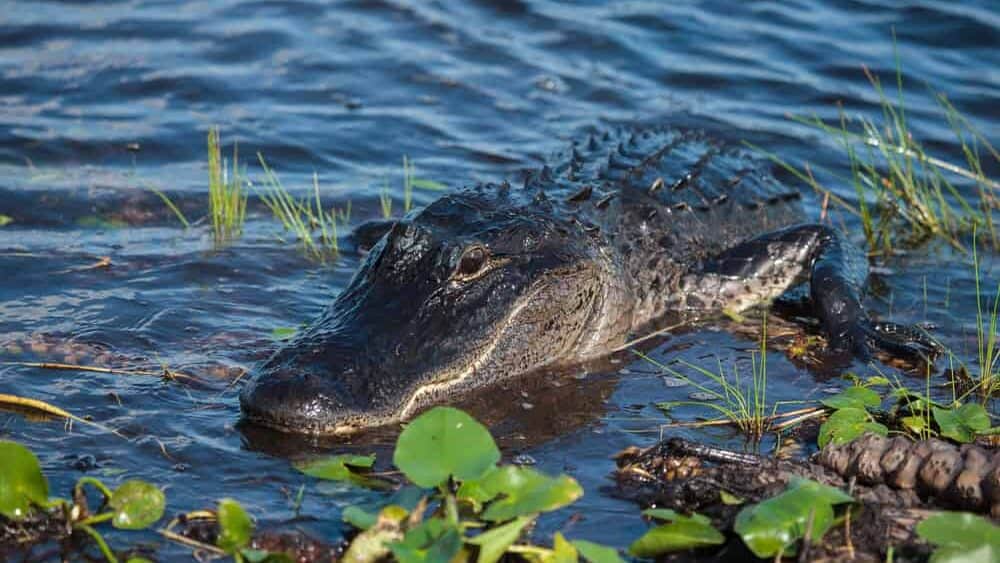
Other notable success stories include the American alligator, which recovered from severe depletion due to hunting and habitat loss to become abundant enough for delisting in 1987. The peregrine falcon, once devastated by DDT, has increased from 324 known nesting pairs in 1975 to more than 3,000 pairs today. The gray whale, humpback whale, and brown pelican have all seen significant population recoveries under ESA protection. These species represent not just biological achievements but cultural ones as well, as they have become symbols of conservation success and national pride.
The Numbers: Quantifying the ESA’s Impact

Statistically, the ESA has demonstrated remarkable effectiveness in its primary mission of preventing extinction. According to the U.S. Fish and Wildlife Service, the Act has prevented the extinction of approximately 99% of the species it protects. Since its inception, only 11 species have been declared extinct after receiving ESA protection, and at least eight of these were likely already extinct when they were listed. By comparison, 48 U.S. species went extinct in the 50 years before the ESA’s enactment.
As of 2023, over 1,600 species are protected under the ESA. Of these, 54 species have recovered sufficiently to be delisted, with dozens more downlisted from endangered to threatened status. Recovery is a long-term process—the average listed species has been protected for 38 years—but studies show that the longer a species receives protection, the more likely it is to recover. A 2016 study found that 85% of species with recovery plans are meeting or exceeding recovery plan timelines, indicating that when properly implemented and funded, the ESA works as designed.
Habitat Protection and Ecosystem Benefits

One of the ESA’s most significant innovations was recognizing that species cannot survive without adequate habitat. Through critical habitat designations, the Act has protected millions of acres of land and water. These protections extend benefits far beyond listed species, creating what scientists call an “umbrella effect” that shields entire ecosystems. For example, protections for the northern spotted owl have preserved significant portions of old-growth forest in the Pacific Northwest, benefiting countless other species that share this habitat.
The ESA has also spurred the development of Habitat Conservation Plans (HCPs), which allow for economic development while ensuring overall conservation benefits. As of 2023, more than 1,000 HCPs have been approved, covering millions of acres and numerous species. These plans represent an evolution in conservation thinking, recognizing that effective species protection requires landscape-level approaches rather than focusing narrowly on individual populations. By preserving ecosystem functions and services, the ESA provides economic benefits in the form of clean water, flood control, pollination, and recreation opportunities valued in the billions of dollars annually.
Recovery Planning and Scientific Advances

The ESA requires the development of recovery plans for listed species, providing a science-based roadmap for restoration efforts. These plans identify threats, establish recovery criteria, and outline specific actions needed. While early recovery plans were often simplistic, modern plans incorporate sophisticated population modeling, genetic analysis, and adaptive management approaches. This evolution reflects both advances in conservation biology and lessons learned from implementation experience.
The scientific rigor demanded by the ESA has spurred major advances in conservation biology. The need to understand endangered species has generated research on minimum viable populations, metapopulation dynamics, and genetic bottlenecks. The concept of adaptive management—treating conservation actions as experiments from which to learn—has been refined through ESA implementation. Technologies like genetic analysis, remote monitoring, and habitat modeling have all advanced significantly through application to endangered species recovery. These scientific contributions extend far beyond listed species, informing conservation practices worldwide.
Economic Benefits and Innovative Partnerships

While critics have portrayed the ESA as an economic burden, evidence suggests the Act has generated significant economic benefits. Tourism centered around recovered species like bald eagles, gray wolves, and sea turtles generates millions in revenue for local economies. The outdoor recreation economy, which depends on healthy ecosystems, contributes $862 billion annually to the U.S. economy according to the Bureau of Economic Analysis. Ecosystem services protected by the ESA, including water filtration, flood control, and pollination, provide billions in economic value.
The ESA has also stimulated innovative conservation partnerships. Safe Harbor Agreements, which provide regulatory assurances to landowners who voluntarily help recover species, have enrolled millions of acres in conservation. Candidate Conservation Agreements have prevented the need to list numerous species by addressing threats proactively. Habitat Conservation Plans balance development needs with species protection. These flexible tools demonstrate how economic development and species conservation can be compatible when approached creatively, contradicting the false narrative that environmental protection and economic growth are inherently at odds.
Marine Species Protection

The ESA’s impact extends well beyond terrestrial environments into America’s oceans, coasts, and waterways. Marine species like the southern sea otter, which had dwindled to about 50 individuals in the early 20th century, now number more than 3,000 along the California coast. Multiple whale species, including the humpback, gray, and blue whales, have seen population increases under ESA protection. The Hawaiian monk seal and several sea turtle species have stabilized or increased their numbers due to conservation measures required by the Act.
For marine species, the ESA has prompted crucial protective measures like turtle exclusion devices in fishing nets, shipping lane modifications to avoid whale strikes, and water quality improvements in coastal areas. These measures illustrate how the ESA has driven innovation in sustainable resource use. The Act has also highlighted the interconnected nature of marine conservation, demonstrating that effective protection requires addressing threats across jurisdictional boundaries and throughout species’ life cycles—a principle that has influenced international marine conservation agreements and practices.
Plant Conservation Achievements

Although animals tend to receive more public attention, the ESA has been equally important for plant conservation. Of the species protected under the Act, approximately 900 are plants. Without this protection, many would likely be extinct today. Success stories include the Tennessee purple coneflower, Robbins’ cinquefoil, and Maguire daisy—all of which have recovered sufficiently to be delisted. The ESA has also prevented the extinction of numerous other plant species that, while still endangered, are slowly increasing in number under active management.
Plant conservation under the ESA has faced unique challenges. Plants on private land receive less protection than animals, and their recovery often requires intensive habitat management. Despite these challenges, the ESA has raised awareness about the importance of plant diversity and has spurred the development of specialized conservation techniques like seed banking, propagation protocols, and habitat restoration methods. These advances benefit not just listed plants but plant conservation broadly. Given that plants form the foundation of terrestrial ecosystems and provide essential services like oxygen production, carbon sequestration, and erosion control, their protection under the ESA represents a crucial investment in ecological health.
Cultural and Educational Impact

Beyond its biological achievements, the ESA has profoundly influenced American cultural attitudes toward wildlife and conservation. Species like the bald eagle, gray wolf, and grizzly bear have transitioned in the public consciousness from pests or commodities to valued components of our natural heritage. This shift represents an important cultural achievement that extends beyond numbers on a population chart. The Act has also created educational opportunities, with recovery efforts for charismatic species like the California condor and Florida panther serving as vehicles for public engagement with conservation issues.
The ESA has influenced how Americans relate to the landscapes they inhabit, fostering a sense of responsibility for the welfare of native species. Conservation success stories have become sources of local and national pride, while the Act’s emphasis on science-based decision-making has strengthened the role of scientific evidence in public policy. These cultural impacts are difficult to quantify but represent a significant part of the ESA’s legacy. By establishing the principle that Americans have a collective responsibility to prevent extinctions, the Act has helped shape our national identity as stewards rather than simply consumers of natural resources.
Challenges and Limitations

Despite its successes, the ESA faces significant challenges. Chronic underfunding has limited implementation effectiveness, with the U.S. Fish and Wildlife Service receiving only about 3.5% of the funding that would be needed to fully implement all recovery plans. Political controversy has created uncertainty, with varying levels of commitment to enforcement across different administrations. The listing process itself has become contentious, with decisions often driven by litigation rather than biological priority. These constraints have slowed recovery efforts for many species.
Climate change presents perhaps the greatest challenge to the ESA’s effectiveness. Many recovery plans were developed before climate change was recognized as a major threat and don’t adequately address its impacts. Rising temperatures, changing precipitation patterns, and sea level rise are altering habitats faster than many species can adapt. The ESA’s historical focus on addressing discrete, controllable threats like hunting or pollution makes it less effective against diffuse, global threats like climate change. How the Act will adapt to these new challenges remains an open question that will likely determine its long-term relevance in conservation.
The Road Ahead: Future Challenges for the ESA

As the ESA approaches its 50th anniversary, it faces both new challenges and opportunities. The accelerating biodiversity crisis means more species will likely require protection, potentially overwhelming the system’s capacity. Climate change will necessitate new approaches to habitat protection, possibly including the controversial concept of assisted migration. Emerging threats like wildlife diseases, invasive species, and novel pollutants will demand innovative responses. Meeting these challenges will require sustained public support, adequate funding, and continued evolution of implementation approaches.
The future effectiveness of the ESA will depend largely on how well it can adapt to these changing conditions while maintaining its core commitment to science-based conservation. Potential adaptations include more efficient listing processes, landscape-scale conservation approaches, increased emphasis on ecosystem protection, and stronger partnerships with private landowners. The Act’s history suggests it has the flexibility to evolve—from its early focus on stopping direct harm to species to its current emphasis on habitat protection and recovery planning. This adaptability, combined with the Act’s strong legal foundation, provides reason for cautious optimism about its continued relevance in American conservation.
Conclusion: The Enduring Legacy of America’s Conservation Safety Net

The Endangered Species Act stands as one of America’s most important conservation achievements, creating a safety net that has prevented the extinction of hundreds of species and protected millions of acres of habitat. Its success in recovering iconic species like the bald eagle, American alligator, and peregrine falcon demonstrates what can be accomplished with legal protection, science-based management, and sustained commitment. The Act’s influence extends far beyond individual species, having transformed our cultural relationship with wildlife, advanced conservation science, and protected ecosystem functions that benefit all Americans.
Despite its challenges and limitations, the ESA’s core principle—that we have a responsibility to prevent the extinction of other species—remains as relevant today as it was in 1973. As biodiversity faces unprecedented threats from habitat loss, climate change, and other human activities, the ESA provides a tested framework for conservation action. Its accomplishments so far, while impressive, represent only the beginning of what will be needed to maintain America’s natural heritage for future generations. The true measure of the Act’s success will be how well it adapts to address emerging conservation challenges while maintaining its unwavering commitment to preventing extinctions.
As we look toward the next fifty years of endangered species conservation, the ESA’s record of achievement provides both inspiration and valuable lessons. Its successes demonstrate that extinction is not inevitable when society commits to prevention. Its challenges highlight the need for adequate resources, political support, and continued innovation. Together, these lessons offer a roadmap for strengthening this crucial legislation as it confronts the conservation challenges of the 21st century. The ESA’s greatest achievement may be showing that when America commits to conservation, recovery is possible—even for species on the very brink of extinction.

From exploring the marine wonders in the Azores and witnessing the vast savannas of Kenya, to delving deep into the rich biodiversity of South Africa and traversing iconic landscapes in Australia and the US like Yellowstone, Chris's experiences are vast.
With a penchant for diving alongside sharks, the ocean holds a special place in his heart.
Through his academic insights, he champions wildlife conservation, striving with 'Animals Around The Globe' to cultivate a profound connection between humans and animals, enhancing our mutual appreciation.
Connect with him at Feedback@animalsaroundtheglobe.com.