
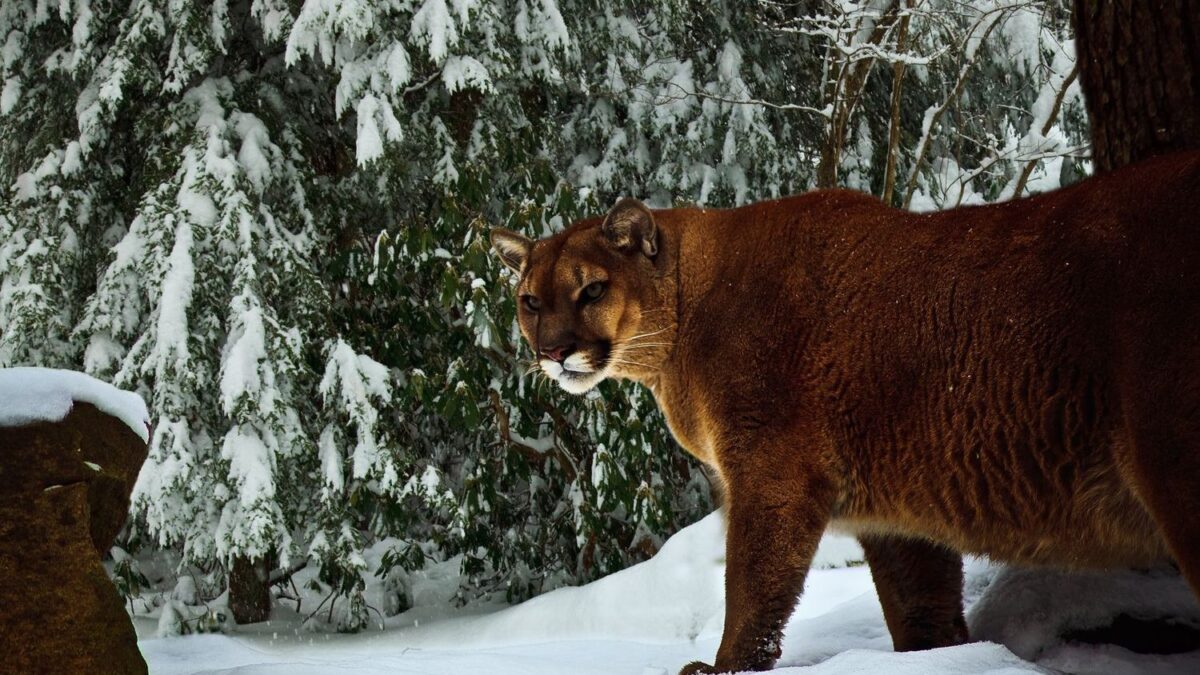
Picture this: you’re hiking alone at dawn, enjoying the crisp morning air when suddenly a blood-curdling scream pierces the silence. Your heart races as you realize this isn’t human. This bone-chilling sound, often described as a woman in distress, belongs to one of America’s most elusive predators: the mountain lion.
These magnificent cats don’t roar like their African cousins. Instead, they produce an unforgettable scream that serves as both mating call and territorial warning. Understanding where these vocalizations occur most frequently can help outdoor enthusiasts stay informed while exploring America’s wild spaces.
Colorado: The Mountain Lion Capital
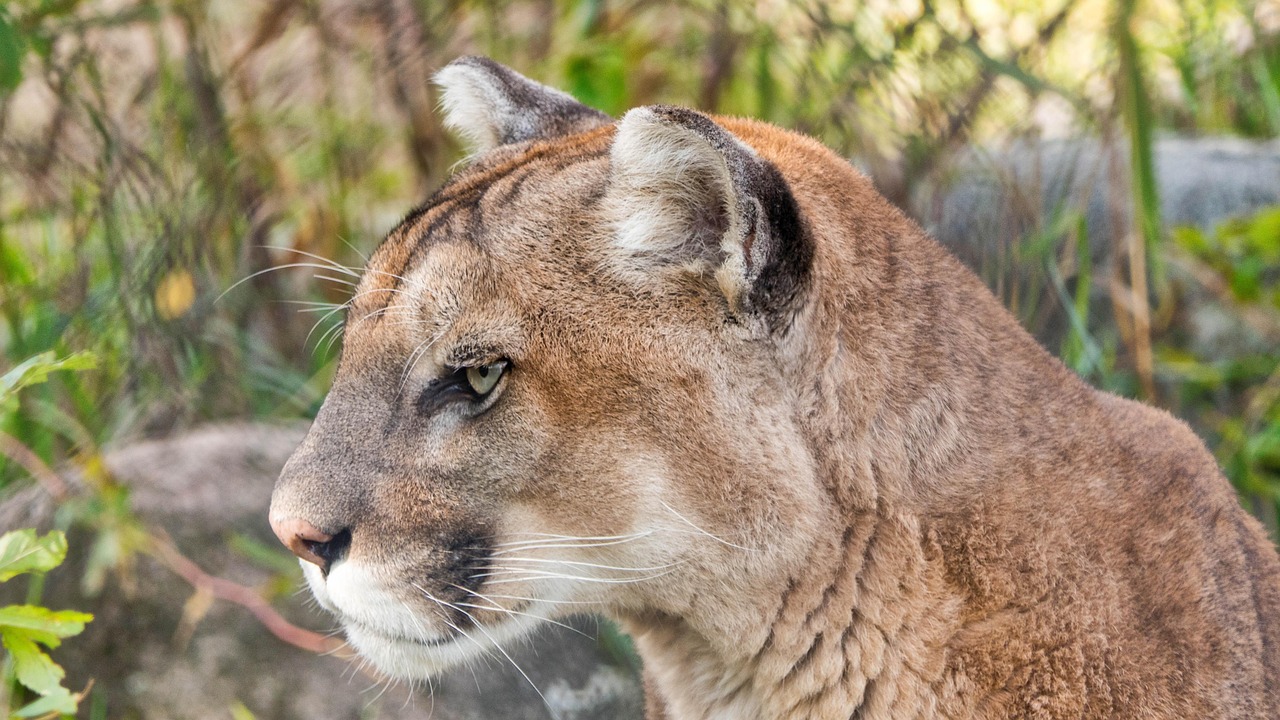
Colorado reigns as the state with the highest known population of mountain lions, with about seven thousand mountain lions scattered across this state, mostly in areas with rocky and mountainous habitats. The vast wilderness areas and abundant elk populations create perfect conditions for these predators to thrive. There have been so many sightings around Manitou Springs that the city put out a notice to make people aware.
Mountain lion sightings are increasing in Colorado, with one area of the state reporting a 51% increase in the first 10 months of this year as compared to all of 2020. The Pikes Peak region has become particularly active, with hikers reporting both visual encounters and those haunting screams echoing through the canyons at dusk and dawn.
Oregon’s Dense Forest Sanctuary
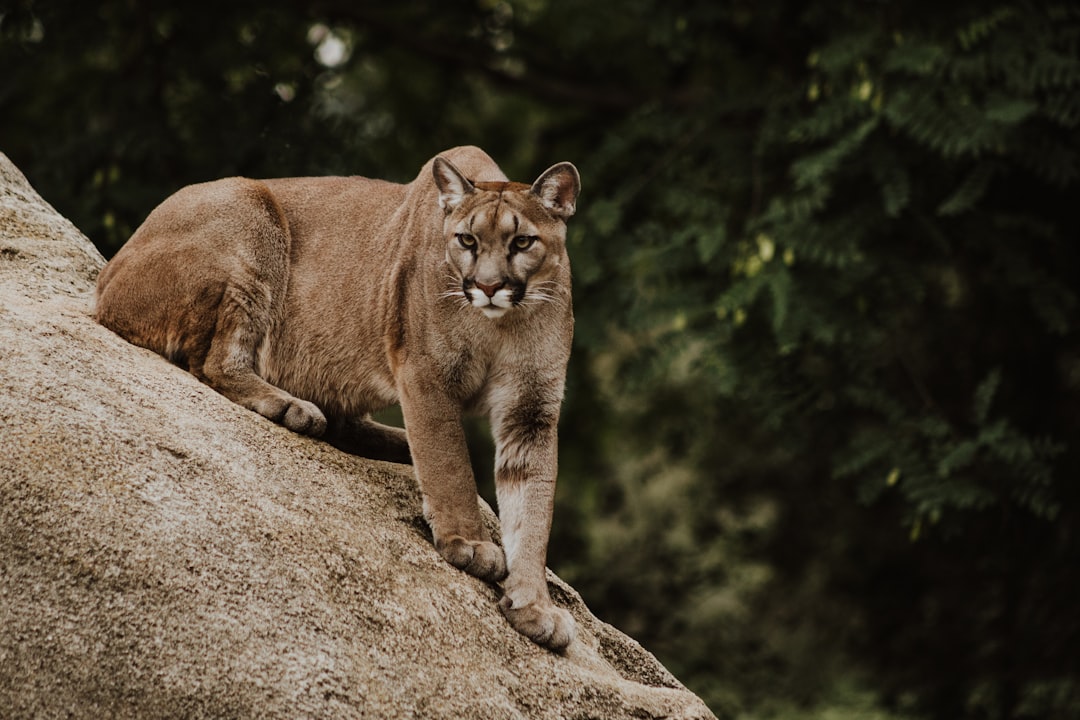
Oregon also has some of the largest populations of mountain lions. Oregon’s thick forests are a dream for mountain lions, who number around 6,000 in the state. The state’s expansive wilderness areas provide perfect habitat for these solitary hunters, especially in the Cascade Range and coastal mountains.
These solitary hunters stick to remote areas and are rarely seen, but they’re definitely out there. Oregon relies on hunting regulations and wildlife science to help manage cougar populations year-round. Recent suburban sightings, including a mountain lion caught on security camera in Aloha, demonstrate how these cats occasionally venture into populated areas during their nocturnal wanderings.
Washington’s Cascade Wilderness
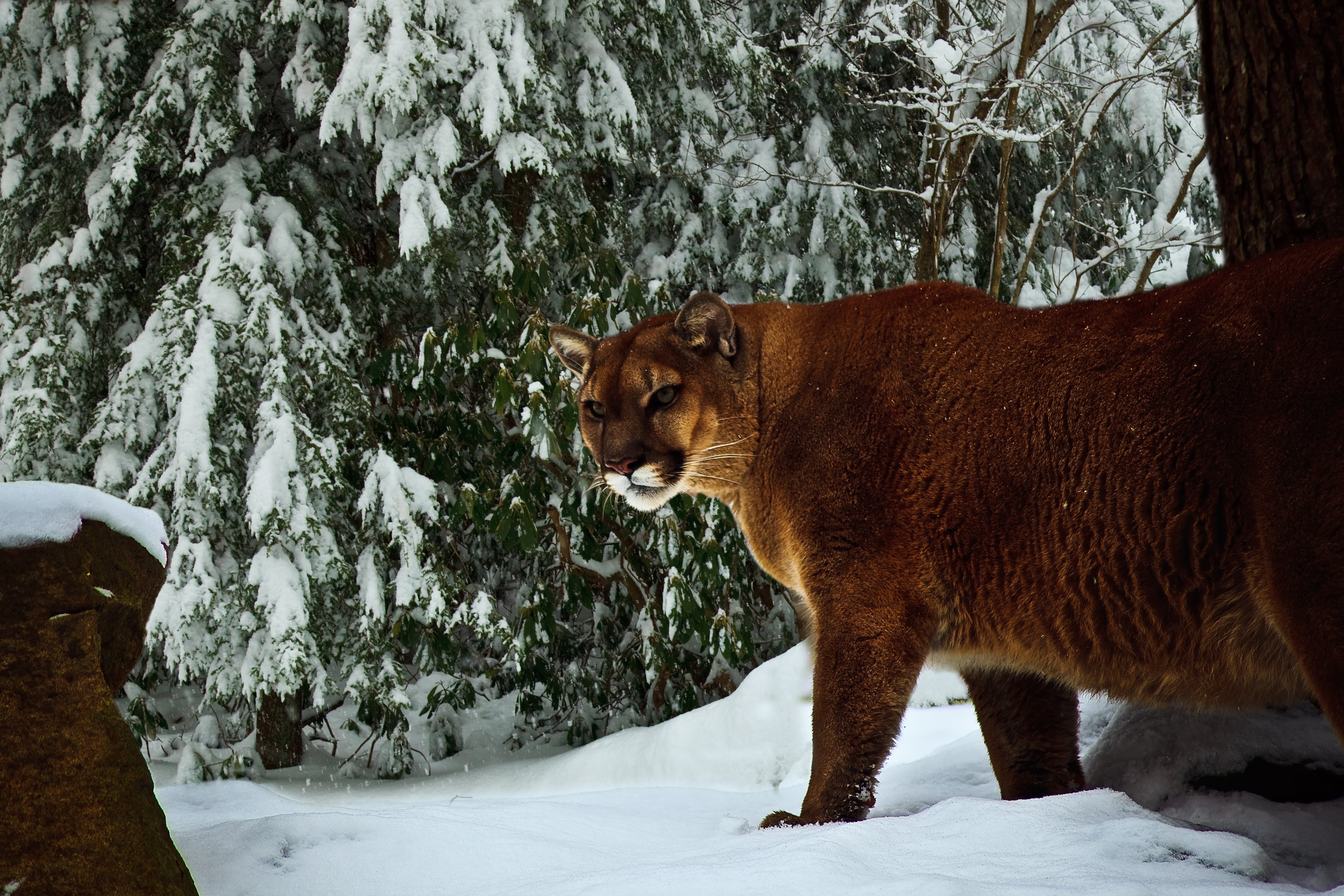
According to a 2022 report from the Washington Department Fish and Wildlife, the mountain lion population is approximately 3,600. The majority of these cats inhabit the Cascades and surrounding terrain. The state’s dense forests and mountainous terrain create ideal conditions for mountain lion encounters, particularly during mating season.
Washington has witnessed some dramatic encounters in recent years. Olympic National Park, with its temperate rainforests, provides perfect stalking cover for these apex predators. Hikers often report hearing the distinctive screams echoing through the forest canopy, especially during spring breeding season when females vocalize to attract mates.
California’s Wild Diversity
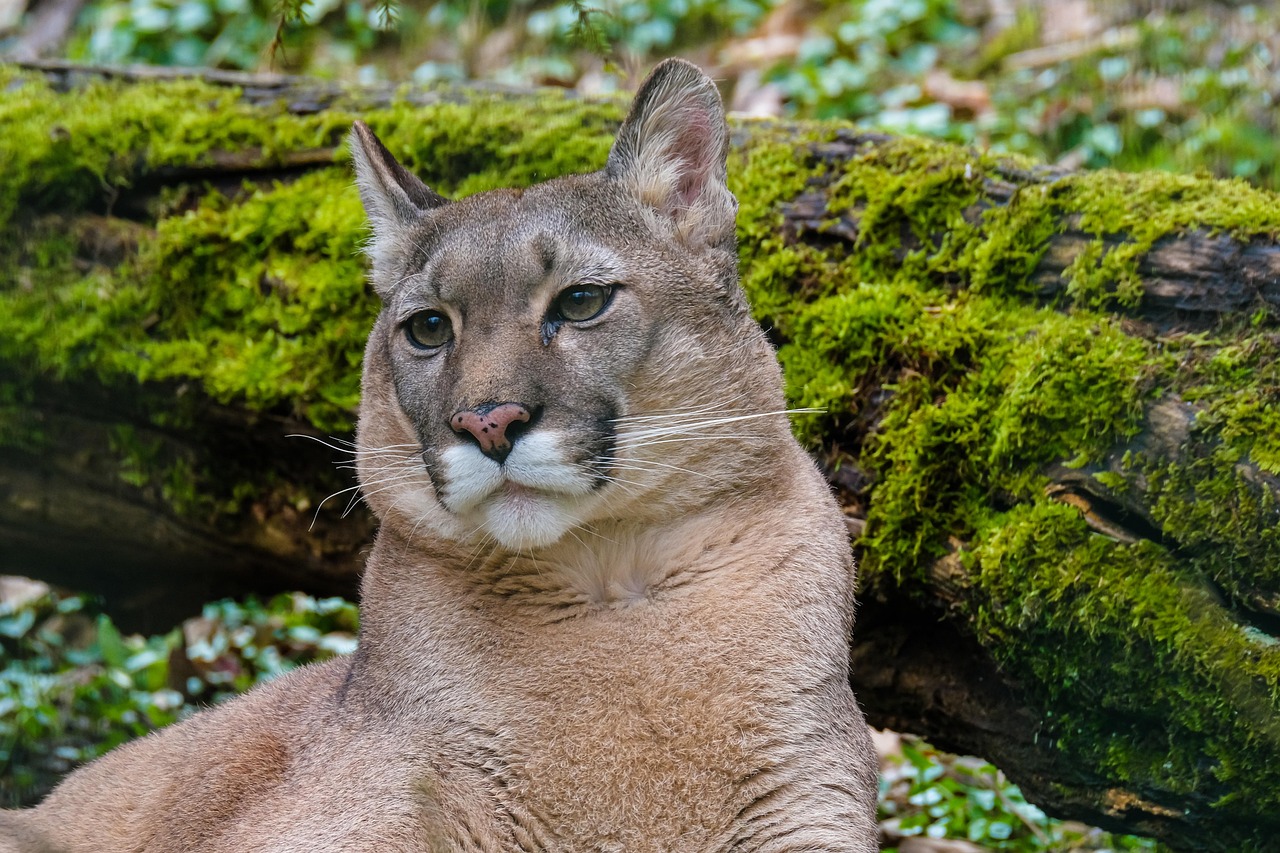
California: Home to one of the largest populations, with estimates between 4,000-6,000. From the Santa Monica Mountains near Los Angeles to the Sierra Nevada range, California offers incredibly diverse mountain lion habitat. The Santa Monica Mountains near Los Angeles, California are also well-known for their large mountain lion population.
The Golden State banned mountain lion hunting in 1972, contributing to population recovery. Urban-wildland interface areas have become hotspots for encounters, with residents sometimes hearing screams from their backyard decks. Yosemite and other national parks regularly record mountain lion vocalizations, particularly in areas with high deer concentrations.
Montana’s Vast Territory
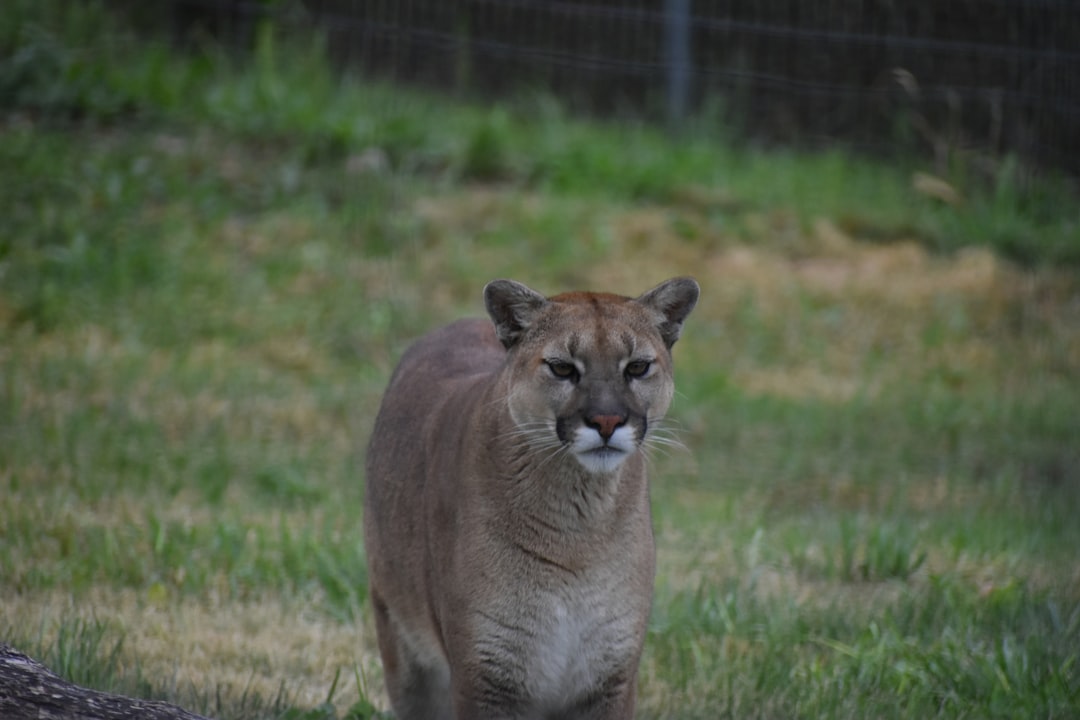
Montana: 3,000-5,000, with controlled hunting practices. Montana is another star with vast amounts of land that are suitable for mountain lion populations to thrive. There are about 5,300 mountain lions in the state. The state’s enormous wilderness areas and minimal human development create pristine mountain lion habitat.
If mountain lions could design a dream home, it’d probably look a lot like Montana. This state has deep wilderness, little development, and lots of prey. Glacier National Park and the Bob Marshall Wilderness Complex are particularly active areas where visitors might hear those spine-tingling screams during twilight hours.
New Mexico’s Rocky Strongholds
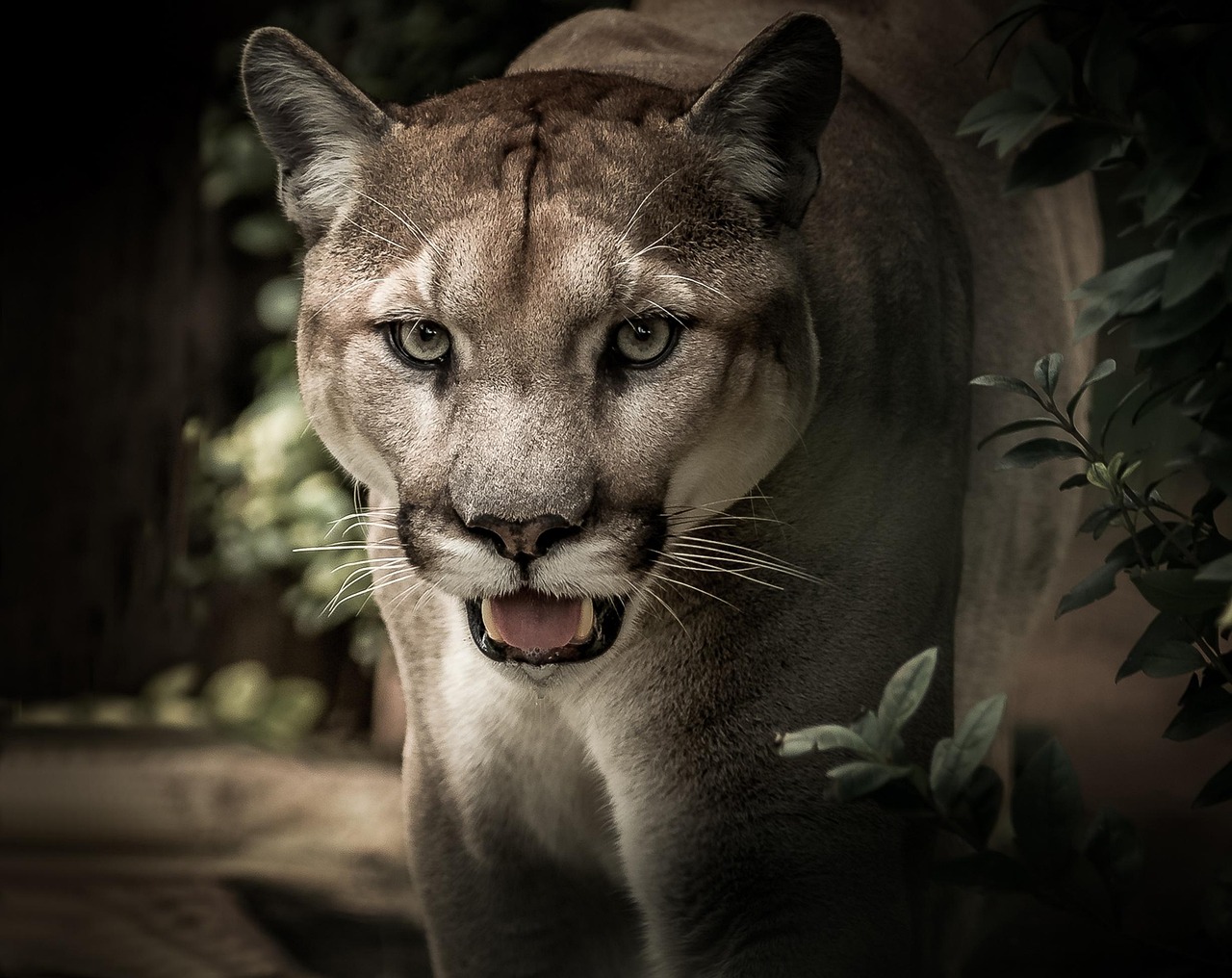
New Mexico: 3,500, thriving in the state’s rugged terrain. New Mexico and Arizona are largely similar in formation, and also in mountain lion size. The population of mountain lions is estimated to be around 3500. The state’s diverse landscapes, from high desert to alpine forests, support robust mountain lion populations.
These states are home to many tracts of untouched rocky landscape, where bighorn sheep reside in large populations. Bighorn sheep, while iconic, are one of the best prey for mountain lions, as they are used to traversing lumpy and mountainous terrain. The Sangre de Cristo and Sandia mountains regularly echo with mountain lion screams, particularly during the February through May breeding season.
Texas Hill Country Surprises
Texas holds the most diverse population of mountain lions and is also the most plentiful. Mountain Lions are most abundant in the Trans-Pecos region of the state, where there are about 50,000-80,000 acres of suitable land for the mountain lions to call home. While there isn’t any official population number, it is estimated that several thousand mountain lions inhabit the state.
The Trans-Pecos region, including Big Bend National Park, offers prime mountain lion habitat. These cats have adapted to the harsh desert environment, and their screams often carry across canyons during cool desert nights. Many visitors to Big Bend report hearing these haunting calls echoing off limestone cliffs.
Florida’s Endangered Panthers
Florida: The Florida panther, a subspecies, has a population estimated at 120-230. Florida panthers, another subspecies in the United States, is listed as critically endangered as there are only an estimated 120-230 combined juveniles and adults remaining. Florida represents the only place east of the Mississippi River where you might hear a mountain lion’s cry in the wild.
The Everglades and surrounding areas provide the last refuge for these cats in the eastern United States. Florida is the only state on the East Coast with a breeding population of mountain lions. The Florida panther is an endemic subspecies of cougar that has lived in the Everglades region for a very long time. Conservation efforts have helped stabilize this population, though encounters remain extremely rare.
Understanding where mountain lions call home can enhance your outdoor experiences while keeping safety in mind. These calls are mostly associated with mating. The likelihood of hearing a scream is rare unless you’re near a female in heat. These magnificent predators continue to reclaim their historic territories, reminding us that true wilderness still exists in America.
Whether you’re planning a backcountry adventure or simply curious about wildlife, knowing these hotspots can help you appreciate the presence of one of North America’s most impressive predators. What wilderness area would you most want to explore, knowing you might hear that unforgettable mountain lion scream echoing through the trees?
