


Reindeer, or caribou as they’re known in North America, have captivated human imagination for centuries with their majestic antlers and remarkable adaptation to some of Earth’s harshest environments. These resilient creatures have developed a symbiotic relationship with indigenous Arctic peoples and have become iconic symbols of northern wilderness. For wildlife enthusiasts and adventure travelers, witnessing reindeer in their natural habitat offers a profound connection to the Arctic’s delicate ecosystem and cultural heritage. This article explores the best locations across the Arctic Circle where you can observe these magnificent animals in their native landscape, along with practical information to help plan your northern adventure.
Understanding Reindeer and Their Arctic Habitat

Reindeer (Rangifer tarandus) are uniquely adapted to life in the Arctic and subarctic regions. With their thick coats, specialized hooves that expand in snow to provide stability, and remarkable ability to see ultraviolet light in the dim Arctic winter, these animals have evolved perfect adaptations for survival in extreme conditions. What makes reindeer particularly special is that both males and females grow antlers, a trait unique among deer species.
Their natural habitat spans the northern reaches of Europe, Asia, and North America, specifically in the tundra and boreal forest regions. Reindeer populations can be divided into wild, semi-domesticated, and domesticated groups. While wild reindeer maintain traditional migration patterns covering hundreds of miles annually, semi-domesticated herds are managed by indigenous communities like the Sámi, Nenets, and Evenki peoples, who have relied on these animals for transportation, food, clothing, and cultural identity for thousands of years.
The Arctic Circle: Prime Reindeer Territory
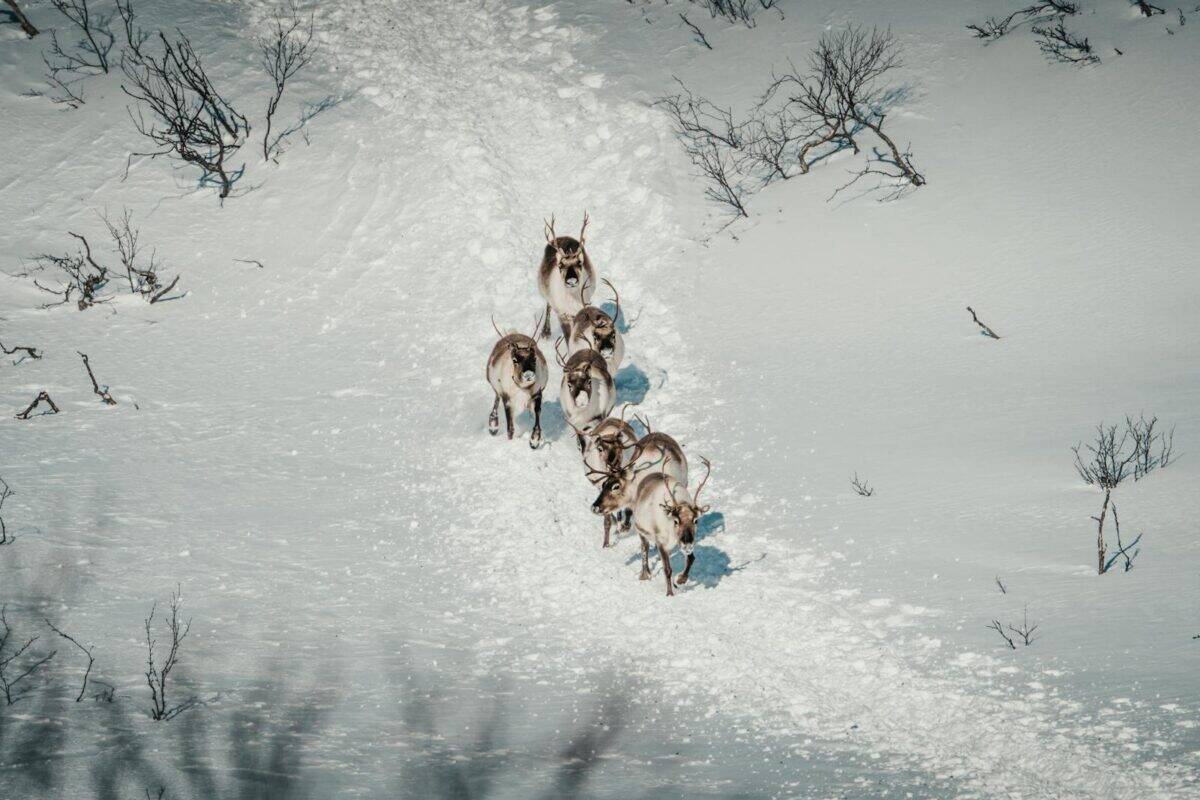
The Arctic Circle represents the southernmost latitude in the Northern Hemisphere where the sun can remain continuously above or below the horizon for 24 hours – the midnight sun in summer and polar night in winter. This geographic boundary encompasses parts of eight countries: Norway, Sweden, Finland, Russia, the United States (Alaska), Canada, Denmark (Greenland), and Iceland. Within this vast circumpolar region, reindeer have adapted to diverse landscapes from coastal plains to mountains and forests.
The timing of your visit significantly impacts your reindeer viewing experience. Summer (June-August) offers easier access with milder weather and extended daylight, while winter (December-March) presents opportunities to see reindeer in snow-covered landscapes, often with spectacular northern lights as a backdrop. Spring brings calving season, while autumn features the dramatic rut (mating season) when bulls engage in impressive antler displays and contests for dominance.
Norway: The Sámi Heartland
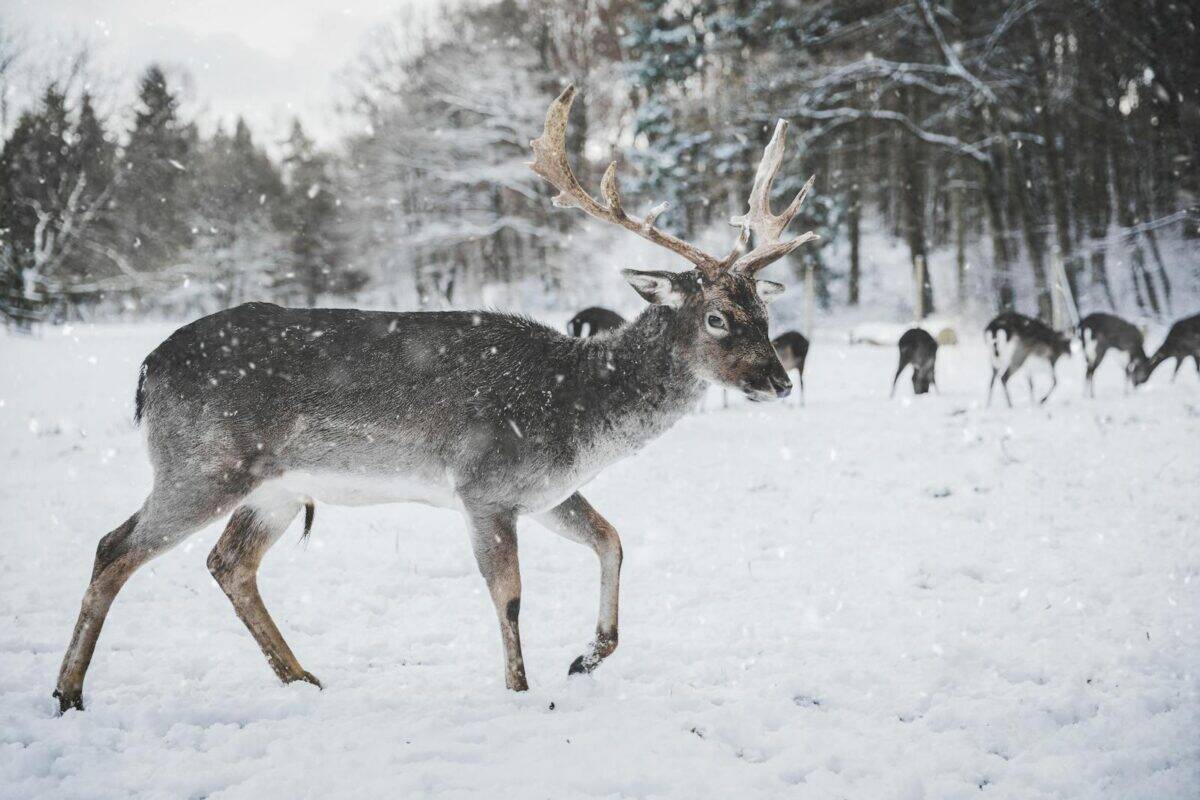
Northern Norway provides some of Europe’s most accessible opportunities to observe reindeer in their natural environment. The counties of Troms and Finnmark, particularly around the towns of Tromsø, Alta, and Karasjok, serve as gateways to Sámi territory where semi-domesticated reindeer herds roam the tundra. The Sámi people have herded reindeer for centuries, developing a rich cultural tradition intimately connected to these animals.
Numerous Sámi-operated tourism enterprises offer authentic experiences that combine wildlife observation with cultural learning. These often include sleigh rides, feeding sessions, and stays in traditional lavvu tents. For a more immersive experience, consider visiting during the annual reindeer migrations or attending one of the region’s reindeer racing competitions held in winter. The Sámi National Day celebrations on February 6th frequently feature reindeer-related activities and provide insights into the cultural significance of these animals.
Sweden: Wild Reindeer of Lapland
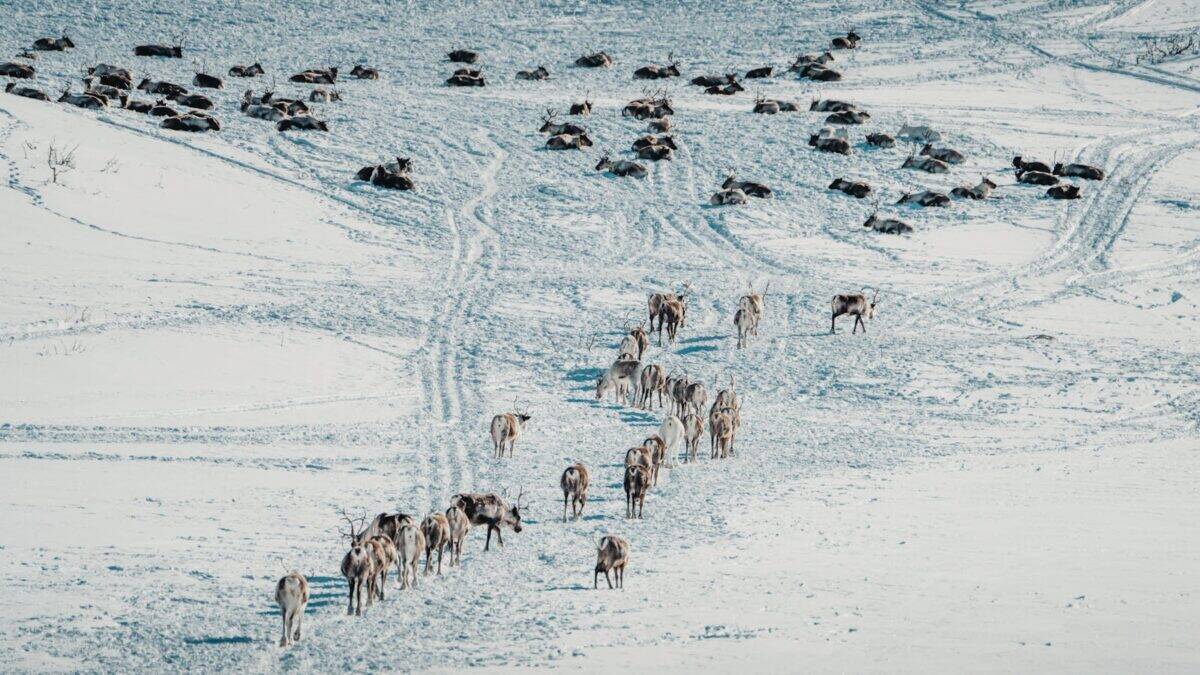
Swedish Lapland hosts substantial populations of both wild and semi-domesticated reindeer. The vast wilderness areas in and around Abisko National Park, Sarek National Park, and Padjelanta National Park offer opportunities to spot wild reindeer, particularly during their summer migrations to higher elevations seeking relief from insects. The region around Jokkmokk serves as a hub for Sámi culture and reindeer herding activities.
For visitors seeking guided experiences, the towns of Kiruna and Jukkasjärvi provide numerous options ranging from day trips to multi-day expeditions into the mountains. The world-famous ICEHOTEL in Jukkasjärvi frequently incorporates reindeer experiences into their winter activity offerings. For photographers, the contrasting seasons of the midnight sun and northern lights create dramatic backdrops for capturing images of these iconic Arctic animals against Sweden’s spectacular mountain landscapes.
Finland: Reindeer Country in Lapland
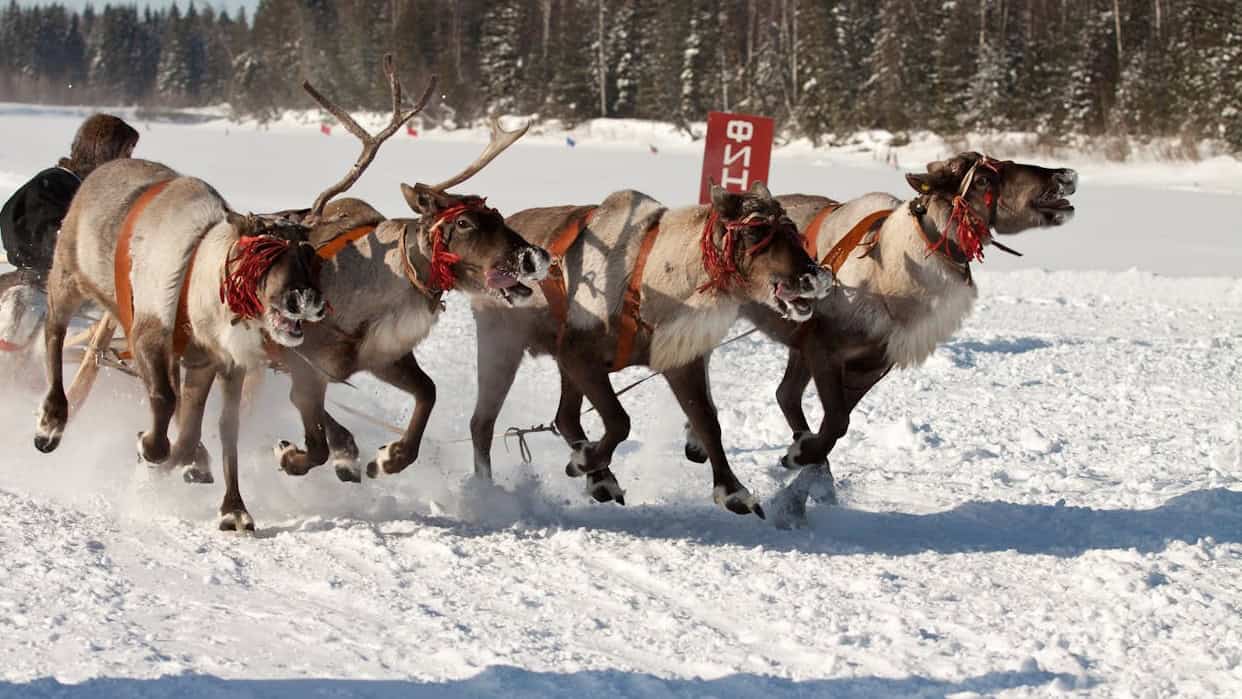
Finnish Lapland is synonymous with reindeer, where these animals outnumber people in the northernmost province of the country. The areas around Rovaniemi (the “official” hometown of Santa Claus), Inari, and Saariselkä offer numerous opportunities to encounter reindeer. The Finnish reindeer are primarily semi-domesticated, managed by local herders who maintain traditional practices while adapting to modern economic realities.
Visitors to Finnish Lapland can participate in reindeer safaris, farm visits, and even reindeer driving schools where you can earn a “reindeer driving license.” The Sámi Museum Siida in Inari provides valuable context about the relationship between reindeer and the indigenous peoples of northern Finland. For those seeking a unique winter experience, numerous glass igloos and Northern Lights-viewing accommodations throughout Finnish Lapland offer the chance to potentially spot reindeer while waiting for the aurora borealis to appear.
Russia: The Vast Tundra Expanses

Russia’s enormous Arctic territories contain the largest reindeer populations in the world, both wild and domesticated. The Nenets people of the Yamal Peninsula maintain the world’s largest reindeer herds, migrating with them across hundreds of miles of tundra annually. The regions of Chukotka, Kamchatka, and the Kola Peninsula also host significant reindeer populations and indigenous herding communities including the Evenki, Chukchi, and Koryak peoples.
While logistically challenging due to remote locations and permit requirements, specialized tour operators offer expeditions to witness the spectacular Nenets migrations, where thousands of reindeer move across the frozen landscape. The remote nature of these experiences provides an unparalleled glimpse into traditional reindeer herding largely unchanged for centuries. The town of Salekhard, situated directly on the Arctic Circle, serves as a gateway to the Yamal Peninsula and hosts a festival celebrating reindeer herding culture during late March.
Alaska: America’s Arctic Caribou

In Alaska, reindeer are known as caribou in their wild form, while “reindeer” typically refers to semi-domesticated animals introduced from Siberia in the late 19th century. The state hosts several major caribou herds, with the Western Arctic Herd and the Porcupine Caribou Herd among the largest, each numbering over 100,000 animals. Prime viewing locations include the Dalton Highway corridor, Denali National Park, the Arctic National Wildlife Refuge, and the Seward Peninsula.
For visitors seeking guidance, towns like Fairbanks, Nome, and Kotzebue serve as jumping-off points for guided wildlife expeditions. The annual migrations of the Porcupine Caribou Herd through the Brooks Range create one of North America’s most impressive wildlife spectacles. Additionally, the Reindeer Research Program at the University of Alaska Fairbanks maintains a research herd that occasionally offers educational tours, providing insights into reindeer biology and management practices in the American Arctic.
Canada: The Great Caribou Migrations

Canada’s northern territories and provinces host several of North America’s most significant caribou populations. The barren-ground caribou of Nunavut and the Northwest Territories, woodland caribou of the boreal forests, and Peary caribou of the High Arctic islands represent distinct subspecies adapted to different northern environments. Notable viewing areas include Nunavut’s Thelon Wildlife Sanctuary, northern Manitoba near Churchill, and the tundra regions of northern Quebec and Labrador.
Several indigenous communities, including Inuit, Dene, and Cree peoples, offer guided wildlife experiences that combine traditional knowledge with contemporary conservation understanding. The annual migration of the Qamanirjuaq caribou herd across the tundra of Nunavut and Manitoba ranks among the planet’s great wildlife spectacles, though witnessing it requires careful timing and experienced guides. The town of Churchill, Manitoba, famous for its polar bears, also offers opportunities to see woodland caribou during certain seasons, with established tour operators providing specialized wildlife expeditions.
Greenland: Reindeer of the Ice Sheet Edge

Greenland hosts wild populations of reindeer (locally called tuttu) primarily in the western and southern regions of the world’s largest island. The areas around Kangerlussuaq, Sisimiut, and the Nuuk fjord system offer good opportunities for reindeer spotting, particularly during summer months when hiking in the tundra. Unlike in many other Arctic regions, reindeer in Greenland were never fully domesticated, though they remain culturally and economically important to local Inuit communities through hunting traditions.
Visitors can arrange guided hiking and wildlife tours through local operators in major towns. The contrast between grazing reindeer and Greenland’s dramatic landscapes of fjords, mountains, and the ice sheet creates remarkable viewing and photography opportunities. September and October offer chances to see reindeer in their fall colors against the backdrop of tundra foliage turning red and gold. Additionally, the Greenland National Museum in Nuuk provides context about the historical and cultural significance of reindeer to Greenlandic society.
Iceland: The Introduced Eastern Herds
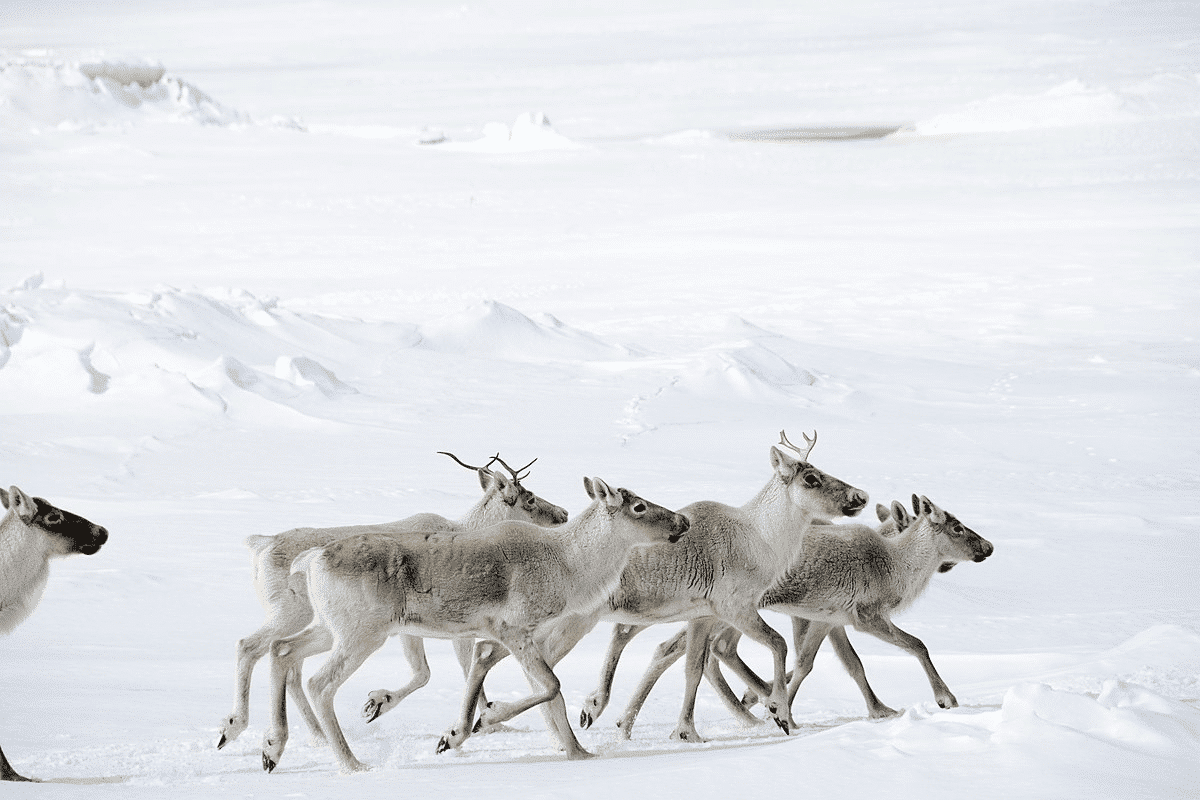
Unlike other Arctic nations, reindeer are not native to Iceland but were introduced from Norway in the 18th century. Today, wild herds numbering approximately 7,000 animals inhabit the eastern region of the country, particularly around Snæfell and the East Fjords. The absence of large predators has allowed these populations to thrive in Iceland’s volcanic landscapes, creating a unique setting to observe reindeer against dramatic backdrops of glaciers, lava fields, and fjords.
The towns of Egilsstaðir and Höfn serve as bases for reindeer viewing excursions, with local guides offering specialized tours. Summer provides opportunities to see reindeer at higher elevations, while winter often brings them closer to coastal areas as they seek more accessible grazing. Iceland’s well-developed road system makes reindeer territory relatively accessible compared to other Arctic regions, though spotting the animals still requires local knowledge and patience. The East Iceland Heritage Museum in Egilsstaðir offers exhibits on the history and ecological impact of reindeer in Iceland.
Responsible Wildlife Viewing Practices
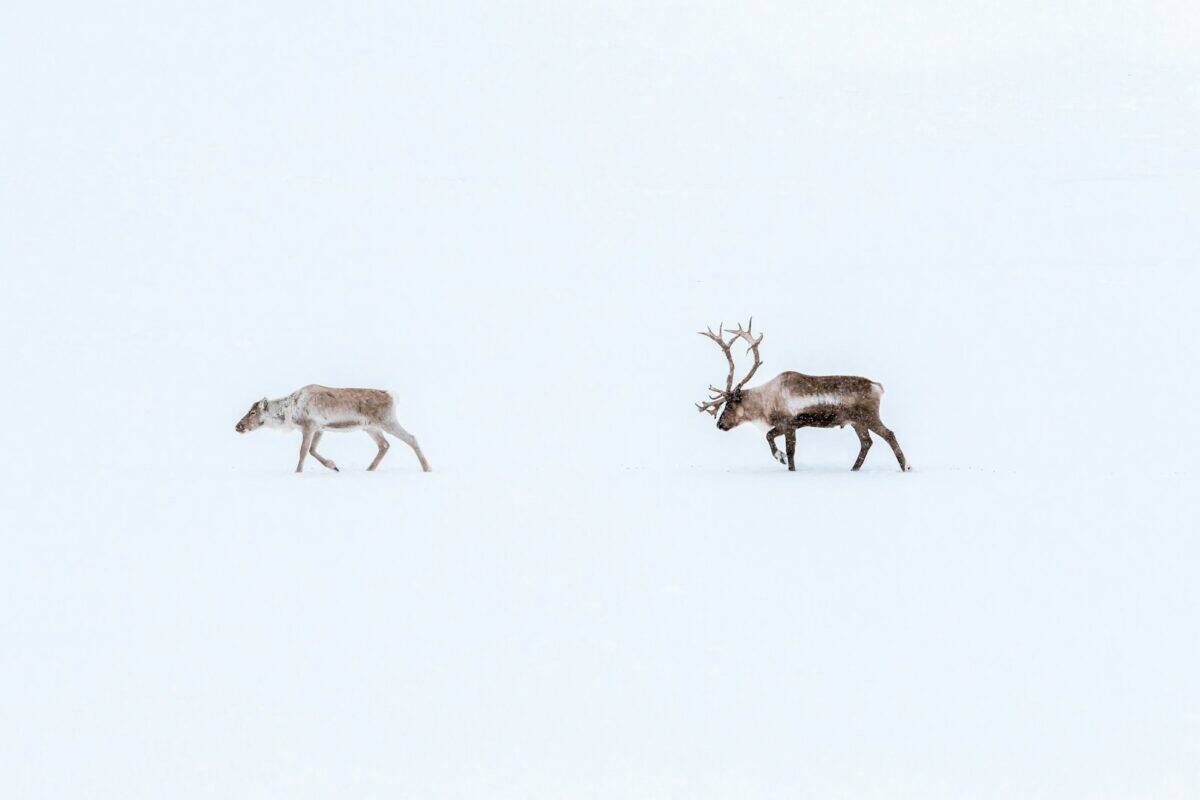
Observing reindeer ethically requires understanding and respecting both the animals and the cultural contexts in which they exist. When viewing wild reindeer, maintain appropriate distances (typically 100+ meters/330+ feet) using binoculars or telephoto lenses rather than approaching the animals, which can cause stress and disrupt natural behaviors. During calving season (May-June), extra sensitivity is required as mothers and newborns are particularly vulnerable to disturbance. In winter, be mindful that reindeer are conserving energy to survive harsh conditions, and unnecessary flight responses caused by human approach can deplete vital reserves.
When engaging with indigenous herding communities, select operators owned by or working directly with local people, ensuring that tourism benefits those who have maintained reindeer traditions for generations. Respect cultural protocols regarding photography and private ceremonies. Choose smaller group experiences that minimize environmental impact and maximize authentic connections. Remember that while reindeer may appear decorative or romantic to visitors, they represent livelihood, cultural heritage, and spiritual significance to Arctic indigenous peoples.
Practical Considerations for Arctic Travel
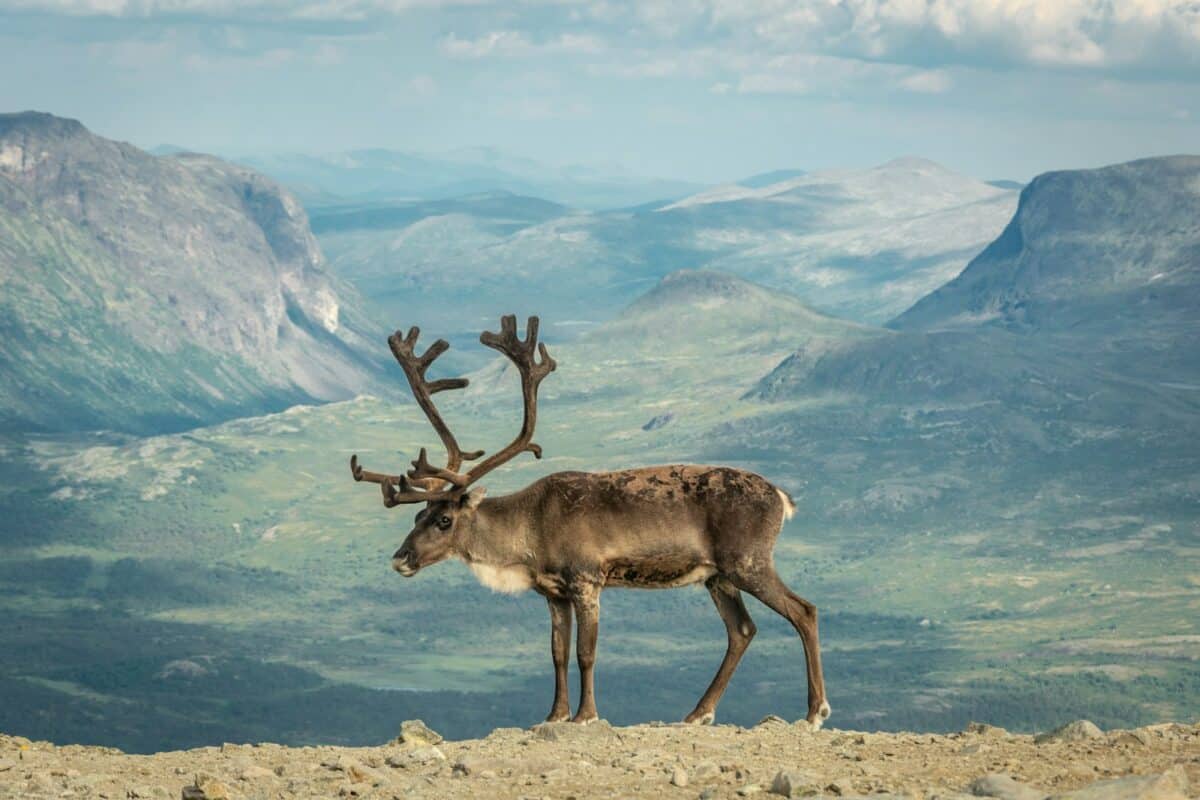
Arctic travel demands thorough preparation regardless of season. Winter visitors should invest in proper extreme-weather clothing, understanding the difference between fashion “winter wear” and true Arctic-grade gear. Temperatures can plunge below -40°C/F, requiring specialized equipment and knowledge. Summer brings milder conditions but introduces challenges like persistent daylight affecting sleep and, in some regions, intense mosquito and fly activity that can impact both humans and reindeer. Shoulder seasons (April-May and September-October) often offer good wildlife viewing with fewer weather extremes.
Logistical planning should account for the remoteness of many reindeer habitats. Transportation options may be limited, expensive, and subject to weather disruptions. Medical facilities can be distant, necessitating comprehensive travel insurance with evacuation coverage. Booking accommodations and specialized tours well in advance is essential, particularly for winter Northern Lights season and summer midnight sun period when demand peaks. Many of the best reindeer viewing experiences involve multi-day commitments in remote areas, requiring mental preparation for limited connectivity and basic facilities.
Conclusion: The Enduring Magic of Reindeer
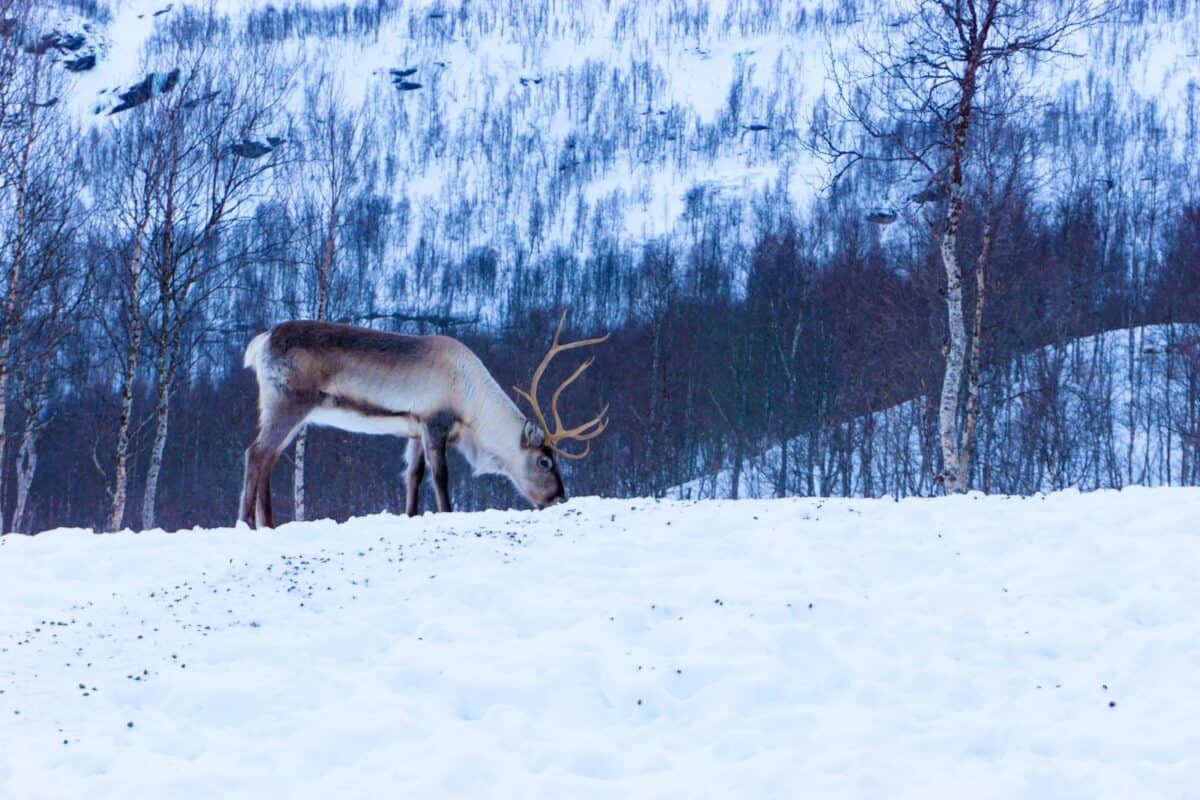
Encountering reindeer in their native Arctic landscape offers far more than a simple wildlife viewing experience – it provides a window into the intricate relationships between these remarkable animals, the challenging environments they inhabit, and the human cultures that have evolved alongside them for millennia. Whether you choose the accessible Sámi territories of Scandinavia, the vast wilderness of Alaska and Canada, or the remote tundra of Siberia, witnessing reindeer against the backdrop of the Arctic’s stunning landscapes creates memories that endure long after the journey ends. As climate change and industrial development increasingly threaten traditional reindeer habitats and lifestyles, responsible tourism can play a vital role in supporting conservation efforts and sustaining indigenous knowledge. By approaching these experiences with respect, preparation, and openness to learning, travelers contribute to preserving both a magnificent species and the irreplaceable cultural heritage built around these icons of the north.

From exploring the marine wonders in the Azores and witnessing the vast savannas of Kenya, to delving deep into the rich biodiversity of South Africa and traversing iconic landscapes in Australia and the US like Yellowstone, Chris's experiences are vast.
With a penchant for diving alongside sharks, the ocean holds a special place in his heart.
Through his academic insights, he champions wildlife conservation, striving with 'Animals Around The Globe' to cultivate a profound connection between humans and animals, enhancing our mutual appreciation.
Connect with him at Feedback@animalsaroundtheglobe.com.