
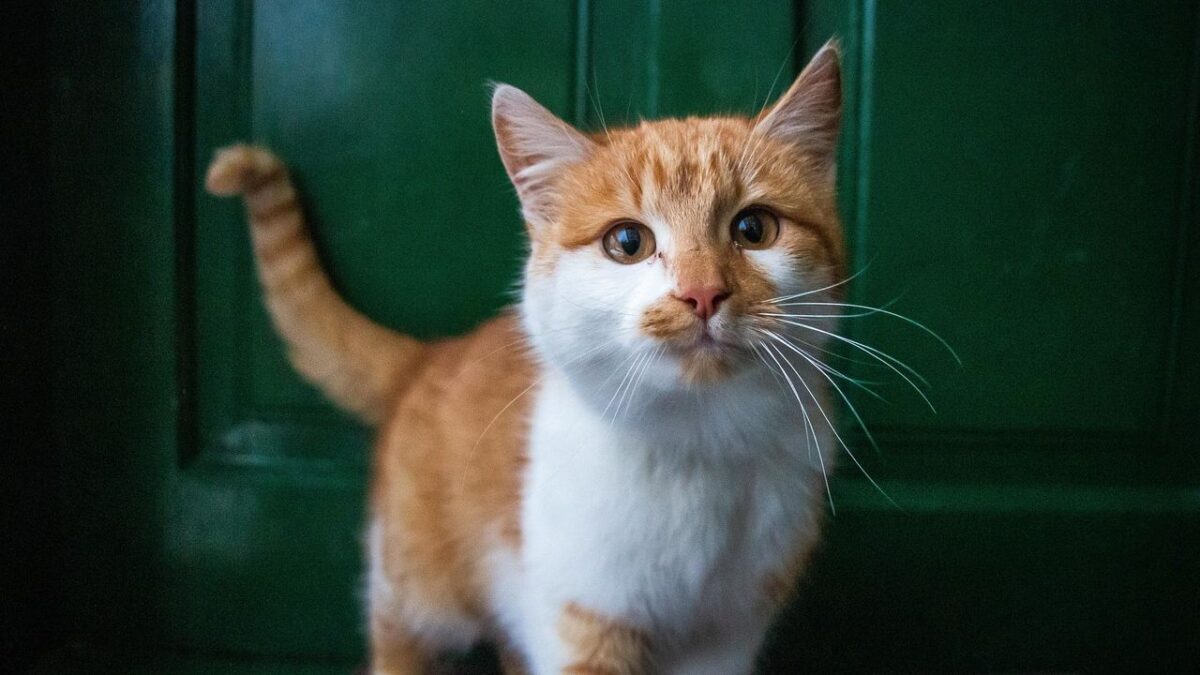
Have you ever wondered why your feline friend positions themselves by the door like a furry sentinel, waiting for your return? This endearing behavior has captivated cat owners for centuries and speaks to the remarkable depth of our relationships with these seemingly independent creatures.
Whether your cat greets you with gentle purrs or winds around your legs the moment you step inside, their door-waiting ritual reveals fascinating insights into feline psychology and the genuine bonds they form with their human companions. Let’s explore the surprising reasons behind this behavior and what it truly means for your relationship with your cat.
Your Cat’s Remarkable Ability to Track Your Schedule
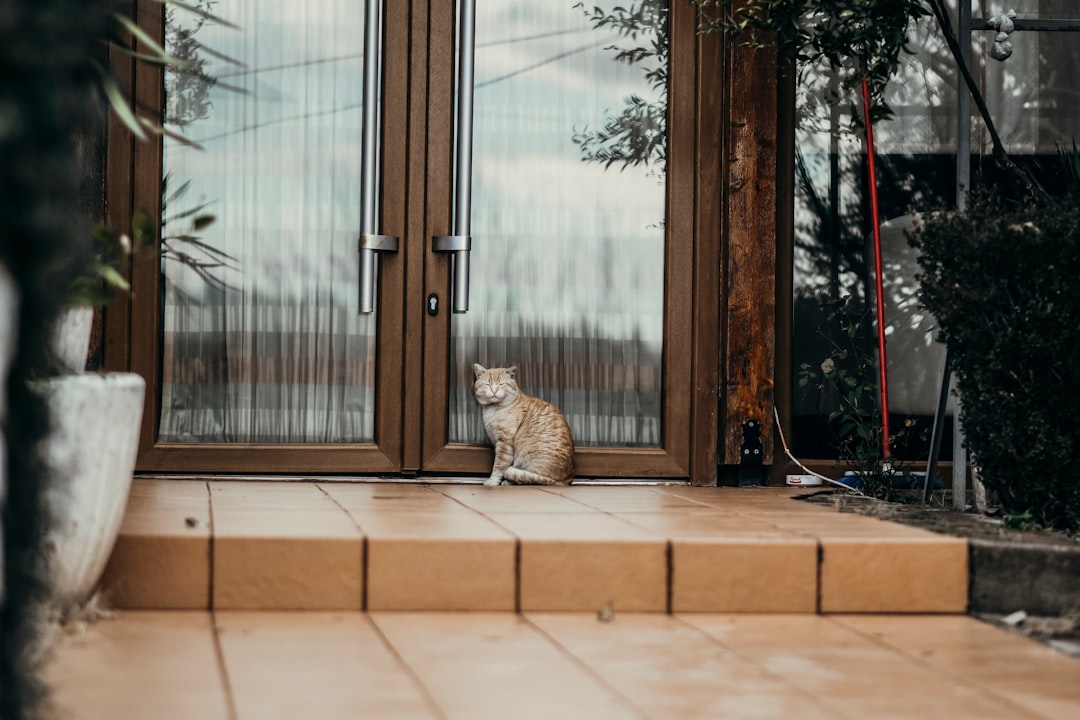
Cats possess an impressive sense of time that enables them to predict when you’ll arrive home, especially if you maintain a consistent daily routine. This isn’t magic or telepathy, though it might seem that way when your cat appears at the door moments before you arrive.
Your feline friend can learn your schedule patterns and anticipate your homecoming, particularly when there’s something in it for them like dinner time. Think about it: if you consistently arrive home around six each evening, your clever cat begins to associate that time with your return and positions themselves accordingly.
Those Super-Sensitive Ears Are Always Listening
Cats have exceptional hearing capabilities that allow them to detect a broad range of frequencies, including higher-pitched sounds than humans or most dogs can perceive. This means they can hear your car pulling into the driveway, your footsteps on the stairs, or even the jingle of your keys long before you reach the door.
Over time, cats learn to associate these specific sounds with your arrival and prepare themselves for the reunion. It’s like they have their own early warning system that tells them their favorite human is about to appear.
A Genuine Expression of Love and Attachment
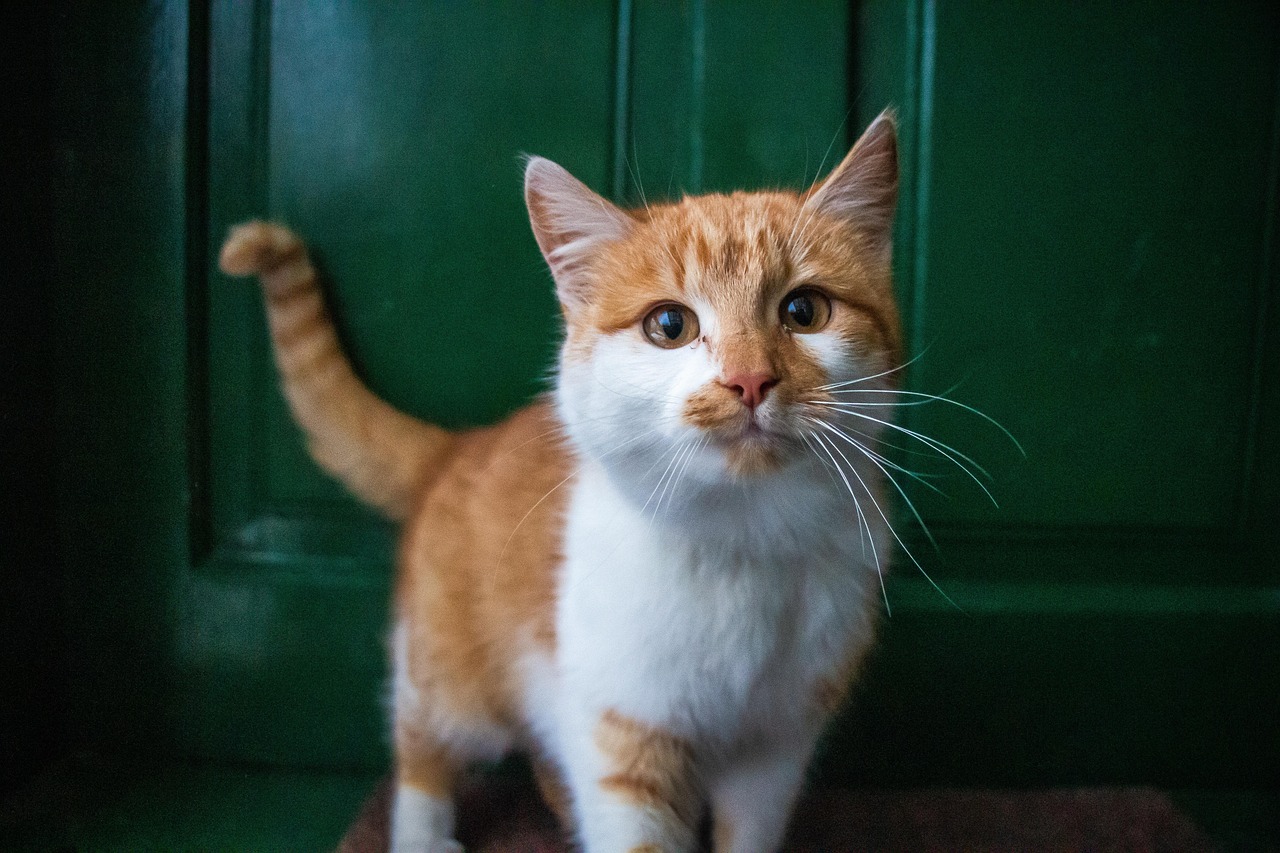
Cats often wait at the door as a way to greet their owners and show affection, as these social animals form strong bonds with their human companions. Despite their reputation for independence, many cats genuinely miss their owners when they’re away and eagerly anticipate their return.
This greeting behavior demonstrates that your cat missed you and wants to show their happiness at seeing you again, often following up with walking between your legs and curling their tail around you. The door waiting is essentially your cat’s way of saying “Welcome home, I’m so glad you’re back!”
Territorial Instincts and Protective Behavior
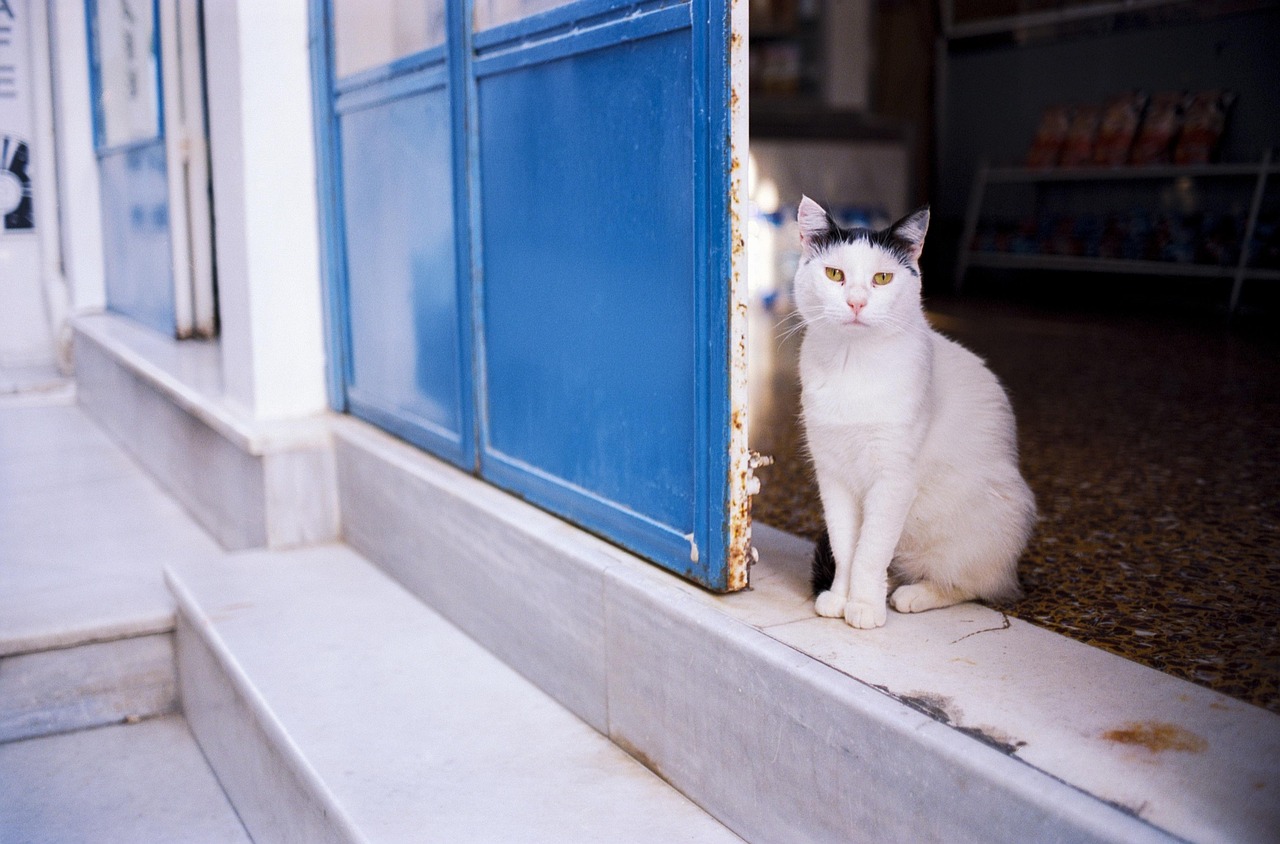
As natural hunters and territorial animals, cats view waiting at the door as a way to protect their home and establish boundaries. This behavior stems from deeply ingrained genetic programming that has been passed down through generations of feline ancestors.
Cats may see their human’s time away as a vulnerable moment and instinctually guard their territory by waiting outside the door, ensuring their family’s safety. Your cat isn’t just greeting you; they’re also fulfilling their role as the household guardian.
Curiosity About Your Adventures
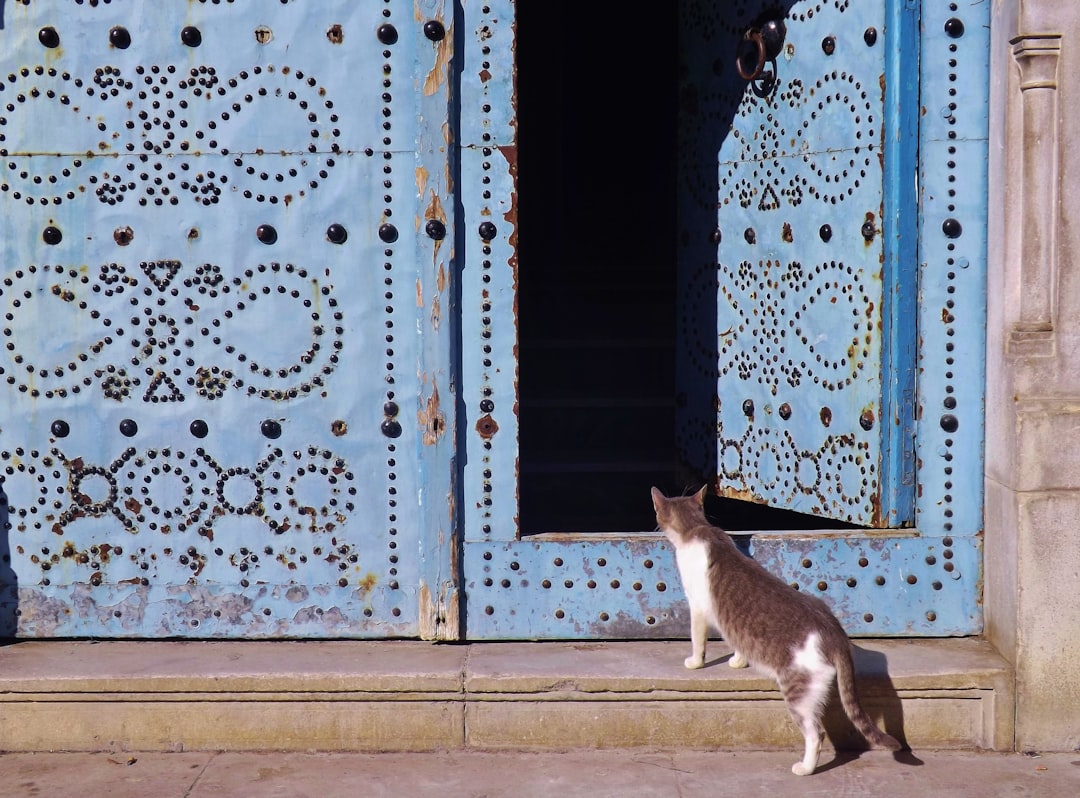
Curiosity drives many cats to wait at the door, as these naturally inquisitive animals have a strong desire to explore their environment and show interest in what lies beyond their home. When you return, you bring with you a symphony of new scents and experiences from the outside world.
Sometimes this door-waiting behavior is your cat’s way of investigating new scents or changes in your smell, as you may smell ‘off’ to them when you’ve been out for too long. They’re essentially conducting their own investigation into where you’ve been and what you’ve encountered.
The Science Behind the Bond
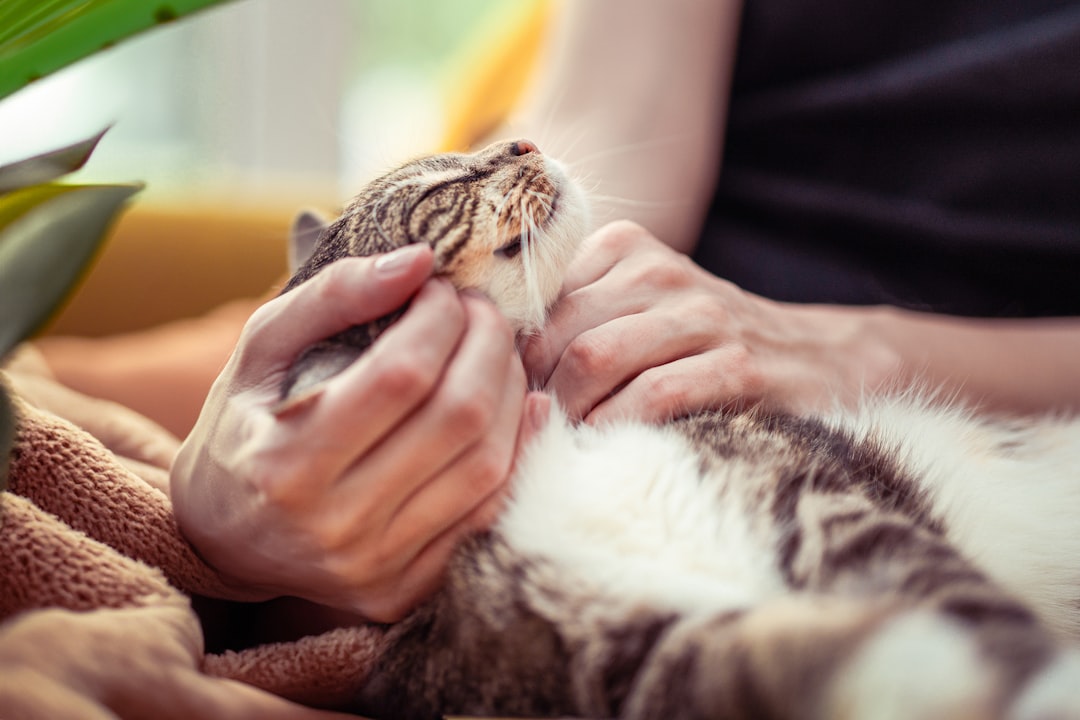
Recent research shows that brief interactions with cats can boost oxytocin levels in their owners, with friendly contact like stroking linked to elevated levels of this ‘love hormone.’ This chemical response helps explain why door greetings feel so emotionally rewarding for both you and your cat.
Studies have found that securely attached cats who initiate contact show an oxytocin surge during close interactions, with the effect increasing the more time they spend near their humans. Your cat’s door-waiting behavior may actually be triggering beneficial brain chemistry for both of you.
Seeking Attention and Quality Time
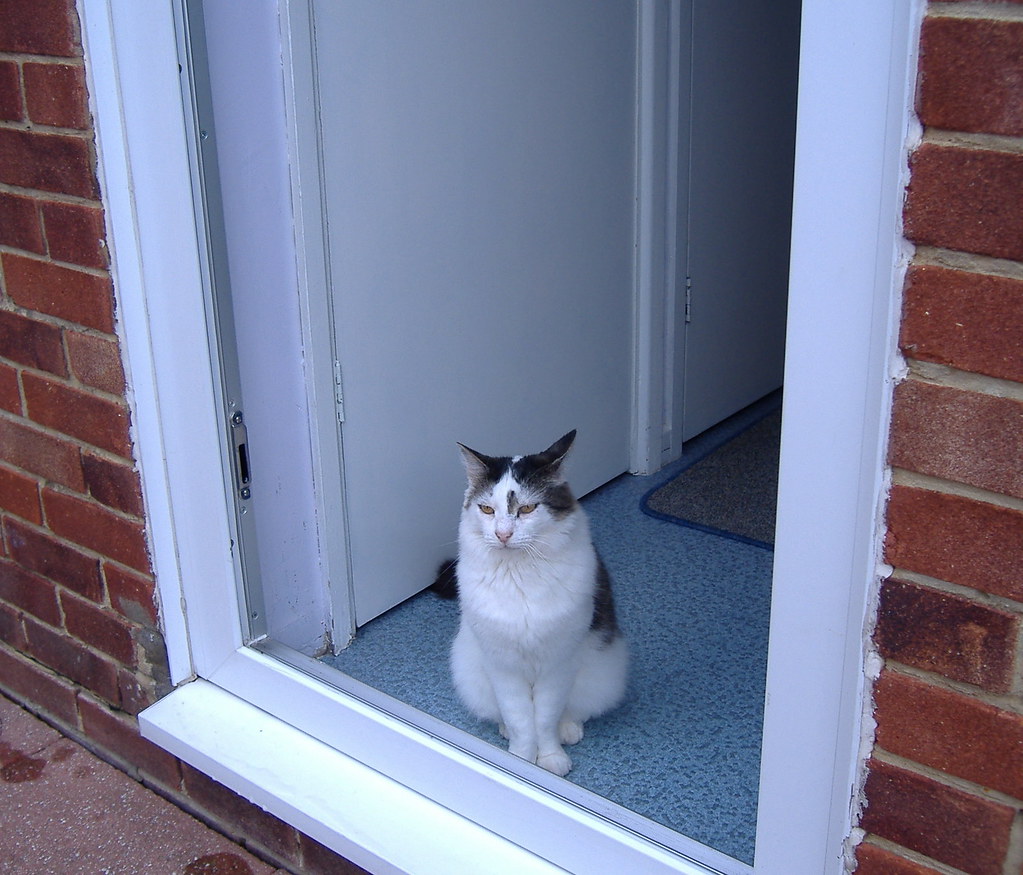
For some cats, waiting at the door serves as a way to seek attention or interaction with their human companions, often accompanied by meowing, pawing, or other behaviors to communicate their eagerness to spend time together. This is particularly common in social cats who thrive on regular interaction.
If your cat has developed a strong bond with you or another family member, they may sit by the door waiting for that specific person to come home, or position themselves to greet visitors they’re excited to see. It’s their way of ensuring they don’t miss any precious moments with their favorite people.
Creating a Bridge Between Independence and Connection
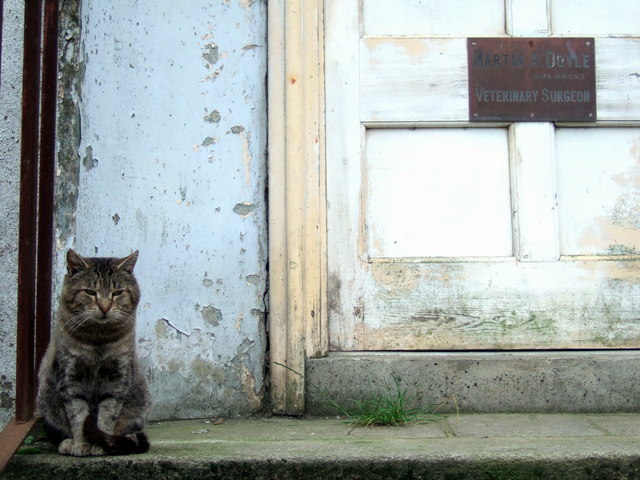
This door-waiting behavior represents completely normal feline conduct that indicates their desire to maintain close proximity even when separated, showing how cats balance their independent nature with genuine attachment to their owners. It’s a beautiful example of how cats can be both self-sufficient and deeply connected to their human families.
Cats understand your routines and the times you usually leave or come home, making their door positioning a thoughtful gesture rather than clingy behavior. They’ve learned to navigate the balance between respecting your independence while expressing their own emotional needs.
The next time you find your cat waiting by the door, take a moment to appreciate the complex mix of love, instinct, and intelligence behind this simple act. Whether they’re listening for your car, protecting their territory, or simply excited to reunite with their favorite human, this behavior represents one of the most genuine expressions of feline affection you’ll ever witness.
What do you think about your cat’s door-waiting habits? Have you noticed any unique patterns in how your feline friend greets you? Tell us in the comments.
