

The animal kingdom is full of surprises, and one of the most fascinating discoveries emerging from recent research challenges what we thought we knew about the relationship between humans and animals. Scientists are uncovering an intricate web of behavioral mirroring that goes far deeper than simple training or domestication. From dogs copying our facial expressions to primates exhibiting complex social learning patterns that rival human behavior, the evidence suggests animals are natural mimics in ways that would astonish most people.
What makes this discovery even more remarkable is that this mirroring behavior appears to serve crucial survival and social functions across multiple species. Animals aren’t just randomly copying human actions; they’re actively learning, adapting, and using these behaviors to navigate their complex social environments. Let’s dive into the surprising world of animal behavioral mirroring and discover just how sophisticated these creatures really are.
Dogs Have Evolved Special Facial Muscles Just to Communicate With Us
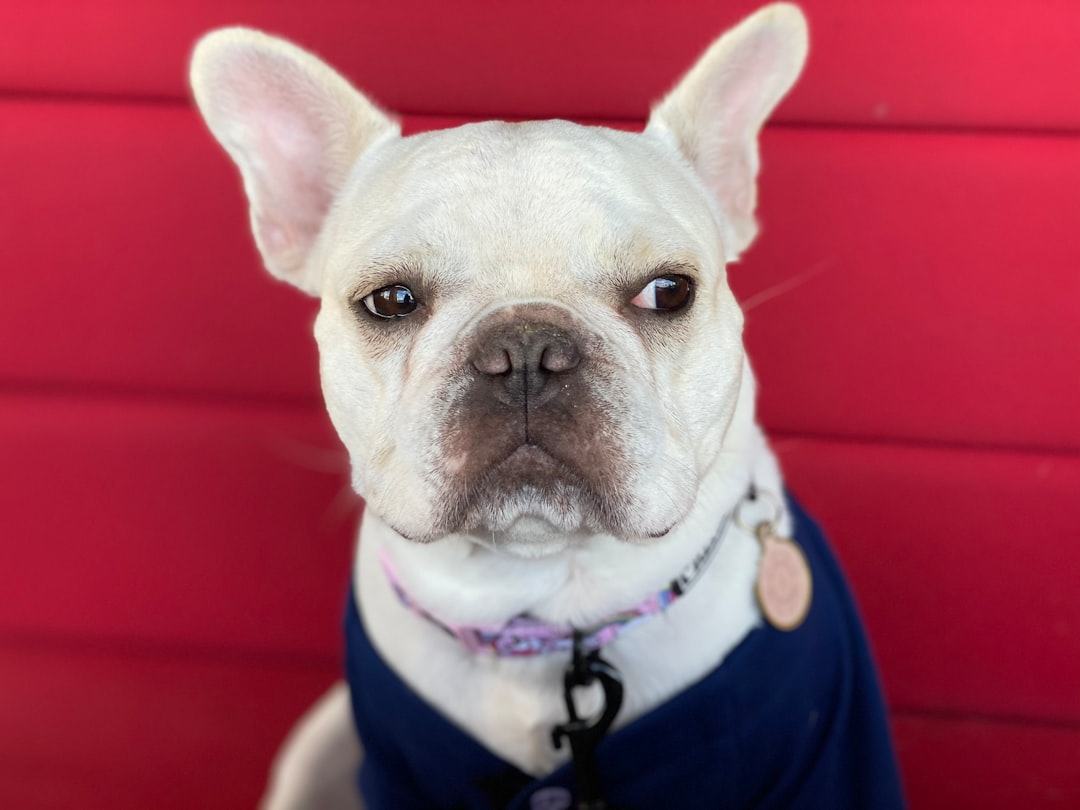
The relationship between dogs and humans runs deeper than most people realize. Researchers have discovered a key factor that separates wolves from dogs, involving two specialized facial muscles that evolved after they were domesticated by humans. Domestication “transformed” the anatomy of dogs’ facial muscles so they could communicate with humans.
Dogs are able to raise the inner eyebrow intensely, while wolves are not, and behavioral data shows that dogs can also produce eyebrow movement significantly more often and with higher intensity than wolves can. This movement resembles an expression humans produce when sad, “so its production in dogs may trigger a nurturing response.” Think about that for a moment: evolution literally rewired dogs’ faces to better communicate with us.
Scientists hypothesize that the expressive eyebrows in dogs are the result of selection based on the preferences of humans. This means that over thousands of years, humans unconsciously chose dogs that could make more human-like facial expressions. The dogs that survived and reproduced were those that could best manipulate our emotions through their faces.
Puppies Are Natural-Born Copycats Without Any Training
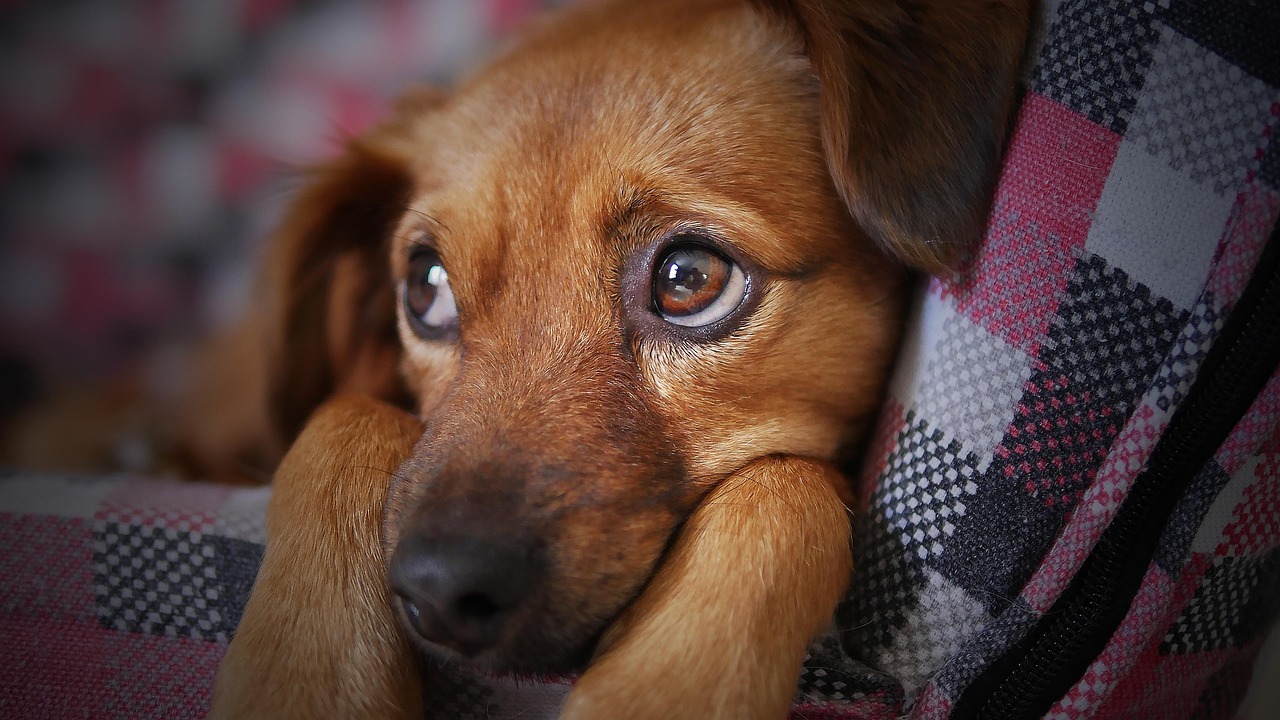
Fugazza and her team tested whether puppies and other young animals might imitate people. They tested 375 young animals, including puppies, kittens, and other species. All of these animals lived with human families. In each test, the researchers showed an animal an object. Once they got the animal’s attention, a researcher modeled an action – either touching an object with their nose or hand.
The results were eye-opening. Past experiments used food to reward dogs when they mimicked people. So, they didn’t reveal whether dogs were natural copycats. This study changed that by removing rewards entirely. Even without any incentive, puppies showed a remarkable tendency to copy human actions.
Dogs evolved from wolves. Wolves work together, hunting in packs. And once dogs started hanging around humans, they worked with people. Dogs became humans’ helpers, for instance, in herding and hunting. Those relationships might have provided the motivation for imitation. This cooperative history seems to have hardwired mimicry into their very nature.
Emotional Contagion: Dogs Actually Feel What We Feel

This phenomenon – called “emotional contagion” – is triggered precisely by the dog’s capacity to identify their owners’ gestures and then react by emitting responses with either similar or opposed expressions that correspond to positive or negative stimuli, respectively. Additionally, dogs can perceive emotions similar to those of their human tutors due to close human-animal interaction. This phenomenon – called “emotional contagion” – is triggered precisely by the dog’s capacity to identify their owners’ gestures and then react by emitting responses with either similar or opposed expressions that correspond to positive or negative stimuli, respectively.
Dogs produced significantly more facial movements when the human was attentive than when she was not. One interpretation of the dogs’ behaviour could be that dogs produce their facial expressions communicatively and that the dogs’ facial expressions are not just mediated by the individual’s emotional state. Therefore, dogs increase the frequency of their production dependent on the other individual’s attentional state but not in response to being presented with a non social but arousing stimulus (the food).
This isn’t just cute behavior; it’s sophisticated social intelligence. Dogs are actively monitoring our emotional states and adjusting their own expressions accordingly. They’ve become so attuned to human emotions that they literally mirror our feelings back to us.
Crows Can Count and Solve Problems Like Human Children
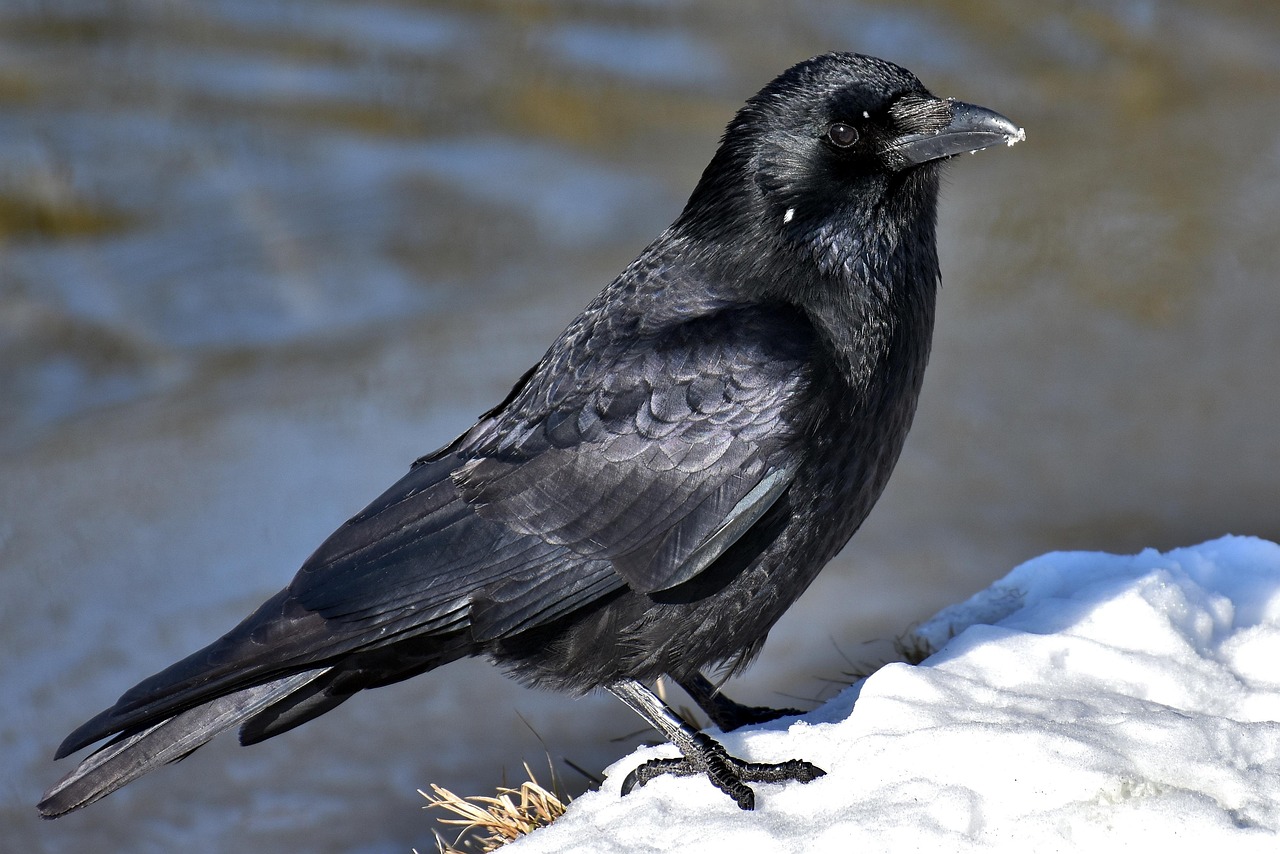
It’s there that the birds are mastering a skill you couldn’t manage until you were up to 4 years old: counting. In a new study published in Science, researchers trained three crows to emit one to four caws in response to seeing the numbers 1, 2, 3, or 4 projected on a screen. The birds also learned to count out the proper number of vocalizations when cued by sounds, with a guitar chord eliciting a single caw, a cash register eliciting two, a drum roll signaling three, and a frequency sweep calling for four.
In doing so, the birds matched or beat the numeracy skills of human children who often don’t master rudimentary counting until kindergarten. Says animal physiologist and study co-author Andreas Nieder: “When faced with a set of three objects and asked, ‘How many?’ toddlers recite the speech sounds ‘one, two, three’ or even ‘one, one, one.’ We show that crows have the ability to count vocally [too].”
Members of a family of birds that includes ravens, rooks, magpies, and jays, crows have been known to bend wire into hooks to retrieve food; drop nuts in a road so passing cars will crack them open; and recognize humans who have posed a threat, harassing them on-sight even months after their first encounter. Their problem-solving abilities rival those of human toddlers in many contexts.
Monkeys Share Our Obsession With Drama and Social Conflict
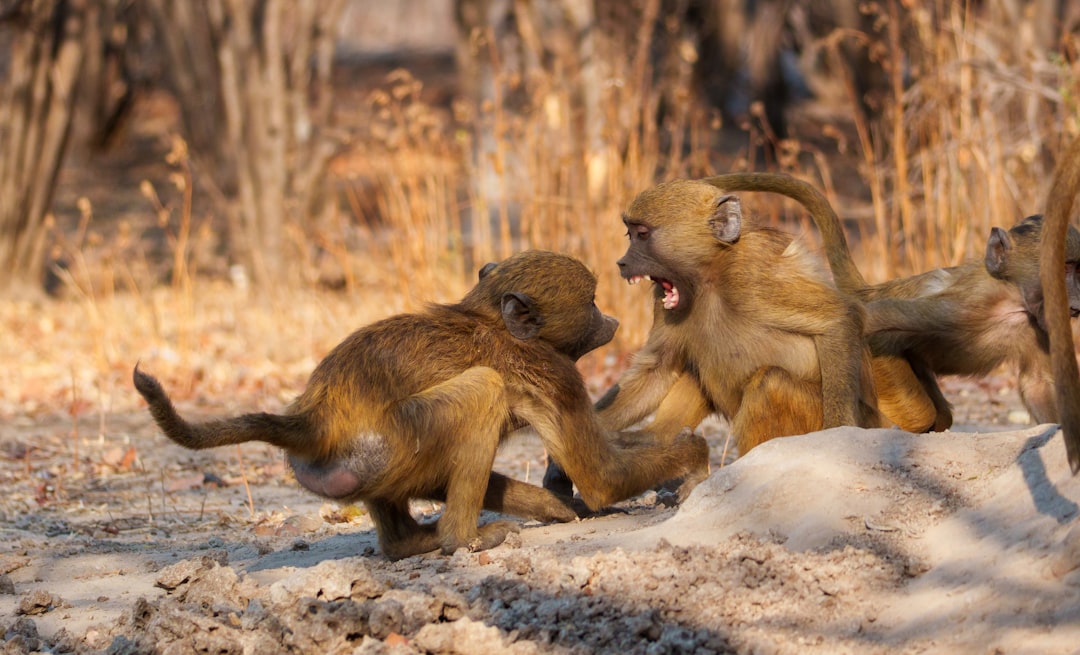
Long-tailed macaques given short videos were glued to scenes of fighting – especially when the combatants were monkeys they knew – mirroring the human draw to drama and familiar faces. Long-tailed macaques given short videos were glued to scenes of fighting – especially when the combatants were monkeys they knew – mirroring the human draw to drama and familiar faces.
This research reveals something unsettling about both humans and monkeys: we’re all drawn to conflict and social drama. The monkeys showed the same pattern of attention that humans display when watching reality TV or scrolling through social media. They couldn’t look away from the conflict, especially when it involved individuals they recognized.
Learn how macaques persist in seeking patterns even in unsolvable tasks, mirroring human cognitive biases. Insights into learning behavior. This persistence in pattern-seeking, even when no pattern exists, mirrors human behavior in everything from gambling to conspiracy theories. The parallels are almost uncomfortable to contemplate.
Even Fish Learn Complex Skills Through Pure Observation
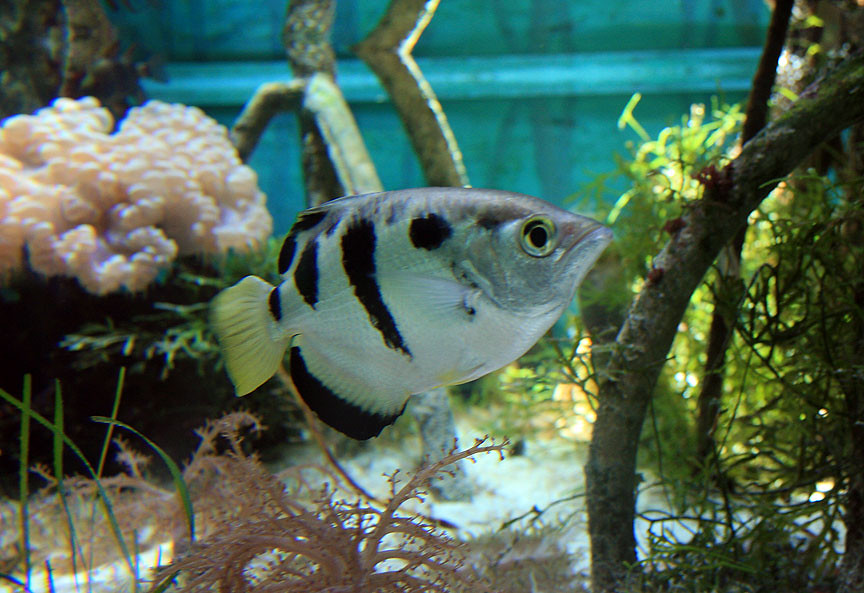
When a group of archer fish was unable to practice because a dominant individual prevented them from shooting, they learned the complex sensorimotor skill from extensive observation of the skilled group member. Probe trials that took place before any training was given revealed that they did not shoot or were unable to score hits with their sharp jets, even at the lowest height and speed. After the dominant fish had learned the task, it was removed and the other fish were allowed to shoot. In almost their first tests their performance approached that of the long-trained model, and was far above the score that the model was able to reach when it had started its practice.
This is remarkable learning efficiency that surpasses many human students. The fish essentially learned an entire complex motor skill just by watching. Imagine learning to play tennis or drive a car purely through observation, then performing almost perfectly on your first attempt.
Schuster and colleagues concluded that this remarkable instance of social learning in archer fish implies that observers can ‘change their viewpoint’, mapping the perceived shooting characteristics of a distant team member into angles and target distances that they must use later for a successful shot. This level of spatial reasoning and perspective-taking was once thought to be uniquely human.
Animals Follow Universal Behavioral Algorithms Regardless of Species
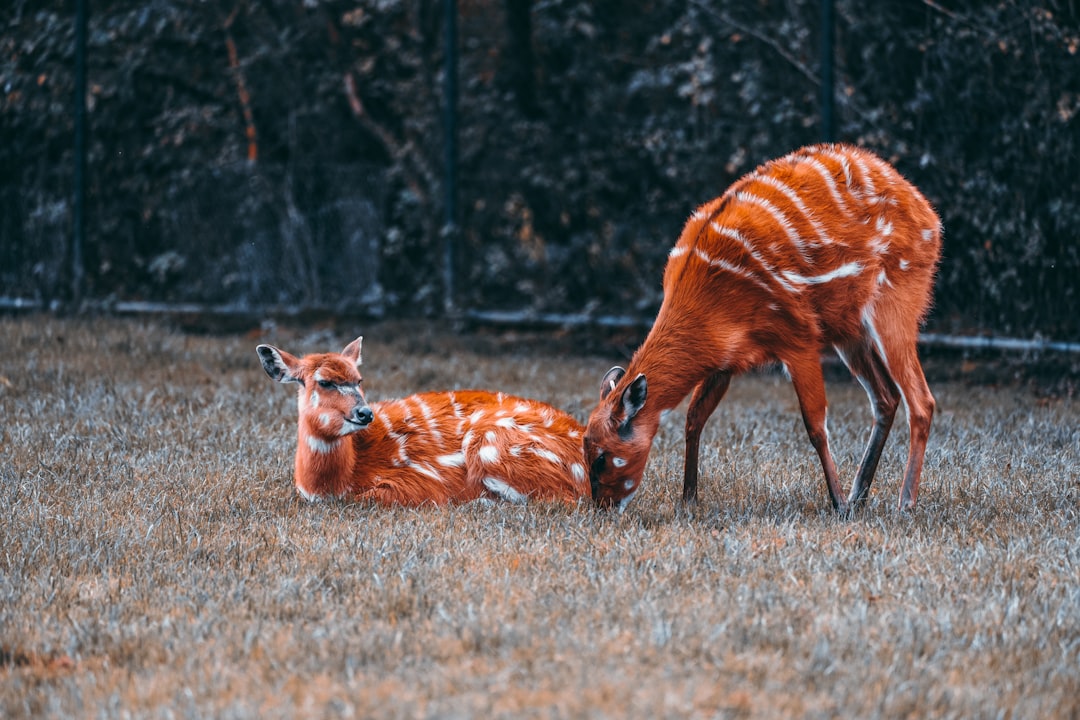
But we found common patterns in how animals switch between behaviors, regardless of what species and which individual. It’s as if their behavior was built on the same hidden algorithm.
In a study spanning meerkats in the Kalahari desert, coatis in Panama’s rainforest, and spotted hyenas in Kenya’s savanna, researchers have discovered that the daily actions of these animals show surprisingly similar patterns. Whether a meerkat scratches in the sand for scorpions or a coati rests in the canopy, a shared ordering of the behaviors persists across different landscapes, species, individuals, and types of behaviors.
But we found common patterns in how animals switch between behaviors, regardless of what species and which individual. It’s as if their behavior was built on the same hidden algorithm. This suggests that beneath the surface diversity of animal life lies a fundamental organizing principle that governs how all complex creatures navigate their world.
The Surprising Social Benefits of Behavioral Mimicry
We review evidence from studies of homophily, imitation, and rapid facial mimicry that suggests that behaving like others affords social benefits to non-human animals and that behaviour matching may be deployed strategically to increase affiliation.
Mimicry may serve a core function that enhances the survival/well-being of the mimicker. We posit that mimicry aids the prediction of the environment and the behavior of conspecifics by minimizing prediction error. Automatic mimicry, where social animals mimic the emotional expressions of others, is a well-documented phenomenon. While we agree that mimicry can increase survival chances by enhancing group cohesion, we argue for a more primitive adaptive value that may operate independently of social bonding.
Animals aren’t just copying behavior randomly; they’re using mimicry as a sophisticated social strategy. By matching the actions and emotions of others, they can better predict what will happen next and position themselves advantageously within their social groups. This strategic use of imitation reveals a level of social intelligence that was previously underestimated.
Conclusion: The Mirror Goes Both Ways
The evidence is overwhelming: animals mirror human behavior far more than we ever imagined, but the relationship is more complex than simple imitation. They’ve evolved specialized anatomy, developed sophisticated social strategies, and demonstrate cognitive abilities that parallel our own in surprising ways. From dogs who evolved special muscles to manipulate our emotions to crows that can count better than kindergarteners, the animal kingdom is full of natural-born mimics who use these abilities for survival, communication, and social bonding.
Perhaps most remarkably, this research reveals that the mirror goes both ways. While we’ve been studying how animals copy us, we’re simultaneously discovering how much of our own behavior follows the same fundamental patterns that govern all complex life. The hidden algorithms that drive animal behavior might not be so different from those that drive human behavior after all.
What do you think about these surprising parallels between human and animal behavior? Does this change how you view your relationship with the animals in your life?
