

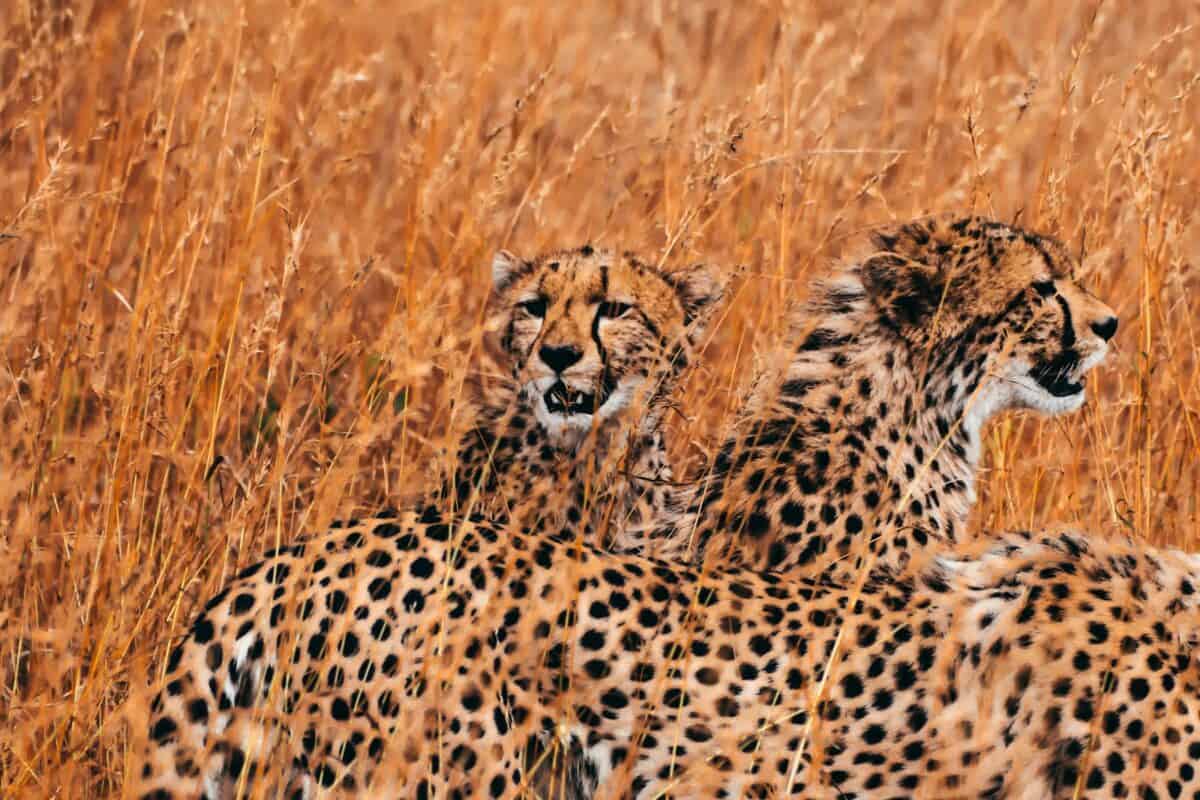
When we think of big cats, the mighty roar of lions and tigers often comes to mind – a powerful vocalization that signals dominance and strikes fear in the animal kingdom. Yet despite being classified among the big cats, cheetahs break this pattern with their distinctive chirps, purrs, and high-pitched calls. This fascinating vocal difference isn’t just a curious anomaly; it’s deeply rooted in evolutionary adaptations, anatomy, and the cheetah’s unique ecological niche. The inability of cheetahs to roar, while lions and tigers can, reveals a fascinating story about how evolution has shaped these magnificent predators in different ways. Let’s explore the science behind this intriguing difference and discover why the world’s fastest land animal communicates in whispers rather than roars.
The Anatomical Differences in Vocal Structures
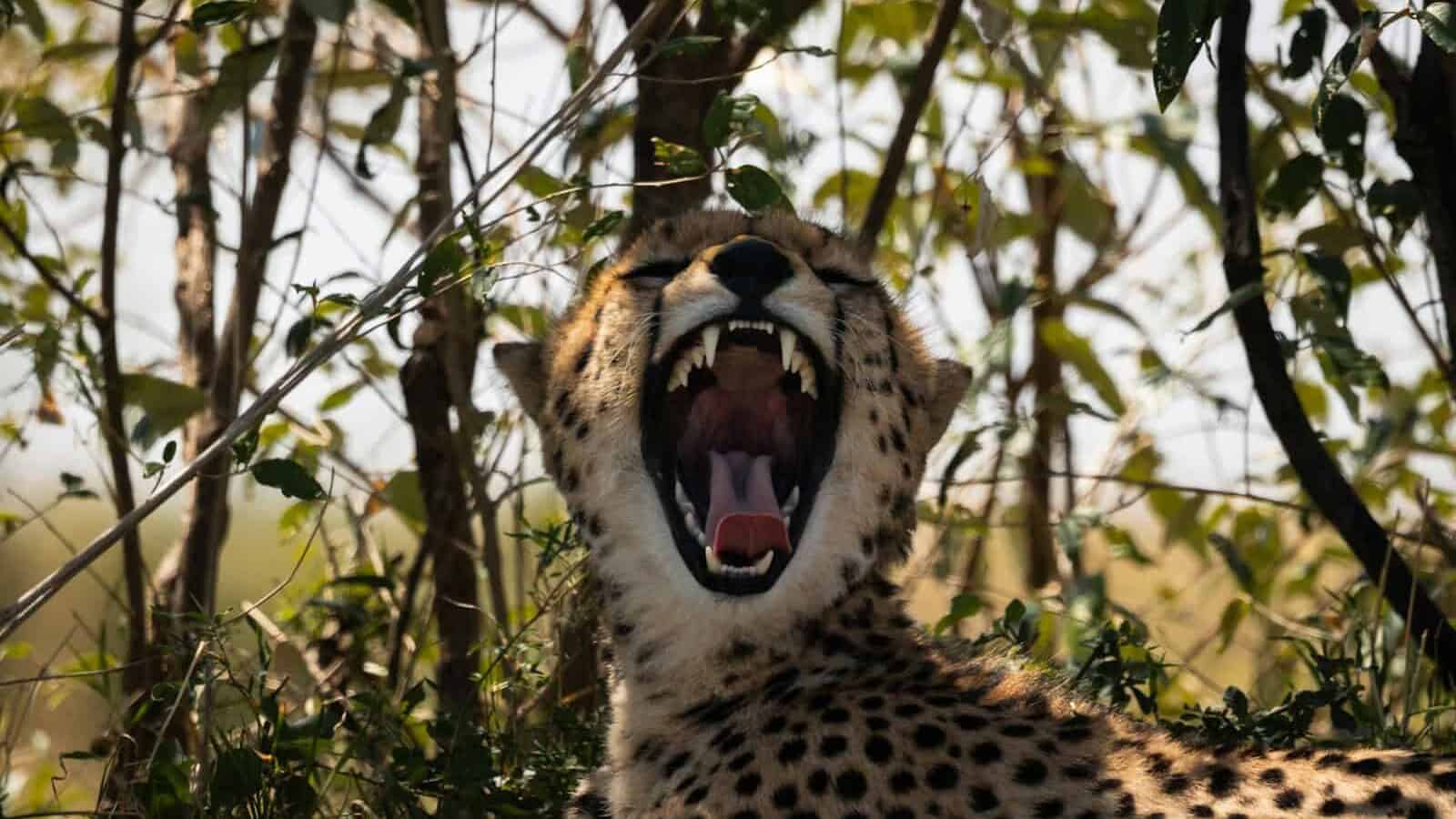
The key to understanding why cheetahs can’t roar lies in their anatomy. Roaring big cats (lions, tigers, jaguars, and leopards) possess a specialized structure in their throat called a hyoid apparatus. In these cats, the hyoid bone is partially flexible, consisting of elastic cartilage rather than being completely ossified (turned to bone). This elastic connection allows the larynx to move more freely, creating the conditions necessary for producing a roar. In contrast, cheetahs have a fully ossified, rigid hyoid bone that’s firmly attached to their skull. This fixed structure prevents the larynx from moving in the specific way required to generate the low-frequency vibrations that constitute a roar. This fundamental anatomical difference is the primary reason cheetahs physically cannot produce the iconic sounds associated with lions or tigers.
Taxonomic Classification: Roaring vs. Purring Cats
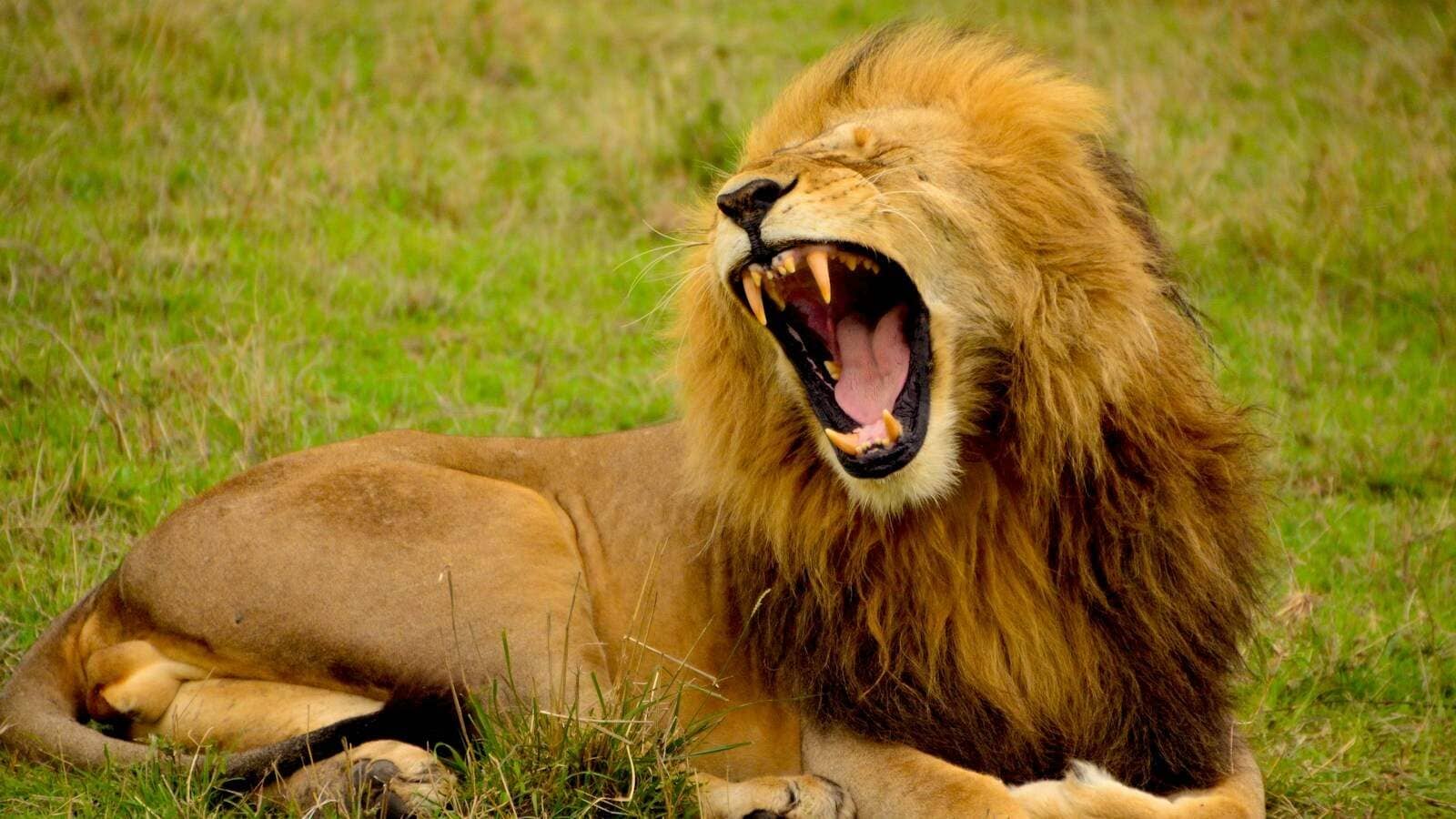
The distinct vocal capabilities among big cats have led scientists to create taxonomic divisions that reflect these differences. The cat family (Felidae) is divided into two main subfamilies: Pantherinae (roaring cats) and Felinae (purring cats). Lions, tigers, jaguars, and leopards belong to the genus Panthera within Pantherinae, characterized by their ability to roar. Cheetahs, on the other hand, belong to the subfamily Felinae and the genus Acinonyx. Other members of Felinae include smaller cats like domestic cats, pumas, and lynxes – all capable of purring but not roaring. This classification underscores how vocal adaptations have influenced our scientific understanding of feline evolution and relationships. Interestingly, this division suggests that roaring evolved as a specialized trait in one evolutionary branch of cats, while the more ancient trait of purring was retained in the cheetah lineage.
The Science of Roaring: How Big Cats Produce Their Mighty Sounds
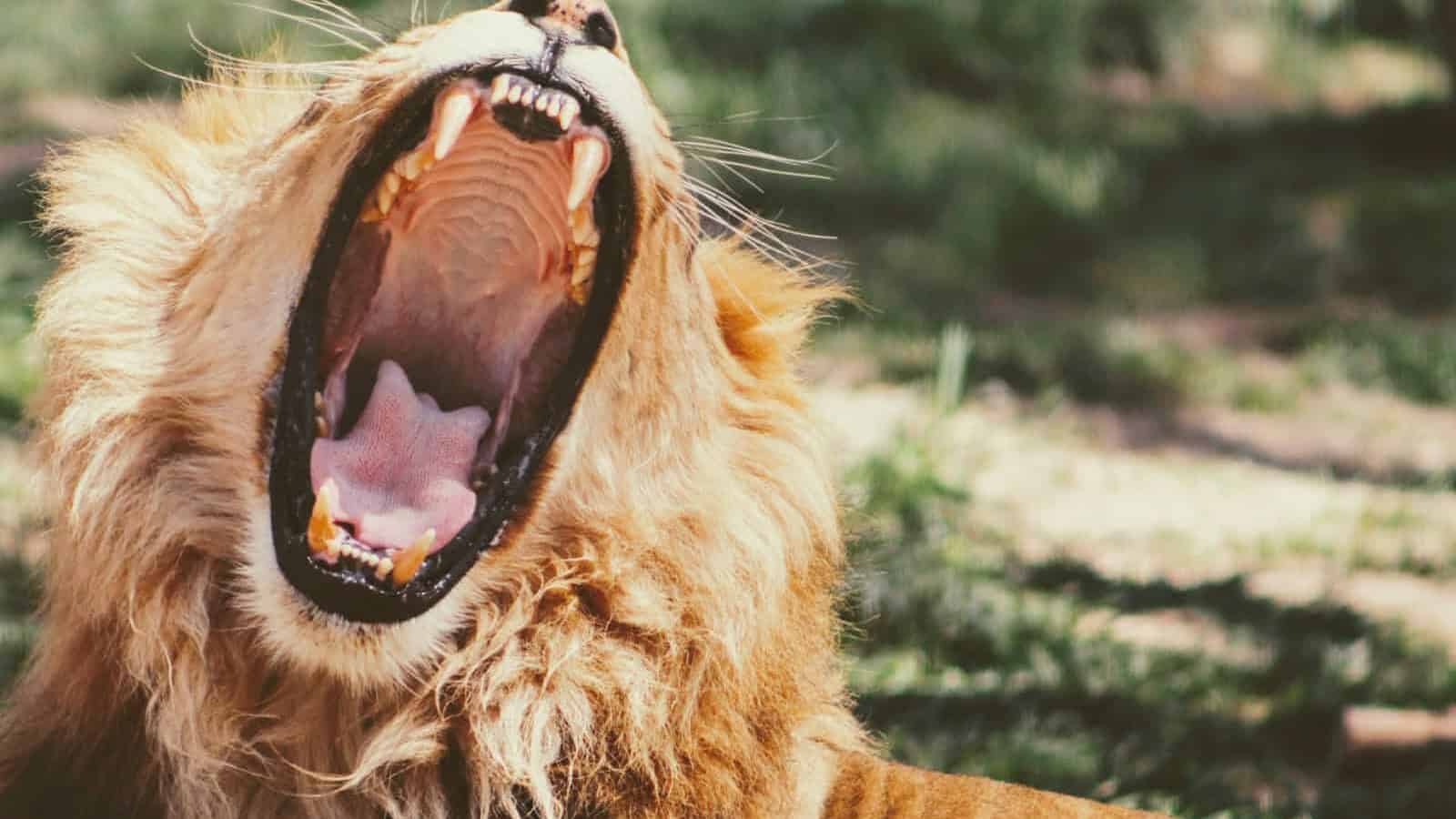
The mechanism behind roaring is a remarkable feat of natural engineering. In roaring cats, the elastic hyoid apparatus allows the larynx to be pulled back and down during vocalization. This stretches the vocal folds and the soft tissue structure called the epihyal, creating a larger resonating chamber. The cats can then push a large volume of air through this chamber, generating the low-frequency, far-carrying sounds we recognize as roars. Additionally, roaring cats possess specially adapted vocal folds that are thicker and more padded with fat, enabling them to withstand the stress of producing such powerful sounds without damage. These adaptations allow lions to produce roars that can be heard up to 5 miles away and reach volumes of up to 114 decibels – comparable to the sound of a rock concert. Without this specialized anatomy, cheetahs simply lack the physical equipment to generate such powerful vocalizations.
Cheetah Vocalizations: A Different Communication Strategy

Though cheetahs cannot roar, they have developed a rich vocabulary of other sounds. Their most distinctive vocalization is a high-pitched chirp that sounds surprisingly bird-like. They also purr loudly when content, much like domestic cats, but with greater volume. Cheetahs can hiss, growl, and make a unique “stuttering” sound when excited or agitated. Mother cheetahs use a special call resembling a “yelp” to locate and communicate with their cubs, who respond with a higher-pitched response call. While these sounds might not carry the dramatic impact of a lion’s roar, they serve the cheetah’s communication needs effectively. Research has identified at least nine distinct vocalizations in the cheetah’s repertoire, each serving specific social functions. These varied sounds reflect the cheetah’s complex social dynamics and the importance of mother-cub communication in their survival strategy.
Evolutionary Advantages of Purring vs. Roaring

The divergent vocal adaptations between cheetahs and roaring cats represent different evolutionary strategies with distinct advantages. Roaring evolved primarily as a territorial advertisement – a way for lions and tigers to announce their presence across vast distances, intimidate rivals, and coordinate with pride members. This adaptation supports their social structure and territorial behavior. Cheetahs, conversely, evolved as solitary hunters that rely on stealth and speed rather than strength and intimidation. Their chirps and purrs facilitate mother-cub bonding and short-range communication without betraying their location to larger predators or competitors. The cheetah’s ability to purr continuously during both inhalation and exhalation (something roaring cats cannot do) may also serve important social bonding functions. Some research even suggests that the frequency of purring might have healing properties, potentially aiding in bone and tissue regeneration during rest periods – particularly valuable for an animal that puts tremendous physical stress on its body during high-speed hunts.
Hunting Strategies and Vocal Adaptations
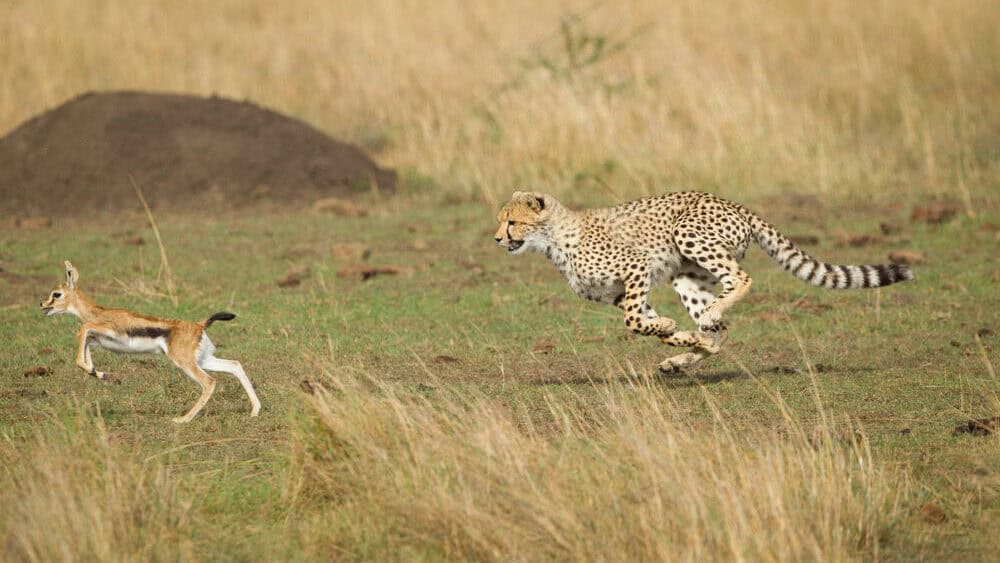
The vocal differences between cheetahs and roaring cats closely align with their distinct hunting strategies. Lions and tigers are ambush predators that rely on strength and cooperation to take down large prey. Their roars serve multiple functions in this context – coordinating group hunts, defending kills against scavengers, and maintaining territorial boundaries. Cheetahs, however, are pursuit predators that depend on stealth to approach prey and explosive speed to capture it. A loud roar would be counterproductive to this hunting style, potentially alerting prey before the chase begins. Additionally, cheetahs often hunt during daylight hours when visual communication is more effective than loud vocalizations. Their slender build – optimized for speed rather than power – also means they must avoid confrontations with larger predators that might steal their kills. Quieter vocalizations help cheetahs maintain a lower profile in environments where they are not the apex predator, reducing the risk of dangerous confrontations with lions, hyenas, or leopards.
Social Structure and Communication Needs
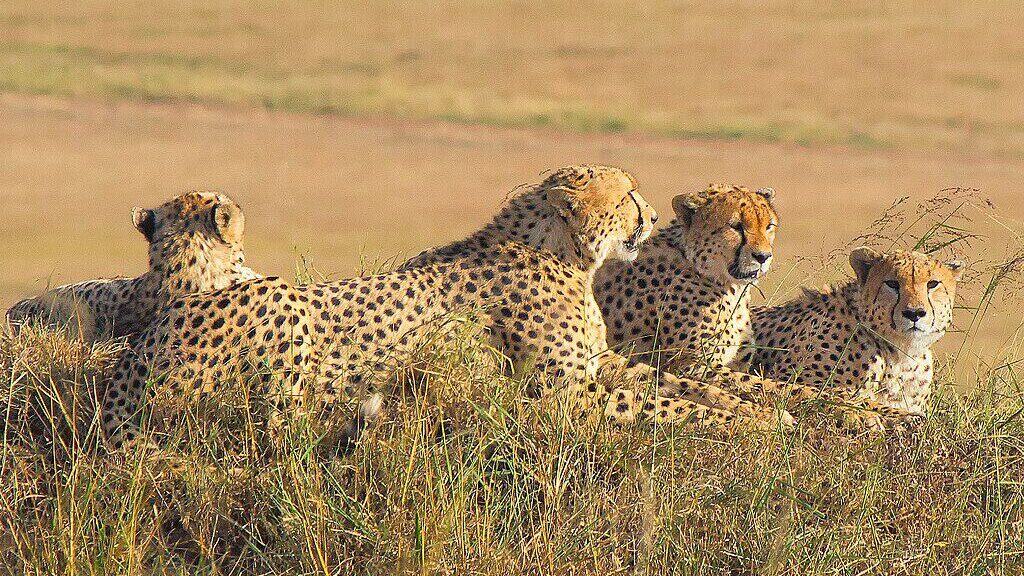
The distinct social structures of big cats have directly shaped their vocal communication systems. Lions live in prides with complex social hierarchies, where long-distance communication is essential for coordination across territories that can span up to 100 square miles. Their roars help maintain pride cohesion and advertise territorial boundaries. Tigers, though primarily solitary, use roaring to maintain separation in overlapping territories. Cheetahs have a more flexible social structure – males sometimes form coalitions (usually of brothers), and females are solitary except when raising cubs. Their communication needs are primarily short-range, focused on mother-cub interactions and coalition coordination. The distinctive chirping calls of cheetahs can travel distances appropriate for their smaller territories and hunting ranges. Their purring serves important bonding functions, particularly between mothers and cubs during their extended dependency period of 18-22 months. This aligns perfectly with their more modest communication needs compared to pride-living lions that must coordinate activities across much larger groups and territories.
The Role of Habitat in Shaping Vocalizations
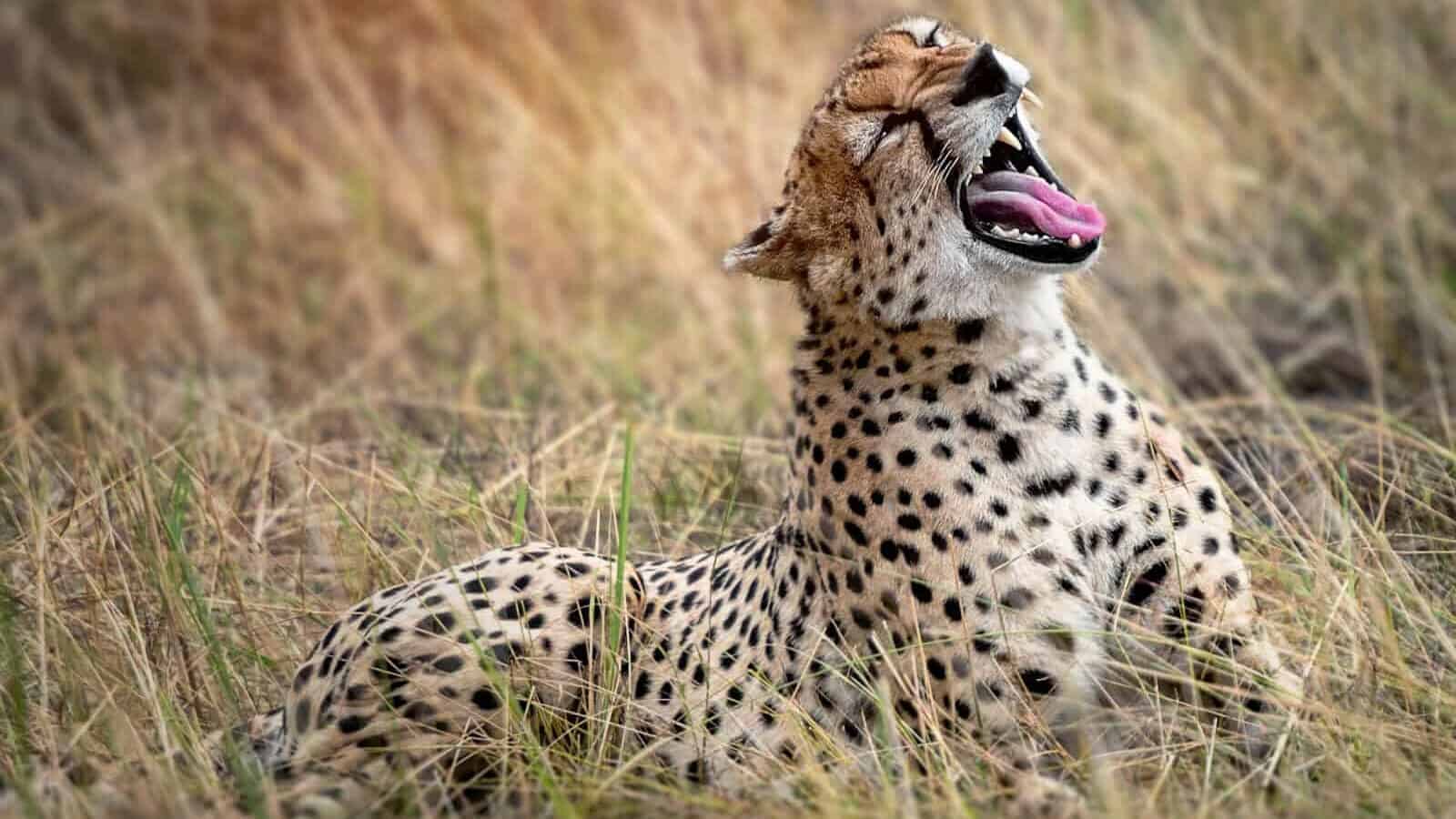
The habitats where big cats evolved have significantly influenced their vocal adaptations. Lions evolved primarily in open savannas where sound travels well across long distances, making roaring an effective communication strategy. Their roars can travel up to 5 miles across the plains, allowing them to maintain contact with pride members and mark territories efficiently. Tigers developed in more varied habitats including forests, grasslands, and swamps, where roaring helps overcome visibility limitations in dense vegetation. Cheetahs, adapted primarily to open grasslands and savannas, rely more heavily on visual communication in these high-visibility environments. Their slender build and vulnerable position in the predator hierarchy made stealth more advantageous than loud territorial announcements. In open terrain, cheetahs can use visual signals like tail positions and body language that are visible from a distance, complementing their more modest vocal repertoire. This habitat-based adaptation explains why their vocalizations evolved to be less about territorial broadcasting and more about immediate social communication.
Conservation Implications of Vocal Differences

The vocal differences between big cats have surprising implications for conservation efforts. The distinctive roars of lions and tigers make acoustic monitoring a viable technique for population surveys in their habitats. Researchers can set up recording stations to capture and identify individual cats by their unique roar patterns, helping track population dynamics without direct observation. Cheetahs, with their quieter vocalizations, require different monitoring approaches, typically relying more heavily on visual identification, camera traps, and tracking technologies. Their inability to roar may also contribute to their vulnerability in some contexts – cheetahs cannot effectively warn away larger predators from their kills or cubs through vocal intimidation. This contributes to their high cub mortality rate (up to 90% in some areas) and necessitates specialized conservation strategies. Understanding these vocal differences helps conservationists develop species-appropriate monitoring and protection plans for these threatened big cats, whose populations face significant pressures from habitat loss, human-wildlife conflict, and poaching.
Purring: The Special Ability Cheetahs Possess
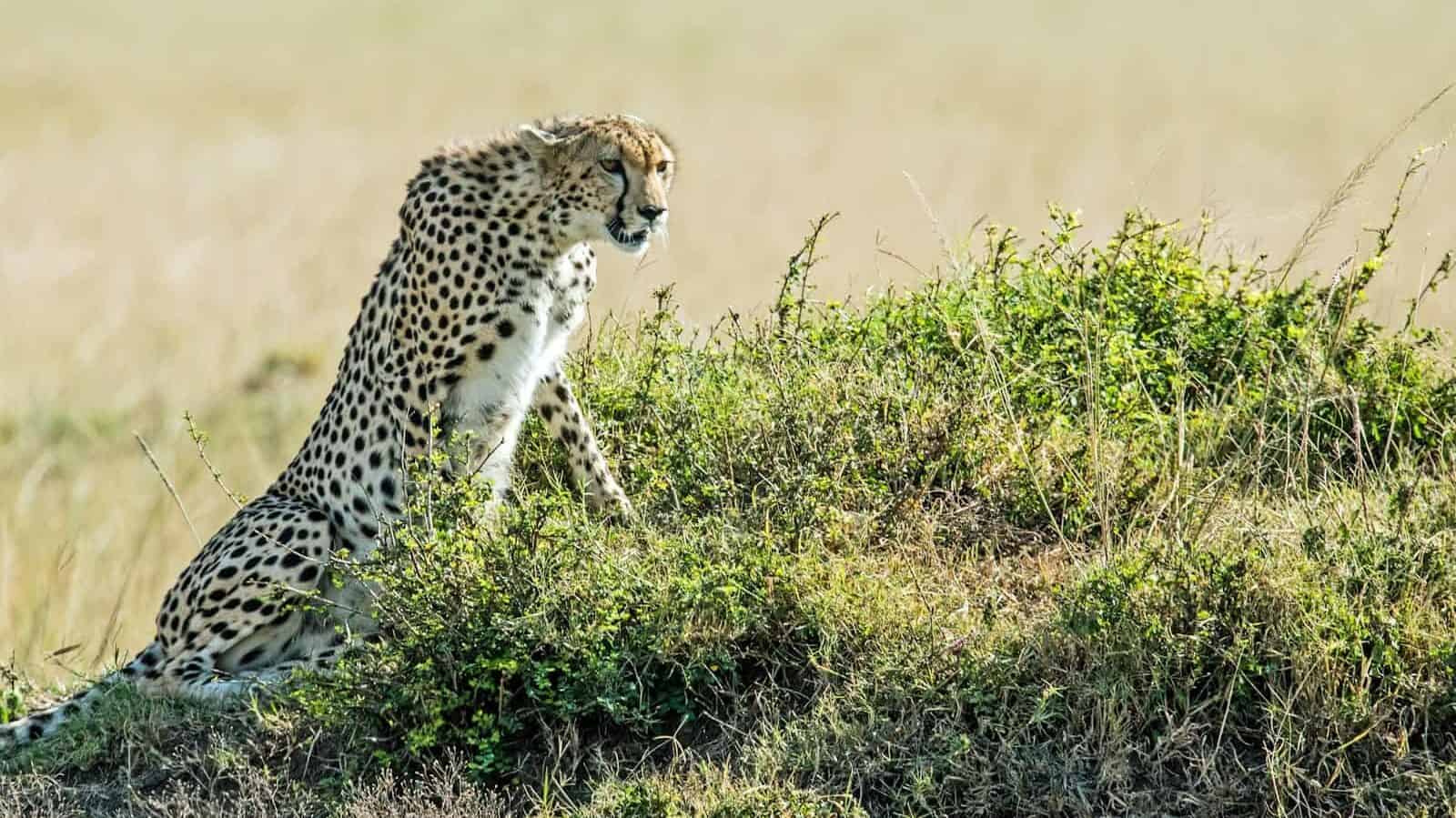
While cheetahs lack the ability to roar, they excel at purring – a vocalization that roaring cats cannot produce in the same way. Cheetahs can purr continuously during both inhalation and exhalation, creating the soothing, rhythmic sound familiar to domestic cat owners but at a much greater volume. This purring occurs at a frequency of approximately 25 Hz, similar to other purring cats. Scientists believe this frequency may have biological significance beyond communication – studies suggest that vibrations in this frequency range can stimulate bone growth, improve muscle strength, and accelerate healing. For cheetahs, whose bodies endure tremendous stress during high-speed chases (reaching 70 mph and experiencing forces up to 4G during turns), this potential healing function could be particularly beneficial during rest periods. Their purring ability represents a trade-off in vocal adaptation – while they cannot produce the intimidating roars of lions, they possess a vocalization that potentially offers physiological benefits and serves important social bonding functions, especially between mothers and cubs.
The Evolution of Big Cat Vocalizations
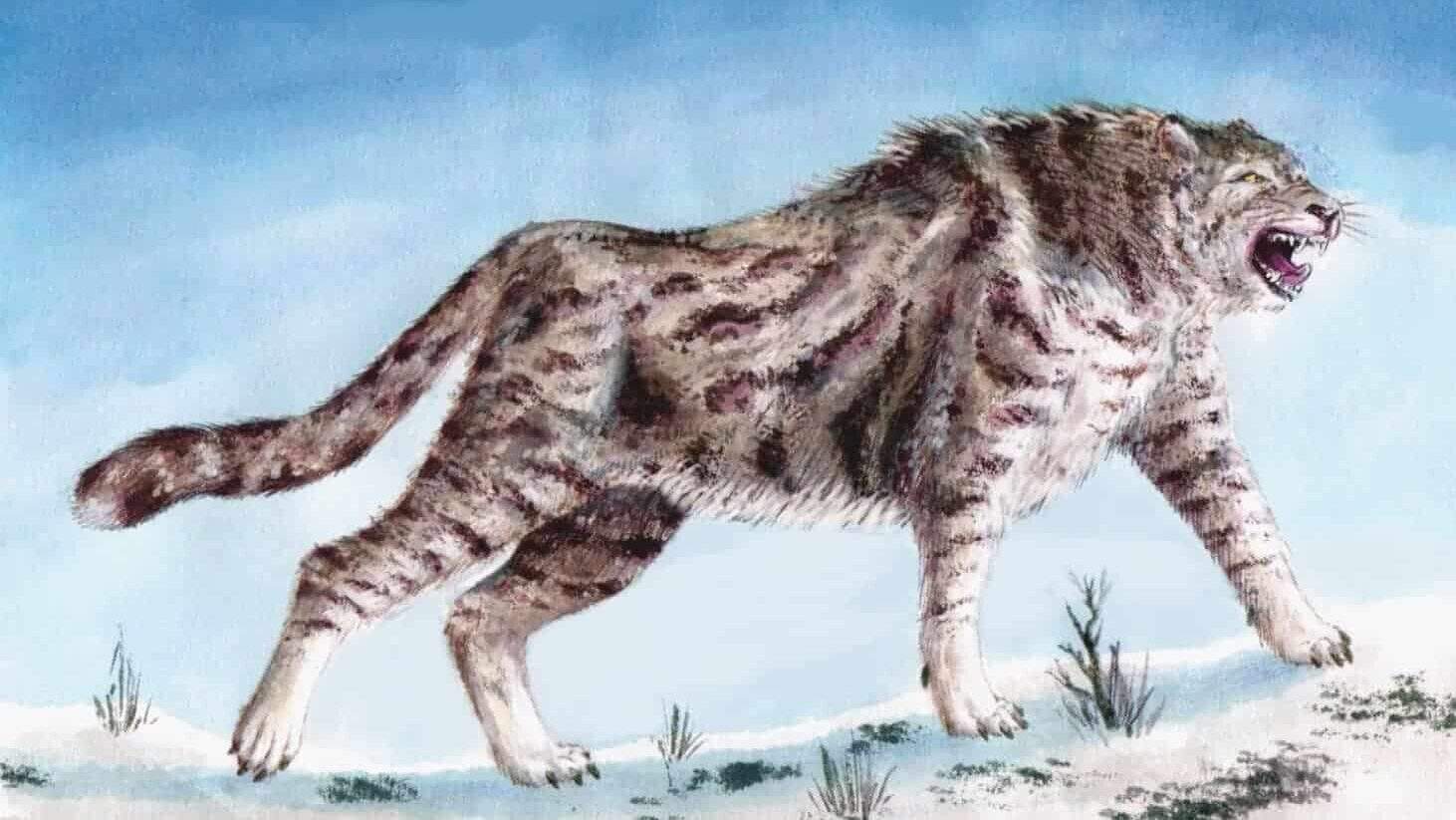
The evolutionary history of big cat vocalizations offers a fascinating window into how these animals diverged from common ancestors. Genetic studies suggest that the split between the Pantherinae (roaring cats) and Felinae (purring cats) lineages occurred approximately 10.8 million years ago. This divergence led to different vocal adaptations, with the Panthera genus developing the specialized apparatus for roaring while the more ancient trait of purring was retained and refined in the Felinae lineage. Interestingly, fossil evidence suggests that the earliest cats were likely purring rather than roaring, meaning that roaring evolved as a specialized adaptation rather than being the original condition. The cheetah’s lineage (genus Acinonyx) diverged approximately 6.7 million years ago, evolving in a direction that emphasized speed and agility rather than strength and vocal power. This evolutionary history explains why cheetahs share more vocal characteristics with smaller cats than with their larger counterparts like lions and tigers. It’s a compelling example of how different evolutionary pressures can lead related species to develop dramatically different communication strategies.
The inability of cheetahs to roar like lions or tigers is far more than a simple anatomical curiosity – it represents a profound example of evolutionary adaptation shaped by ecology, behavior, and survival strategies. While lions and tigers evolved vocal systems optimized for territorial defense and social coordination, cheetahs developed communication adaptations suited to their niche as swift, solitary hunters. These differences highlight how evolution doesn’t always favor the most dramatic or powerful traits, but rather those that best fit an animal’s ecological context and survival needs. The cheetah’s chirps and purrs serve its communication requirements perfectly, allowing for effective mother-cub bonding and short-range signaling without compromising its stealth or attracting dangerous competitors. As we work to conserve these magnificent cats, understanding these fundamental differences in their biology helps us appreciate the remarkable diversity of adaptations that have allowed different big cat species to thrive in varied environments across the planet – even as all now face unprecedented threats from human activities.

- 21 Scary Creatures You Might Run Into While Hiking In The U.S - June 3, 2026
- The Difference Between Turtles and Tortoises—Explained - June 3, 2026
- What Makes Owls the Silent Predators of the Night? - June 3, 2026