
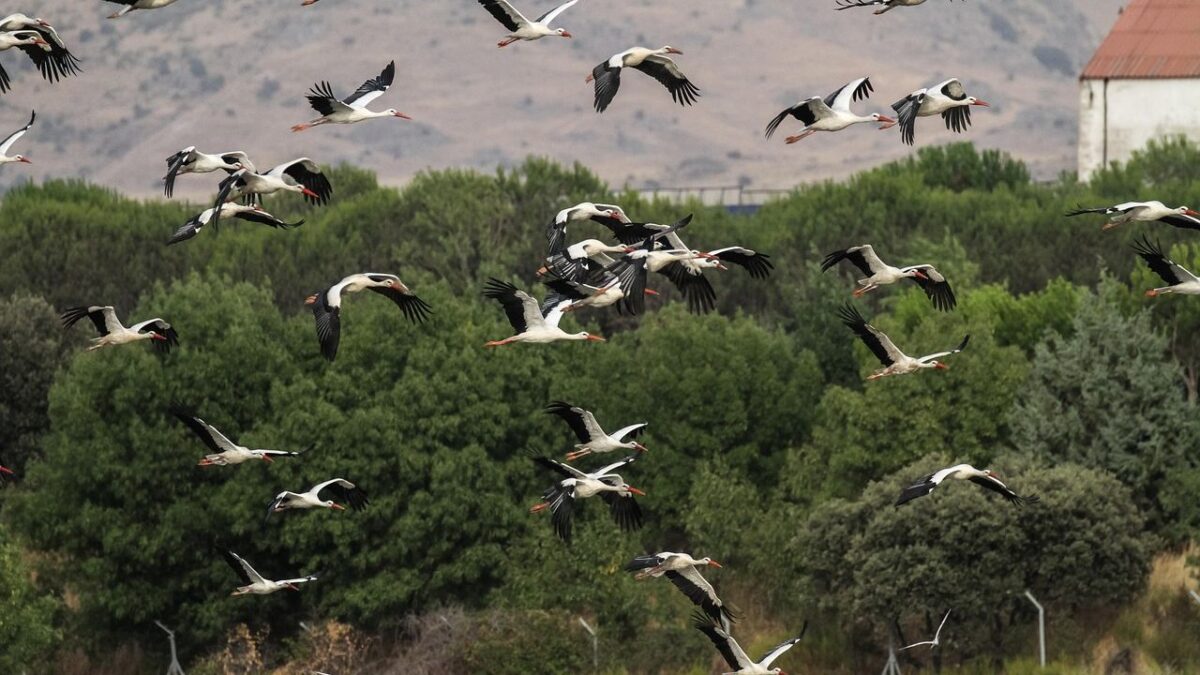
Imagine waking up one morning, and without a map, a phone, or any kind of GPS, you somehow know exactly where you need to go. Thousands of miles away. Through storms, over oceans, across mountain ranges. That is essentially what birds do every single year, and honestly, the more you look into it, the more astonishing it becomes.
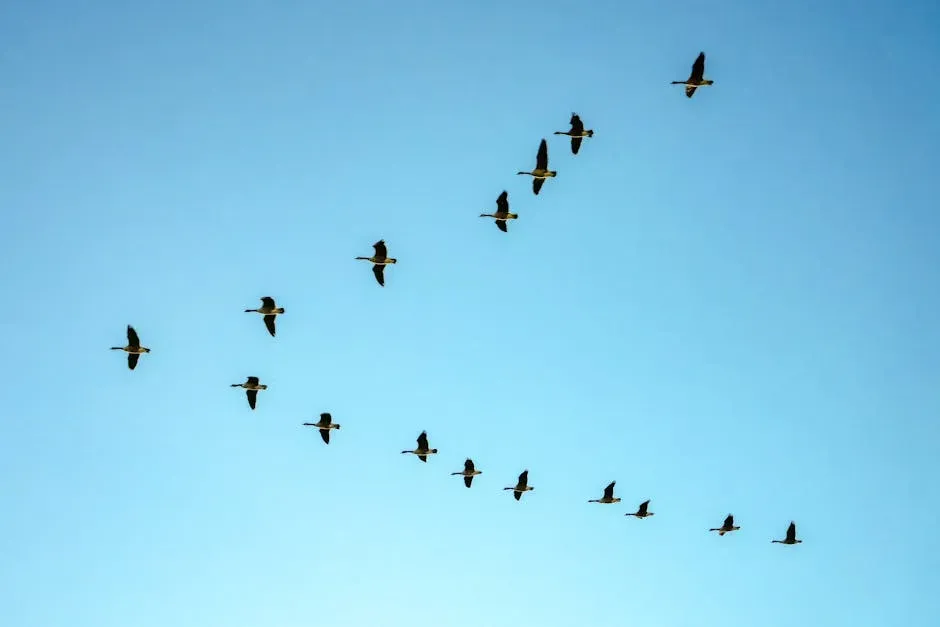
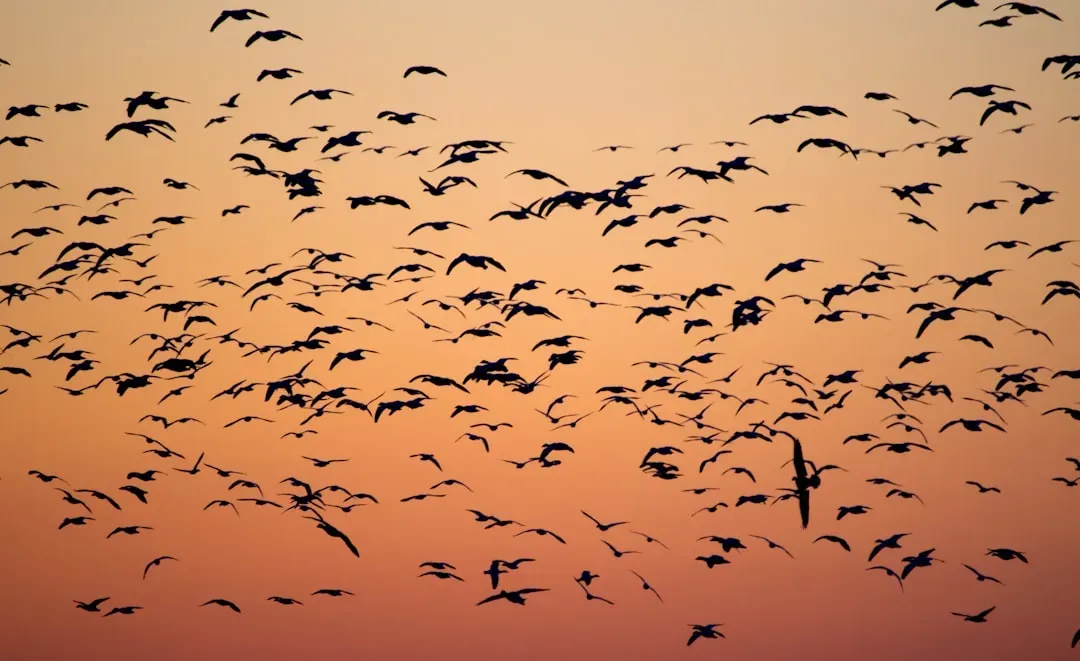
Every spring and fall, a spectacle unfolds in the night sky as millions of birds attempt long, perilous journeys between their summer breeding and wintering grounds. We see geese in formation and think little of it. Yet behind that V-shaped silhouette is one of nature’s most jaw-dropping survival stories. The science behind it is equal parts thrilling and humbling. Let’s dive in.
The Real Reason Birds Pack Their Bags
Here’s the thing that surprises most people: birds don’t migrate because they feel like exploring. It’s about survival, plain and simple. The reasons birds migrate are primarily survival and reproduction. By moving to regions with warmer temperatures or more plentiful food, they increase their chances of survival during harsh seasons.
Migration is primarily driven by seasonal changes in food availability and climate. As insects disappear and plants stop producing fruit in northern regions, birds move south to find abundant food and warmer weather. Think of it like a restaurant that closes for winter. You either find another one, or you starve.
Additional motivations could include escaping from inclement weather and reducing exposure to predators or parasites, especially during breeding season. It is not one single push. It is a perfect storm of biological pressure, all pointing in the same direction.
Migration allows birds to take advantage of favorable climates, abundant food sources, and safer nesting areas throughout the year. The breeding angle is especially critical. Researchers believe that the answer lies in the abundance of food and the longer days available in northern regions during spring and summer. More daylight means more time to feed chicks. More food means stronger offspring. The math works out perfectly.
Record-Breaking Journeys That Will Make Your Jaw Drop
Let’s be real, some of these migration distances are almost impossible to believe. Arctic terns undertake pole-to-pole roundtrips spanning more than 60,000 miles, a record believed to be the world’s longest migration of any animal. That is like flying to the moon and a quarter of the way back. Every single year.
In 2020, scientists recorded a godwit undertaking the longest-known nonstop migratory flight between Alaska and New Zealand, traveling more than 7,500 miles across the Pacific Ocean for 11 days straight. No landing. No rest. No food. Just pure, relentless flight. Prior to migration, roughly more than half of their bodyweight is stored as fat to fuel this uninterrupted journey.
The great snipe covers distances exceeding 4,200 miles and reaches speeds of up to 60 miles per hour when traveling nonstop between Europe and sub-Saharan Africa, making it the fastest flying migratory bird. Sixty miles per hour. Nonstop. That rivals highway speeds.
Calliope hummingbirds, North America’s smallest bird, make 5,600-mile roundtrips between the high-elevation meadows and open forests of the northern Rockies and the pine-oak forests of Mexico. A bird smaller than your thumb, crossing mountain ranges. I know it sounds crazy, but that is exactly what happens. Roughly half of the world’s nearly 10,000 known bird species migrate, including several songbirds and seabirds, waterfowl and waders, as well as some raptors.
The Built-In GPS: How Birds Actually Navigate
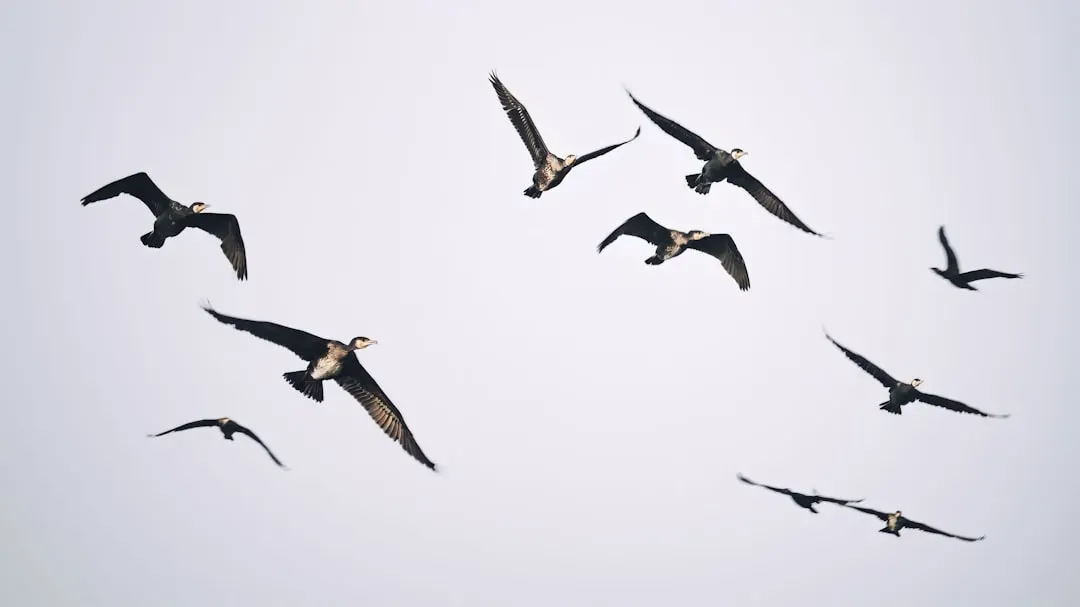
This is where things get genuinely mind-blowing. Every year, millions of birds embark on journeys that span thousands of miles, flying across continents, oceans, and deserts with a precision that leaves even the most advanced human technologies in awe. These epic migrations pose a profound scientific question: how do birds find their way across such vast, unfamiliar landscapes without the aid of maps, compasses, or GPS devices?
These birds rely on a combination of magnetic fields, sun positioning, star patterns, and olfactory cues to chart precise routes across continents and oceans. It is essentially a multi-layered navigation system that no human engineer has come close to replicating in something as light as a feather.
Migratory birds’ navigational input comes from several senses, mainly sight, smell, and magnetoreception. By observing the apparent nighttime rotation of the stars around the North Star, the birds learn to locate north before they embark on their first migration, and an internal 24-hour clock allows them to calibrate their sun compass.
Birds possess innate magnetic compasses, cryptochrome proteins, and quantum-sensitive systems capable of detecting Earth’s geomagnetic field. There is even ongoing research suggesting that some birds may literally “see” magnetic fields as visual overlays. It’s thought that they perceive magnetism as two bright spots in their vision, the intensity of which provides them with their directional clue. Imagine navigating with a built-in heads-up display. That is essentially what they have.
One of the simplest ways a bird can make sure it’s on the right track is to watch for familiar landmarks below. Some ornithologists believe that day-migrating birds keep an eye out for features such as rivers and mountain ranges, using them to plot a course. There’s even evidence that night-migrating birds can fine-tune their course based on rivers as they near their destinations.
Born to Fly: The Genetics and Instinct Behind Migration
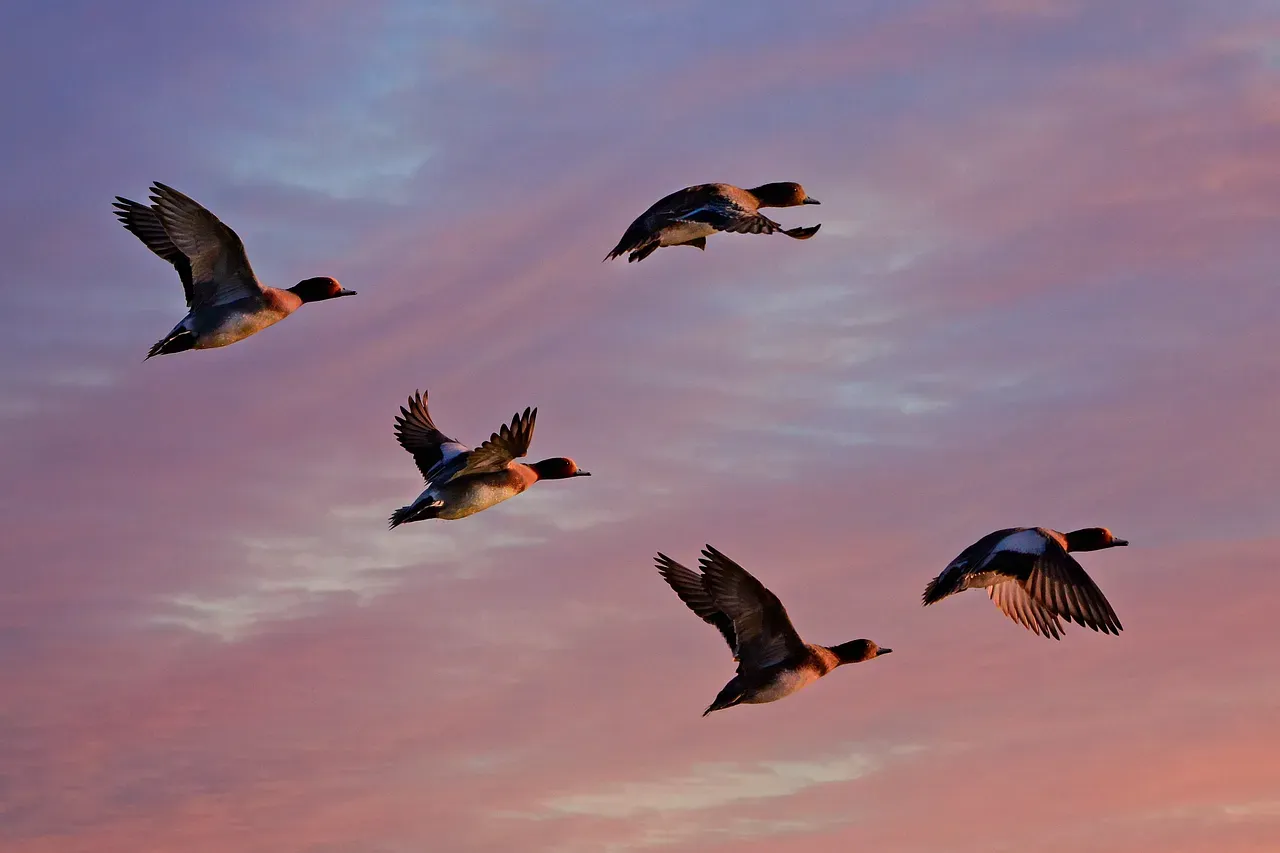
Here is something that will genuinely stop you in your tracks. One of the most fascinating aspects of bird migration is that many species undertake their first journey without ever having traveled before. Juvenile birds, in some cases, complete transcontinental flights without guidance from their parents or elders. This remarkable feat suggests that the foundation of their navigation is hardwired into their genetic code.
Many species are born with genetic programming that drives them to migrate. Even young birds raised in captivity, away from their parents, often attempt to migrate at the correct season and in the correct direction. These instincts are controlled by hormonal changes triggered by environmental factors such as daylight length and temperature. When days grow shorter in autumn, hormones stimulate restlessness, known as “zugunruhe,” which prompts birds to start their long journey.
The timing of migration seems to be controlled primarily by changes in day length. It’s like an alarm clock embedded deep in their DNA, going off at exactly the right moment, season after season.
While short-distance migration probably developed from a fairly simple need for food, the origins of long-distance migration patterns are much more complex. They’ve evolved over thousands of years and are controlled at least partially by the genetic makeup of the birds. Scientists are now identifying specific genes involved. One such gene is VPS13A, identified as a key element associated with the selection of wintering regions in songbirds such as the golden-winged warbler and the blue-winged warbler.
The Dangers Along the Way and Why We Should Care
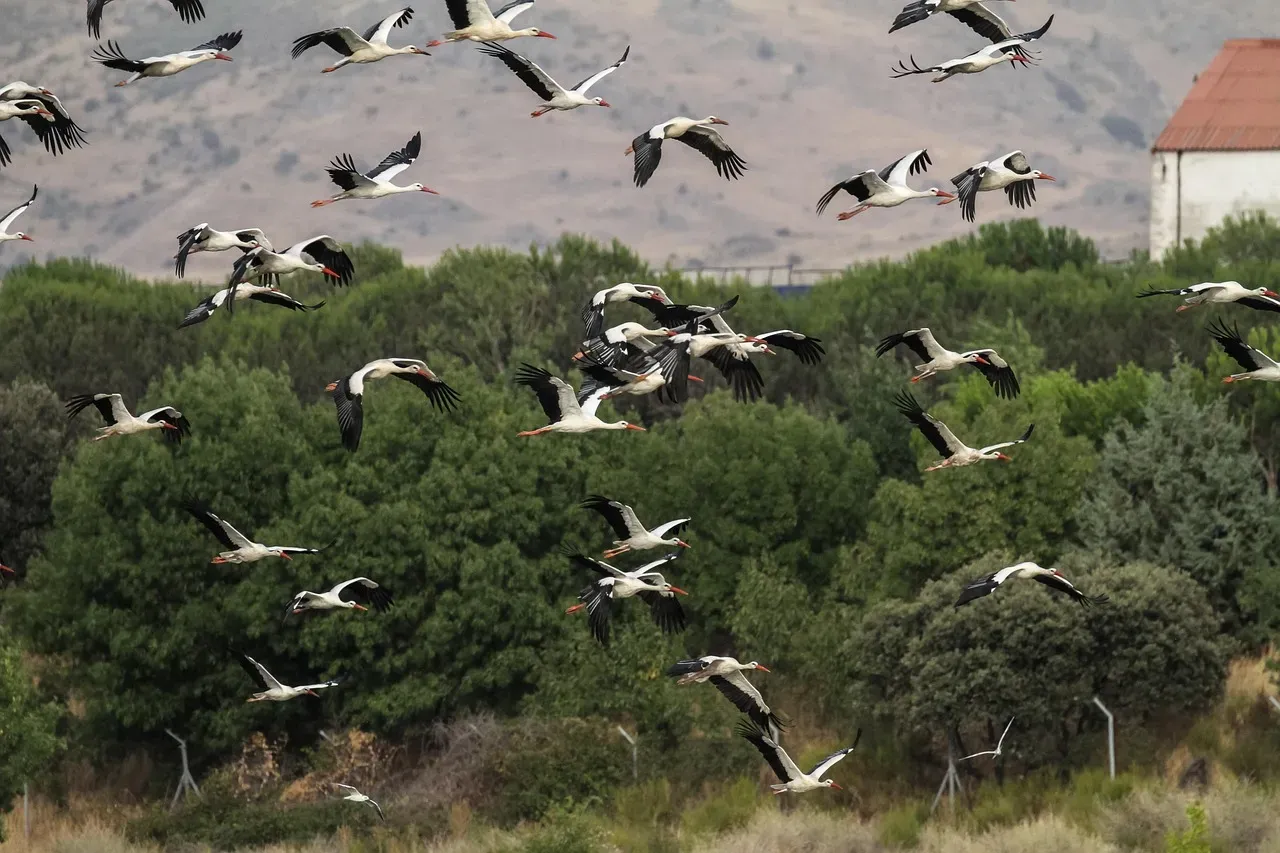
Migration is not a scenic vacation. It is brutal. Around 3.5 billion birds migrate back into the United States from their southern wintering grounds in the spring, and it’s estimated that only about half of migrating birds survive the journey. Think about that number for a moment. Roughly half don’t make it home.
The physical stress of the trip, lack of adequate food supplies along the way, bad weather, and increased exposure to predators all add to the hazards of the journey. On top of these natural dangers, humans have added a whole new layer of threats. Light pollution is a major hazard. Many birds migrate at night, using celestial cues for navigation. Artificial city lights can disorient them, leading to energy-draining confusion or fatal collisions with buildings.
Songbirds, many of which make twice-yearly nonstop flights of more than 1,000 miles, fuel themselves by burning lots of fat and a surprising amount of the protein making up lean body mass, including muscle, early in the flight. This flips the conventional wisdom on its head, which had assumed that migrating birds only ramped up protein consumption at the very end of their journeys.
A study published in Science found that North America has lost 3 billion birds since 1970. In just 50 years, we have lost roughly a third of the bird population in North America. That figure is staggering. This alarming decline highlights the need for conservation efforts to protect bird habitats and make human environments safer for migrating species.
Conclusion
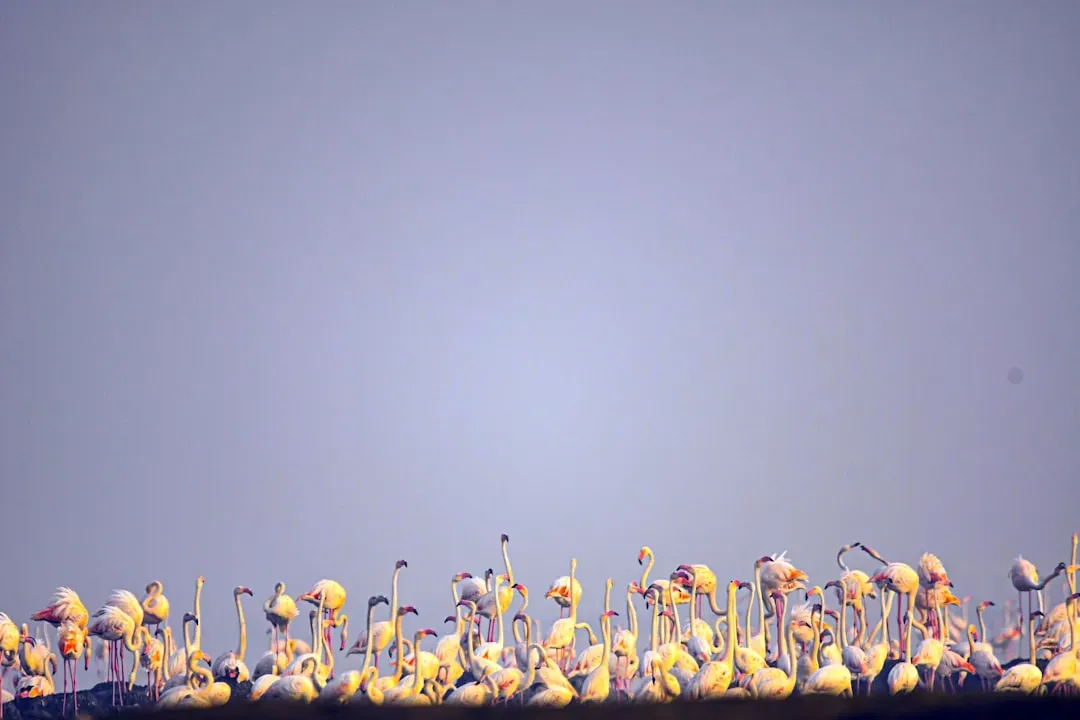
Bird migration is one of those phenomena that gets more extraordinary the deeper you look. What appears to be a simple seasonal shuffle is actually a biological masterpiece, powered by quantum physics, ancient genetics, star maps, magnetic fields, and sheer physical endurance. No algorithm built by humans comes close to matching what a three-gram warbler does entirely on instinct alone.
The next time you notice birds moving through your sky, heading somewhere with quiet, unwavering purpose, take a second. What you’re witnessing is hundreds of millions of years of evolution in motion. Something that shaped cultures, inspired myths, and still baffles scientists today.
These birds don’t ask for directions. They just know. Doesn’t that make you wonder what else nature has quietly figured out long before we even thought to ask the question?
