

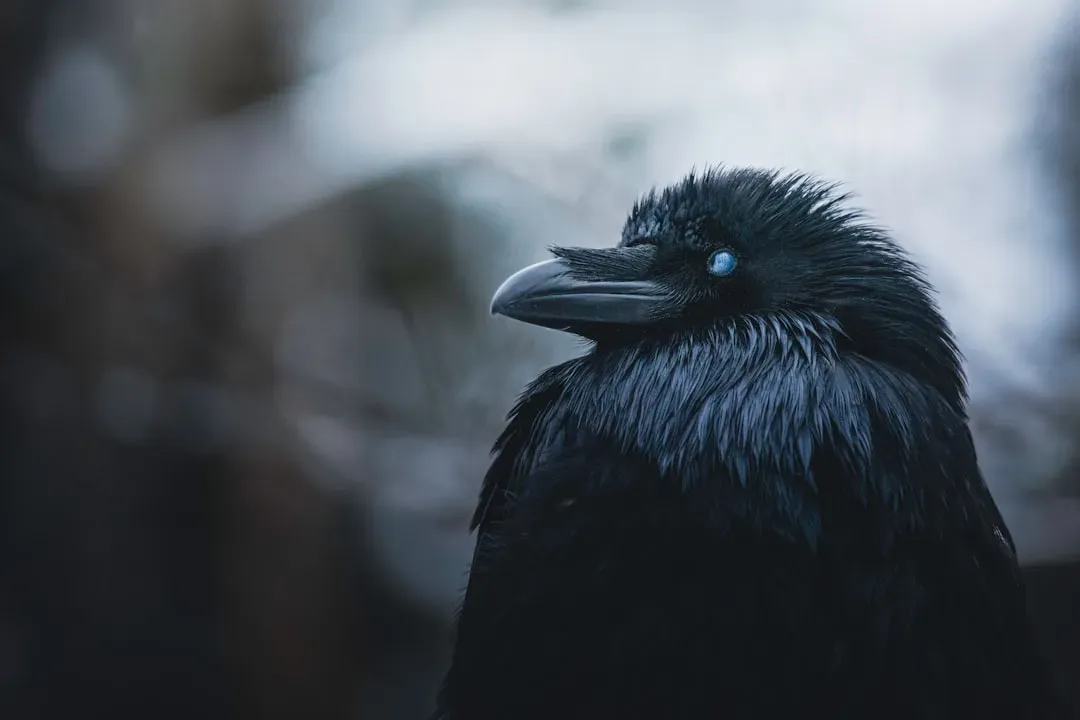
You walk past the same tree every morning on your way to work. You never think twice about the crow sitting on that branch. It watches you, though. It clocks your face, your posture, even the direction of your gaze. And here is the thing that genuinely unsettles people once they find out: that crow will probably remember you for years.
The science behind crow intelligence has been quietly stunning researchers for decades. These birds are not simply surviving in our world. They are studying us. Actively. Let’s dive in.
The Experiment That Changed Everything We Thought We Knew
Imagine donning a rubber caveman mask, walking out to a university campus, and trapping a few wild birds. It sounds theatrical. Yet that is exactly how one of the most revealing scientific experiments in animal cognition began.
A five-year study by scientists at the University of Washington found that crows possess an unusually good memory for human faces linked to a stressful event. The researchers donned a caveman mask before trapping, banding and releasing wild crows at five sites on or near their campus in Seattle, Washington. What happened next was extraordinary.
A few days later, researchers walked through the same areas wearing assorted masks and recording how the birds responded. At each site, the crows ignored all but the particular mask worn during the banding, which they greeted with loud scolding cries and the formation of small mobs. The effects were the same regardless of what clothing the researchers wore or who wore which mask.
At one of the five sites, roughly one in five crows reacted angrily to the caveman face shortly after the trapping. After five years, the proportion of crows reacting to that face had tripled, suggesting that word had spread among the flock that this was a dangerous face. Think about that for a moment. Three times as many birds were responding to a face most of them had never even encountered personally.
How Crows Actually Recognize and Process Human Faces
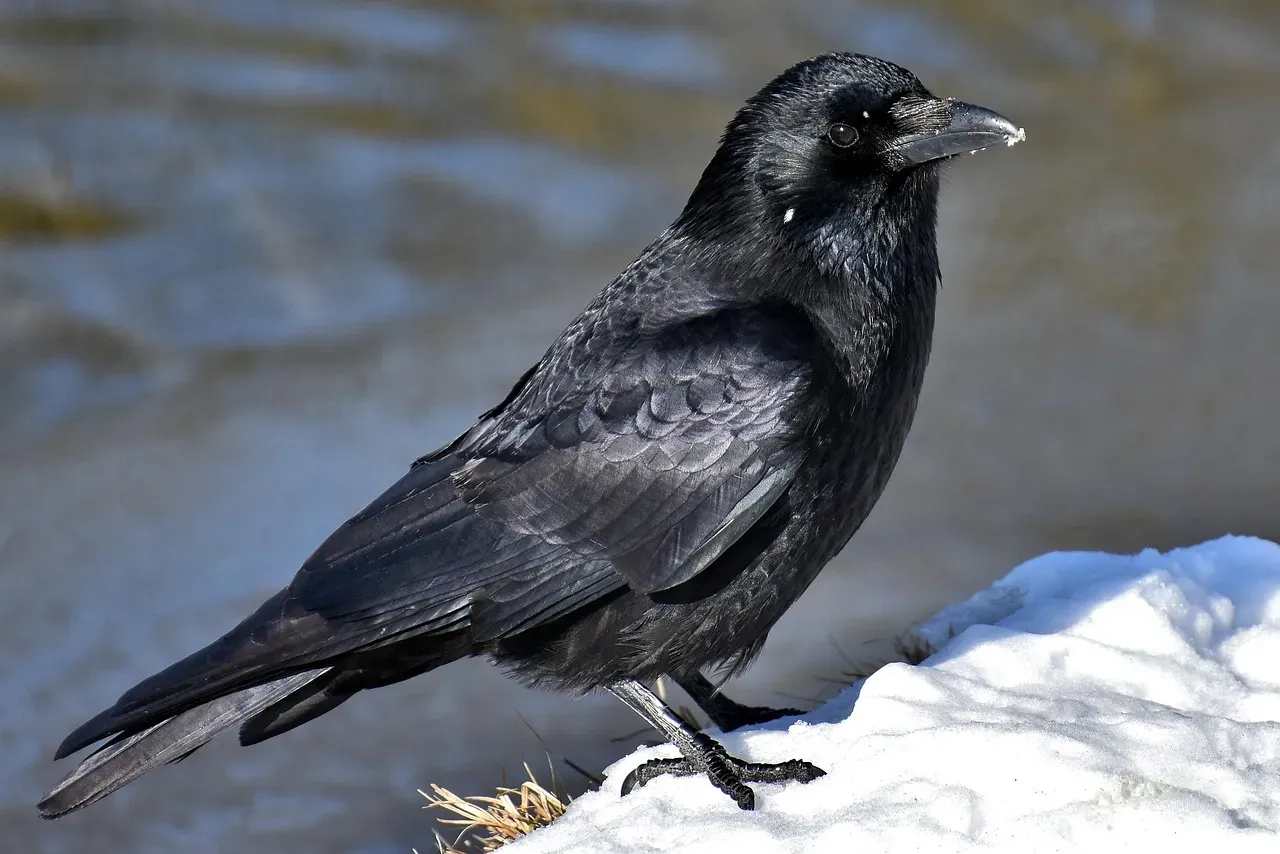
Here’s the thing that surprises most people. It is not just behavior. The face recognition capability in crows is rooted in genuine neuroscience, mapped inside the bird’s actual brain.
In vivo imaging of crow brain activity during exposure to familiar human faces previously associated with either capture or caretaking activated several brain regions that allow birds to discriminate, associate, and remember visual stimuli, including the rostral hyperpallium, nidopallium, mesopallium, and lateral striatum. In plain terms, crows are firing up multiple, interconnected brain regions just to process a human face.
Brain imaging scans revealed that when crows saw a dangerous mask it activated their amygdala, the same part of the brain responsible for processing fear in humans. This discovery not only confirms that crows remember faces and associate them with emotional experiences, but that their responses are biologically similar to our own, rooted in a similar neural architecture tied to fear, threat assessment and memory.
Crows may use not only facial recognition but also body language and sound cues to identify individual humans. This multimodal approach to recognition reinforces the bird’s ability to remember and respond accordingly. Honestly, it is more sophisticated than how most people track faces at a busy party.
The Social Network: How Crows Teach Each Other to Recognize Threats
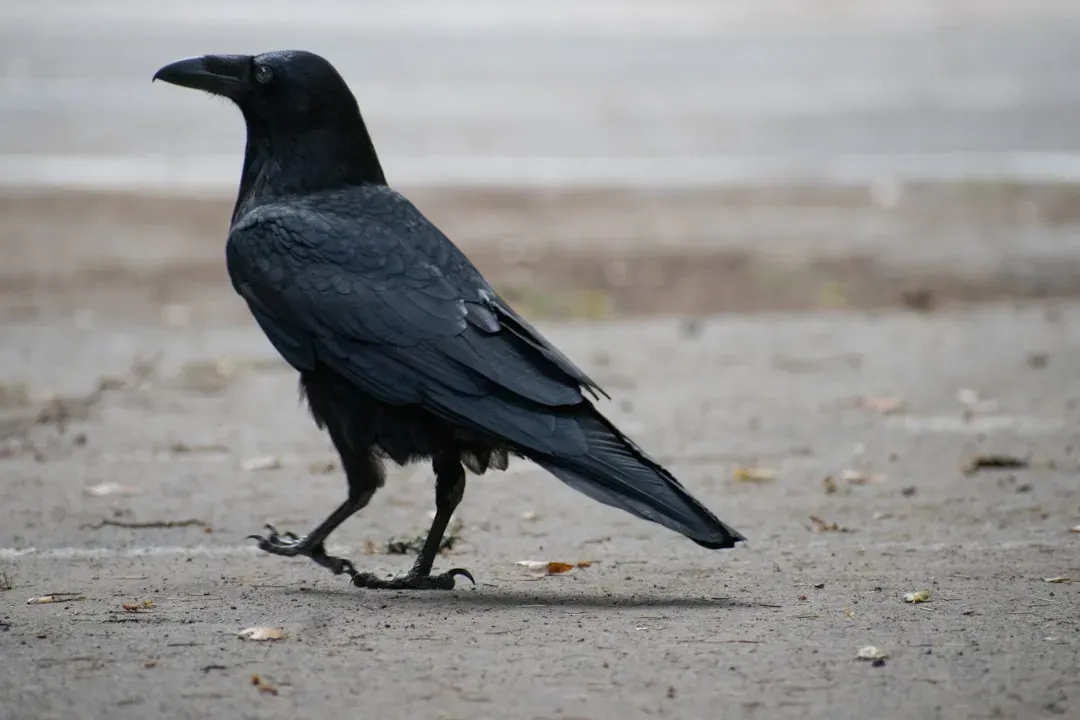
What makes crow intelligence truly jaw-dropping is not just what one crow remembers. It is what the entire group ends up knowing. This is where things get almost uncomfortably human.
Crows can learn to recognize threatening individuals by observing the reactions of other crows. If one crow scolds a particular person, others in the flock can learn to associate that face with danger, even without having a direct negative experience themselves. It is essentially a community warning system with faces as the data.
The ability of crows to pass down knowledge is a fascinating aspect of their intelligence and social behavior, going beyond simple individual learning. It suggests a form of cultural transmission, where information and skills are shared within and across generations, contributing to the collective knowledge and adaptability of crow communities.
Studies have shown that crows are able to hold grudges, remembering people who have wronged them for as long as 17 years in some cases. Researchers have also observed their abilities to communicate dangers and concerns to others in their flock and help one another solve problems. Seventeen years. Let that sink in. That is longer than many friendships last.
Crows not only remember human faces individually but also collectively build a communal awareness. Such group behavior fosters a sophisticated system of alerts and protection within crow communities, illustrating complex bird behavior rooted in memory.
A Brain Built Differently, Yet Remarkably Familiar
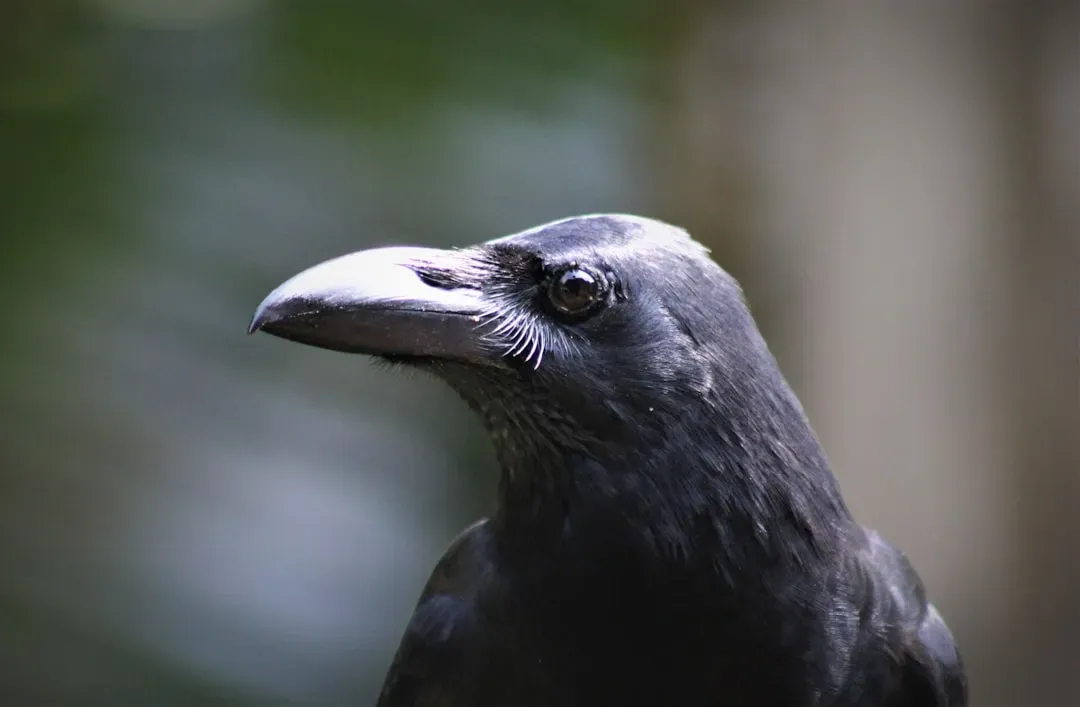
Here is where the neuroscience gets truly fascinating. Crow brains do not look anything like mammal brains. No layered cortex. No neocortex as we understand it in primates. Yet somehow, they pull off the same cognitive feats.
Corvids last shared a common ancestor with mammals over 300 million years ago, and they can create tools, recognize their reflections, and use past experiences to anticipate human behavior, despite a small brain mass presumably constrained by flight. Corvid brains have twice the number of neurons as primate brains of similar mass, which may contribute to their astonishing executive functions.
The crow brain has about twice as many neurons as a primate brain of equal mass. While the crow’s brain might be small compared to many mammals, it is incredibly densely packed with neurons. This high neural density, especially in areas responsible for intelligent behaviour, might explain how crows achieve their impressive cognitive abilities despite having a differently organised brain. Traditionally, we have thought that a layered cortex is necessary for higher intelligence, but the crows are showing us that brains do not need to be built like ours to be smart.
Research has found that crows know what they know and can ponder the content of their own minds, a manifestation of higher intelligence and analytical thought long believed the sole province of humans and a few other higher mammals. I think that is genuinely one of the most mind-bending things science has confirmed about any non-human animal.
What This Means for Science and How We Understand Intelligence
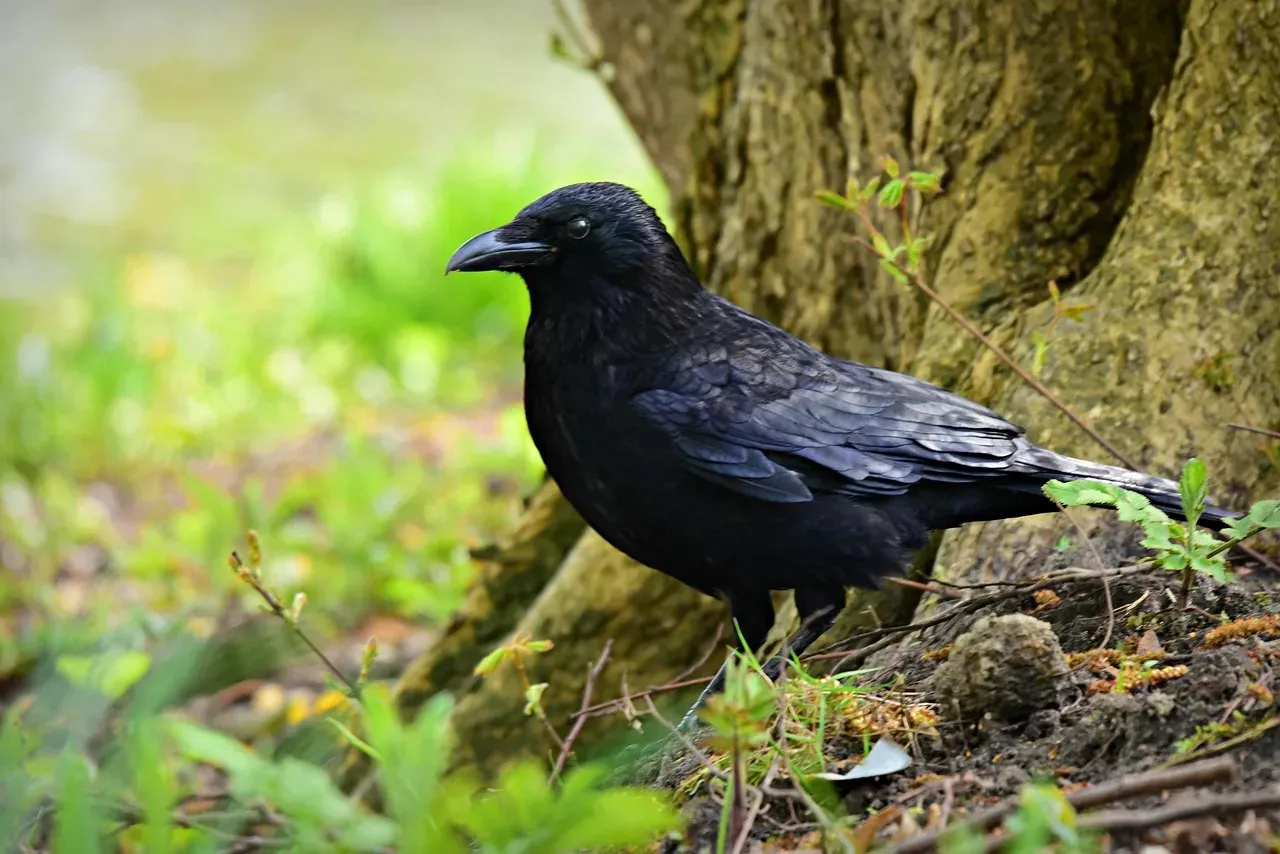
The crow, it turns out, is not just an interesting animal. It is a living challenge to some of our most fundamental assumptions about how intelligence works and where it can come from.
Researchers have made startling discoveries in recent years about a crow’s ability to communicate, solve problems, remember people, and use tools. What they are discovering about crow brains is changing how scientists understand intelligence and bringing into question our accepted version of evolution.
Any computational similarities between corvid and primate brains, which are so different neurally, would indicate the development of common solutions to shared evolutionary problems, like creating and storing memories, or learning from experience. If neuroscientists want to know how brains produce intelligence, looking solely at the neocortex will not cut it; they must study how corvid brains achieve the same clever behaviors that we see in ourselves and other mammals.
Research on crow memory contributes valuable insights to the broader field of animal memory studies. It challenges the assumption that advanced memory and facial recognition were primarily limited to mammals, such as primates and dolphins. Studying crows helps scientists understand how intelligence and memory evolve across species under different environmental pressures. The findings support that complex cognitive functions can arise in birds, emphasizing convergent evolution of intelligence.
Crows can also remember people who have been kind to them, offering food or creating a safe environment. When humans consistently act in a non-threatening or even beneficial way, crows in the area may become less wary of them. They might allow these individuals to approach more closely without immediately flying away, indicating a learned sense of safety and trust. So it works both ways. You can earn a crow’s respect just as easily as you can earn its lifelong hostility.
Conclusion: The Bird That Has Been Watching You All Along
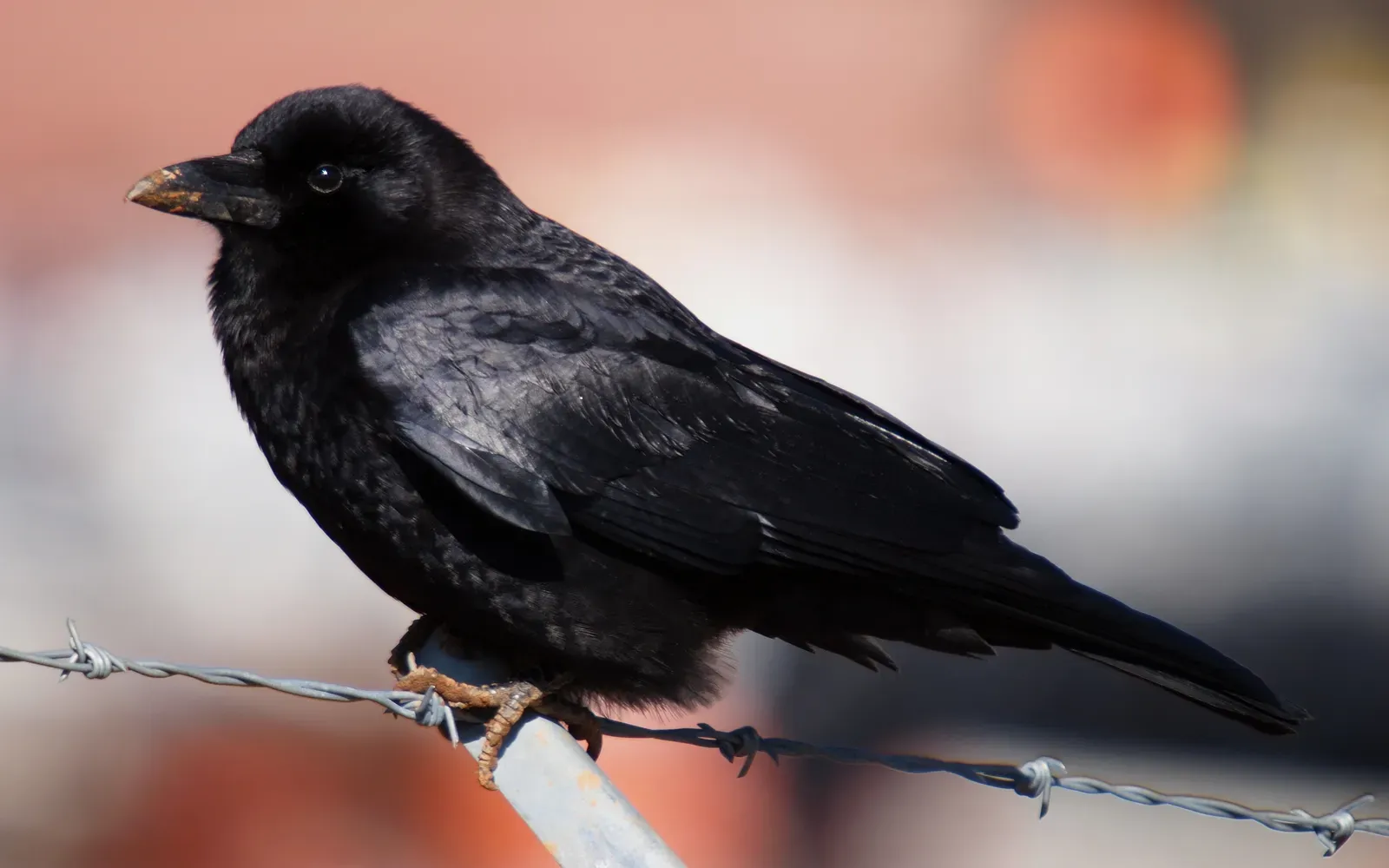
There is something quietly profound about realizing that the bird perched on your fence post is not just sitting there. It is processing. It is remembering. It is possibly teaching other birds about you right now.
Crows force us to rethink intelligence as something that does not belong exclusively to mammals or to species with brains that resemble ours. They evolved an entirely different solution to the same problem, and it works remarkably well. Well enough to remember a single face for nearly two decades. Well enough to teach their offspring who to fear and who to trust. Well enough to make neuroscientists genuinely rethink what consciousness and cognition even mean.
The next time a crow looks you in the eye, know that the encounter is not casual. You are being filed away. The real question worth sitting with is this: what kind of impression are you leaving behind?

- 7 Scents That Help Keep Ants Out of Your Kitchen Naturally - June 27, 2026
- 8 Native Plants That Naturally Attract Monarch Butterflies - June 27, 2026
- 10 Signs Your Cat Sees Your Home as Safe Territory - June 27, 2026