
Imagine walking along a beach at night and suddenly the ocean begins to glow. Not from city lights or passing ships, but from the water itself, pulsing with an electric, otherworldly blue. Or picture a summer evening in your backyard, your dog frantically chasing tiny floating sparks of light through the grass. Those fireflies are doing something so extraordinary that scientists have spent centuries trying to fully understand it. Nature, it turns out, has its own light switch.
Bioluminescence is one of the most jaw-dropping phenomena on our planet, and yet most of us have only glimpsed the faintest edge of it. From the deep ocean’s pitch-black corridors to glowing caves and humid rainforests, living creatures are quietly lighting up the world in ways that are both beautiful and fiercely practical. So let’s dive in, because what you’re about to discover might just change the way you see the natural world after dark.
The Science Behind the Glow: How Do Animals Actually Make Light?
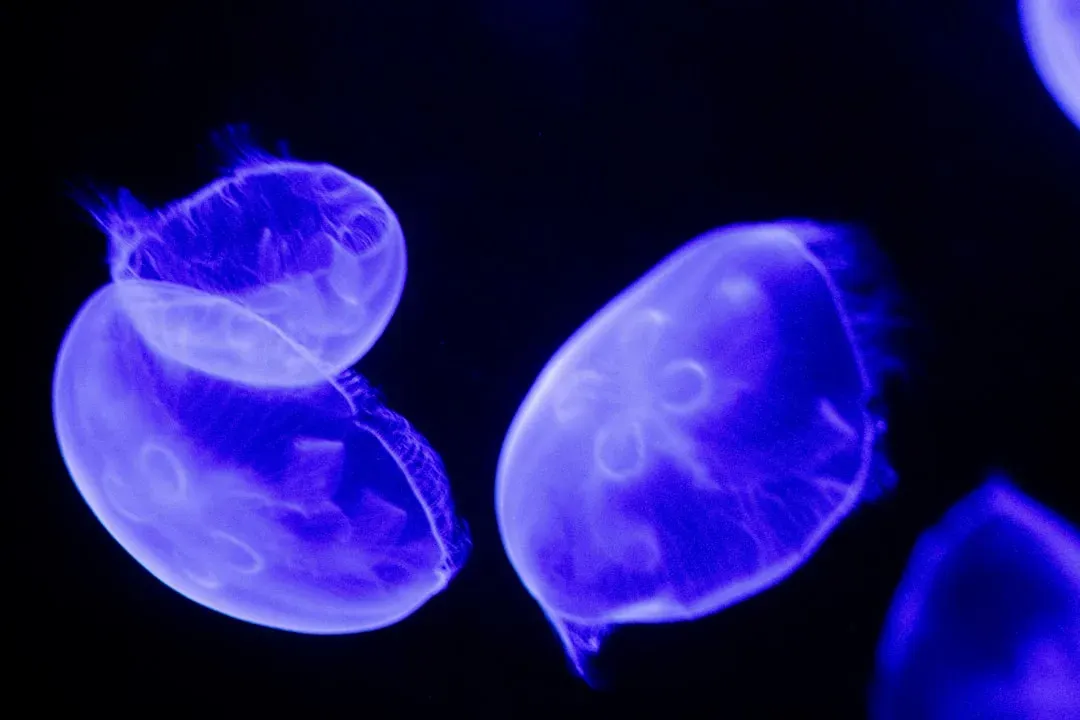
Here’s the thing – glowing animals aren’t magic. They’re chemists. Bioluminescence is light emitted by living things through chemical reactions in their bodies. It’s a type of chemiluminescence, which is simply the term for a chemical reaction where light is produced. Think of it like a tiny, living glow stick permanently installed inside a creature’s body.
In most cases, the principal chemical reaction in bioluminescence involves the reaction of a substrate called luciferin and an enzyme called luciferase. When these two molecules meet oxygen, light bursts into existence. What makes this even more fascinating is that bioluminescence is a “cold light,” meaning less than 20% of the light generates thermal radiation, or heat. No bulb, no wire, no power source. Just pure biological brilliance.
Animals can closely control when they light up by regulating their chemistry and brain processes depending on their immediate needs, whether a meal or a mate. It’s like having a built-in dimmer switch connected directly to the brain. Honestly, it makes our best technology look a little embarrassing.
An Ancient Trick: How Long Has Life Been Glowing?
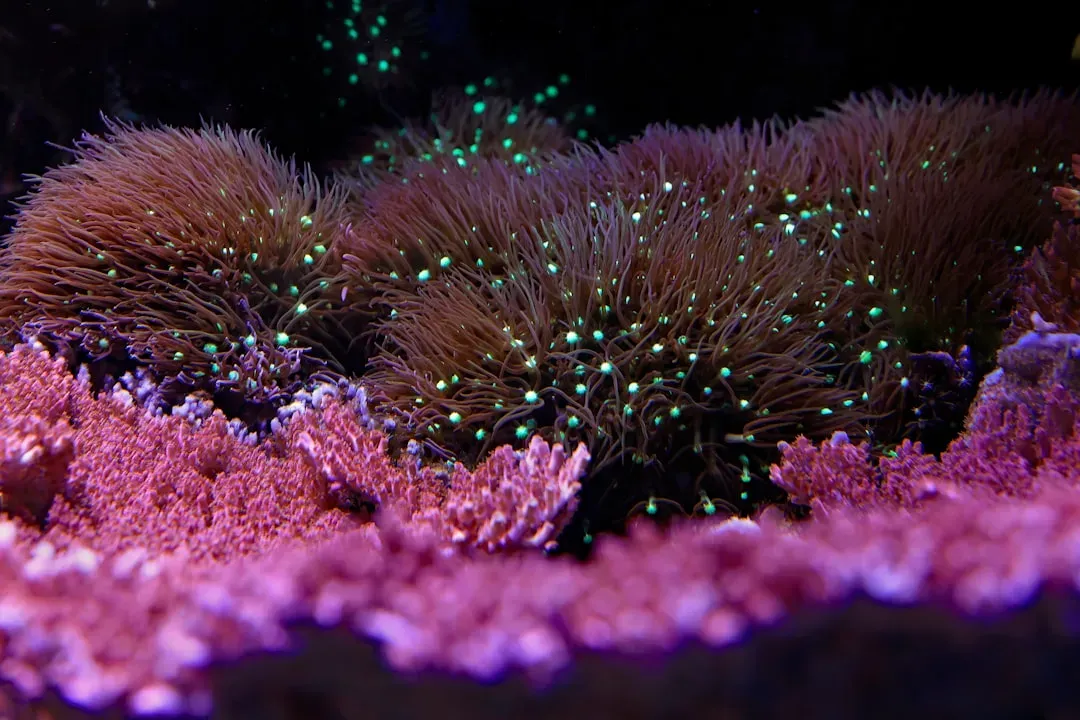
You might assume bioluminescence is a recent evolutionary novelty. It’s not – not even close. Bioluminescence first evolved in animals at least 540 million years ago in a group of marine invertebrates called octocorals. To put that in perspective, that was hundreds of millions of years before the first dinosaur ever took a step.
Bioluminescence has evolved independently at least 94 times, first emerging in octocorals some 540 million years ago. That number alone should stop you in your tracks. Evolution kept reinventing the same glowing trick over and over again in completely unrelated species. It’s a sophisticated biological tool that has evolved independently at least 40 times in evolutionary history. When nature repeats an idea that many times, you know it works.
Aristotle, who was a scientist as well as a philosopher, wrote the first detailed descriptions of what he called “cold light” more than 2,000 years ago. Even the ancient Greeks were captivated by glowing creatures. Some things never change.
Where the Glow Is Brightest: The Ocean’s Living Light Show
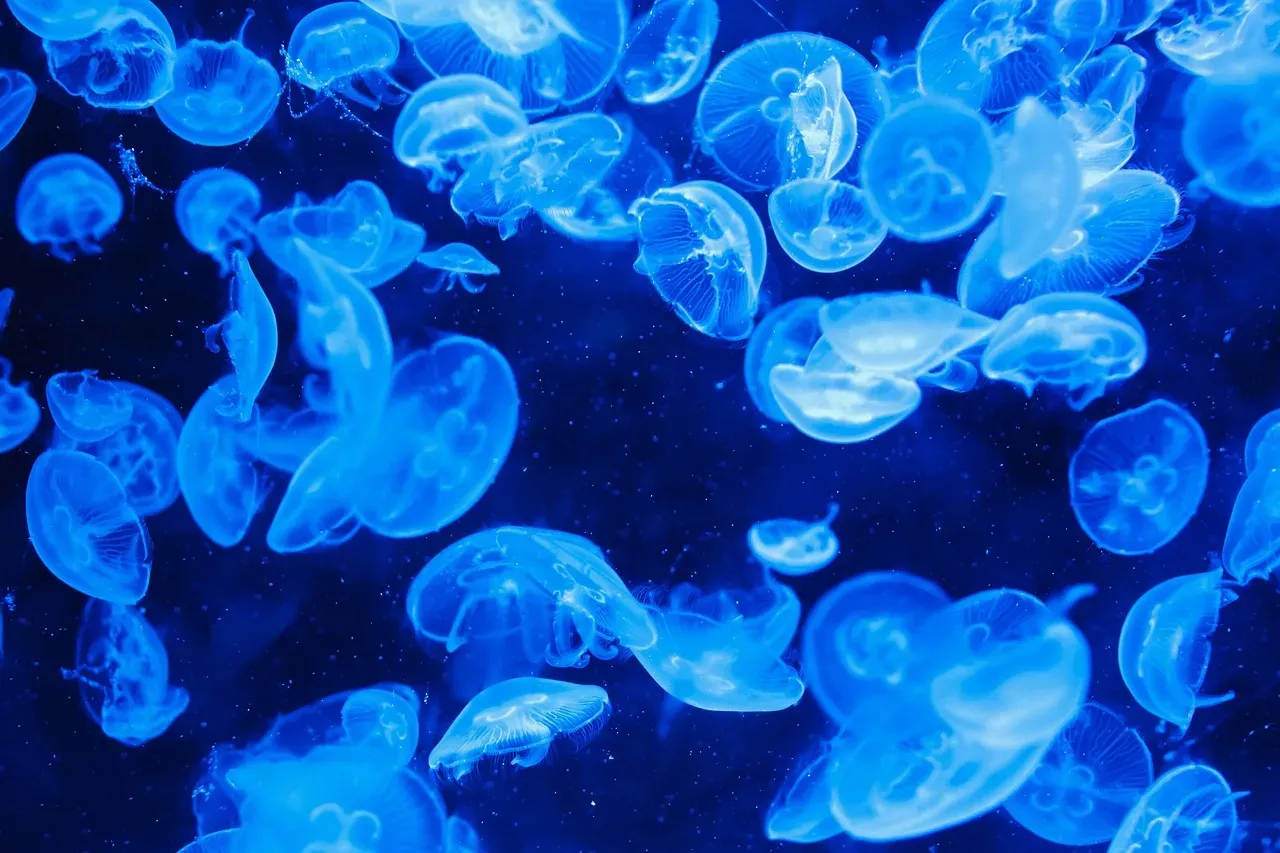
If you want to find bioluminescence, look to the sea. A whopping 76 percent of ocean animals are bioluminescent, which means they produce their own light through a series of chemical reactions or host bacteria that do. That is an almost incomprehensible number, and it reshapes how we imagine life beneath the waves.
In the deep ocean environment, the light some animals create for themselves is fundamental to survival. It is thought that up to 90% of life in the twilight zone creates light in some form. The twilight zone, that haunting mid-ocean layer where sunlight barely whispers through, is essentially a world lit entirely by living things. The most common light produced in the ocean is green and blue, as these wavelengths travel further through water.
In fish alone, there are about 1,500 known species that luminesce. That’s not a typo. Fifteen hundred species. The deep ocean is essentially a disco, and we are just barely starting to understand the playlist.
Survival Strategies: Why Animals Use Their Glow
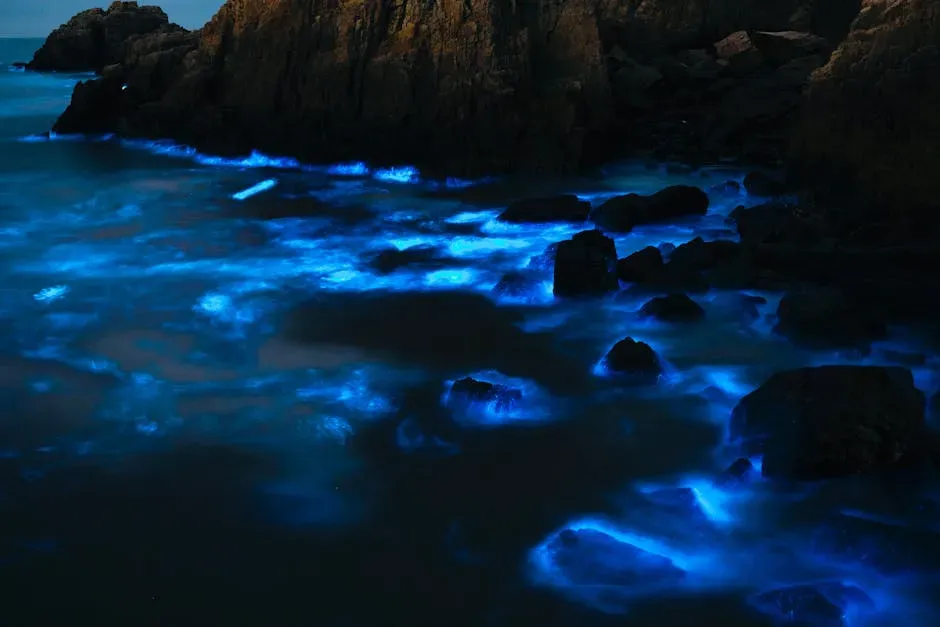
Let’s be real – glowing in the dark sounds like a terrible idea if you’re trying to hide from predators. So why do so many animals do it? The answer is that bioluminescence is far more strategic than it appears. Bioluminescence serves the three basic purposes of finding food, finding mates, and defending against predators. It’s a multitool, not a decoration.
Deep-water anglerfish live at depths between 1000 m and 4000 m, and they use a glowing lure dangling from their foreheads to attract unsuspecting prey. Some bioluminescent animals, such as brittle stars, can detach body parts to distract predators. The predator follows the glowing arm, while the rest of the animal crawls away in the dark. It’s a sacrifice play worthy of a chess grandmaster.
Hawaiian bobtail squid light up via bioluminescent bacteria living in one of their organs; the light camouflages them against moonlight on the surface and eliminates their shadow, obscuring them from predators. Think about that. These tiny squid are essentially wearing a glowing invisibility cloak. Nature really does outpace science fiction.
Glow Beyond the Sea: Fireflies, Fungi, and Land-Based Wonders
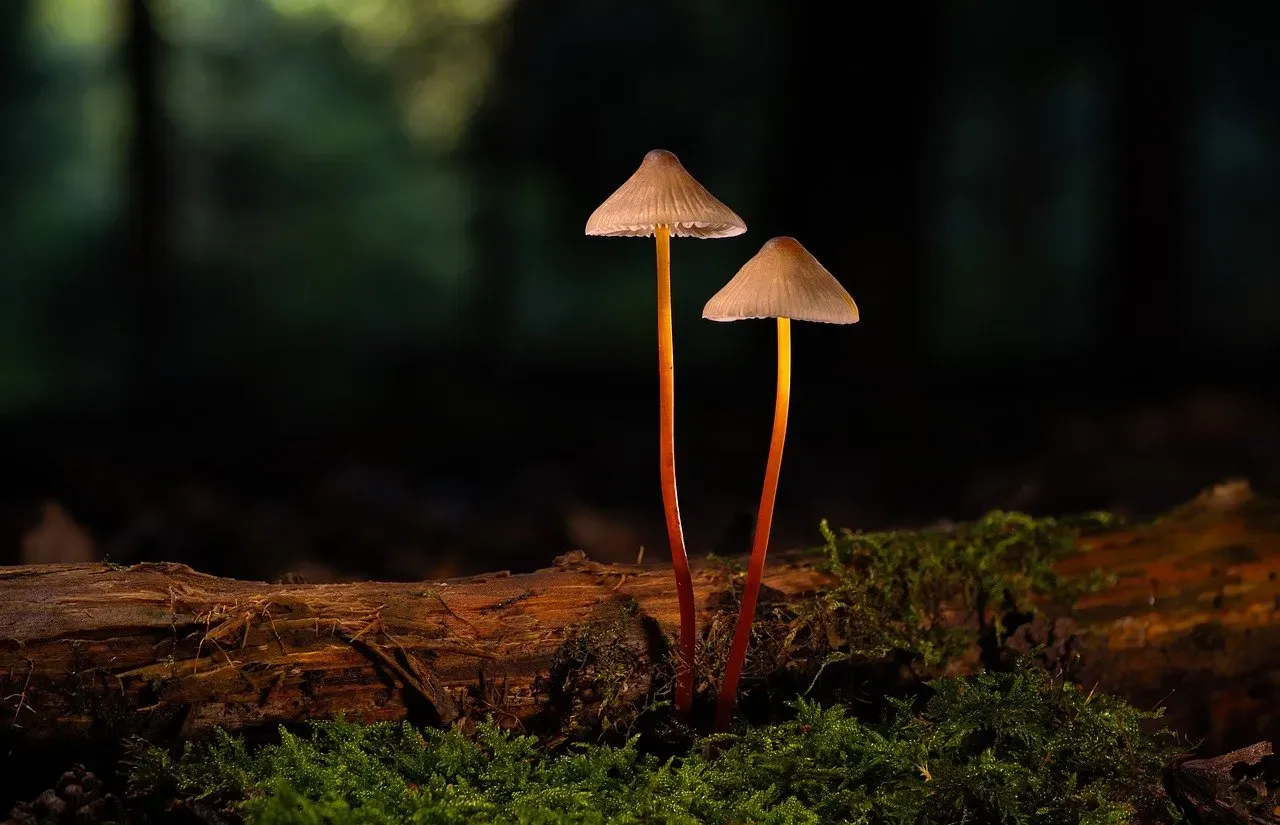
It would be easy to assume bioluminescence is strictly an ocean phenomenon. It isn’t. Most bioluminescent organisms are found in the ocean, including fish, bacteria, and jellies. Some bioluminescent organisms, including fireflies and fungi, are found on land. Those fireflies your dog was chasing? Pure biochemistry on wings.
About 75 species of fungi are capable of giving off an eerie, green light, possibly to attract insects which will help to spread their spores. Most of these species live in tropical rainforests. Glowing mushrooms in a dark forest. It’s no wonder ancient myths and folklore were full of mysterious forest lights. Some stories and legends tell of mysterious glowing logs that make forests shine in the dark, a phenomenon known since ancient times.
In Australia and New Zealand, you can visit caves of glowworms, actually the larvae of a small fly, that dangle sticky bioluminescent threads to lure and capture unlucky prey. A cave ceiling covered in tiny glowing threads. I think that might be the most otherworldly thing on this entire planet.
Bioluminescence in Human Hands: Science, Medicine, and What’s Next
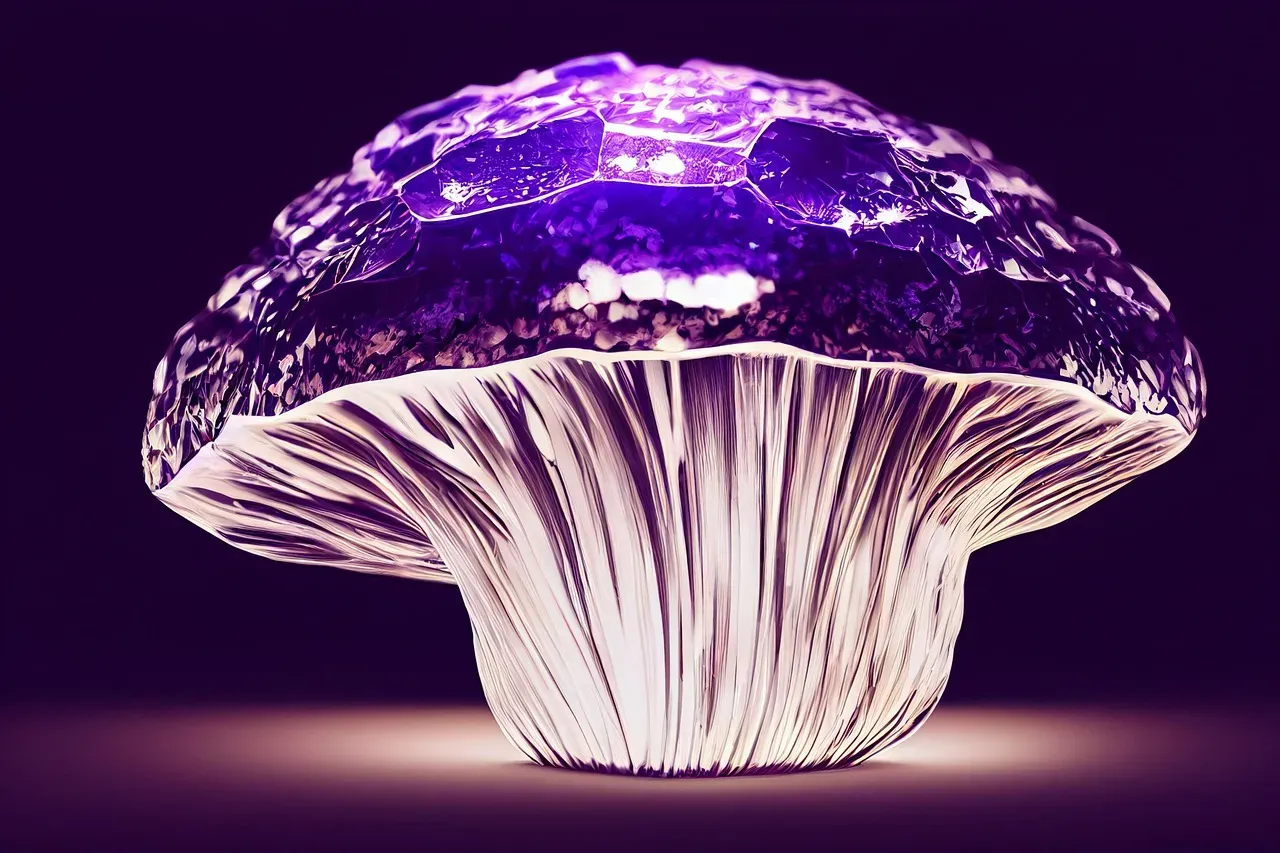
Here is where things get genuinely exciting for scientists and everyday people alike. Nature’s glow is not just beautiful – it is useful. Utilizing bioluminescent molecules for cell tracking enables rapid identification of infectious agents, the localization of cancer cells, and immune system response cells. In other words, the same chemistry that helps a squid hide from predators is helping doctors find tumors in humans. Remarkable.
Due to its unique ability to produce light without the need for an external light source, bioluminescence has been utilized in the field of medical research, particularly in imaging and probe techniques for cancer detection and cell culture research. It’s hard to say for sure just how far these applications will go, but the early results are genuinely promising. By unraveling the underlying mechanisms and functions of bioluminescence, scientists aim to harness this knowledge for innovative applications in diverse fields such as medical diagnostics, environmental monitoring, and beyond.
Bioluminescence is a reminder of how much of our world remains “in the dark.” Sadly, light pollution and habitat loss are making these sights rarer. When we build over marine habitats or over-light our cities, we break the silent, glowing conversations these organisms have been having for millions of years. That thought should give all of us pause.
Conclusion: A World Lit From Within
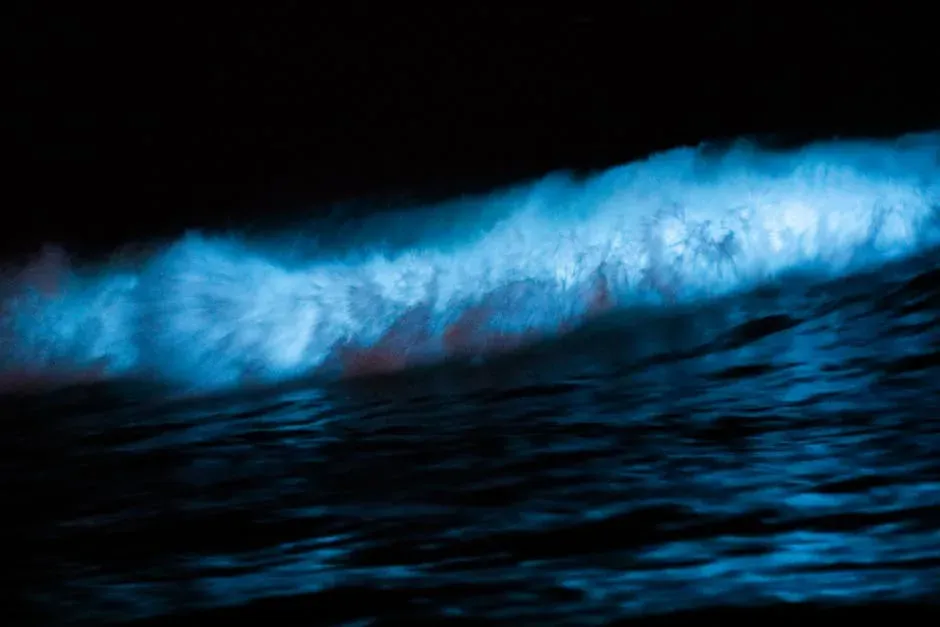
Bioluminescence is one of those phenomena that reminds you just how extraordinary ordinary life really is. From the ancient glow of deep-sea corals half a billion years old to the firefly blinking in your garden on a summer night, living light is everywhere – if you know where to look.
It’s a survival language, a hunter’s weapon, a lover’s signal, and a scientist’s tool all rolled into one breathtaking chemical reaction. The oceans pulse with it, forests whisper it in the dark, and researchers are only just beginning to decode its full potential for human medicine and technology.
The next time you spot a firefly or hear about glowing seas off the coast of Puerto Rico, remember: you’re witnessing hundreds of millions of years of evolutionary genius, flickering quietly in the dark. What’s the most mind-blowing part of animal bioluminescence for you? Drop your thoughts in the comments below – we’d love to hear what lit you up!
