
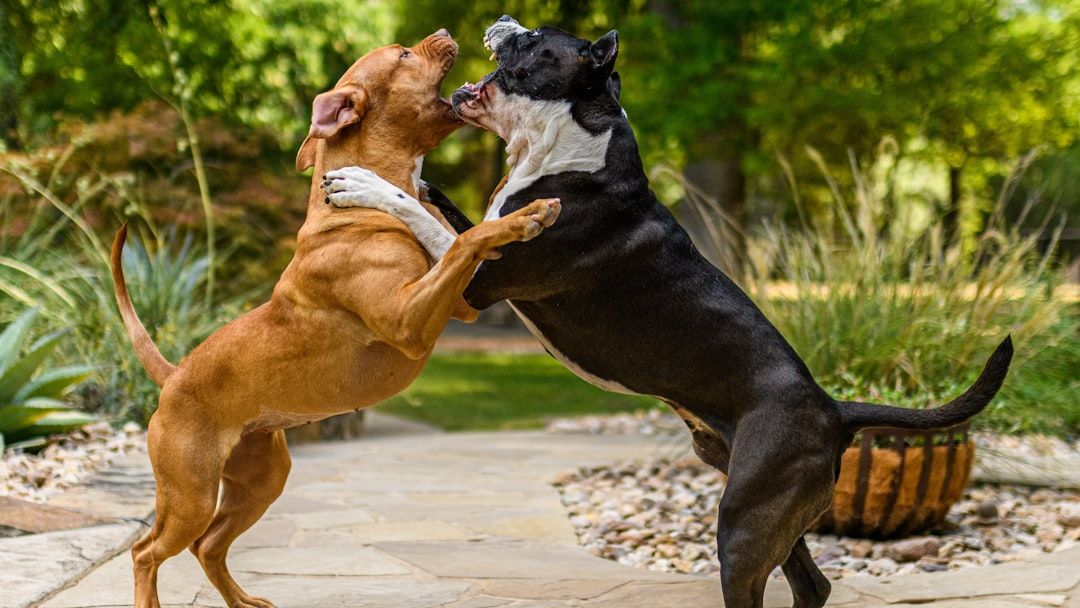
You’ve probably experienced it. That moment when you’re approaching a friend’s house and their usually sweet dog suddenly transforms into a barking, lunging whirlwind. Or maybe you’ve encountered it at the park, when a seemingly calm pup suddenly growls and snaps at you. It’s confusing and honestly, a bit scary. We love our dogs, right? Most of them are gentle companions who brighten our days. Yet sometimes, even the friendliest breeds can react to strangers with hostility that seems to come out of nowhere.
Here’s the thing: aggressive behavior towards strangers in dogs is rarely truly unexplained. There’s almost always a reason lurking beneath the surface, whether it’s fear, genetics, early experiences, or a combination of factors. Understanding why your dog reacts this way isn’t just about making your life easier. It’s about improving your dog’s quality of life and keeping everyone safe. So let’s dive in.
The Hidden Role of Fear in Stranger-Directed Aggression

Recent research concludes that fear is the number one cause of aggression. Think about that for a moment. Your dog isn’t necessarily being mean or dominant when he barks at the delivery person. He might actually be terrified.
Dogs were more likely to demonstrate stranger-directed aggression if they rated as mildly or severely fearful of strangers, or mildly fearful in non-social situations. What looks like aggression is often a dog’s desperate attempt to create distance from something that scares them. When a dog feels cornered or threatened by an unfamiliar person, their fight-or-flight response kicks in. If they can’t flee, they fight.
I’ve seen this countless times. A dog backs into a corner, ears flat, tail tucked, and then suddenly lunges forward snapping. That’s pure fear talking. The tricky part is that fear-based aggression can escalate quickly if the scary thing doesn’t go away. Your dog learns that growling or snapping makes the stranger leave, which reinforces the behavior.
Early Life Experiences Shape Adult Behavior
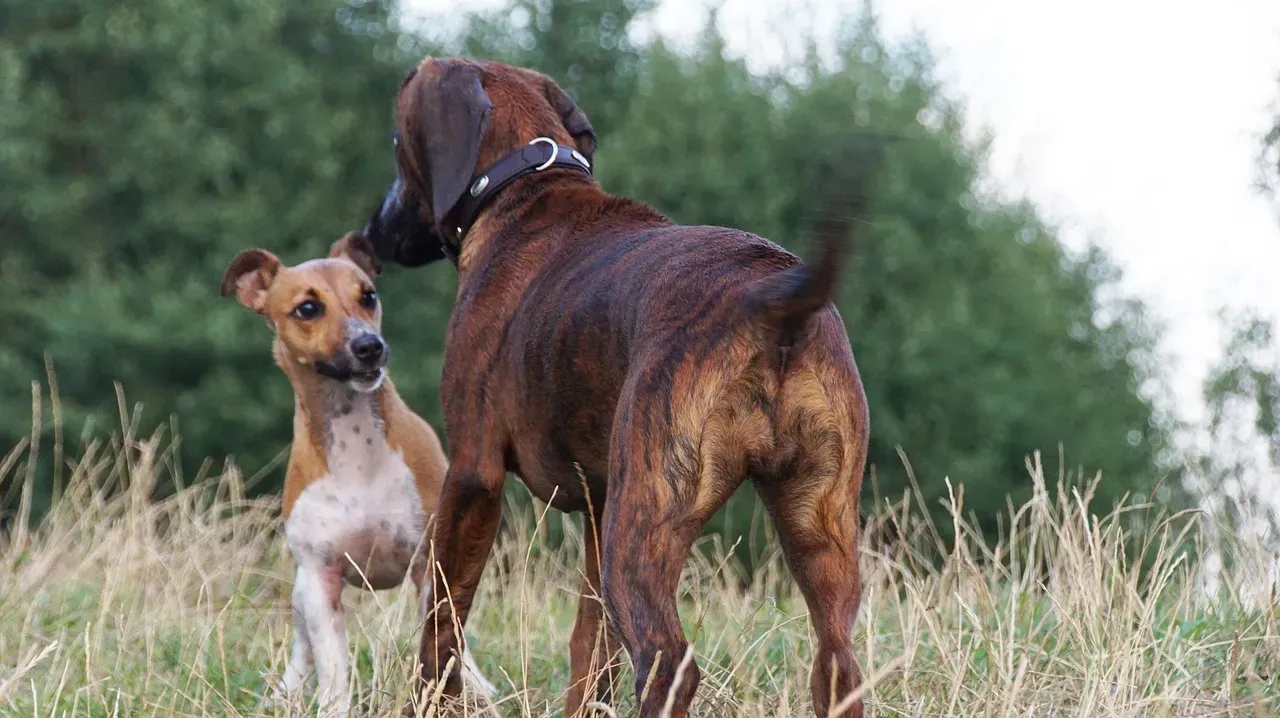
The first few months of a puppy’s life are absolutely critical. Adverse experiences such as abuse or being given up during a dog’s first six months of life mean they are more likely to be fearful and aggressive as adults. This isn’t just about obvious trauma either.
Puppies are ideal candidates for socialization between the ages of 3 and 16 weeks of age. This period is called the “sensitive period for socialization.” During this window, puppies need positive exposure to all kinds of people, sounds, environments, and experiences. Puppies who miss out on these experiences may never learn to be comfortable around unfamiliar things, paving the way for anxiety, fear, and aggression later on in life.
Let’s be real. Many dogs adopted from shelters or puppy mills missed this crucial socialization window. They might have been isolated, inadequately socialized, or even mistreated. These early deficits don’t just disappear when they find loving homes. They leave lasting impressions on how dogs perceive the world.
Genetics and Breed Predispositions Matter

I know some people get uncomfortable talking about breed differences, but genetics absolutely play a role in behavior. For traits such as aggression toward strangers and trainability, genes contribute 60 to 70 percent of behavioral variation among breeds. Chihuahuas and dachshunds had higher aggression toward strangers.
That doesn’t mean every Chihuahua will be aggressive or that every Golden Retriever will be friendly. Individual variation exists within every breed. However, certain breeds were historically selected for guarding or protective behaviors, which can manifest as wariness toward strangers.
The effect of adversity differed across different breeds. Some breeds, such as Siberian Huskies, American Eskimo Dogs, and American Leopard Hounds, were more likely to become aggressive or fearful after experiencing early trauma. This suggests that genetics and environment interact in complex ways. Some dogs are simply more sensitive to stress than others.
Territorial Instincts and Resource Guarding

Dogs are naturally territorial creatures. Way back in the early days of domestication, guarding was a dog’s primary purpose and that has stayed in their DNA. Your dog might view your home, yard, or even your car as their territory that needs defending against intruders.
While most forms of territorial aggression are likely to occur on the property, some dogs may protect areas where they are temporarily housed. Territorial aggressive displays may range from growling and barking to lunging, chasing, snapping and biting. Territorial displays may occur at windows, doors, behind fences and in the car.
The problem intensifies when dogs are left to patrol on their own. Dogs that are tied may show extreme territorial behaviors and aggressive responses. Dogs that are left outside all day without owner supervision are also at risk for developing escalating territorial responses. Without proper guidance, what starts as alerting behavior can escalate into genuine aggression. Every time the mailman leaves after your dog barks, your dog thinks their aggressive display “worked” to drive away the threat.
Medical Issues Can Trigger Aggressive Behavior
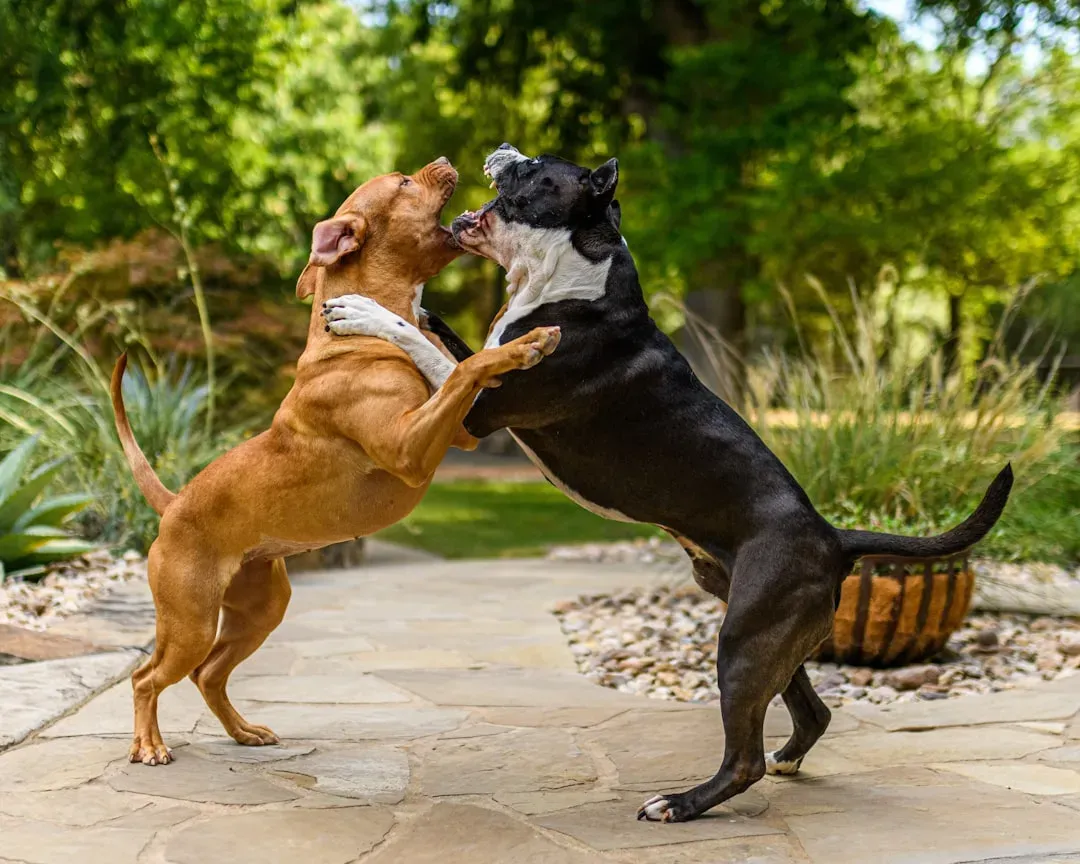
Sometimes aggression isn’t purely behavioral. Infectious agents such as rabies, hormonal imbalances such as hypothyroidism, psychomotor epilepsy, hyperkinesis, neoplasia, and a variety of genetic and metabolic disorders can cause or predispose a dog to aggression. Pain is especially sneaky.
As aggressive behaviour can be a sign of pain, it is possible that older dogs have painful conditions or disorders which make them more aggressive. Imagine dealing with chronic arthritis or a toothache and then having a stranger reach toward you. You’d probably snap too. Dogs experiencing pain may have a lowered threshold for stress and react more intensely to perceived threats.
If your previously friendly dog suddenly becomes aggressive toward strangers, honestly, the first stop should be your veterinarian. Rule out medical causes before assuming it’s purely behavioral. Thyroid problems, cognitive decline in older dogs, vision or hearing loss, and neurological conditions can all contribute to increased irritability and fear.
Conclusion

Aggression toward strangers in dogs is almost never truly unexplained. Behind every growl, snap, or bite lies a complex web of fear, genetics, early experiences, territorial instincts, and sometimes physical pain. Variables related to the environment, owner experience and the dog’s level of fearfulness are associated with aggressive behaviour towards strangers in dogs. Therefore, it might be possible to identify dogs at risk of developing stranger-directed aggression and implement plans to prevent behavioural issues from developing.
Understanding the root cause is the first step toward helping your dog. Early socialization, positive training methods, proper veterinary care, and sometimes professional behavioral intervention can make a world of difference. Remember that your dog isn’t trying to ruin your life or embarrass you in front of guests. They’re responding to something in their world that feels threatening or overwhelming.
What’s your experience been with your dog’s reactions to strangers? Have you noticed fear or territorial behavior? Share your thoughts in the comments below.
